H
Build 26320.10003 for Windows 26H2 is now available for a beta preview; it gives users more control over their security features and improves the speed of File Explorer's search speed. It also includes a range of other smaller fixes and improvements but is removing a long-standing feature at the same time.
H
Linux can be a complicated operating system to use, and even something as light as Mint isn't as easy as people make it sound. There's a lot more to it, and when things go wrong, it's frustrating because Windows has so much built-in help, and new people end up thinking they broke their computers. Before you install an entirely new OS and lose everything, there might be a way to get around the problem.
H
Have you been thinking about biting the bullet and learning Bash scripting? Or perhaps you're like me, and you're always looking for ways to improve. I have three tips that will improve every Bash script you write.
H
Security researchers recently discovered an 11-year-dormant vulnerability within Linux's handling of TCP, which they nicknamed NoisyTCP (CVE-2026-99288). The bug allowed a remote, unauthorized attacker to crash vulnerable servers over the internet without needing to log in to their account first. It affects the operating system itself, so a single attacker could bring down an entire server, including the other services that rely on it.
H
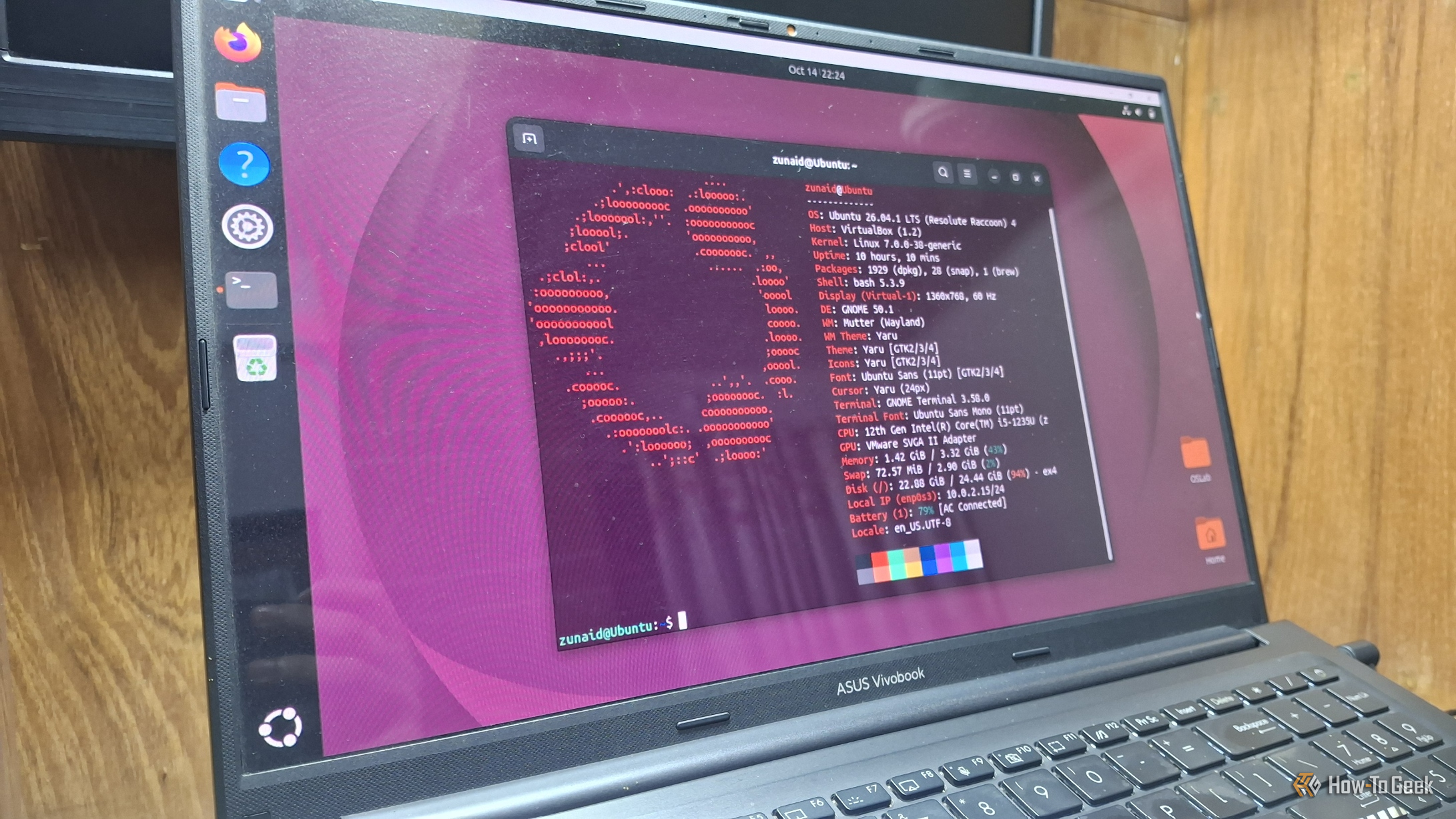
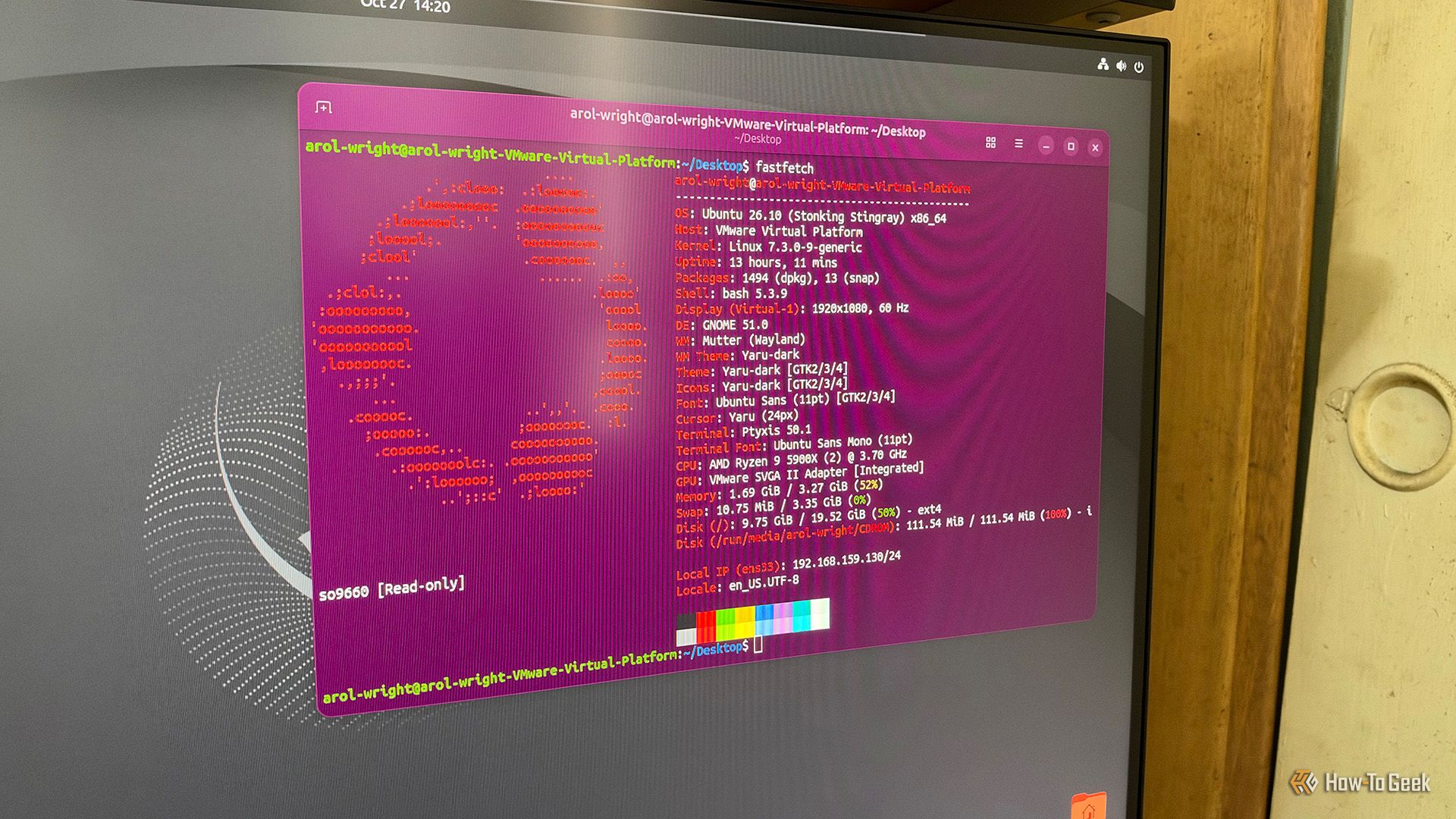
My Linux story began with Ubuntu. Over the years, I've used every LTS version since 20.04. I've also used my fair share of other Linux distros. I admit that Ubuntu isn't the best distro despite its popularity.
H
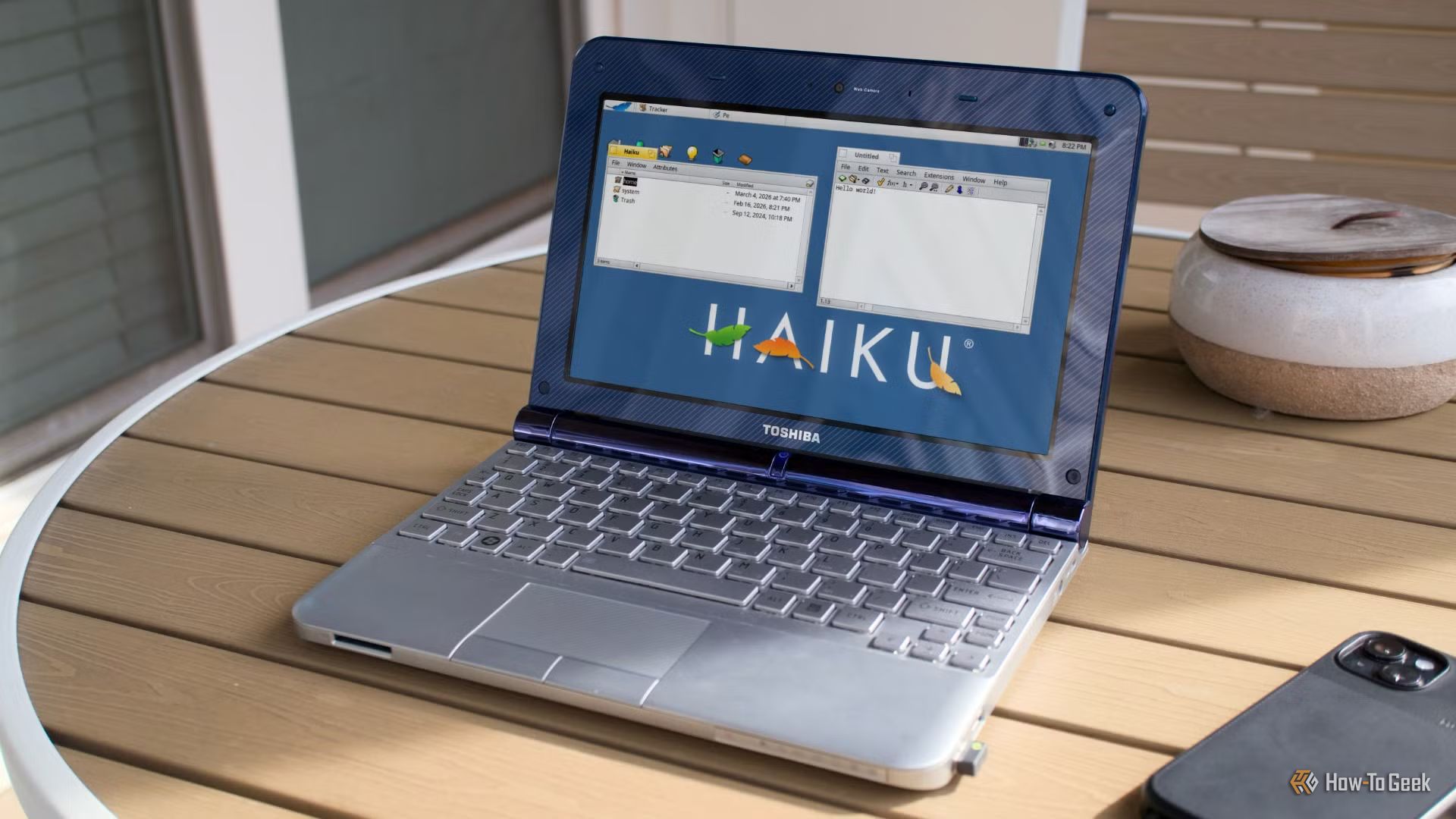
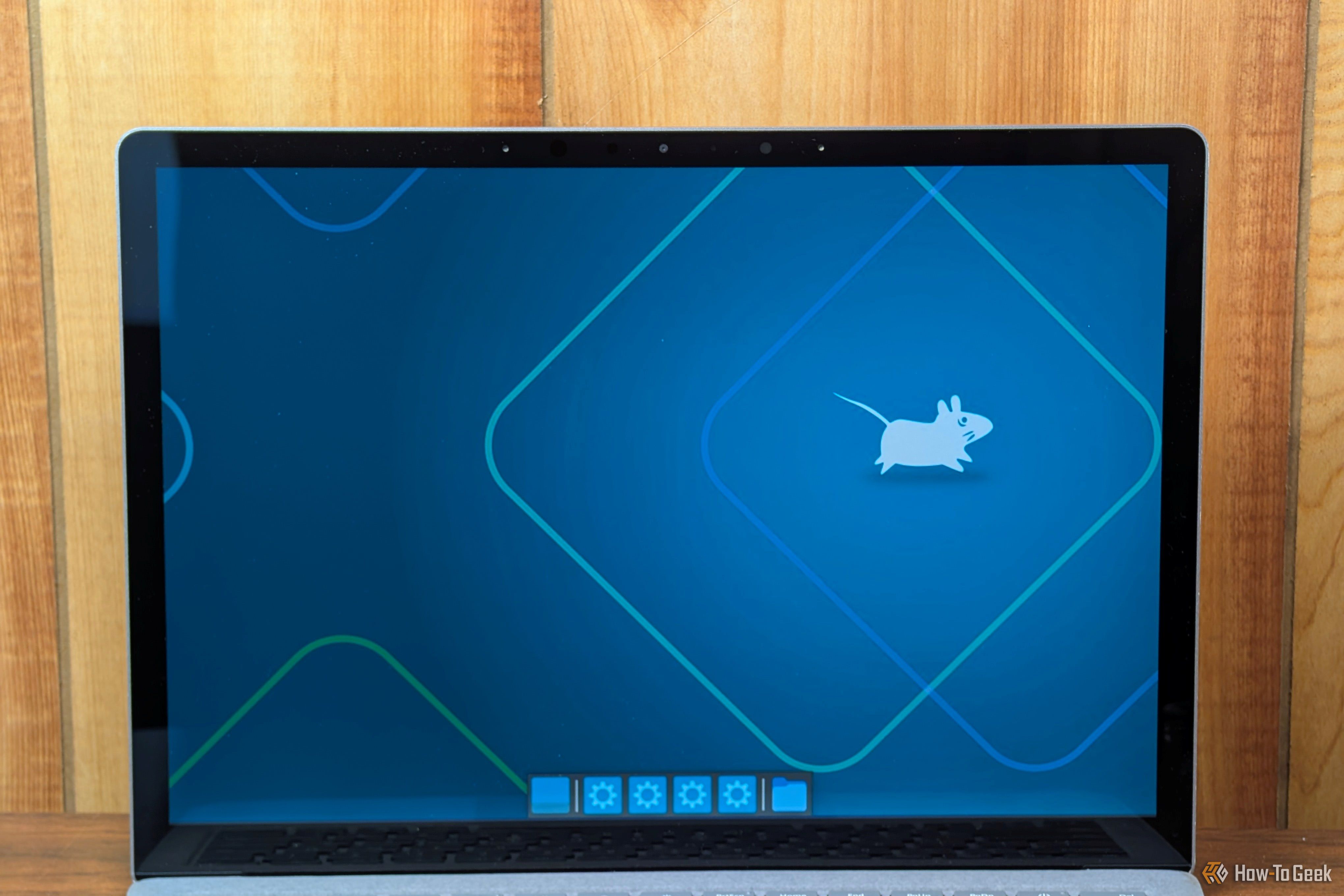
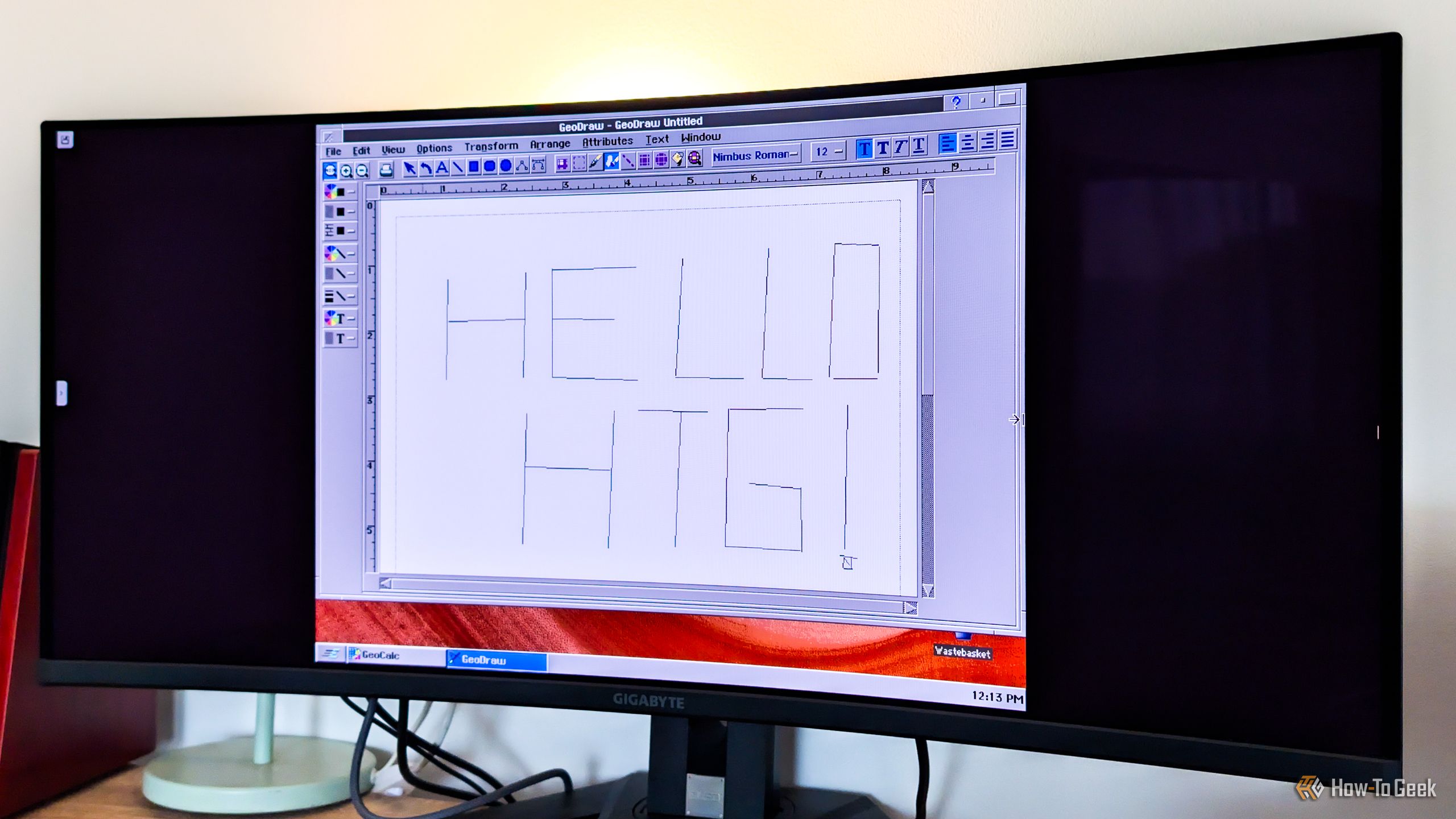
Haiku OS is a very interesting operating system. It's fun, unique, and very user-friendly. It’s probably the ideal hobbyist operating system for someone who wants to dabble outside of Linux, Windows, and macOS. It is, however, a bit limited. Regardless, I found a few apps and a game that were ported to Haiku OS by the open-source community. The results are pretty neat.
H
Is your Linux system slowing you down? Regular maintenance checks can help identify issues and keep your system running optimally. Fortunately, there are many Linux commands to help you.
H
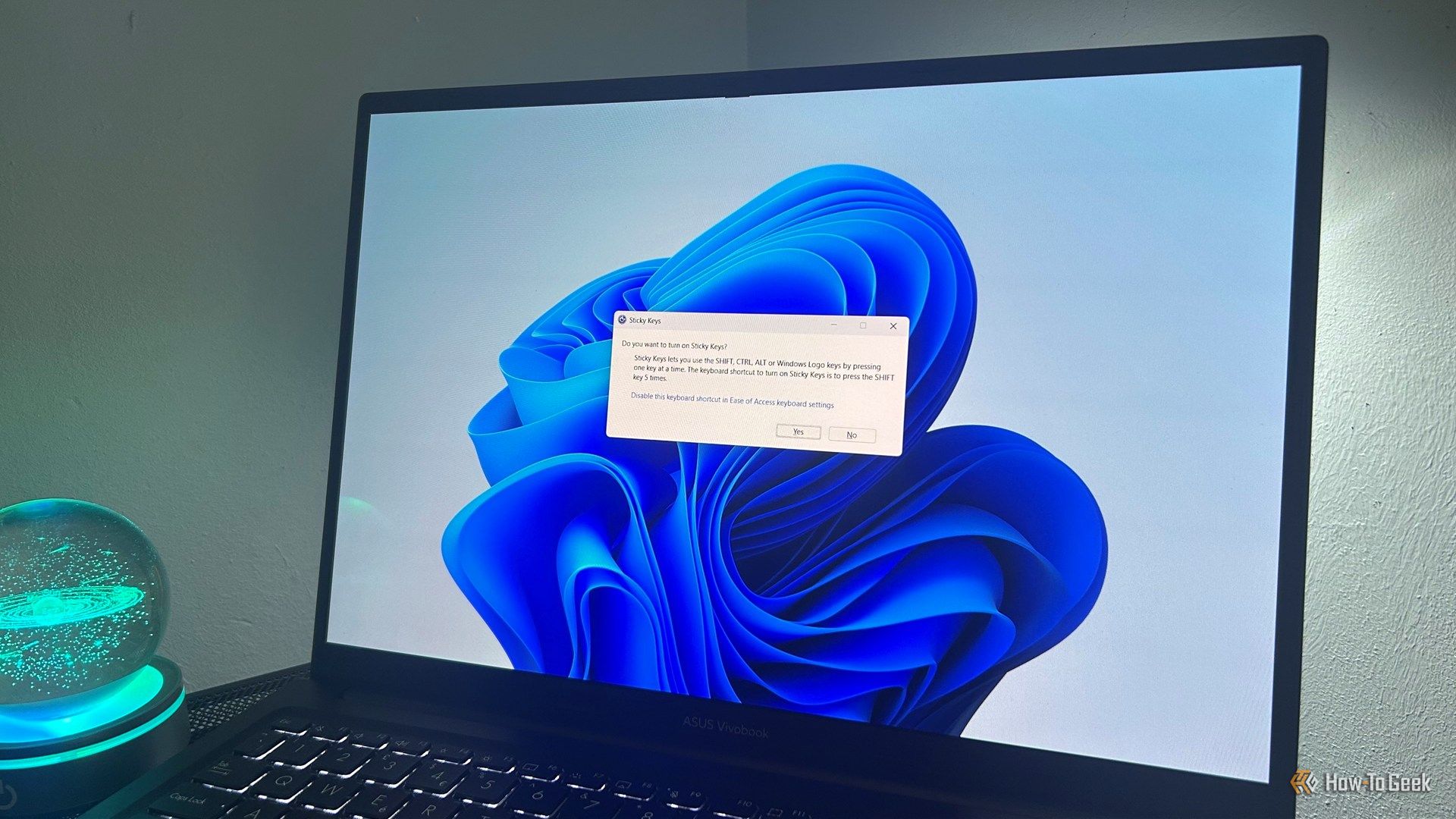
Few Windows sounds make me panic as quickly as the Sticky Keys chime. I know exactly what it means. For a split second, though, it always feels like I've triggered something I wasn't supposed to, and Windows is about to tell me I've broken something.
H
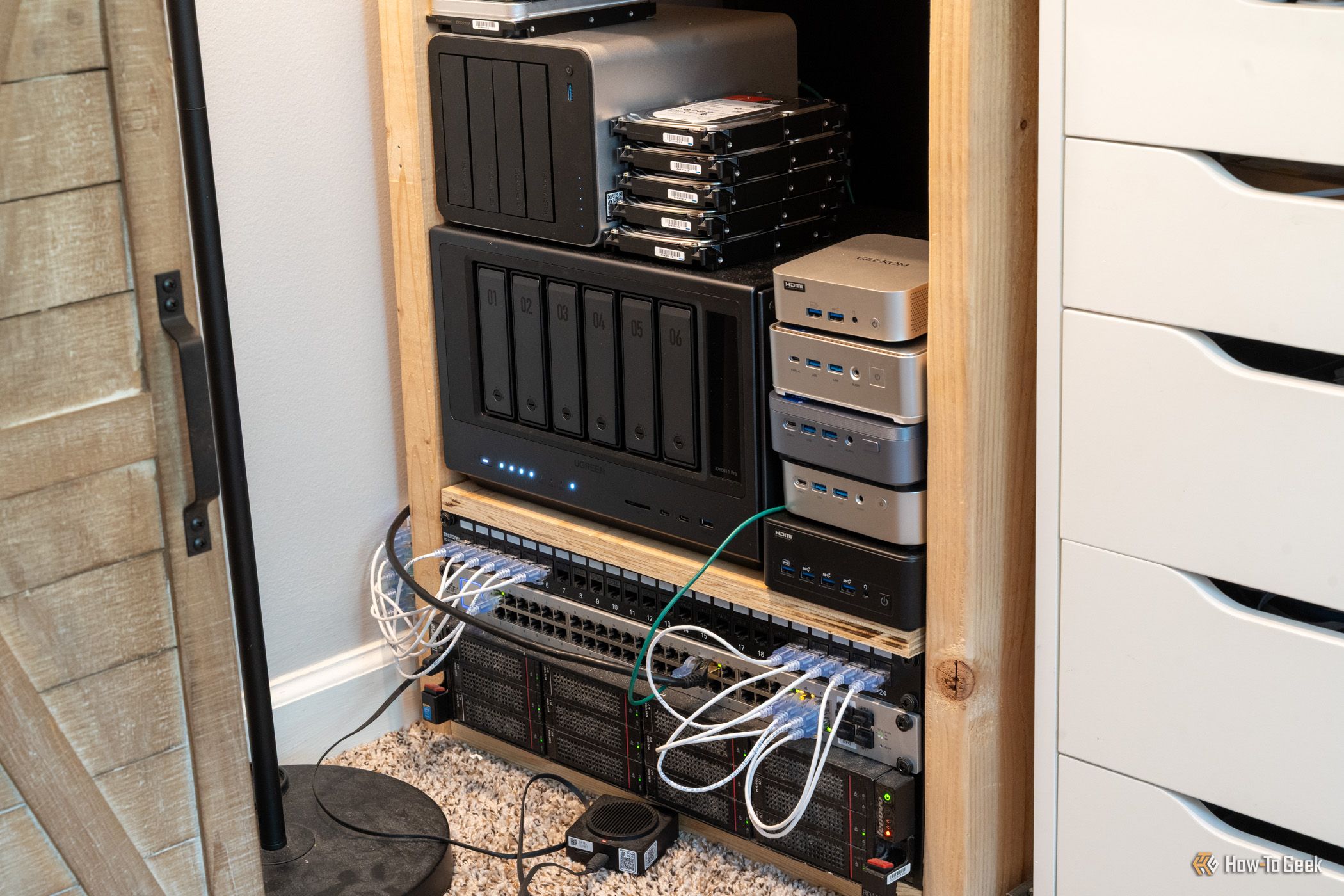
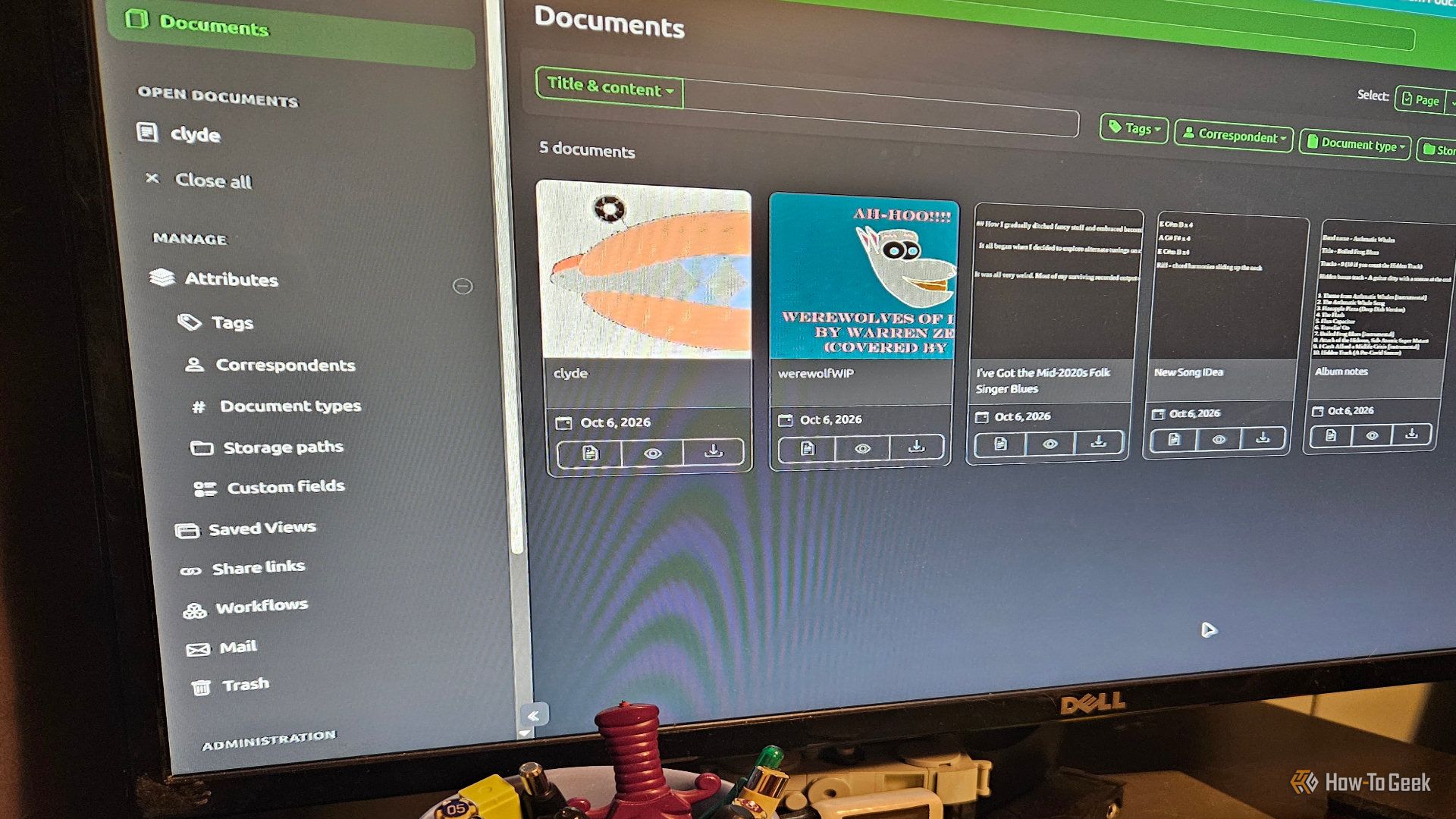
Self-hosting is a great way to save money on subscriptions and take control of your data, but getting everything running smoothly on one system can be difficult, especially if you have incompatible dependencies.
H
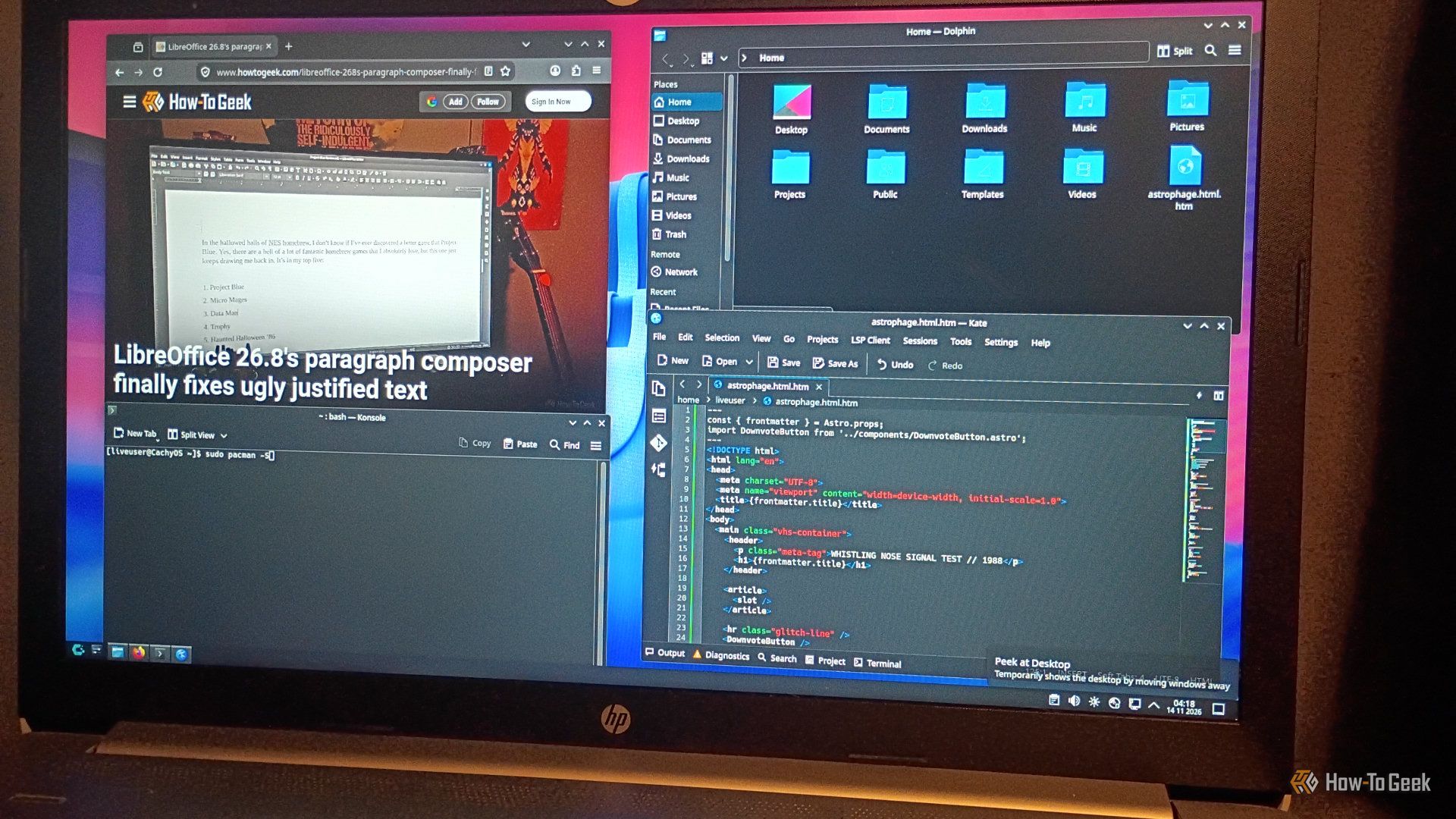
Ever since I've been using Linux as a daily driver, I haven't really considered dropping Mint for something else. Don't get me wrong. I have a machine running Debian, a machine running Arch, and I still use Red Hat and Ubuntu at the office. So I'm very much in the Linux world. But I recently discovered an OS that gives Mint a run for its money (at least for my work): CachyOS.
H
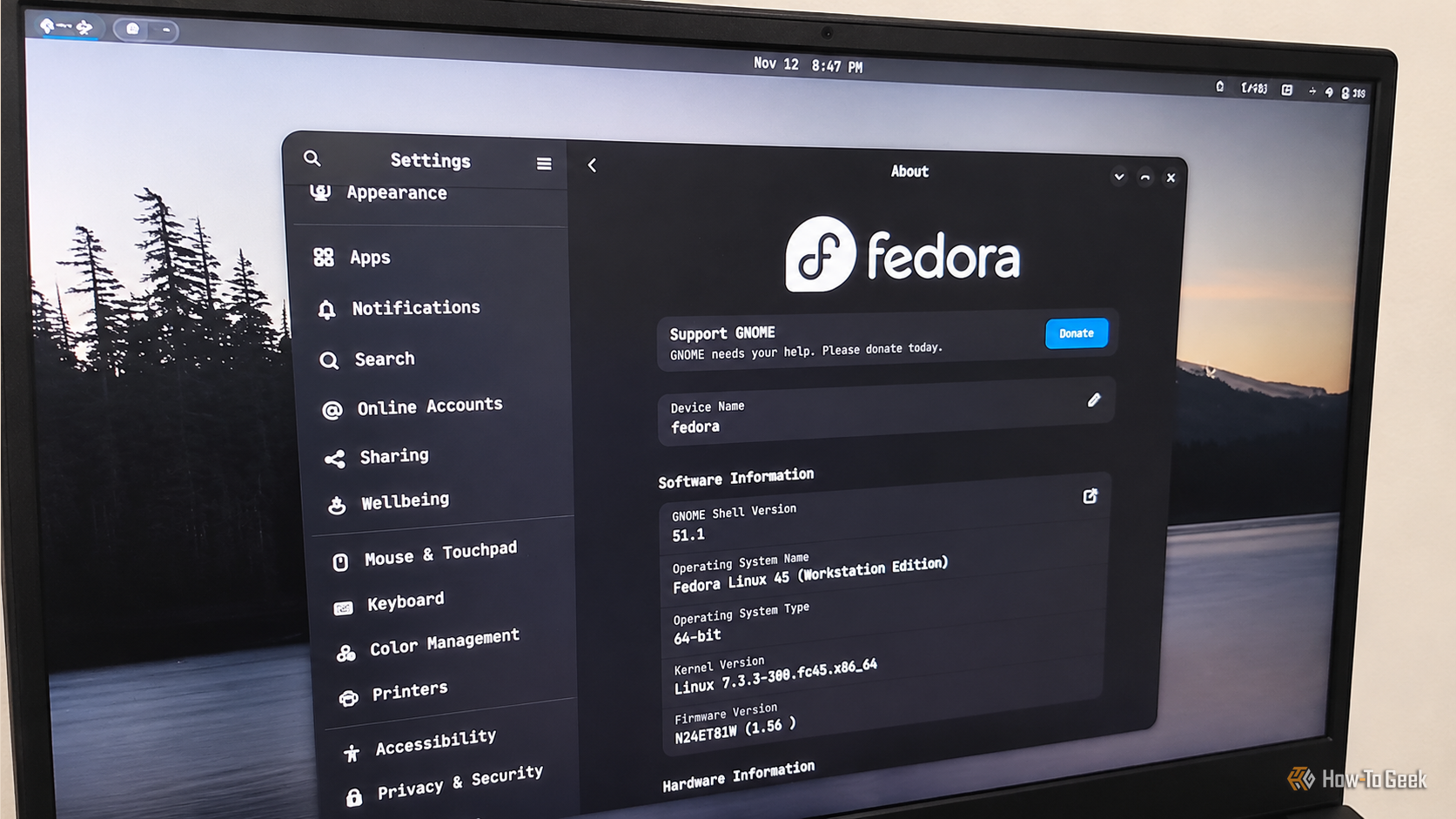
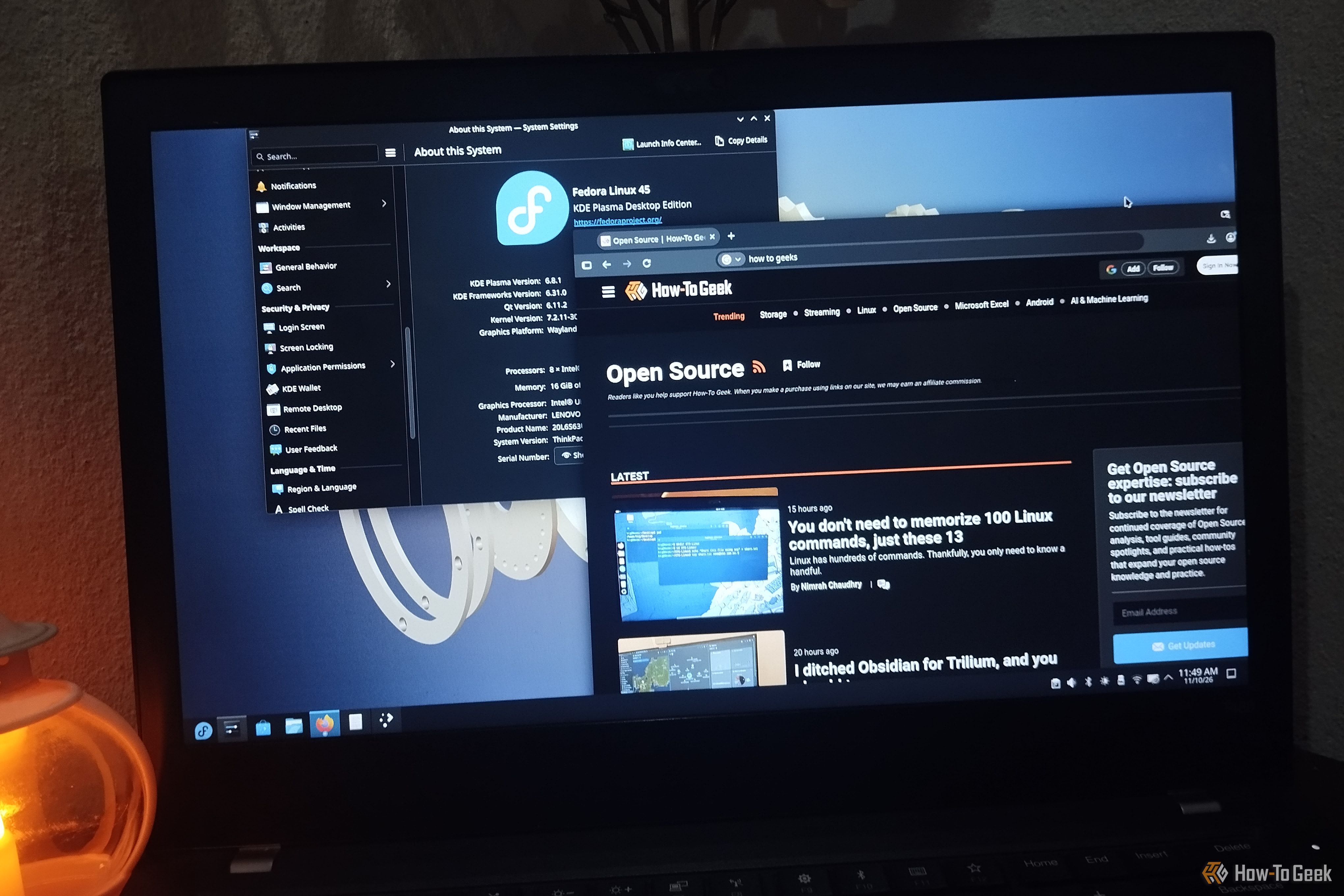
I have been using Fedora as my daily driver for years now. In fact, it's been so long that I don't even remember exactly when I switched to it, and I really like it. I have tried several Linux distros over the years, including Ubuntu, but I always find myself coming back to Fedora. Part of that comes down to personal preference. I have always felt that Ubuntu is a little bloated, and even when I tried it again recently, I couldn't quite shake that feeling. Fedora just feels cleaner to me,…
H
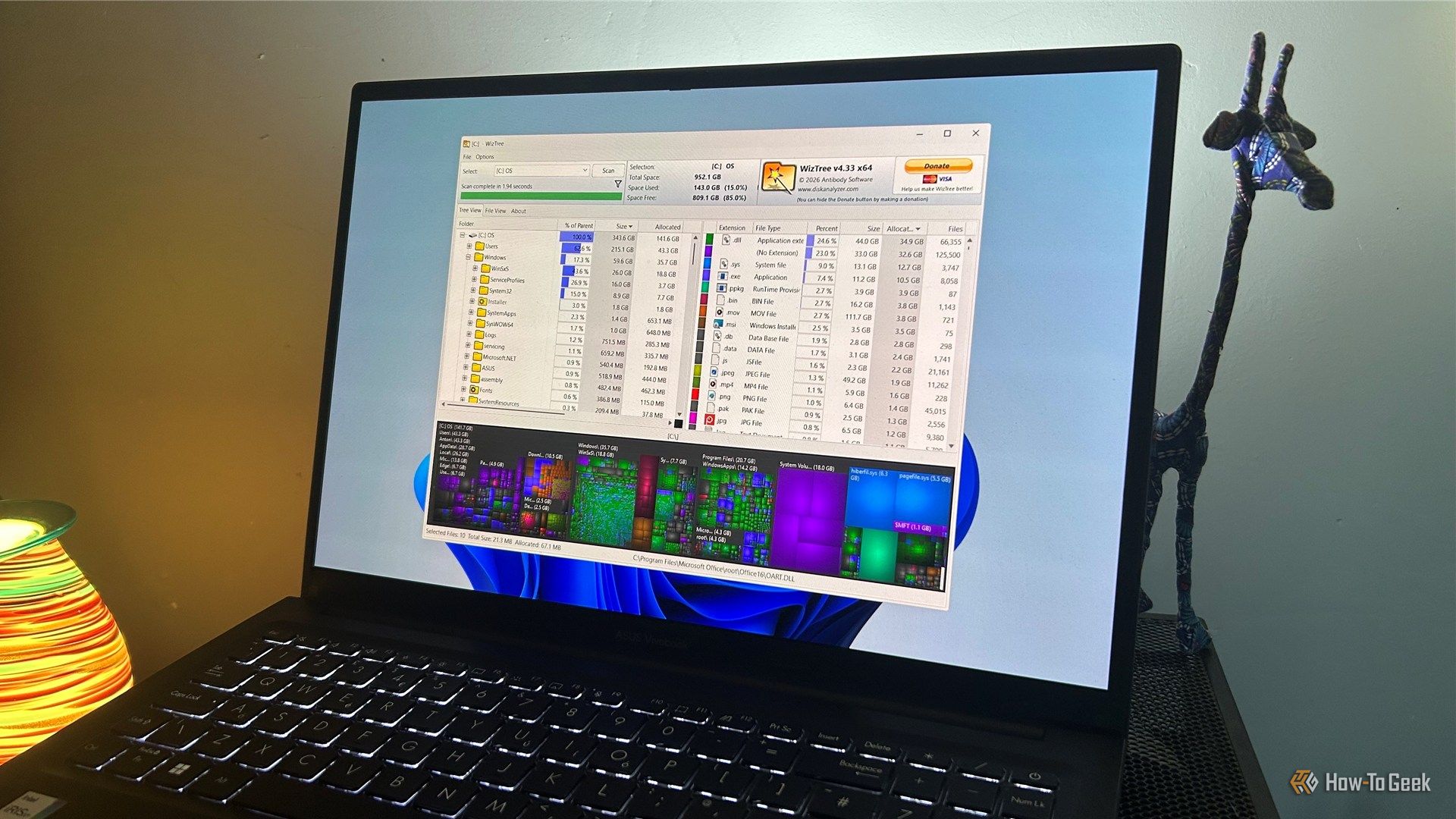
I've often found myself wondering where all the used space on my Windows 11 PC was actually going. Windows 11's built-in Storage page gives me plenty of useful data, but I had to jump between categories and wait for calculations to finish before I could piece together the full picture.
H
Privacy-focused operating systems have a tricky job, as they need to protect users from online tracking but keep the tools that make that protection possible up to date. That’s a constant battle for Tails, the Linux distribution built around anonymous browsing and leaving as few traces as possible on the computer it runs on. The latest release continues that effort with an updated Tor Browser and a newer Linux kernel.
H
If you use the terminal a lot, you can probably understand the frequent pain of typing out long commands. Bash's tab completion is ineffective, file paths are tedious to write, and typos are a persistent annoyance. I have three good reasons why Zsh addresses these and boosts your terminal workflow.
H
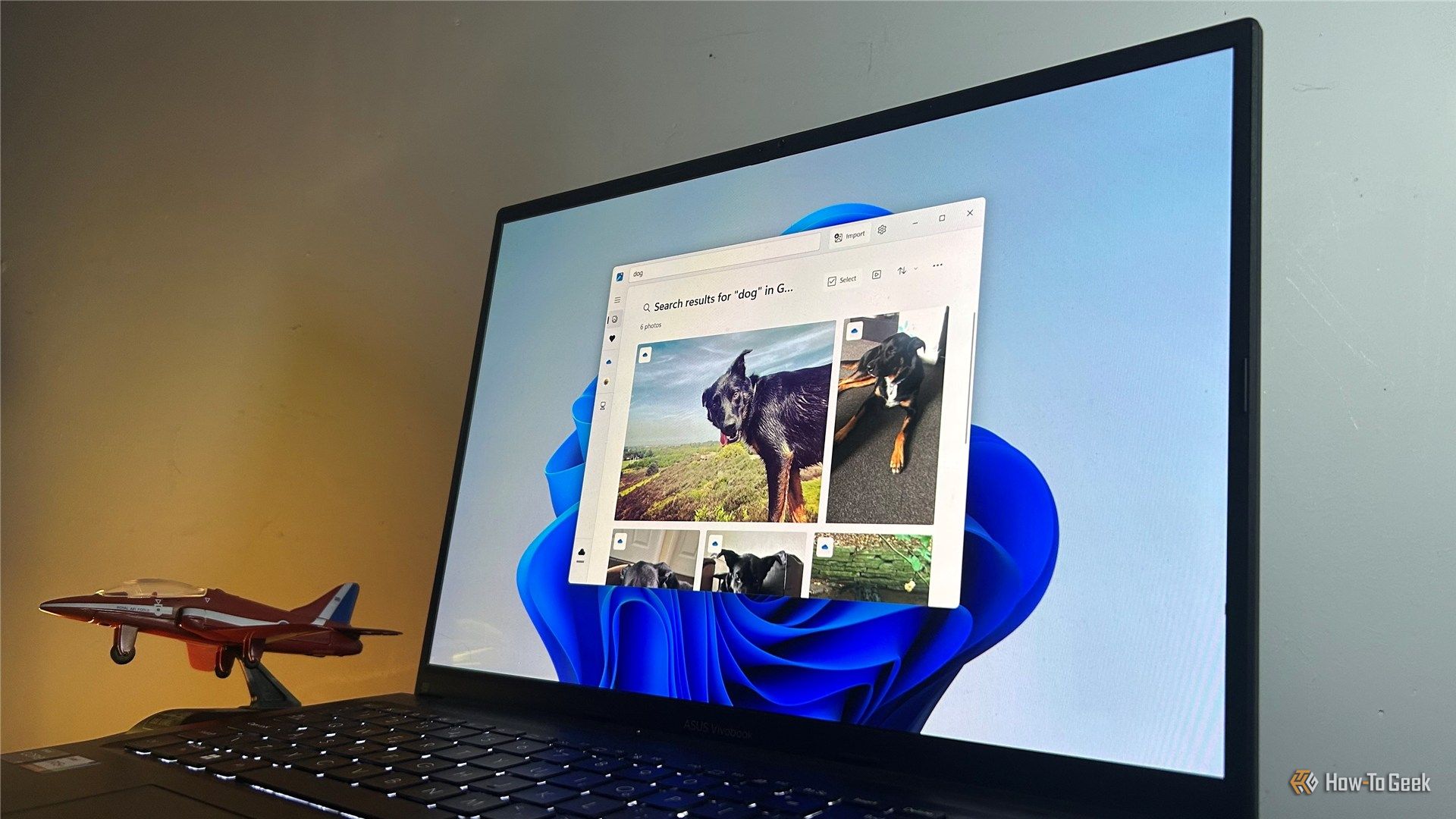
For years, I thought good photo management meant good organization. The larger my photo library became, the more time I spent creating folders, albums, and filing systems that I assumed I'd eventually need.
H
My home server plans usually die when I look at the hardware list. Everyone claims you need a dedicated box, which is rough if you don't have a spare machine sitting around. In reality, the PC you already have can handle most of it. Docker Desktop runs on Windows, and plenty of useful tools are small enough that they barely register next to my browser tabs.
H
Linux is everywhere, even when it looks and feels nothing like the desktop operating system most people think of when they hear the name.
H
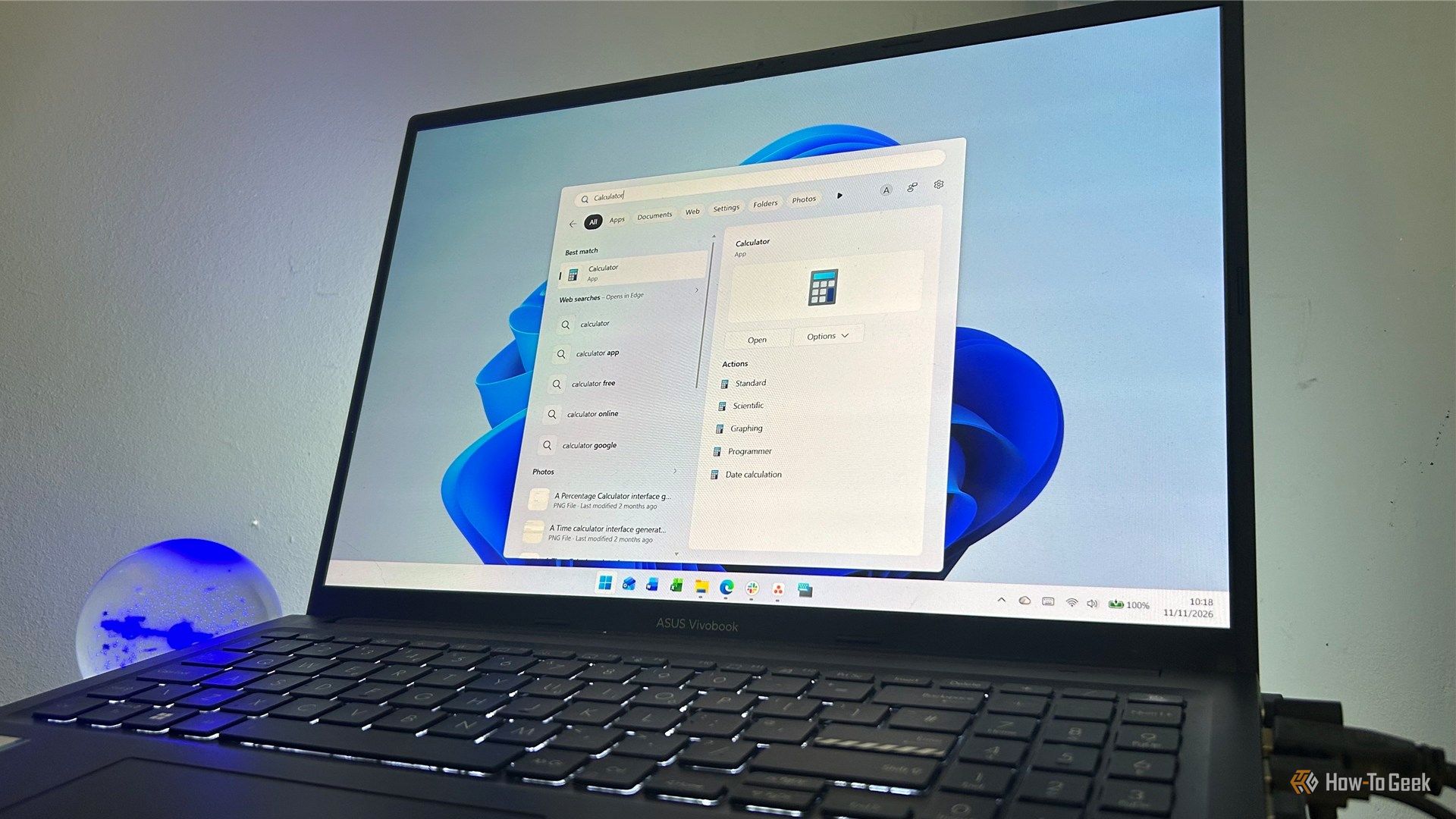
Windows Search is one of the features I use most in Windows 11. Most of the time, I'm looking for something simple: an app, a file, or a setting. That's why I've never been particularly keen on Search trying to do other jobs at the same time.
H
Microsoft's latest Windows 11 version 26H2 update that was released on November 3 introduced a set of optimizations specifically designed to help machines with only 8GB of RAM. This is excellent news for everyone stuck on a machine where upgrading the RAM isn't currently an option.
H
Fedora is already a solid Linux distro, but a fresh installation doesn't have to be your final setup. A few small tweaks can make it more convenient, unlock additional software, and give you better control over your system.
H
Most people start by simply installing a Linux distribution and then spend weeks tweaking it. When you build your own fork, though, and get a distro working for your personal use, the whole thing flips around: you bake your choices into the system from the ground up. It's probably the only way to have a true frictionless zero-setup install.
H
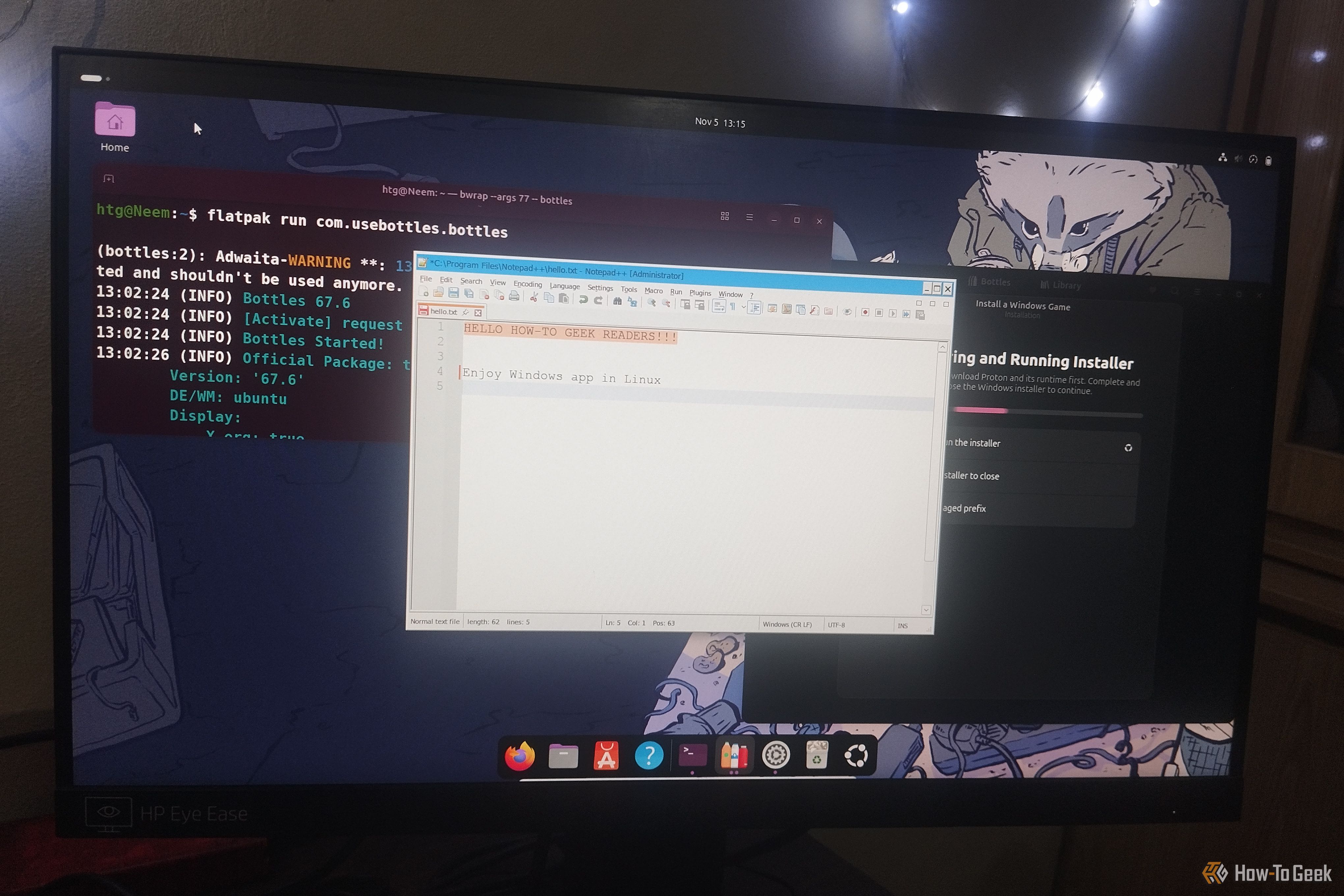
Years ago, I was excited to try Bottles and finally run Windows applications on Linux. That excitement didn't last long. I got disappointed pretty quickly and eventually switched to open-source alternatives for my Windows apps. I haven't really looked back since.
H
Flatpak makes it easier to install applications across different Linux distros, but its sandboxing model introduces problems that you will eventually run into. An application might not be able to access your files, recognize a connected device, or use a system feature. Even uninstalling applications can leave behind configuration files and other data that continue occupying storage.
H
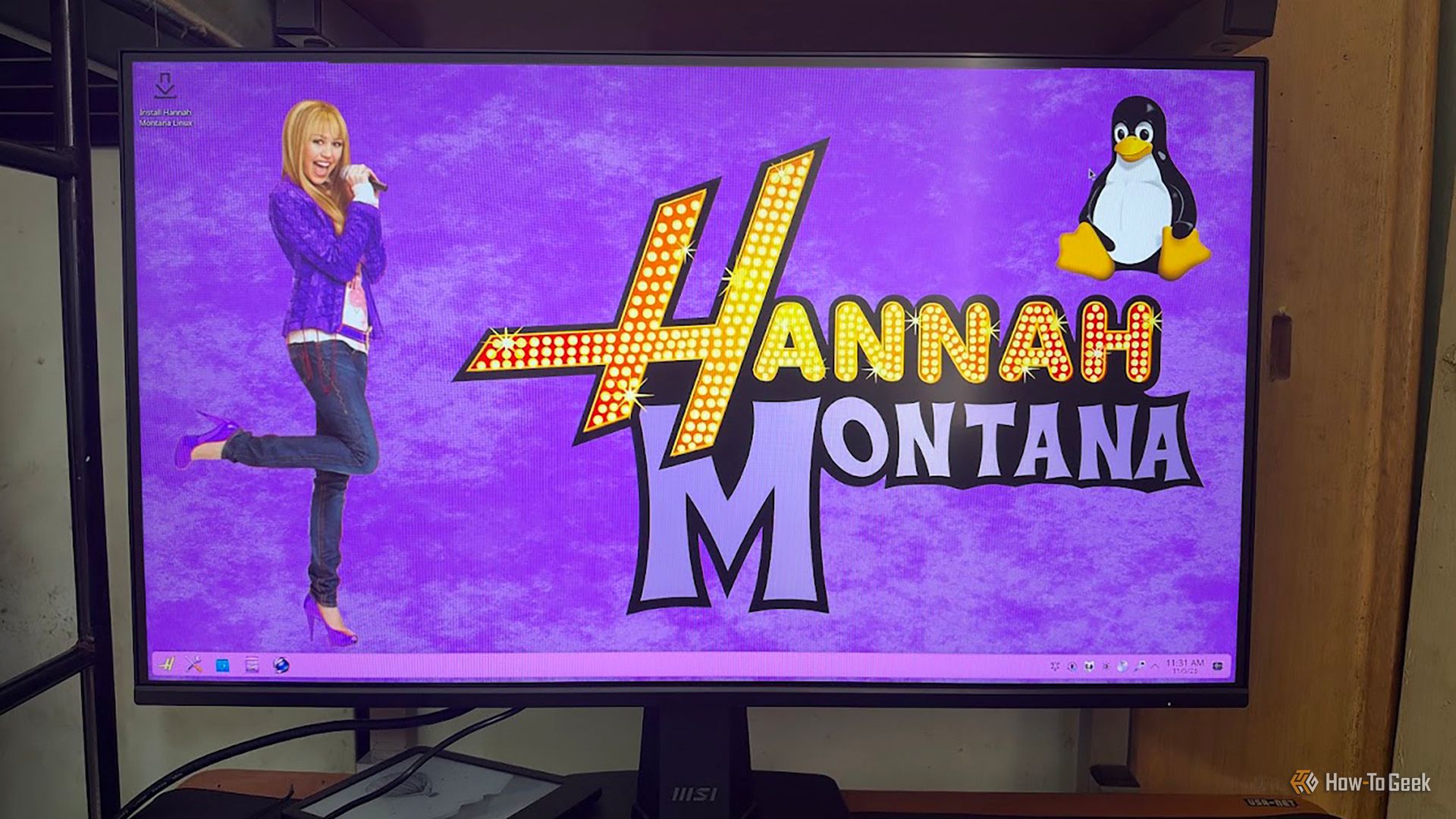
Most Linux distributions exist for sensible reasons: to make your computing experience easier, safer, or faster. All fully serious stuff. But sometimes, the community has a sense of humor—or a deep sense of malice—and builds operating systems for stranger reasons. I went out looking for weird Linux distros, and here are some of the most baffling ones I came across.
H
Ubuntu hasn’t been in better shape for gaming, probably ever. And for casual players with single-player libraries, it’s finally starting to feel like an actual alternative to Windows. But after I moved my gaming PC over, I realized the remaining issues aren’t just annoying little hiccups—they are the exact reasons why most gamers are still stuck on Windows.
H
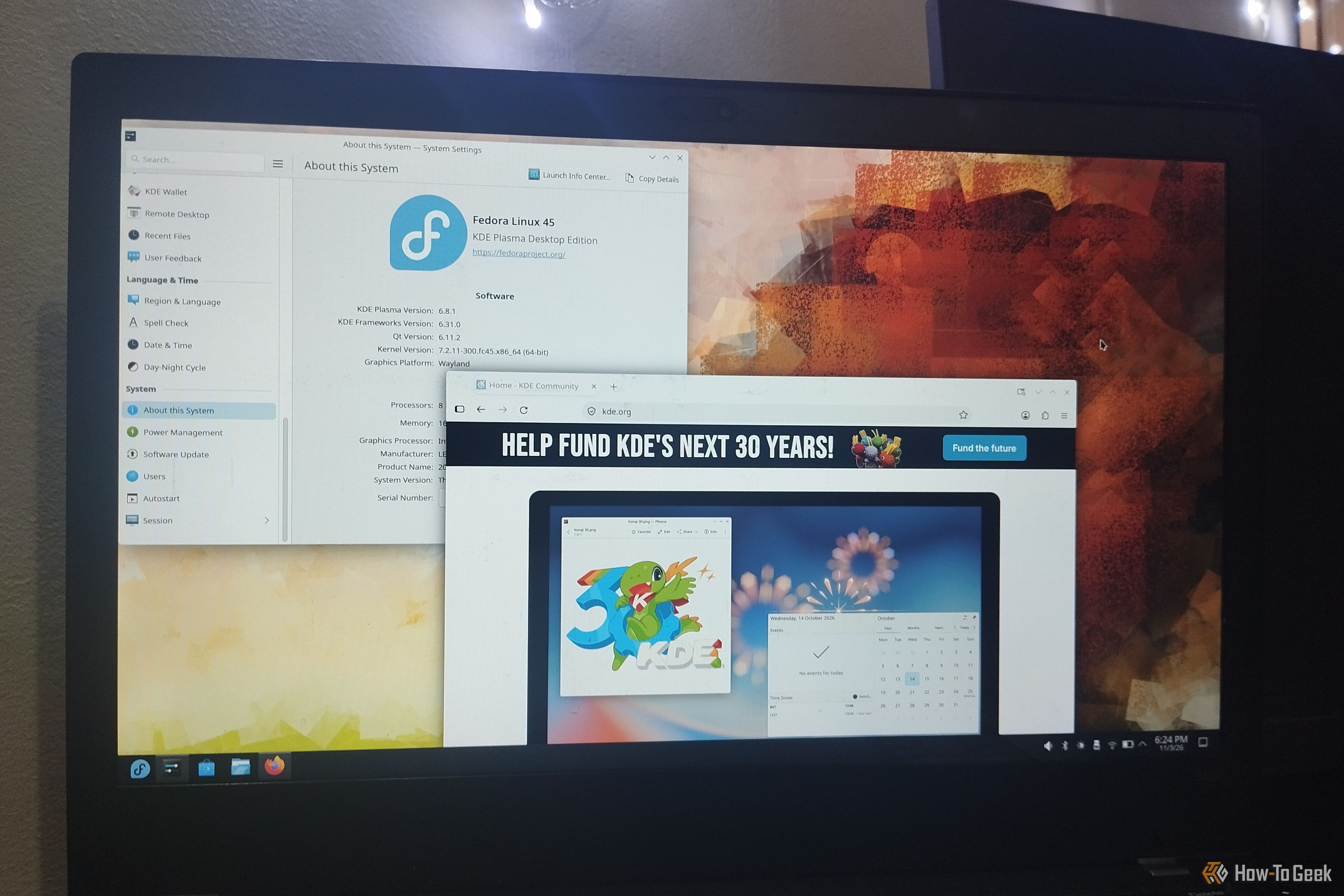
I've been a GNOME user for more than a decade, and I have a complicated relationship with it. I love its clean interface and workflow, but I wish it did a few things differently. I've tried several other desktop environments over the years, enjoyed some of them, and somehow always found my way back to GNOME. So when KDE celebrated its 30th birthday, I decided to revisit Plasma and see what it offers today.
H
The 1990s was the decade when Windows conquered the world. By the end of it, Windows was the most popular desktop operating system, far ahead of every one of its competitors. But one rival could've taken its spoils at the very beginning of the decade, and the reason why it didn't wasn't because it was an inferior product.
H
Running a Linux server gives you plenty of flexibility, but keeping everything running smoothly requires some effort. You have to monitor resource consumption, secure exposed services, keep an eye on storage health, and make sure your backups actually work. You can handle all of this through SSH and command-line utilities, but a few well-chosen self-hosted applications can make the job considerably easier.
H
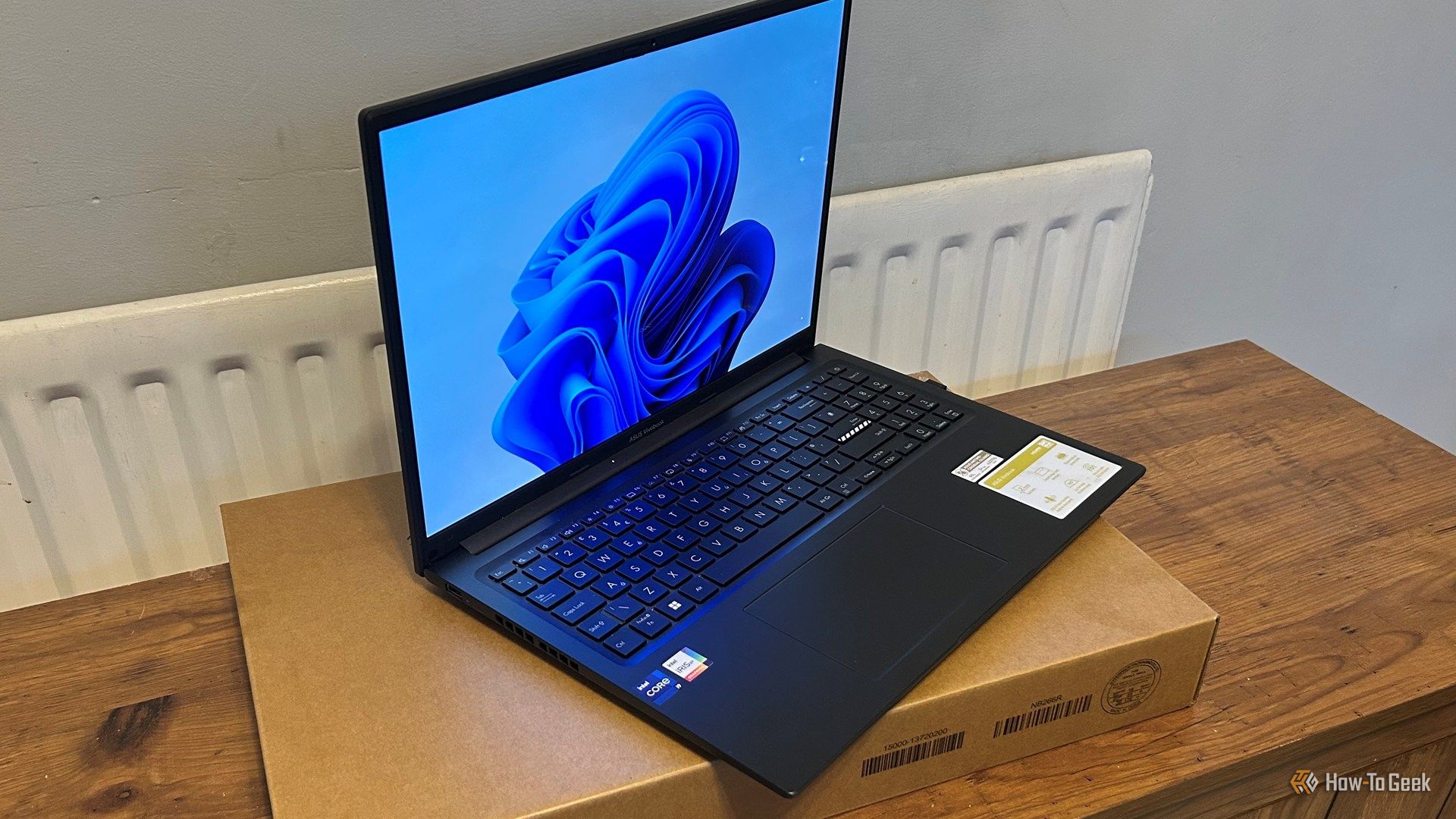
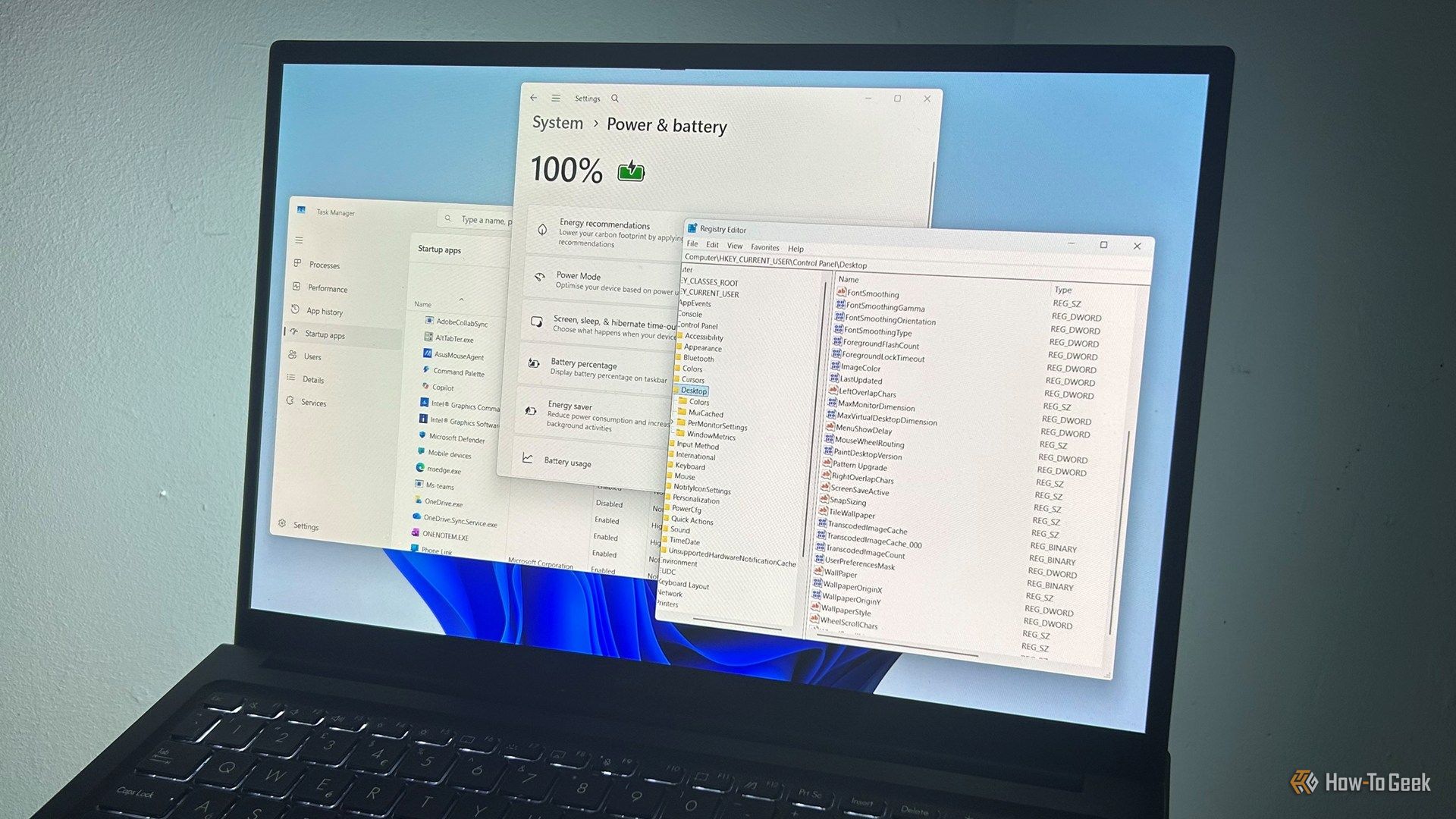
There's no shortage of advice promising to make Windows 11 faster. Disable startup apps, turn off animations, change your power plan, and run a debloating tool, and your PC will supposedly feel brand new. But after testing several popular tweaks on my ASUS laptop, I found that many didn't solve the problem I thought they did. Some reduced background activity, some removed interface delays, and others barely made a measurable difference.
H
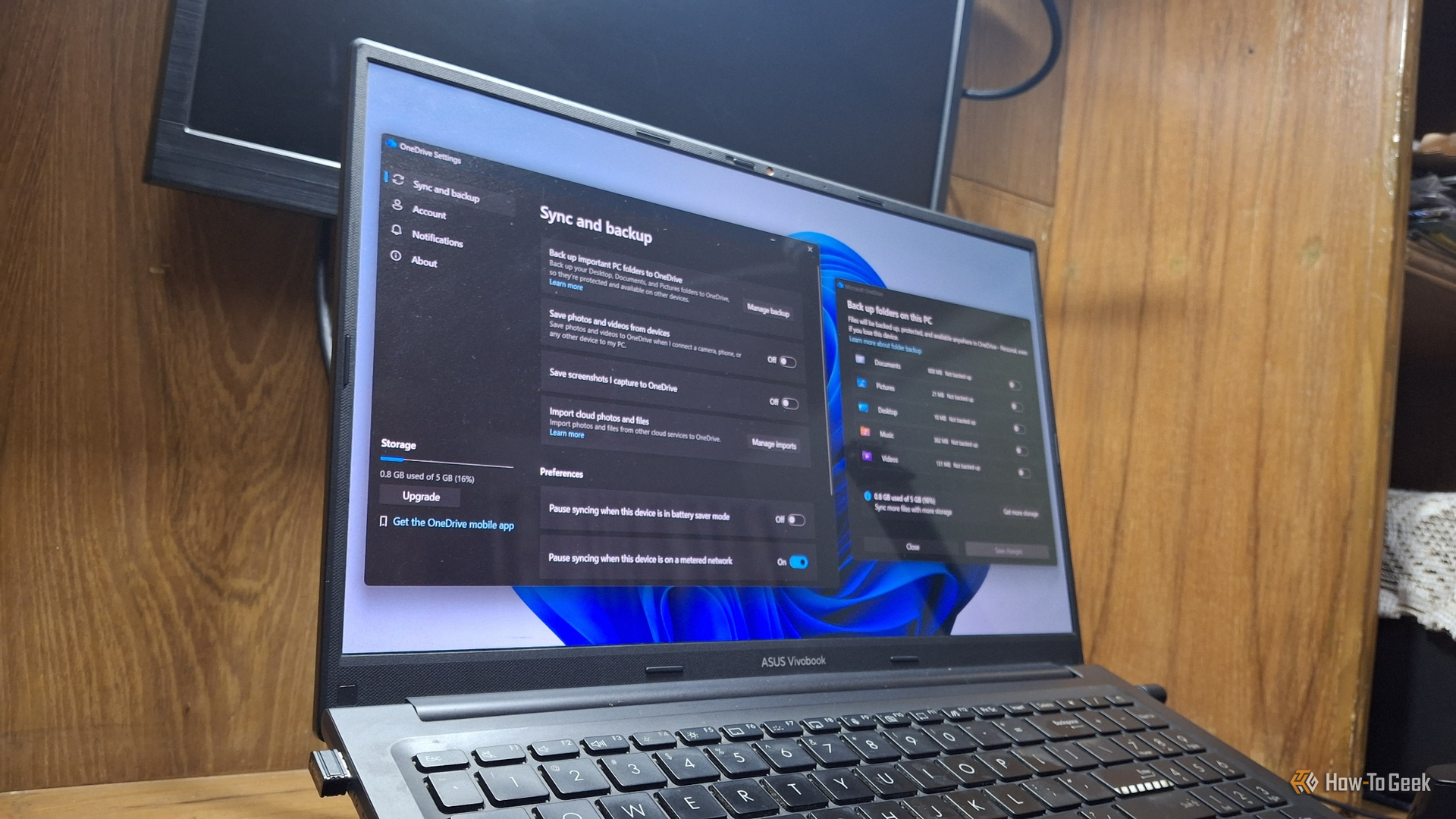
Microsoft has bloated Windows with so many features, yet I probably don't use half of them. On the one hand, they are of no use. On the other hand, these features take up my PC resources and, even worse, can be a threat to my privacy. Windows' OneDrive Folder Backup is one such feature I recently uncovered.