Y
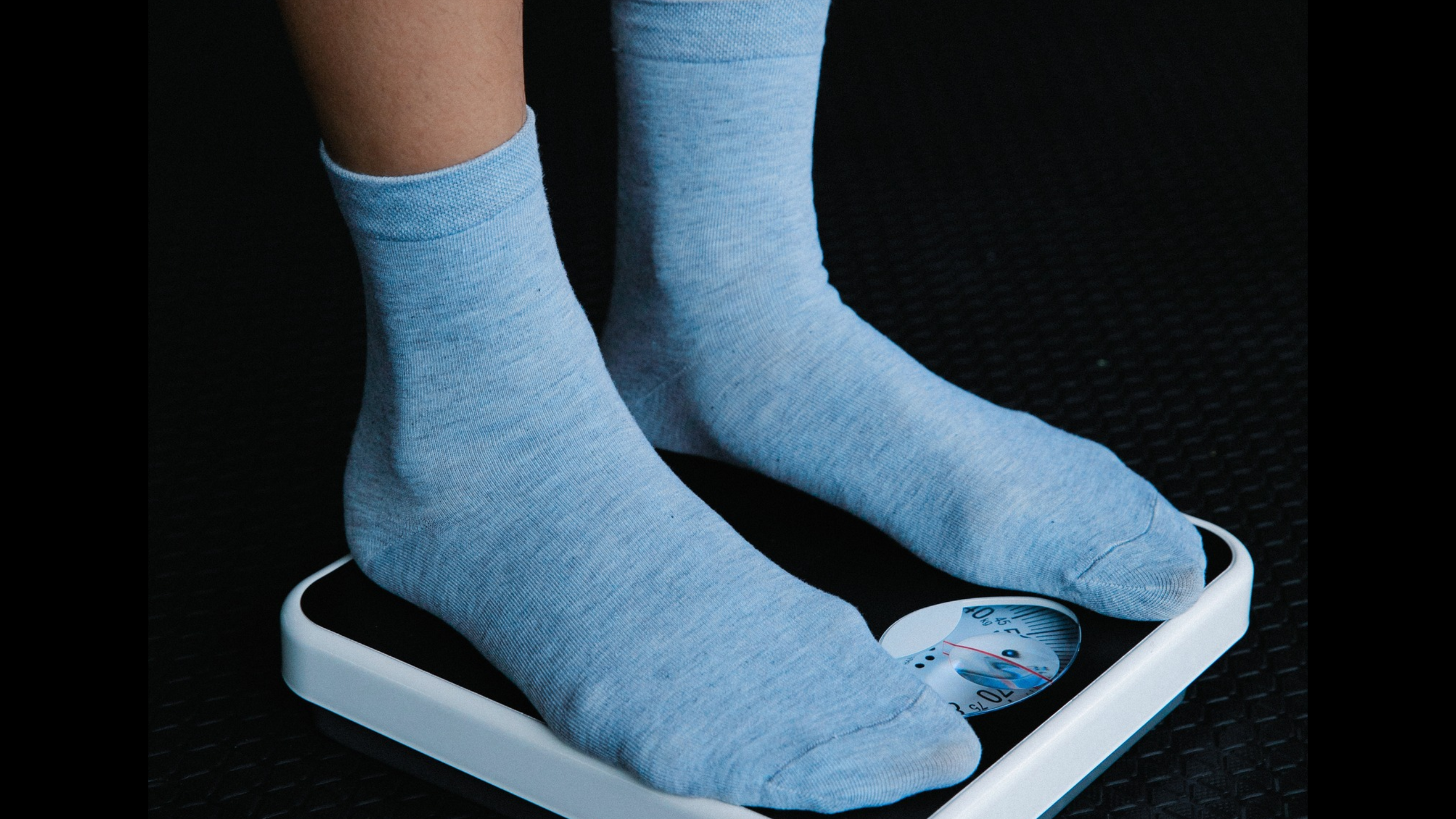
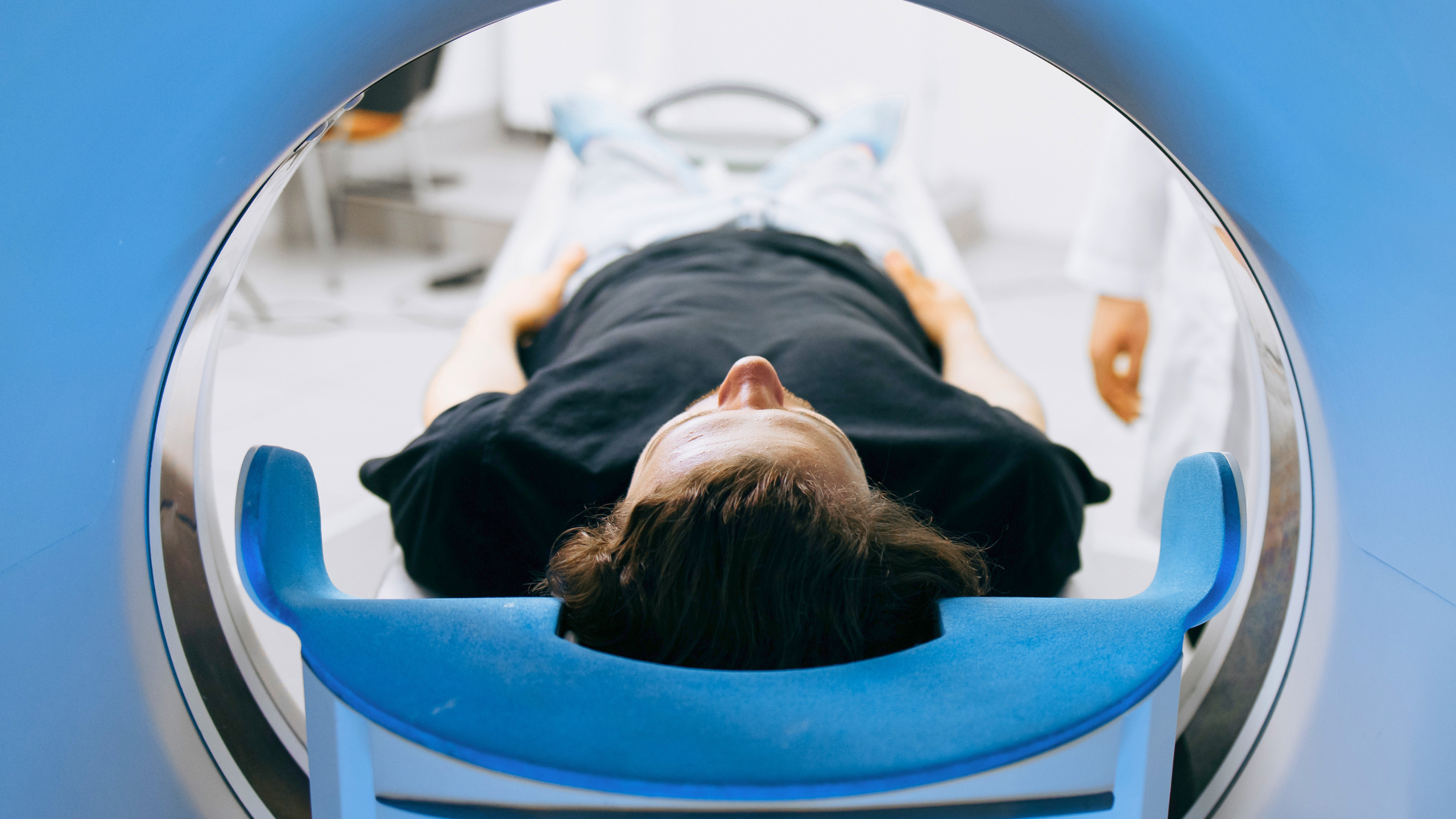
(Annushka Ahuja/Pexels) Diagnosis definitions matter when it comes to public health – for everything from tailoring individual treatments to tracking conditions across populations – and a new study concludes that millions of people worldwide could be misdiagnosed with obesity. Obesity has traditionally been assessed using body-mass index (BMI), which divides a person's weight by their height squared. However, BMI has long been seen as too approximate and not precise enough, and in 2025 a…
Y
(KATERYNA KON/Science Photo Library RF/Getty Images) It's one of the most basic premises in the evolutionary theory of natural selection: Gene sequences within DNA sometimes spontaneously – and randomly – mutate. In theory, the odds of this occurring shouldn't depend on how important a section of the DNA helix is to the organism. Occasionally, scientists have put forward an alternative: that more 'important' genes might be somehow protected from the chaotic forces of mutation. But University of…
Y
(Peter Meade/Moment RF/Getty Images) Scientists in South Korea have discovered a bacterium in kimchi that could theoretically help flush microplastics out of the gut. It's called Leuconostoc mesenteroides CBA3656, and it ferments sugars into lactic acid. When mixed into water with tiny polystyrene particles, this lactic acid bacterium trapped 87 percent of all nanoplastics. Meanwhile, in a fluid designed to mimic the human intestine, the bacterium bound 57 percent of the nanoplastics present.…
Y
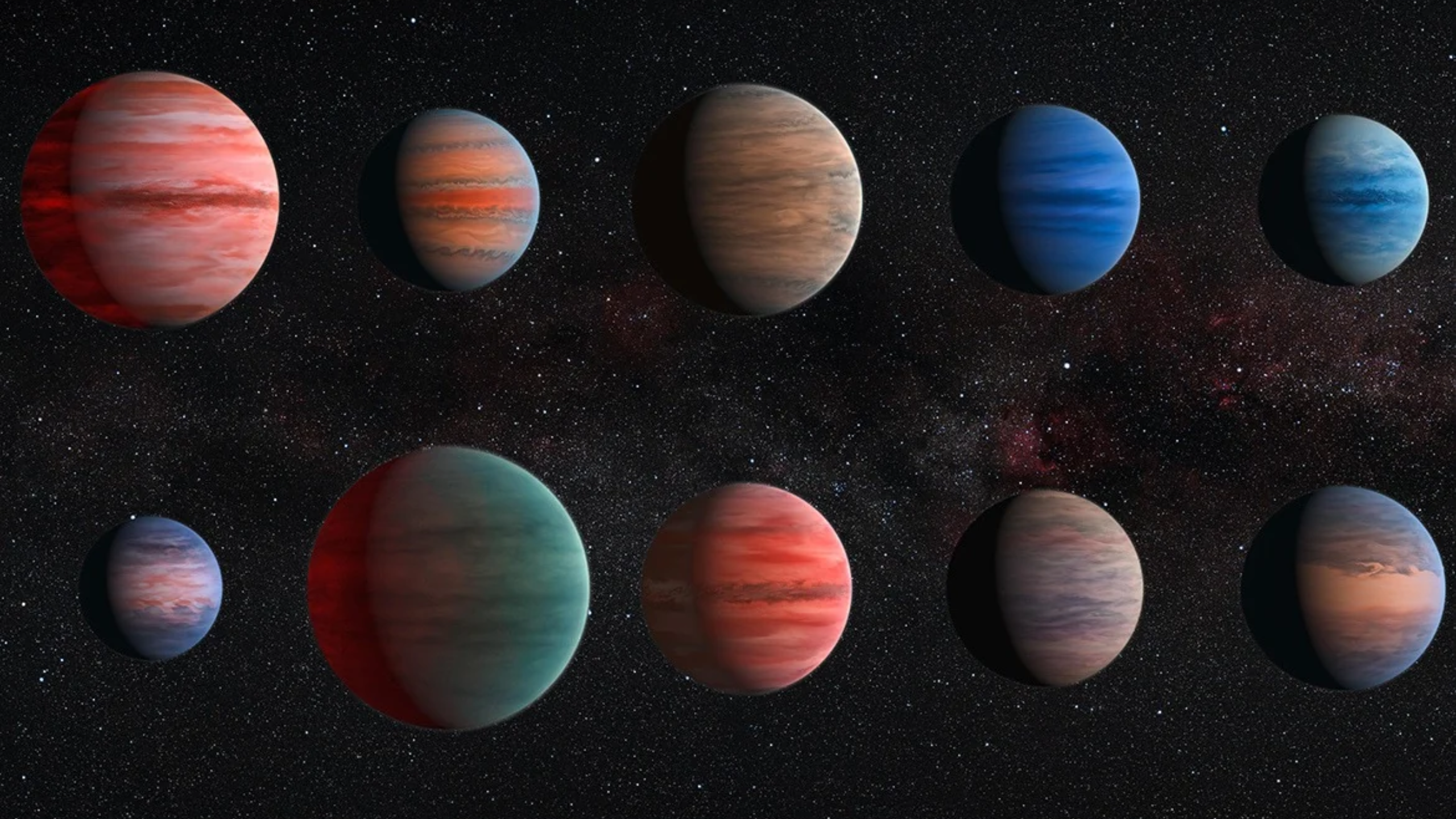
An illustration of various "hot Jupiter" exoplanets. (NASA/ESA) Discovering alien worlds around distant stars is hugely skill-reliant but also part cosmic lottery. One has to look from the right perspective, at a specific star, at the right time to catch a fleeting glimpse of an exoplanet. In a stroke of serendipity, astronomers have now observed an exoplanet do something they'd never seen before – it disappeared. Planets don't usually disappear, so was this an observational fluke, perhaps…
Y
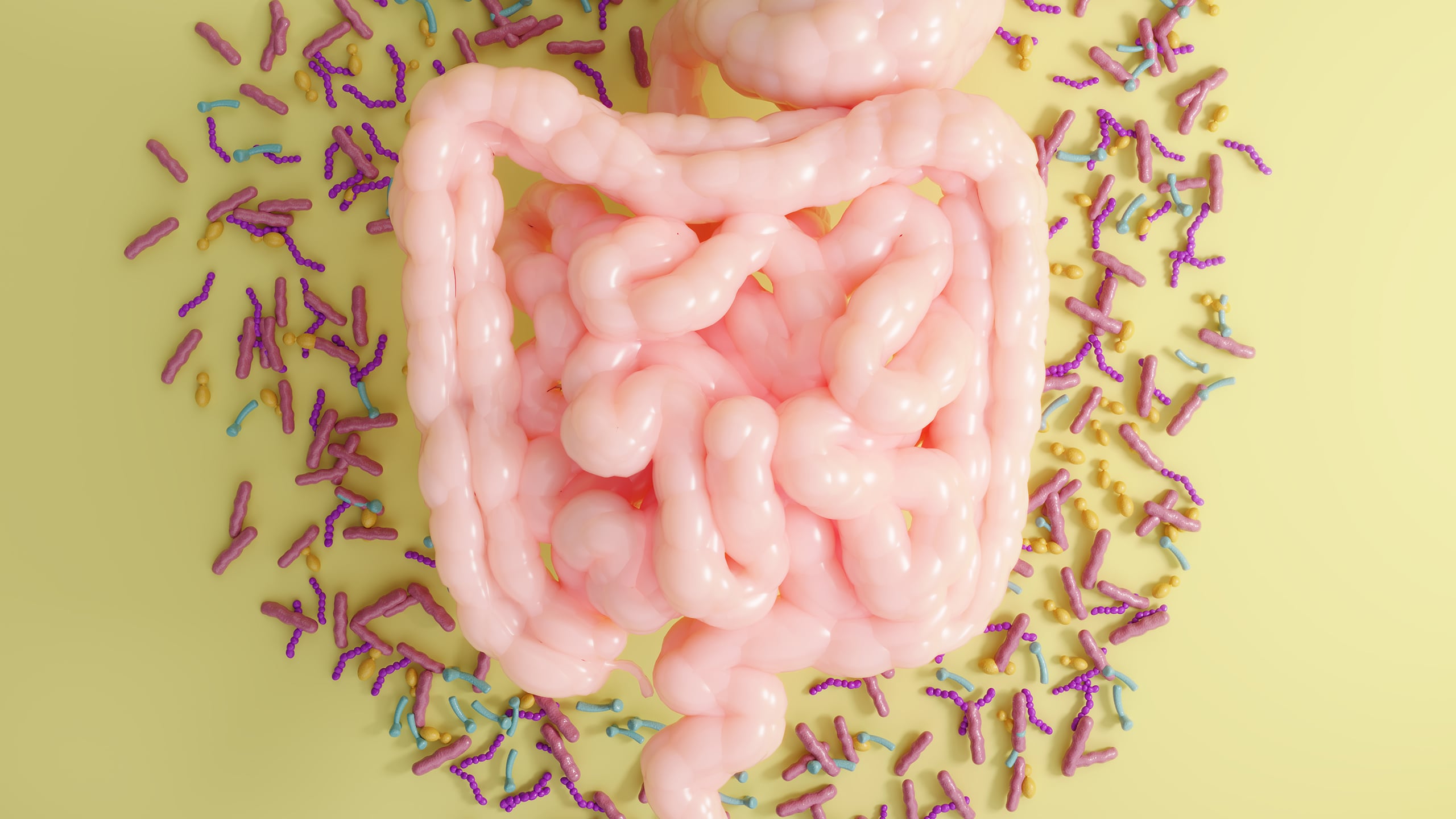
Our guts are teeming with beneficial and not-so-beneficial bacteria. (Eoneren/E+/Getty Images) We know that the fiber and proteins in plant-based foods are good for us, but what's less clear is exactly how they bring about beneficial effects in the body – something that researchers have now taken a closer look at. The findings, published in PNAS and Nature Metabolism, show the processes through which plant proteins and fiber produce health-promoting chemicals (metabolites) in the blood. A…
Y
(Halfpoint Images/Moment RF/Getty Images) Vaccination is emerging as one of the most promising ways to protect yourself against future cognitive decline. Inoculations for shingles, the respiratory syncytial virus (RSV), pneumococcal disease, tetanus, and diphtheria have all been tied to a reduced risk of dementia. The annual flu vaccine is also part of the mix. But a new study suggests that a stronger dose could be even better for dementia risk, compared to a standard flu shot. When researchers…
Y
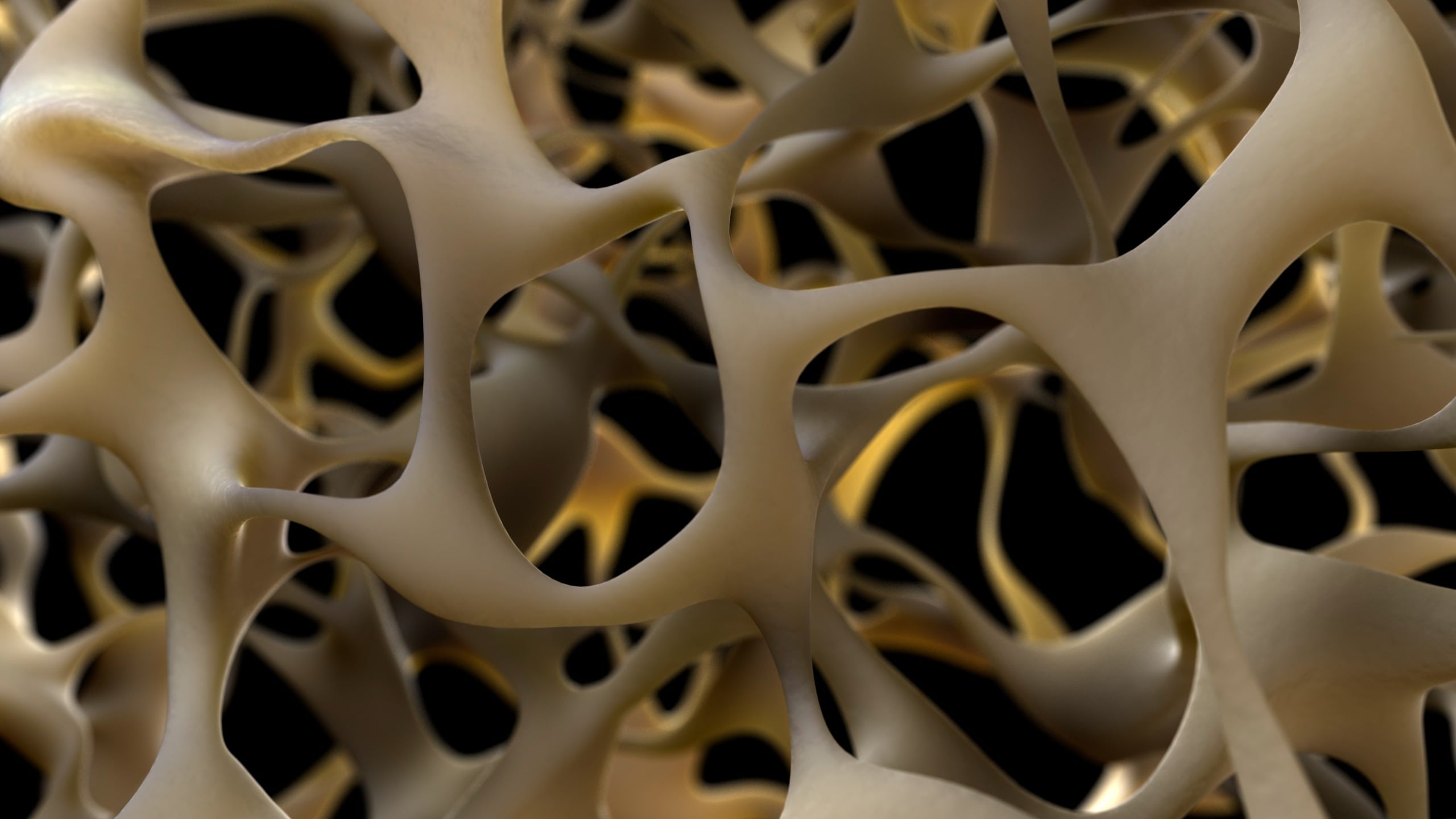
(Science Photo Library - SCIEPRO/Brand X/Getty Images) Osteoporosis is a debilitating and incurable bone condition that impacts millions of people around the world. It occurs when the body loses bone faster than it can replace it, leaving the skeleton prone to fractures. Stem cell treatments could be a cutting-edge solution, preventing fractures and even possibly reversing some bone loss. Mesenchymal stem/stromal cells (MSCs) are the precursors of osteoblasts – the cells that create and repair…
Y
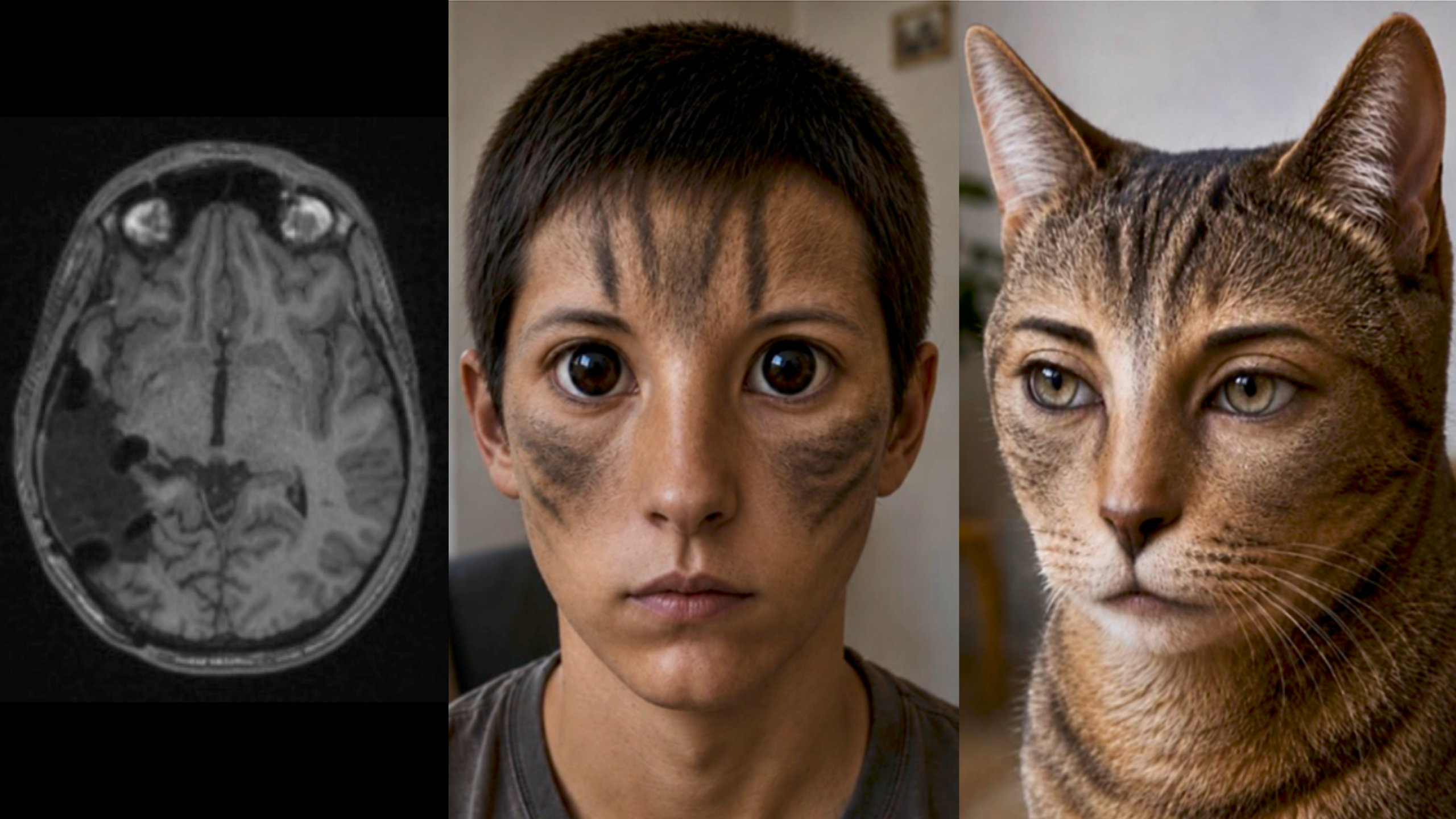
The condition came on after brain surgery. (Duchaine et al., Cortex, 2026) Just when you think you've heard it all when it comes to curious medical tales, along comes the case of a 28-year-old man from the northeastern US who sees his pet cat Luna in the faces of the people he meets during the day. Sometimes it happens the other way around: If the first face he sees in the morning is a person, then features from that human face get transposed onto Luna, as well as other people he encounters.…
Y
(Catherine Falls Commercial/Moment RF/Getty Images) Researchers have developed a sock that squeezes the ball of the foot to stiffen the arch, the part that bends when we walk, and demonstrated that it can reduce the body's energy expenditure for each step – potentially helping anyone walk for longer and with less effort. However, rather than attempting to boost walking endurance, the original motivation for the research was to investigate an evolutionary mystery: Our human feet are stiffer than…
Y
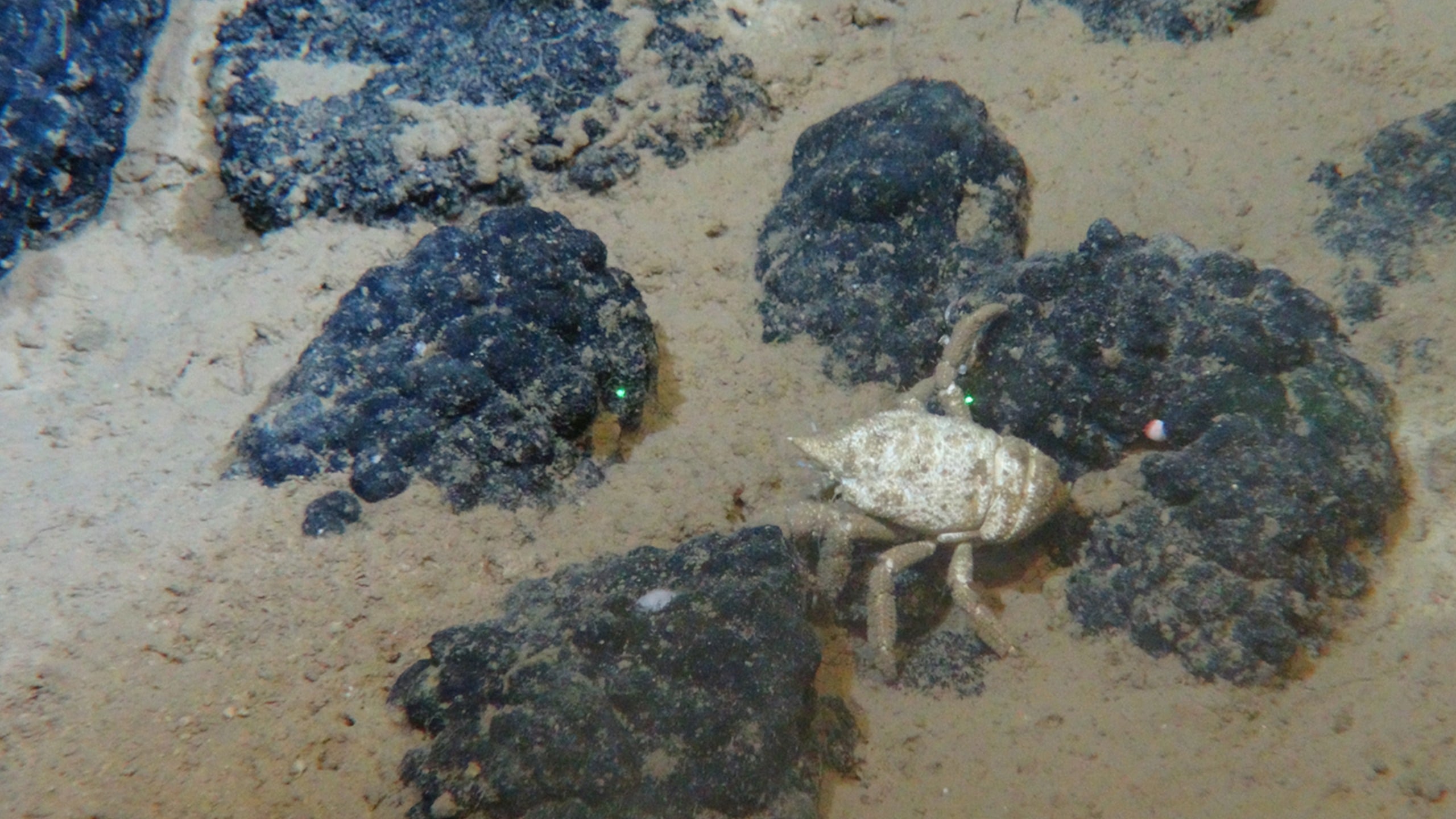
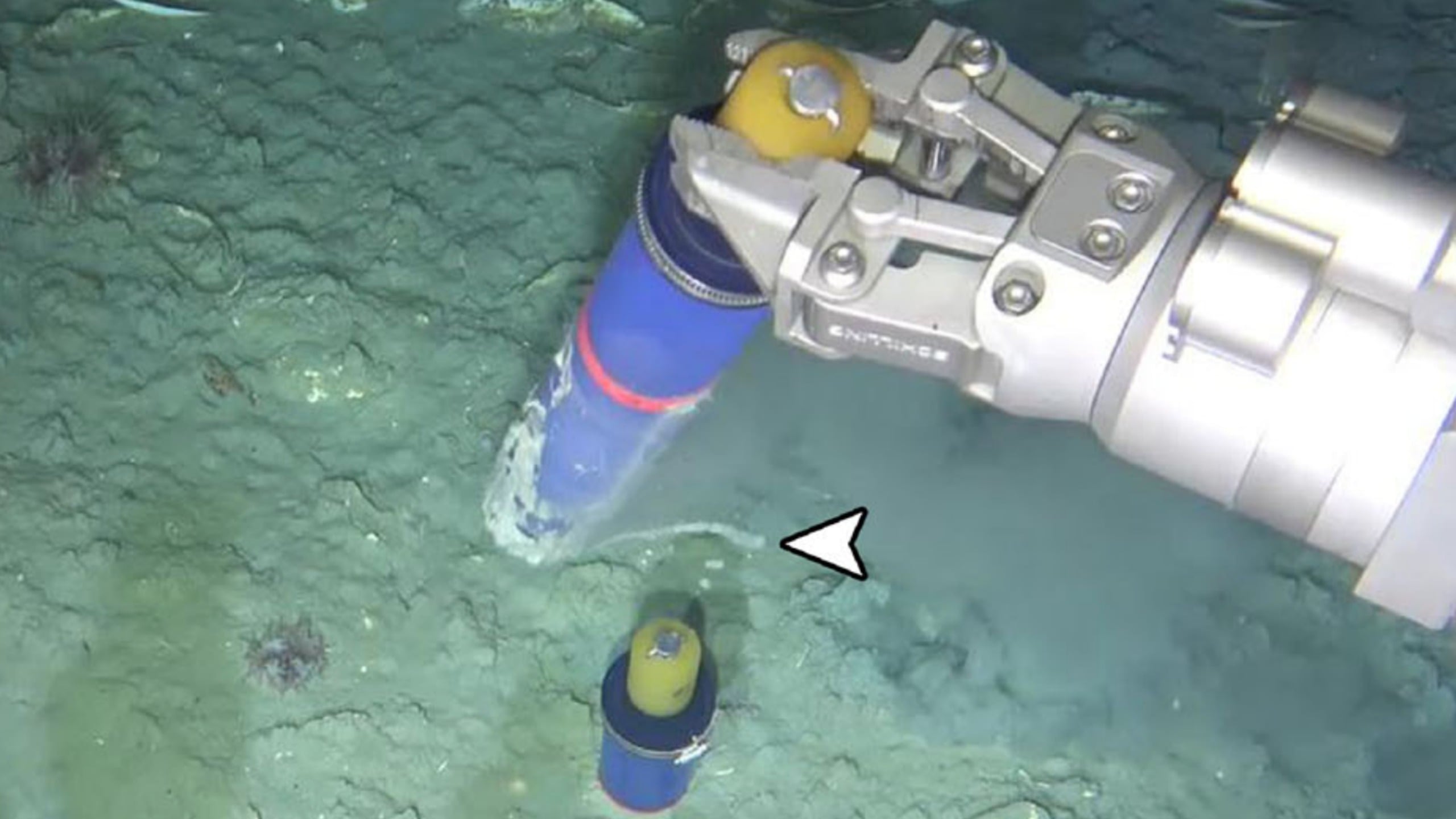
(ROV Kiel 6000, GEOMAR, Kiel) Polymetallic nodules stud the seafloor throughout the Clarion-Clipperton Zone, and new research shows that each of these strange metal potatoes contains an entire community of microscopic life unique to this habitat. There's a reason humans have named them polymetallic nodules: we're really interested in the metal part. Our society's reliance on metals like nickel, cobalt, and copper is growing rapidly, and these nodules are loaded with them, as well as iron and…
Y
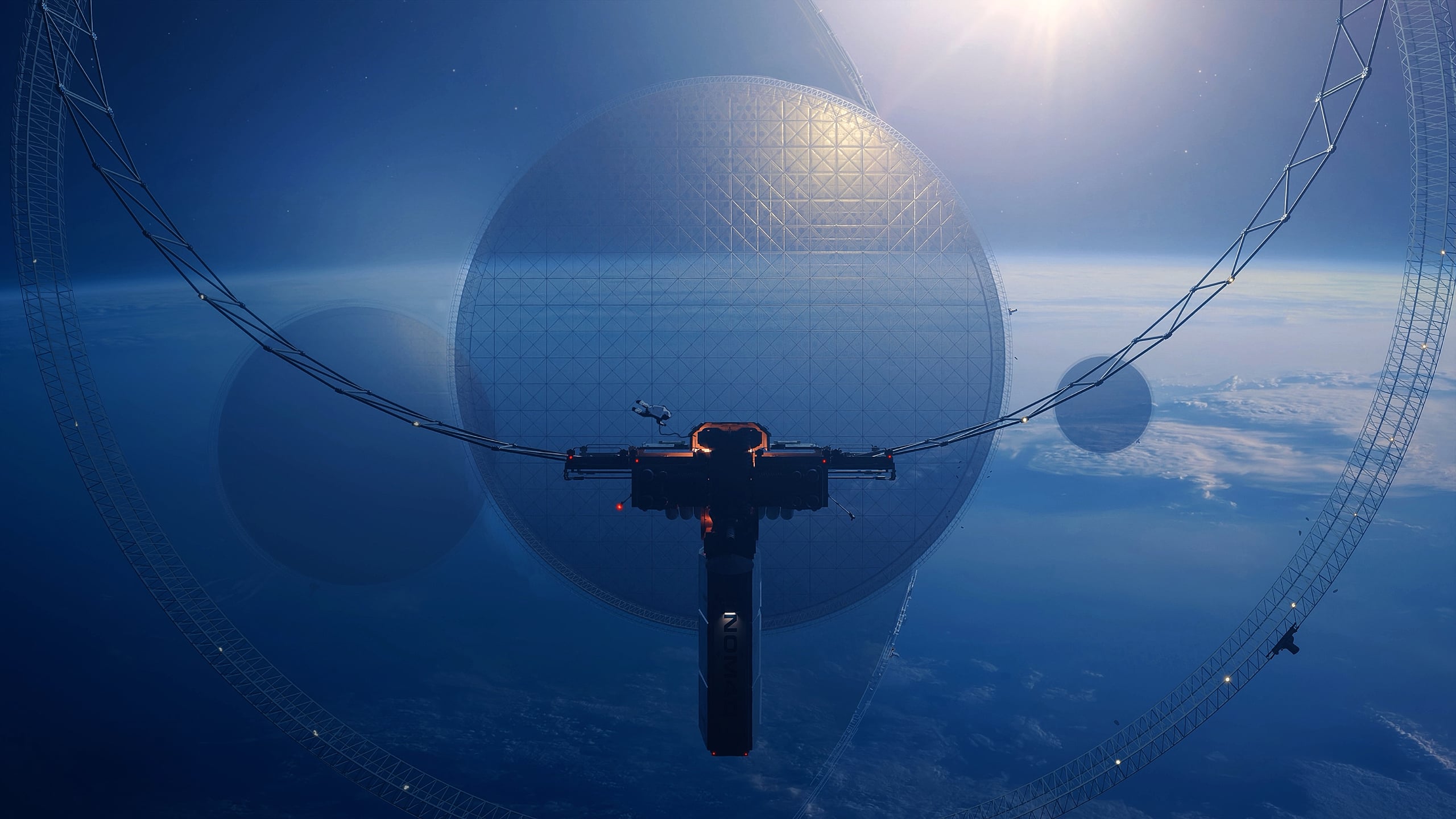
Concept art for how large space structures may one day be built. (DARPA/Colie Wertz) It's a first in the space construction industry: a robot has independently built a structure in space without the help of astronauts. The achievement points towards a new era of building beyond Earth, an era less confined by what we can fit on a rocket. The robot used was the Autonomous In-Space Tensioned Reflector Assembly (ASTRA), developed by researchers at the California Institute of Technology (Caltech),…
Y
(Guido Mieth/Digital Vision/Getty Images) We can usually feel the effects of coffee in the body pretty quickly. If you're a regular coffee drinker, that first sip can promptly clear the morning fog and get your day going. Not long after, coffee drinkers also tend to experience a different side effect: their bowels get going, too. But new research published in the journal Gut Microbiology suggests regular coffee consumption may have a few other interesting effects on your gut. We're all keen to…
Y
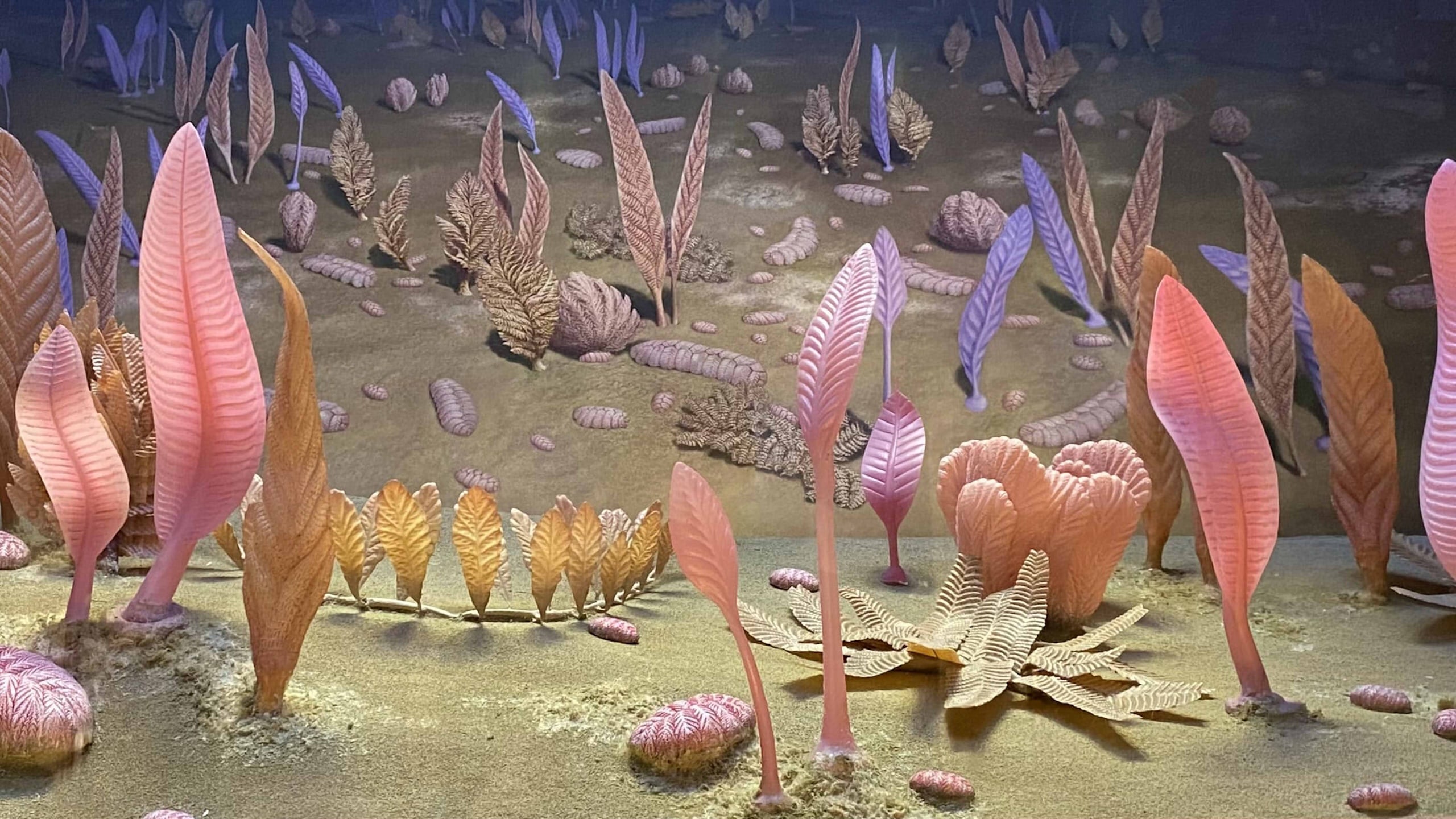
(Ryan Schwark/Wikimedia Commons/CC0 1.0) Life on Earth remained mostly tiny for the first few billion years, until bizarre giants began to appear in the Ediacaran Period, about 600 million years ago. Long dominated by microbial life, Earth was finally getting its first animals. In a new study, researchers look back at this pivotal time, investigating not just the animals themselves, but also how some environments preserved evidence of their soft, hard-to-fossilize bodies for us to find half a…
Y
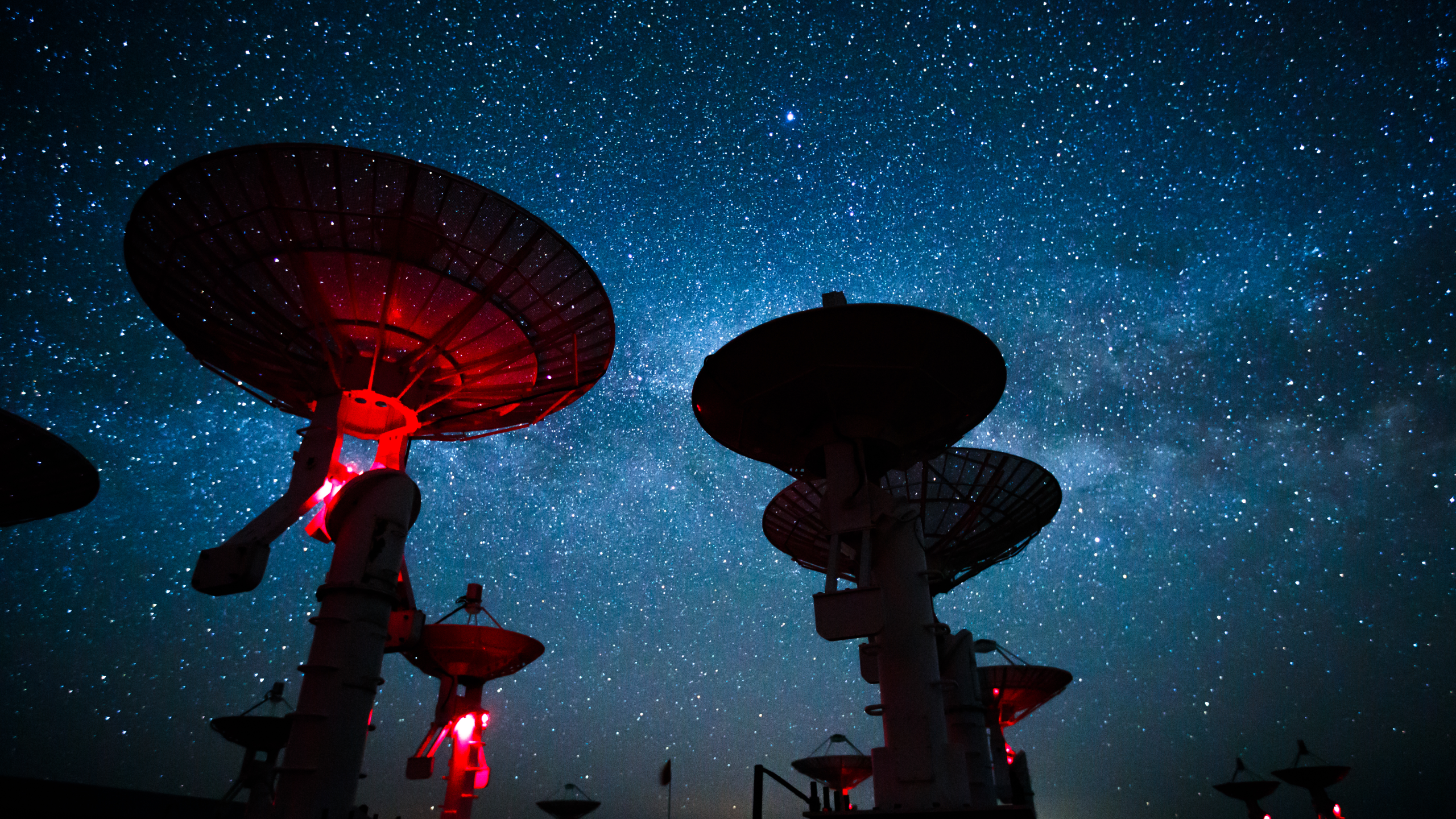
Radio telescopes scan the night sky for signals from some of the Universe's most mysterious objects. (00one/E+/Getty Images) In September of 2002, a mystery emerged from the heart of the Milky Way. Something spat out five flares of powerful radio waves, precisely timed 77 minutes apart. Then, it fell silent. Astronomer Scott Hyman of Sweet Briar College wasn't quite sure what to make of it. He spent years looking for another, without much success, ultimately turning his attention to other work.…
Y
(Zinkevych/iStock/Getty Images) If you're losing your hair, you might not be reaching for the comb as often as you used to. It's just possible that could be about to change. Research from scientists in China has revealed a promising new way to fight hair loss, and the comb is the key component. But this isn't any regular comb. The 'Detangle' system, unveiled in a new study in Nature Communications, is a specialized comb-shaped bioelectronic device. "This system features electronic teeth…
Y
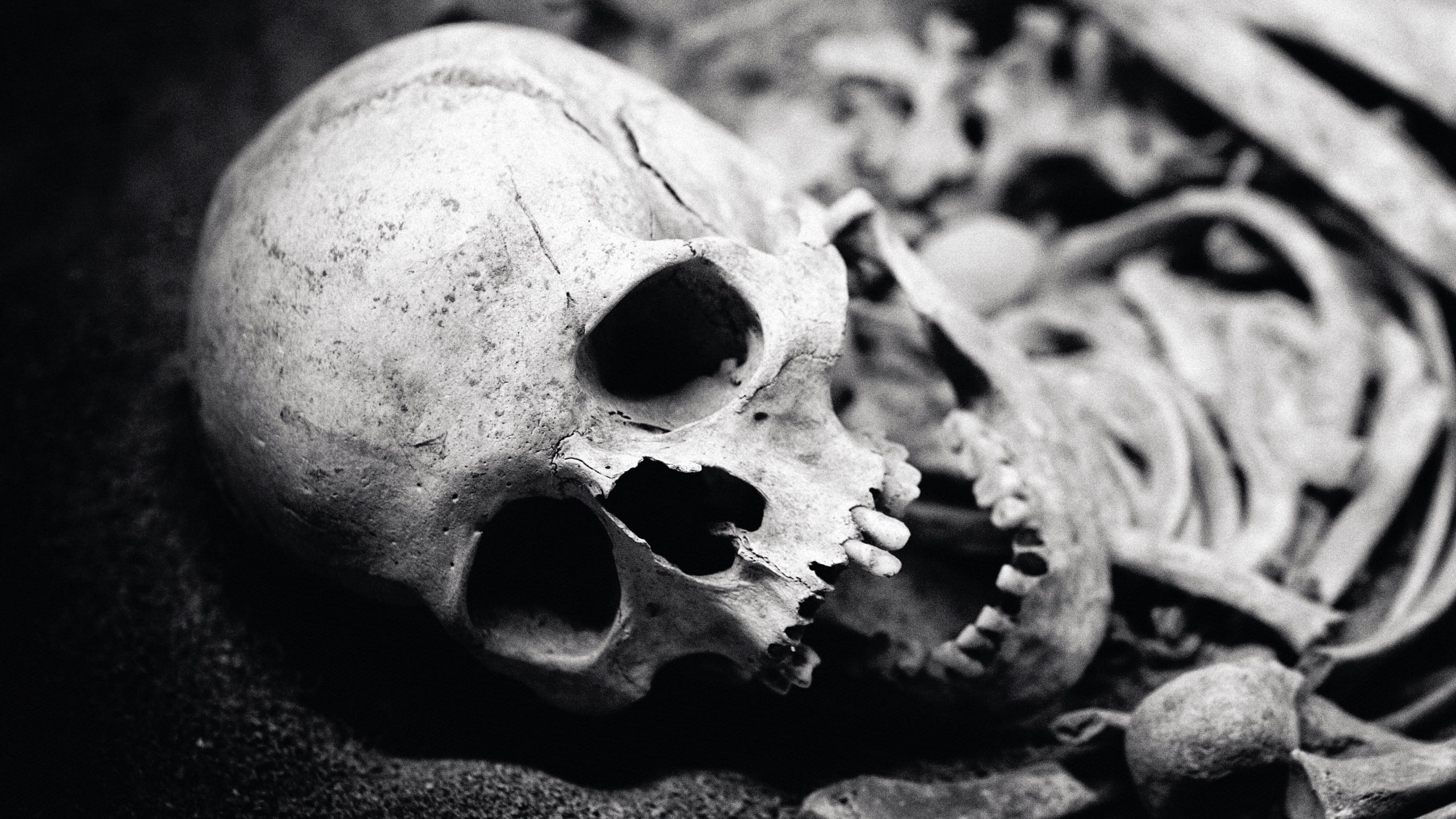
(temizyurek/E+/Getty Images) There's something strange about some of the skeletons buried in monasteries in Denmark. Some seem to date back decades – or even centuries – before their final resting places were even built. So what's going on? Scientists from the University of Southern Denmark and the Center for Isotope Research believe they've found the answer. In a comment article published in npj Heritage Science, they've issued "words of warning" for archaeologists when dating medieval human…
Y
(GarryKillian/iStockphoto/Getty Images) The qubits at the center of quantum computing systems are the equivalent of the binary bits that classical computing processors use – but while classical bits can only be 1 or 0, qubits can be 1, 0, or a blend of both (superposition), a flexibility that promises to transform the power of our computers. There's one nagging problem with superposition, which is that as soon as a qubit is accessed and measured, its value then gets fixed to 1 or 0. The instant…
Y
Two people can get the same score on a memory test today. Years later, one may start missing appointments and struggling with everyday tasks while the other still manages both with ease. An early clue to that difference may lie in a brain scan, research suggests. In a new study, researchers at Stanford Medicine and their colleagues wanted to know whether the way brain regions work together at rest could reveal who is more likely to have memory problems years later. To find out what to look for,…
Y
(Li et al., Nature Communications, 2026) Scientists have discovered a microscopic organelle unlike any other on Earth, hiding within a mysterious deep-sea creature. They've called it a 'dragonball' because it exists within the divine dragon glistenworm (Chaetoderma shenloong) – a rare and elusive mollusc found buried deep in the mud at two methane seeps in the South China Sea and, as of this study, one off Japan. When this species was first discovered in 2024, it was ranked among the top 10…
Y
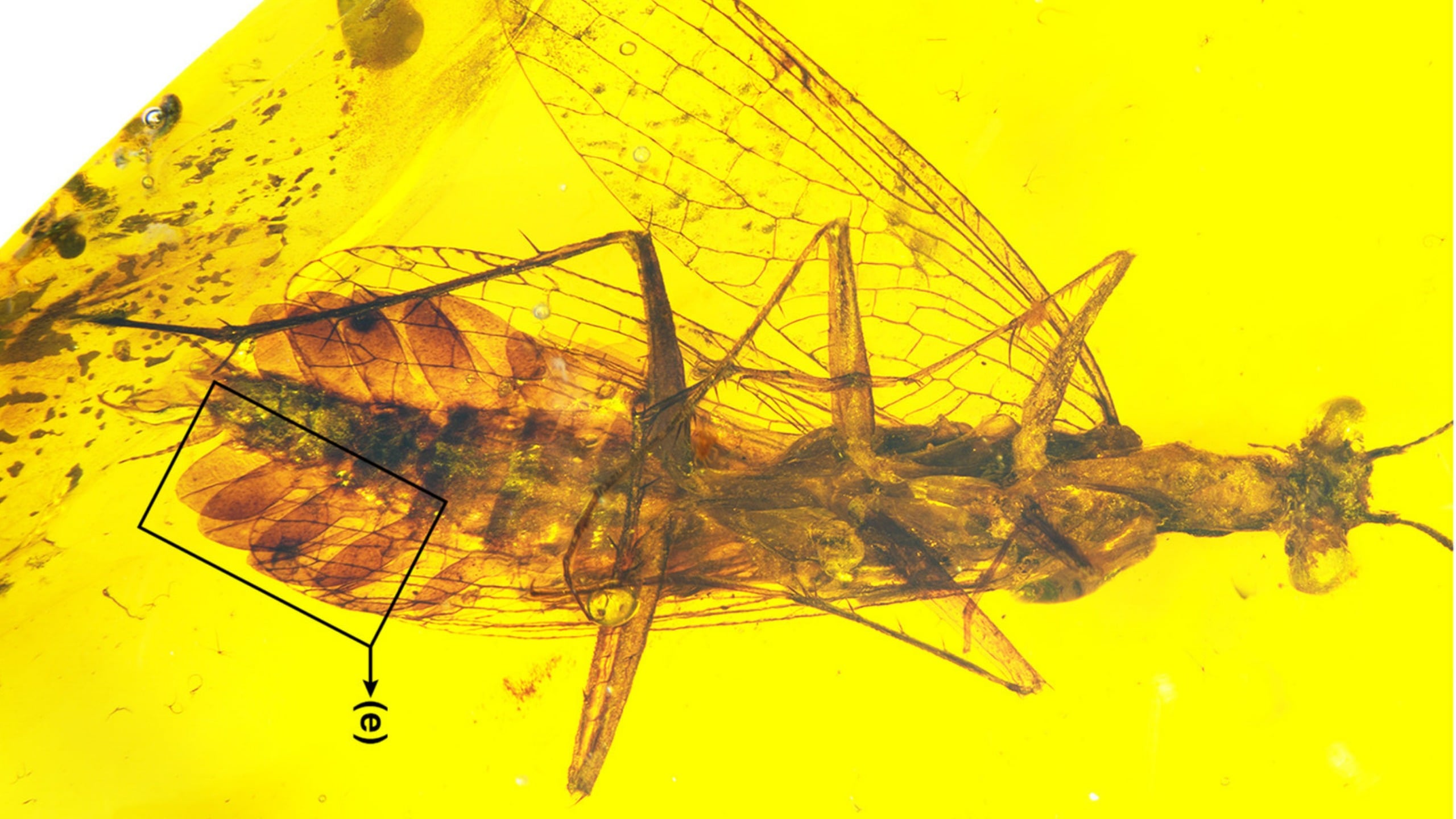
(Yang et al., New Phytologist, 2026) In the mid-Cretaceous, a tropical rainforest in what is now Myanmar was dripping with sticky tree resin that entombed a very peculiar praying mantis. Now, 98 million years later, this insect is the earliest clear evidence in the fossil record of praying mantises mimicking plant leaves. Its abdomen bears an uncanny resemblance to the extinct plant Selaginella grimaldii, which is also known from amber specimens found in the same region. Scientists have named…
Y
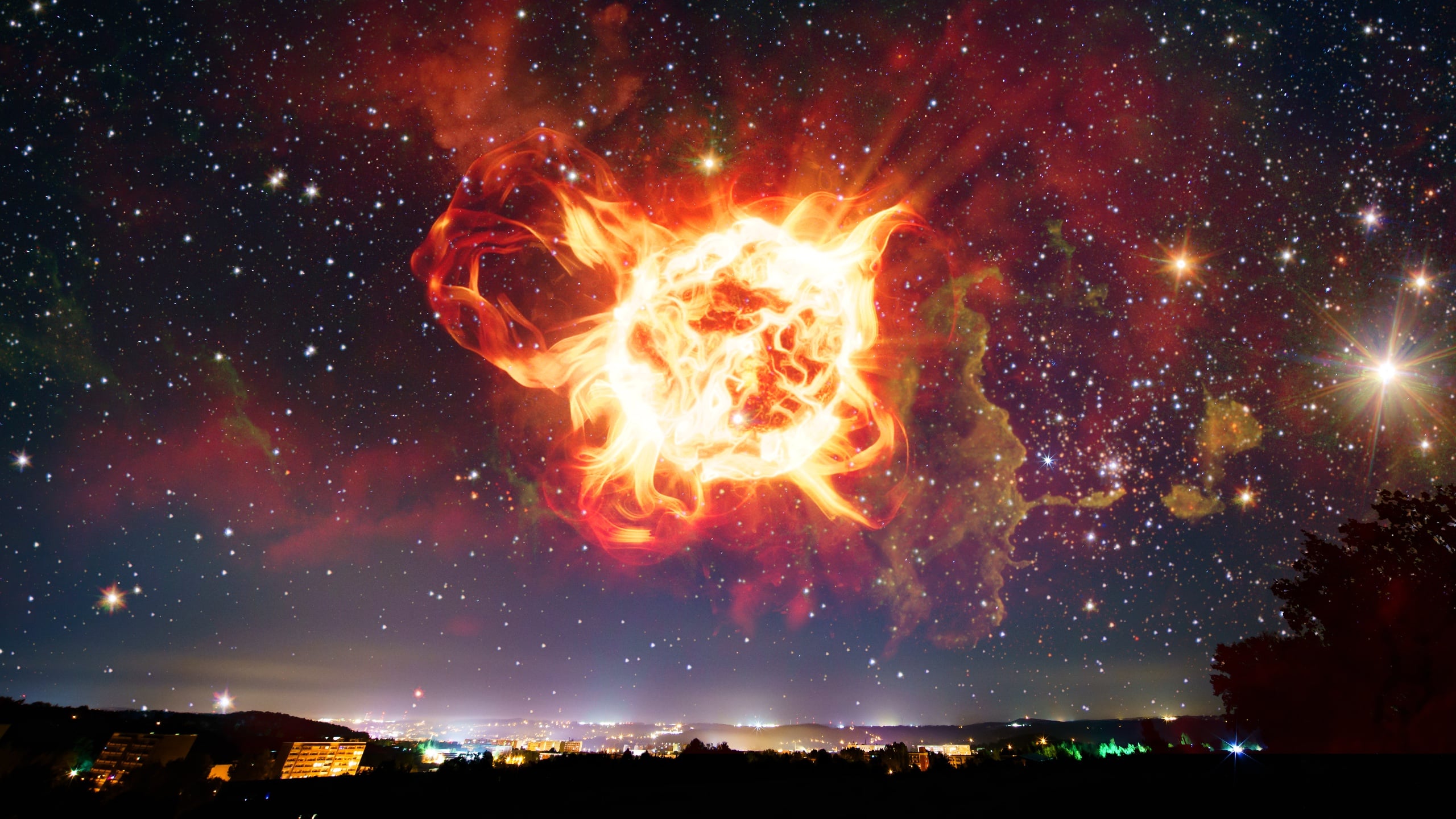
(Wladimir Bulgar/NASA/Science Photo Library RF/Getty Images) High above your head, it's getting a bit crowded. In low-Earth orbit, more than 13,000 satellites are currently circling the planet. They're the backbone of your daily weather forecast, telephone and data communications, satellite internet services, and much more besides. They're also total sitting ducks. A new study warns that a single nuclear detonation at a high enough altitude could disable virtually every satellite in low-Earth…
Y
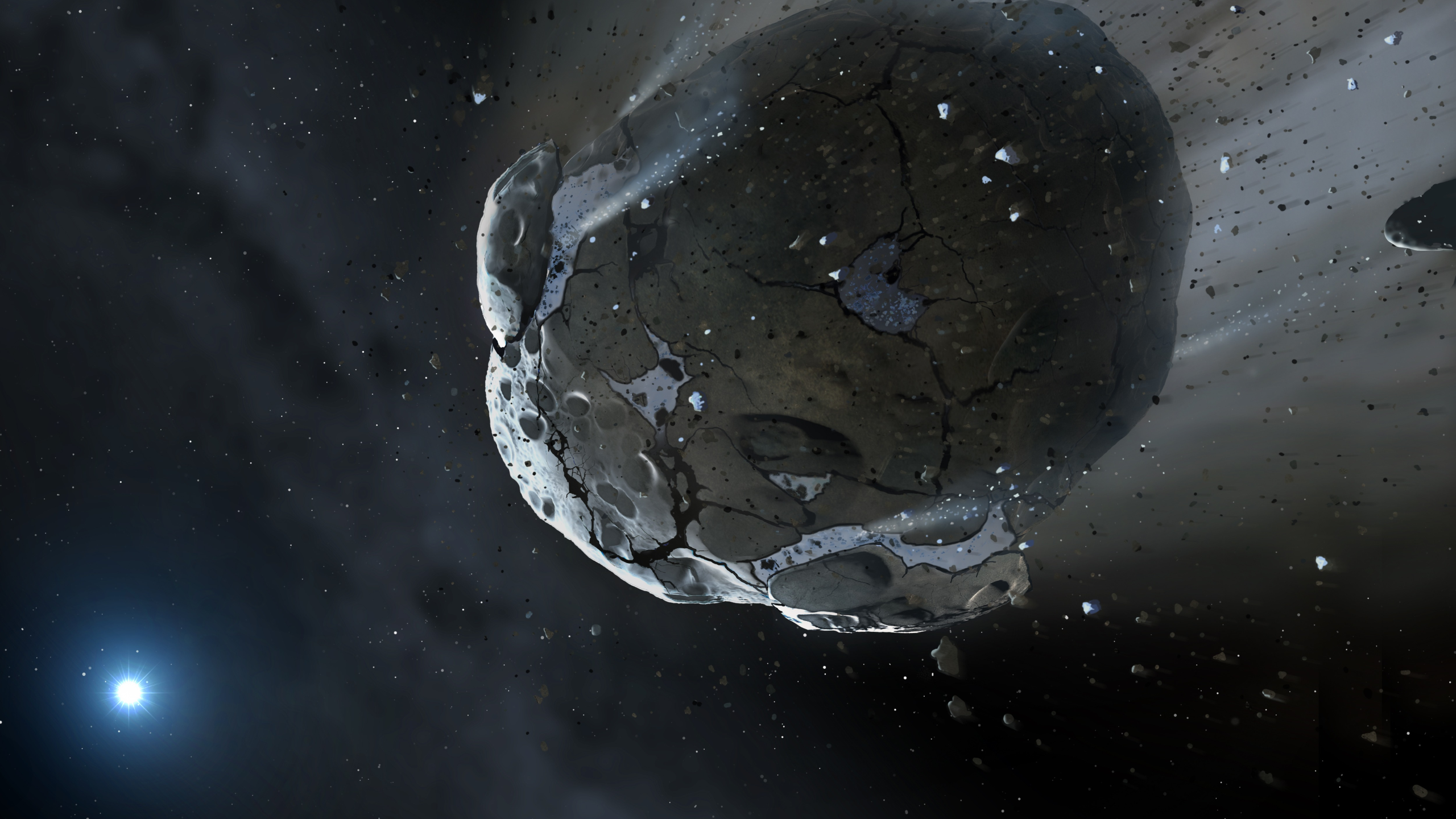
An artist's impression of an icy body breaking apart in the outer Solar System. Debris from distant objects can eventually make its way into the inner Solar System as interplanetary dust. (Mark Garlick/Science Photo Library/Getty) The Solar System is a soggy sort of place. Although most of Earth's surface is covered in liquid water, it's a mere drop in the ocean compared to the entire volume contained in the Solar System – much of it locked away as ice in the moons of the giant planets. The…
Y
An abstract illustration evoking interactions in the quantum realm. (koto_feja/E+/Getty Images Plus) We're used to thinking of gravity in the context of large masses – the whirl of planets, the inexorable pull of a black hole. But everything with mass, no matter how small, exerts a gravitational pull on everything else. There is, however, an expected frontier where the classical dynamics described so elegantly by general relativity must somehow reconcile with the beautiful chaos of quantum…
Y
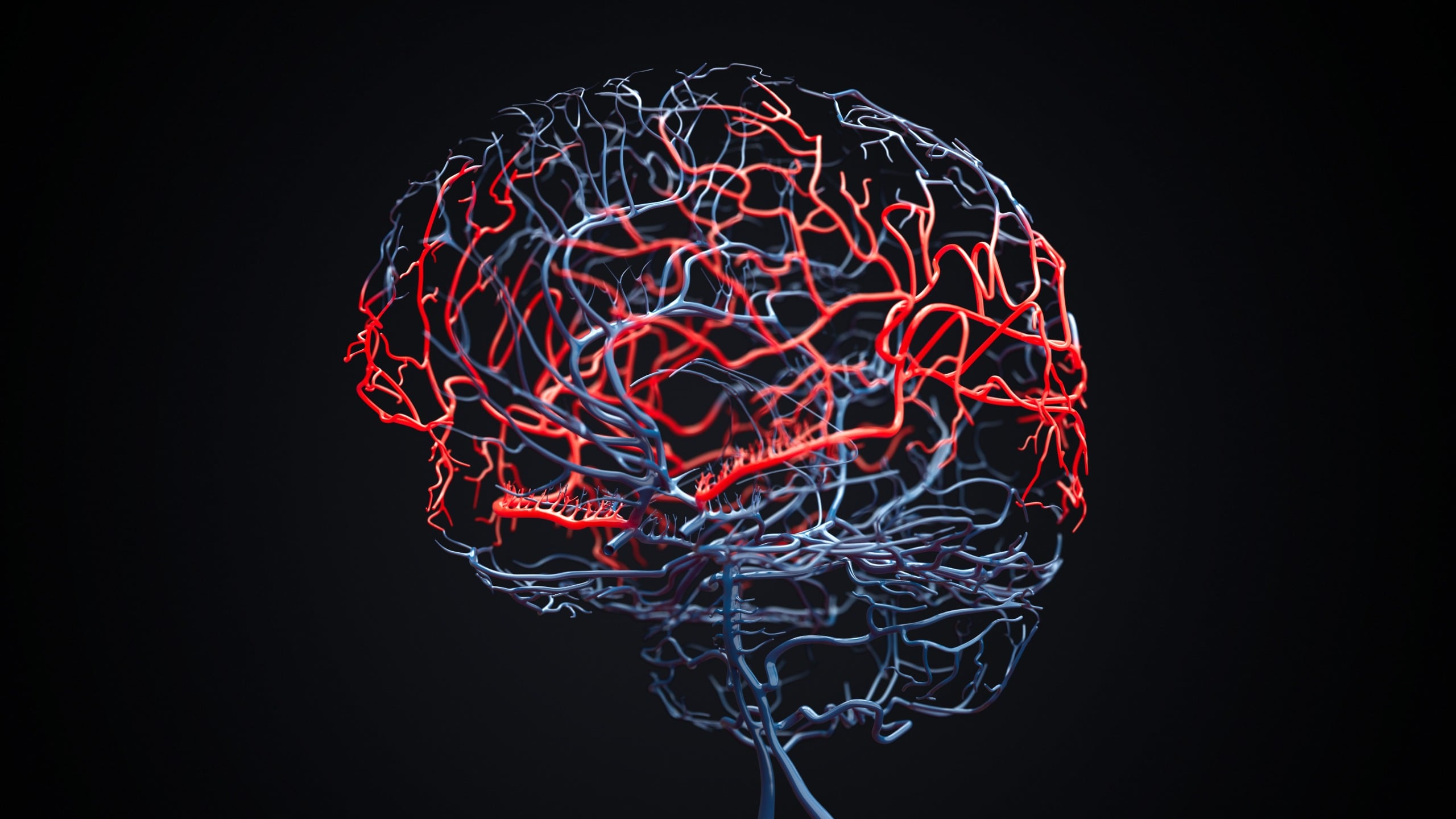
(THOM LEACH/Science Photo Library RF/Getty Images) The blood-brain barrier is a powerful thing. It maintains a strict 'guest list' of who's allowed in and who is banned from entering our most delicate organ. But a new study, published in the journal Cell today, suggests the blood-brain barrier may be doing far more for our brains than we realized. The results could one day help scientists find new ways to treat Alzheimer's disease. "For a century, we've treated the blood-brain barrier as a…
Y
(Markovtel/iStockphoto/Getty Images) Fluoride does a world of good for your teeth, but its inclusion in drinking water is not without controversy. While there's little doubt about its ability to help prevent tooth decay, public concerns about fluoride's potential harms have fueled opposition to water fluoridation for decades, with Utah and Florida becoming the first US states to ban water fluoridation last year. Are those concerns justified? Not according to a new study in the Journal of Dental…
Y
Humans have been tattooing themselves for thousands of years, for spiritual, cultural, or personal reasons. Long before we were covering ourselves in ironic stick'n'pokes, butterfly tramp stamps, or full blackout tattoos, humans were marking their bodies with permanent ink. But while history can tell us much about the culture of tattooing, we still don't know much about how the practice affects our health. Introducing tattoo pigment into the skin triggers an immune response, and that ink…
Y
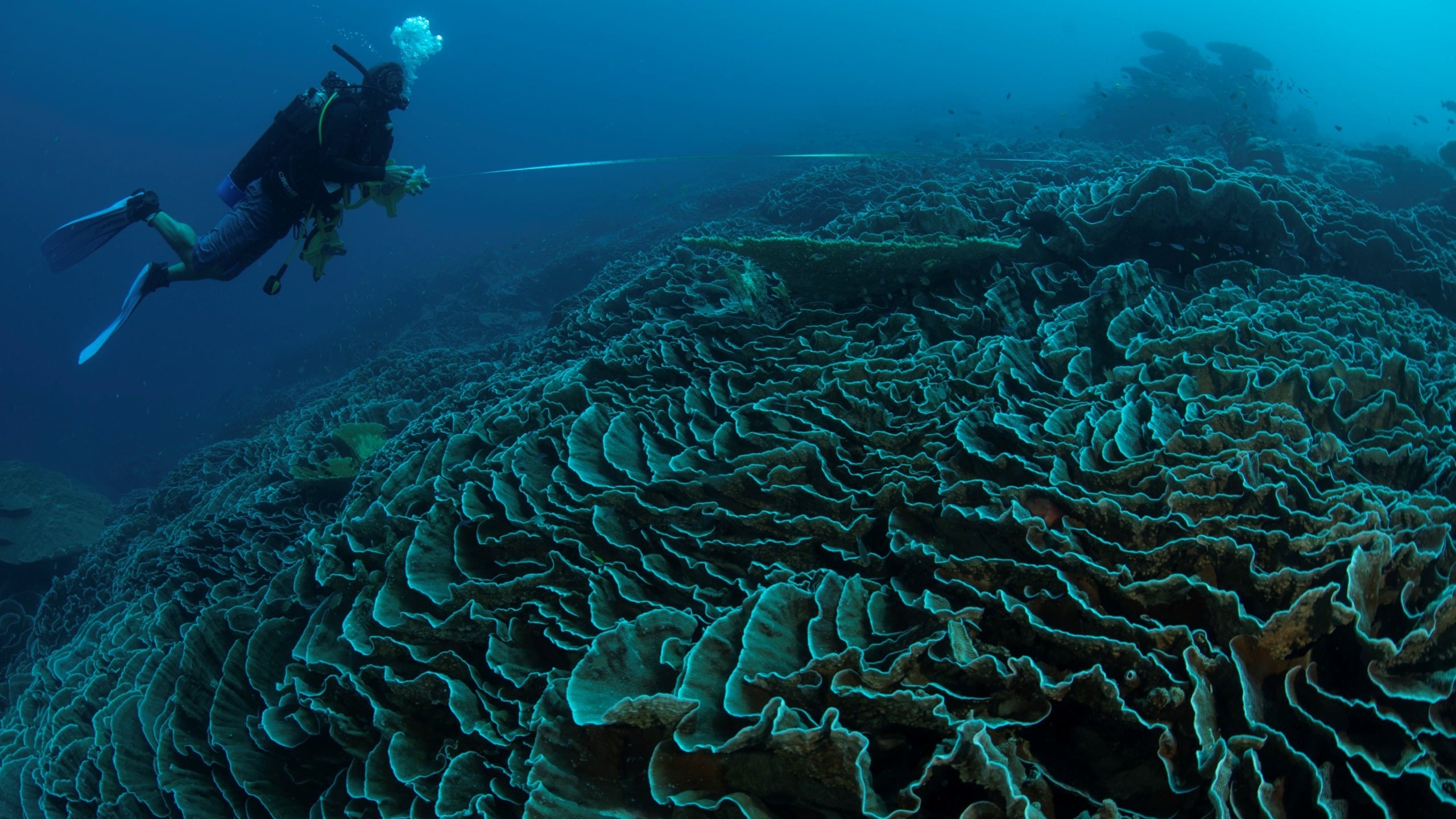
The expansive Pachyseris colony was mapped over 12 separate dives. (Justin Gilligan) On the deep outer slope of a tropical reef in the middle of the Indian Ocean, there lives a coral colony 1.5 kilometers (almost 1 mile, or 100 buses parked behind each other) long, and potentially thousands of years old. The colony is growing on the edge of an atoll, near the remote Cocos Islands, and marine biologist JP Hobbs says he has never seen anything like it. It's a rose coral, in the genus Pachyseris.…
Y
Sentinel–2 image of Bokak Atoll. (Copernicus Sentinel data 2020, processed by SPREP) What would the ocean look like if humans had barely touched it? It's not easy to tell. Our marine environment is in a state of perilous transformation, threatened by wildlife extinctions, coral deterioration, and worsening levels of pollution, acidity, and heat. But while there aren't many places left on Earth where the ocean looks untouched, far out in the Pacific, two isolated havens have been hiding…
Y
An illustration of time distorting. (Massimo Ravera/Moment/Getty Images) We all know the rules. If, for whatever reason, by whatever means, you travel back in time, you absolutely must not find and kill your own grandfather before he has had a chance to procreate. Doing so would break the Universe – because if your grandfather never has offspring, you would not be born and could not travel back in time to kill him. Quite how the Universe would resolve this conundrum is unclear. Maybe the laws…
Y
(Ibrahim Suha Derbent/The Image Bank RF/Getty Images) When is a de-extinction not a de-extinction? Some headline-grabbing methods for bringing extinct species back to life fall short of such grand claims, according to a new argument published in Biology Letters. The case is put forward by marine biologist Andrew Davinack and biochemist Charlotte Daniels from Wheaton College Massachusetts, with much of their attention focused on the so-called 'de-extinction' of the dire wolf by biotech company…