Y
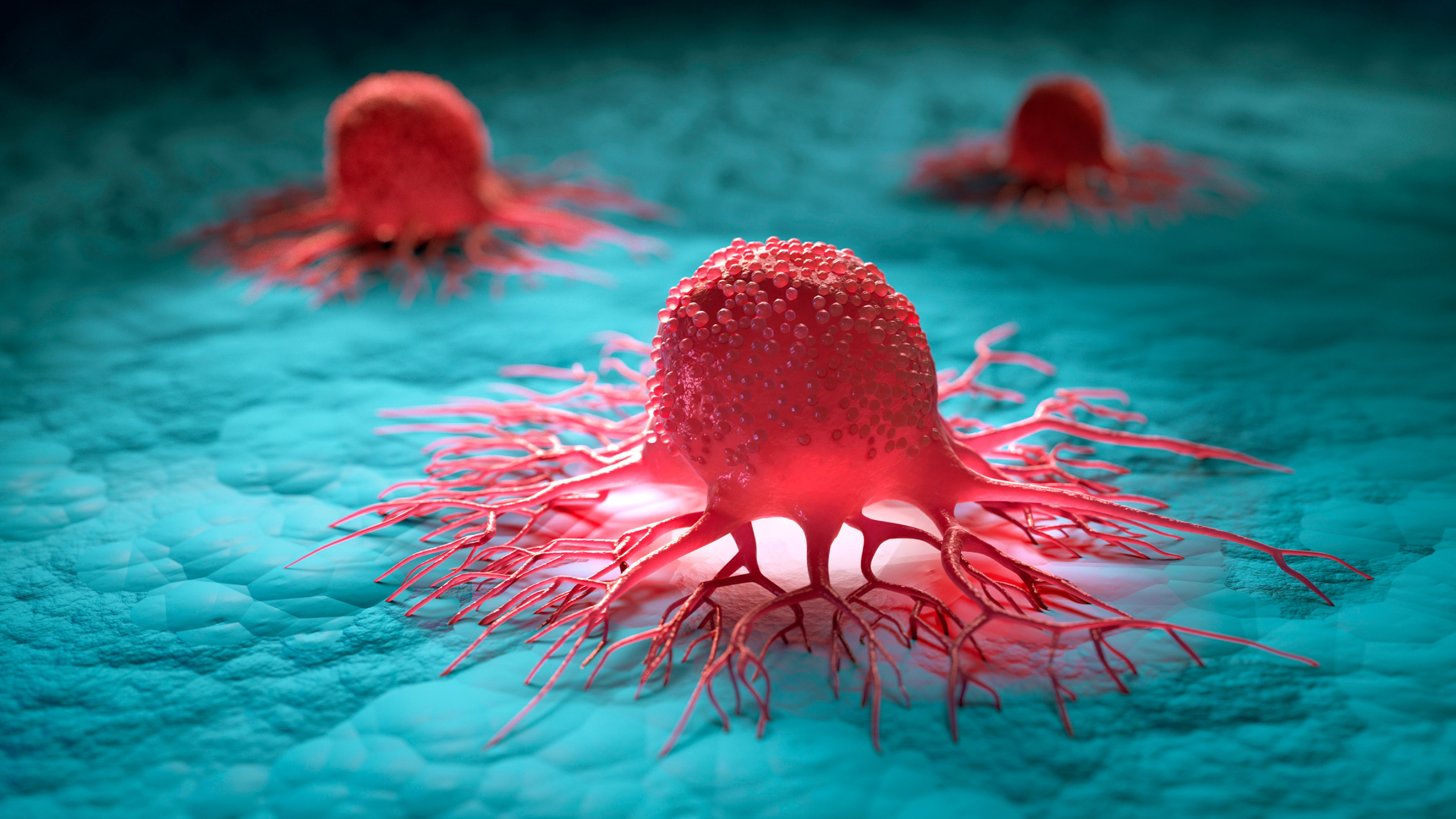
(peterschreiber.media/ iStock/Getty Images Plus) Your immune system has a memory. It can recognize some microbes it has encountered before and respond quickly when they return. Could that memory also be strengthened against cancer? A new study combining a cancer-killing drug with an experimental antibody produced evidence of that protection in mice. After their tumors disappeared, the animals resisted another injection of the same cancer cells weeks later, without further treatment. Researchers…
Y
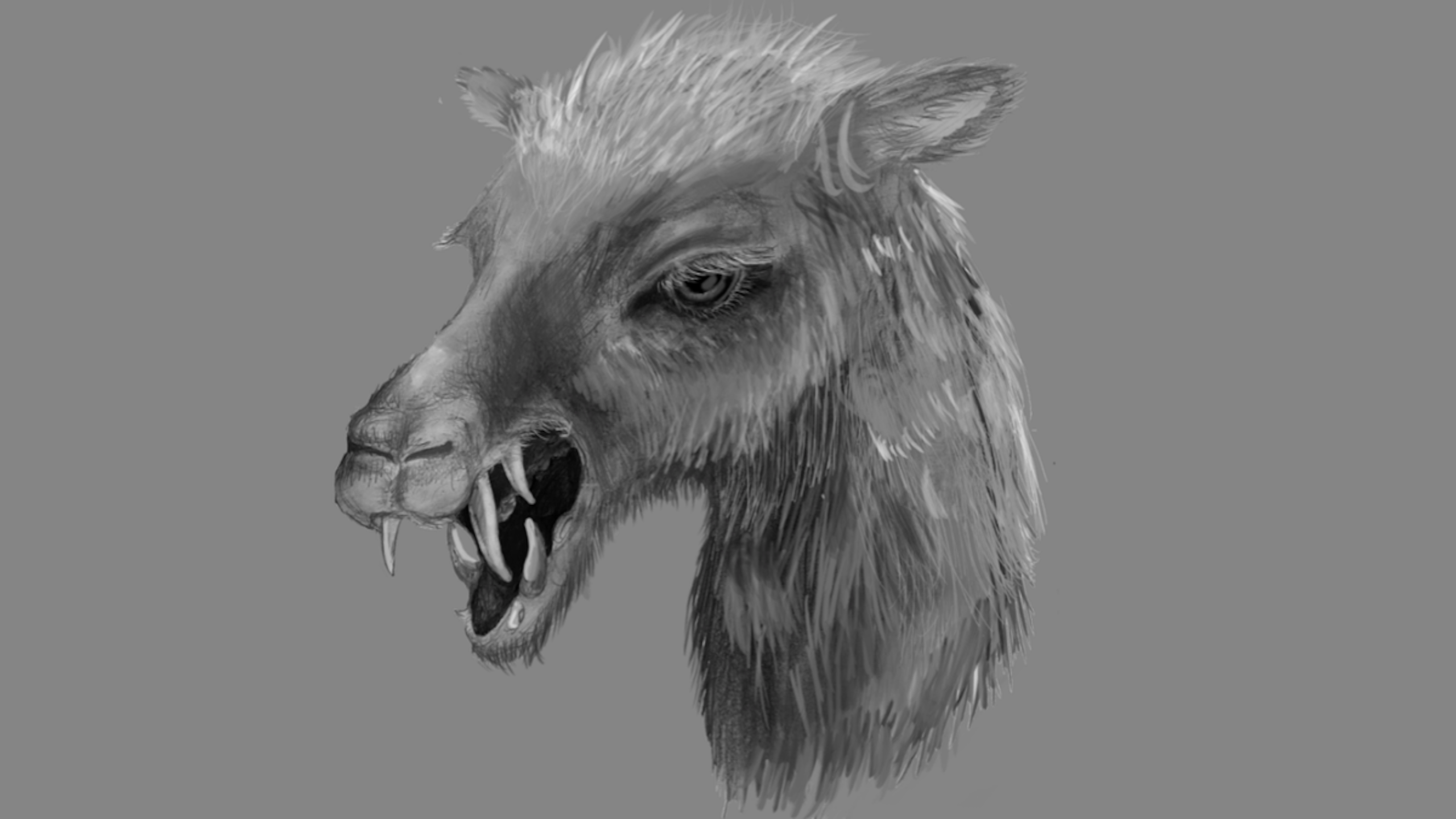
A reconstruction of the head of Vampyrocamelus welshi. (K. Marriott) Dinosaurs get the most attention as monsters of a bygone world, but there are eons of overlooked extinct animals that are just as wild. If you time traveled back 10 or 12 million years, for instance, on the Great Plains of North America you might run into a gigantic creature standing on four spindly legs, with a long, giraffe-like neck and a mouthful of pointed fangs. You, my friend, have just met Vampyrocamelus welshi – the…
Y
Trying to remember someone's name can be frustrating when the answer refuses to come. Forgetting something we saw yesterday can make us worry about our memory, especially as we get older. We often judge memory by whether we can recall information when we need it. Psychologist Emily E. Davis at the University of Toronto used the example of seeing a neighbor with the same dog again and again. As Davis explained to ScienceAlert, "You might one day see that dog on its own, and you might…
Y
(petesphotography/iStock/Getty Images Plus) There's a satisfying rhythm to life on this Earth. Day turns into night, and into day again. Spring rolls into summer, then fall, then winter, before flowers tentatively emerge from the thawing soil once more, while the Moon in the sky cycles from full to dark and back to full. But these are merely some of Earth's pulses, the ones we can measure in the spans of our own lives. The planet itself is vastly more ancient, and some of its cycles are longer…
Y
(Alexander Spatari/Moment/Getty Images) Most breakfast advice focuses on what to put on your plate. But a large study of US adults suggests the clock may deserve attention, too: The time you consume your first and last calories of the day could be linked to how long you live. The findings show an association, not proof that changing the clock changes a person's fate. Still, they add to evidence that health may depend not only on what we eat, but when. Earlier studies have linked skipping…
Y
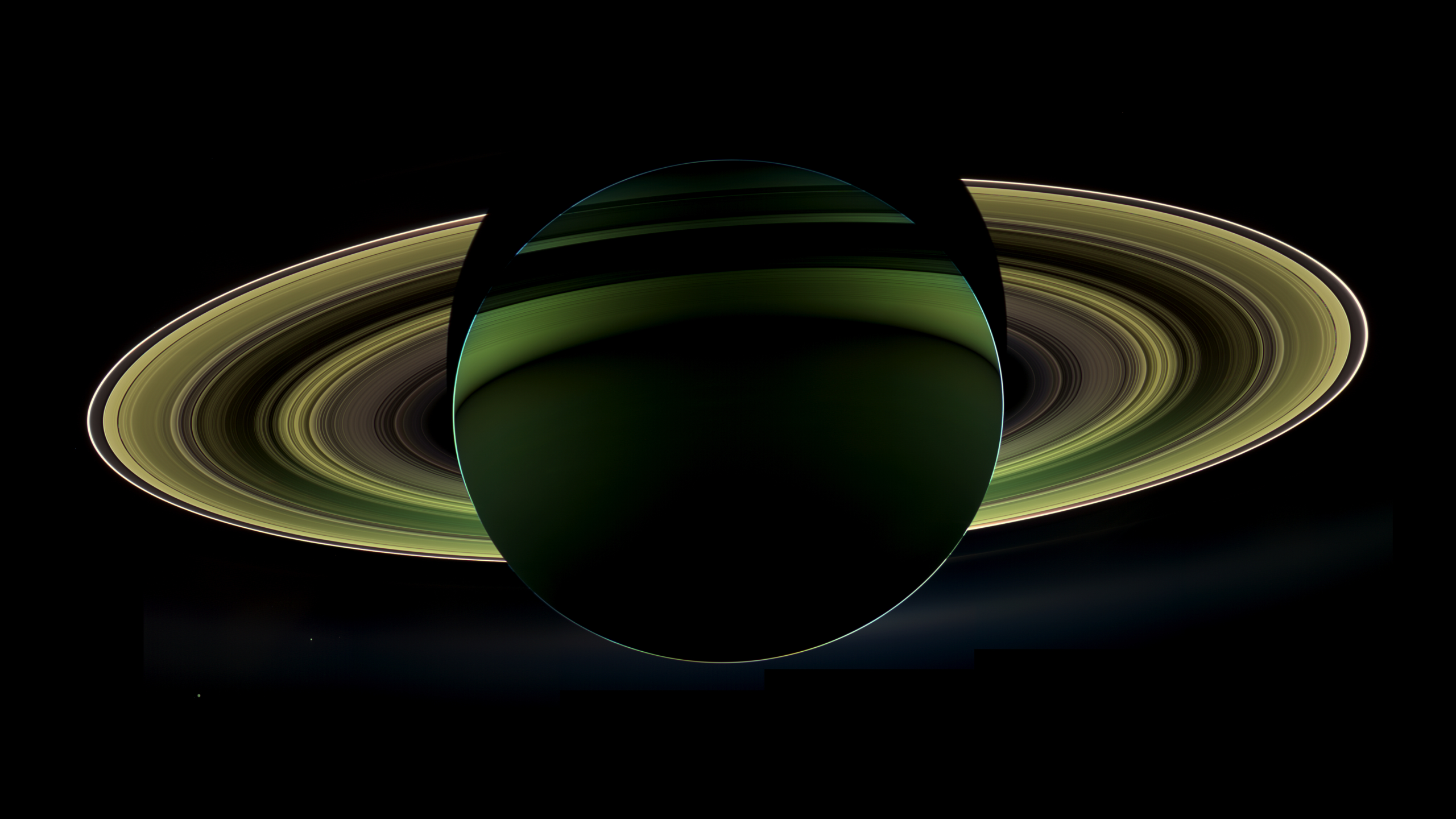
Saturn, photographed by NASA's Cassini spacecraft. Although the planet inspired the name Black Saturn, the theoretical configuration consists of two black holes rather than a planet and its rings. (NASA/JPL-Caltech/Space Science Institute) The geometry of the bog-standard black hole is probably pretty familiar to you: a spherical region of space defined by light's inability to escape it. But the equations we use to describe our reality aren't as strict as the reality itself seems to be.…
Y
(Maskot/Getty Images) Some menstrual cycles can feel like a physical and emotional rollercoaster ride. In severe cases of premenstrual syndrome (PMS), the body is thought to have an abnormal reaction to the rise and fall of estrogen and progesterone. This can lead to a whole host of distressing and overwhelming behavioral and physical symptoms, including anxiety and depression, irritability, fatigue, headaches, bloating, body aches, or sleep issues. The condition is known as premenstrual…
Y
(Olga Rolenko/Getty Images) Scientists know exercise is an important factor in getting a good night's sleep, but it's unclear which types of exercise have the greatest effects. From resistance training and HIIT (high-intensity interval training) to tai chi and Pilates, research is beginning to show that not all forms of exercise are created equal when it comes to tackling sleep disruption. A recent meta-analysis published in Sleep and Biological Rhythms compared different workouts according to…
Y
(Yuichiro Chino/Moment RF/Getty Images) The human heart beats about 100,000 times a day. It's the pounding cadence of life that makes you possible. Until it doesn't. Every year, over 350,000 people in the US experience sudden and unexpected cardiac arrest. Most never make it to a hospital. The fatalities are categorized as sudden cardiac death, generally defined as sudden, unexpected death within an hour due to a heart-related cause. Sudden cardiac death is estimated to claim up to 300,000…
Y
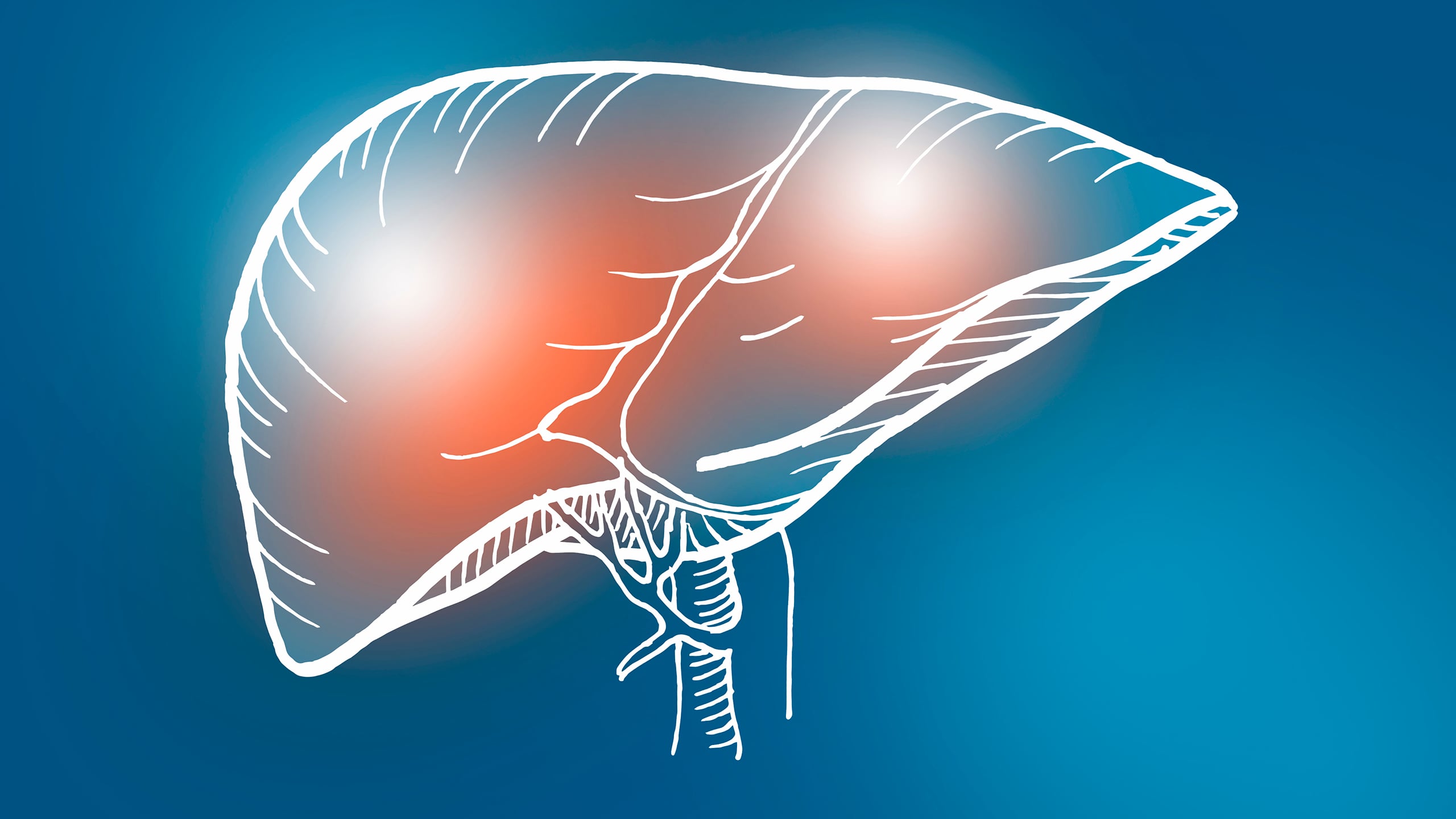
(mi-viri/iStockphoto/Getty Images) The liver is the organ tasked with most of the waste recycling and disposal that needs doing in the body, and a new study suggests that maximizing its clean-up potential could help to prevent disease in the brain and the heart. That would be particularly beneficial for brain diseases such as Alzheimer's. Getting drugs into the brain effectively and safely is a real challenge – in part because of the blood-brain barrier – and targeting the liver first to get to…
Y
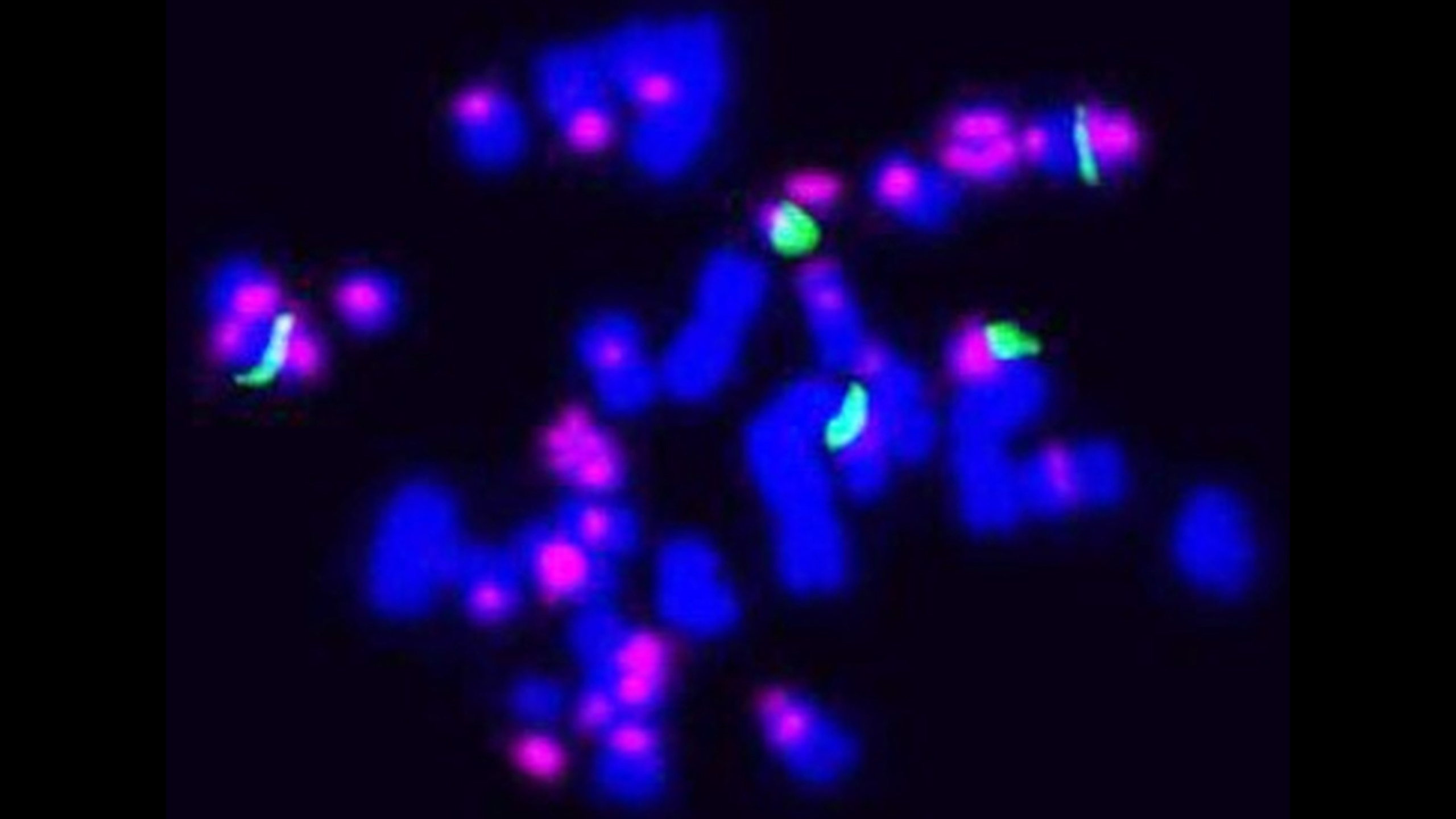
'Planimal' cell chromosomes. (© Sachihiro Matsunaga, The University of Tokyo 2026) Long before humans were collaging the genomes of different species together, nature was doing it on its own. Now, biologist Sachihiro Matsunaga from the University of Tokyo has led a team in encouraging algal DNA to merge with the chromosomes in hamster cells, producing a hybrid genome that persists across more than 150 generations of cell division. The results are published in Nature Communications. They call it…
Y
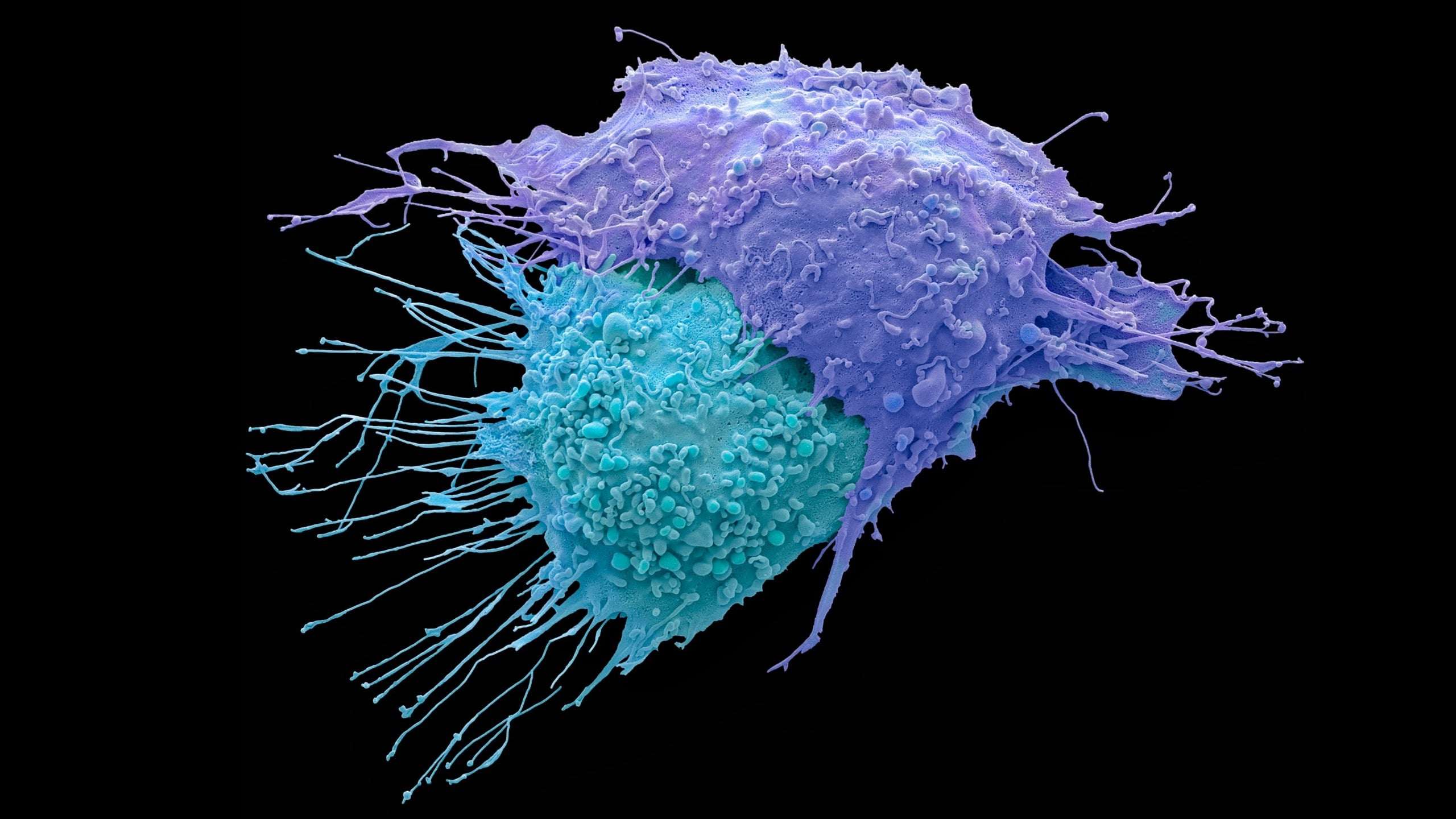
Colored scanning electron micrograph of ovarian cancer cells. (Steve Gschmeissner/Science Photo Library RF/Getty Images) Catching ovarian cancer early is difficult. Currently, doctors screen people at high risk for ovarian cancer by using transvaginal ultrasound to look for tumors and a blood test that detects a protein called CA-125, which is produced by tumors. But there are a few reasons, other than cancer, that CA-125 levels can go up, so a diagnosis of ovarian cancer really comes down to…
Y
(Laurence Mouton/PhotoAlto/Getty Images) The journey from birth to death never did run straight nor smooth. The human body seems to age in sudden leaps and bounds, and scientists are trying to figure out when these accelerations occur on a cellular level. A new study on the human immune system suggests that our immune systems age faster at two sharp peaks. The findings are published in Nature Communications. Researchers in Singapore analyzed the single-cell transcriptomes of 1,828 healthy…
Y
Trace elements of PFAS have shown up in drinking water. (Catherine Delahaye/Digital Vision/Getty Images) Perfluoroalkyl and polyfluoroalkyl substances (PFAS) are often called 'forever chemicals' because they last for so long in the environment. Their durability is part of the reason they're so widely used in manufacturing, but it's leading to a major pollution problem. Researchers are working hard to find ways of filtering out and destroying PFAS, but breaking them down completely often…
Y
Could dark matter have its own periodic table of elements? A new theoretical study explores the possibility. (Steve Horrell/Science Photo Library/Getty Images) Most of the matter in the Universe is completely invisible to our telescopes. A galaxy spinning much faster than it should here. A suspiciously bulging pocket of spacetime there. These are the calling cards of dark matter – a mysterious something producing gravity utterly disproportionate to the amount of normal matter we can see. What…
Y
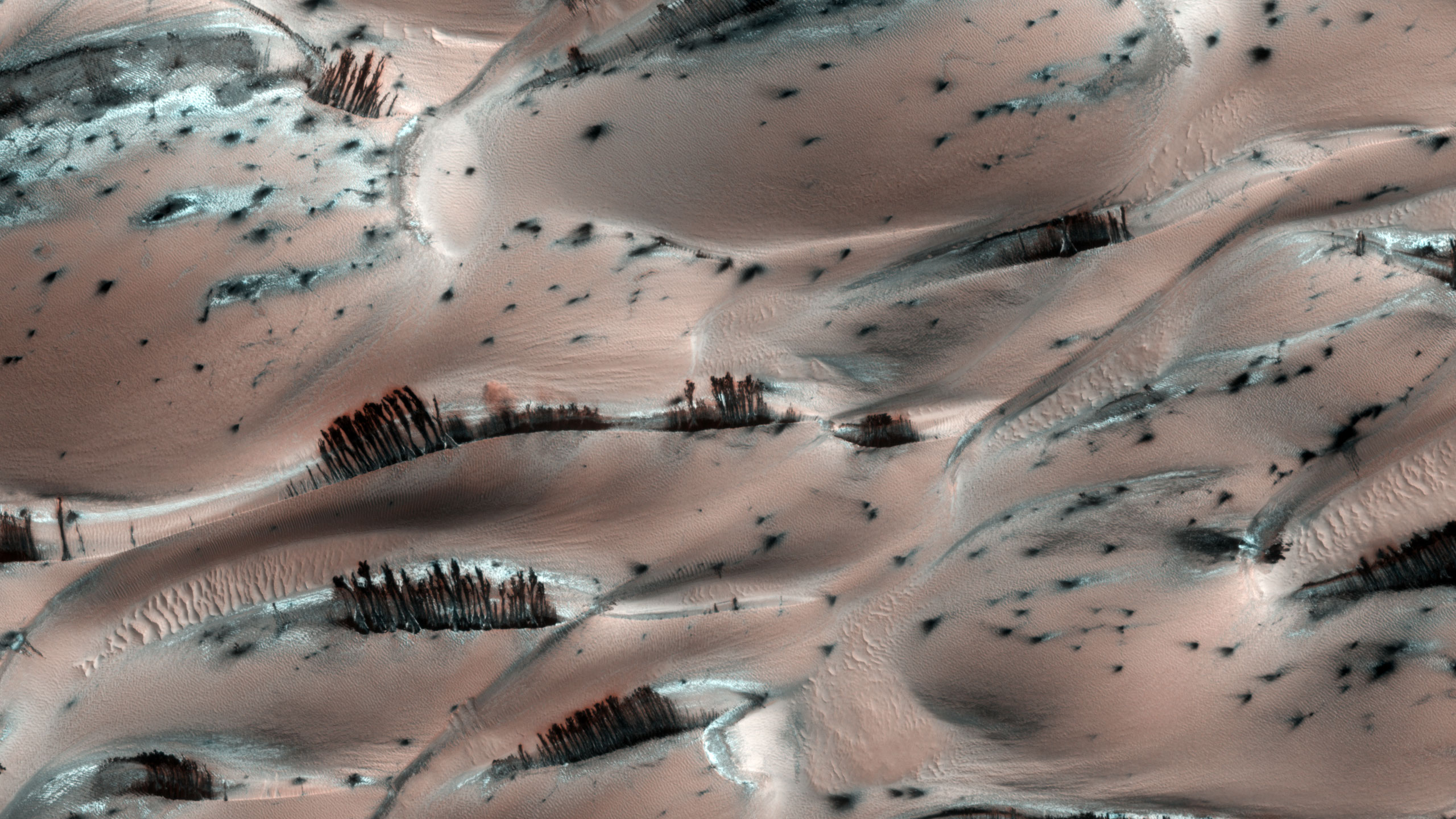
An eerie forest seems to rise from the frozen dunes near the Martian north pole. (NASA, HiRISE, MRO, LPL/U. Arizona) To the best of all humanity's understanding – which is significant – nothing seems to grow on the red planet. Nary a rover nor an orbiter has ever caught wind of a single alga, cactus, or spindly tumbleweed. Which makes a photograph snapped by NASA's Mars Reconnaissance Orbiter in 2008 all the more startling. In it, thickets of scraggly trees appear to stand bolt upright from the…
Y
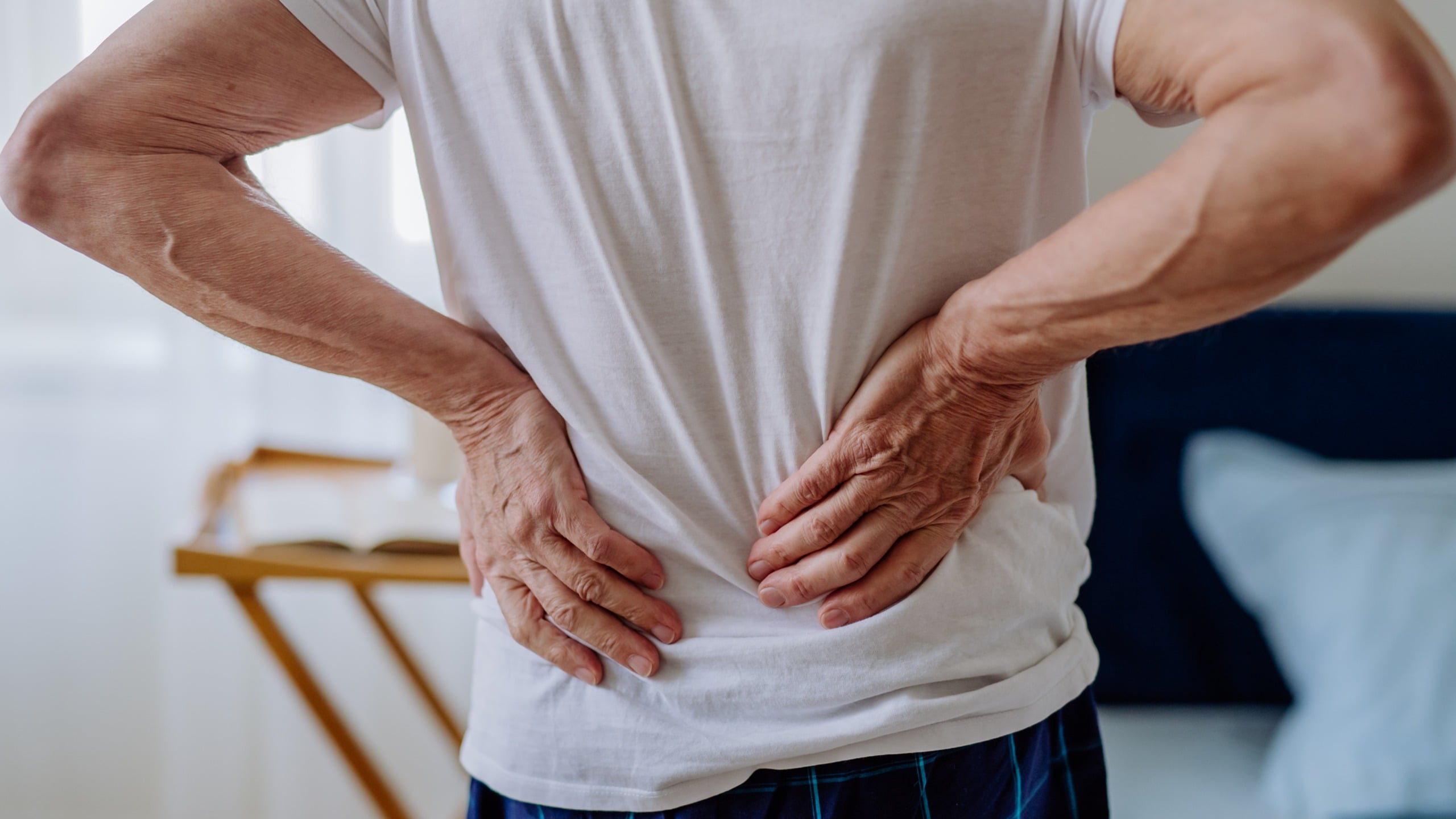
(Halfpoint Images/Moment RF/Getty Images) A six-pack is no guarantee against back pain. A surprising new study has found that those with bigger abdominal muscles on CT scans are just as likely to suffer from lower back pain. The findings, published in PLOS Digital Health, suggest that weak abdominal muscles are not necessarily the cause of low back pain, and strengthening them may not be a sufficient solution on its own. "We were surprised that our low back pain group did not have less overall…
Y
(Frederic Cirou/PhotoAlto Agency RF Collections/Getty Images) When it comes to sleep, it's easy to get caught up on numbers. After all, there's a lot of advice out there on how many hours you should be getting for a healthy heart, or to lower your dementia risk, or to slow down the effects of aging. There's even research on how much sleep you shouldn't be getting, and why more isn't always better. But there's a lot more to sleep than just the duration of it. In fact, new research suggests the…
Y
(Herzstaub/Canva) Losing consciousness during surgery and having pain controlled can seem like the same thing, although anesthesiologists often use different drugs to achieve them. This leads to the question: could an anesthetic also control pain at a dose low enough to leave an animal awake? Researchers developing a compound called nidradine found signs of that possibility in mice. At higher doses, the compound produced anesthesia. At a lower dose, the animals remained awake and coordinated,…
Y
(Fadil Aziz /Alcibbum Photograph/Getty Images) The tortured (or at least hungry) itinerant artist is a common trope, but in some parts of the world, we humans as a whole only really kicked up our art-making abilities once we became settled. And unlike today's build-your-own-Bluey craft kits and the like, many ancient artistic endeavors seem to have been reserved for adults – with few but nonetheless fascinating examples of children's creations in deep history. Or so it generally seems, but now…
Y
A scene from GTA VI. (Rockstar Games) In case you missed it, it's GTA VI launch week. As far as video games go, it doesn't really get any bigger than this, and the sixth game in the Grand Theft Auto series is shaping up to be the most monumental yet, on basically every level. The sprawling open-world crime sim, in development for over a decade, has been built by a team of nearly 5,000 people, with a rumored budget of up to US$2 billion. But a huge and hungry fanbase – who have their own…
Y
(Andrea Piacquadio/Pexels) In the hustle and bustle of modern life, the best weight-loss tips are simple ideas that will hopefully stick, and one study revealed a couple of new ones that qualify: fast for longer overnight and eat breakfast earlier. Researchers led by a team from the Barcelona Institute for Global Health (ISGlobal) in Spain analyzed diet and weight data from 7,074 individuals aged 40 to 65, finding that early dinner and early breakfast with no eating in between were associated…
Y
(Peter Cade/Stone RF/Getty Images) No one wants to be woken in the middle of the night, but for some older men with enlarged prostates, nature can call again and again. The prostate is a gland that surrounds the neck of the bladder, and if it grows too large, as it sometimes does in older age, it can pinch the urethra, making it harder to empty the bladder. Over time, this can cause the bladder muscle to become more sensitive and contract before it is full. Frequent trips to the bathroom at…
Y
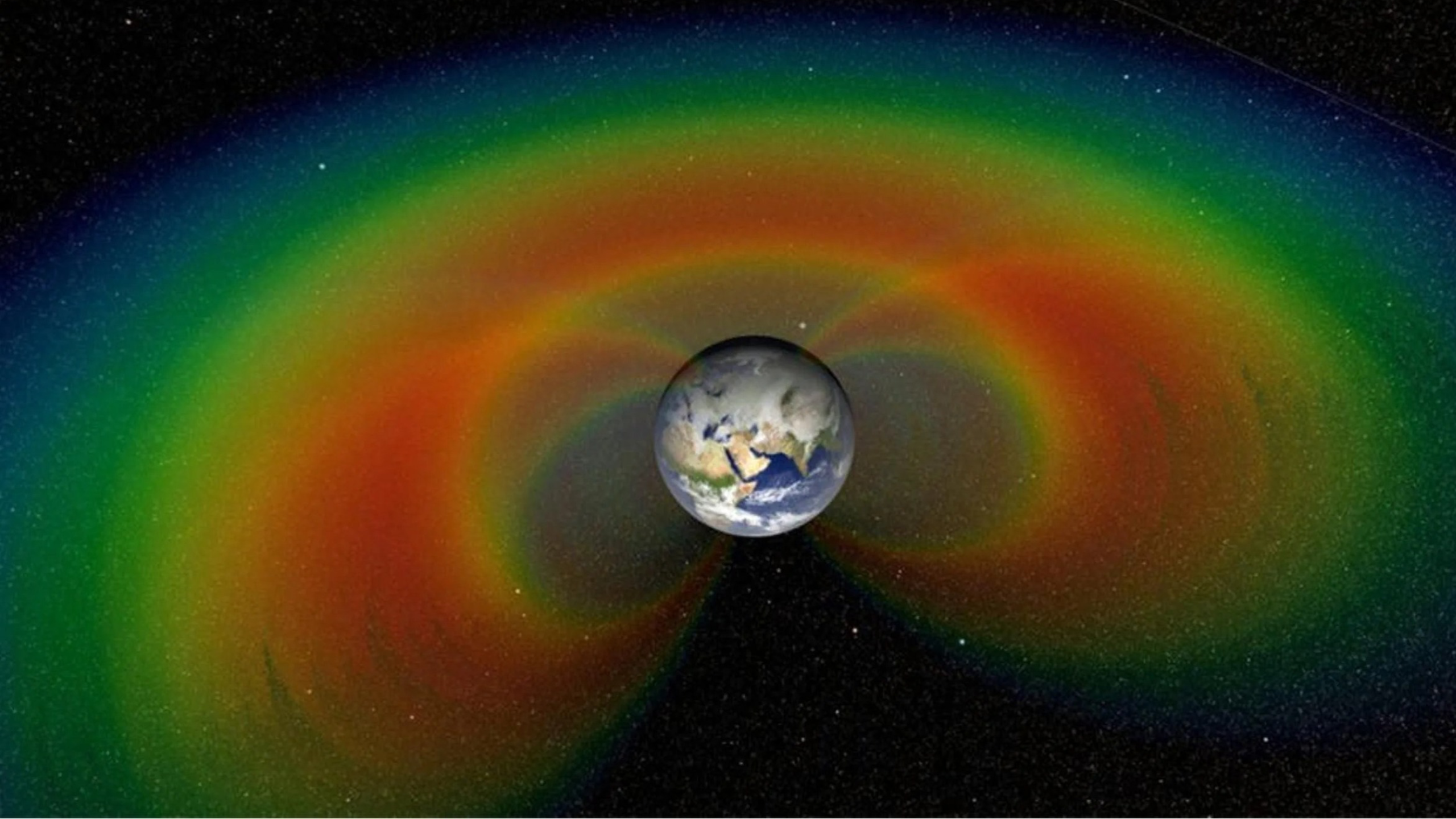
(NASA Goddard Space Flight Center/Scientific Visualization Studio) Many of the most consequential happenings in the Universe are generally invisible to our human eyes (oh, to be a spacefaring mantis shrimp!). Even our near-Earth environment is awash in unseen phenomena. Our planet is surrounded by two immense cosmic doughnuts of radiation known as the Van Allen Belts, discovered at the dawn of the space age in 1958 by the first US satellite, Explorer 1, and named after physicist James Van…
Y
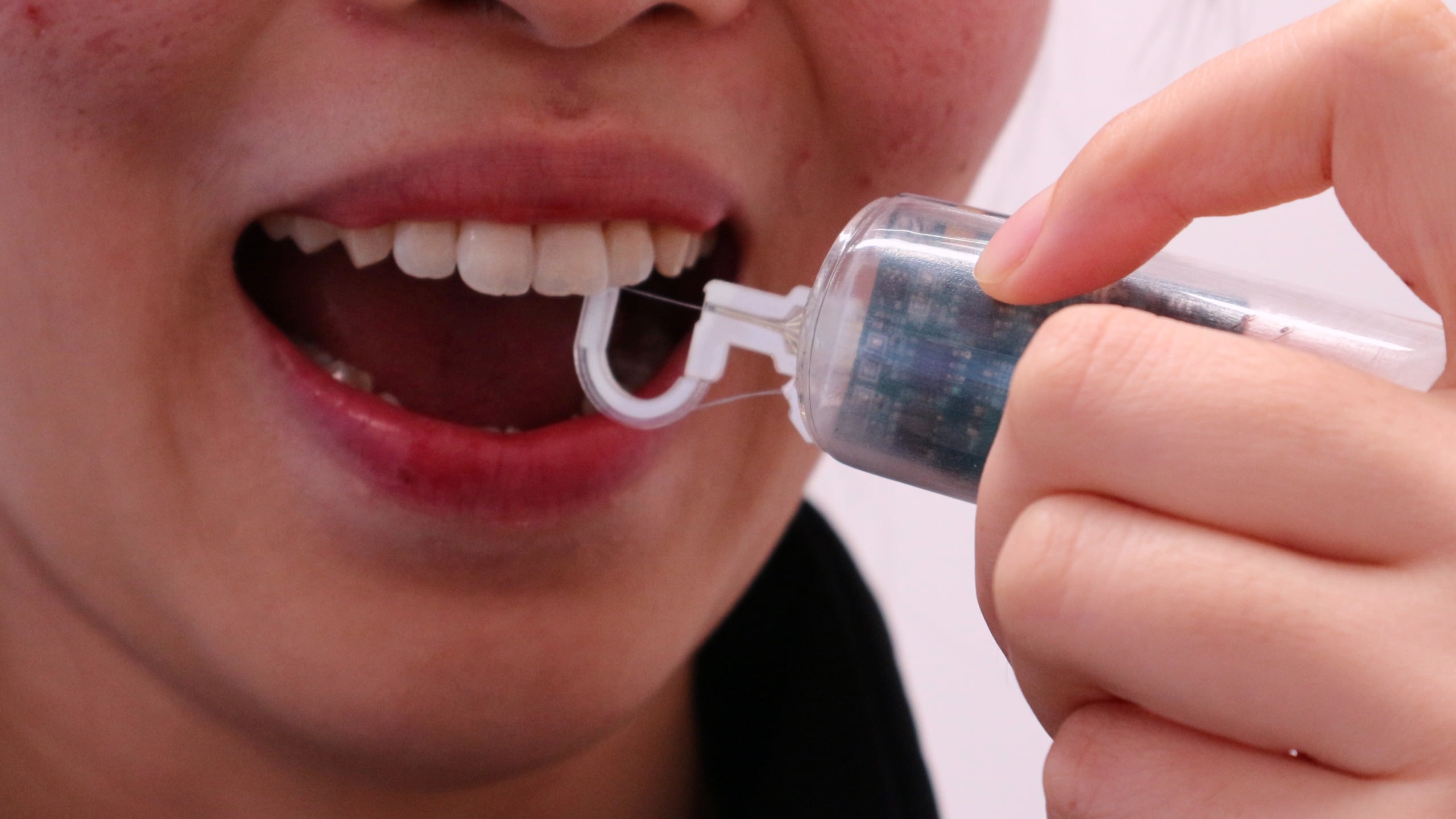
The novel flossing device in use. (HKUST) The health of our teeth and gums is closely connected to the health of our bodies and brains. In recent years, growing evidence has begun to show that poor oral health is associated with a slew of other concerning conditions, including dementia, diabetes, stroke, heart disease, cancer, and even death. A new flossing device that captures the gunk between our teeth could be a high-tech way to monitor oral health and the body's metabolism at the same time…
Y
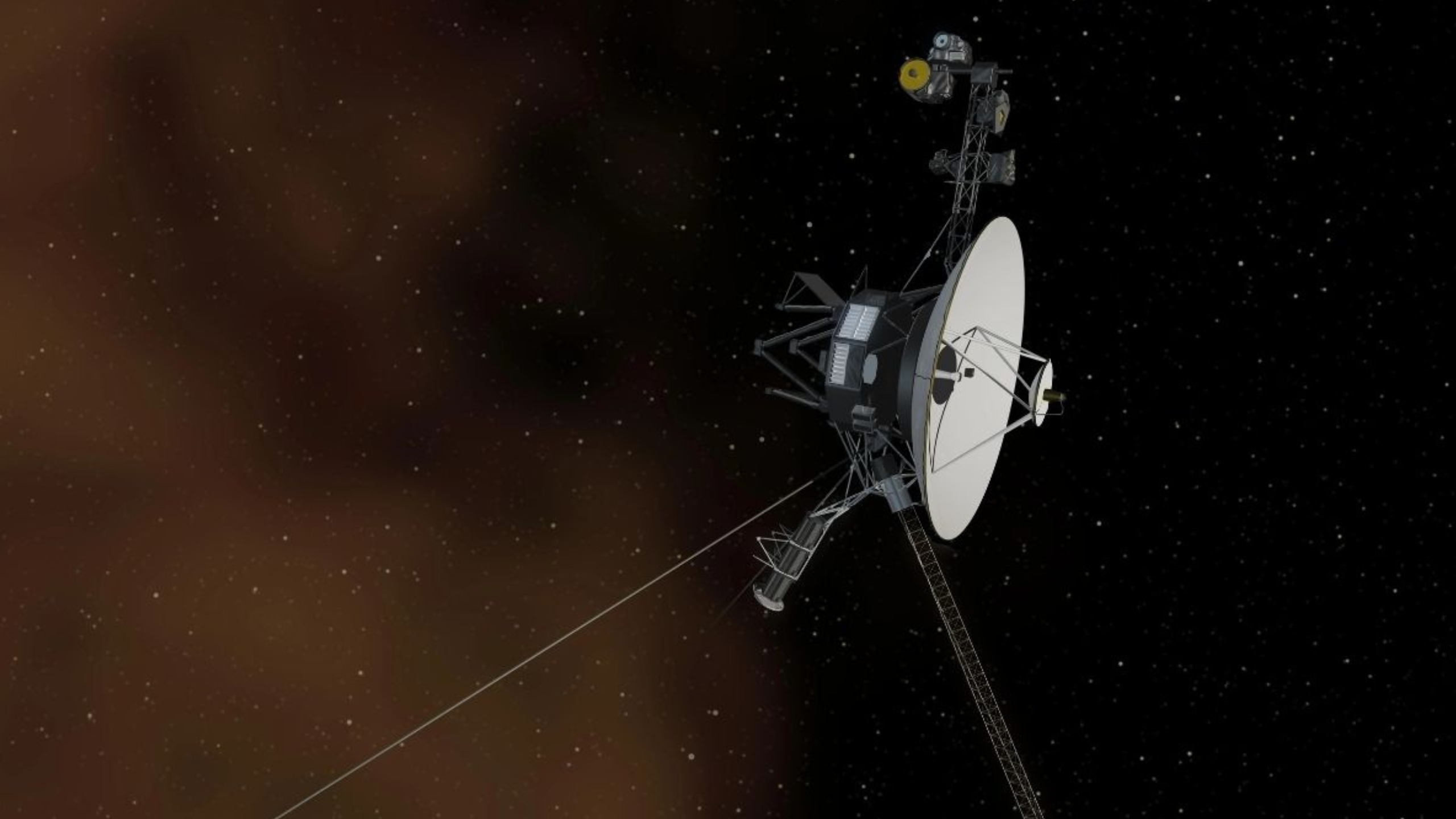
(NASA/JPL-Caltech) Voyager 1 has been on an incredible journey that's defied all expectations. And it's hours away from reaching another huge milestone. The small car-sized spacecraft was the first human-made object to enter interstellar space, and for almost 50 years it's been hurtling away from Earth at 61,100 kilometers (38,000 miles) per hour. This Wednesday, the spacecraft will officially reach 1 light-day away from Earth. Or to be precise, on 18 November 2026 at 10:16 UTC (2:16 AM PST),…
Y
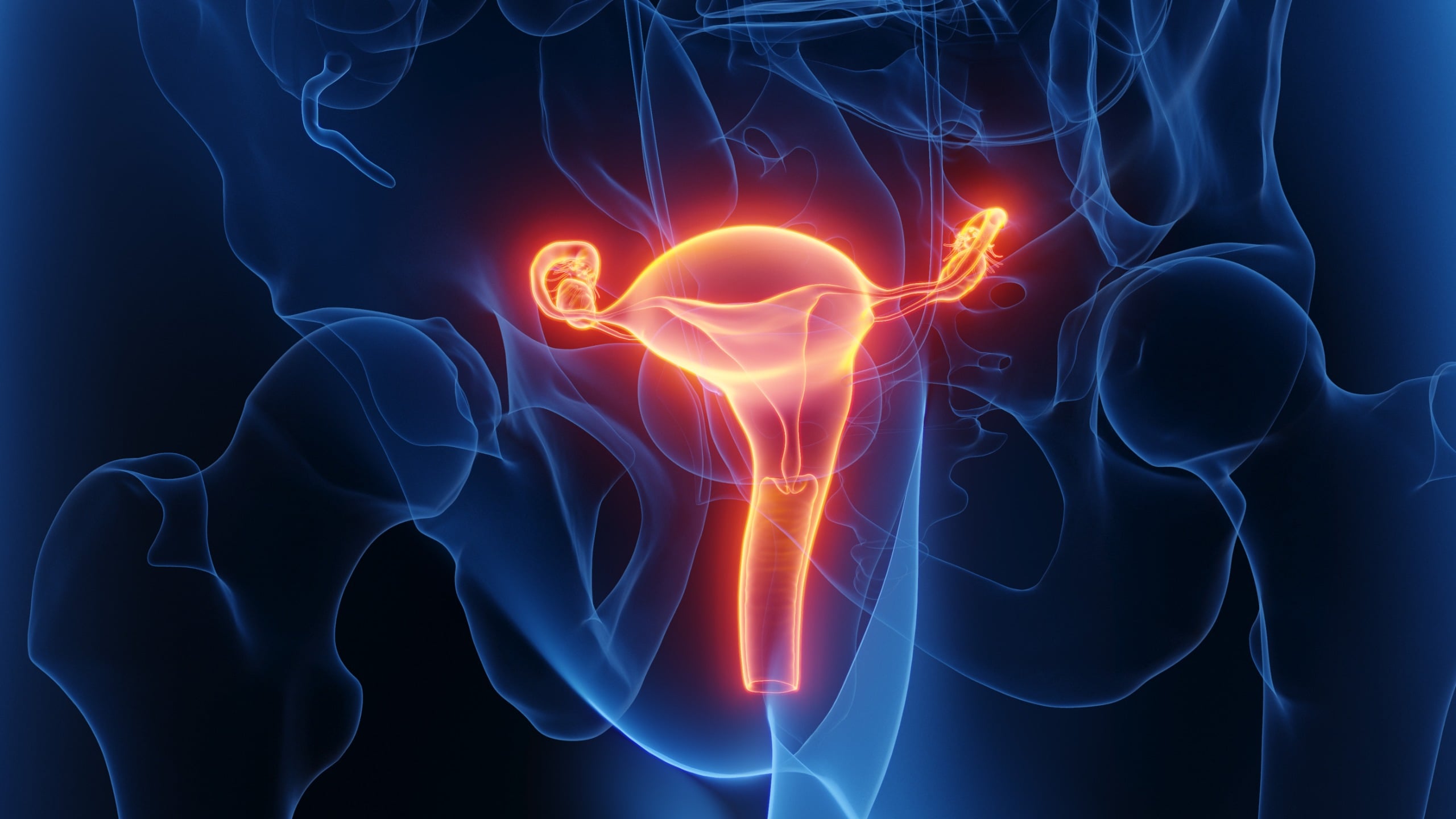
(SEBASTIAN KAULITZKI/Science Photo Library RF/Getty Images) We humans would be mere shells of ourselves were it not for the trillions of microbes that live in or on our bodies. Bacteria, viruses, fungi, and archaea are a crucial part of our eyes, mouths, guts, lungs, and vaginas. But for more than a century, the uterus – the place where we all once came from – was thought to be a fairly sterile environment, free of most microbes. Perhaps that isn't quite right after all. From the moment a human…
Y
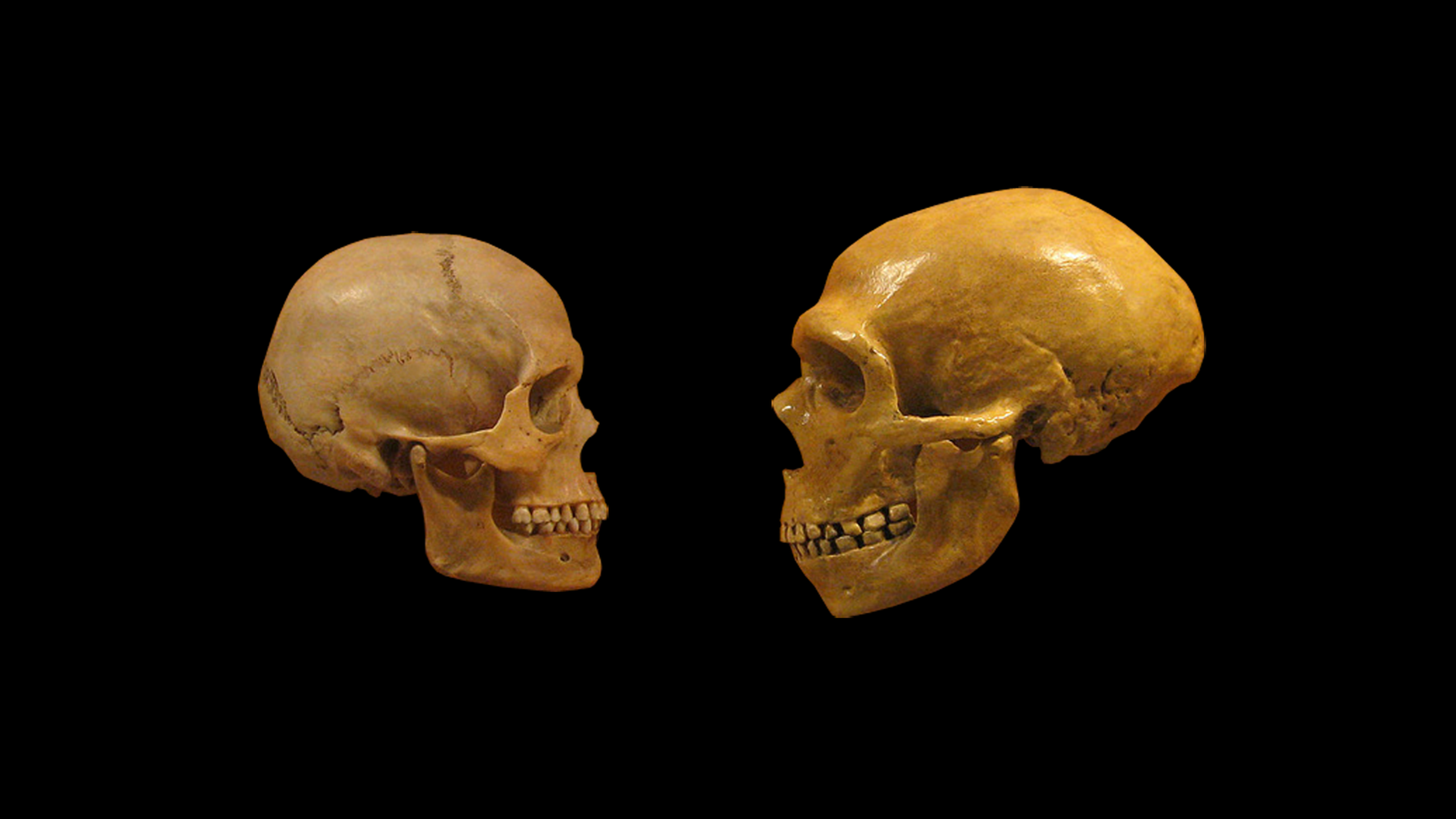
A modern human skull (left) compared with a Neanderthal skull (right), showing the difference in cranial shape. (hairymuseummatt/DrMikeBaxter/Wikimedia Commons, CC BY-SA 2.0) Tens of thousands of years ago, the last Neanderthal disappeared from our world. But the ghost of this ancient human relative lives on – its lingering traces haunting the Homo sapiens genetic code. It manifests in some curious ways – certain hair textures, for example, or how the body stores fat, may be influenced by DNA…
Y
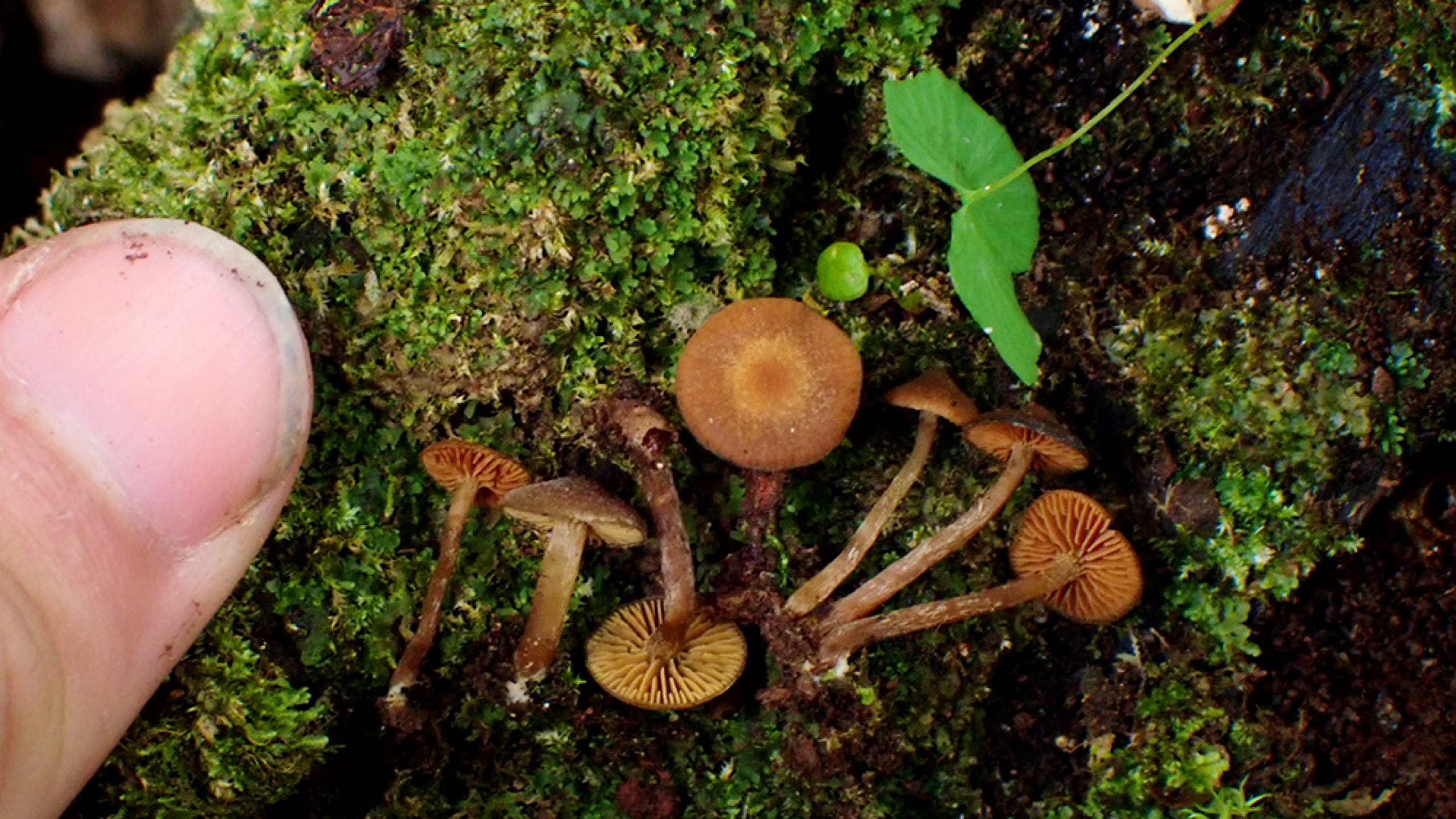
Galerina indica. (Andrew R. Kunik) The mushrooms of the world are a decidedly mixed bag, but one thing's for sure: You don't want to get them confused. Far from the familiarity of grocery store varieties, if you go down in the woods today, mushrooms take a wild turn. While some wild mushrooms are edible, many are not safe to eat. Hundreds of different kinds are poisonous, and some are deadly – most notoriously, the world's deadliest mushroom: the 'death cap' (Amanita phalloides). But toxic…
Y
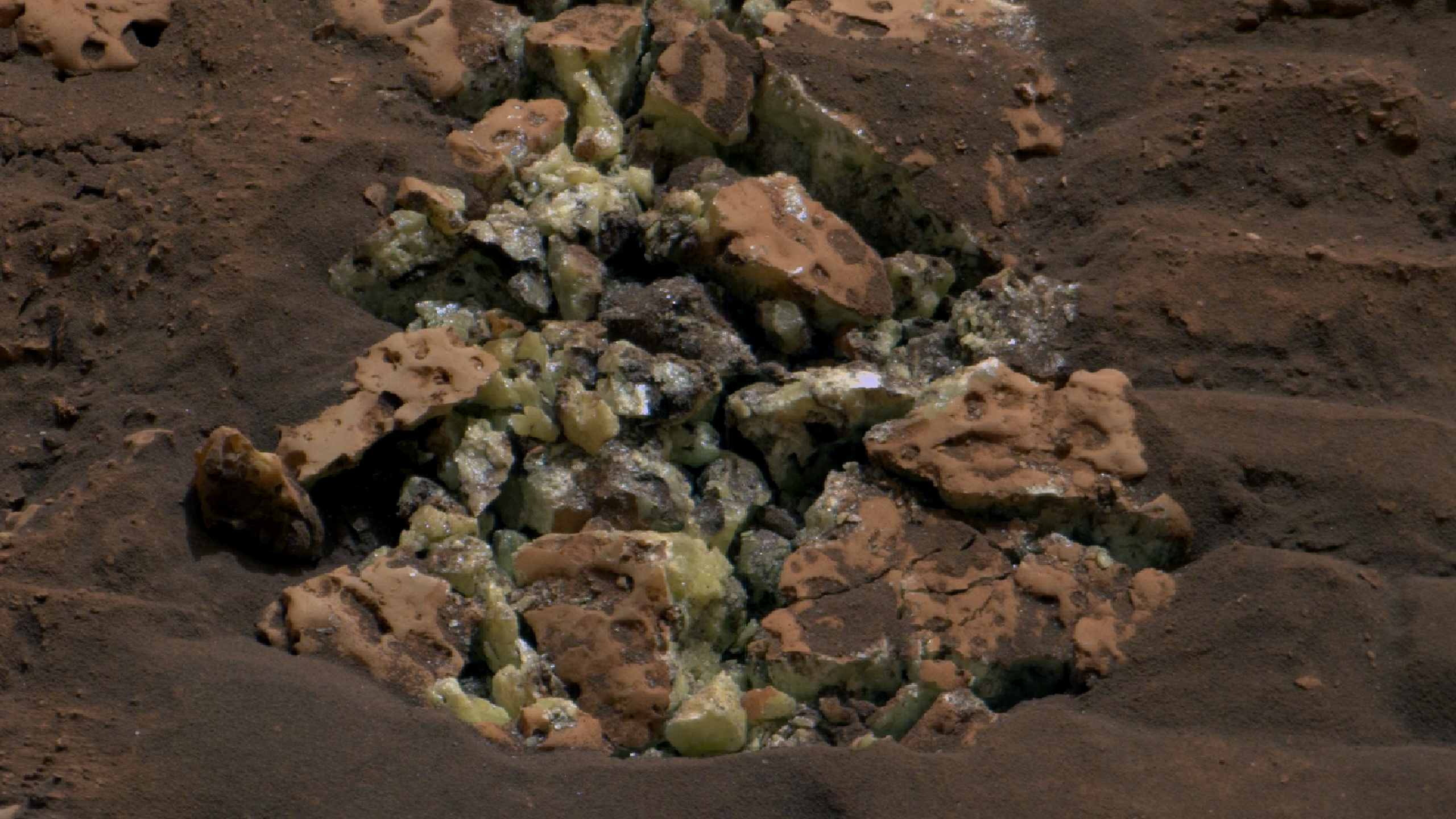
A chance path on Mars revealed the surprising contents of an otherwise unremarkable rock. (NASA/JPL-Caltech/MSSS) Even though Mars is millions of kilometers across the Solar System, scientists have a pretty good handle on its geology. We know, broadly, what types of minerals can be found there, and the geological processes that shape it. But then sometimes all we have to do is scratch the surface, and a whole new mystery comes tumbling out, glinting dully under the Martian Sun. Like the time in…