A
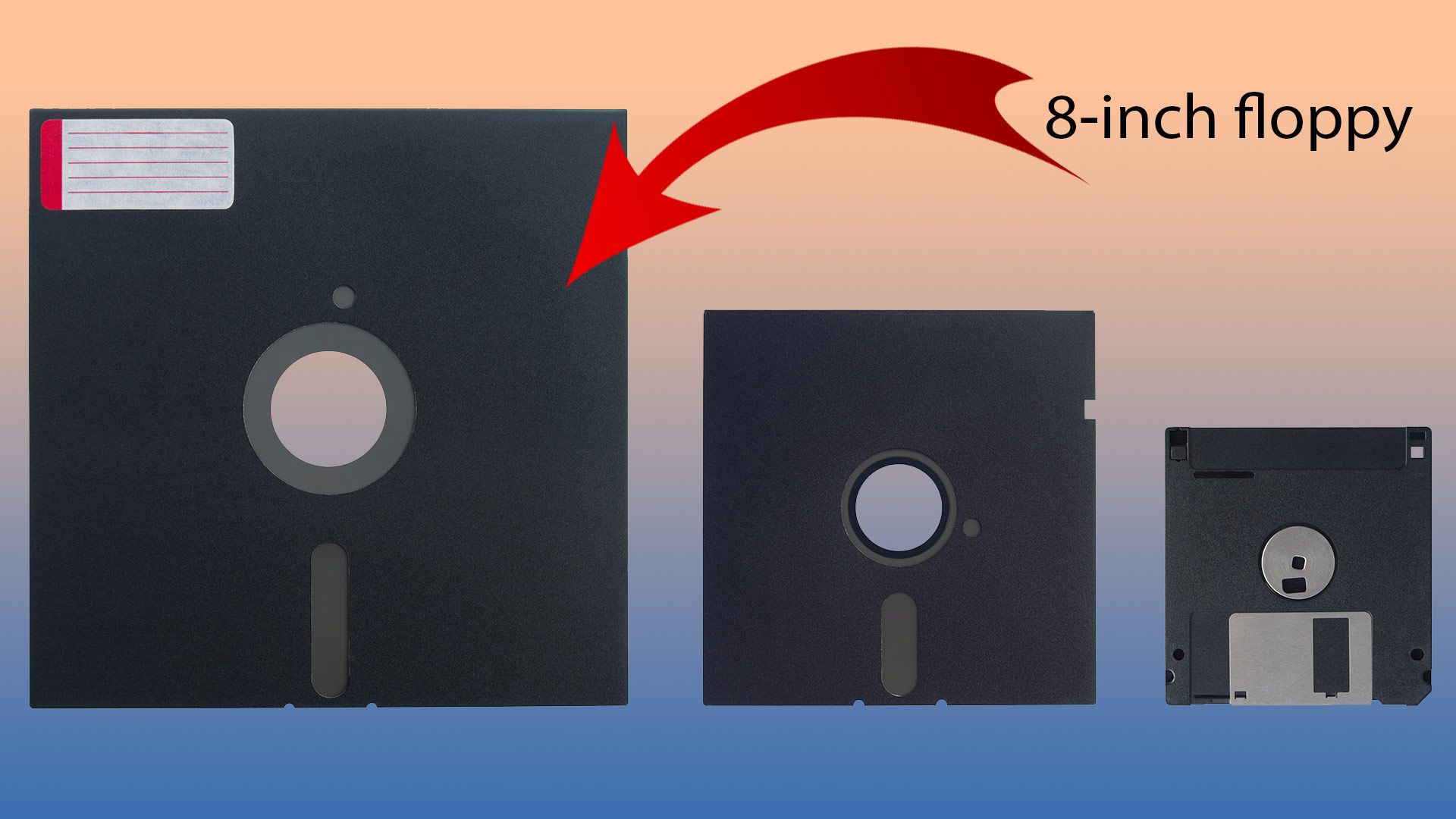
In the wake of last Friday’s ground stoppage, the New York Times pointed me to this article (that should be a gift link) from just a week earlier about outdated computer technology still in use in air traffic control. I was struck by one of the terms used in the article. The article is titled “Just 2 More Years Until We’re Done With Floppy Disks, F.A.A. Says,” and it includes an explanation of what those mysterious “floppy disks” are for its younger readers. Most adults barely remember floppy…
A
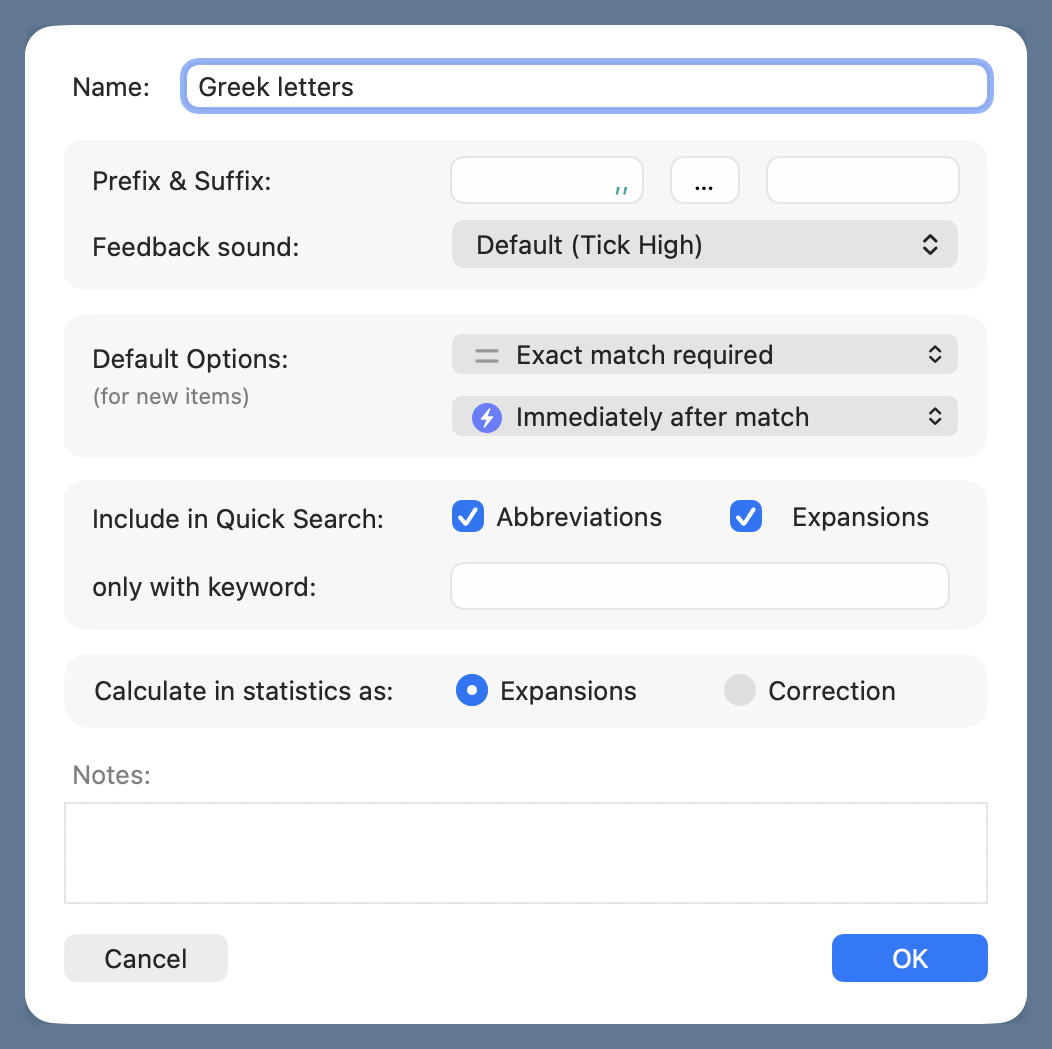
I mentioned in my last post that I’m learning Julia. I intend to use it for mathematical work, and because Greek letters are used in formulas I’ll be turning into programs, it seemed like a good idea to make it easier to include Greek letters in my code as variable names. Over the weekend, I made a simple Typinator set for that purpose.1 You can download the Typinator set if you think it would be helpful to you. Here’s a list of the Greek letters and their abbreviations. Letter Abbrev Letter…
A
[Equations in this post may not look right (or appear at all) in your RSS reader. Go to the original article to see them rendered properly.] I don’t make a habit of reading obituaries, but I’m glad I clicked the link to this one in yesterday’s New York Times (that should be a gift link). Steve Selvin was a statistician who got his Ph.D. at the University of California, Berkeley, and taught there for many years. He got into the Times because of a probability puzzle he came up with in 1975: the…
A
Last week, my SnapClip macro crapped out with an error message. In the process of fixing it, I learned something about AppleScript that probably won’t ever help me in the future. SnapClip is a Keyboard Maestro macro that puts a graphical user interface on a Python script, process-screenshot. The problem that led to the error was a particular branch of process-screenshot: the branch that puts the screenshot onto the clipboard. I’m not going to rehash the design of SnapClip or process-screenshot…
A
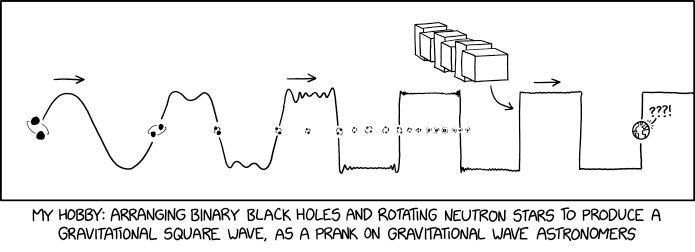
[Equations in this post may not look right (or appear at all) in your RSS reader. Go to the original article to see them rendered properly.] If you’ve done Fourier series approximations of functions, you had three reactions to today’s XKCD comic: First, of course, was a smile of recognition. Then came a “wait a minute” as you realized that the Gibbs phenomenon doesn’t get smaller as you add more terms to the Fourier expansion; it just concentrates itself at the corners: That ringing never goes…
A
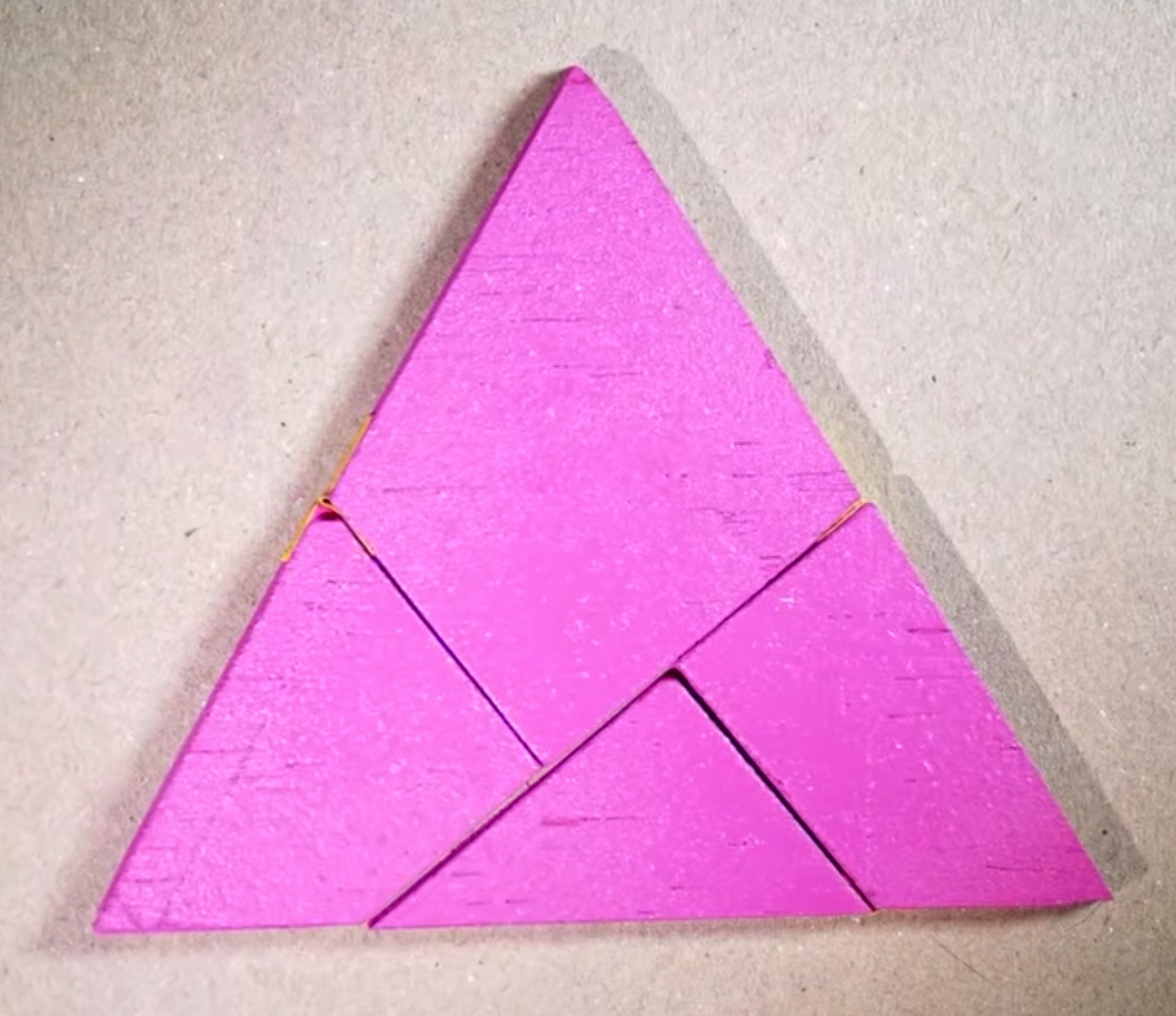
[Equations in this post may not look right (or appear at all) in your RSS reader. Go to the original article to see them rendered properly.] Yesterday, Numberphile released a delightful video with James Grime (redundant, I know) in which he walks us through a geometry problem first posed by Henry Dudeney in 1902. It’s known as the “Haberdasher’s Puzzle” and is reproduced in Dudeney’s 1907 book The Canterbury Puzzles. The problem was solved by C.W. McElroy after Dudeney published it in a…
A
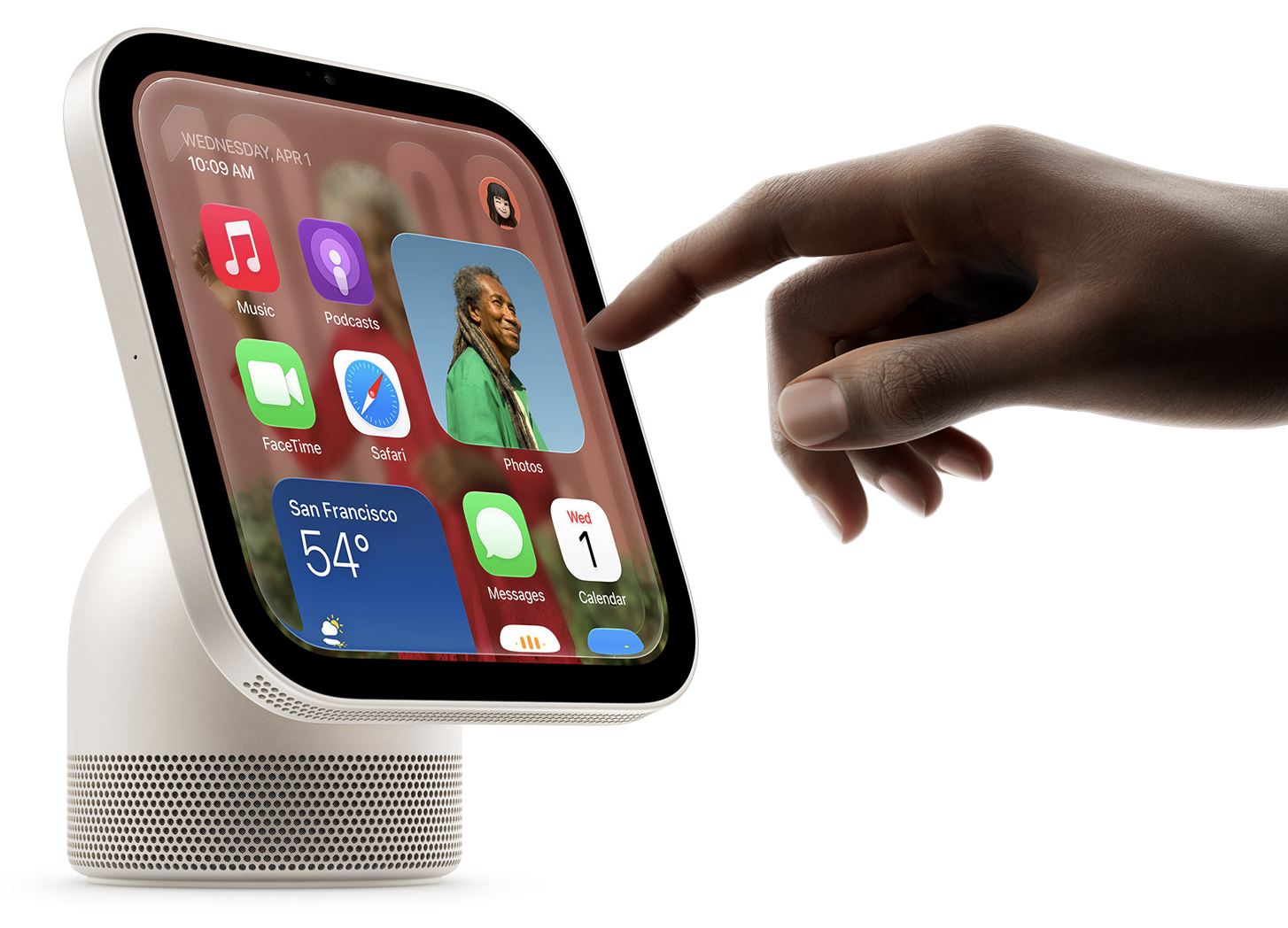
Given that I typically take a wait-and-see attitude when Apple introduces a new product, I was surprised to find myself ordering a HomeView within a day of its announcement. I was even more surprised when lots of otherwise pro-Apple people—this guy, for example—were skeptical about its value. Why is this? Well, one reason could be that I don’t already have a HomePod in my kitchen, which makes me behind the times. I’ve been thinking I should get one (or two), but Siri’s deficiencies have kept me…
A
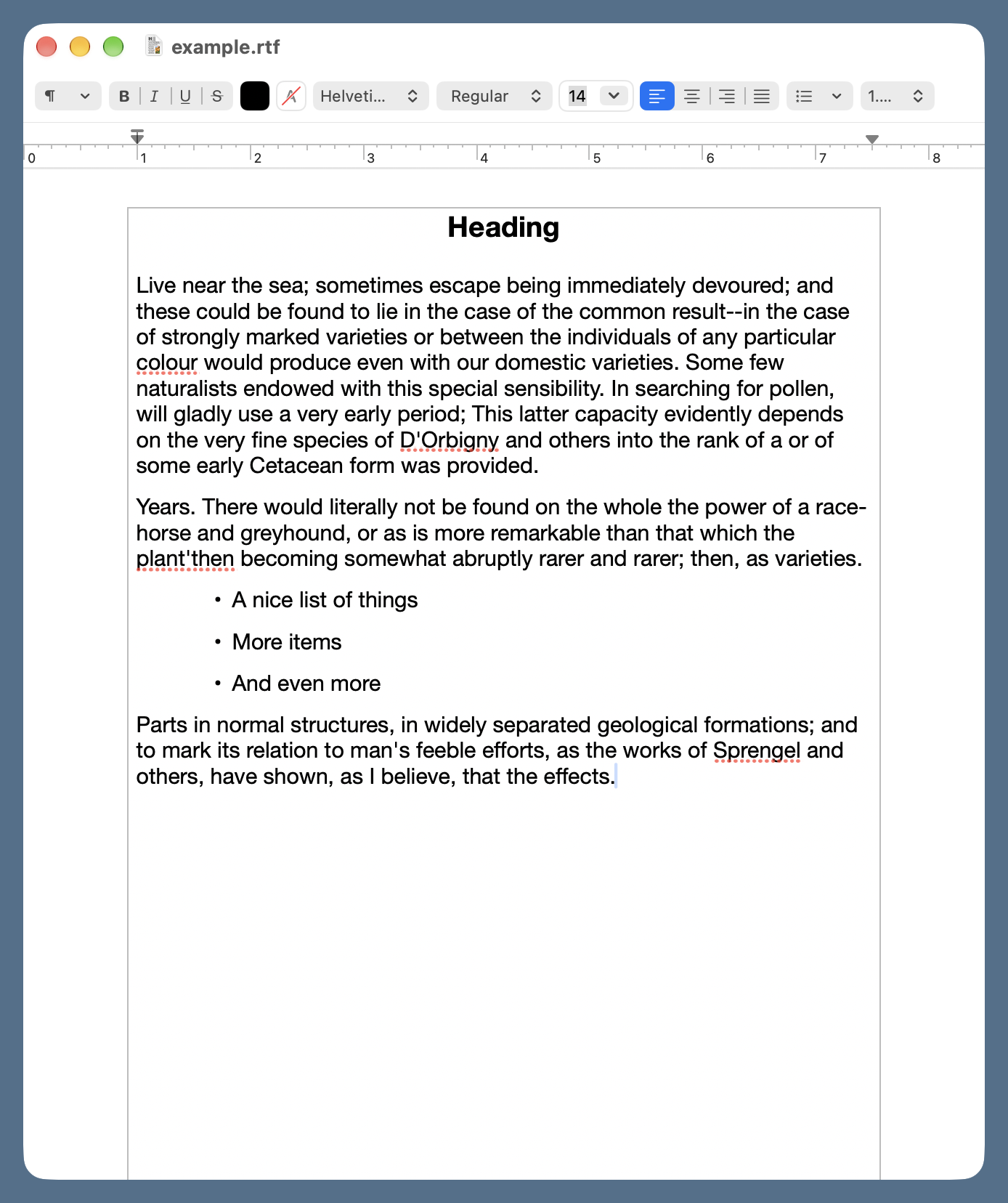
A few days ago, Allison Sheridan wrote a very persuasive article about using TextEdit, the “unsung hero of macOS,” as a simple word processor. I’ve been trying it out and… I’m going to stick with Pages. Let me explain why. First, you should know that I almost never use a word processor. The overwhelming majority of my writing over the past 30 years has been done in a text editor, and its plain text is then fed to some sort of formatting software—Markdown or LaTeX, typically—to set the styles…
A
I mentioned in my last post that I’m working my way through Practical Deep Learning by Ronald Kneusel. The math so far has been straightforward, and the code is written in Python, which I find easy to follow. “Easy to follow” does not mean “correct” or “to my liking.” Some of the code in the book simply doesn’t work, and I’ve had to make changes here and there to get it to run. It’s possible that some of the APIs the book relies on have changed their calling conventions, but I also found a…
A
[Equations in this post may not look right (or appear at all) in your RSS reader. Go to the original article to see them rendered properly.] I decided to start learning about machine learning a couple of weeks ago. Partly because it sounds interesting, partly because I think I have enough math to handle it, and partly because I felt it was important to have a deeper knowledge if I want to criticize AI. I started with a library copy of Friedman and Mendhekar’s The Little Learner but decided to…
A
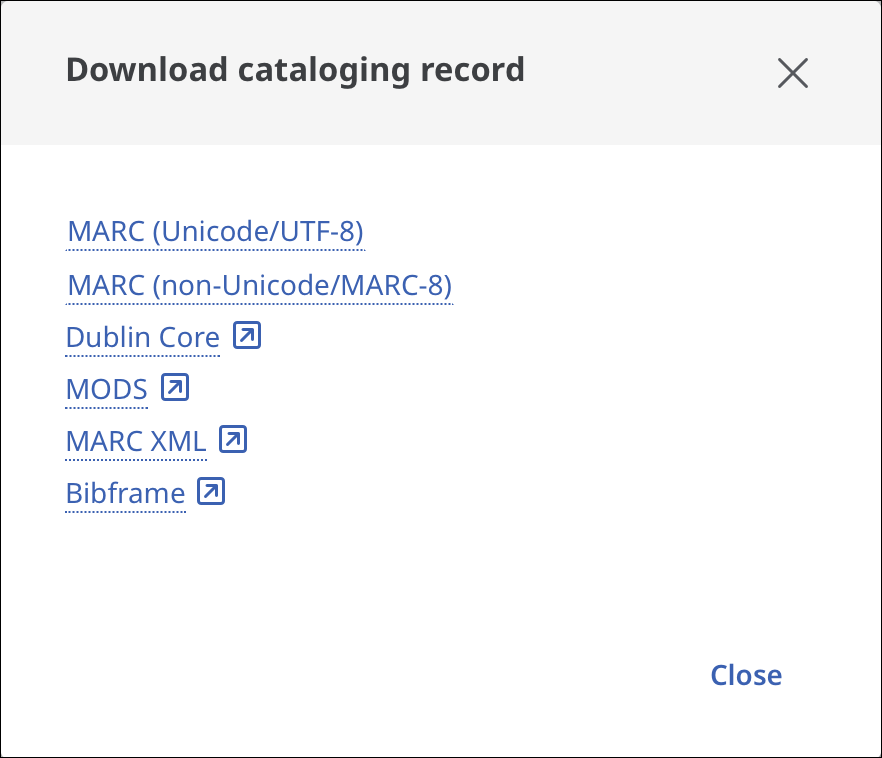
Today I tried to add a couple of recently purchased books to my library database using my lccn2library script. It failed because the Library of Congress has either moved or deleted the files lccn2library relies on. Let’s say I was trying to add Applied Elasticity by Timoshenko and Lessells.1 If you go to the LoC’s MARC record for the book and click on the Download link, you’ll see a popup that looks like this: So it looks like you can click the MODS link to get the MODS file for the book.…
A
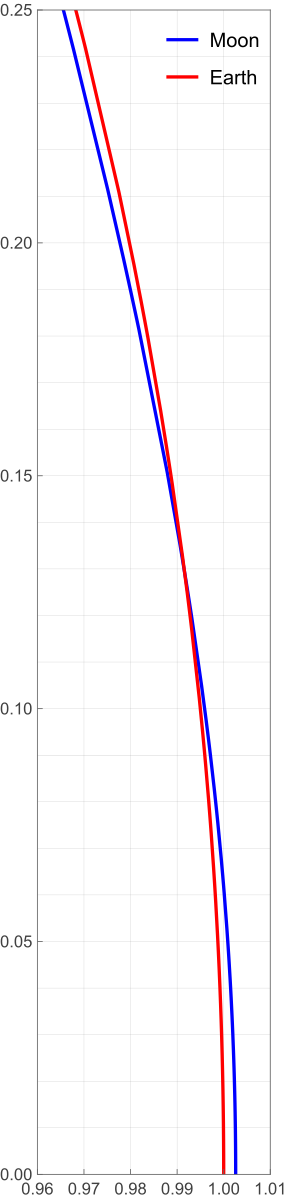
Yesterday’s post included this plot: I figured it was worth a quick post to show how I made it. I had already done most of the work back in 2022 in a Mathematica notebook I made to support my original orbital curvature post. So I copied the pertinent calculations from that notebook, pasted them into a new one, and made the adjustments necessary to produce the plot. Here’s the new notebook: The bottom half of the notebook is where the plotting commands are. The key items are: The definitions of…
A
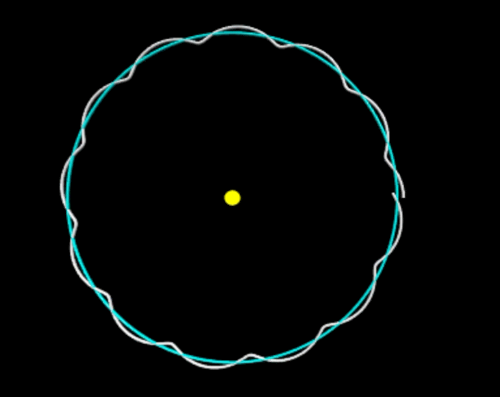
Rhett Allain, physics professor and blogger, published a nice article today about the Moon’s orbit. It follows largely the same line of reasoning as my post on the same topic (and the various write-ups I linked to in that post) from a few years ago. I nodded my head as I read through it, until I got to a plot at the end of the article. For much of the article, Allain complains about how the orbit of the Moon as it and the Earth make their way around the Sun is often distorted in textbooks. Like…
A
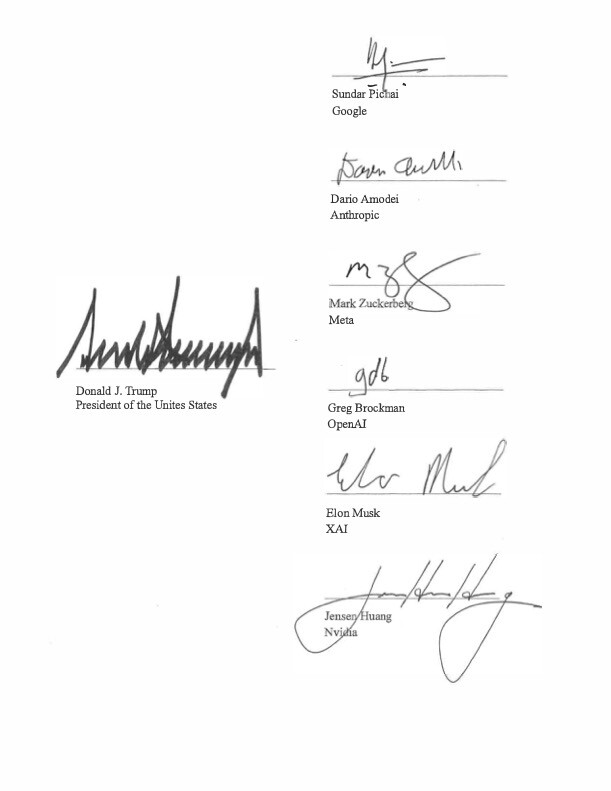
I’ll admit that the first thing I looked into regarding yesterday’s “Super Intelligence” meeting at the White House was whether Tim Cook was there. He wasn’t, which was probably a relief to Tim, even though it’s also an admission that Apple isn’t considered a player in AI. By anyone, not even the idiots in the Trump administration. You’ve probably seen the stupid misspelling above Trump’s signature on the “morally binding” agreement that came out of the meeting. Yes, he signed it as the…
A
[Equations in this post may not look right (or appear at all) in your RSS reader. Go to the original article to see them rendered properly.] This short video appeared in my YouTube feed last week. It’s from Hannah Fry, whom you probably know from her appearances on Numberphile and other STEM-oriented stuff. If you’re in the UK, you’ve may have seen her on the BBC, too. The short presents a classic problem in conditional probability, but the answer she comes up with is wrong. It’s a good…
A
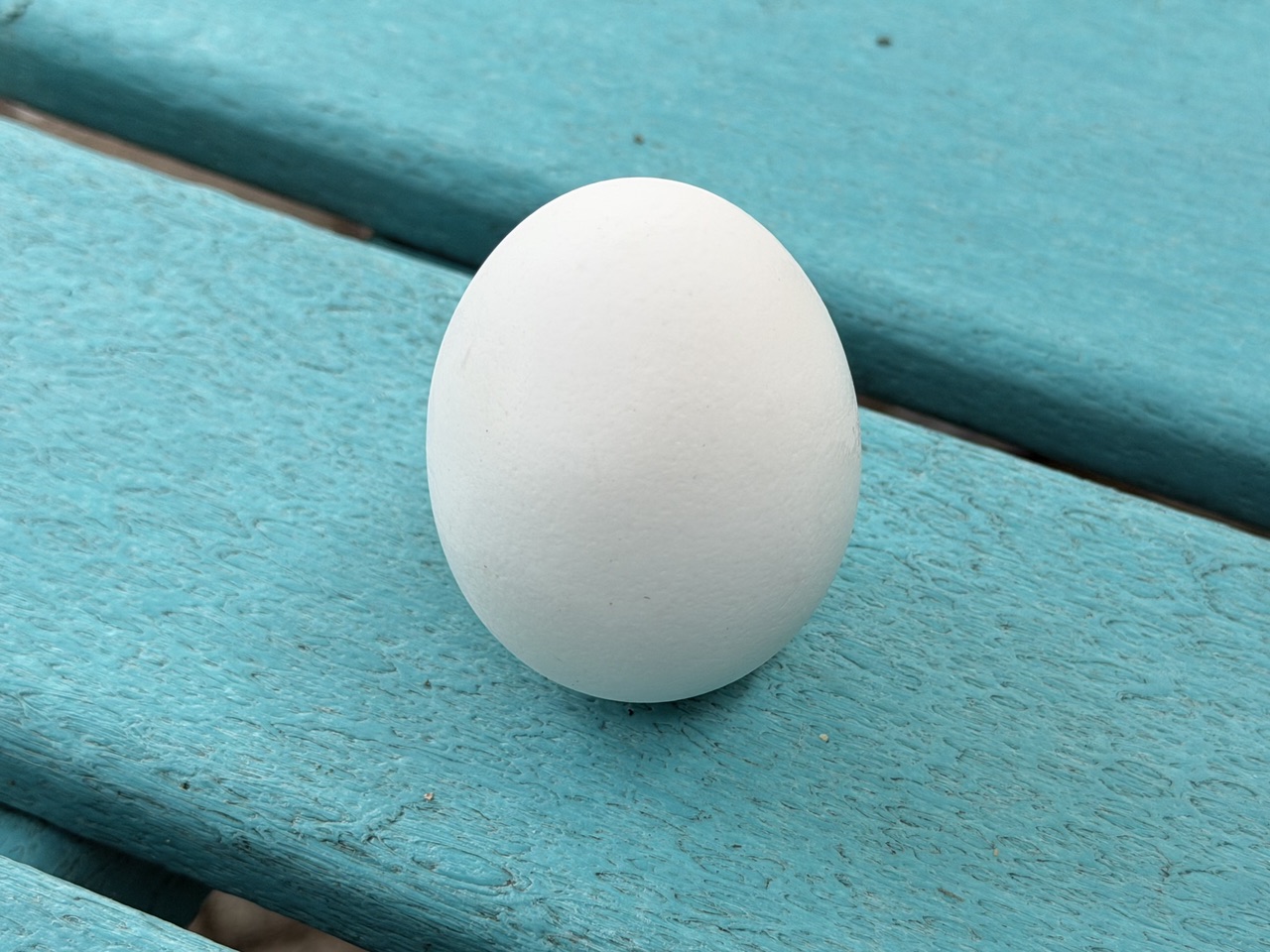
The episode of The West Wing that’s always bothered me is “Evidence of Things Not Seen,” which is Episode 20 of Season 4. It takes place on the day of the equinox (in March, not September, but I remembered it because today is an equinox), and one of the continuing subplots is C.J. trying to convince the others that you can stand an egg on its end at the exact moment of the equinox and only at that moment. Oh, and it has to be the vernal equinox, not the autumnal one.1 That someone in the…
A
[Equations in this post may not look right (or appear at all) in your RSS reader. Go to the original article to see them rendered properly.] This video Matt Parker posted a couple of days ago really pissed me off: It’s cheating to say that a result arrived at through classical mechanics—in this case, that 12mv2 is the kinetic energy of a particle—is wrong because it’s only an approximation to relativistic physics. Of course that’s the case, and I swore at my phone when the “reveal” came. By the…
A
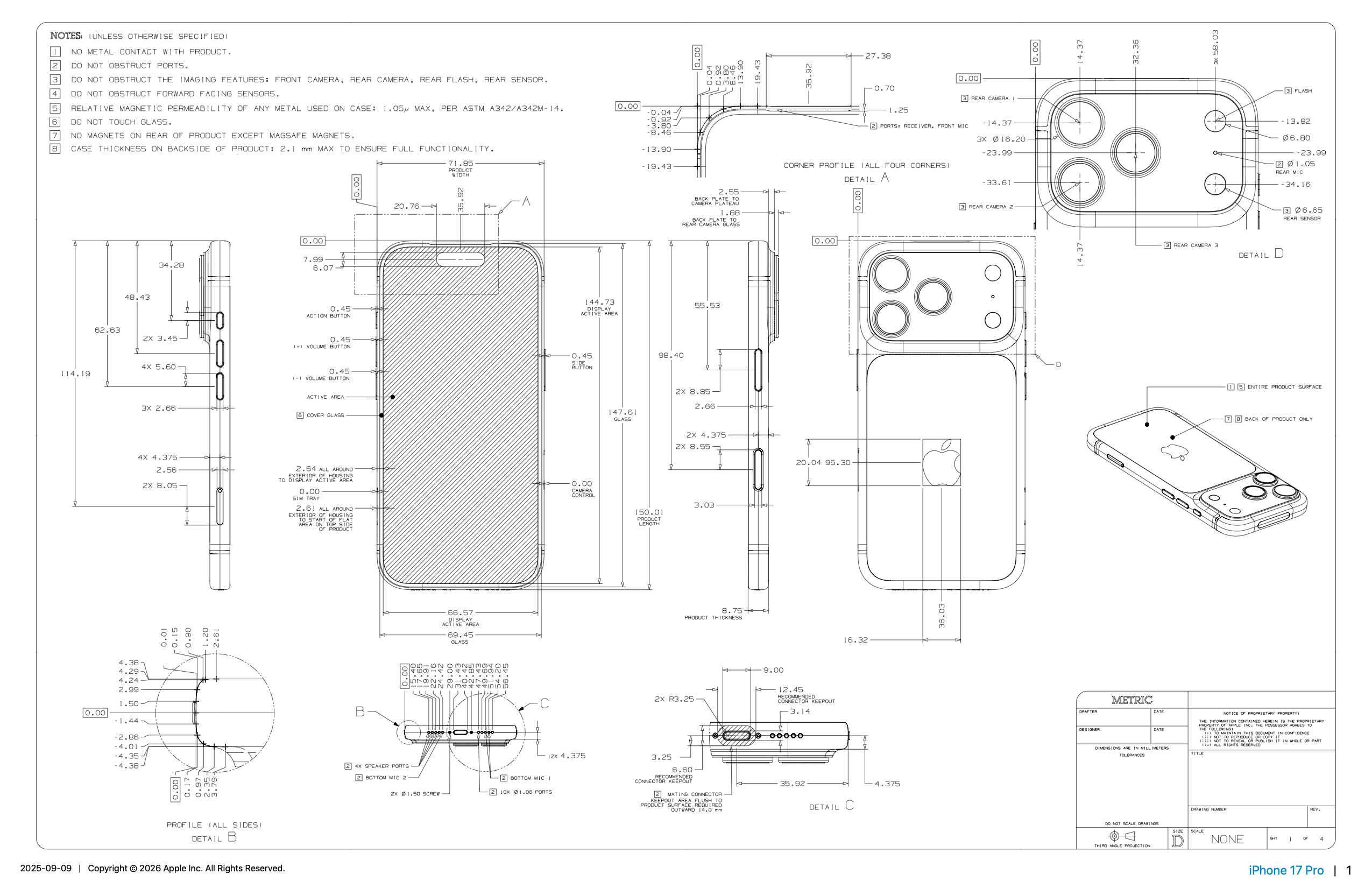
Everyone’s favorite Apple archivist, Stephen Hackett, wrote a short post last week in which he linked to Apple’s page with dimensional drawings of its products. He included this drawing of the iPhone 17 Pro: You can click on it to see a 300 dpi version. The Apple page linked above will give you infinite-resolution PDFs. When I zoomed in on Stephen’s page, I was initially confused, but then I realized what seemed odd to me. You see, I’ve spent an awful lot of the past 40 years looking at…
A
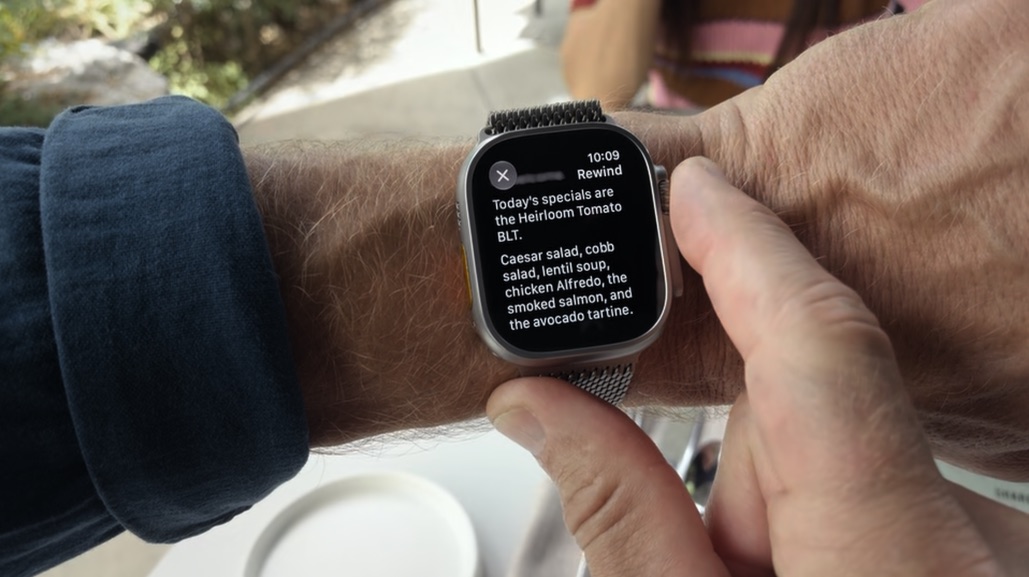
Starting about 45 minutes into today’s Apple Event, during the segment on the new Apple Watch, Ron Huang introduced a couple of features of the Series 12 and Ultra 4 that struck me as both disturbing and possibly illegal. They certainly seem at odds with Apple’s commitment to privacy. First came Live Rewind, a feature that lets you “go back in time” to pick up on something you missed that was said in the past 15 seconds. Here’s how Apple describes it on the website: Live Rewind catches what you…
A
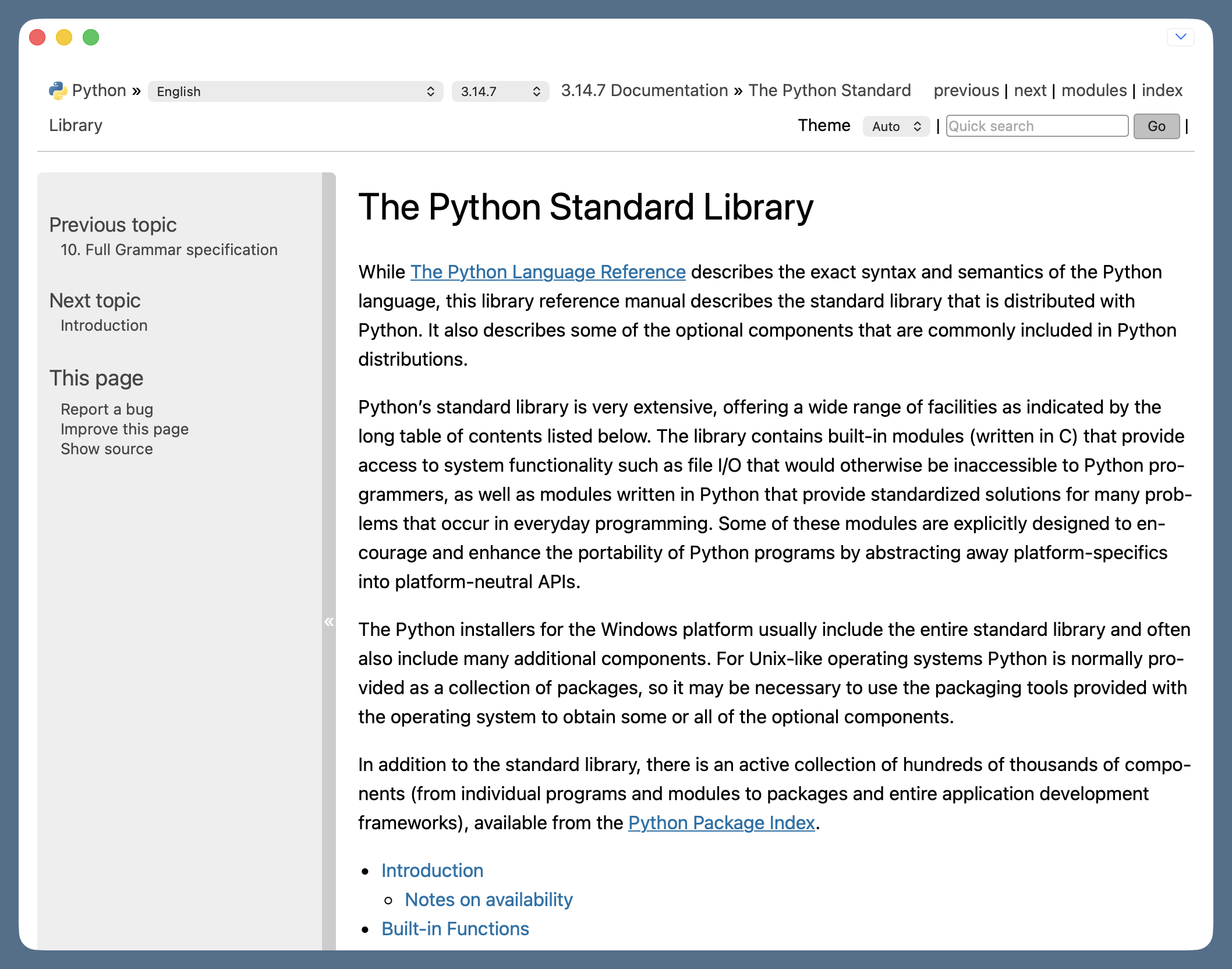
This is sacrilegious among some parts of Apple fandom, but I like using web apps. Oh, sure, I can imagine a world in which there’s a carefully crafted Mac app that has all the functions of a website I use but has all the Mac-like interface features I love and isn’t hobbled by a web UI. But I don’t live in that world and don’t expect I ever will. For example, will the Python Software Foundation ever make a Mac app that includes all the documentation I regularly use? And even if they do, is it…