F
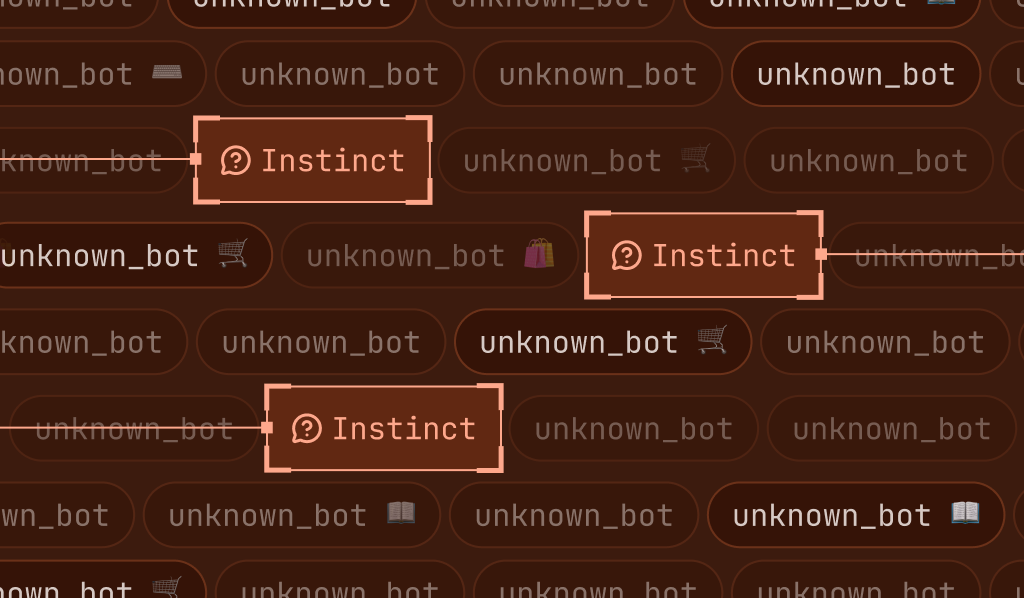
What's new in Fingerprint: Fraud Score, AI agent detection, and moreHere is what we shipped this quarter and what each release means for your team. Fraud Score gives you a specialized model for each type of fraud you fight, trained on your own confirmed fraud.Detection for four new AI agents: Meta Muse, Grok Bot, Instinct, Claude DuetInstall with AI: Take Fingerprint from zero to production-ready in minutes with a single prompt in your AI coding toolReal-Time Proxy Detection: Identify a newly…
F
Say you've spent the last two weeks grinding through a mobile game and finally cracked the top 10 on the global leaderboard. The next morning, someone has a score three times higher than yours, and they somehow cleared every level in under a minute. Sure, Jan.That player probably isn't some gaming prodigy. They're more likely running a modified version of the game that hands them infinite currency, one-hit kills, or a timer that never runs out.For the studio behind the game, the damage goes…
F
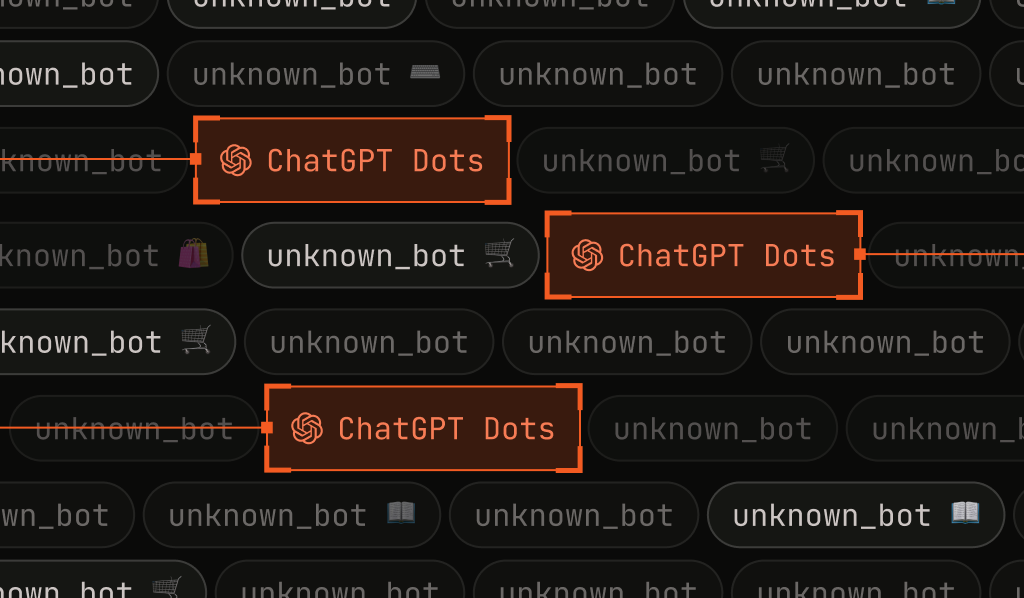
What is ChatGPT Dots?Dots are OpenAI's always-on AI agents in ChatGPT. A user hands a Dot a goal, and it carries the job forward without step-by-step direction, even while it runs several other projects. Each Dot learns its owner's preferences from feedback, and OpenAI says some of its work will show up before anyone asks for it.Each Dot is powered by OpenAI's frontier models, including GPT-6 Astra and GPT-6.1 Terra, and works from a cloud computer of its own, with its own browser. It can reach…
F
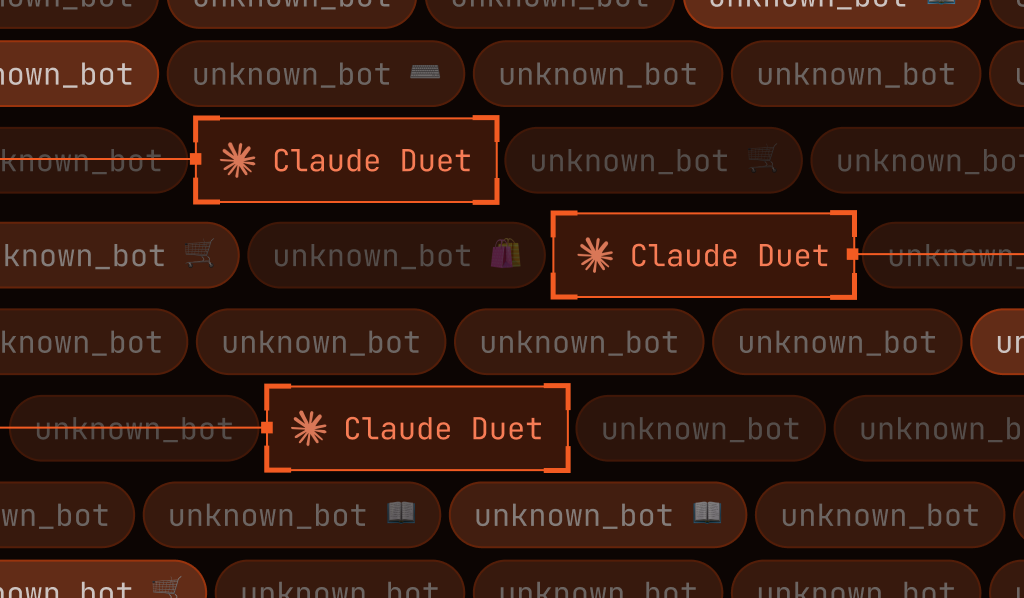
What is Claude Duet?Claude Duet is Anthropic's new personal AI agent, and it can read inboxes, sign in to websites, and make purchases for real users who message it like a person. Users text or send voice messages to Claude Duet, hand it a job, and get updates as the work gets done.Each Claude Duet works from its own computer in the cloud, so it keeps going after its user closes the app. Where a site has no connector, Claude Duet uses its own cloud browser. To the websites it visits, a Claude…
F
Browser fingerprinting gathers details about a browser and the device it runs on, such as screen resolution, installed fonts, time zone, language settings, and hardware properties, and combines them into an identifier for that browser. Techniques like canvas and audio fingerprinting add even more detail by measuring small differences in how each device renders graphics and processes sound. Because the identifier comes from the browser and device rather than something stored in them, it stays…
F
Fraud can have devastating effects on a business. Besides financial losses, an organization risks damage to its reputation and broken customer trust when it gets branded as "high risk."That's why fraud prevention software should be a priority. Some tools protect your company better than others, so choosing the right one matters. But with so many vendors to choose from, the path forward might feel a bit unclear.Below, we cover a short list of features worth looking for, then review leading…
F
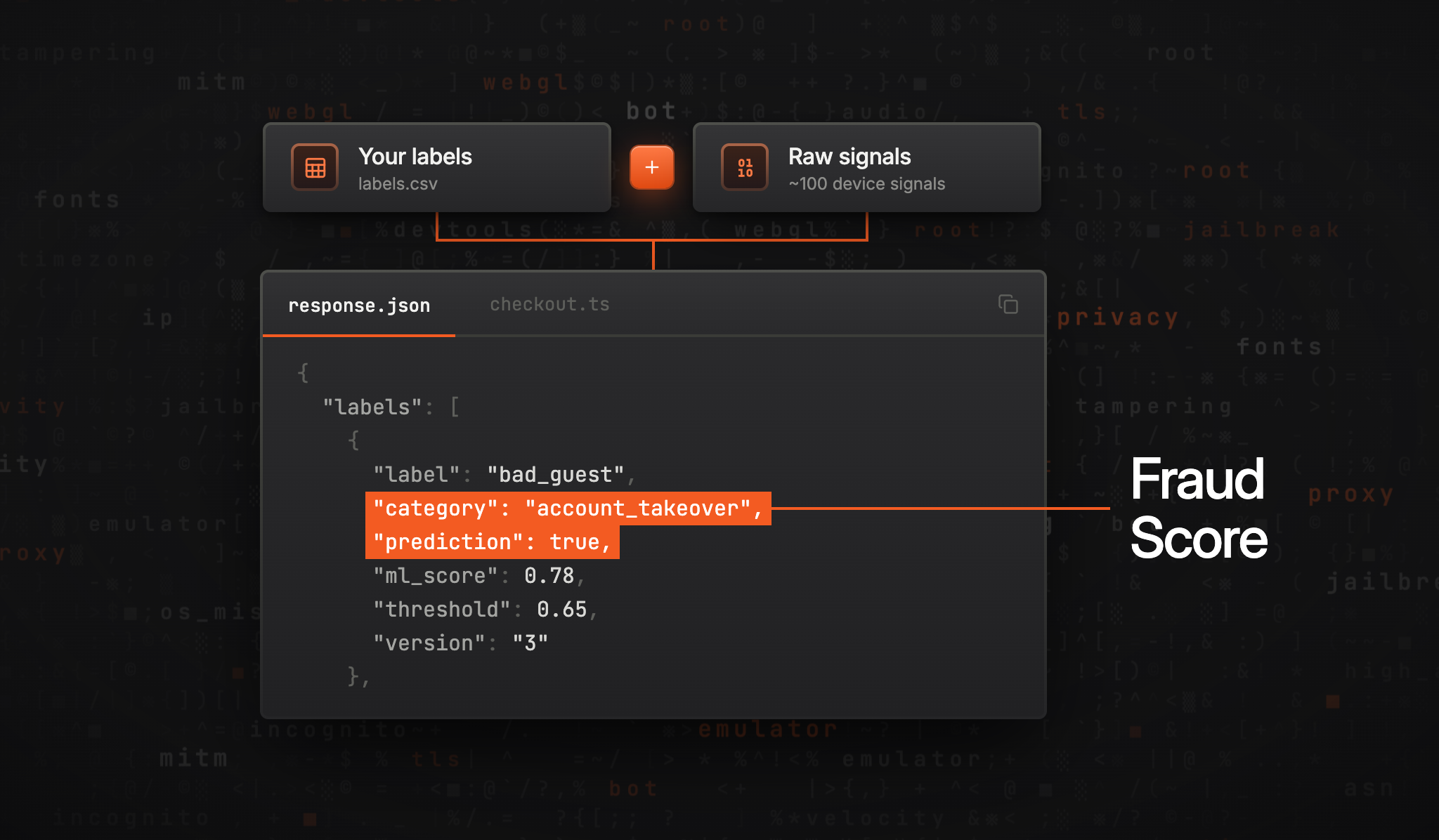
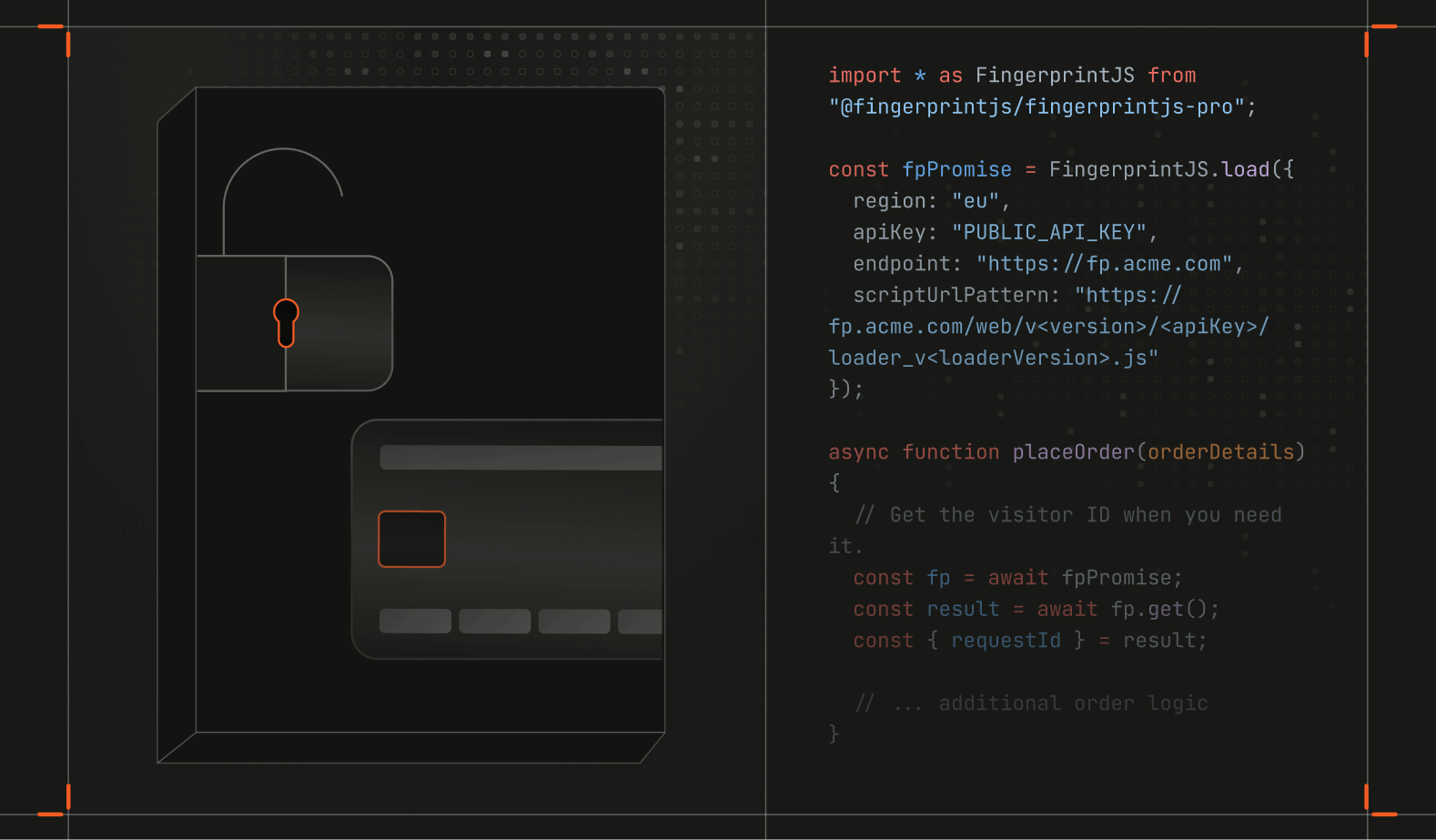
Account takeover, payment fraud, fake sign-ups, promotion abuse: No two types of fraud look alike. And none of them look the same at your business as they do at another company.Yet most fraud scores judge every attack with one generic model trained on everyone’s traffic. The fraud specific to your business slips through, or good customers get turned away.That’s why today, Fingerprint is launching Fraud Score. It trains a separate model for each type of fraud you fight, using the fraud your team…
F
YouTube video playerLooking for Meta Muse, Grok Bot, or Instinct? Jump to detection →Websites were always built by people and for people, but non-human traffic, including AI agents, has changed that. Around 25% of visitors to our own website are bots, and some of our customers see upwards of 50% non-human traffic, a figure that is still growing. Indeed, AI traffic now makes up the majority of requests on the web.Fraud prevention in this new era of web traffic feels more like trying to outsmart…
F
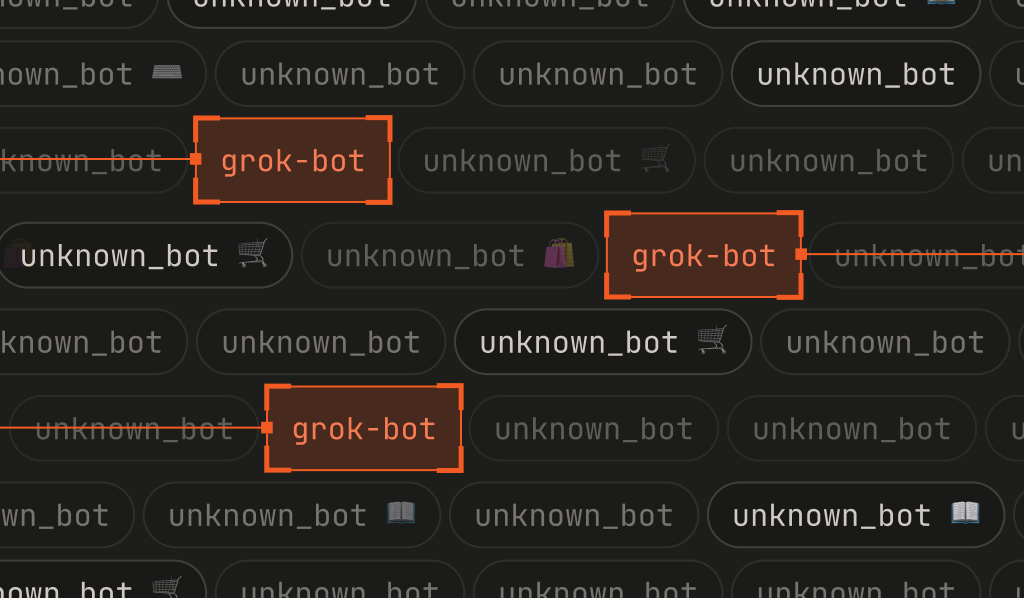
What is Grok Bot?Grok Bot is xAI’s AI agent, and it can sign in to websites, work through inboxes, and finish multistep tasks for real users who message it like a coworker. Users create named bots, give each one a job, and hand off work the way they would to a colleague.Each bot works from a persistent cloud computer running a real browser, so it keeps going after its user closes their laptop. To the websites it visits, a Grok Bot session looks like a person sitting at a browser: it loads…
F
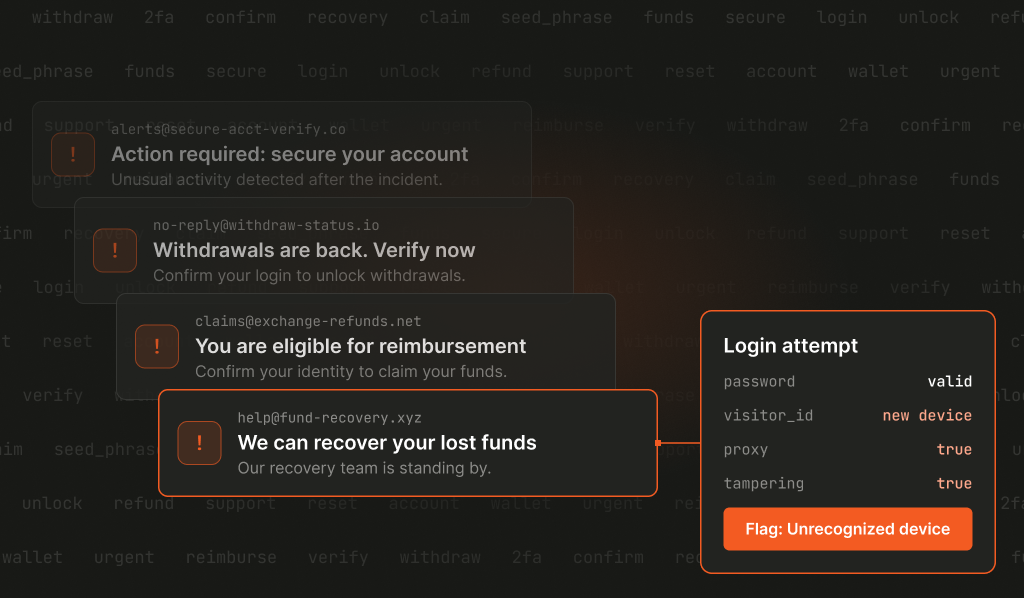
On October 29, attackers took about $6.3 billion from the Binance crypto exchange (at least that is the amount as of this writing). According to Reuters, they used a compromised laptop and malware to manipulate the system Binance uses to approve transactions, allowing them to move funds without going through the normal approval controls. Blockchain analytics firms have linked the attack to North Korea, and Elliptic called it likely the largest single theft of any kind in history.Binance says…
F
In September 2026, a venture investor asked his AI assistant to get him a table at 4 Charles Prime Rib, one of New York's hardest reservations, which takes bookings through Resy, a popular restaurant reservation app.Instead of opening Resy himself, the investor just sent his AI assistant a text. When he later tried to log in himself, his account had been deactivated. According to CNN, the AI assistant had been pinging Resy "hundreds of times every hour of the day."That AI assistant was…
F
Browser fingerprinting gathers details about a browser and the device it runs on, such as screen resolution, installed fonts, time zone, language settings, and hardware properties, and combines them into an identifier for that browser. Because the identifier comes from the browser and device rather than something stored in them, it stays the same when someone clears cookies or opens a private window.That makes it useful anywhere you need to recognize a returning device. You can spot one device…
F
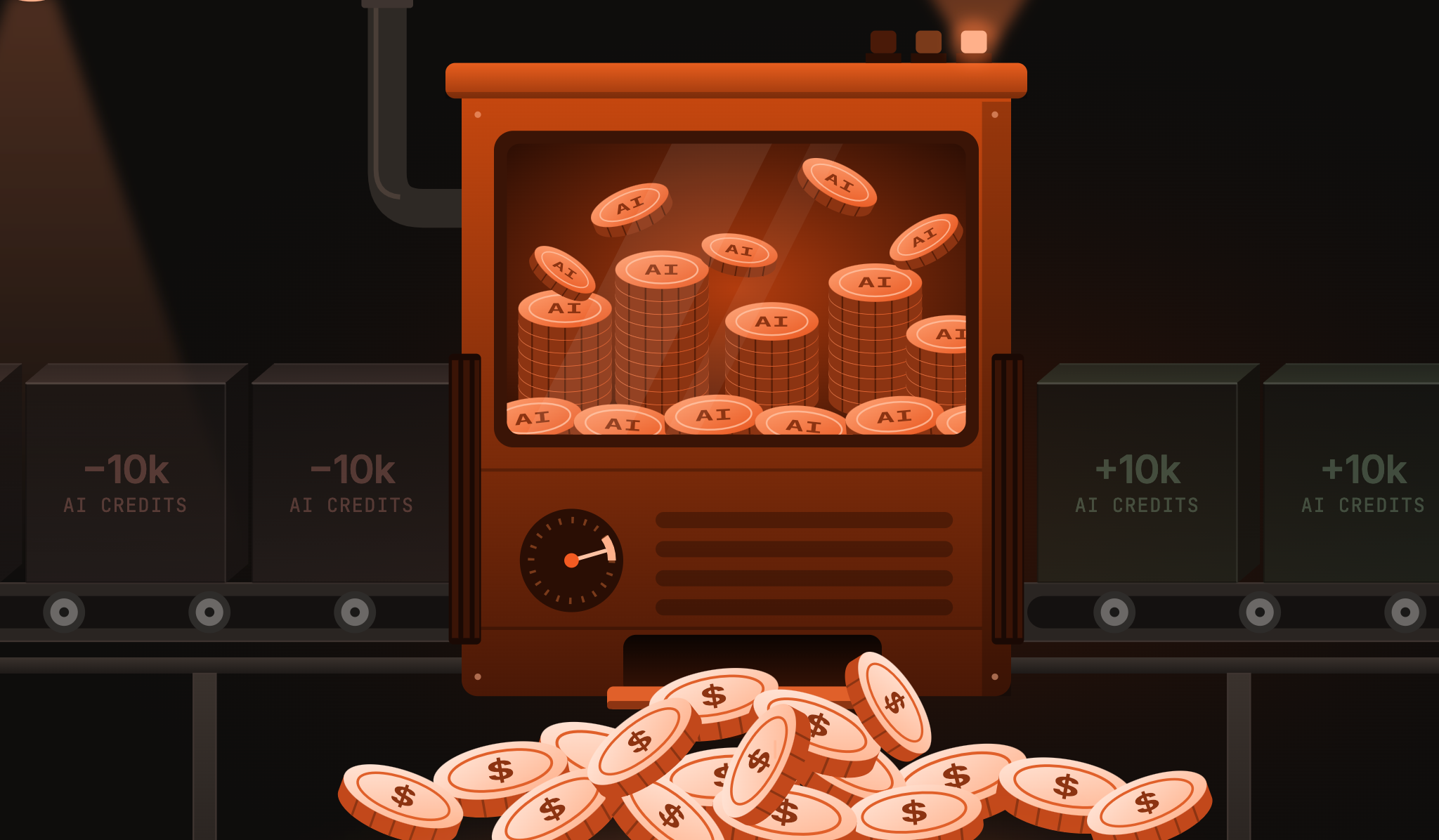
AI tokens and credits have real resale value, and attackers know it. They create fake accounts to farm free trials, take over legitimate accounts to burn through someone else’s credits, fund usage with stolen credit cards, and sell access to anyone willing to pay.None of these attacks is new, but they've gotten cheaper to run and more profitable to pull off because AI gives attackers both better tools and a brand-new currency to steal: metered tokens and credits.This post breaks down what AI…
F
One login, several people, and only one paying customer.Account sharing can be a complex challenge to address—and it can erode the subscription business model over time. From loss of revenue to distorted user metrics to increased costs and pricing, there are numerous ways it impacts the business. And for internal fraud and product teams, it can be an easy problem to underestimate—because without clear signals, the accounts doing the sharing can appear normal and healthy.Netflix made headlines…
F
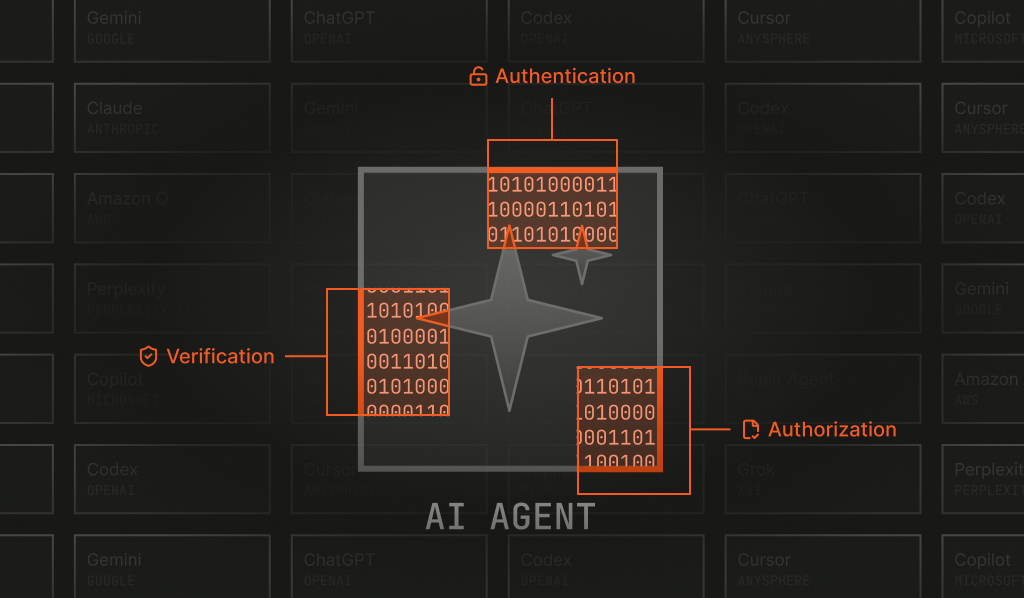
AI agents now click buttons, fill forms, call APIs, and complete purchases on behalf of people.As they do, engineering and fraud teams keep reaching for three words to talk about agent trust: authenticated, verified, and authorized.In conversation, these words may get used interchangeably. In a system design review, that imprecision causes real bugs: How do you handle an agent that's authenticated but shouldn't be authorized to do a certain task? Or what do you do with an agent a user has…
F
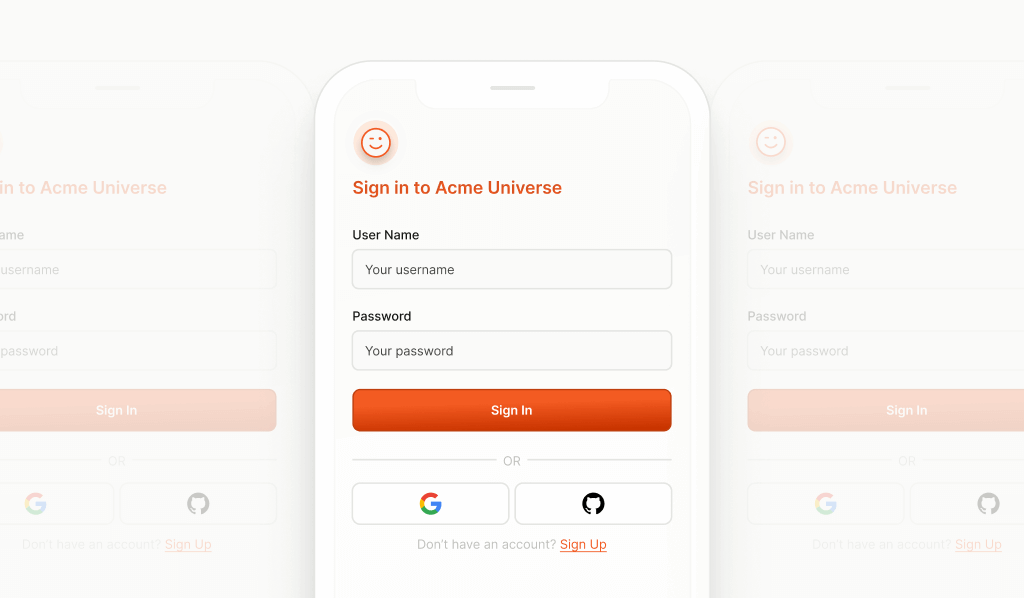
Every signup form is an open door. Most of the people walking through it are real users you want, but some aren’t. They're scripts farming free trials, bots inflating your metrics, spammers seeding abuse, and increasingly, AI agents creating accounts at scale. Fake account signups quietly distort your analytics, burn through referral budgets, and pile onto your support and trust-and-safety teams. It's an issue that keeps coming up in communities like r/SaaS: This guide explains what fake…
F
Coordinated fraud exploits the gaps between accounts, applications, and payment checks. Here we look at how persistent device intelligence can help payment providers catch abuse earlier and protect legitimate approvals, while strengthening the fraud systems you already use. — Every time you stop a fraudulent transaction, you have to wonder how many legitimate payments were declined because the very same anti-fraud tools kicked in after a false positive. So there’s fighting fraud, and then…
F
AI assistants and agents are quickly becoming part of how people interact with their banks, fintechs, and other financial institutions. We commissioned a survey of 300 leaders across retail banking, fintech, wealth management, and investment banking to take a look at the trends and growth trajectory for AI traffic in financial services. Here are some highlights from our new State of AI Traffic in Financial Services report, including how fraud and risk teams at these organizations are detecting,…
F
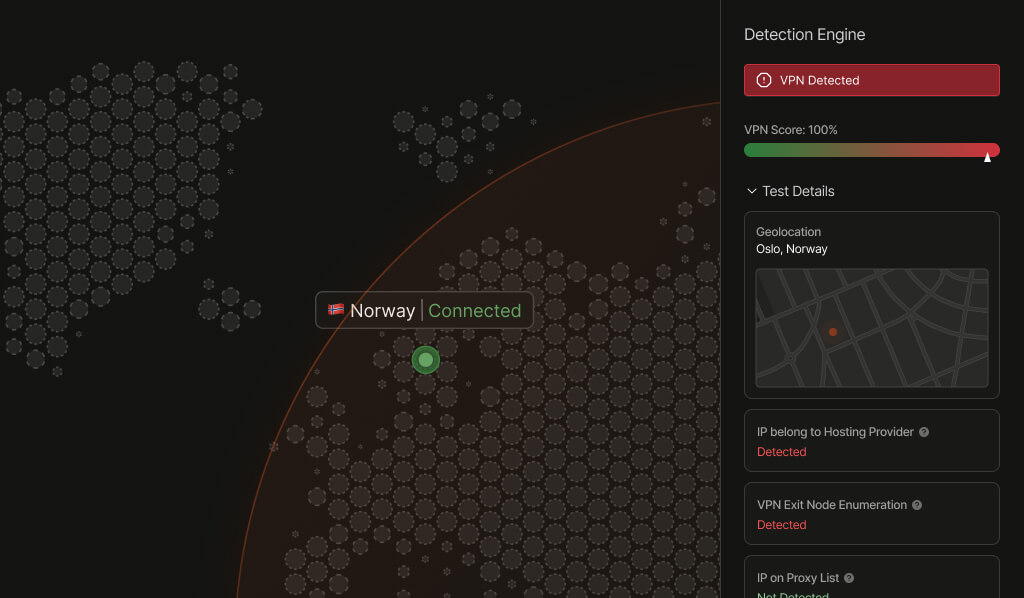
Even the most sophisticated fraud prevention systems struggle when visibility breaks down. As anonymization technologies evolve, identifying who’s behind a transaction, or where they’re coming from, has become increasingly complex. Virtual private networks (VPNs) are a key part of that challenge. Once limited to enterprise security use cases, VPNs now account for a growing share of everyday traffic. In our 2026 Device Intelligence Report, we noted that roughly 1 in 5 identification events…
F
Bots run a huge share of what happens on the internet. Some do useful work, like indexing pages for search engines or checking whether a site is up. Others are used for malicious purposes, like to break into accounts, scrape content, or flood a service with junk requests. If you’re building and running apps, websites, or APIs in 2026, knowing which type of bot is which is critical for strengthening security, ensuring performance, and reducing costs. This guide explains what a bot is, the main…
F
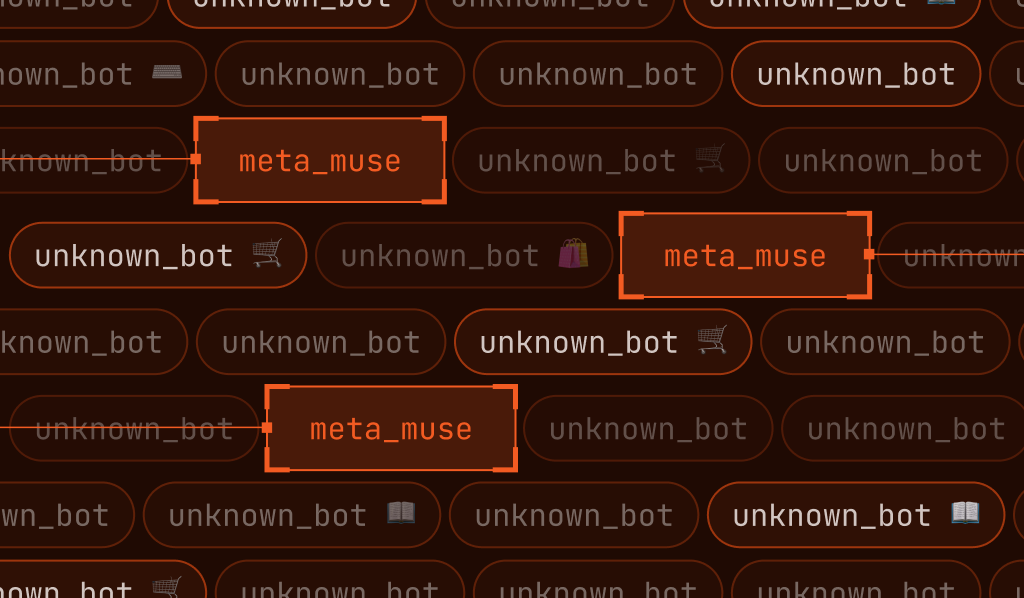
Muse is Meta's personal AI agent, and it can navigate websites, type in passwords, sign in to accounts, browse and apply promo codes, and complete purchases for real users who have given it a few simple instructions in a chat window. It does this by running a real browser on a cloud virtual machine, and it tries to arrive at websites looking like an ordinary visitor. Many of the AI agents now working the web announce themselves on arrival, through declared user agents or requests signed with…
F
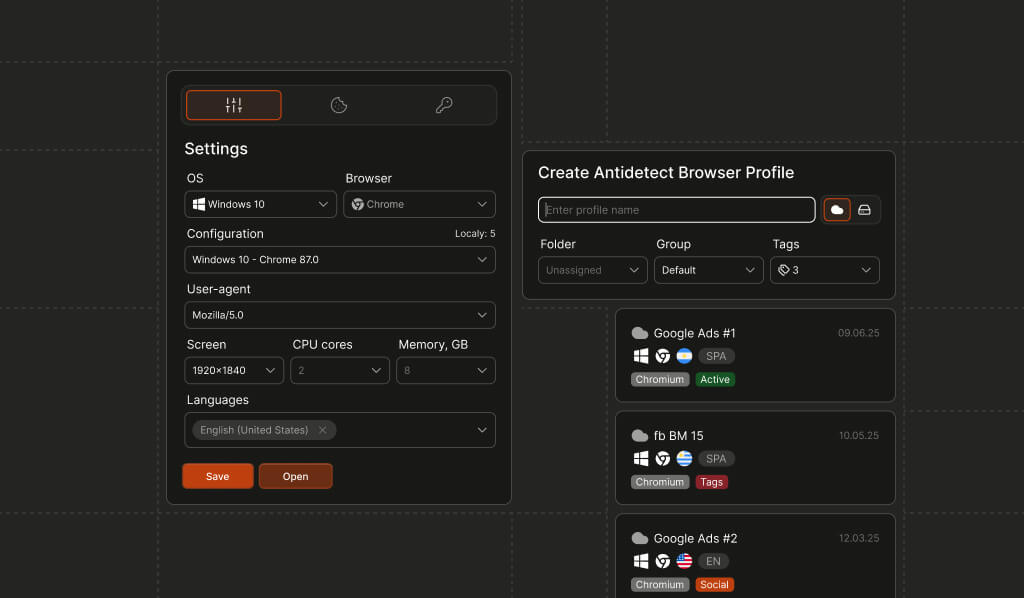
Anti-detect browsers give fraudsters a purpose-built tool for looking like many different, ordinary users at once. A single operator can run hundreds of isolated browser profiles, each with its own manufactured fingerprint, and use them for multi-accounting, bonus abuse, ad fraud, and account takeover. If your fraud detection stack still leans on user agent strings and IP reputation, these browsers slip right past it. This post explains what anti-detect browsers are, how they defeat traditional…
F
Payment fraud costs businesses billions annually, but with the right prevention strategy, you can significantly reduce your risk. This guide walks you through a practical framework for identifying vulnerabilities, setting clear thresholds, and implementing layers of defense—without disrupting your legitimate customers. The first step to prevention is understanding your payment fraud risk Before you can prevent fraud, you need to understand where your business is most vulnerable. Different…
F
Payment fraud is a costly headache, especially for companies selling products online, and it’s growing every day — Juniper Research estimates ecommerce fraud to exceed $107 billion in 2029. In this guide, we’ll explain what payment fraud is, what types of payment fraud there are, and tips to prevent it from tanking your revenue. What is payment fraud? Payment fraud occurs when a malicious actor steals login credentials or other financial information to conduct fraudulent online transactions.…
F
Anthropic just published its September 2026 Threat Intelligence report, a review of malicious Claude events that they detected and disrupted between December 2025 and August 2026. Most of their findings are about cyber espionage and state-actor operations, which we won’t cover here. But a few of the case studies do offer a look at some noteworthy fraud tactics that are being driven by AI. These stories are important for fraud and risk teams to be aware of, as you seek to defend against these…
F
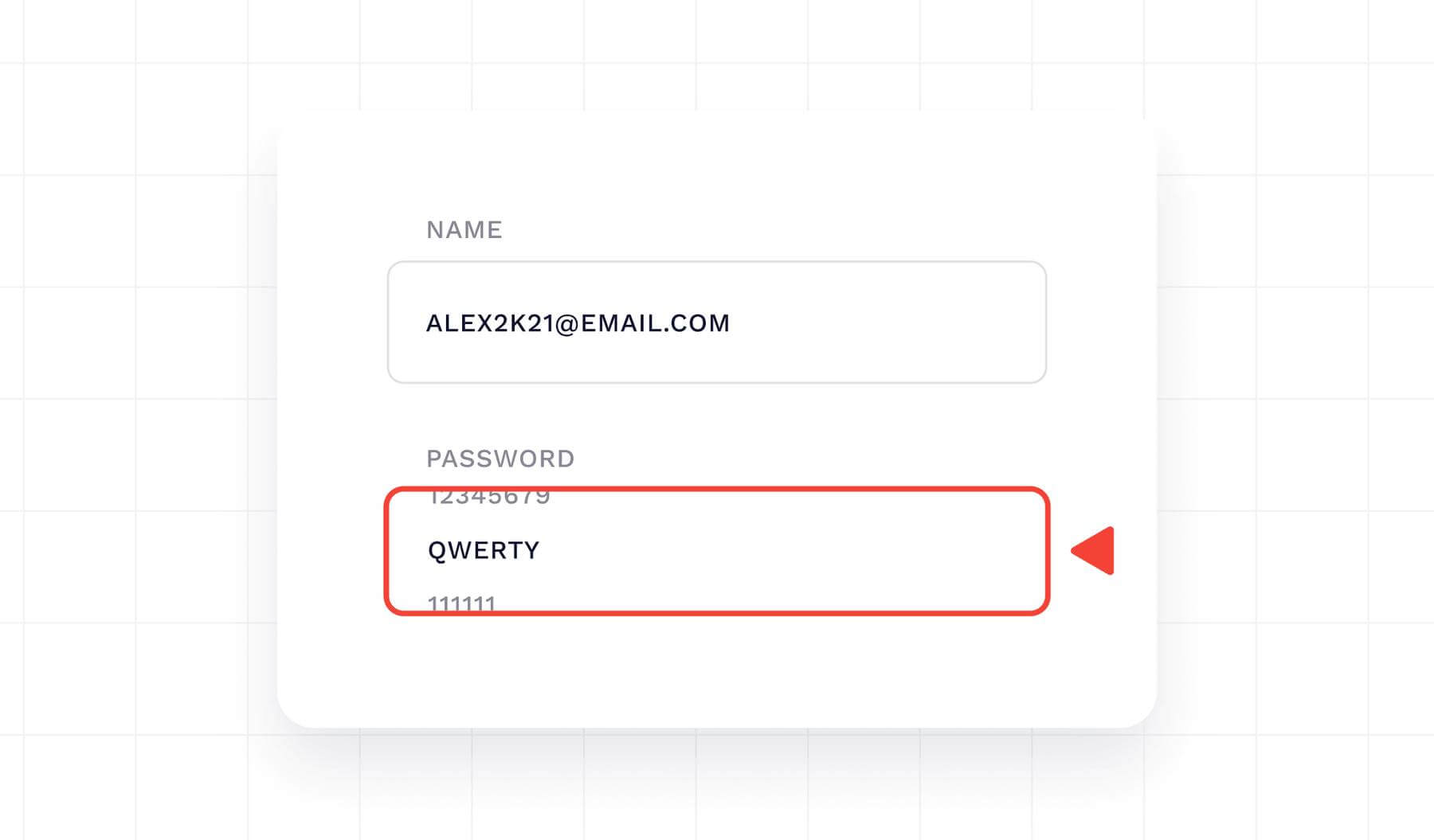
What is credential stuffing? Credential stuffing is the automated use of usernames and passwords obtained through data breaches, phishing campaigns, or purchases on dark web marketplaces. These hacks can be coordinated by the party carrying out the credential stuffing attack, or cybercriminals can purchase pre-obtained logins from the dark web. Credential stuffing is a method of account takeover, a type of fraud in which attackers attempt to gain access to user accounts. This technique is made…
F
We're constantly adding new ways to help you learn more about your visitors and detect fraud that might otherwise go unseen. Recently, we added new signals for web and mobile that surface some of the ways fraudsters avoid detection, from a live phone call during a banking session to automated browsers passing themselves off as genuine Chrome. Let's take a look at the latest signals to help you better understand your visitors and stop fraud. Active Call Detection One of the many ways victims get…
F
Fingerprint exists to make the internet safer. We do this by serving our customers who purchase our software directly, by helping them protect their websites and apps as online traffic changes and new threats emerge. We also support another type of customer. These customers want to strengthen their platforms via embedded device intelligence, through OEM partnerships. This post explains what partnership with Fingerprint looks like, why platforms choose to embed device intelligence instead of…
F
In travel and hospitality, trust is no longer earned one transaction at a time. It’s built across sessions, devices, loyalty programs, and partner ecosystems, and when it breaks, the impact extends far beyond a single booking. To meet rising expectations for speed and convenience, travel platforms have prioritized removing friction from bookings, account access, and loyalty experiences. But there is a downside: While removing friction has improved the traveler booking experience, it also has…
F
With the increase in account takeover attacks, the nightmare of a drained bank account or hacked social media is becoming a reality for many. Fraudsters are getting craftier at stealing credentials, breaking into user accounts, and wreaking havoc — from emptying wallets to tarnishing reputations. Businesses can't afford to ignore this threat, and they need to use strong tactics to protect themselves and their customers. In this article, we'll dig into account takeovers, examine real-world…