U
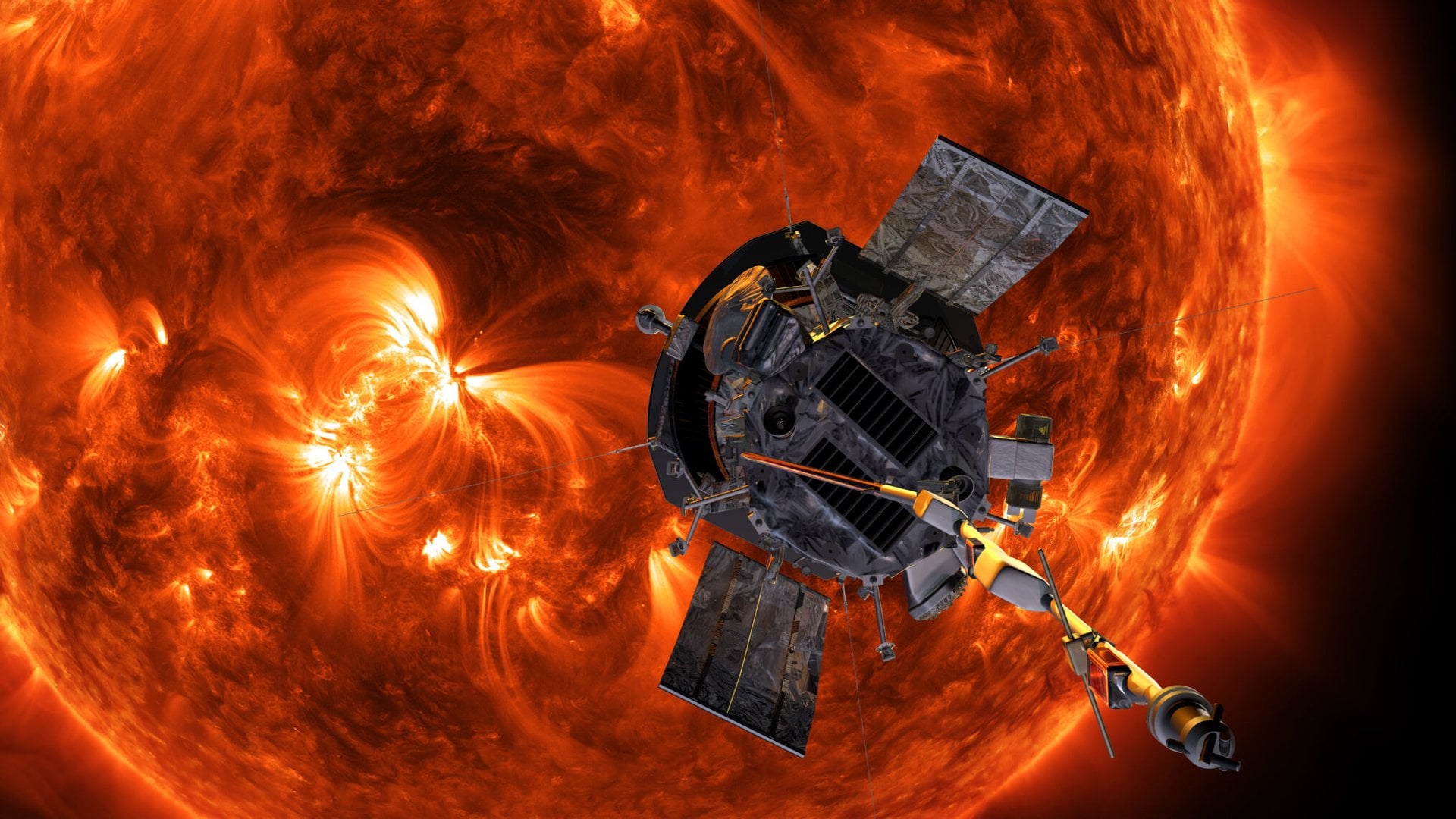
The magnetic environment around the Sun is a jumbled mess of chaotic fields and streams of charged particles. Recently we’ve been getting at least slightly better at mapping out its complexity, thanks in large part to data collected by missions like the Parker Solar Probe and Solar Orbiter. But there’s still a large grey area surrounding the interface between the large scale hydrodynamic properties of plasmas and the microscopic properties of individual ions, and scientists believe…
U
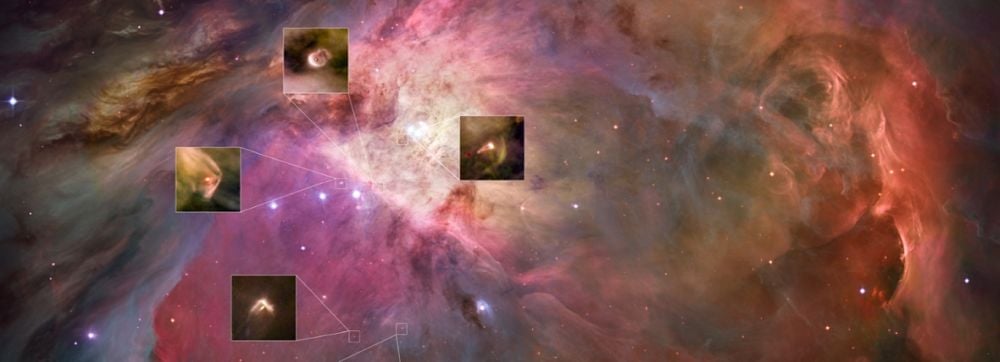
Some of the Hubble Space Telescope's earliest observations were of the Orion Nebula. Those images showed proplyds, and subsequent observations uncovered a paradox centered on them. Given their rate of mass loss, those disks should have been destroyed long ago. Why weren't they?
U
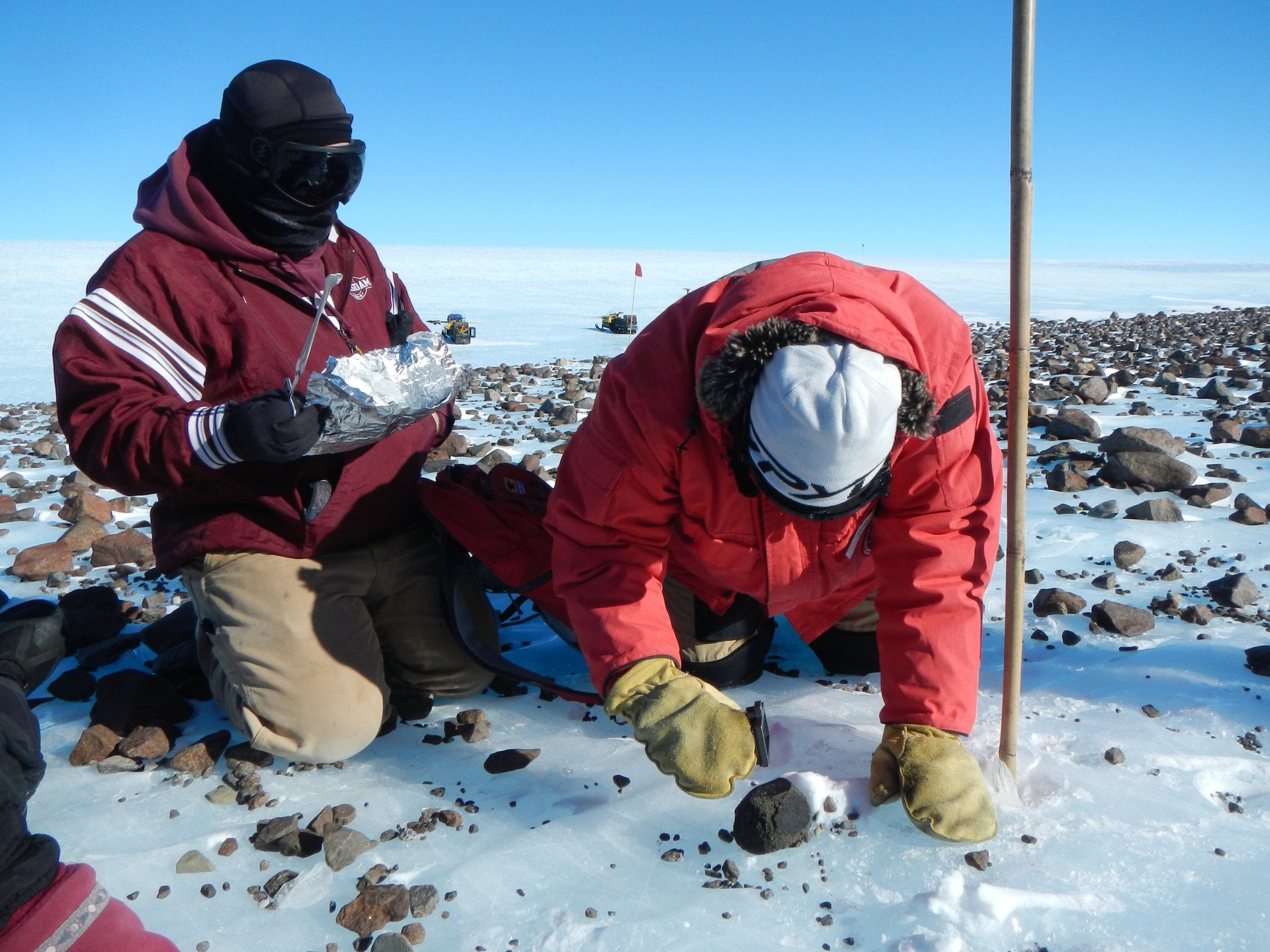
Almost all meteorites come from asteroids, not the Moon or Mars. But after decades of analysis of the Apollo samples, researchers still rely on lunar meteorites to better understand our anomalously large Moon.
U
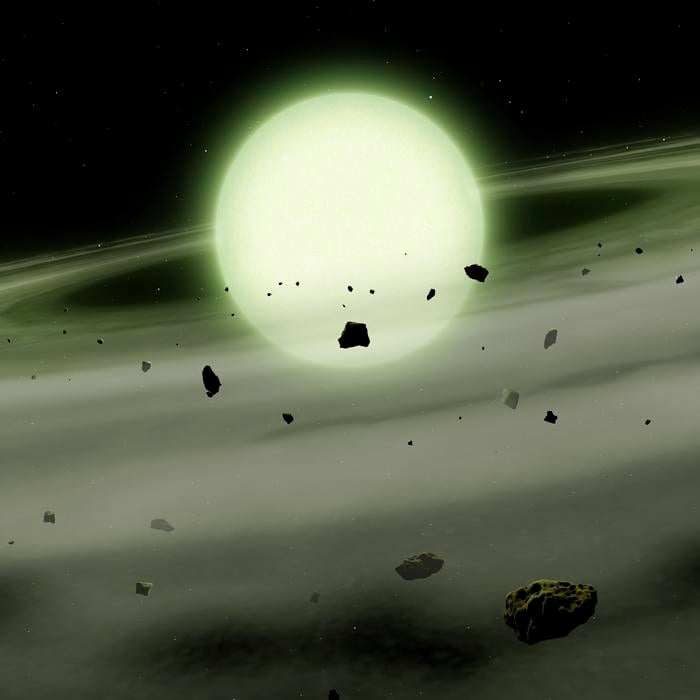
The universe hosts a myriad of star types, including supergiants, giants, main sequence, red dwarfs, brown dwarfs, white dwarfs, and neutron stars. What makes these stars stand out are just their sizes, but their colors, as each one hosts a distinct color based on their surface temperature, specifically orange, red, blue, and white based on cooler to hotter temperatures. While the correlation between star colors and surface temperatures has long been known throughout astronomy, what if star…
U
Get ready for the age of private space telescopes. The Lazuli Space Telescope will launch in a few years and part of its mission is to observe exoplanets. New research presents a list of 27 exoplanet targets, some of which are very well-known and will certainly benefit from deeper observations.
U
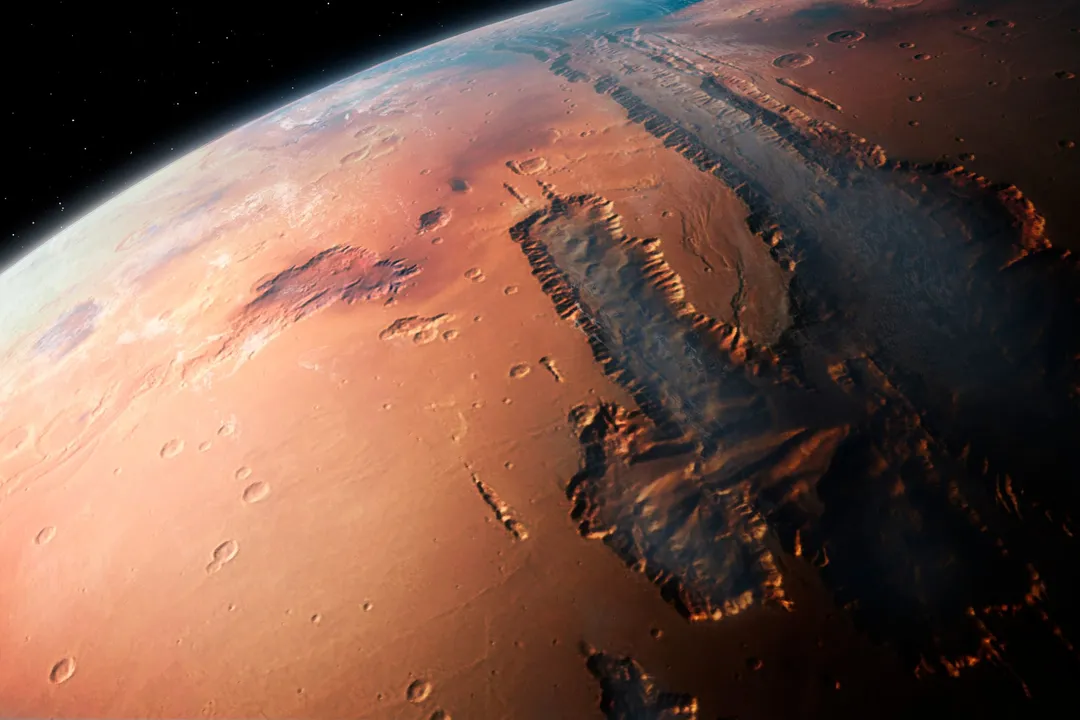
Scientists at Imperial College London and Columbia University have found that the largest canyon system in the solar system is still active and shaping Mars today, billions of years after it first formed.
U
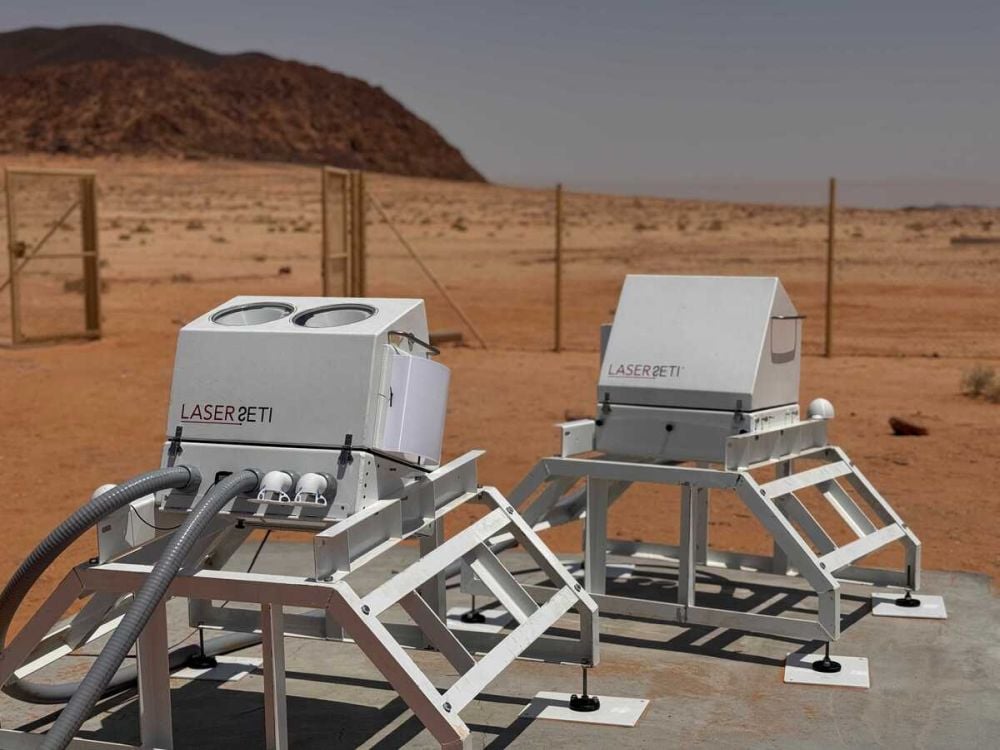
Saudi Arabia is joining the search for alien signals coming from the cosmos. They're collaborating with SETI in the endeavour. SETI has announced that two LaserSETI instruments will be positioned in Saudi Arabia, adding to a growing network of optical sensors designed to detect laser pulses that could come from alien technological civilizations.
U
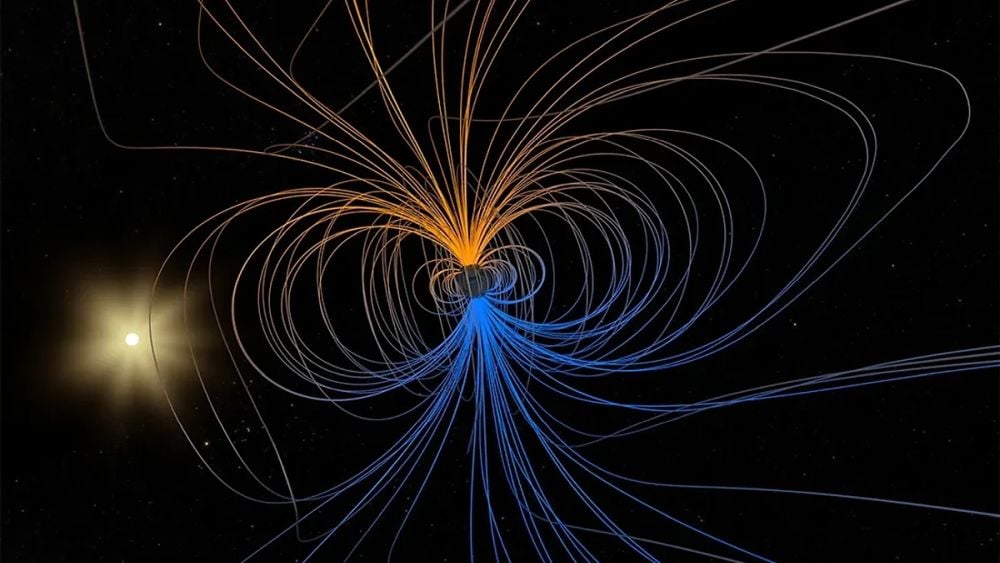
Scientists have wondered about a connection between Earth's geomagnetic reversals, or pole flips, and mass extinctions. They've found correlations, but nothing convincing enough to remove healthy doubts. But new research found a period of time with a concentrated number of reversals that coincides with and extinction and Large Igneous Provinces. It's likely not definitive proof, but it's certainly intriguing.
U
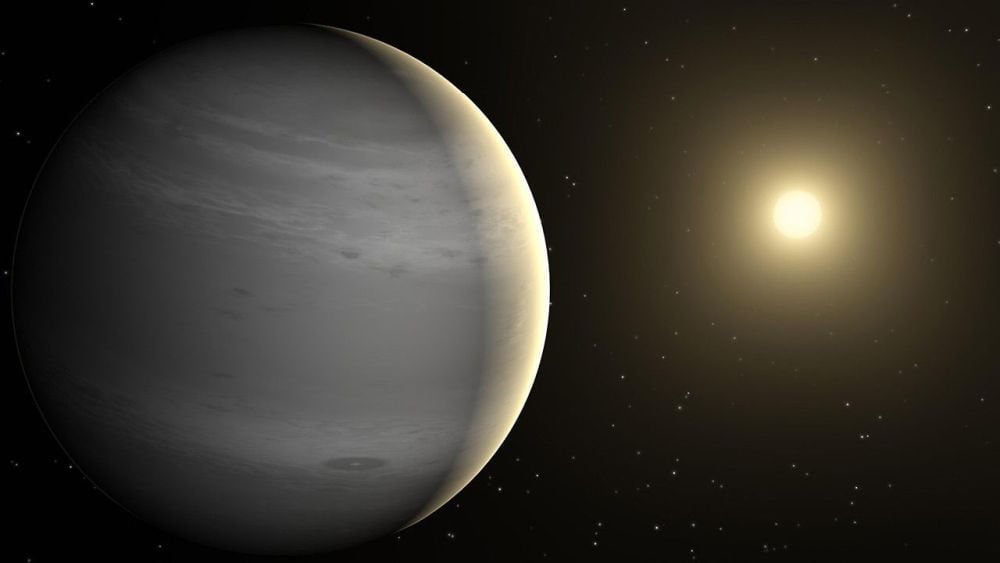
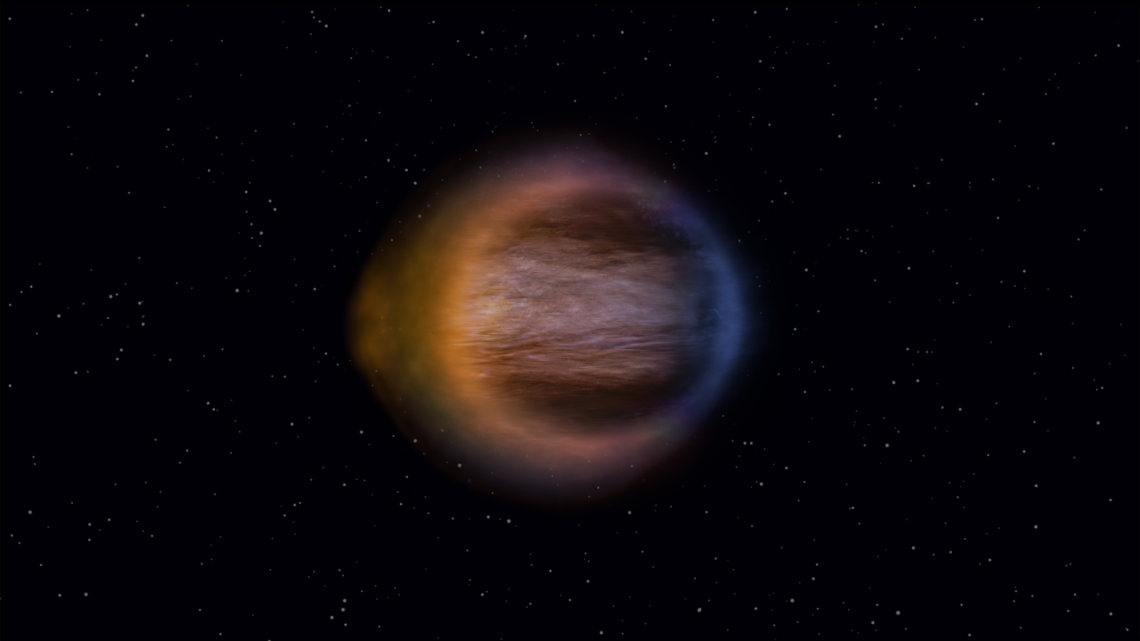
Typically, when we think of exoplanets, we think of neat spheres floating directly in front of their star, which acts as a giant spotlight. From our vantage point, they would look more like two perfect two dimensional circles than spheres, though. But nature is almost never so clean-cut. A new paper published in Nature Astronomy from researchers at Cornell and the University of Bristol details the first-ever study of an exoplanet that is noticeably lopsided.
U
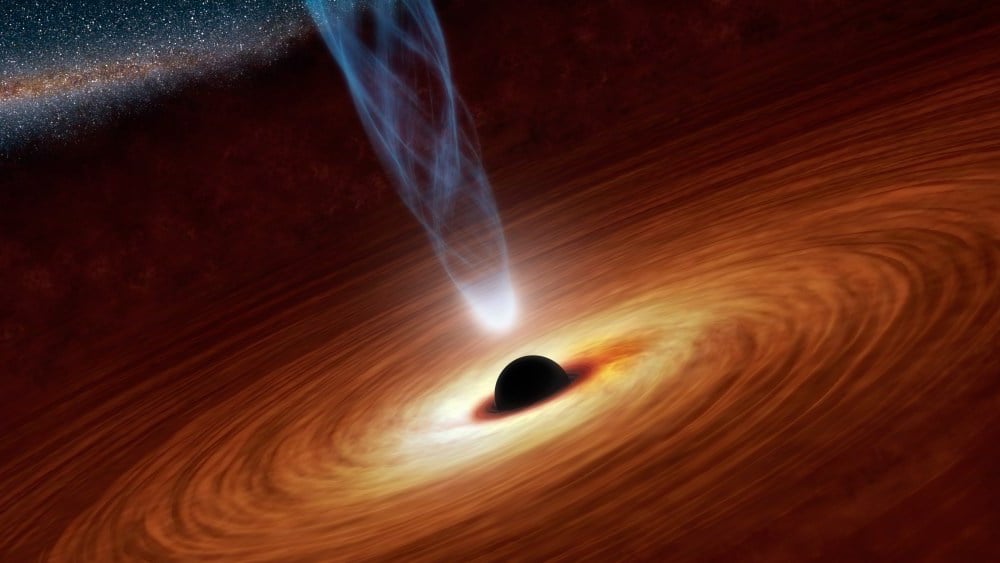
Professor Erin Kara of MIT's Kavli Institute for Astrophysics and Space Research is helping advance our understanding of the most extreme objects in the Universe by analyzing X-ray reverberations and other astrophysical data.
U
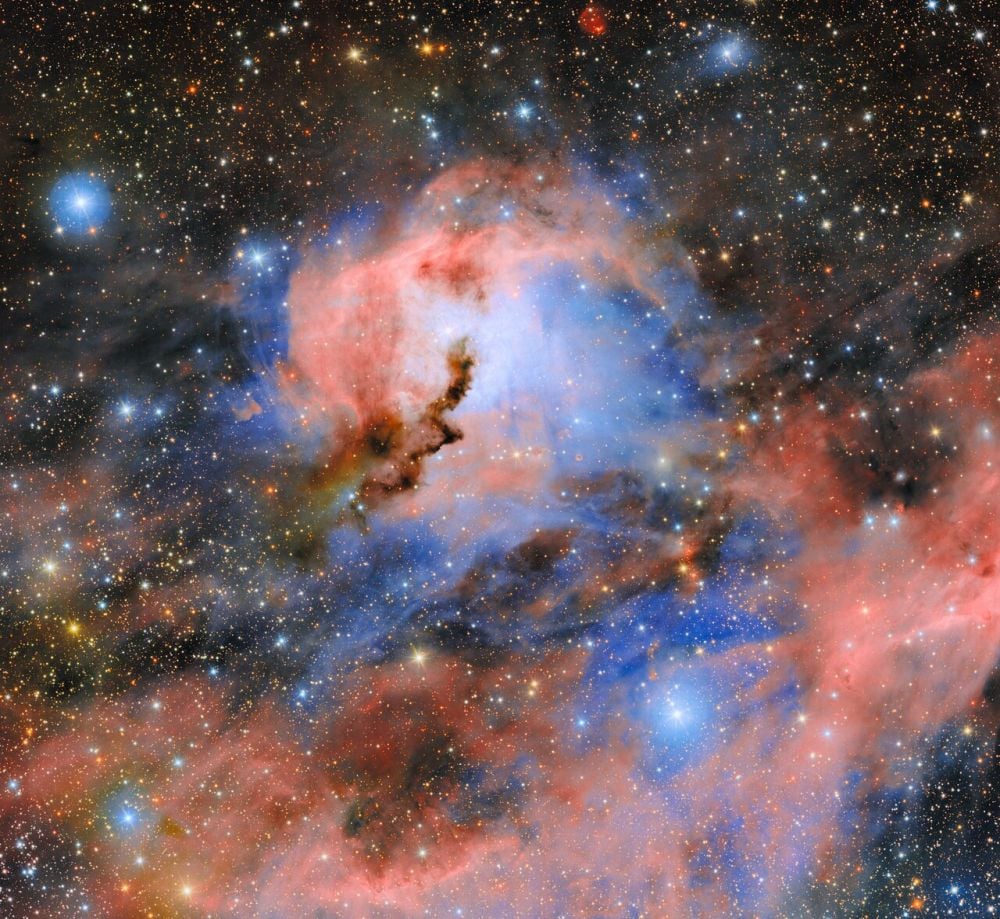
The Vera Rubin Observatory's Commissioning Camera operated for about 7 weeks in 2024, before the observatory released its well-known first look images. It's an engineering camera, and its job was to test the VRO's equipment and procedures. Now, the VRO has released the ComCam's image of the Seagull nebula. It's a pretty stunning image for an engineering camera.
U
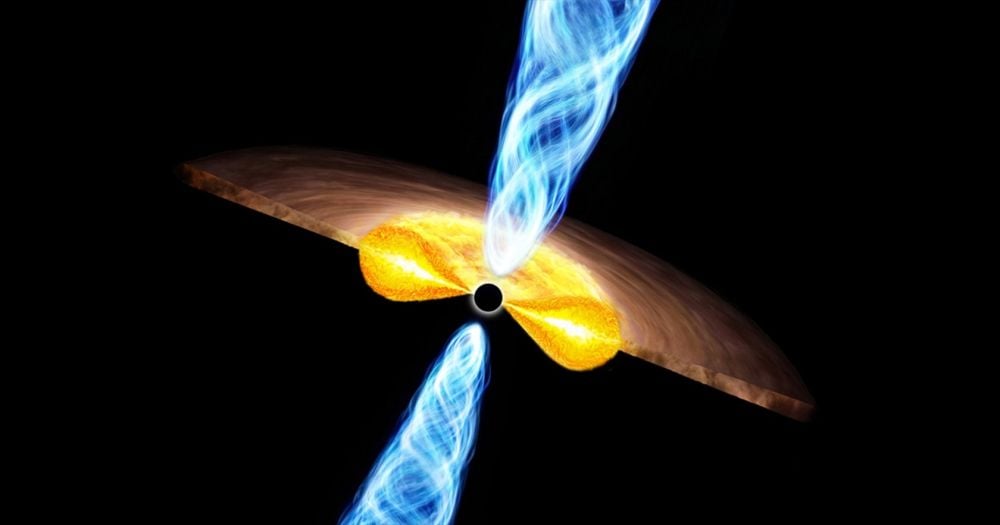
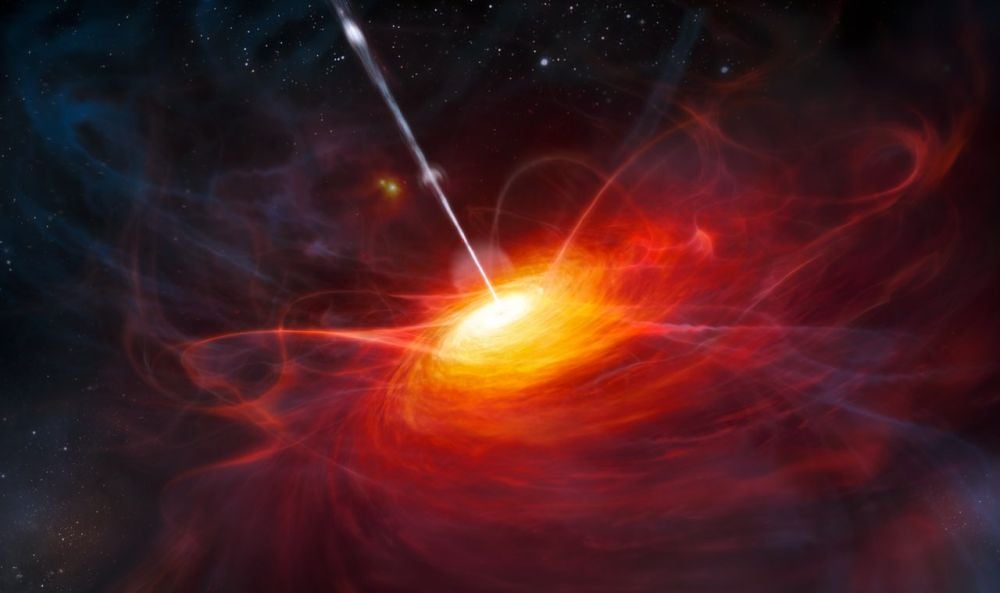
SMBH jets are driven by thick, hot accretion disks with powerful magnetic fields. But there's a bit of a paradox. Some SMBH produce jets, even though they appear to have thin, cold accretion disks. New research has solved this paradox, showing that disks can be truncated into an outer cold disk and an inner hot disk.
U
Theory says that during some SMBH mergers, the merger remnant receives a recoil kick from gravitational waves. Instead of sitting placidly in the galactic center, these recoiled SMBH are sent on a pendulum-like motion, back and forth through the galactic center. New research has found statistical evidence supporting their existence.
U
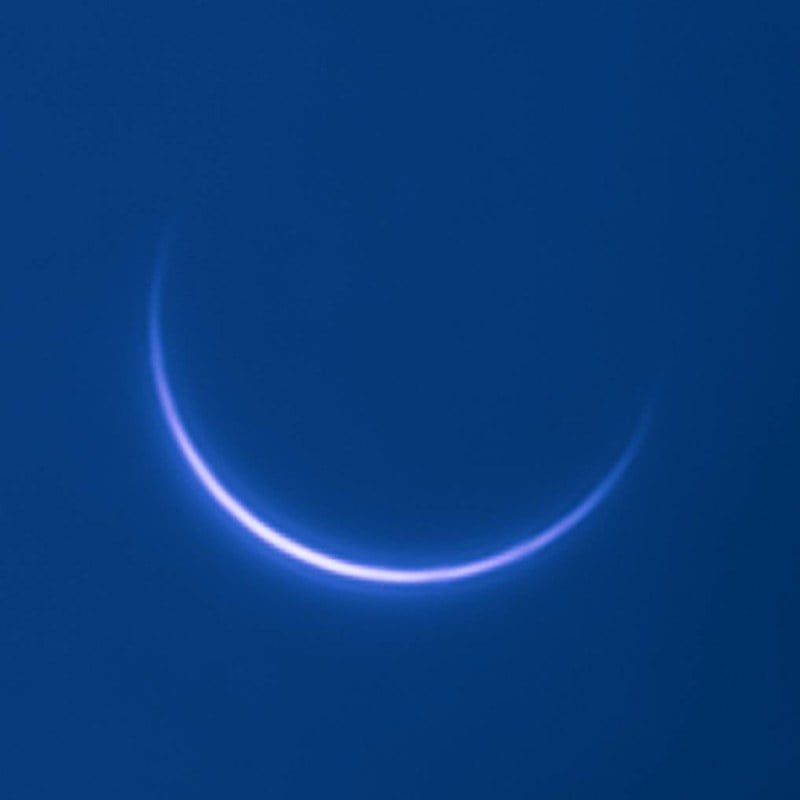
Where have all the planets gone? Late October 2026 sees a decided dearth of planets in the dusk sky, with only bashful Mercury receding from view, and Saturn fresh off of opposition. Venus, the former lucida of the evening sky is now lost from view, taking the plunge sunward. But this vanishing act allows for a dramatic transformation this weekend, as our nearest planetary neighbor brushes past the Sun and transitions into the dawn sky.
U
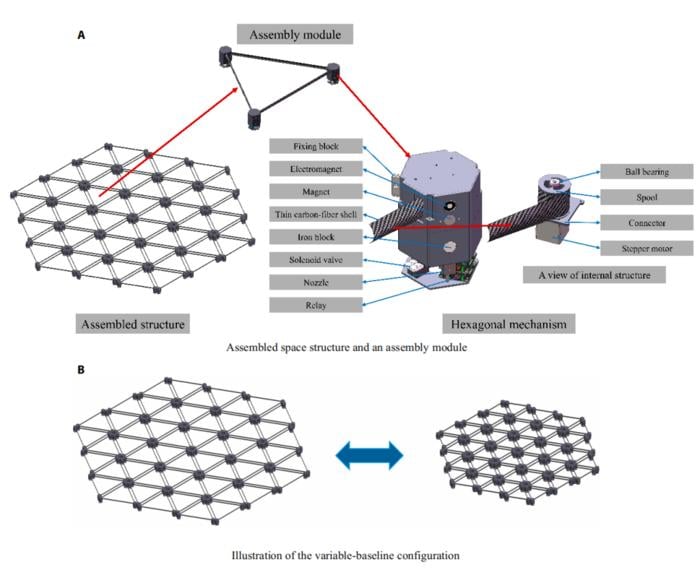
Private companies are getting better and better at launching more and more mass into space with larger and larger rockets. But, there is still a major constraint on the size of objects we can get into orbit - fairing size. This places physical constraints on the overall shape of what we can launch, and severely limits the sizes of, say, a communications array or a power satellite. But a new paper from researchers at Nanjing University of Aeronautics and Astronautics and the Beijing Institute of…
U
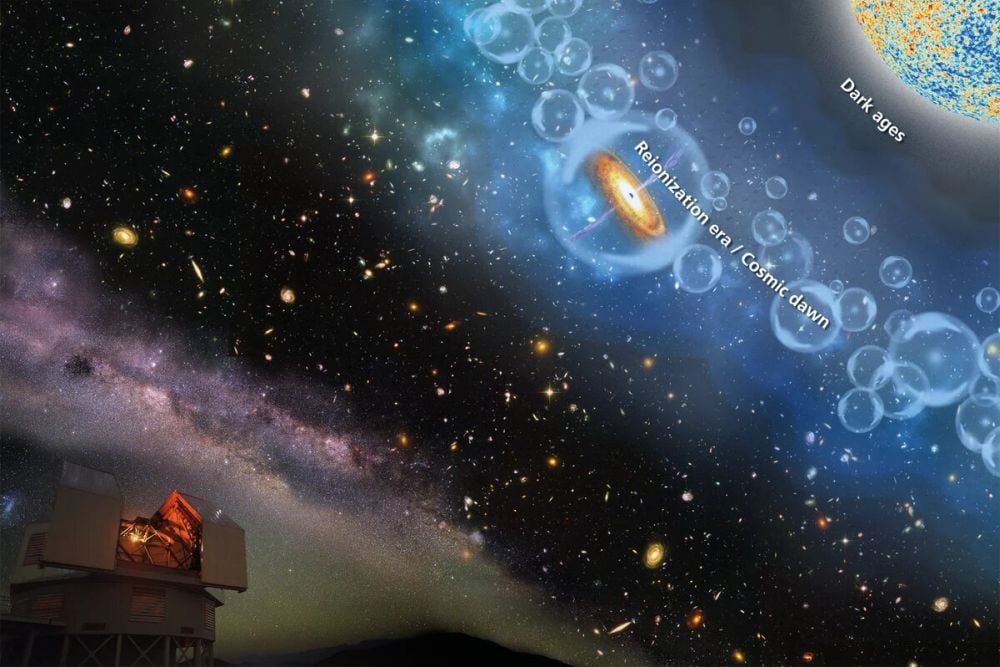
The Epoch of Reionization is when radiation from early galaxies and their stars reionized neutral hydrogen and let light travel freely through the cosmos. Some research shows that supernovae helped the process. But new research shows that, though they may have helped initially, supernovae eventually slowed reionization.
U
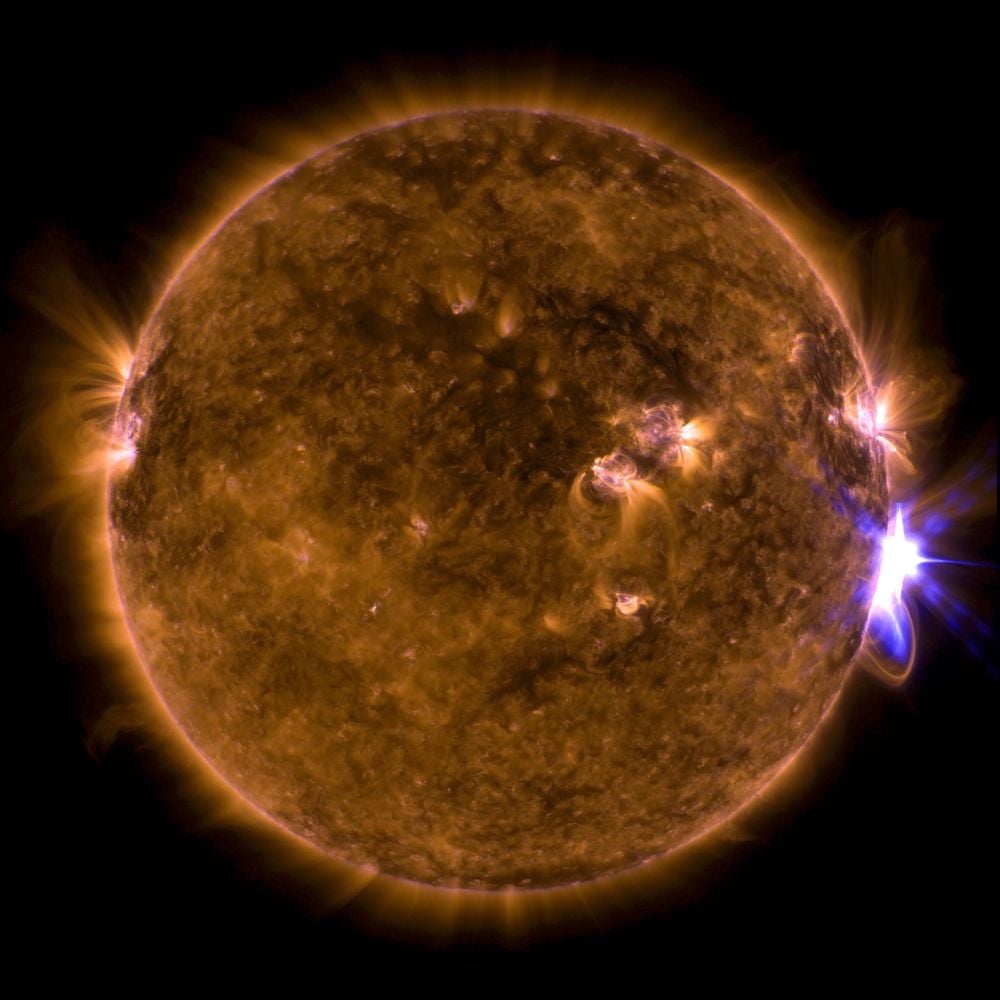
Solar flaring is complex behaviour triggered by reconnection, when magnetic field lines break and then snap back to the Sun's surface. The flaring is complex behaviour, and its details are difficult to observe. Researchers found a new way to study flaring behaviour.
U
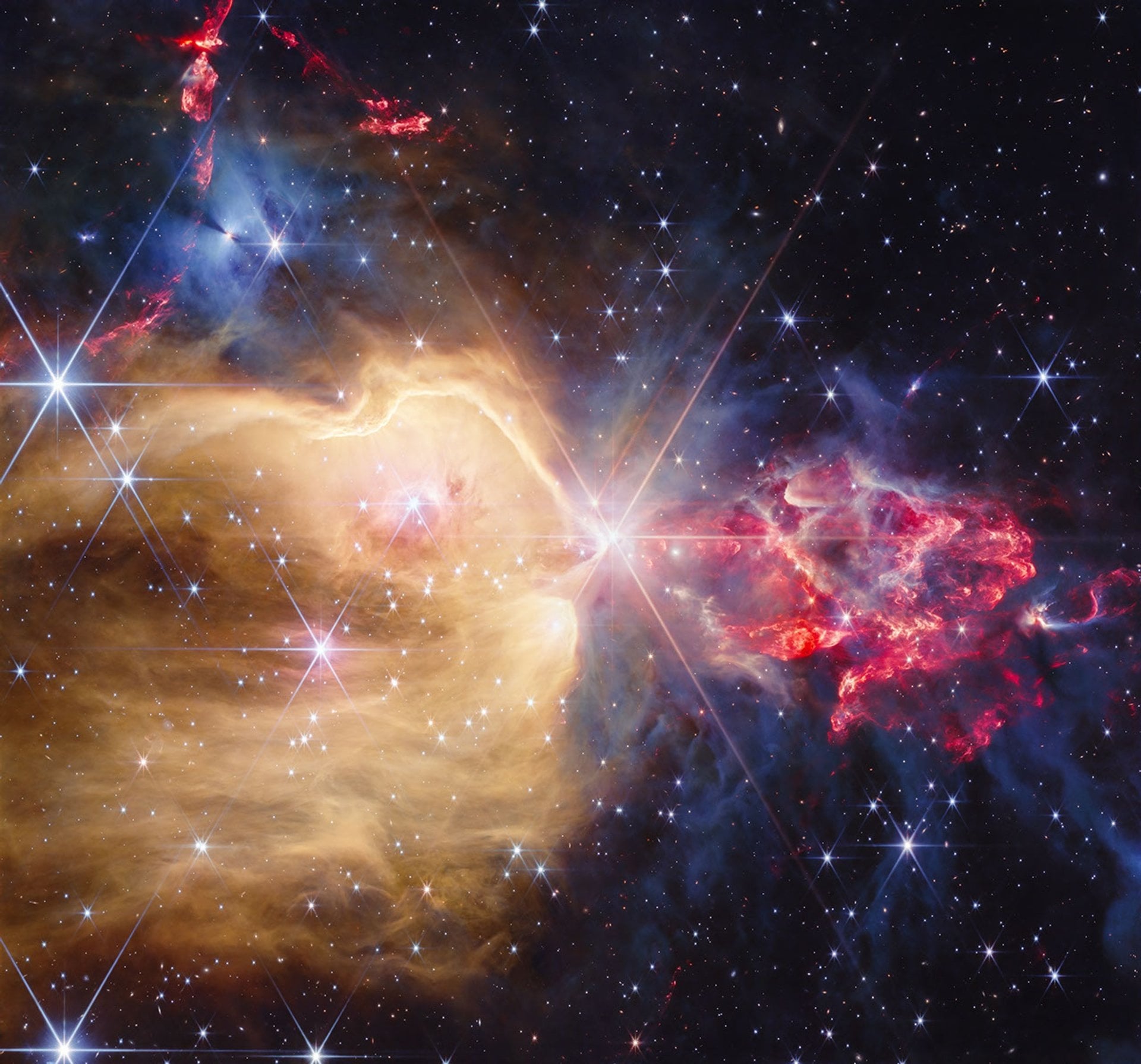
This Webb infrared image, released on October 6th, 2026, shows the star-forming region NGC 7129, about 3,300 light-years from Earth. The central star, LkHα 234, is a young star of 5–8 solar masses whose outflows have cleared a cavity about 3.5 light-years across. On the right side of the region, younger protostars shoot jets of very hot material that create shocks in the surrounding gas.
U
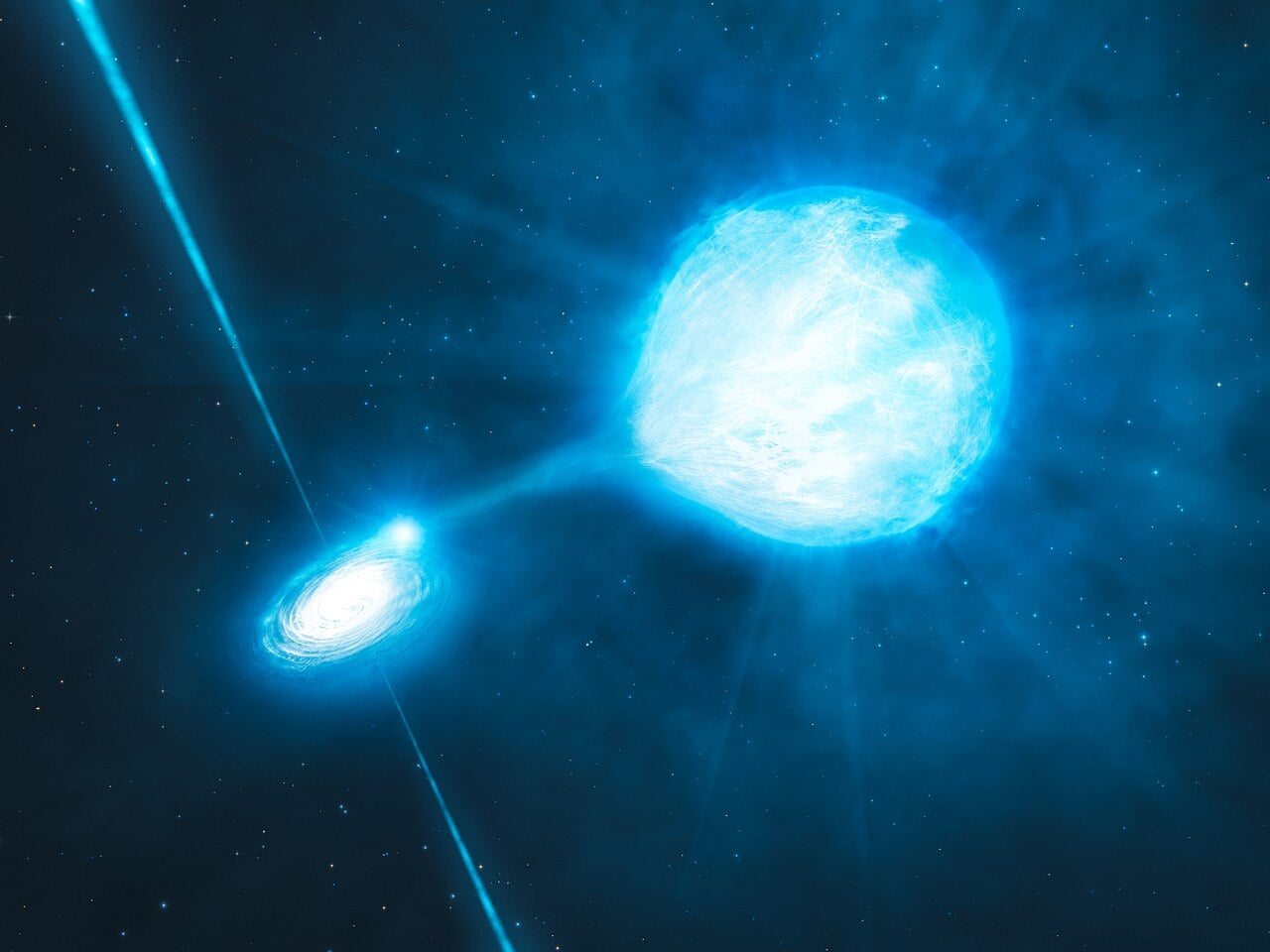
Stellar-mass black holes should be in our neighbourhood within about 50 light years of the Solar System. But they're likely isolated, without much to feed on, making them difficult to find. Gaia found some candidates, but confirming them is tough.
U
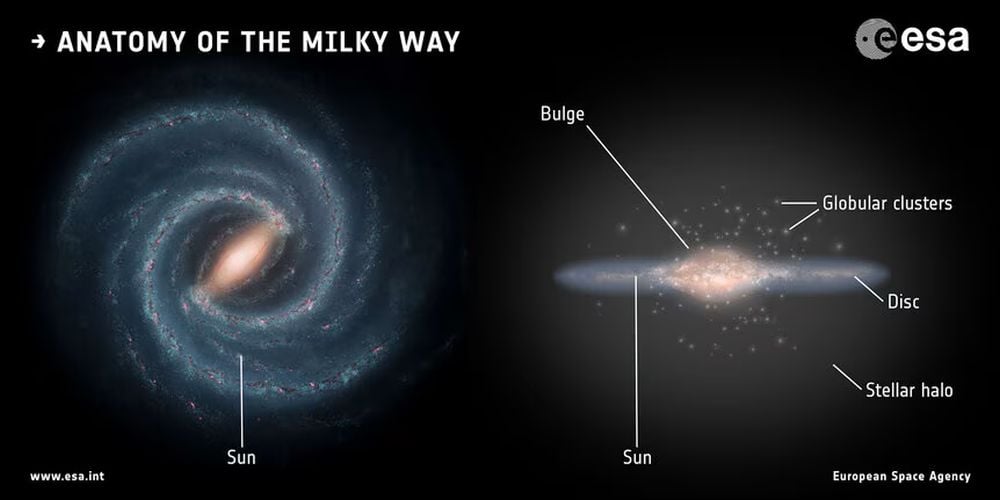
Figuring out how the Milky Way's thin and thick disks formed is a tough question in astronomy. It relies on determining individual stellar ages accurately. Gaia was pretty good at that, and new research based on its data may have found the answer.
U
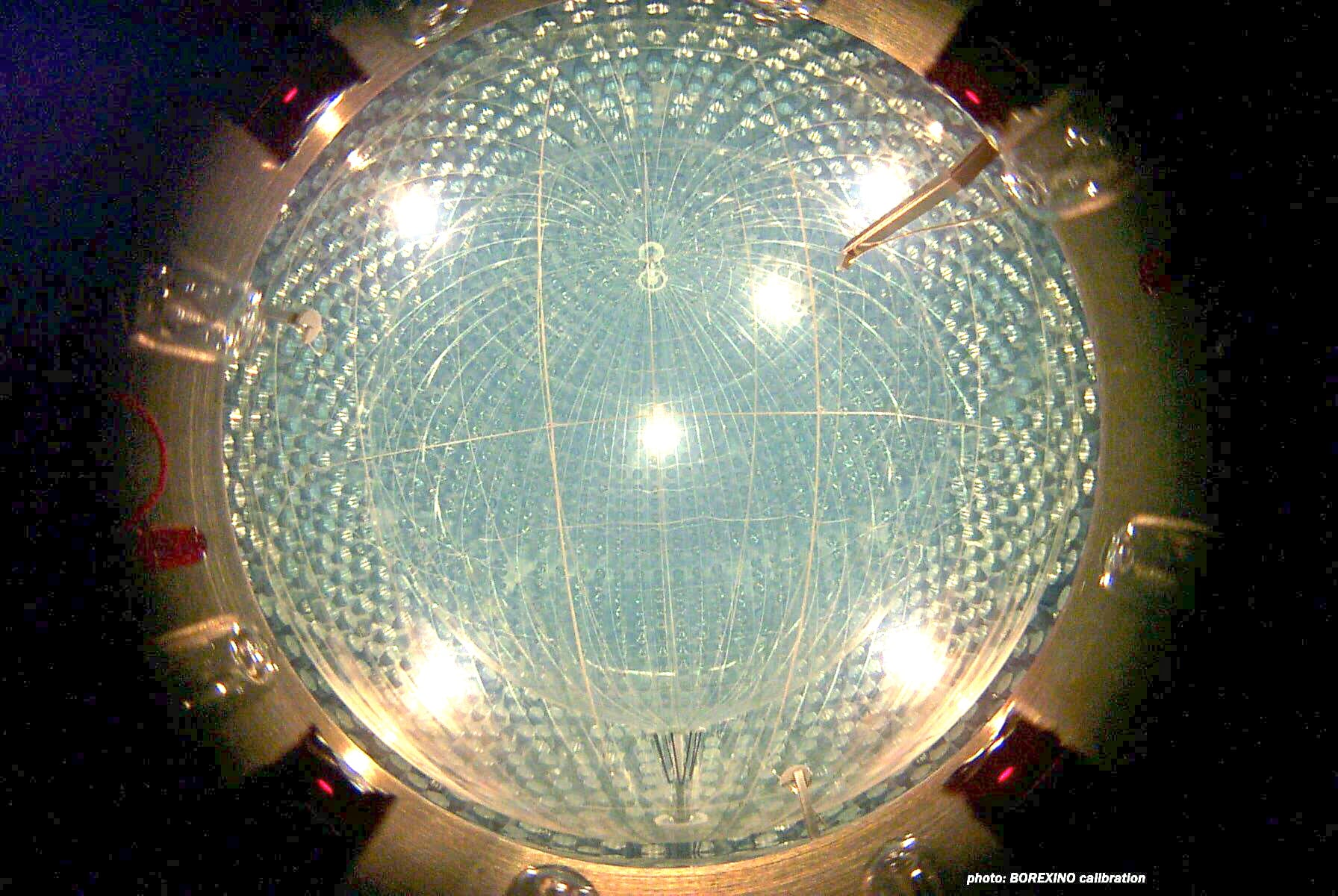
In the early Universe, neutrinos interacted strongly with other matter before some of them "decoupled." The heaviest of these decoupled neutrinos may be the solution to the matter-antimatter cosmic mystery.
U
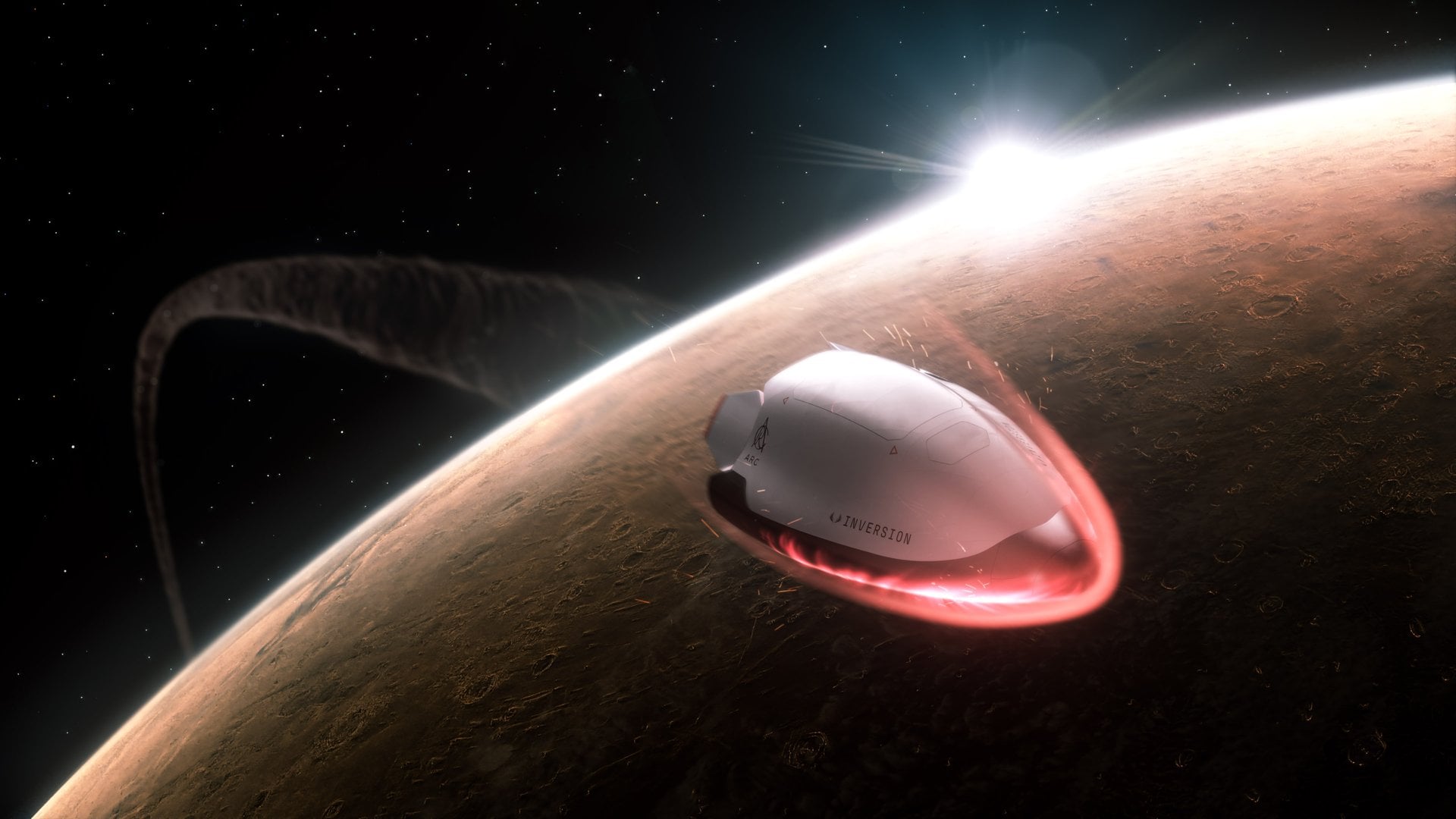
Using a planet’s atmosphere to secure a satellite’s place in orbit, a process known as “aerocapture”, has been the dream of flight engineers for decades. The only problem? It’s really hard to actually do. It requires control systems, thermal management, and orbital mechanics to all coordinate in a dance that allows a spacecraft to not just slow down while passing by another planet (or moon in some cases) but to start to orbit it without the use of lots of additional propellant. For now, that…
U
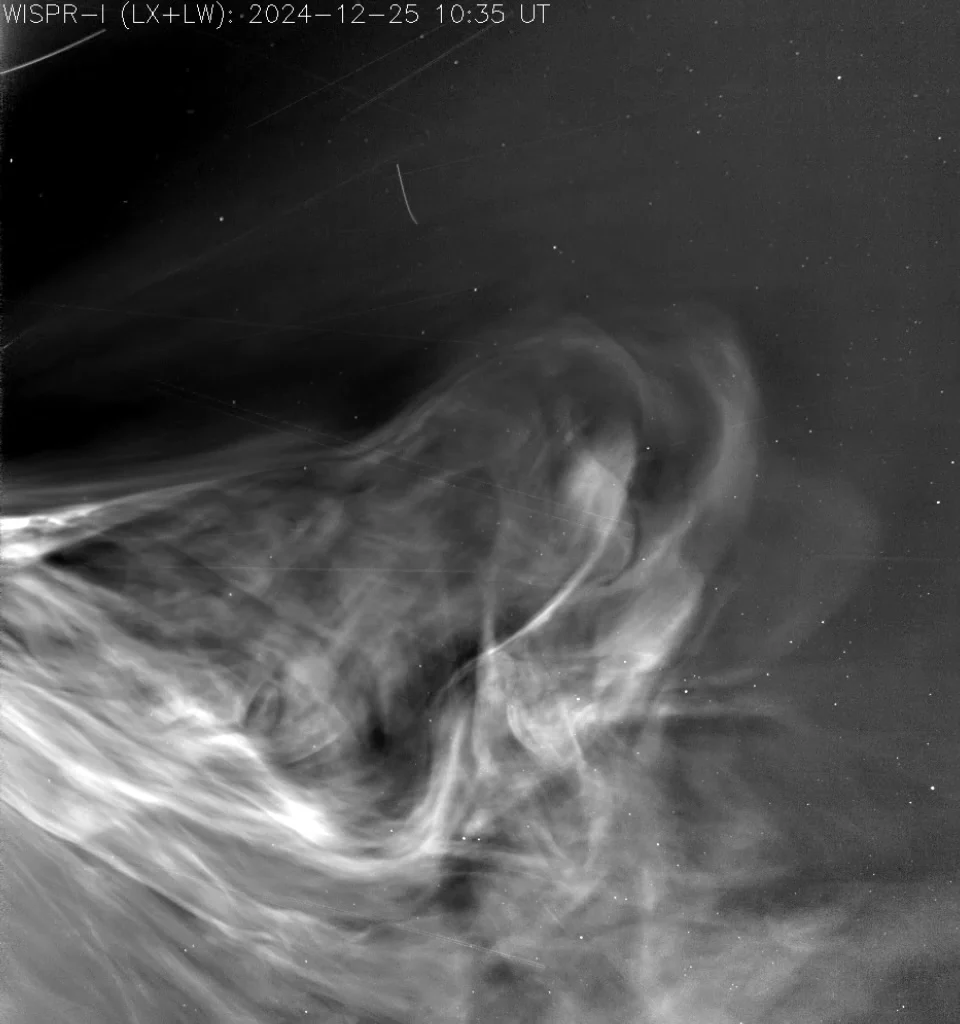
There has been a torrent of solar physics data lately, largely thanks to new spacecraft that have begun actively observing the Sun. One of those spacecraft, Solar Orbiter, happened to have a serendipitous encounter with a type of solar physics phenomenon known as a “switchback”. A new paper, available in Nature Astronomy from researcher Jesse T. Coburn and their co-authors, describes how that serendipitous encounter allowed them to track the switchback back to its birthplace in the solar corona…