U
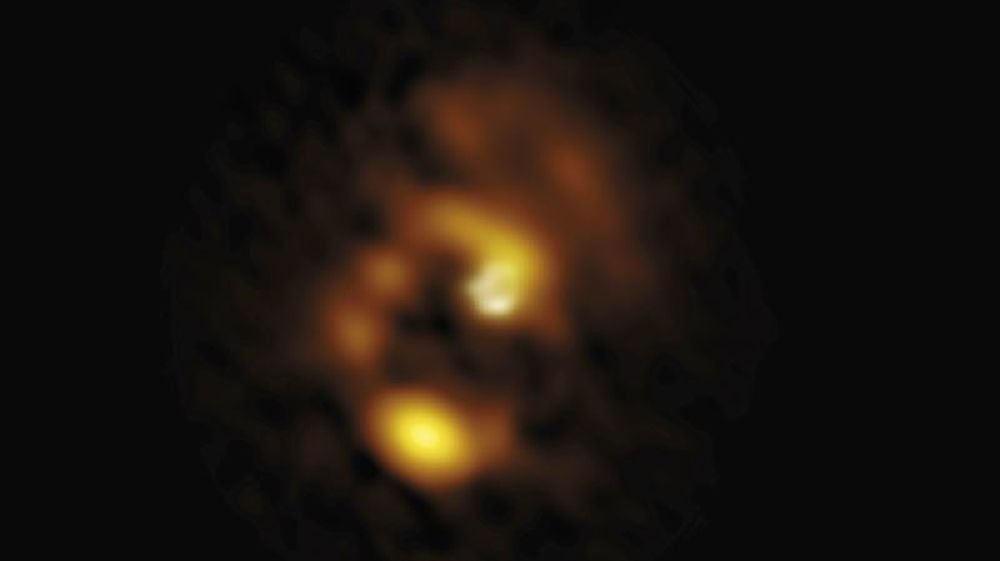
Asymptotic Giant Branch (AGB) stars spread heavy elements into space with their stellar winds. This material eventually forms more stars, and even rocky planets like ours. For a long time, astronomers thought this important mass-loss was driven by stellar winds. But new research shows how magnetic fields play an important role. A vast flare and magnetic loop of material from the AGB star Mira provides the evidence.
U
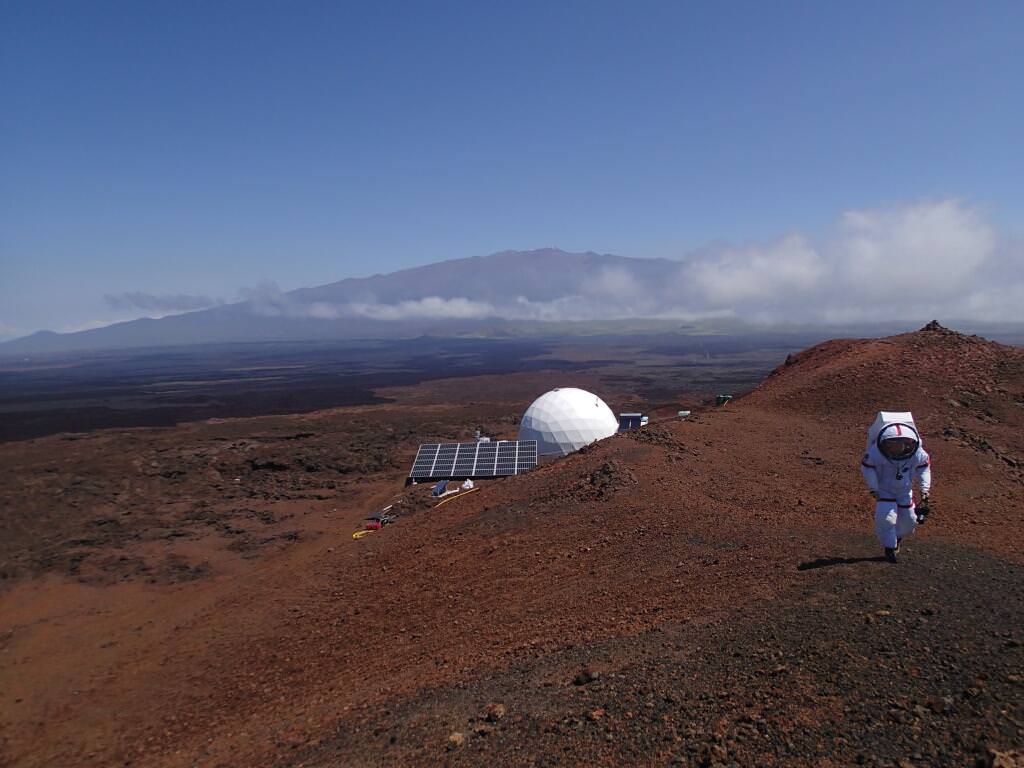
The Astrosociology Research Institute was founded in 2008 as part of a growing movement dedicated to examining humanity's future in space through the lens of the social sciences and related disciplines. The goal is to approach human spaceflight with the intent of ensuring that humanity will not only survive in space, but flourish.
U
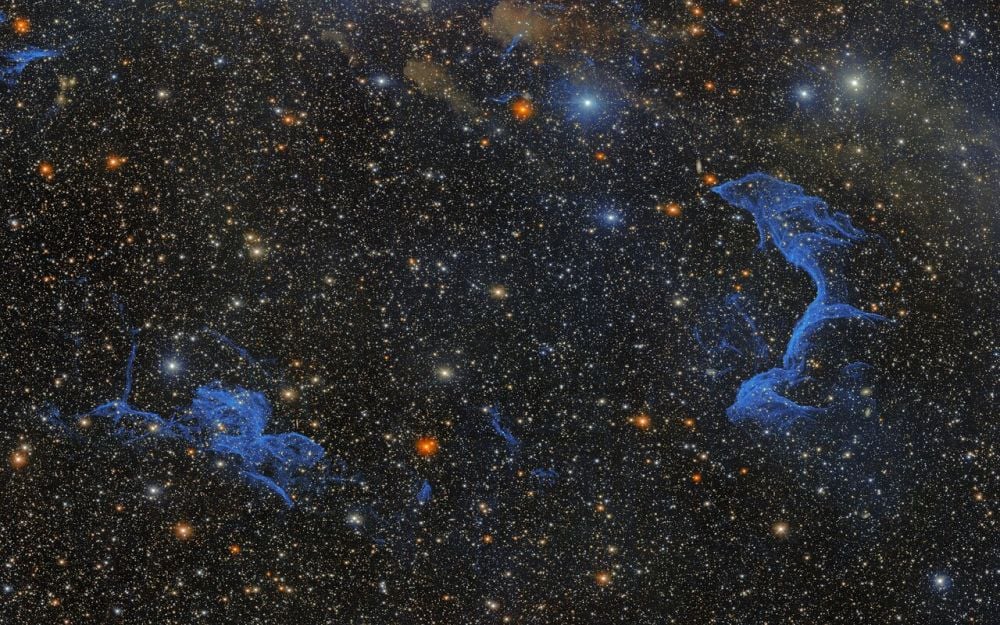
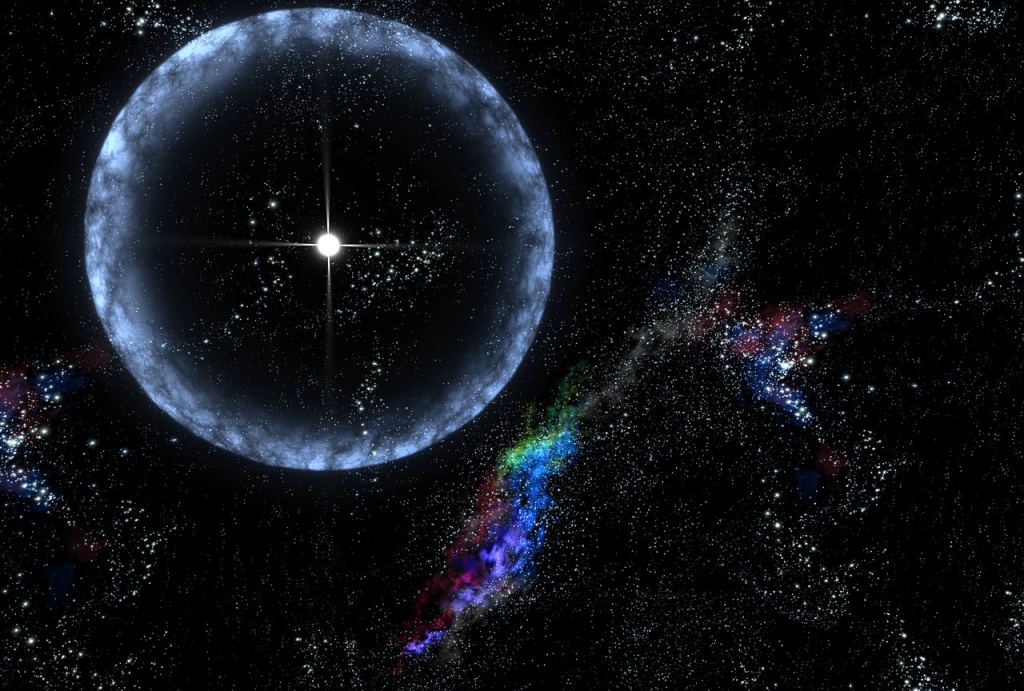
The Betta Fish Nebula is a supernova remnant almost 7,000 light years away. It consists of the cast off layers of a star that exploded as a supernova. When those layers slammed into the interstellar medium, the energy of the shock lit them up. The DECam has captured the best image of the Betta Fish Nebula so far.
U
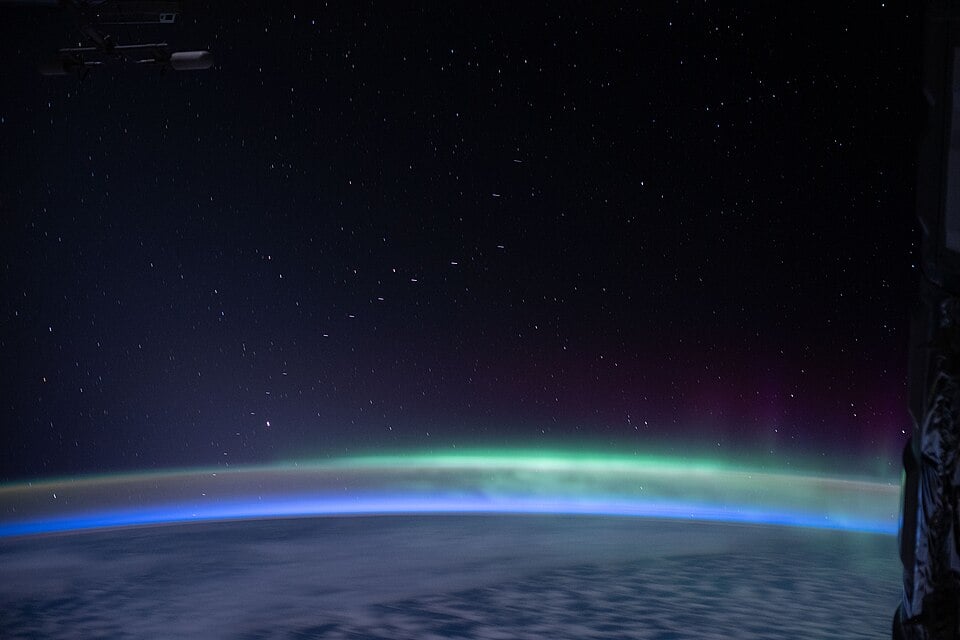
We are consistently launching more and more stuff into space. As of now, space agencies track more than 30,000 objects larger than a softball, with an expected one million more bullet-sized pieces of debris orbiting Earth that are too small to spot from the ground.. Government agencies and private commercial entities are planning to have up to 100,000 active spacecraft in orbit by the early 2030s, turning some orbital shells into crowded highways. And according to a new paper, available in…
U
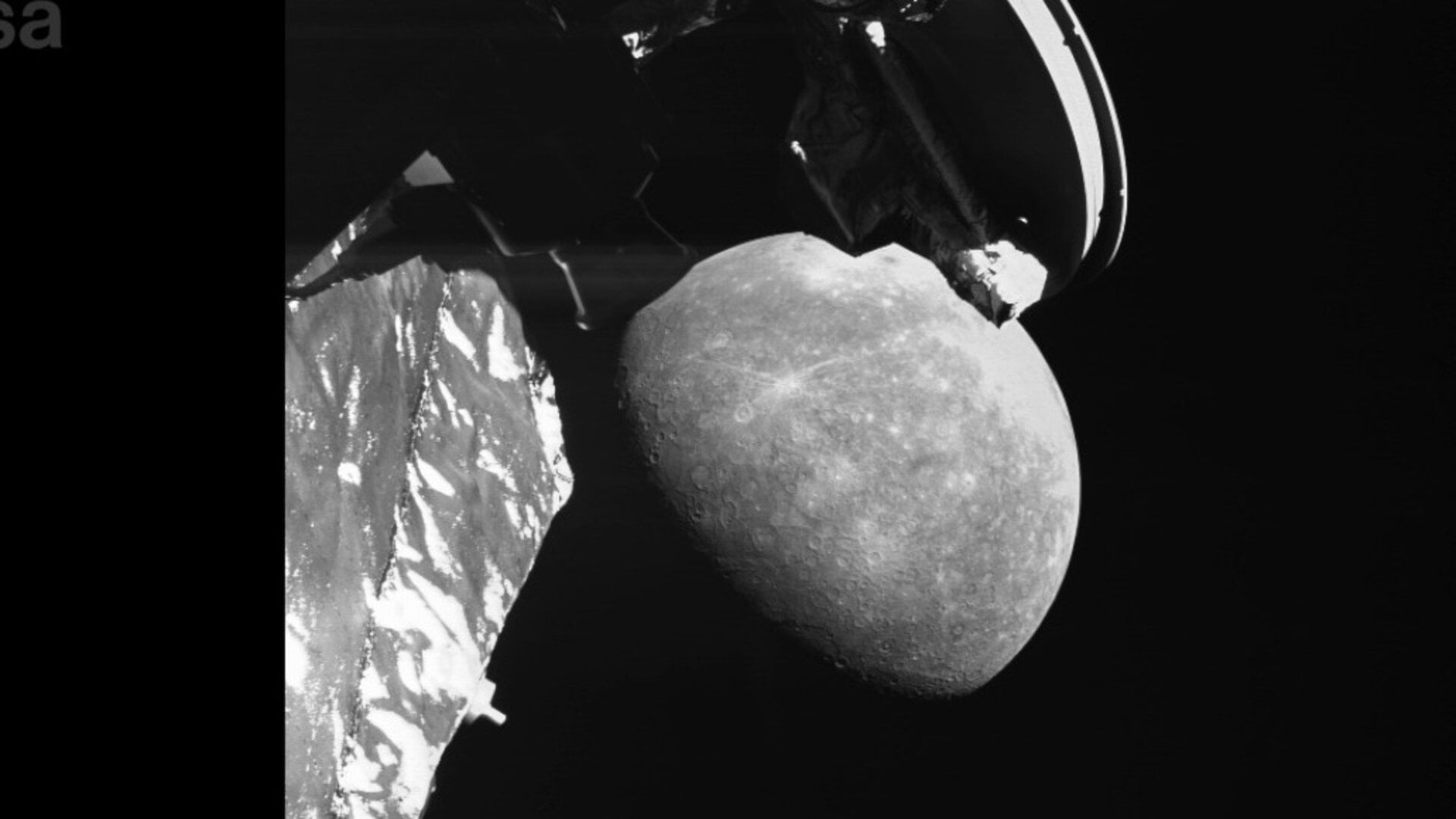
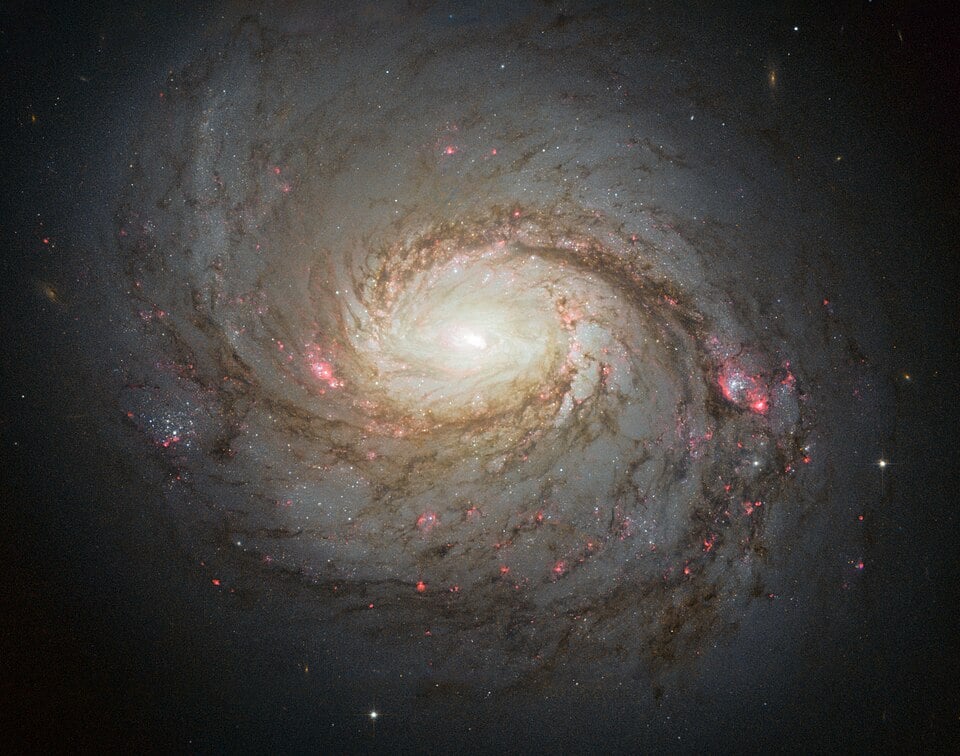
The joint ESA/JAXA BepiColombo mission has arrived at Mercury, and among its arsenal of detectors ready to explore the innermost world is an innovative new instrument. A University of Leicester team recently released an image of an iconic deep-sky object as a proof of concept test for their Mercury Imaging X-ray Spectrometer (MIXS). This comes as BepiColombo entered orbit around Mercury this past week.
U
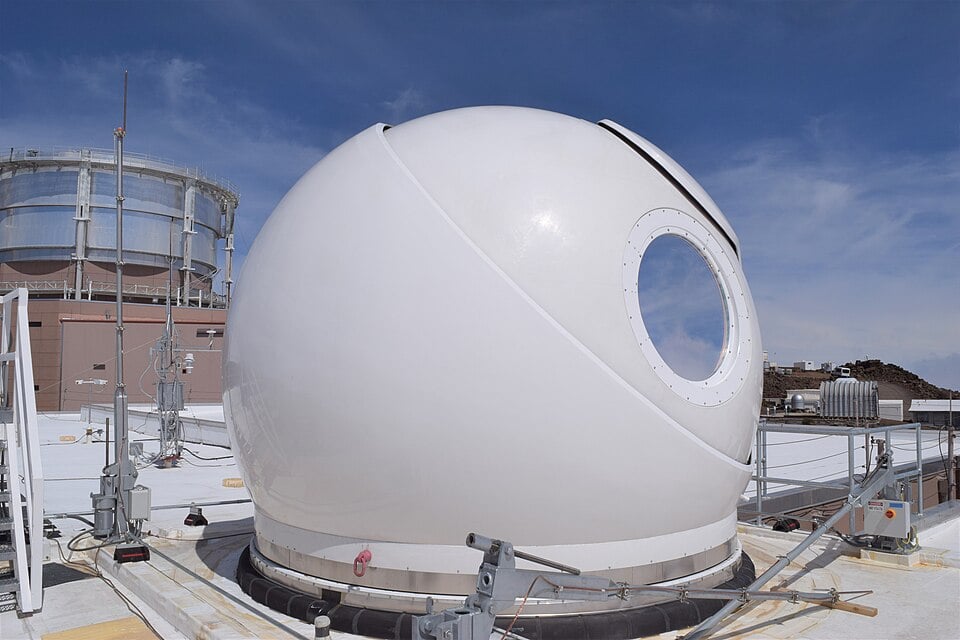
Since the launch of Sputnik, humanity has talked to its spacecraft through radio waves. Radio is great for communication through any weather, but it has hit a limit – traditional radio frequencies are highly regulated by bodies like the International Telecommunications Union, which limits the scalability of radio communications networks to meet the growing demand of bandwidth to and from space. The obvious solution is to switch to infrared lasers, which have an extremely high data transfer…
U
For decades, astronomers have puzzled over whether a star’s given obliquity, or axial tilt, changes over time and space. A new paper says large obliquity changes appear to be uncommon.
U
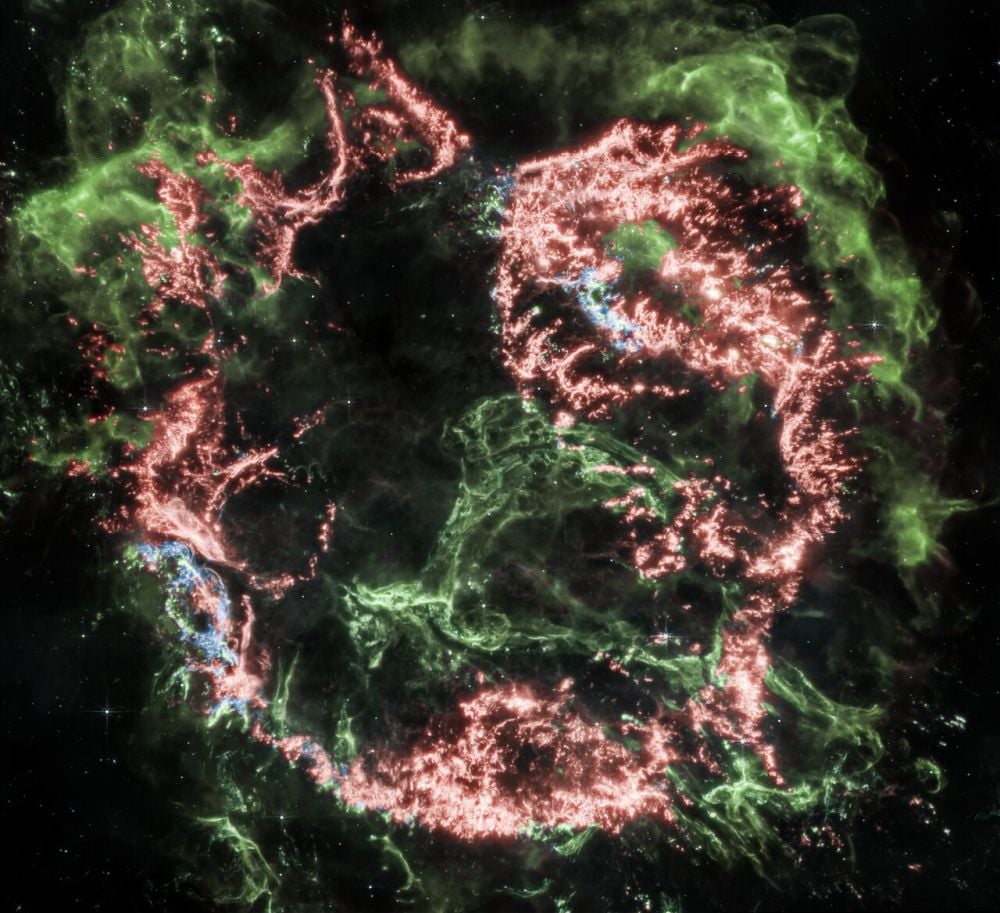
It's impossible to see inside a star. But some stars explode, spreading their insides out and letting astronomers examine them in detail. It's messy, but astronomers are skilled at stellar forensics, and they have a fine tool at their disposal: the JWST.
U
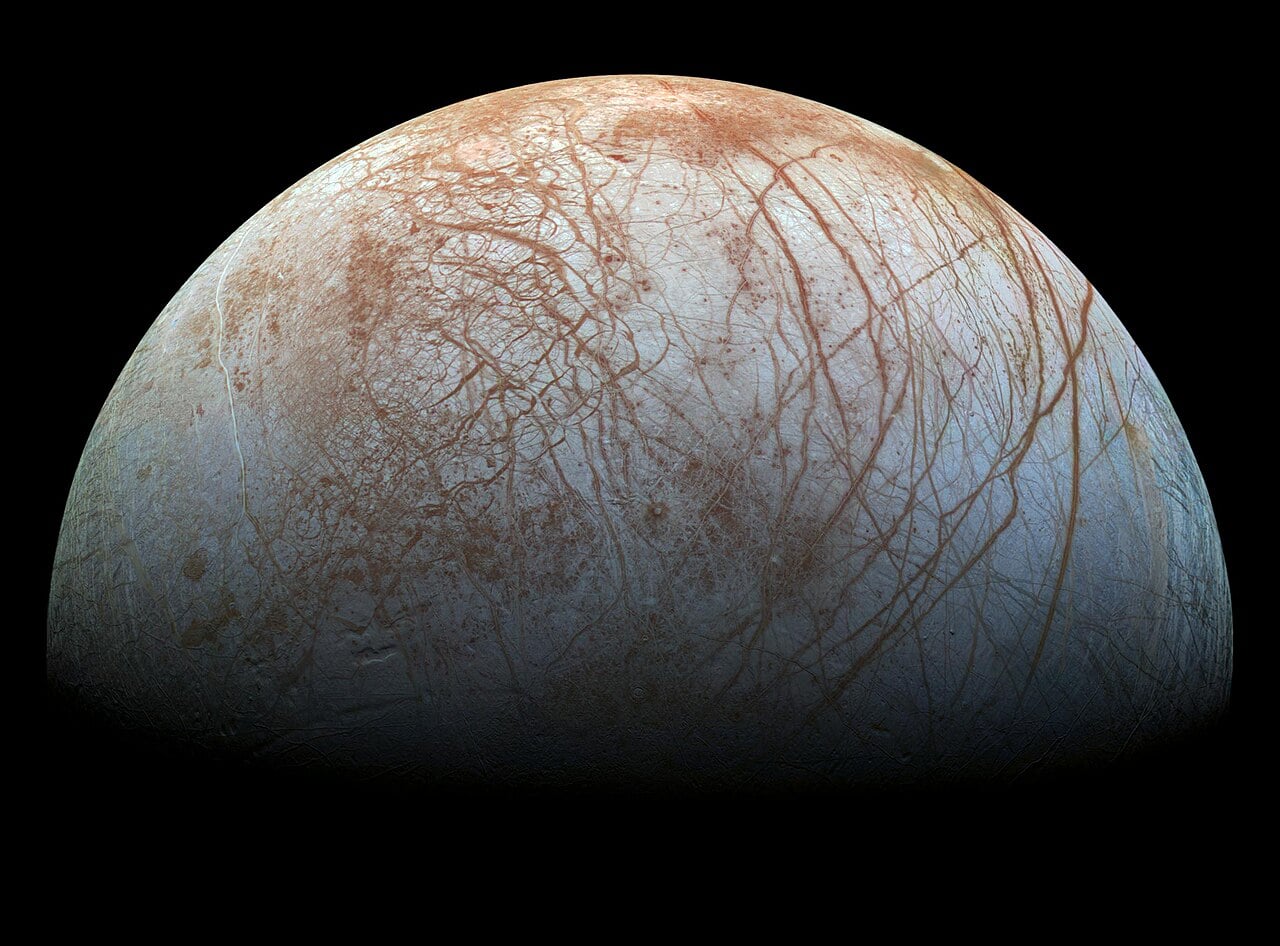
Scientists using the W.M. Keck Observatory's HIRISE spectrometer have revealed new information about the origin of Europa's sodium cloud.
U
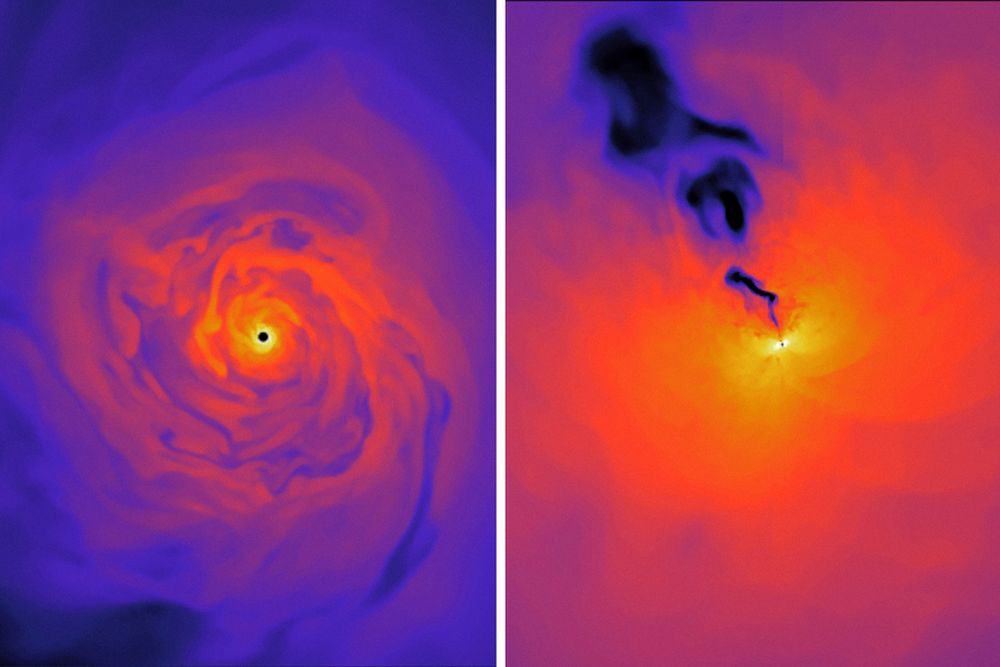
Astrophysicists wonder if primordial black holes could be part, or maybe all, of dark matter. They're theorized to have formed immediately after the Big Bang from pockets of dense matter. New research shows how they might be detected: in the bbright flash generated by the stars they consume from the inside out.
U
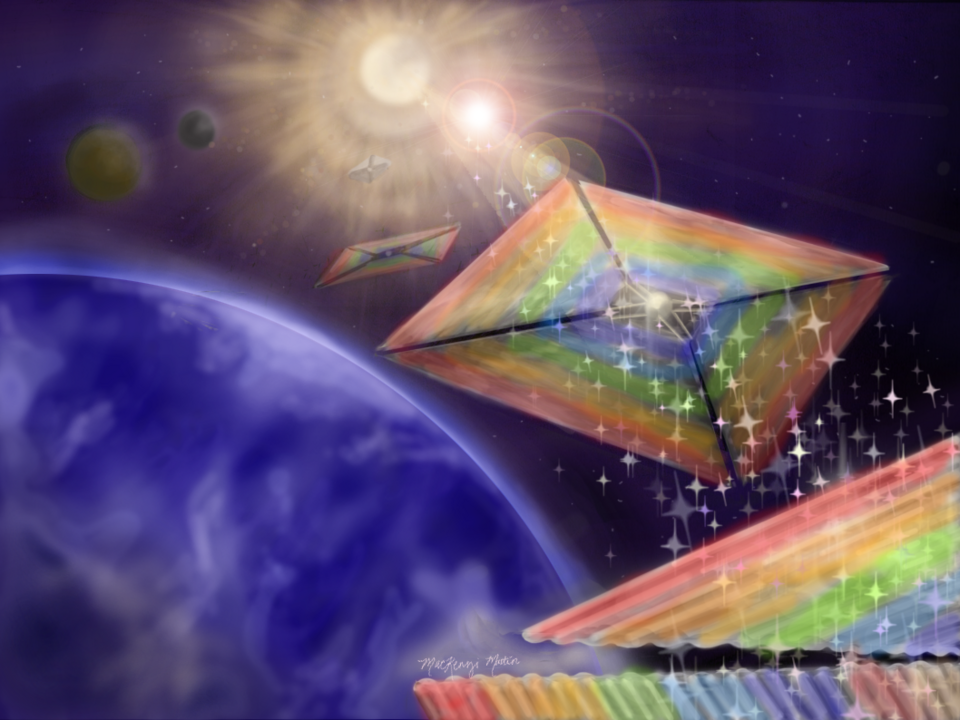
For years, whimsically minded space enthusiasts have been dreaming of sailing across the vastness of the void on beams of sunlight. Photons, the massless particles that make up those beams of sunlight, still carry momentum, and can therefore impart a gentle push when they bounce off a surface. This force is the concept behind “solar sailing”, which has been having a bit of a moment in the last decade as several proof-of-concept flights have shown it is indeed actually feasible. Now a new paper,…
U
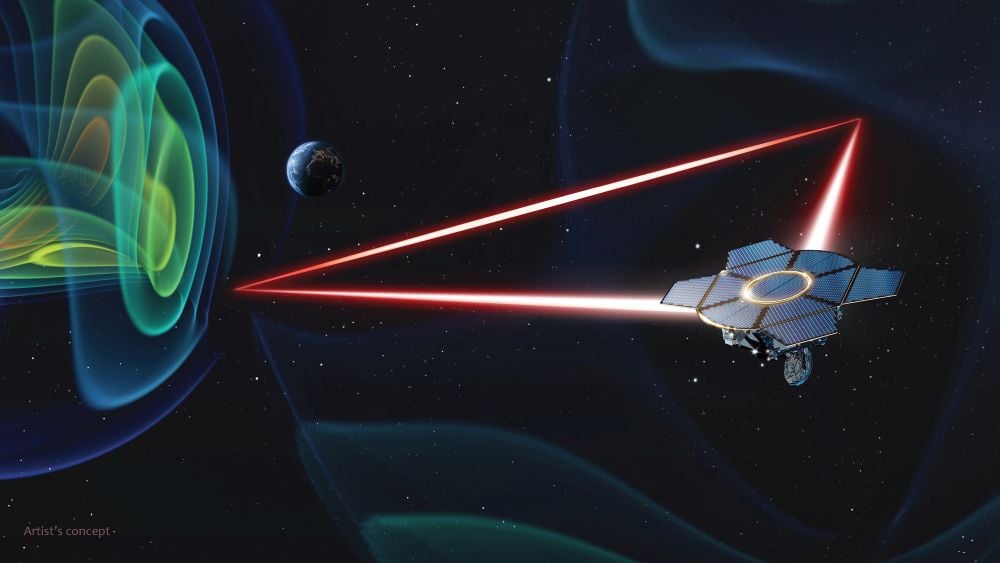
LISA, the ESA's Laser Interferometry Space Antenna, is being built to detect gravitational waves emitted when massive objects spiral together and merge. New research shows that exoplanets can exert a small but perceptible tug on those objects, leaving a signature on the gravitational waves. In some cases, LISA should be able to detect their signatures.
U
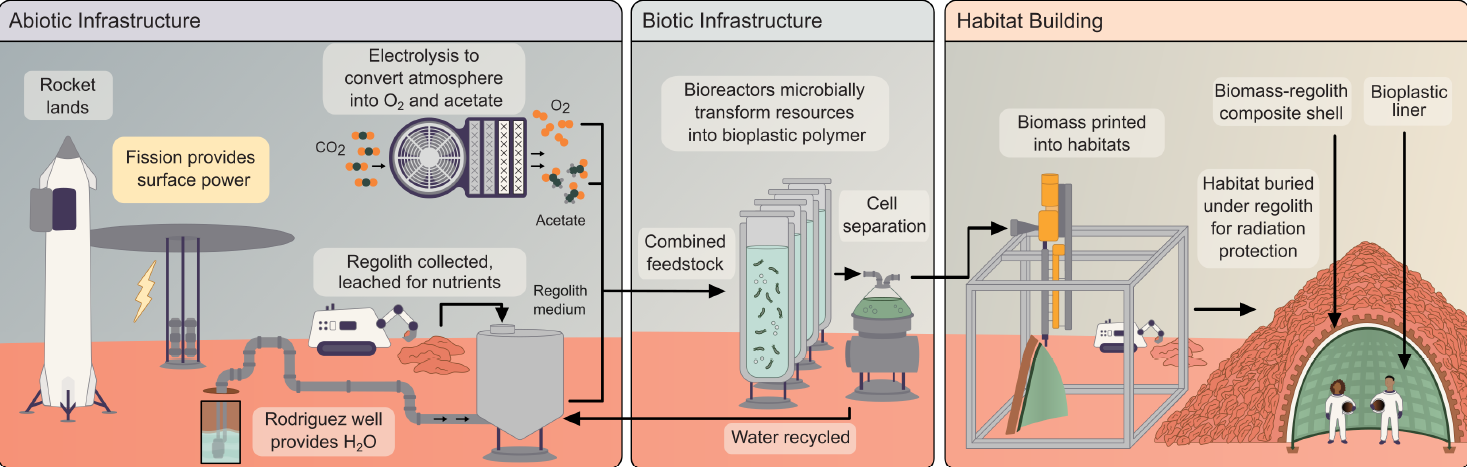
As we gear up to eventually land a human on Mars, more and more ideas are coming out about how to prepare for that. A recent one from Pioneer Labs, a research institute founded by bioengineer Erika DeBenedictis to develop biological technologies for space exploration, is now available on arXiv, without any plans to release it in a paid journal as part of the “Open Science” policy of The Astera Institute, who funded the research. It details “Mars Seed” - a new architecture that is self-contained…
U
In the short term, human exploration of the Moon and Mars seems practical, but for the next 50 years at least, robotic exploration may be the most cost-effective and efficient. Human exploration requires an imperative return on capital.
U
As Earth's surface area grew, weathering fed more nutrients into Earth's ancient oceans. This eventually resulted in more oxygen, making Earth more habitable. New research identifies two ancient mountain growth spurts on Earth that directly preceded two of Earth's oxygenation events. The researchers say that taller mountains encouraged habitability and led to complex life.
U
An alternative model in which the Universe is 26.7 billion years old and needs neither dark matter nor dark energy has held up against several major cosmology tests, according to a new University of Ottawa study.
U
Astronomers have found a triple star system in our neighborhood that has defied the odds. It shouldn't really exist, according to astronomers' understanding of stellar evolution and common envelopes. Yet, there it is.
U
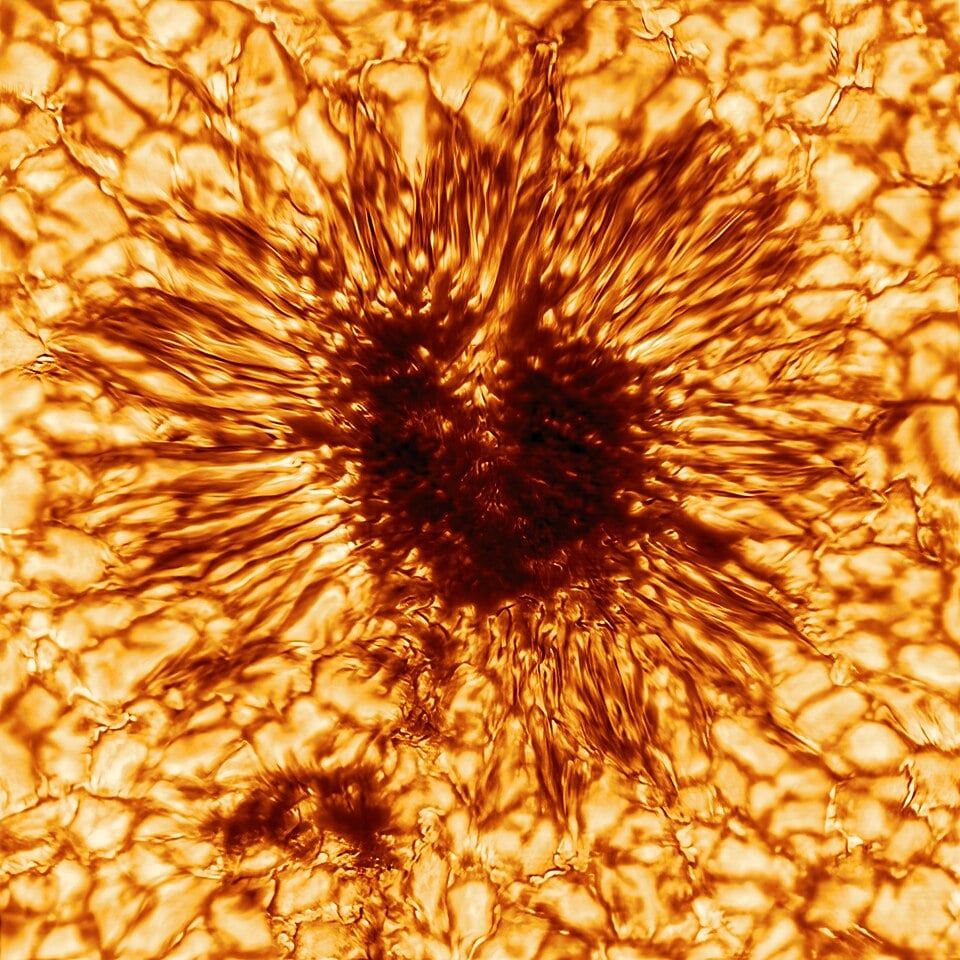
It feels like every week for the past few months we’ve been reporting on more research regarding the temperature difference between the Sun’s surface and its corona. This week is no exception, with a new paper in The Astrophysical Journal detailing the formation and tracking of around two hundred jet-like bursts of plasma from the surface known as “dynamic fibrils.” They serve as another piece of the puzzle of why the Sun’s outer atmosphere is hundreds of times hotter than its surface.
U
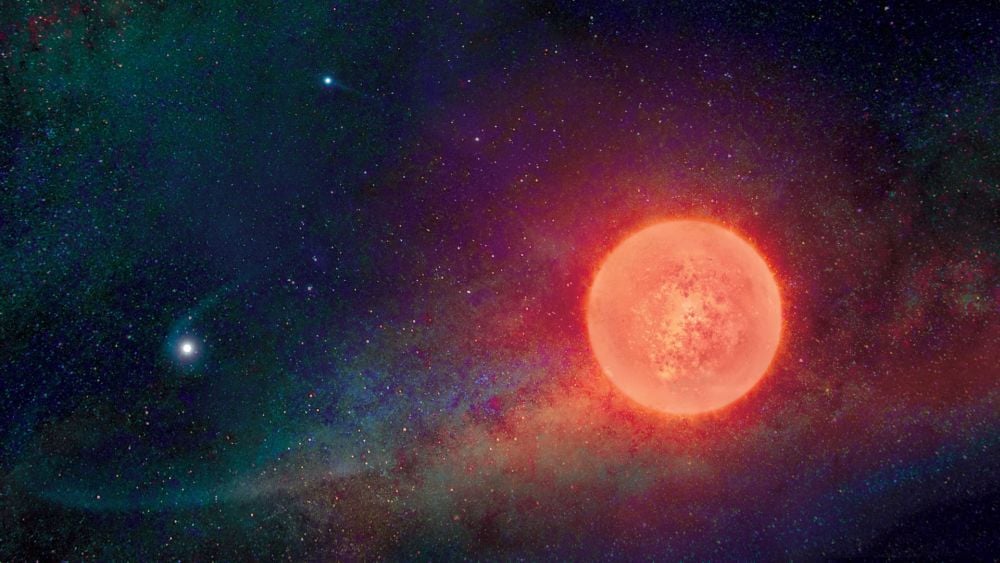
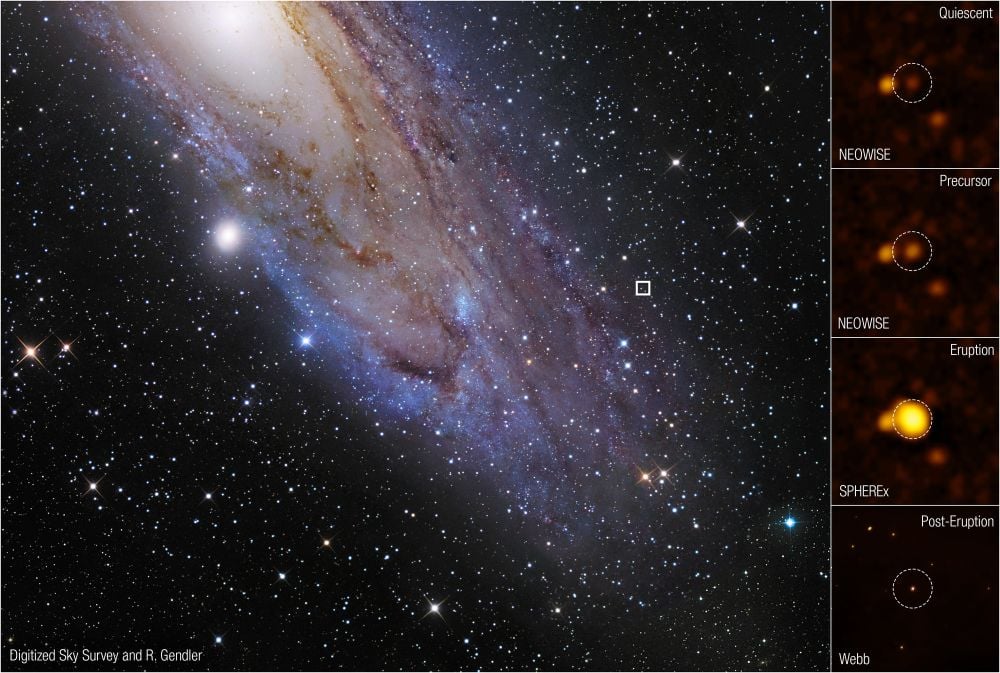
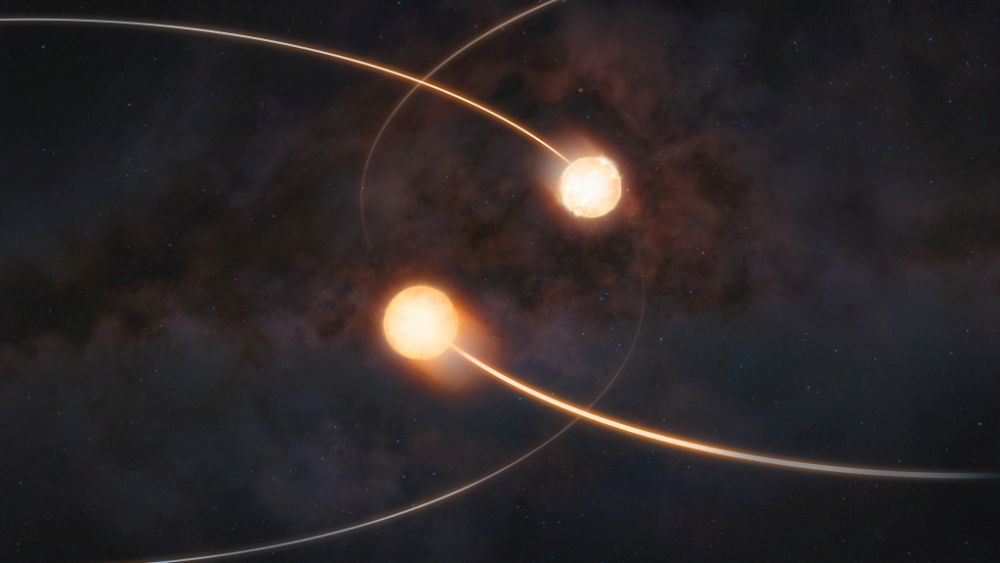
Some binary stars end up sharing a common envelope of gas, as the primary star draws material away from its companion. The envelope exerts drag on the stars and they can spiral toward each other. In some cases, this creates an eruption or explosion called a luminous red nova. For the first time, astronomers got to observe one of these in real time.
U
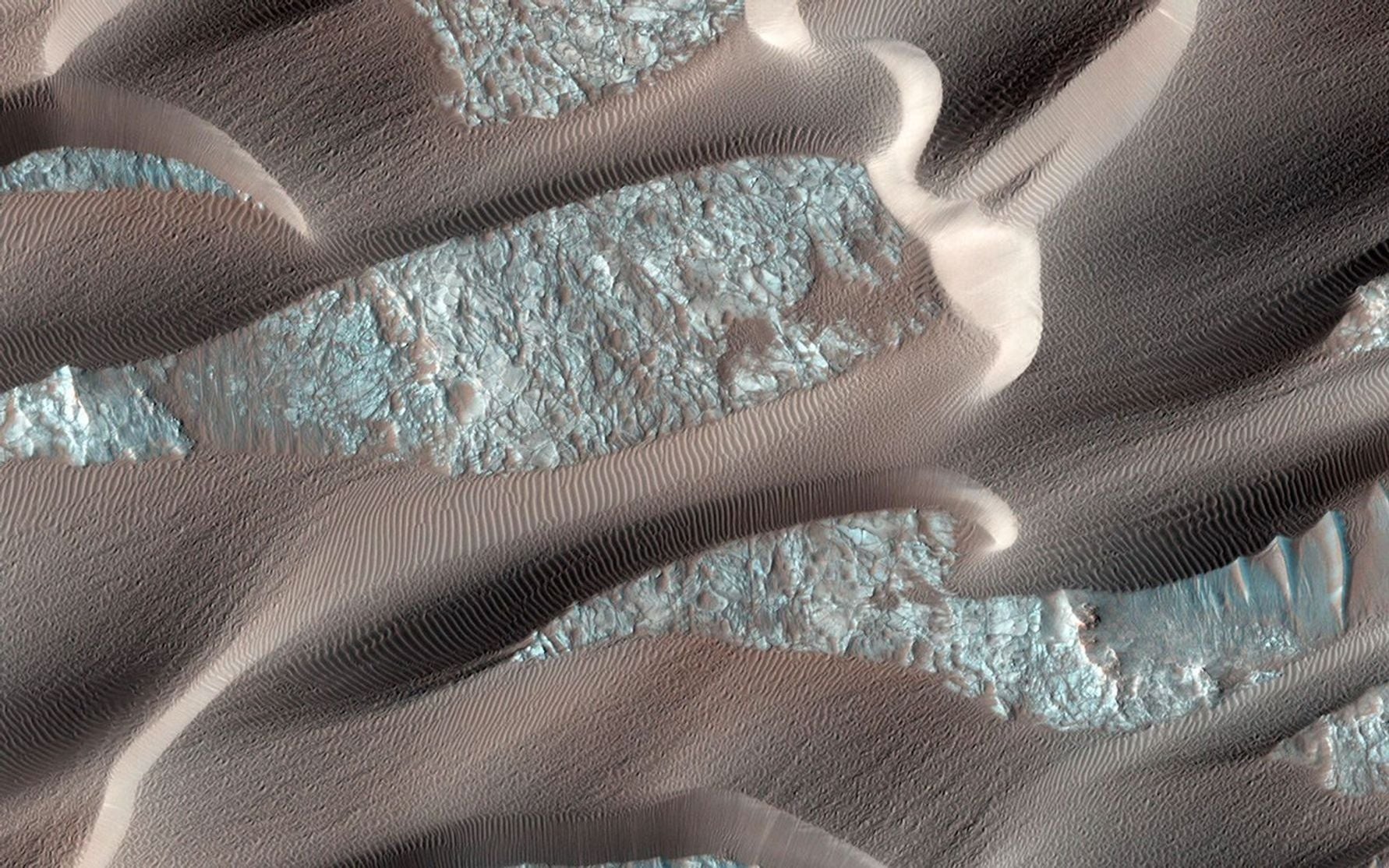
We’ve managed to take high-resolution orbital images of many worlds across our solar system, and many of them with an atmosphere have one feature in common - sand dunes. Scientists have been using the size and orientation of these dunes for decades to act like a weather vane, figuring out which way the wind blows on these other worlds. Unfortunately, weather vanes aren’t good at telling the full windy story - they can’t tell you how fast the wind is going. However, according to a new paper…
U
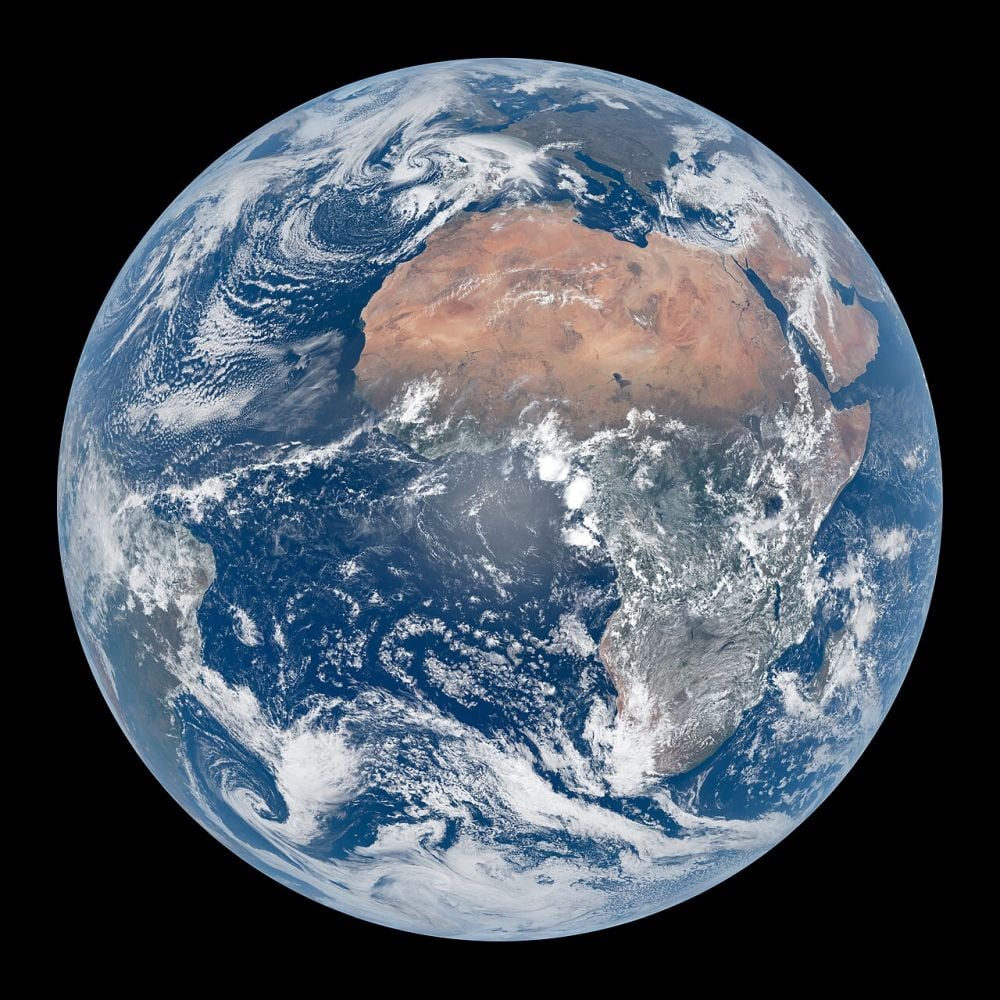
The accumulation of oxygen in Earth's atmosphere and oceans was a multi-stage process that played out over geologic timescales. Scientists have worked hard to understand all the details of this complex process. New research writes a revised timeline for how it all played out.
U
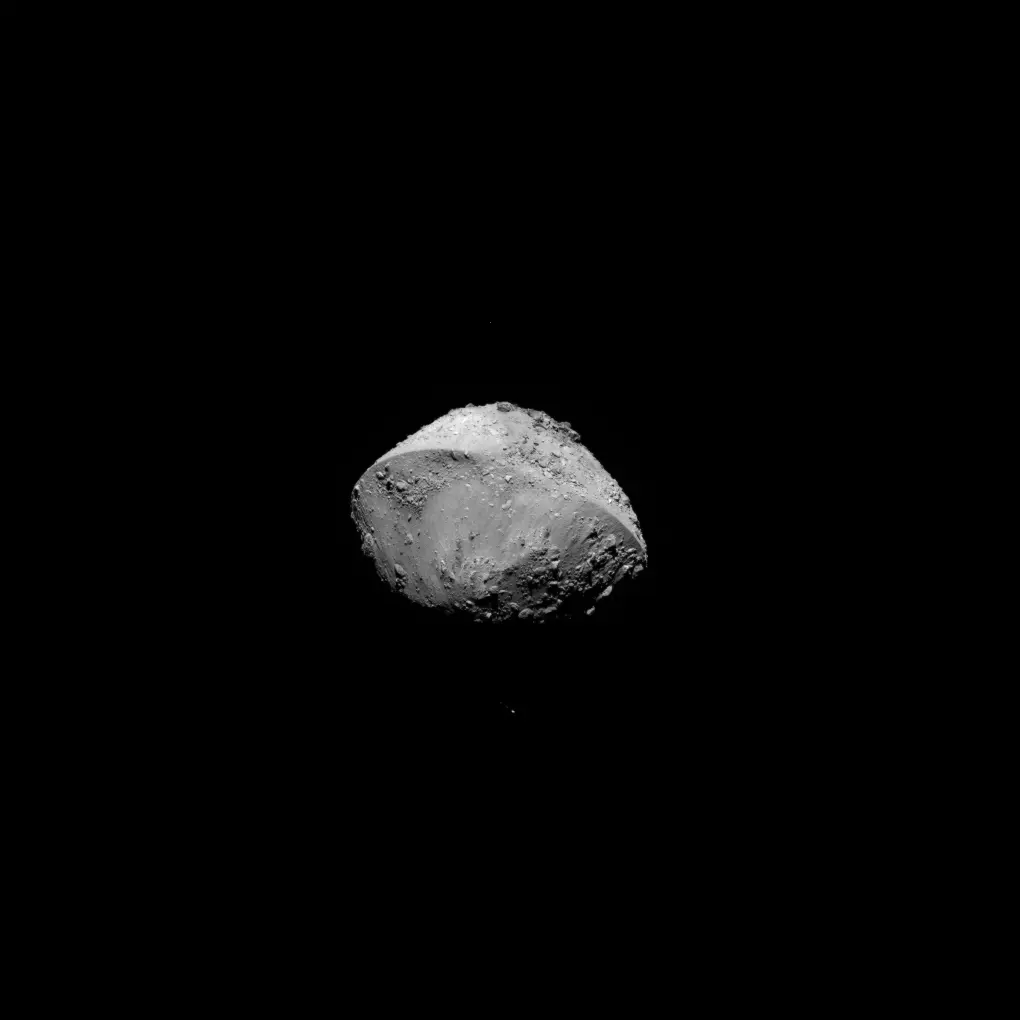
Around four years ago, humanity intentionally hit an asteroid. The Double Asteroid Redirection Test (DART) was by pretty much all measures a resounding success when it struck the asteroid moonlet Dimorphos going more than 22,000 kilometers per hour. However, we still don’t know just how much of a success it actually was - DART was a one-way mission with no real way to track the results of the impact close up. Enter Hera, the European Space Agency (ESA) mission that recently arrived in the…
U
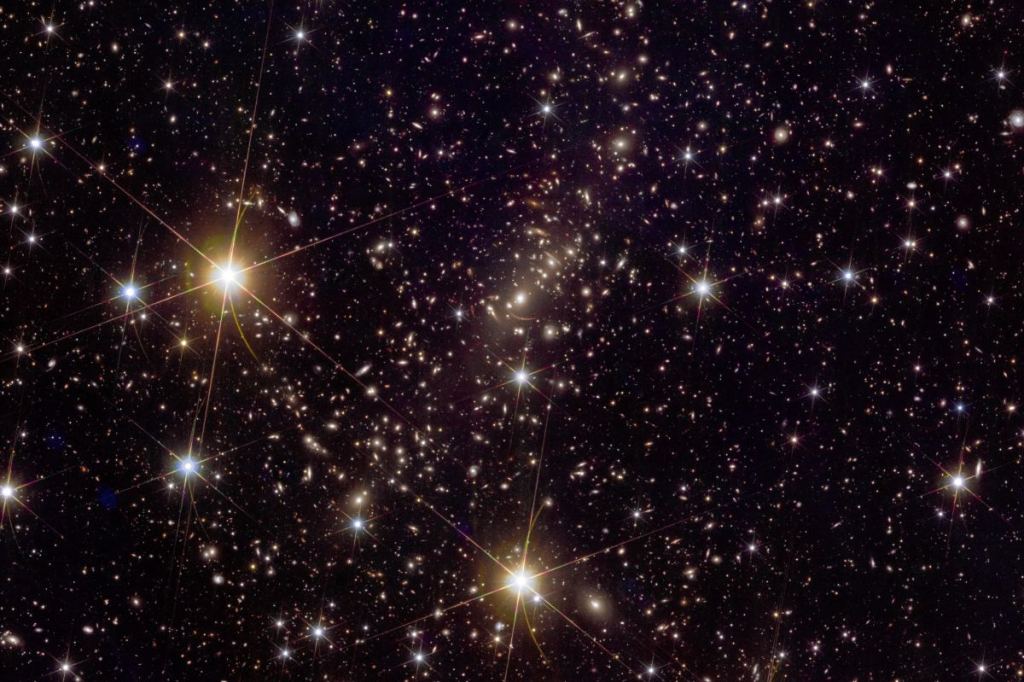
Euclid was launched to build a 3D map of the sky to probe cosmic structure and the Universe's expansion. Part of its job is to hunt for strong gravitational lenses, important probes of dark matter. So far it's off to a great start. It found 15,000 strong gravitational lens candidates in its first data relase.
U
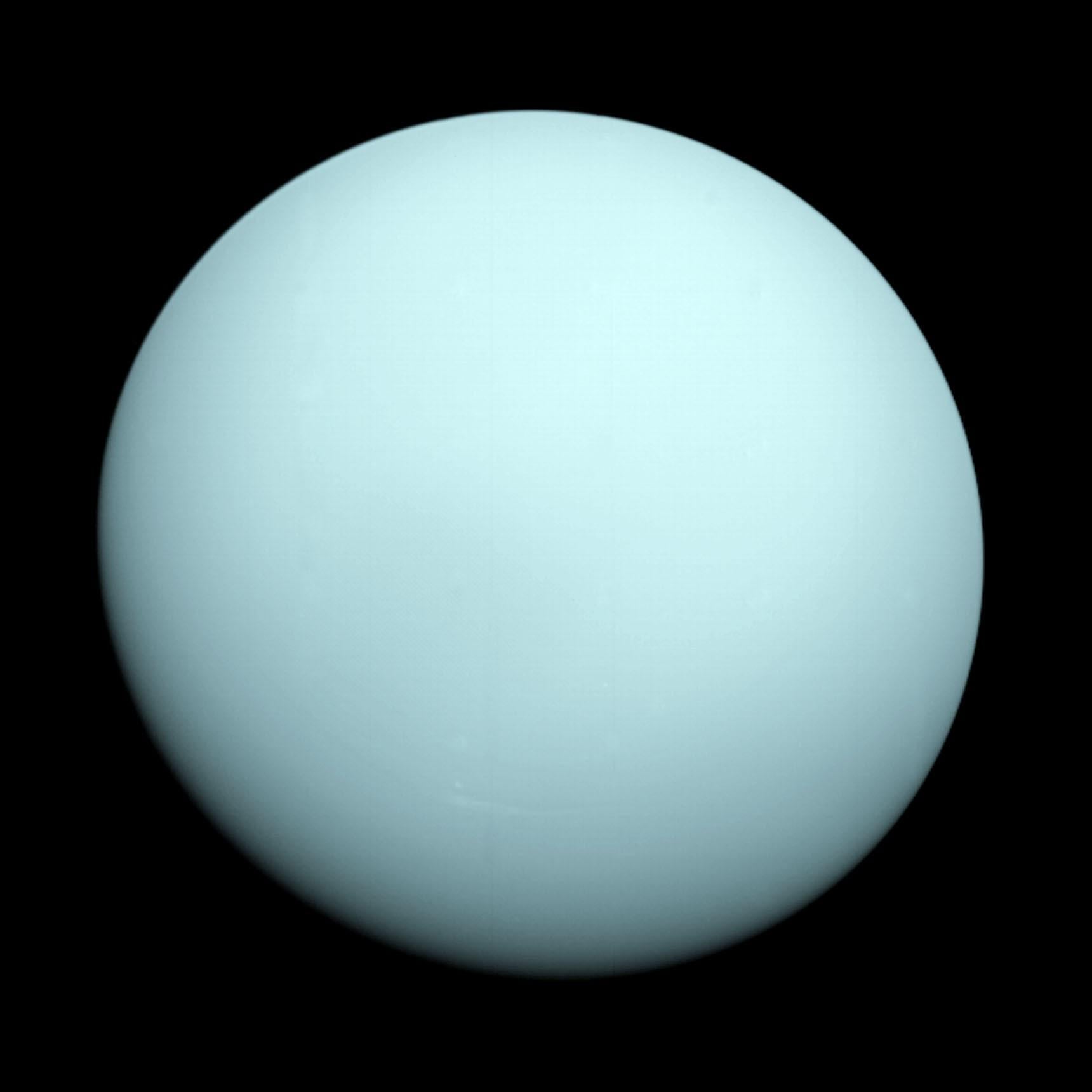
The outer planets are ever so slowly starting to sneak back into the evening sky this month. First, Saturn crossed this mark last month on October 4th, then Neptune followed suit on September 26th. Now, the planet Uranus makes the transition, crossing opposition next week.
U
The European Research Council (ERC) announced the winners of its latest Advanced Grant competition. Among the awardees is Prof. Anton Wallner from the Helmholtz-Zentrum Dresden-Rossendorf (HZDR), whose project SUPREME attempts to reconstruct the history of nearby cosmic explosions over the past 500 million years and shed light on how nature creates its heaviest elements.
U
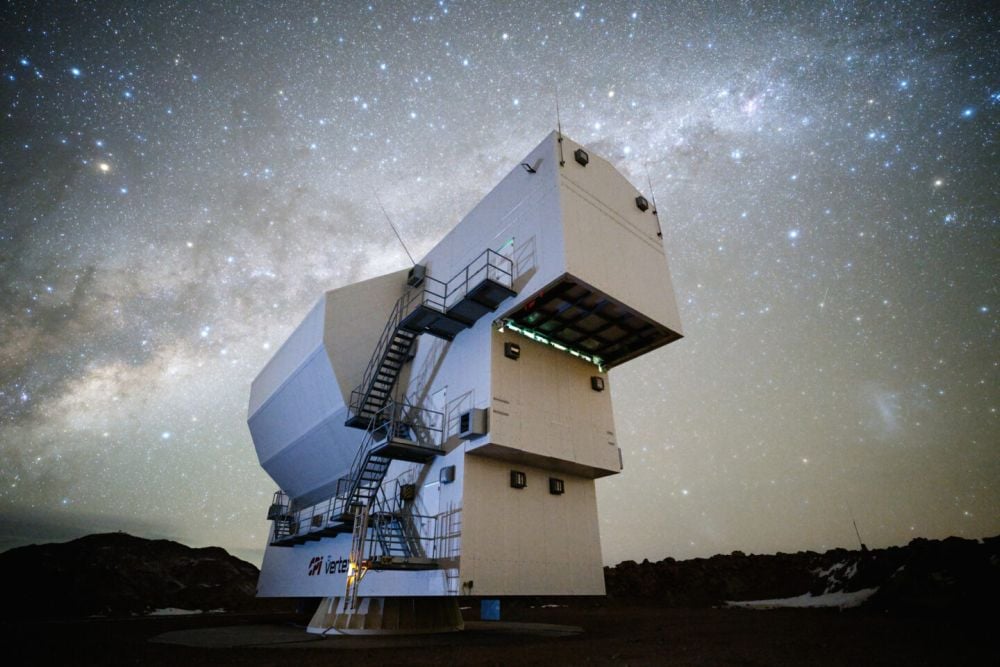
The Simons Observatory is online and surveying the Cosmic Microwave Background (CMB) in greater detail than ever before. It's looking for tiny fluctuations in the CMB caused by primordial gravitational waves. These waves, if detected, would be as close to slam-dunk evidence for the Big Bang that we can expect to find.
U
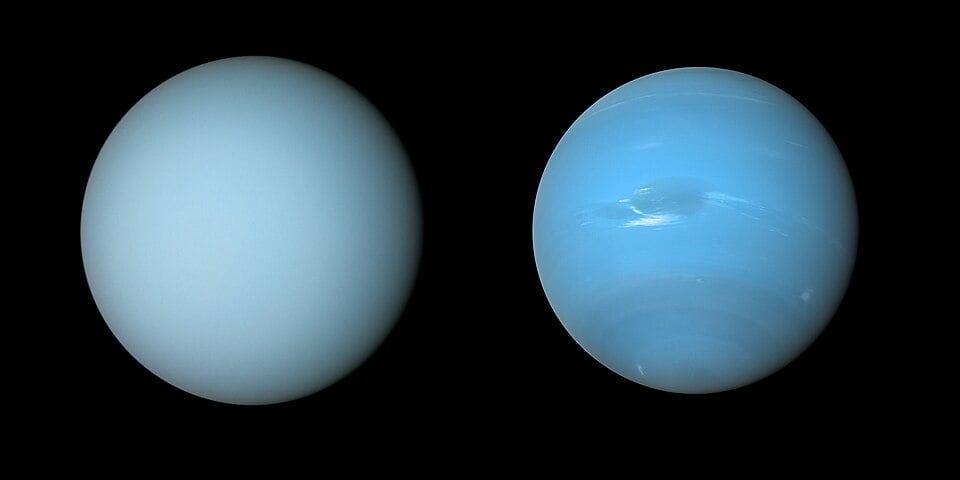
For decades, astronomers have divided the planets in the outer solar system into two distinct camps. Jupiter and Saturn were the “gas giants” made up primarily of hydrogen and helium. Uranus and Neptune were the “ice giants”, and were much smaller but were packed with heavier elements. A new paper from Olivier Mousis of the Southwest Research Institute and his co-authors, available in The Planetary Science Journal, explores whether we can use an isotope of a noble gas - argon-40 - to determine…
U
Astronomers used the Very Large Baseline Array of radio telescopes to measure a pair of active red dwarfs with extreme precision. One of the stars is an extreme type of red dwarf called a Complex Periodic Variable. This is the first time one of these stars has been measured accurately in a binary system.
U
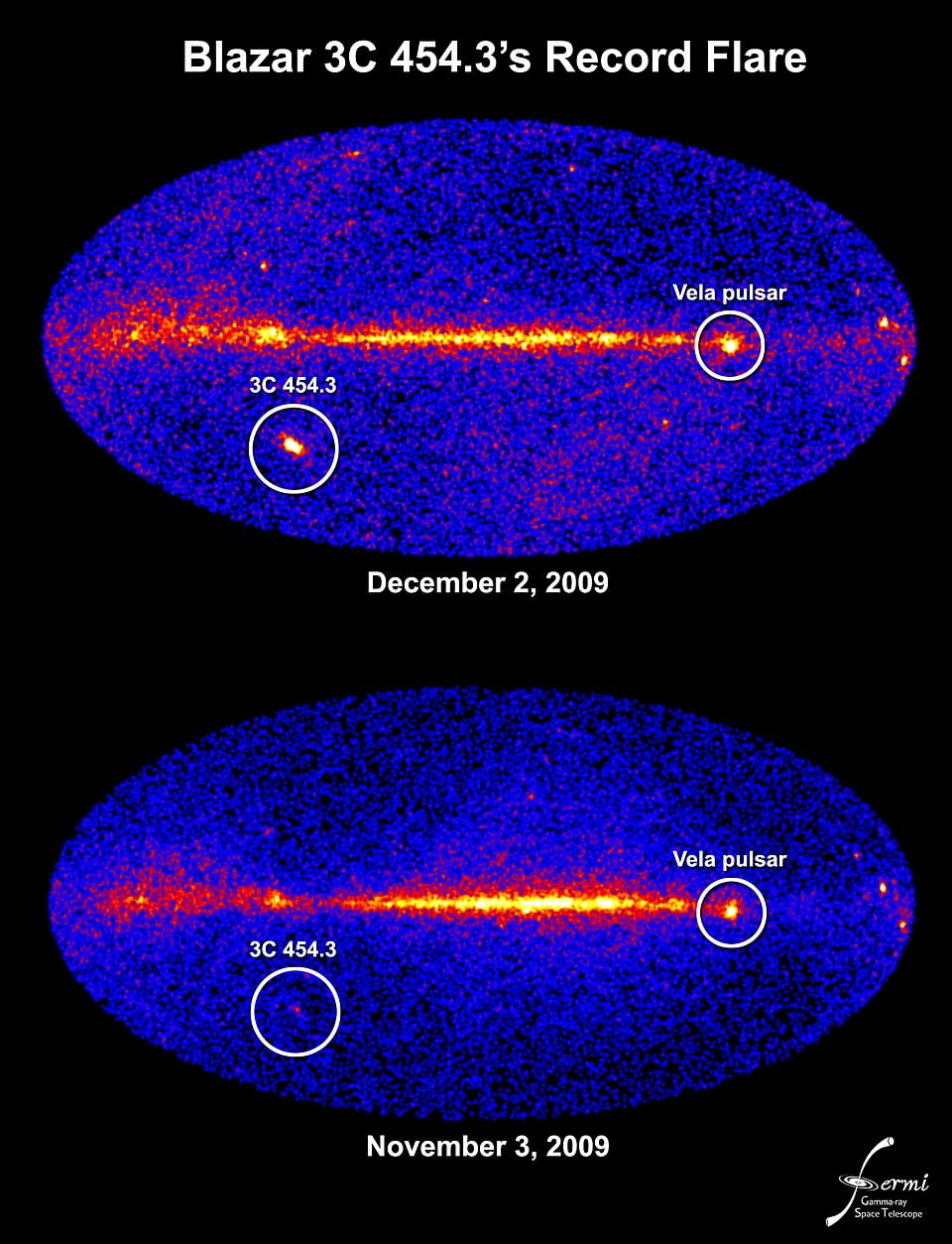
Gamma rays, the most high-energy type of electromagnetic radiation in the universe, have always had a blind spot. We’ve always had trouble measuring them in the “mega-electron volt” (MeV) energy range, which astronomers have taken to calling the “MeV gap”. But a new paper from an international group of scientists working with the Fermi Large Area Telescope (LAT) Collaboration recently published a paper in The Astrophysical Journal Supplement Series that takes a stab at closing that gap by…
U
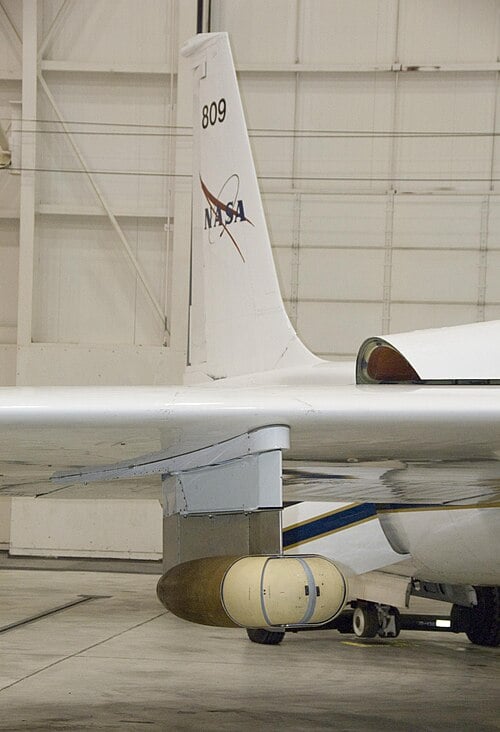
Astronomers can find valuable information in even the tiniest objects. That was certainly the case recently when twelve dust grains collected by a high-altitude aircraft helped solve a mystery about the birth of our Solar System. Or at least that is the argument in a new paper published in Science Advances by researchers at NASA’s Johnson Space Center and UCLA. According to the paper, the region beyond Neptune once had a massive isolated reservoir of “heavy water” that never mixed in with the…