U
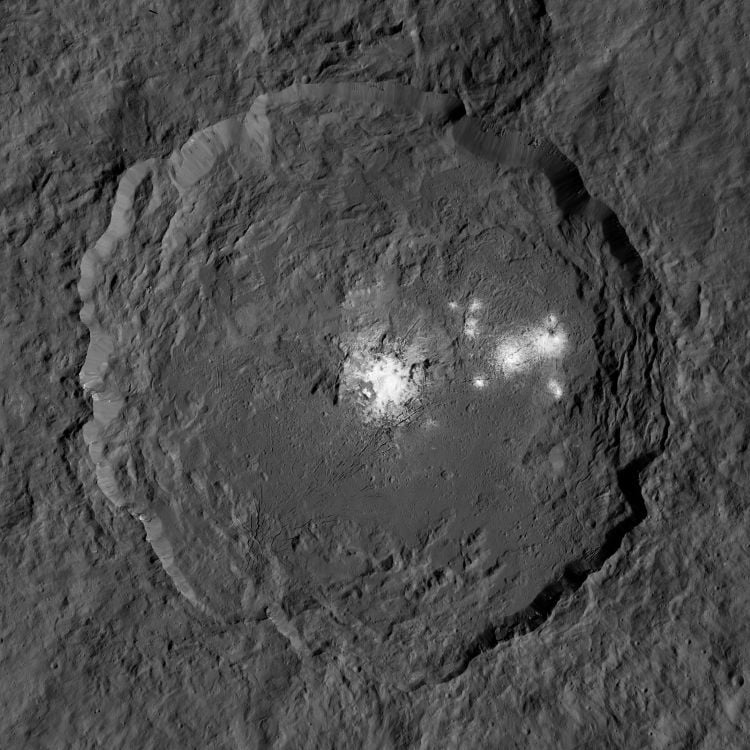
The dwarf planet Ceres is arguably one of the most overlooked and underappreciated planetary objects in the entire solar system. This could be because while Ceres has the same dwarf planet designation as Pluto, Ceres is largely considered an “asteroid” since it resides the in main asteroid belt. However, along with being the largest object in the main asteroid belt, Ceres’ mass comprises between 25 to 30 percent of all the mass of the entire main asteroid belt. Despite its lack of recognition,…
U
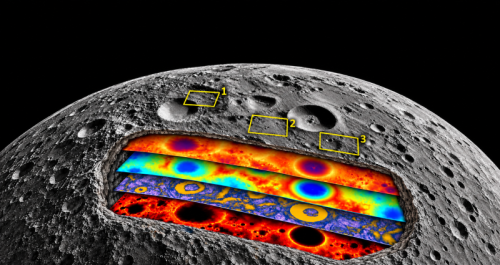
NASA plans to return astronauts to the lunar surface in 2028 for the first time since Apollo 17 in 1972. But the famed agency has no intention of stopping there, as they plan to establish a permanent human presence on the Moon through a slow and meticulous process involving power, resource extraction, and habitat technologies. However, with the soaring use of artificial intelligence (AI) in our everyday lives, how could this emerging technology be used to identify new landing sites for future…
U
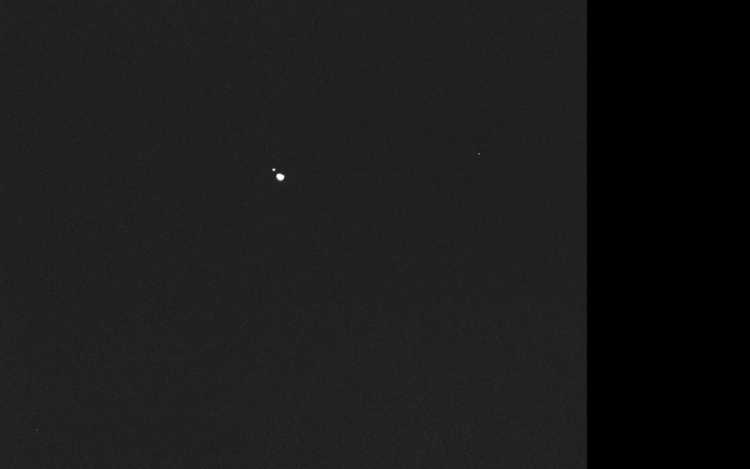
Planetary defense is a growing concern among the scientific community, as efforts have been made to design and implement missions meant to deflect incoming threats to the Earth well in advance. In 2022, NASA intentionally collided the Double Asteroid Redirection test (DART) planetary defense spacecraft into the smaller asteroid of the binary asteroid, Didymos and Dimorphos, with the latter being the smaller one. While the goal was to ascertain if deflecting an asteroid is feasible, how did this…
U
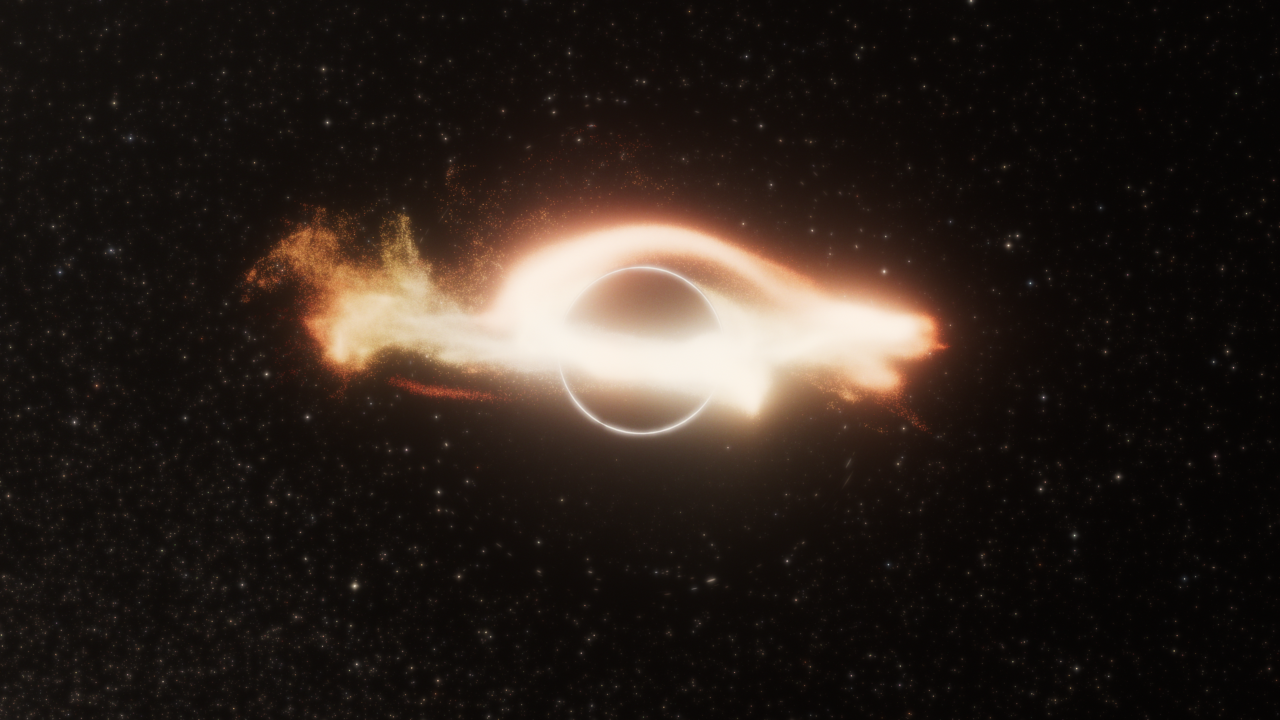
We all know that black holes can collide. It has happened since black holes began to form, early in cosmic time. The result is always a clash that gives off gravitational waves and a giant bang. Since black holes have such strong gravity, it's almost impossible to imagine a way that any force could break one apart. Yet, that's the task that a group of scientists in Europe set for themselves.
U
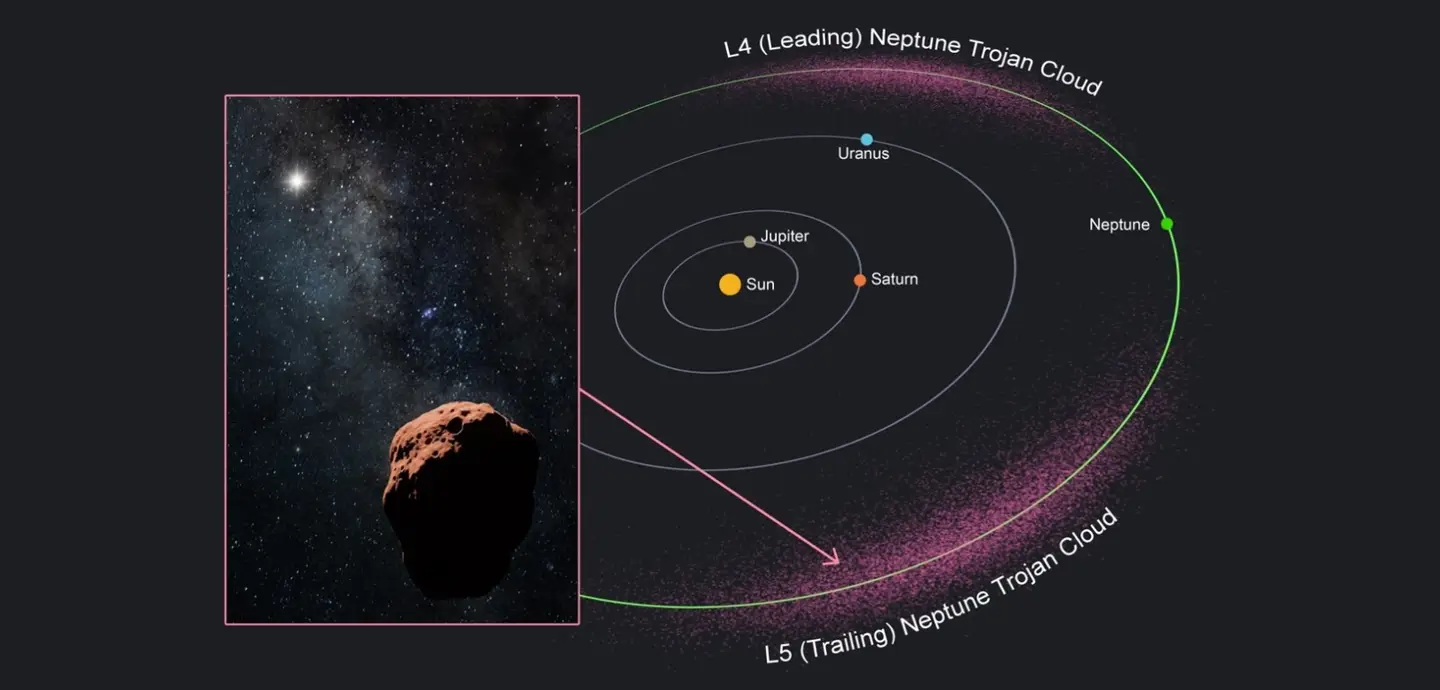
Astronomers at Queen’s University Belfast have led an international team studying new solar system bodies near Neptune, helping to unravel the mysteries of our solar system’s evolution.
U
Ancient Martian meteorites are like time-capsules from the planet's past. They're delivered to us by impacts that launch them into space, where some of them find their way to Earth. One recently discovered meteorite found in the Sahara desert adds weight to the idea that Mars was once warm and wet, and possibly habitable.
U
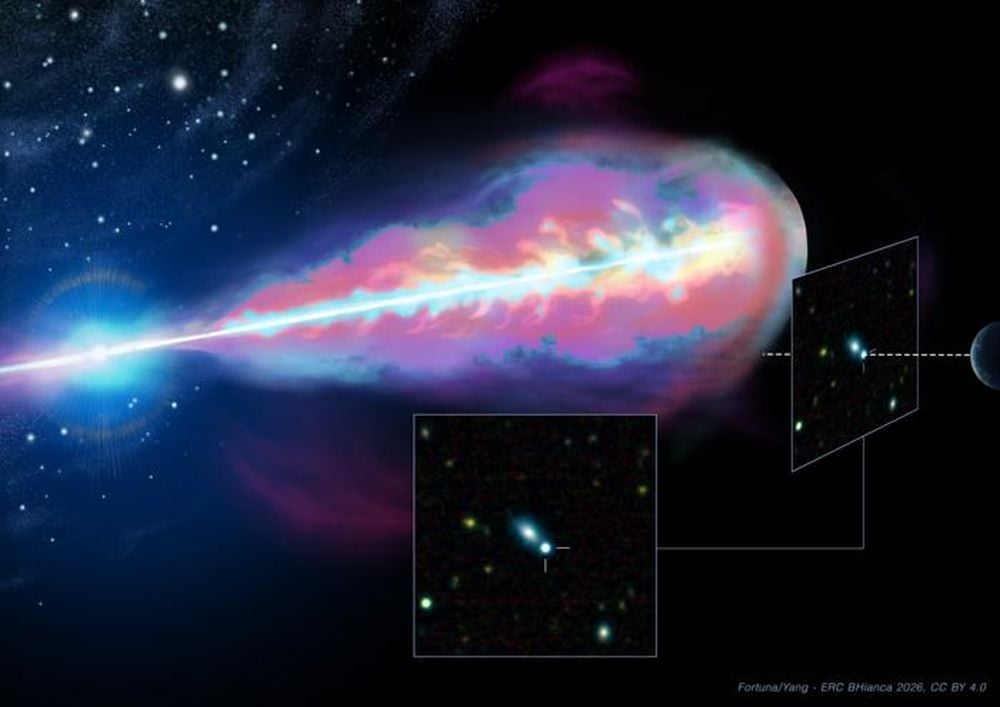
In March 2026, NASA's Fermi Gamma-ray Space Telescope detected a GRB with an unusual light signature. Its initial gamma radiation was dim, and the afterglow exhibited unusual, delayed peaks. As it turns out, we were seeing it from a side angle, and the GRB actually packed one billion years of the Sun’s energy output into a thin beam.
U
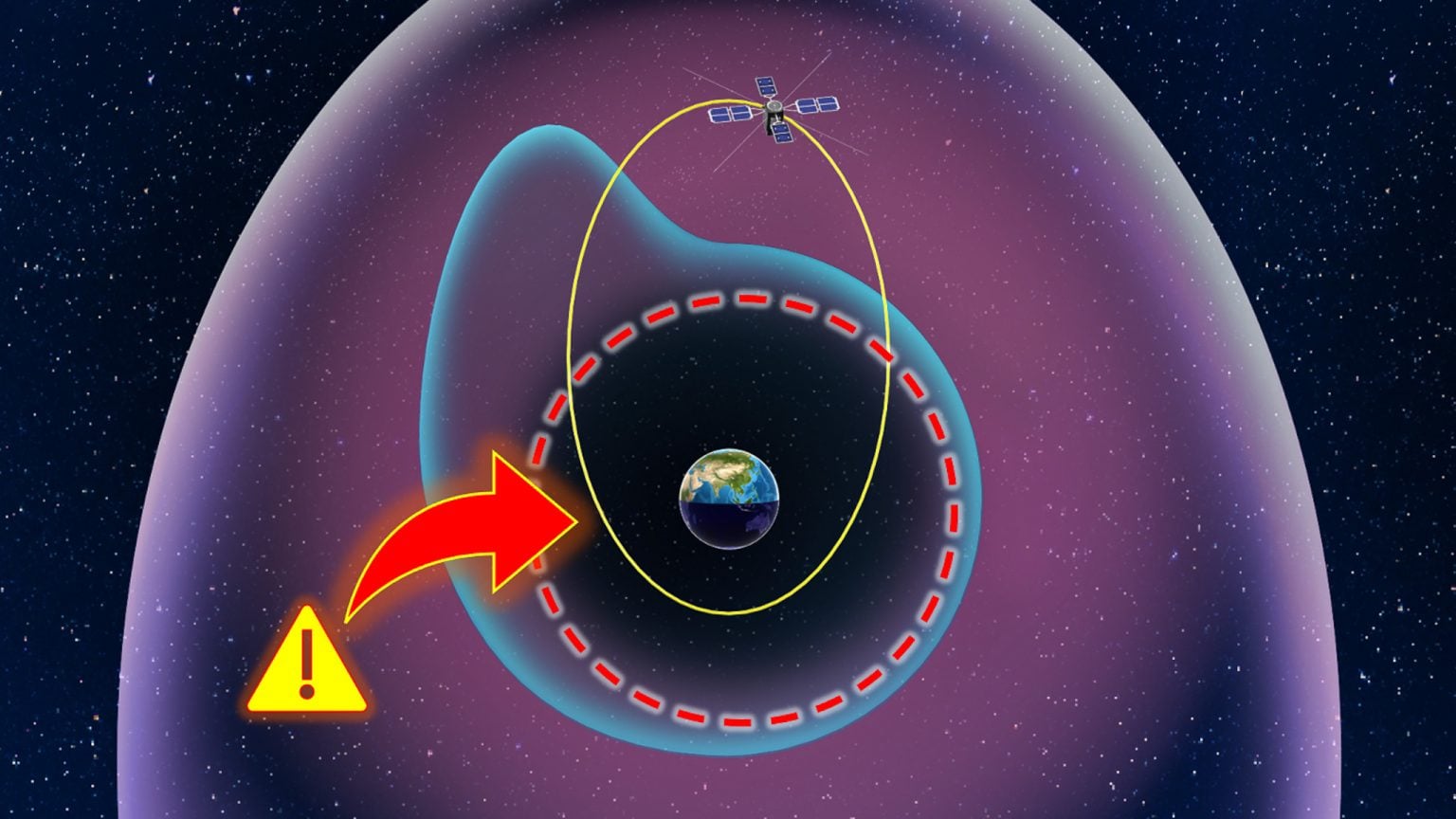
Remember the big solar storm back in May 2024? The one that caused auroras as far south as Florida and Mexico? Scientists are still parsing out the impacts that storm had on the local environment, and a new paper published in Geophysical Research Letters by Yoshizumi Miyoshi of Nagoya University and his co-authors shows it might have allowed some nearby electrons to accelerate to relativistic speeds using something called a chorus wave.
U
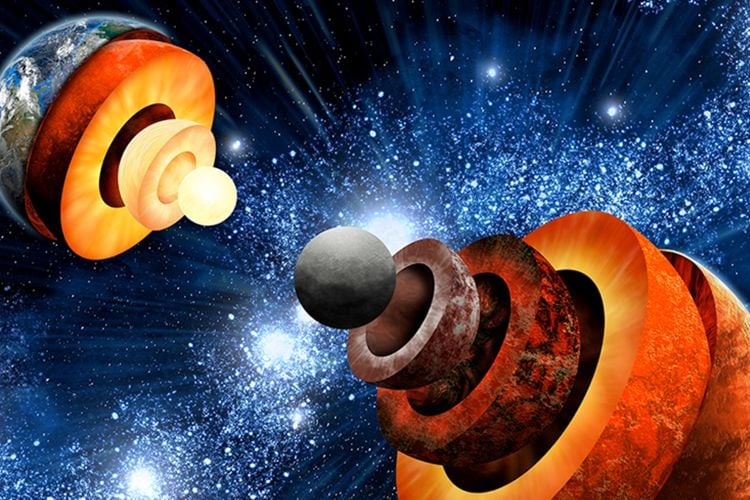
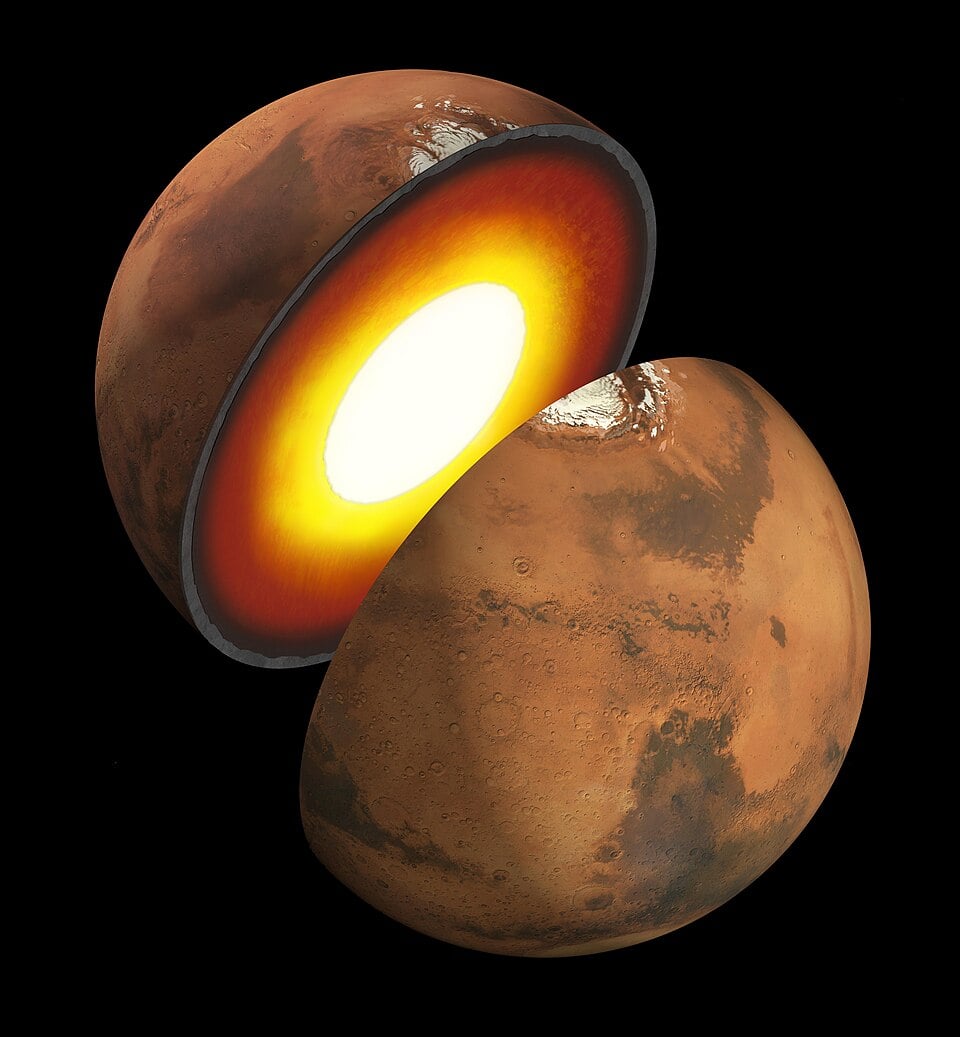
Studying the interiors of planets is essential for understanding planetary formation, evolution, and their ability to potentially host life as we know it. To accomplish this, researchers use a combination of Earth as an analog, computer models, meteorites, and data collected from other planetary bodies for studying their interior compositions. As a result, scientists have determined that the elements of magnesium and silicon are the most abundant planetary building blocks. And, under extreme…
U
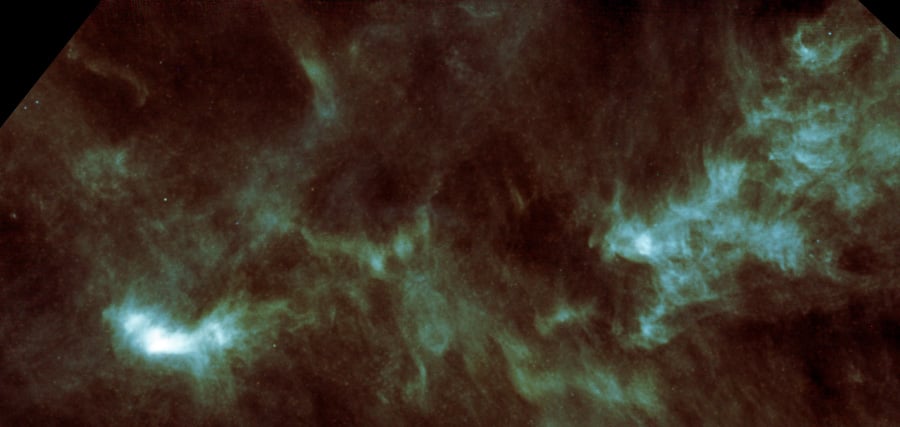
Astronomers using the Chandra X-ray Observatory (CXO), the James Webb Space Telescope (JWST) zeroed in on a wispy-looking region of the Carina Nebula and found a ghostly looking cloud seemingly floating in isolation among the other clouds of gas and dust. Just in time for Hallowe'en, although, it turns out that little cloud isn't the soul of departed stars. Instead, it's a region of the nebula has been actively engaged in creating batches of hot, young new stars.
U
Star formation is a complicated process. It involves metallicity, gas temperature and density, dust grains, and stellar feedback from existing stars. Sometimes, studying all these factors and how they work means studying some of Nature's most beautiful structures, like the Cat's Head nebula in the Carina Nebula.
U
The latter half of the 20th century saw a major expansion of the Search for Extraterrestrial Intelligence (SETI), accompanied by corresponding advances in Messaging Extraterrestrial Intelligence (METI). A key development was the first interstellar SETI and METI experiments: Project Ozma and the Arecibo Message.
U
Earth may not have needed comets and asteroids to deliver its water after it formed and cooled. Instead, water creation could have been part of the planet's formation process. New research explains how, and even shows that water creation could be a part of every rocky planet's formation.
U
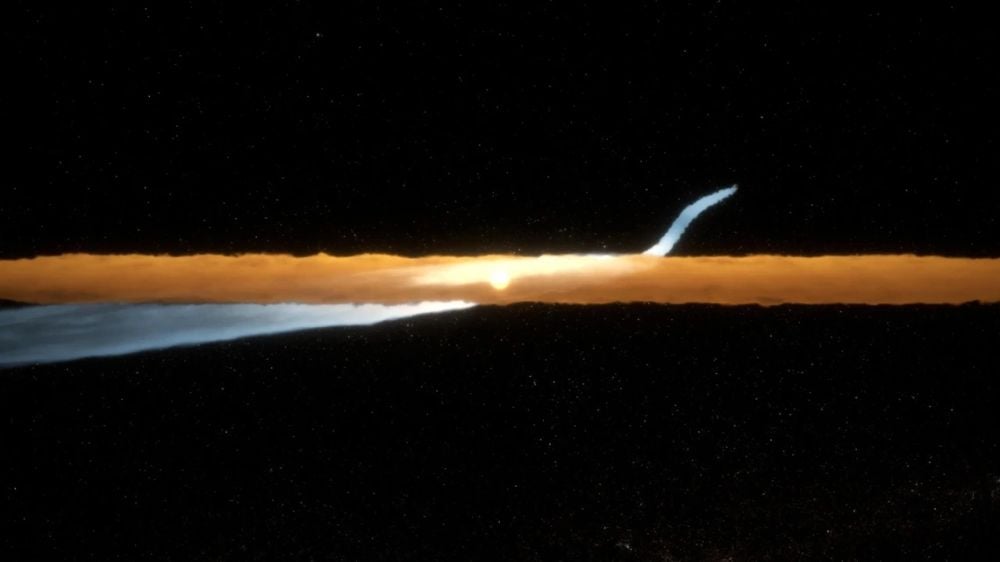
The Beta Pictoris system is only about 63 light years away. At only about 23 million years old, it's a sort of analogue for our Solar System when it was much younger. Observations show an elongated dust feature named the 'Cat's Tail' that has puzzled researchers. New research says it's the result of two colliding dwarf planets, something that was sure to have happened in our Solar System when it was young.
U
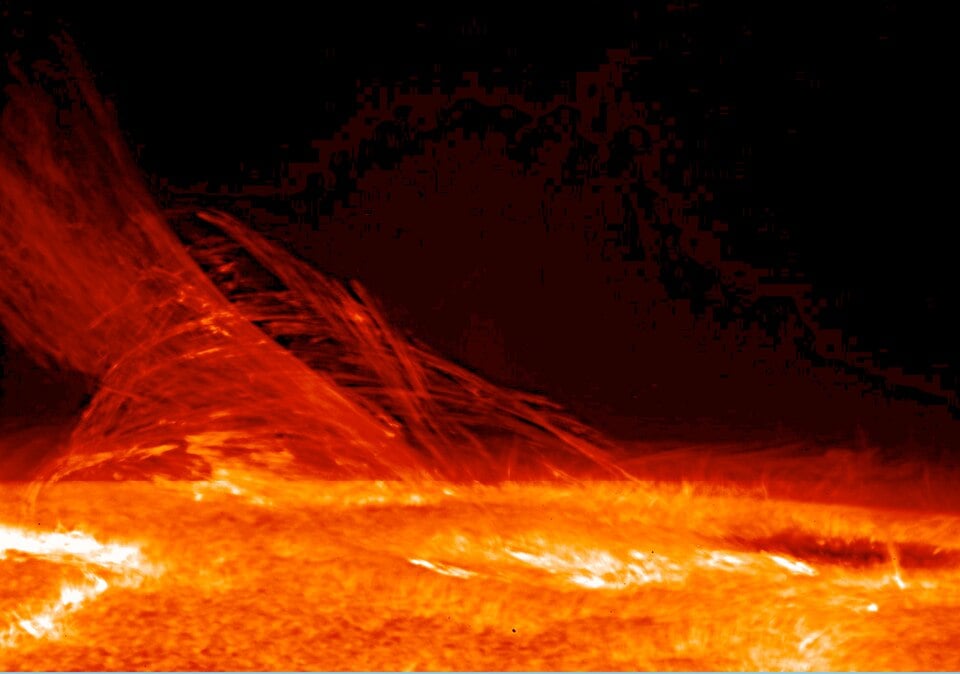
The torrent of corona related discoveries keeps coming. Lately we’ve covered a variety of potential solutions to the “coronal heating problem” - why the Sun’s corona is so much hotter than its surface. Now, a paper led by a team of researchers from the University of Newcastle, Indian Institute for Astrophysics, and University of Sheffield, offers another answer - that we’ve been viewing the “spicules” that form in the lower solar atmosphere all wrong.
U
Living on the Moon, with either trained astronauts or regular civilians, could become a regular occurrence in the near future. However, it’s easier said than done, as scientists and engineers continue developing new and advanced ways for protecting humans in the harsh lunar environment, which contrasts the mild and habitable temperatures of the Earth. The most important aspect is focusing on keeping humans alive, and this includes temperature regulation within the habitats. However, how can you…
U
Virgin Galactic is back in the spaceflight spotlight with the unveiling of a shiny new object: an updated Delta-class suborbital space plane with an exotic name.
U
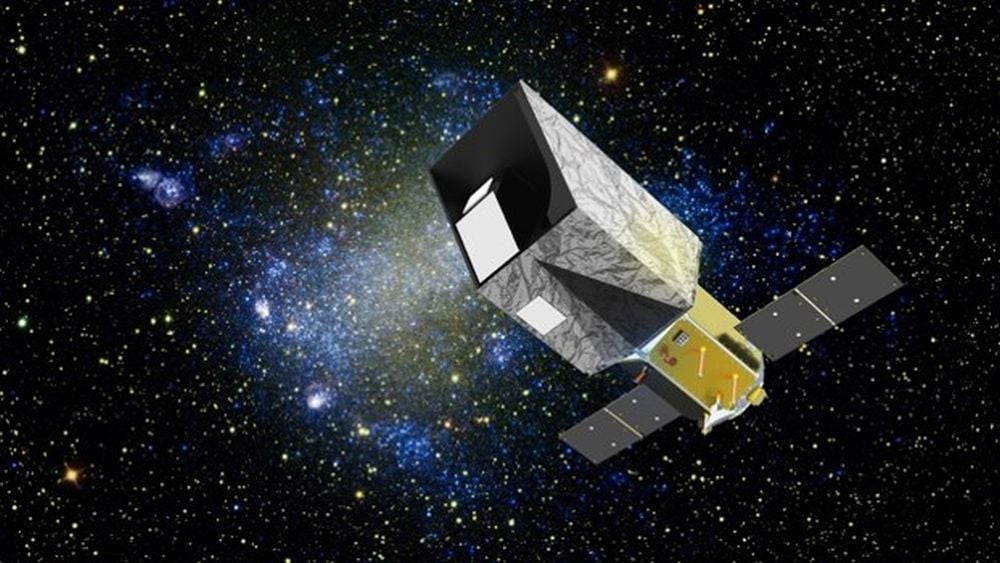
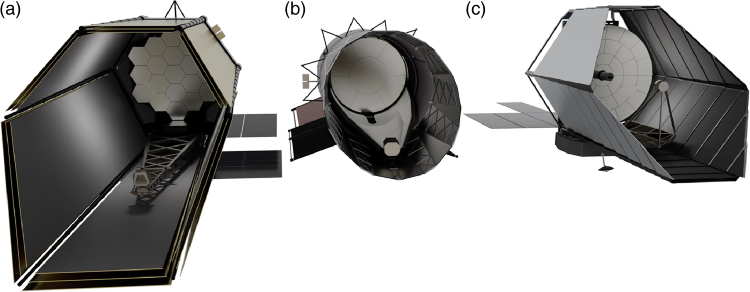
NASA has committed to launching a new, more powerful UV space telescope. Named UVEX, the UltraViolet EXplorer, it will launch in 2031. It's about 100 times more powerful than its predecessor, GALEX, whose mission ended in 2013. UVEX will perform a survey in UV that will complement infrared surveys by other telescopes.
U
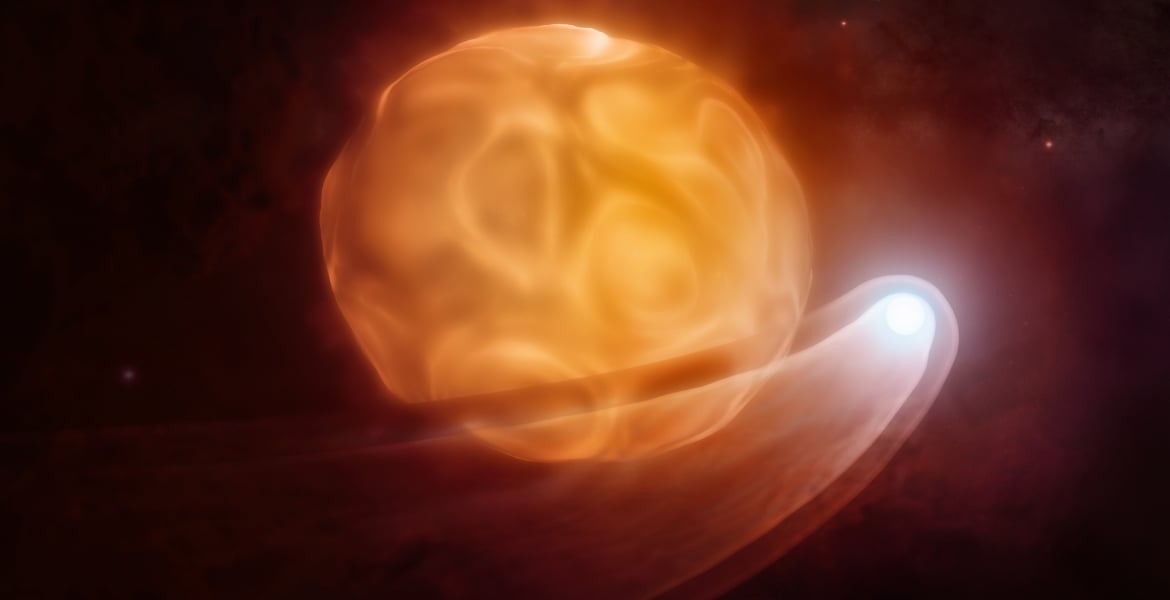
Betelgeuse has a close-orbiting companion that disturbs the red supergiant into an egg-like shape. New observations show how the two stars interact and how this could help explain the varying brightness of Betelgeuse.
U
Finding an Earth-like world beyond the solar system is the Holy Grail of exoplanet research, and the field has experienced incredible technological advancements in searching for and identifying exoplanets since the first exoplanet was discovered in 1995. This includes both ground- and space-based telescopes, specifically the powerful James Webb Space Telescope. However, directly imaging exoplanets remains elusive, primarily due to the enormous technological challenge of imaging a point of light…
U
In 1985, the physicist Heinz R. Pagels wrote, "Stars are like animals in the wild. We may see the youung, but never the actual birth, which is a veiled and secret event." In the decades since then, astronomers have drawn closer and closer to figuring out what actually goes in the veiled stellar nurseries throughout the Universe. The tale of starbirth we know today invokes collapse of clouds of gas and dust into prestellar cores, but it still has many unknowns, such as the role of magnetic…
U
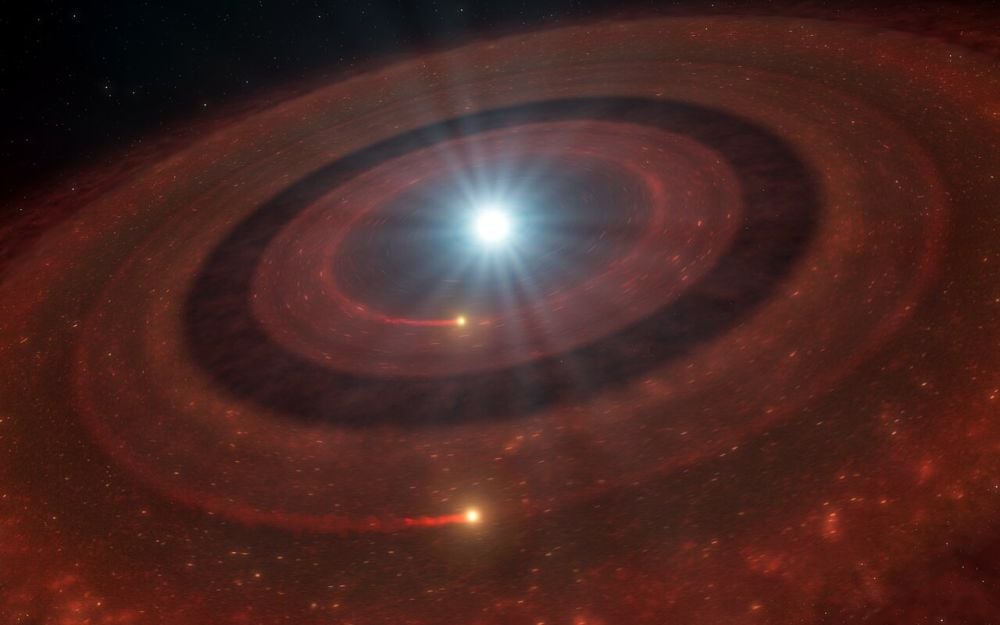
When a star like our Sun reaches its end, it becomes a kind of zombie star called a white dwarf. These bodies have left fusion behind and will radiate only remnant heat for a long, long time. Before they become white dwarfs, they expand, engulf, and destroy any nearby planets. Astronomers have spotted a debris disk around a white dwarf, made from the dust of destroyed planets. Observations show that two new resurrected planets have formed in this disk, creating dead planets orbiting a dead star.
U
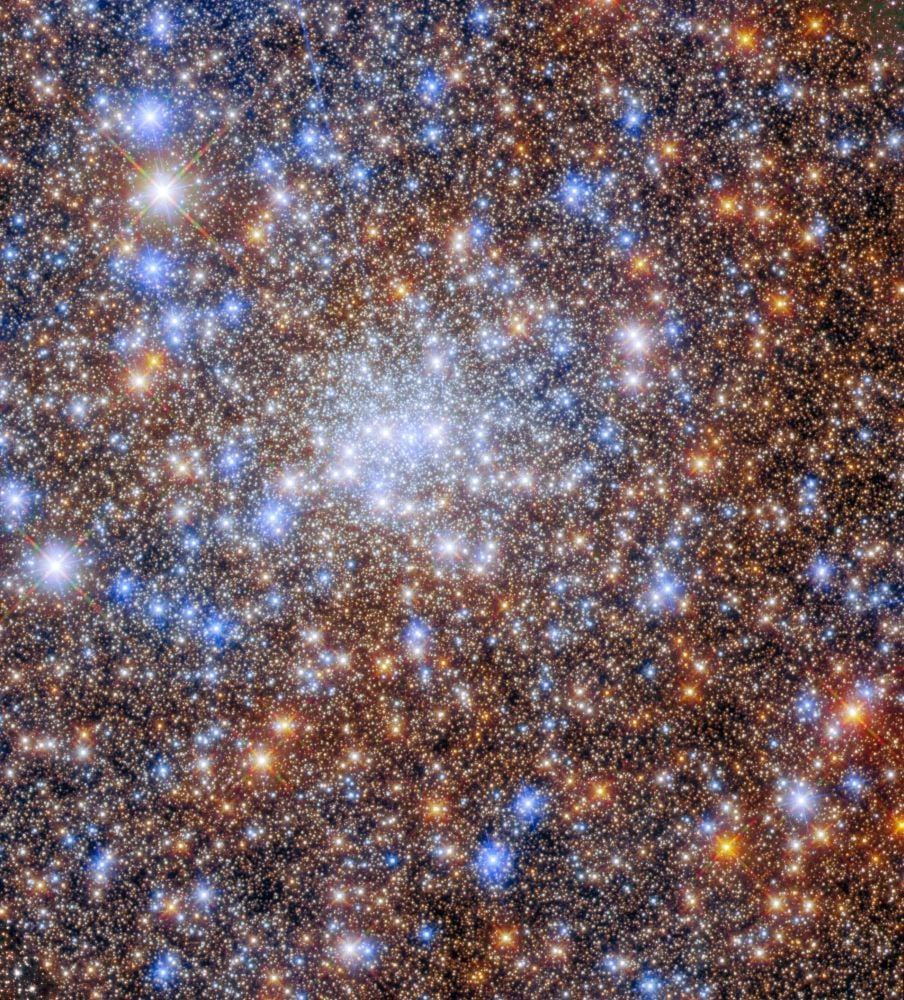
Dense stellar environments were common in the early Universe. These environments fostered more numerous stellar collisions, and some of those would've been mergers that formed very massive stars. Those stars would've exploded as supernovae, becoming massive black holes, the potential seeds for today's supermassive black holes.
U
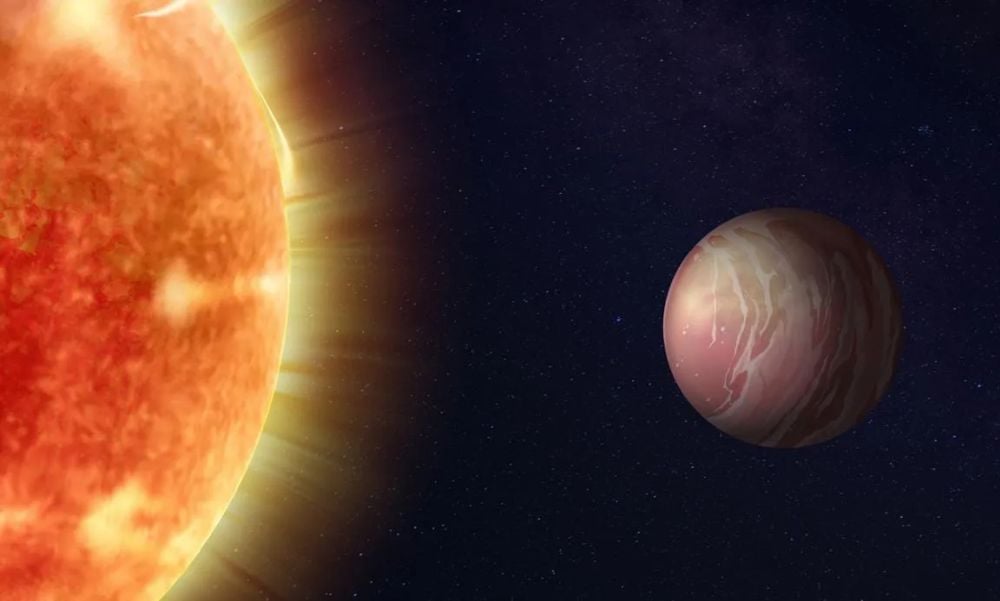
Exoplanets extremely close to their stars are expected to have lost their atmospheres. But one of them, TOI-561 b, seems to have a thick atmosphere. Understanding how this super-Earth has an atmosphere is challenging.
U
The Nancy Grace Roman Space Telescope will use gravitational microlensing to study dark matter. But it's a wide-field survey telescope, and the venerable Hubble Space Telescope can do things it can't do. That's why the Hubble is lending a hand.
U
A history of a planet’s volcanic activity is contained in its rocks. And Mars’ rocks - or at least many of the meteorites that have made the journey from it to Earth - were telling a contradictory story. They appeared to be highly oxidized, but our understanding of the internal volcanic forces on Mars meant that they should have been formed in a reducing environment - the exact opposite of what the chemical makeup of the rocks themselves indicate. Now, a new paper published in the Journal of…
U
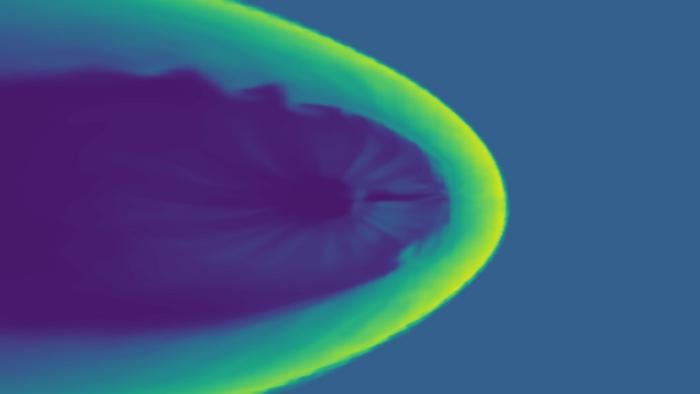
The Earth’s magnetic field is responsible for shielding us from harmful space weather, including solar radiation from the Sun but also cosmic rays originating from outside our solar system. Cosmic rays can include deep space supernovas, so the magnetic field takes the majority of the brunt from solar radiation. Without our magnetic field, the solar wind would slowly strip away our atmosphere, making life on our small, blue world impossible to exist. But where is the magnetic field doing the…
U
For as long as scientists have conducted SETI (Search for Extraterrestrial Intelligence) experiments, parallel efforts in Messaging Extraterrestrial Intelligence (METI) have also been mounted. In this series, we'll take a look at the major milestones in this field of study.
U
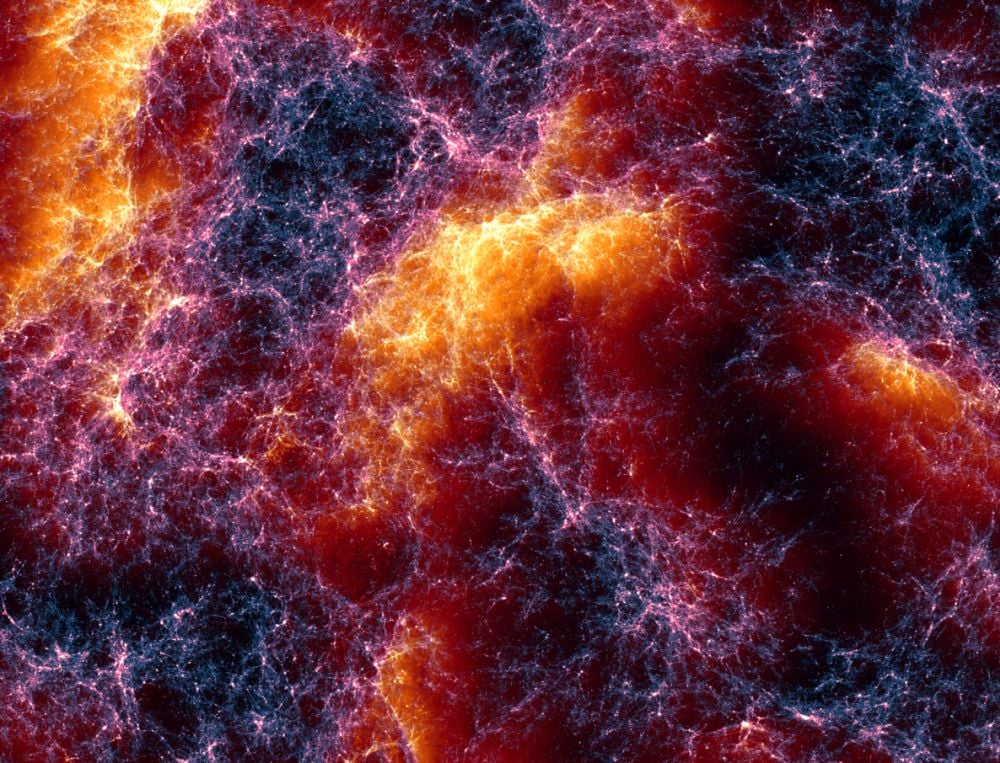
Cosmologists have another powerful simulation to work with. Lumina is the one of the largest and most detailed cosmological simulations yet and runs on the Frontier supercomputer. It's larger and more detailed than Illustris TNG.
U
Unlike the Moon, the Sun is constantly rotating from our perspective - but we still only see half of it at any given time. Since it takes 27 days to complete a full rotation, that leaves plenty of time for changes to happen to the side we can’t see that could directly impact Earth’s own space weather a few weeks later. Now a team of physicists led by Bibhuti Kumar Jha of the Southwest Research Institute has published a paper in The Astrophysical Journal Supplement Series that uses probability…