U
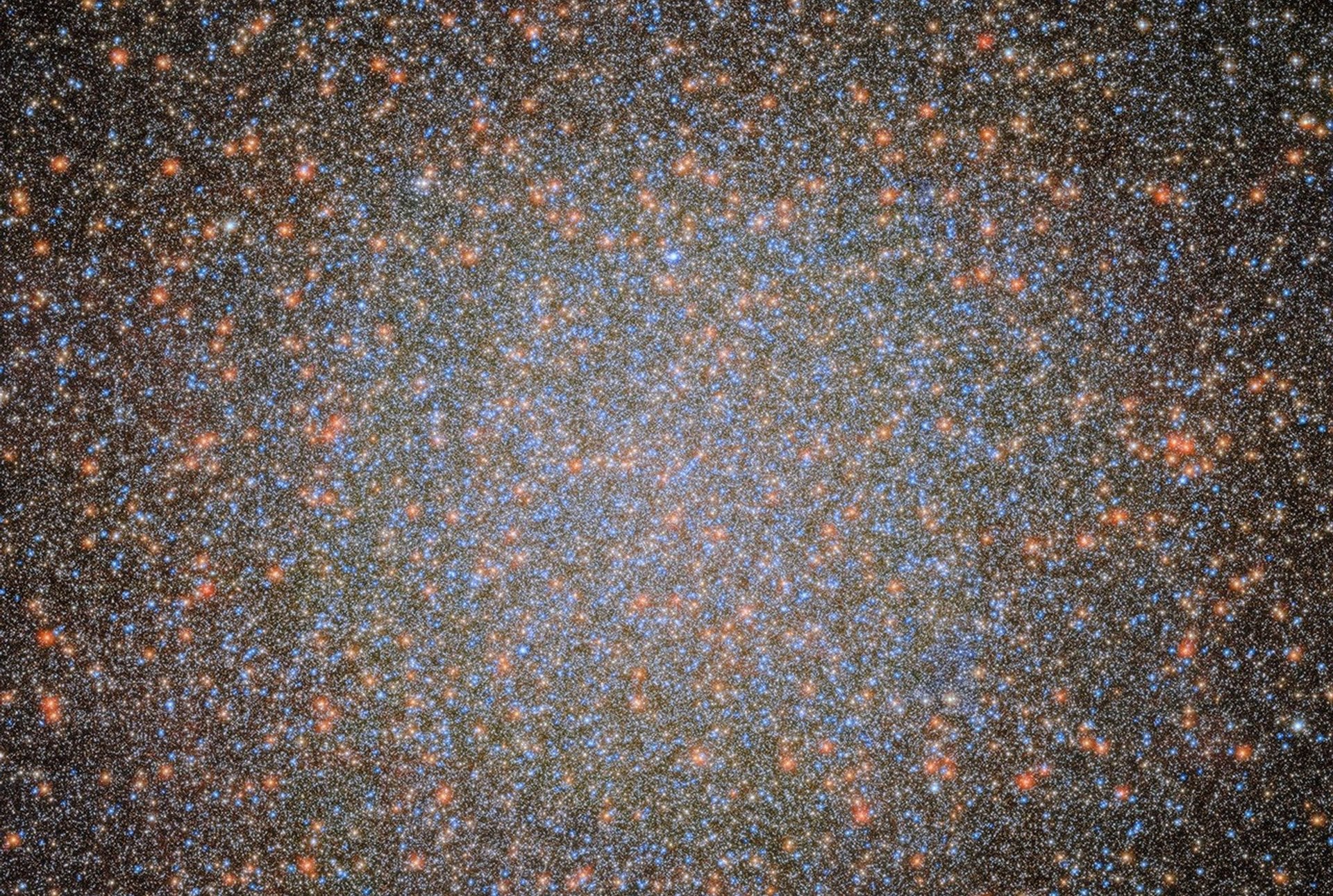
When low-mass stars like our Sun age, they leave the main sequence and follow the Red Giant Branch. As they ascend this branch, their luminosity steadily increases. But there's a sort of hiccup in the path called the RGB luminosity bump, where their luminosity suddenly dips. Astrophysicists have struggle to explain this, but one astrophysicist might have the answer.
U
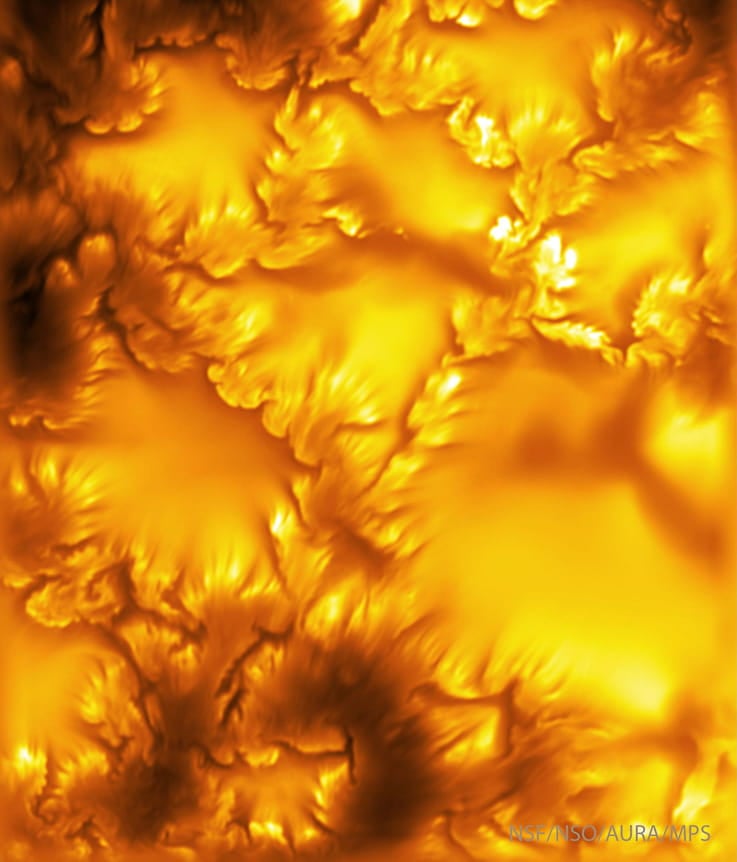
For the second time in a few weeks, we’re writing about research into the temperature gap between the Sun’s surface and its corona. More and more data from various missions continue to feed this wave of discovery. A new paper by Katariina Nykyri of Embry-Riddle, recently published in The Astrophysical Journal Letters, adds to this growing body of work. She argues that millions of tiny whirlpools scattered across the Sun’s surface could be the energetic engine driving that temperature difference.
U
Mechanical engineering assistant professor Erik Komendera developed a method that combines vibrations and AI to determine how deeply a rock is buried, helping robots clear terrain more efficiently.
U
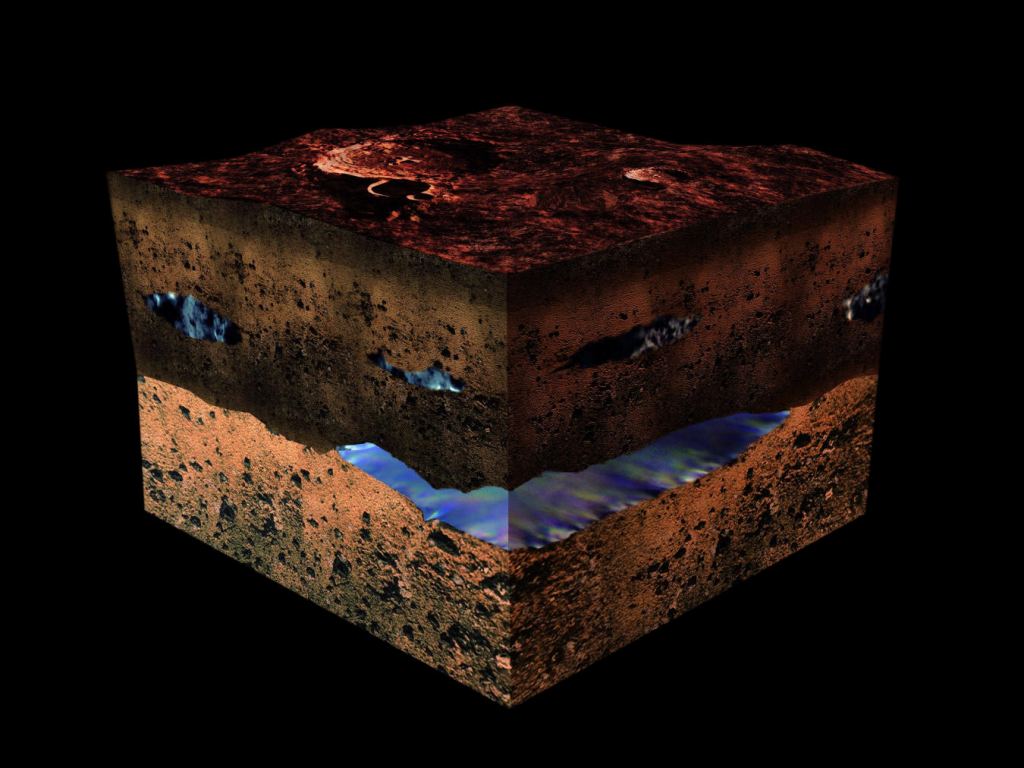
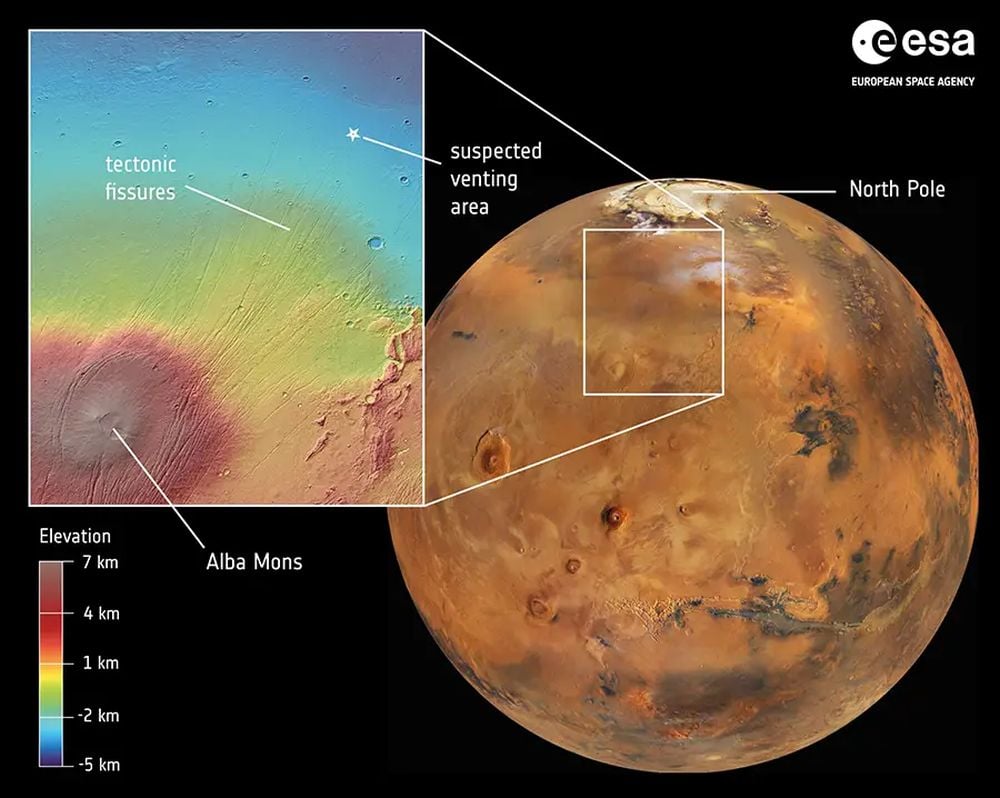
Mars may be more volcanically active than we thought, according to new research. The Trace Gas Orbiter detected HCl, a chemical associated with magma, at a time of year that's difficult except by volcanic origins. The new research also identified new surface fissures on Mars that could be the source of the chemical.
U
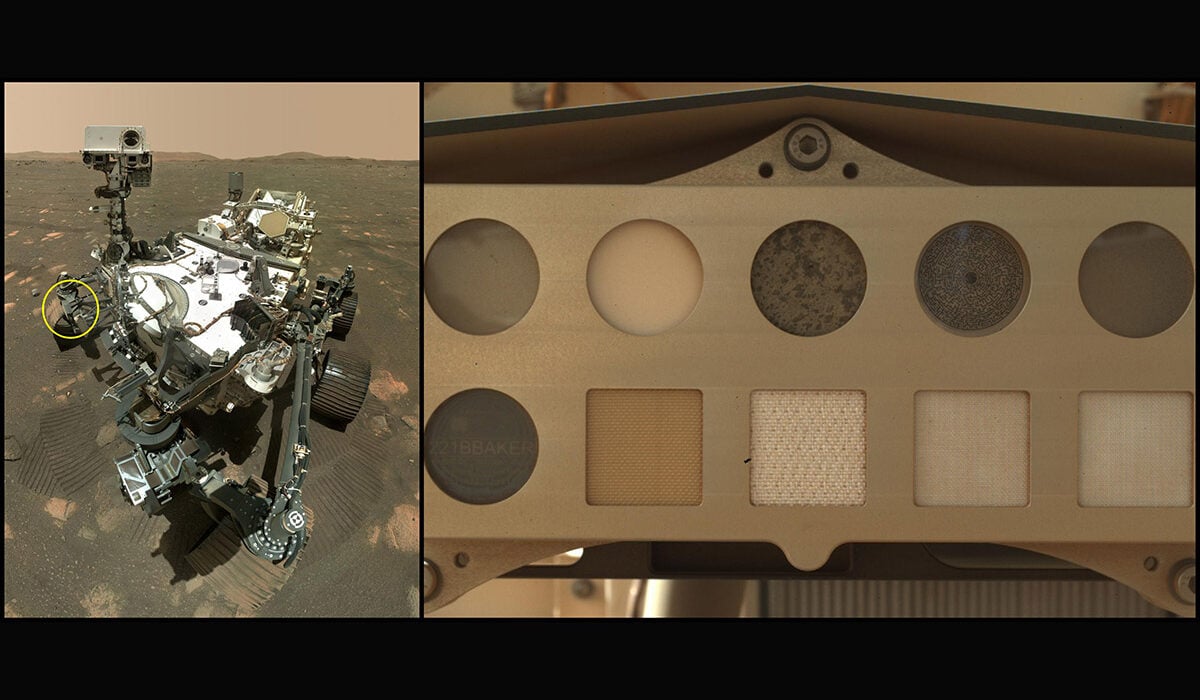
Researchers at Washington University examined how dust interacts with the spacesuit swatches on the Perseverance Rover. Future missions to Mars require that planners account for the effects of dust exposure on humans and materials.
U
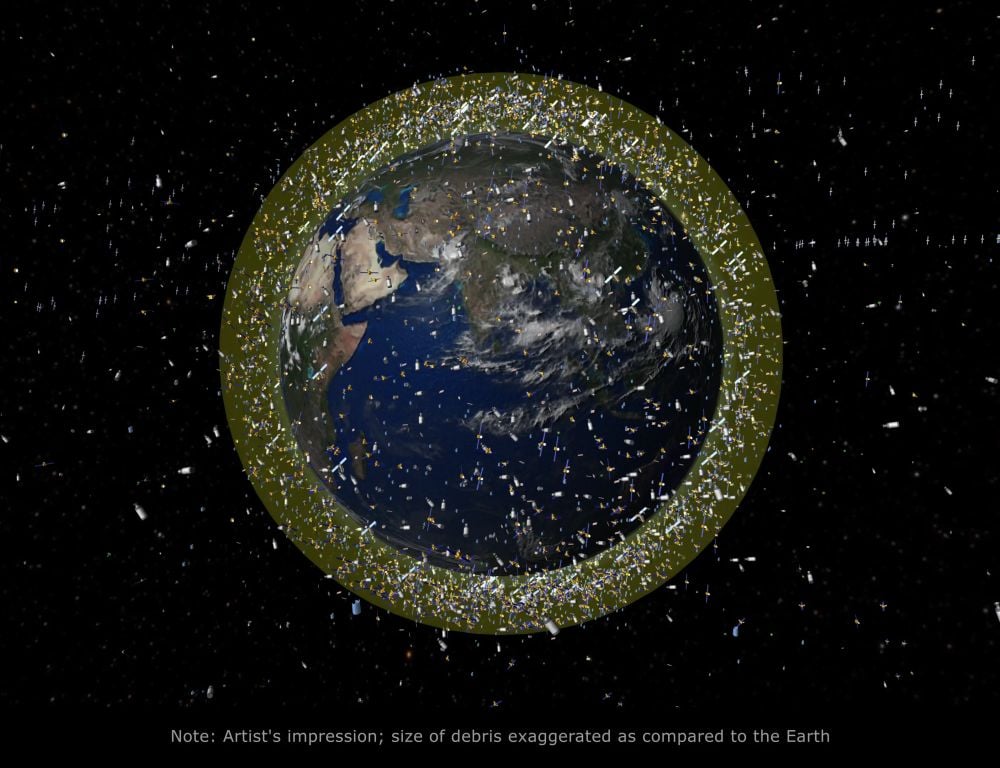
Thousands of so-called zombie satellites orbit Earth in the critical Low-Earth Orbit regime. They're either inactive or have stopped alerting other satellites to their presence. Researchers are building a system called CORTEX that can guide a repair satellite to autonomously dock with these zombies.
U
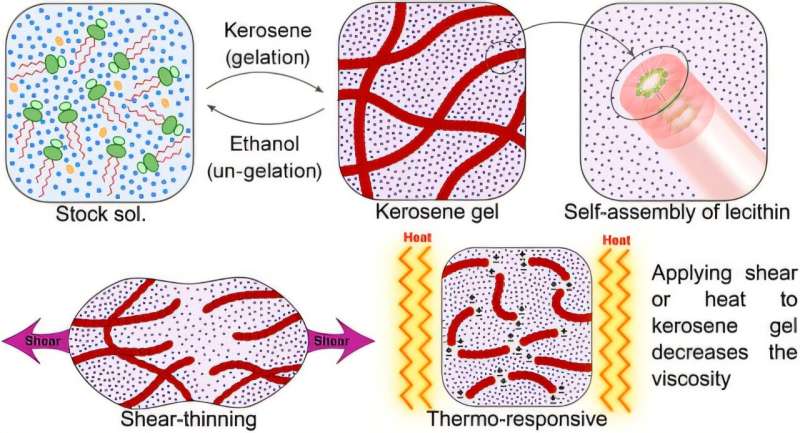
In propulsion system design, engineers have long faced a trade-off between solid and liquid rocket fuels. Each has advantages and disadvantages, and in an effort to try to min/max the efficacy of different types of fuel, researchers have long placed an emphasis on a hybrid between solids and liquids - in other words they’ve been working with gels. Unfortunately, gels have their own sets of problems to deal with. But a new paper published by Pranay Mudaliar and Jerin John of Concordia in the…
U
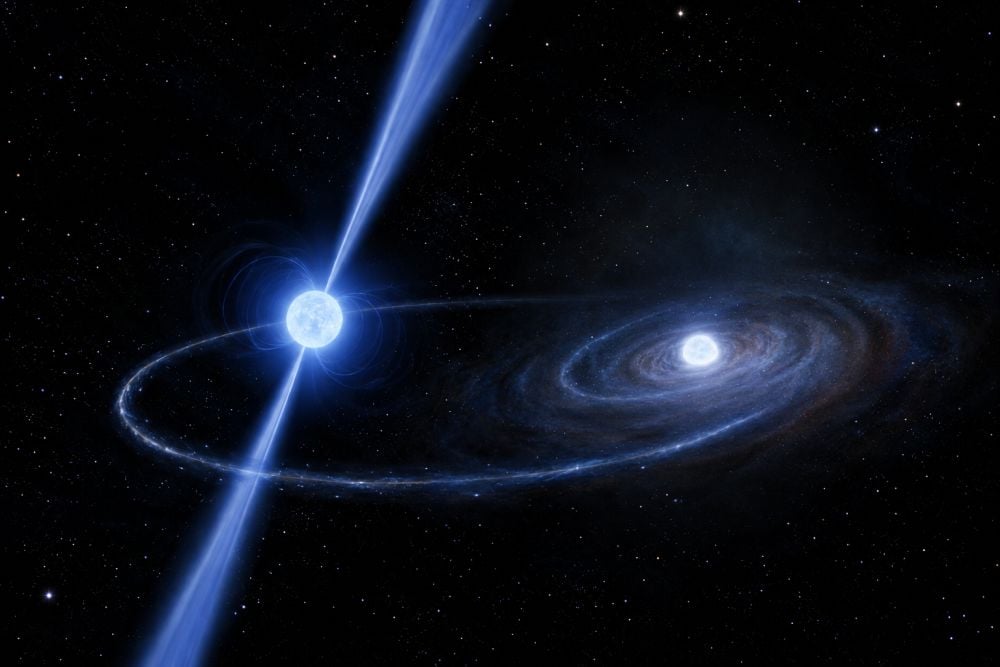
Millisecond pulsars are fascinating objects that serve as natural clocks in the Universe. They form by drawing material and angular momentum from a companion. This mass transfer can rapidly accelerate the companion's evolution to a white dwarf. Astronomers have detected a millisecond pulsar's white dwarf companion that appears to be observed just as the mass transfer completed. They can still see some of the debris.
U
A new study of more than three dozen dwarf galaxies has surprised researchers with just how little oxygen they have been able to retain over cosmic time. The results reveal that we still have major gaps in our understanding of galaxy evolution.
U
The decades old idea that our solar system’s Oort Cloud is continually perturbed by a heretofore undetected low mass Red Dwarf star remains the best explanation for periodicities found in Earth’s impact record. Or so says a well known physicist who has long championed this idea.
U
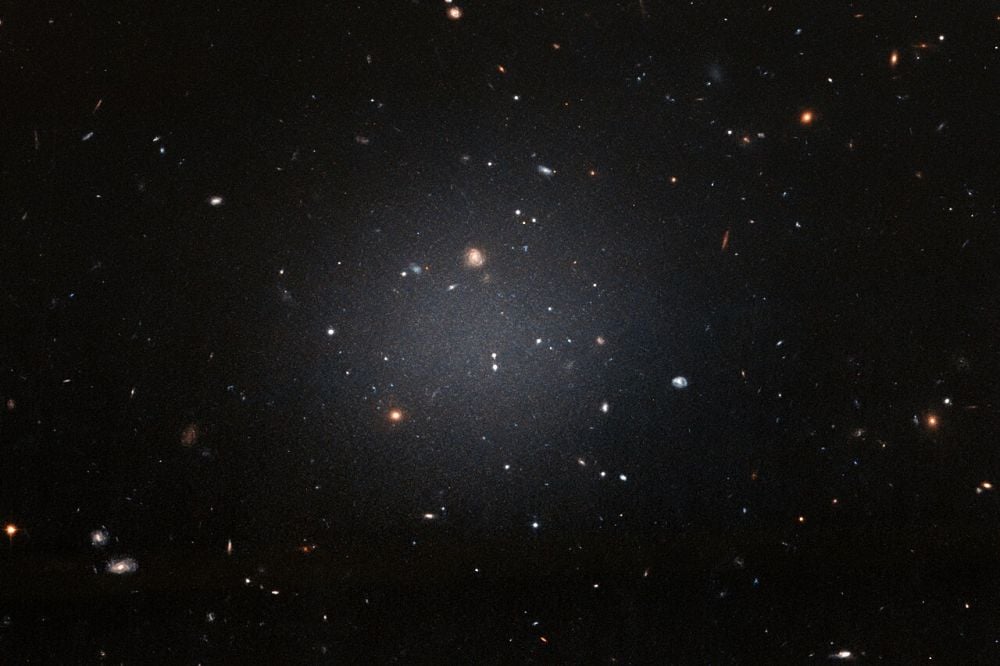
Ultra-Diffuse Galaxies are strange because they're as large as the Milky Way, but have far fewer stars. It's as if they're puffed up for some reason. Determining what's going on with them could help confirm the Lambda-CDM model. A new proposed instrument for the Extremely Large Telescope could give astronomers their best look yet at these strange galaxies.
U
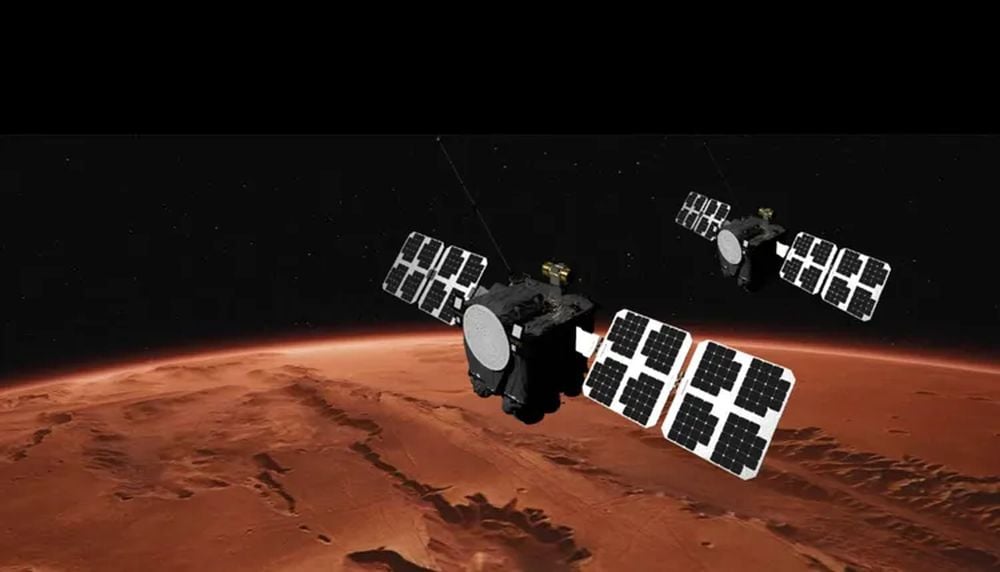
NASA's ESCAPADE mission features a pair of identical spacecraft on their way to Mars. They launched outside of the normal launch window, so they'll perform powered slingshot maneuvers to boost their speed. Once there, they'll "fly" in formation and study how the solar wind interacts with what remains of Mars ancient magnetosphere.
U
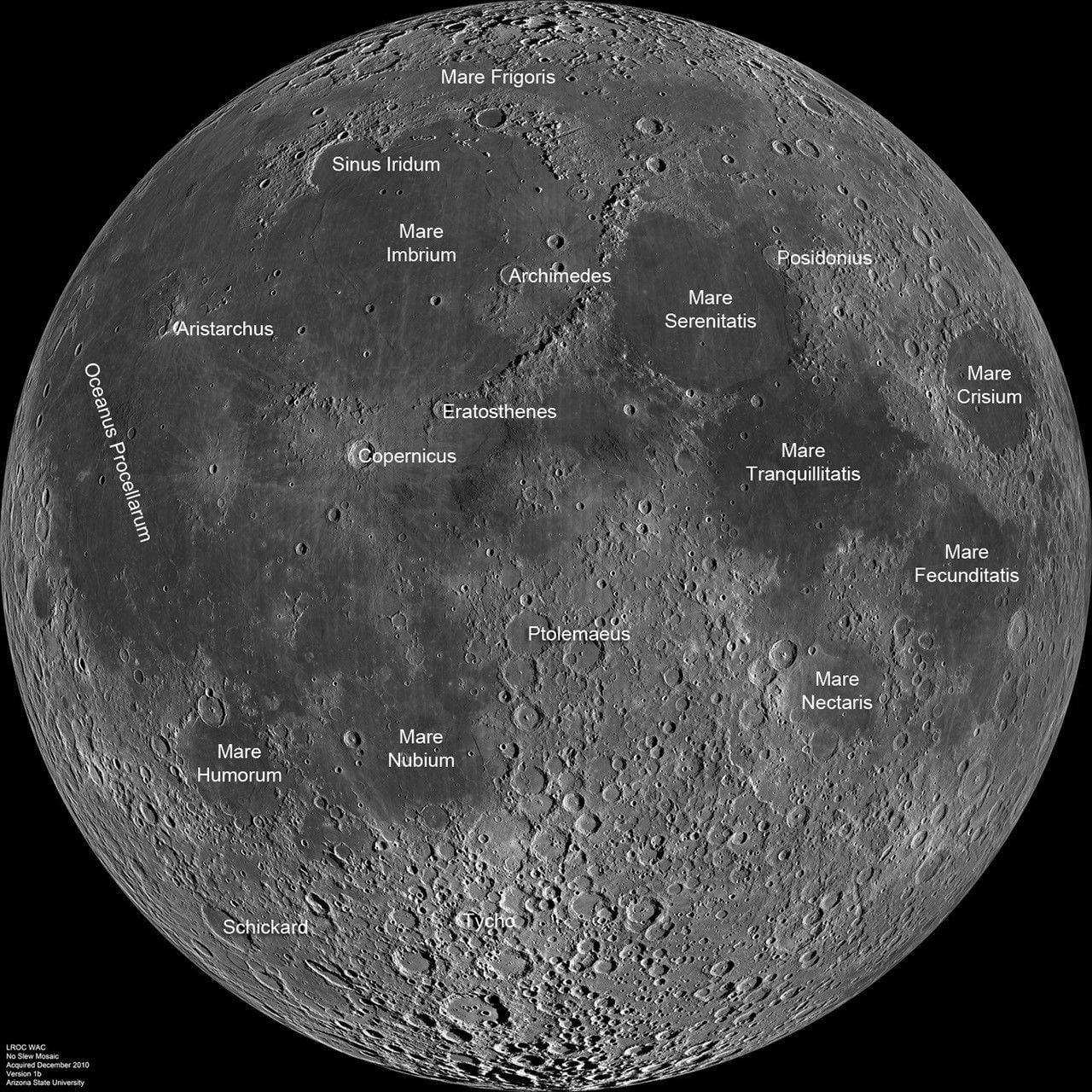
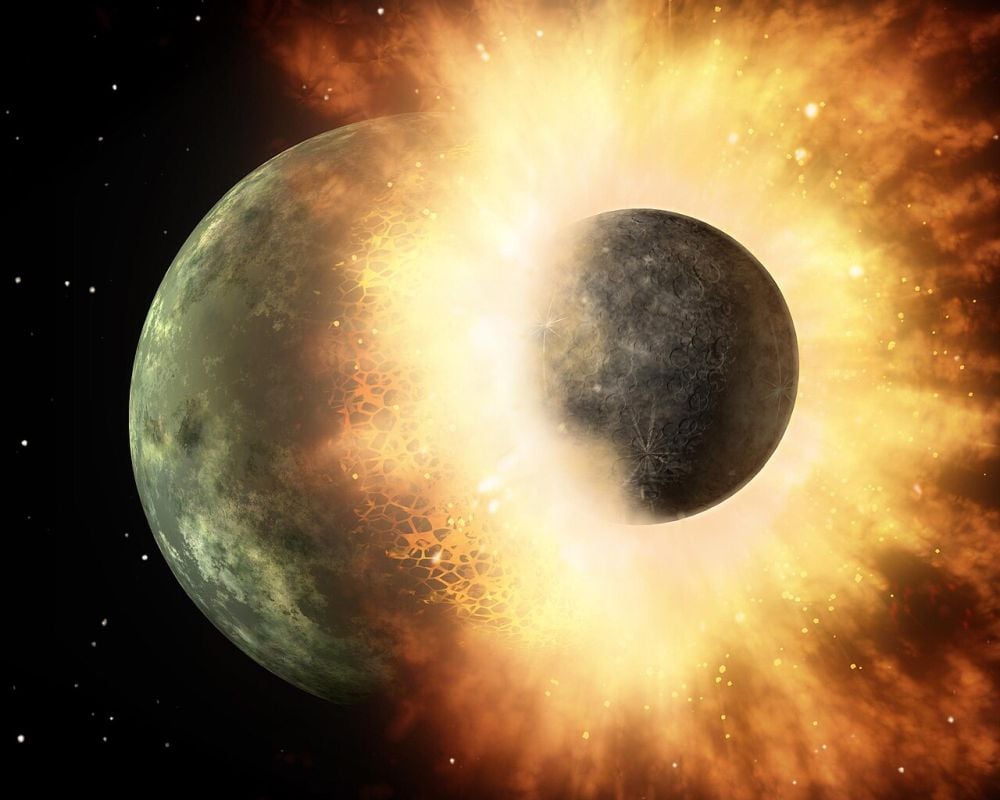
We typically think of the Moon as a static, floating object that has remained the same for basically its entire lifetime, with an occasional asteroid impact serving as an exception. That understanding is grounded in physics - the Moon should have cooled rapidly after forming when a huge protoplanet hit the early Earth around 4.5 billion years ago. But, some lunar material returned from the Chang’e-5 mission was notably formed only around two billion years ago, yet appeared to be volcanic in…
U
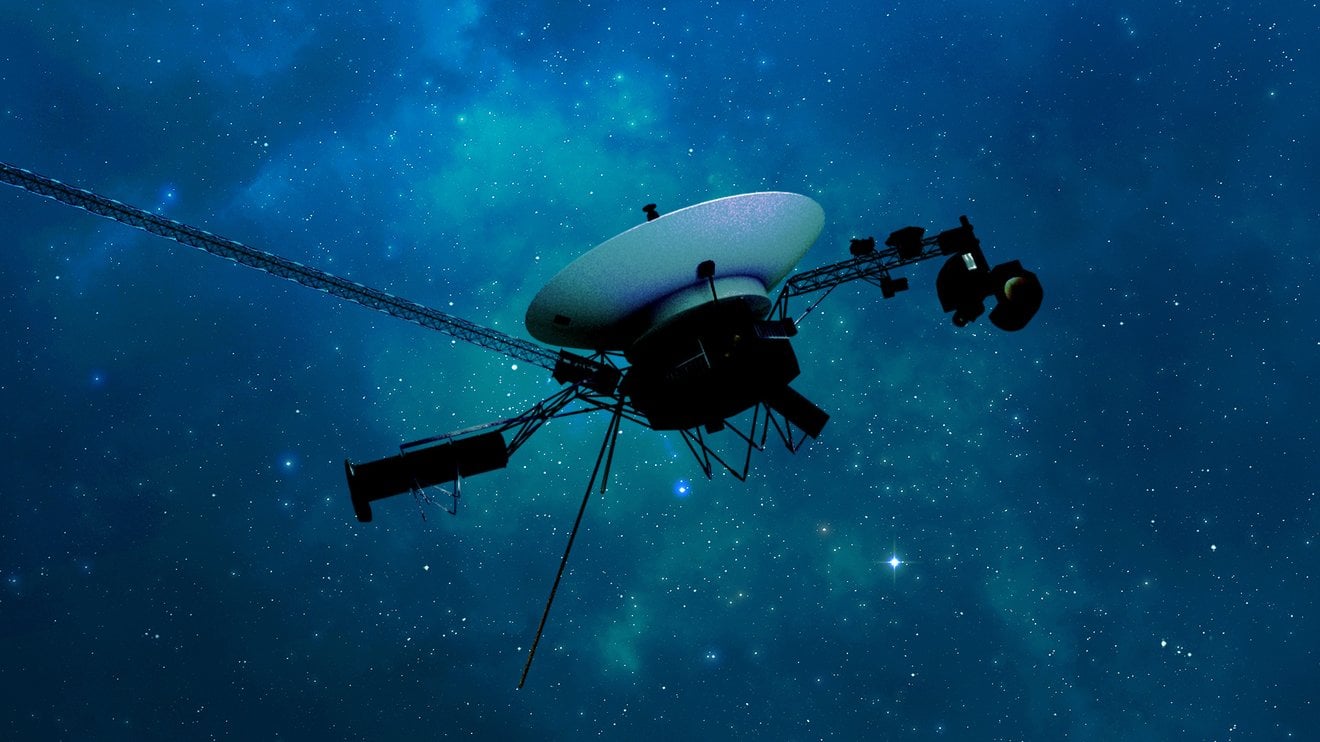
Flashback to 1977. Jimmy Carter was U.S. president, Star Wars was a box office hit, and the two Voyager spacecraft departed on an historic Grand Tour of the solar system. Now, teams at NASA’s Jet Propulsion Laboratory are working to keep the missions active, as they push the boundaries of interstellar space beyond the solar system.
U
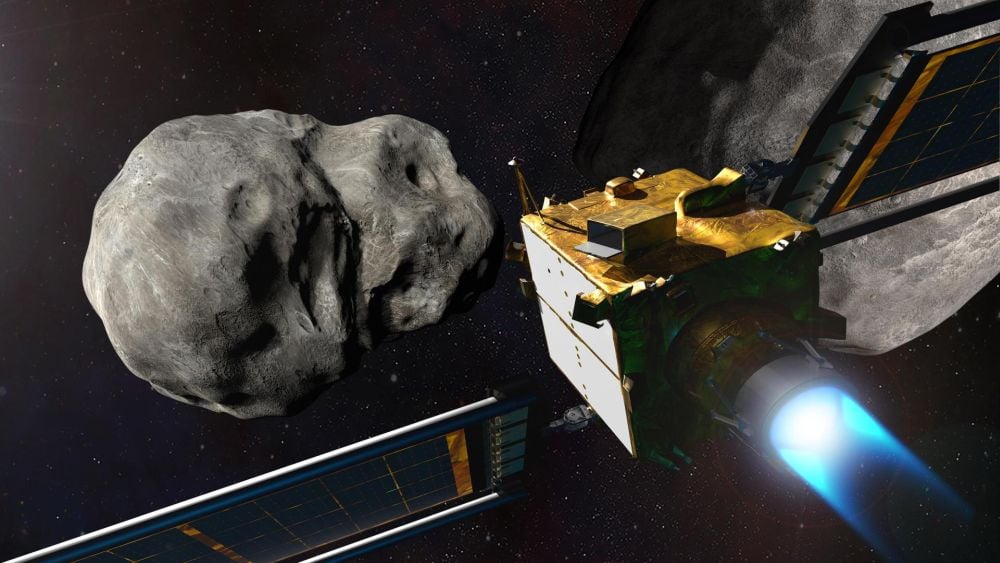
In a pinch, we could use a stand-off nuclear blast to redirect a dangerous asteroid on short notice. There's no atmospheric shock wave in space, but the x-ray pulse could still deflect the space rock. But asteroids aren't round and uniform, so their weird shapes make it difficult.
U
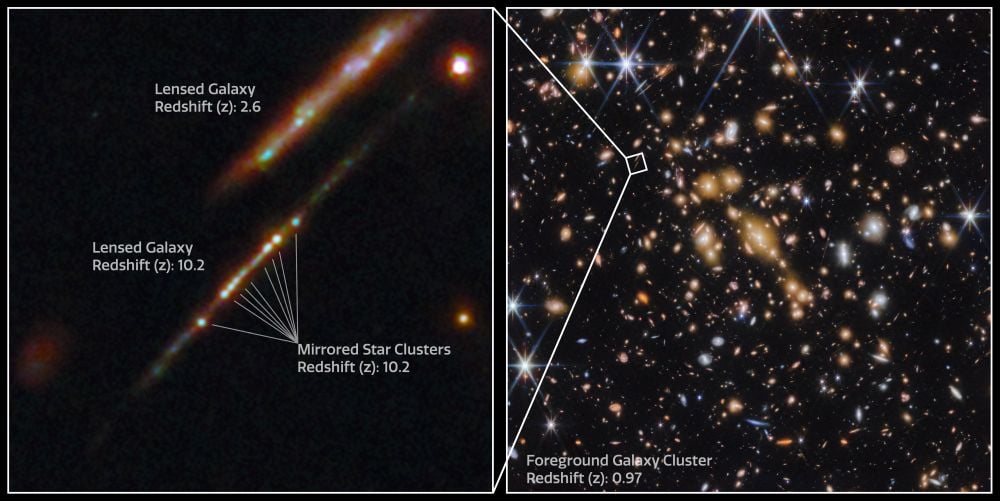
When astronomers looked at photos of the early universe taken by the James Webb Space Telescope, they found something odd: an overabundance of bright galaxies about 400 to 500 million years after the Big Bang. But these galaxies should have been far less common so soon after the Big Bang. Researchers may have figured this out: Powerful ultraviolet (Lyman-alpha) radiation produced by dense clusters of young stars acted like a leaf blower, driving light-blocking gas and dust out of the galaxy and…
U
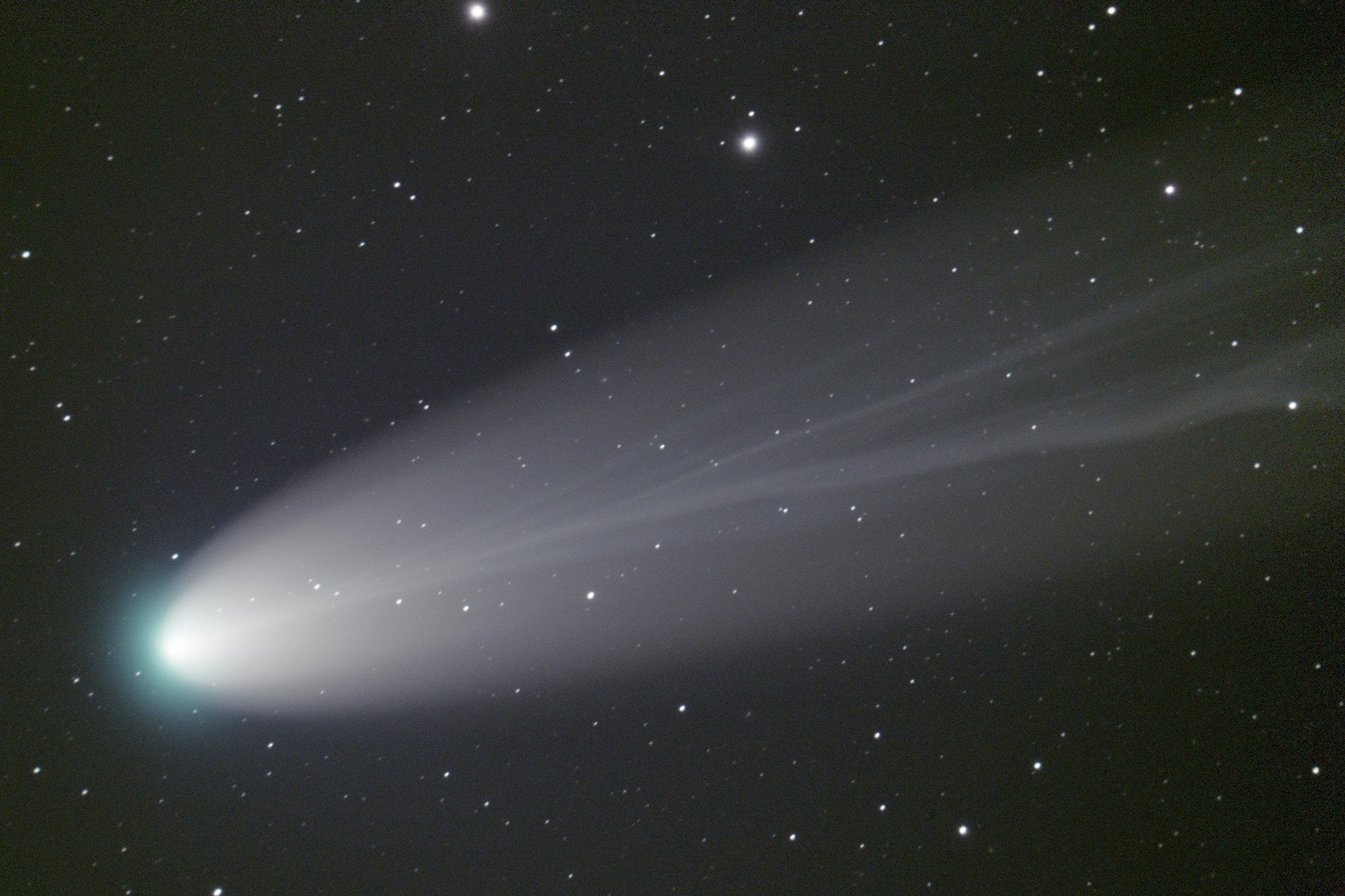
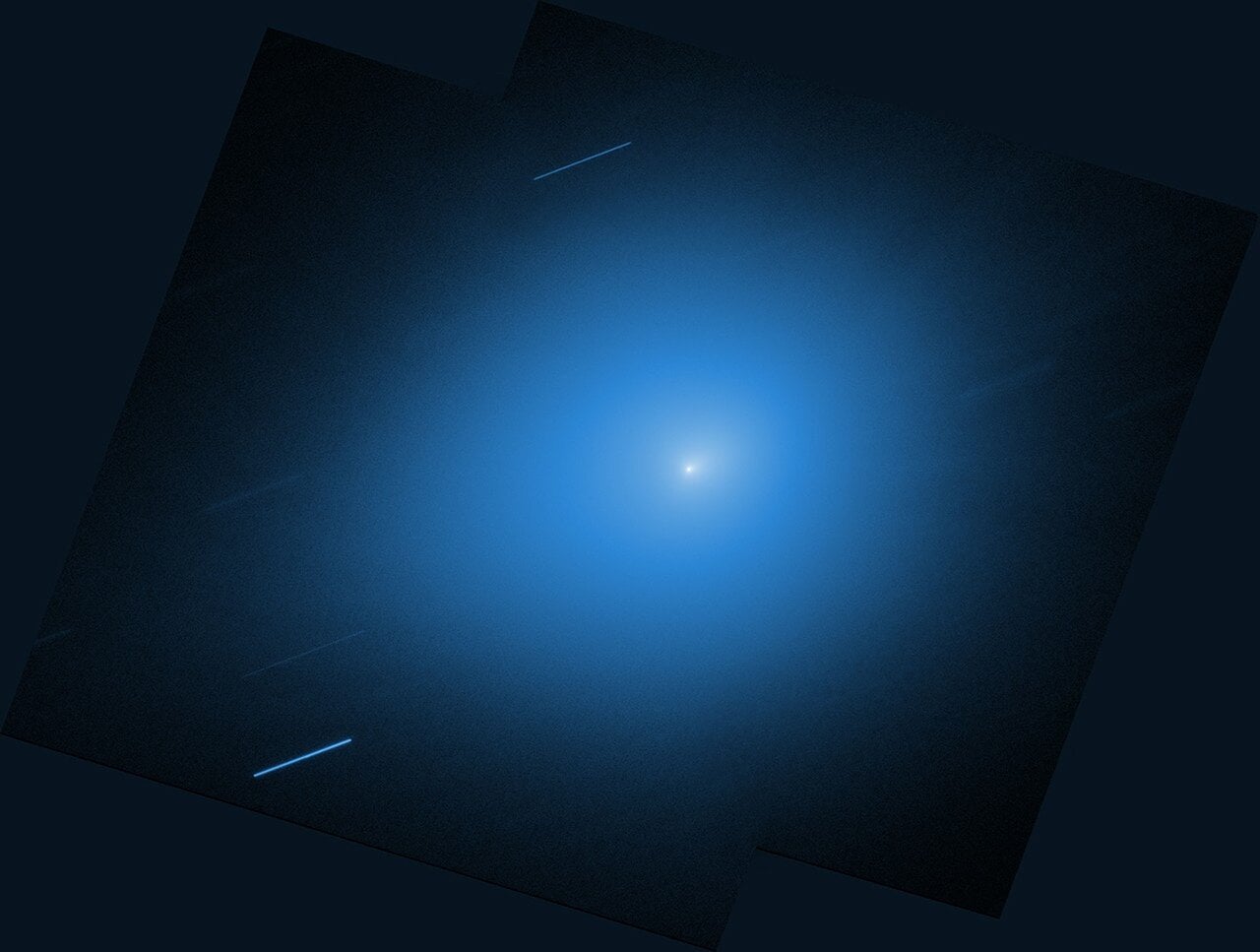
Targets of opportunity sometimes happen in astronomy, and we got a major one when the third interstellar object, 3I/ATLAS, was discovered in July 2025. And it just so happens that in the intervening years between the last known interstellar visitor (2I/Borisov in 2019), we got a major upgrade in our observational capabilities with the launch of the James Webb Space Telescope (JWST). A new paper from a team of researchers led by Dr. Silvia Protopapa of NASA’s Goddard Space Flight Center and the…
U
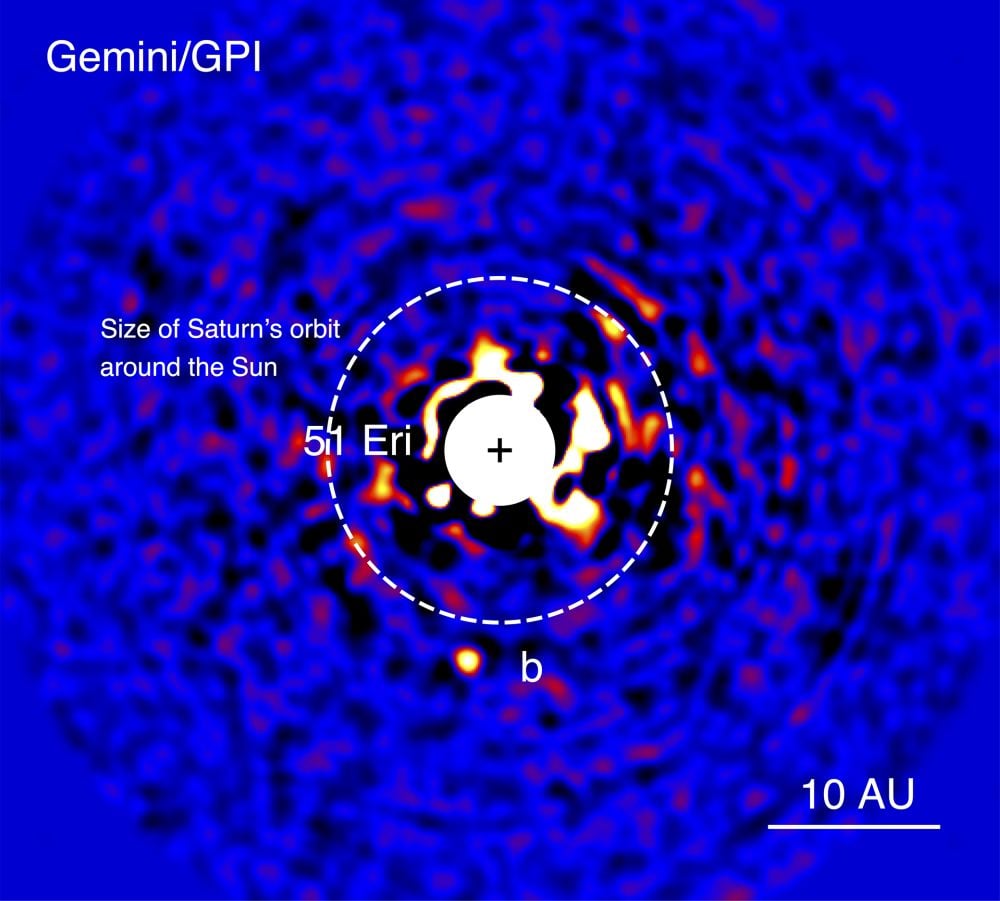
Finding dim exoplanets hidden in the glare of their stars is an ongoing challenge in astronomy. Telescopes use coronagraphs to block out starlight, but even they have their limitations. Researchers have developed a new technique with the JWST that can find dim exoplanets more easily than ever.
U
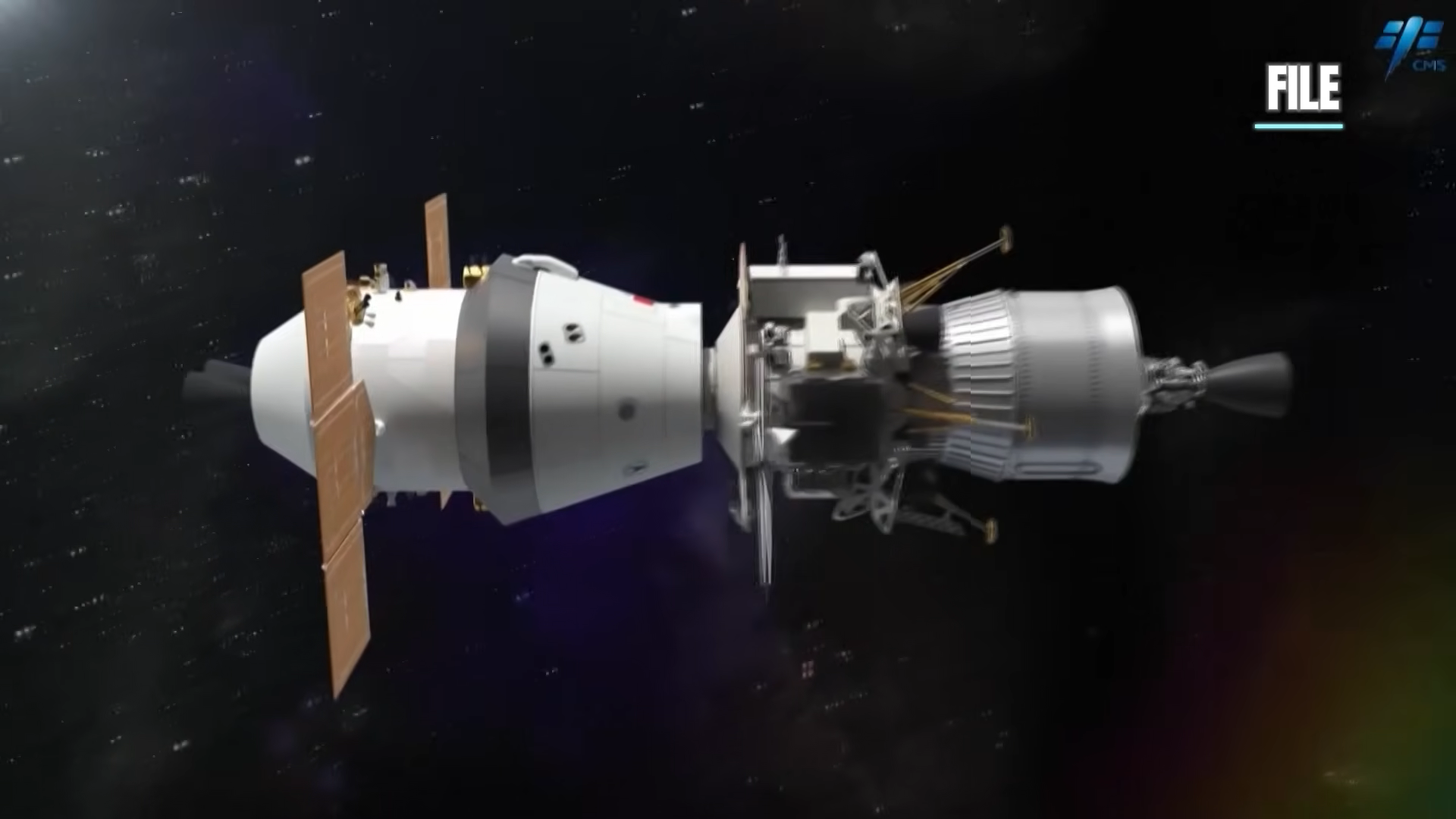
Yesterday, on November 3rd, the deputy chief designer of China's crewed space program and chief designer of the lunar exploration program (Wang Xiang) unveiled an official statement detailing its [plans for a crewed mission to the Moon](https://english.spacechina.com/n17212/c4744561/content.html).
U
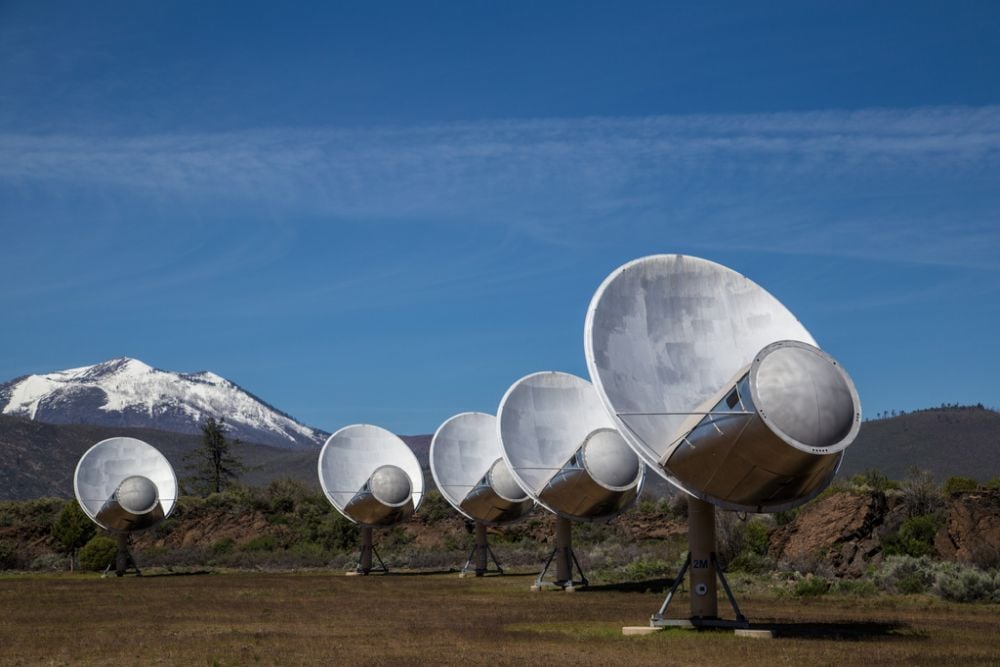
SETI can be more effective the more the targets in the search are refined. SETI's newest survey effort uses game theory to inform its search. It's based on the idea that other ETIs would almost certainly use the transit method to detect habitable worlds like Earth.
U
For a long time, planetary scientists thought that giant impacts drove a young planet's atmosphere away into space with all the heat they generated. But it turns out the opposite could be true. The mass a young planet gains through a giant impact increases its gravitational hold on its atmosphere.
U
Researchers have created a model lifeless Earth that couples the atmosphere with interior planetary processes. The model can reproduce Earth's modern habitable state without including life, showing that a planet that appears habitable isn't necessarily inhabited. The tool will be useful when and if the Habitable Worlds Observatory is launched, by helping identify false positives.
U
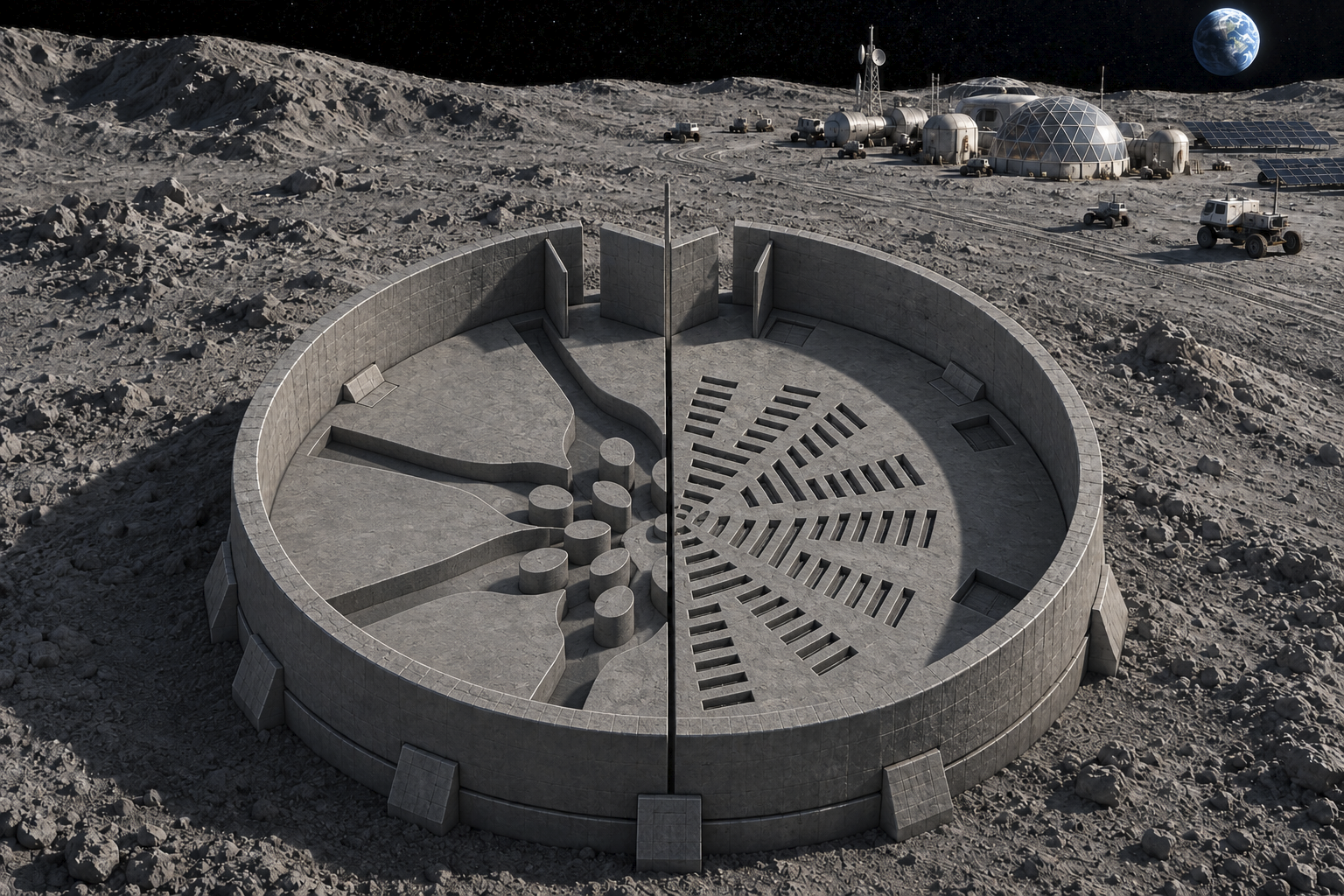
This summer, a team of students and researchers at the University of Alabama in Huntsville successfully conducted three rocket-motor firing tests on a prototype lunar landing pad. The tests showed the prototype’s ability to capture and redirect rocket exhaust through an integrated vent system, marking an important milestone in developing landing infrastructure for future Moon base operations.
U
When we make our home on other worlds, who will be in charge? Will it be an emperor? A billionaire? A rebel alliance? Or none of the above? Astrobiologist Jacob Haqq Misra runs through the legal and political options.
U
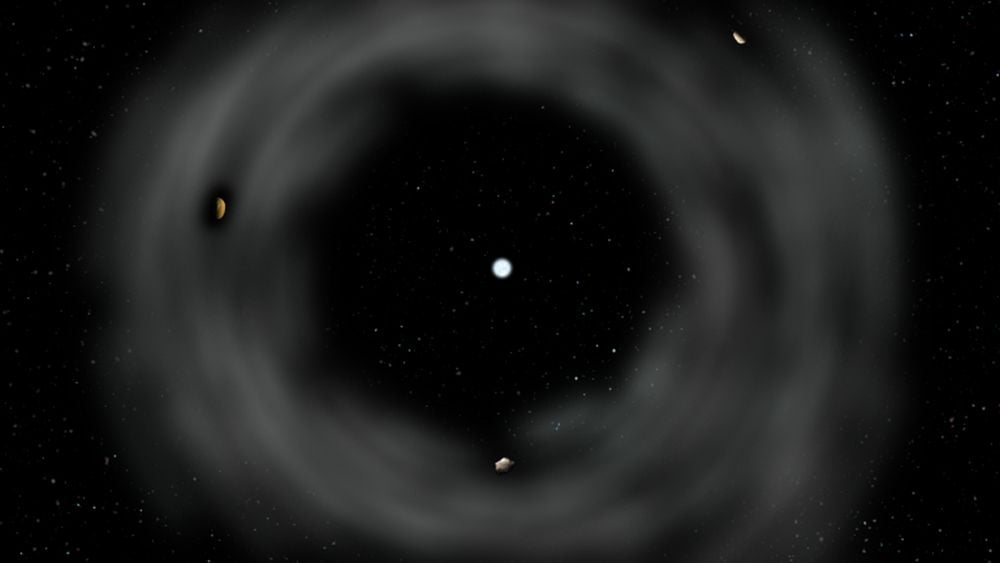
Astronomers are finding more dusty disks around white dwarf stars, and some of them are home to asteroids. But how these rocky asteroids are turned to dust and form these rings isn't clear. New research shows that the white dwarf's gravity alone can't shred them to dust.
U
The Vera Rubin Observatory has detected two more of the Milky Ways' dim, hard to see satellites. One is an ultra-faint dwarf galaxy, and one is a globular cluster. Each one is a missing piece of the puzzle in the Milky Way's merger history. By finding more of these satellites, our understanding of galaxy growth, and the role dark matter plays in it, will improve.
U
Astrophysicists think that black holes grow through a hierarchical merger framework. But the elusive Intermediate Mass Black Holes are the missing link between stellar mass black holes, and the gargantuan supermassive black holes like the one at the center of the Milky Way. The JWST may have found the ancient sources of IMBH heavy seeds: young massive clusters in the high-redshift Universe.
U
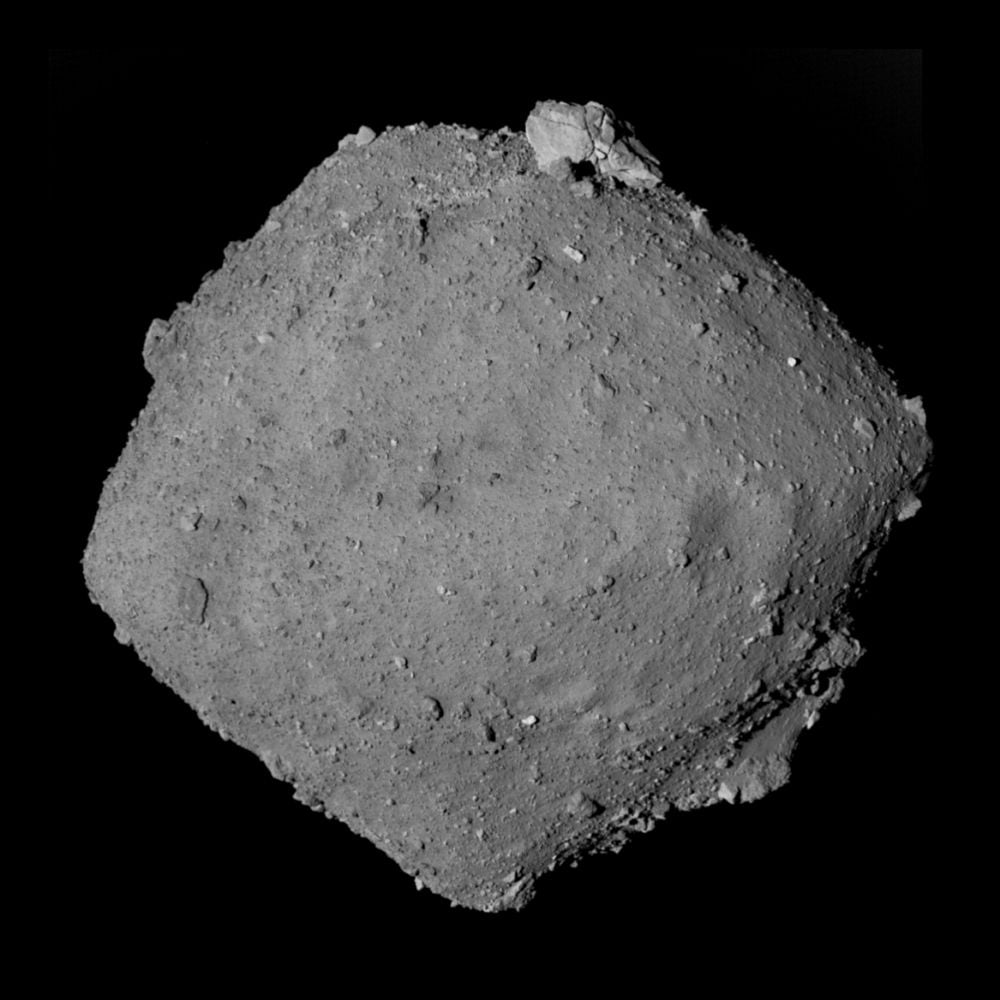
Samples from the asteroid Ryugu, and from carbonaceous chondrites that have crashed on Earth, present an apparent contradiction. Their fine-grained matrices have widely varied compositions of their clay-like minerals. That suggests that there were widely different aqueous environments in the same parent bodies, which seems unlikely. But new research may have solved that contradiction.
U
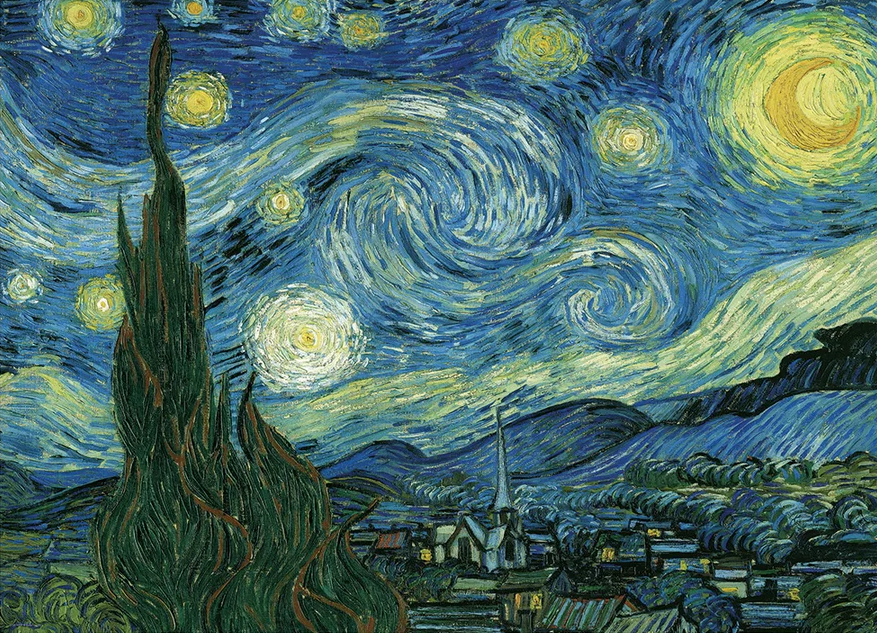
The sky in Vincent van Gogh’s The Starry Night (1889) matches, in both observation and shape, the pre-dawn sky over Saint-Rémy around 22 July 1889, when a waning crescent moon, Venus and the Hyades star cluster appeared close together, according to a study published inScientific Reports.
U
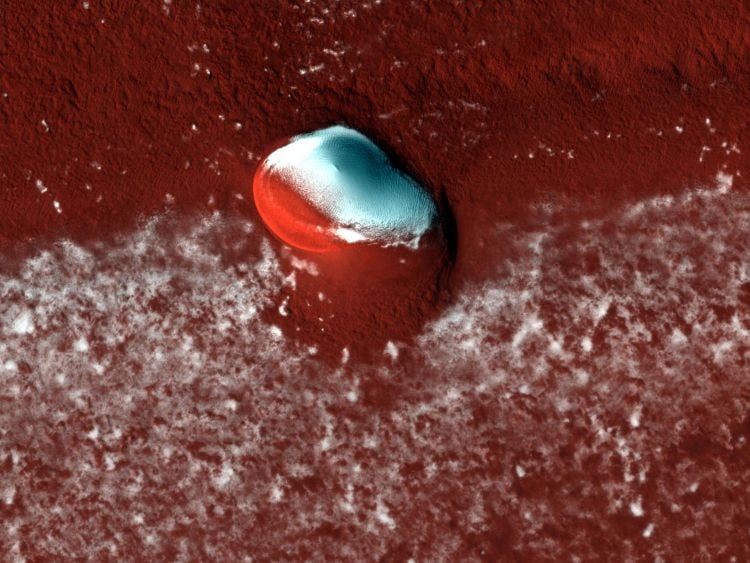
The planet Mars shares many landforms and weather patterns with the Earth, including changing seasons, volcanoes, canyons, dust storms and dust devils, and water ice. But one feature that Earth and Mars share among the eight planets in our solar system are polar ice caps. Both are one of each planet’s striking features, but the major difference is while Earth’s polar ice caps are both comprised of water, Mars’ north polar ice cap is only comprised of water while its southern polar ice cap is…