U
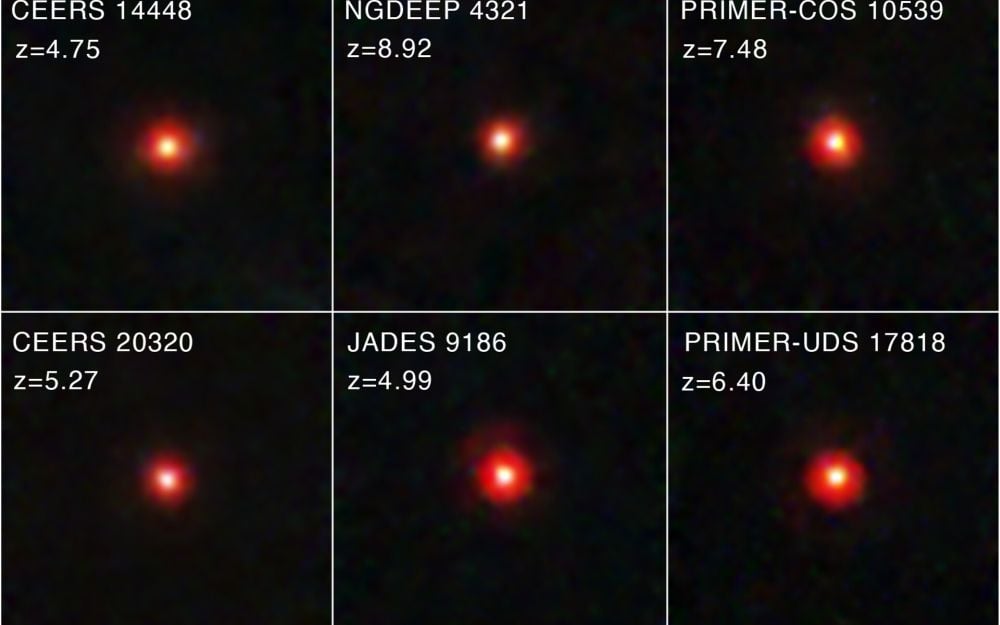
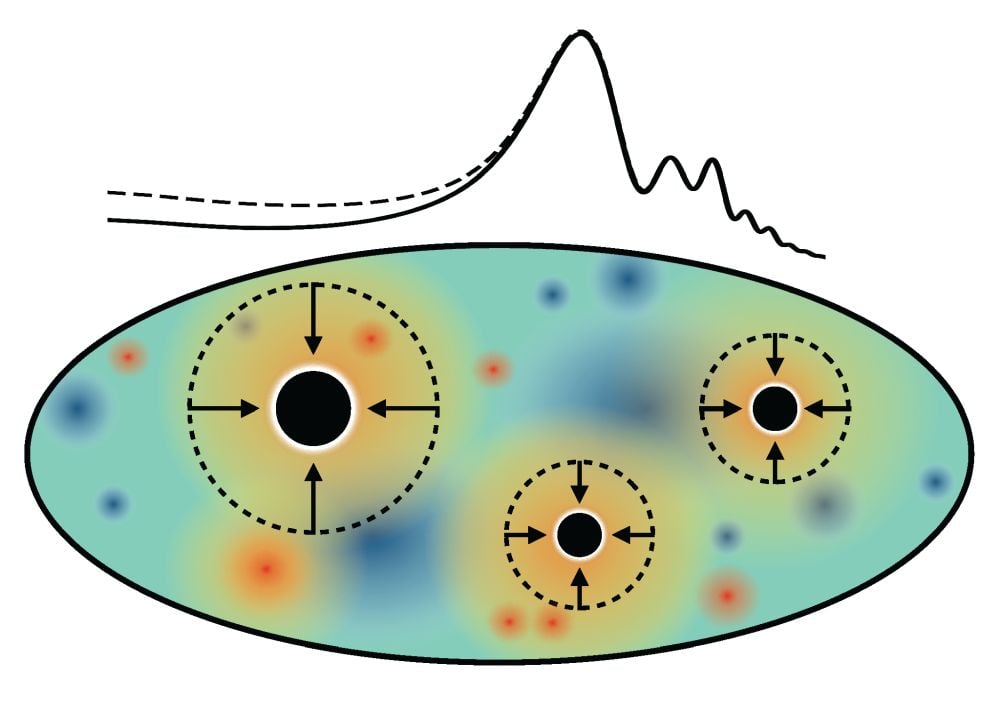
Tiny ‘Little Red Dot’ galaxies found by the James Webb Space Telescope are revealed to be the remnants of supermassive primordial stars surrounded by dense gaseous envelopes.
U
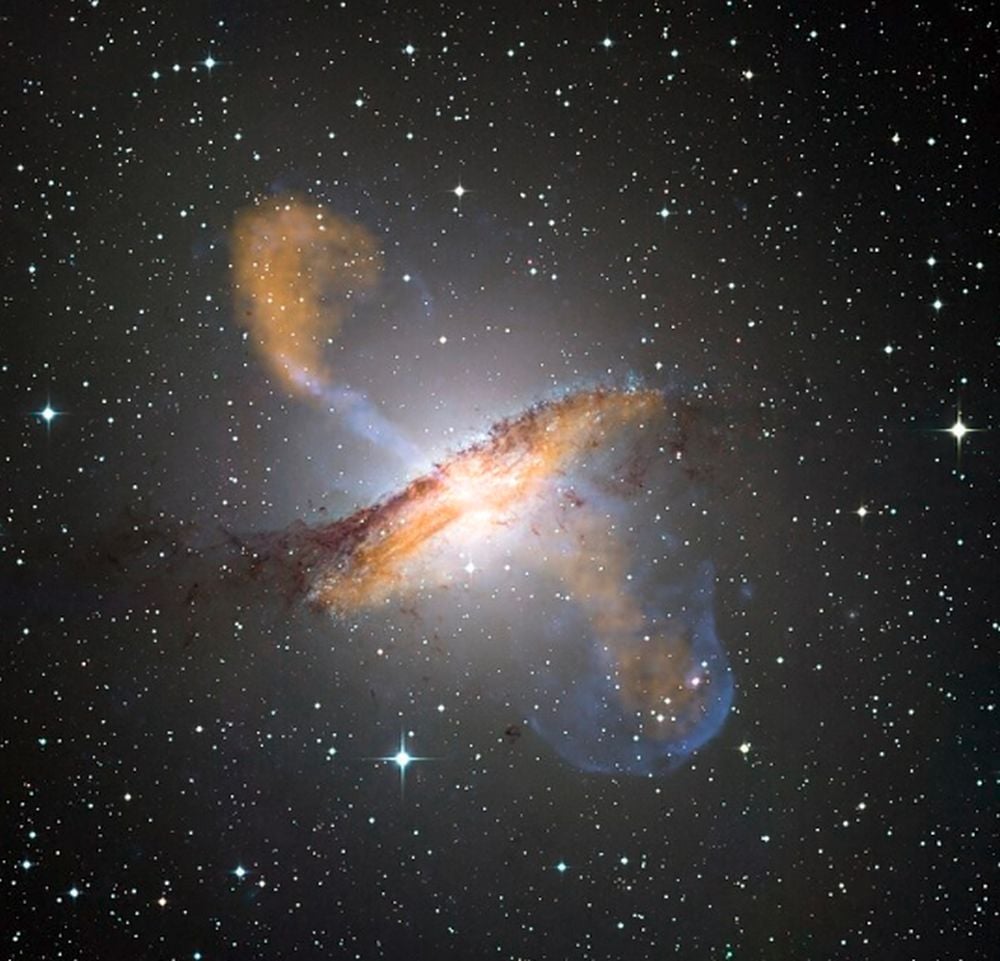
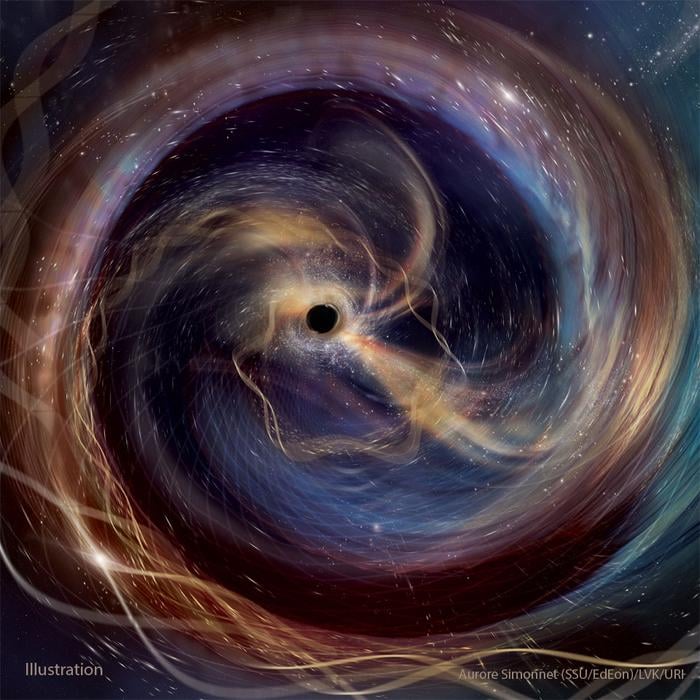
Black hole jets from the SMBH in Centaurus A, and from some other SMBH, are brighter on their edges than in their centers. It's called limb brightening, and it's unexpected, and astrophysicists want to know what causes it. They found their answer in detailed plasma physics simulations, and the results could also help efforts to develop fusion power.
U
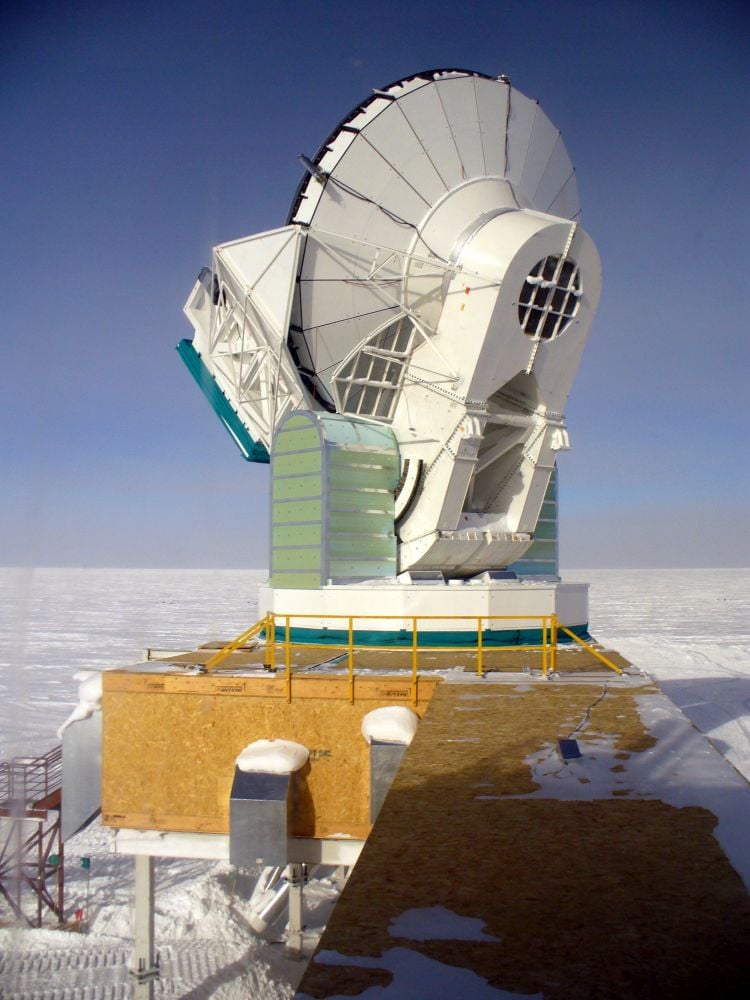
As the Universe's very first light, the Cosmic Microwave Background holds clues to the very foundation of the cosmos. But, of course, the cosmos doesn't give up its secrets to a casual observer. Only years of work by dedicated scientists with purpose-built tools can make progress.
U
The quark-gluon plasma of the early universe experienced Brownian motion, but a new theory predicts how a particle moving at close to the speed of light is likely to be pushed and pulled by a fluid as it flies through it. The result shows that Brownian statistics doesn't always apply.
U
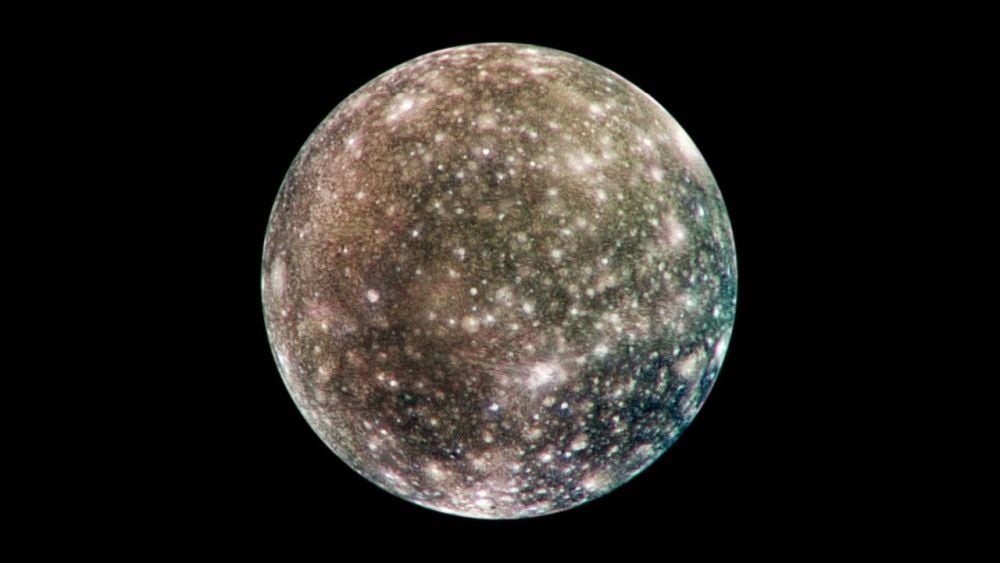
China is outlining plans to place a small lander on the surface of Jupiter's moon Callisto, the outermost of the four Galilean moons. It's an ambitious plan, and would be only the second time anything's landed on a Solar System body beyond Mars. But the payoff would be huge, even if the lander only carries its two proposed instruments.
U
A galaxy’s ultimate habitability is likely linked to massive gaseous outflows that regulate star formation.
U
Black holes remain some of the most mysterious and awe-inspiring celestial objects ever studied. This primarily comes from the fact that they literally can’t be observed unless they interact with something in its surrounding environment, most notably a star. Adding to their mystery, several types of black holes exist, including free-floating black holes that drift independently throughout space, stellar-mass and are produced from exploding stars, and supermassive black holes that exist at the…
U
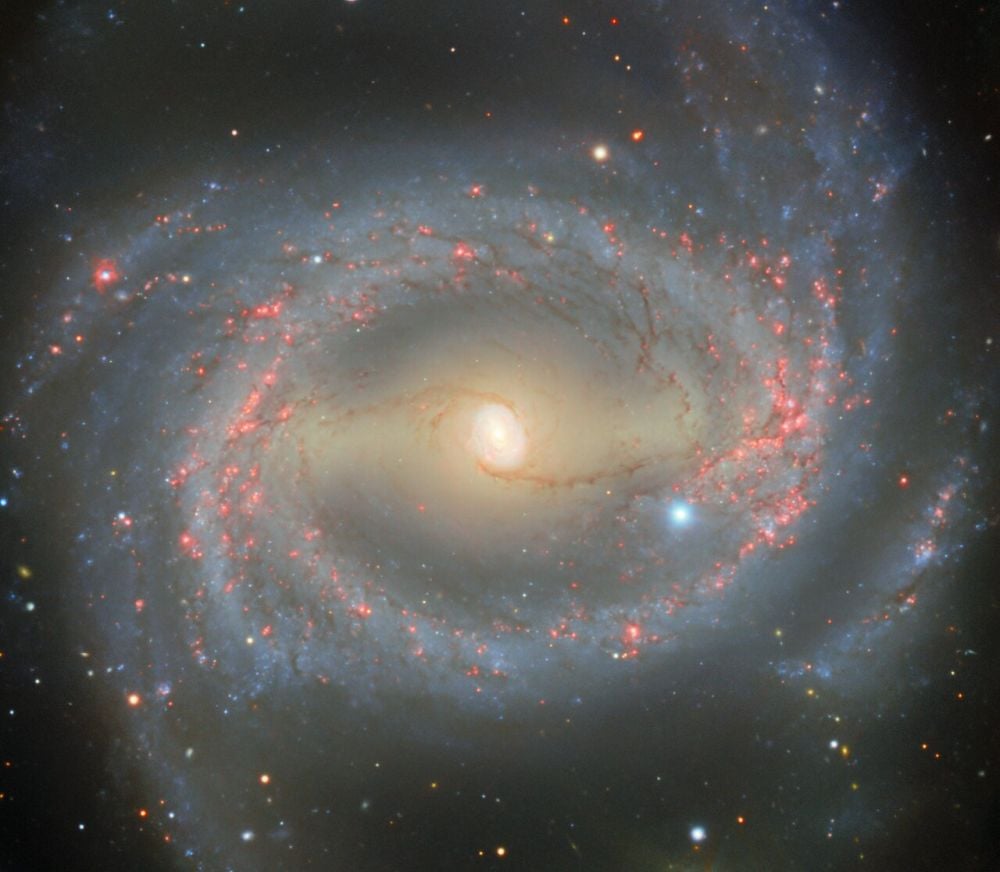
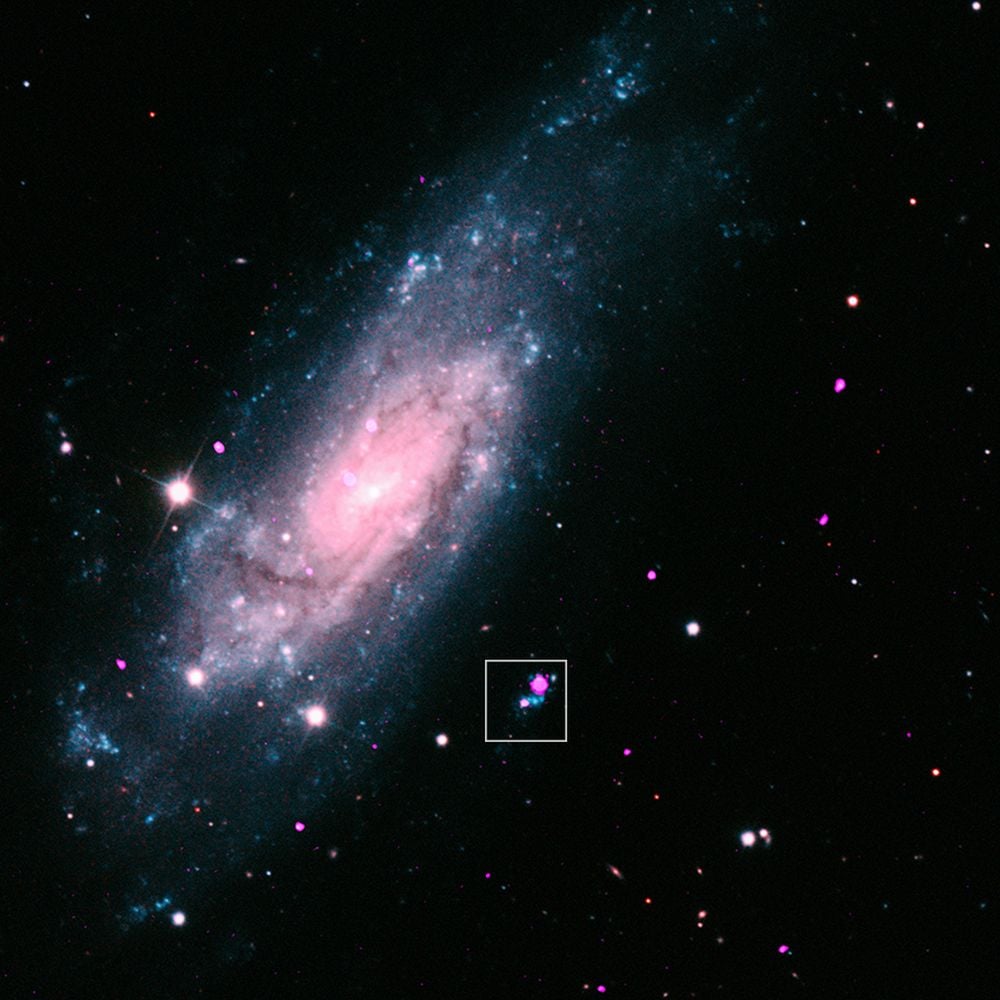
A new supernova has been detected in a spiral galaxy about 50 million light years away. That's close enough for detatiled follow-up observations, which have already begun. It's a type Ia supernova, meaning it's an exploding white dwarf rather than a massive star ending its life in a core-collapse detonation. Astronomers will watch as its light fades and changes over the next days, months, and years to track the changes and learn more about these standard candles. It's close enough for…
U
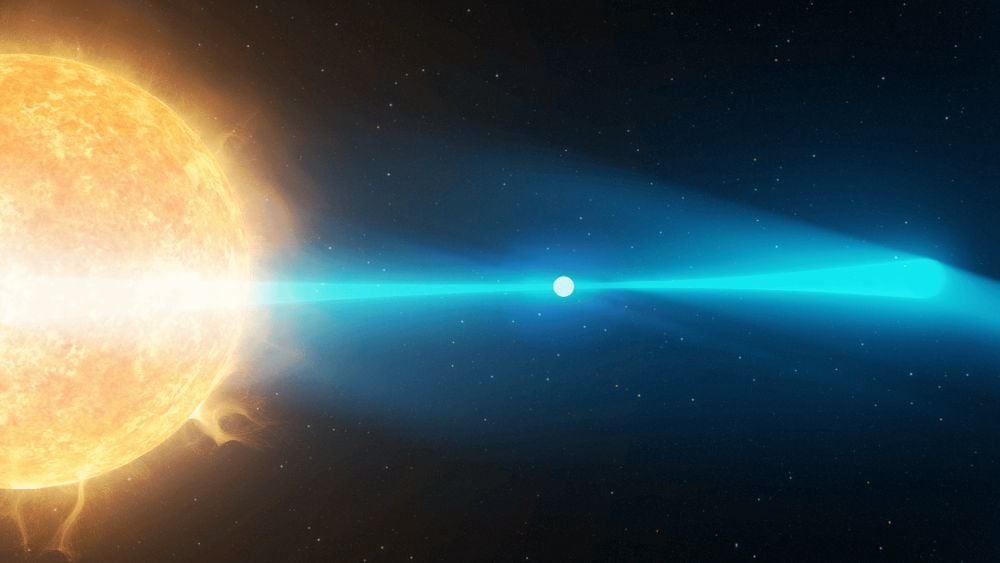
Astronomers have found a Long Period Radio Transient about 5,000 light years away that's different from other LPTs. Other LPTs have a white dwarf and a red dwarf, but this one has a white dwarf and a main sequence star. The exact cause of the binary pair's radio pulses isn't certain, but this work narrows it down. It also shows that these binaries could be common progenitors for Type Ia supernova explosions.
U
Humanity is quickly starting to saturate our ability to track all of the satellites we have in deep space. NASA’s Deep Space Network (DSN) has been the workhorse for tracking such things for decades, but is quickly being overwhelmed by the number of requests it receives. Which in turn makes it harder to track some of the missions that have been launched recently. A new paper, available in pre-print on arXiv, from Ian Down, James McElreath, and Manoranjan Majji, of Advanced Space, Space…
U
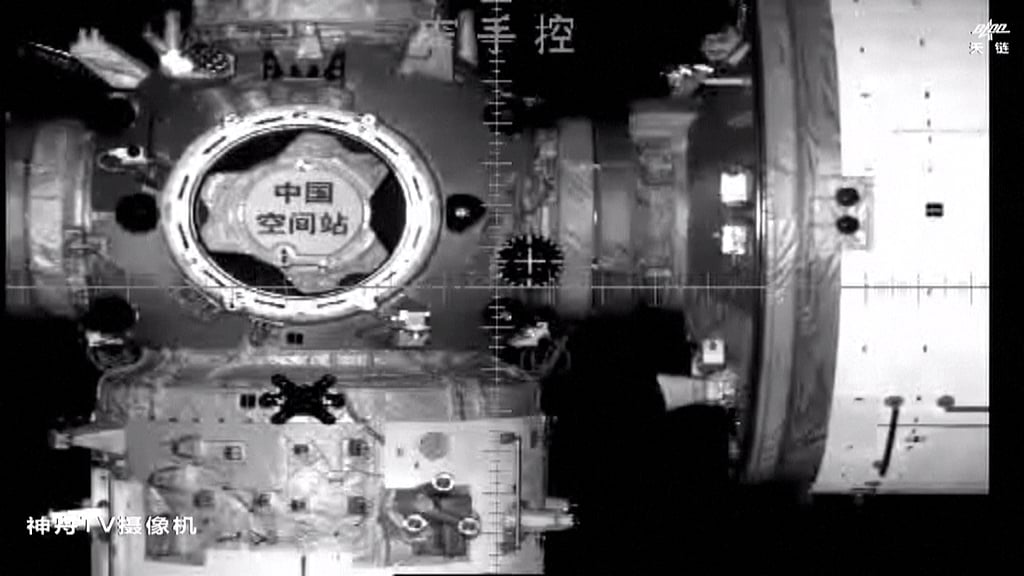
The China Manned Space Agency (CMSA) will be taking a Pakistani astronaut to Tiangong as part of the Shenzou 24 mission, marking the first time a foreign astronaut has been to the station.
U
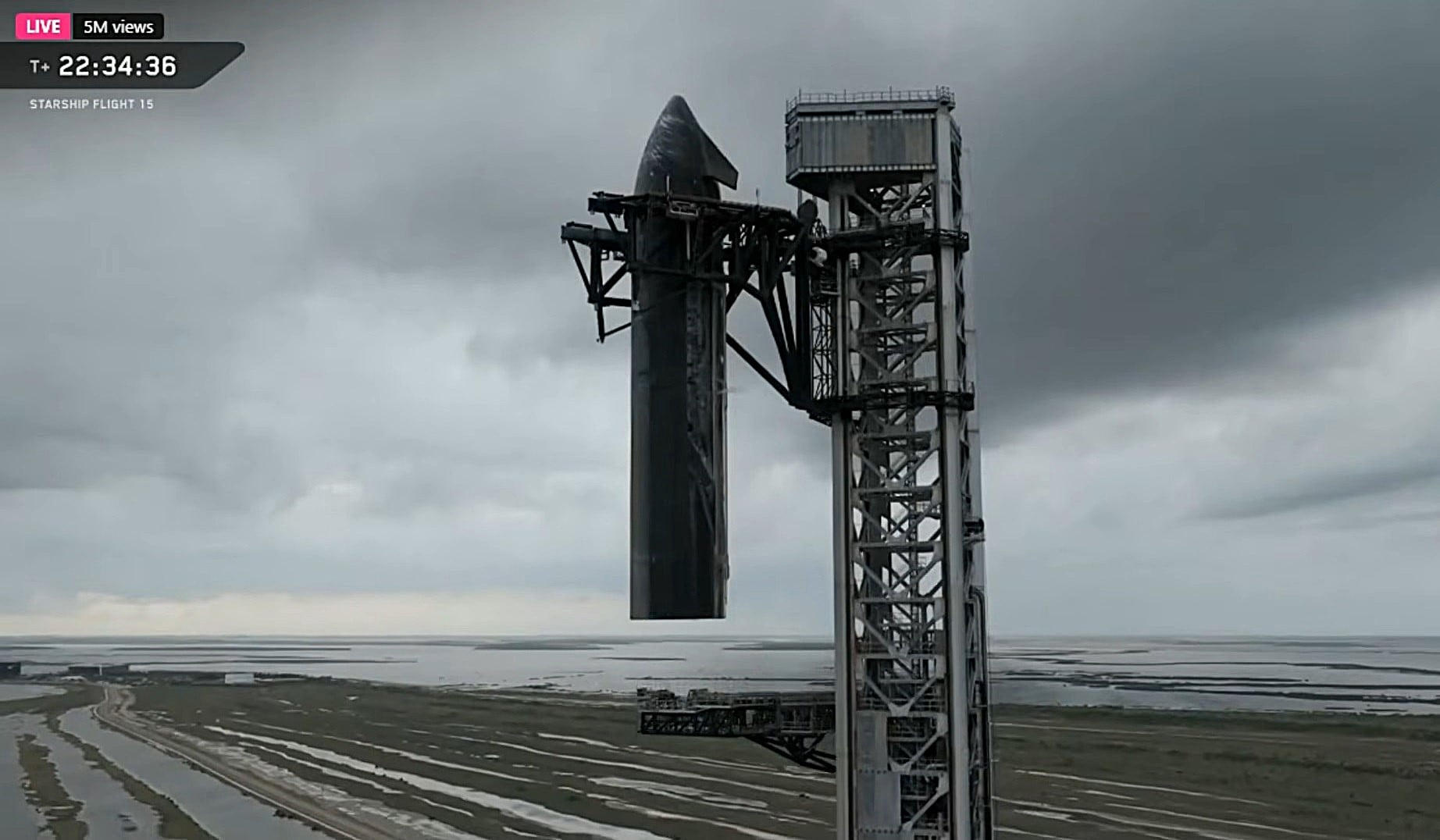
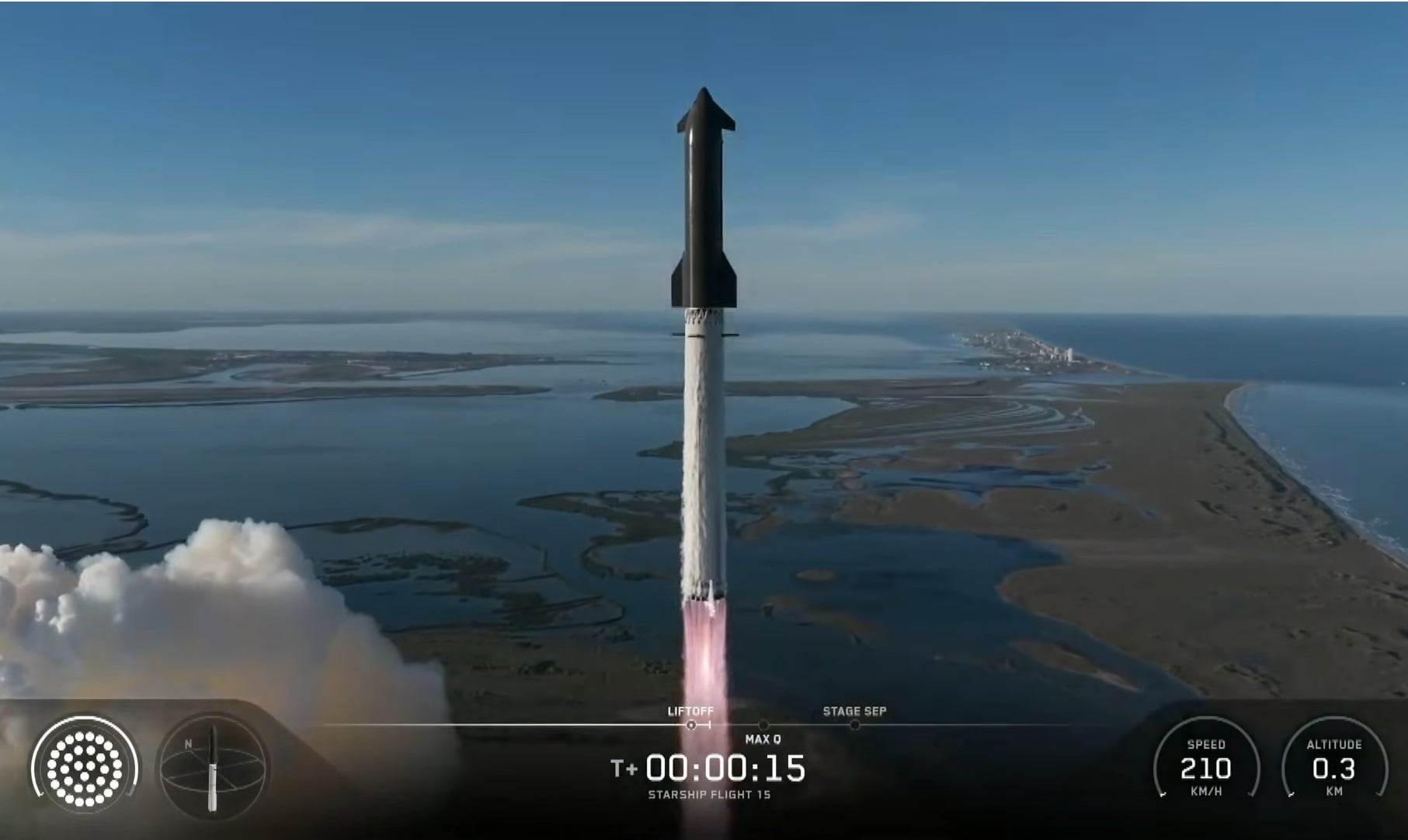
SpaceX brought back its Starship rocket's second stage for a first-ever midair capture at its launch pad, capping a record-setting, 22.5-hour orbital flight test.
U
A researcher at Freie Universität Berlin has developed a theoretical framework for searching high-precision measurements for possible relativistic traces in lunar tides.
U
Astrophysicists are leaving no stone unturned in their search for what dark matter is. Different particles have been proposed, like WIMPs and axions. Hypothetical rimordial black holes have also been proposed. But there's another less well-known candidate, SLABs or Stupendously Large Black holes, a sub-type of primordial black holes. Alas, SLABs can't account for dark matter either, according to new research.
U
SpaceX sent its Starship on a flight that was meant to feature a first-ever retrieval of both rocket stages, but a launch-pad catch of the first-stage booster had to be canceled due to safety concerns.
U
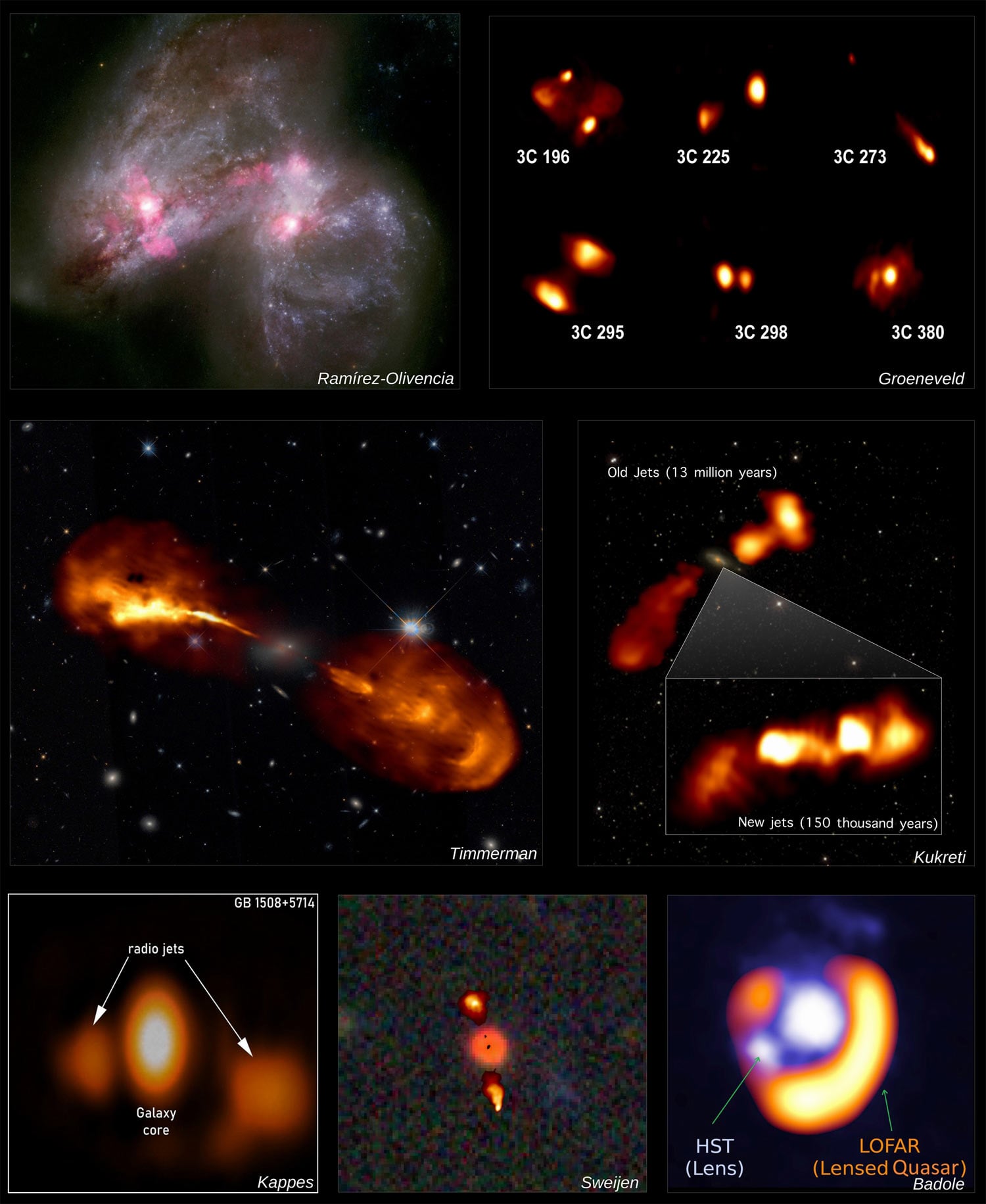
Using the Low Frequency Array (LOFAR), an international team led by Leiden University has produced the sharpest and most sensitive radio image of the sky ever made at low radio frequencies.
U
The Cosmic Noon was when the Universe's Stelliferous Era Began, and star formation was prodigious during that epoch. But since then, star formation has slowed to a relative crawl, despite the fact that we can watch them forming in regions throughout the Milky Way. What happened to the hydrogen gas that forms stars? New research found clues in a particulary dense galaxy cluster.
U
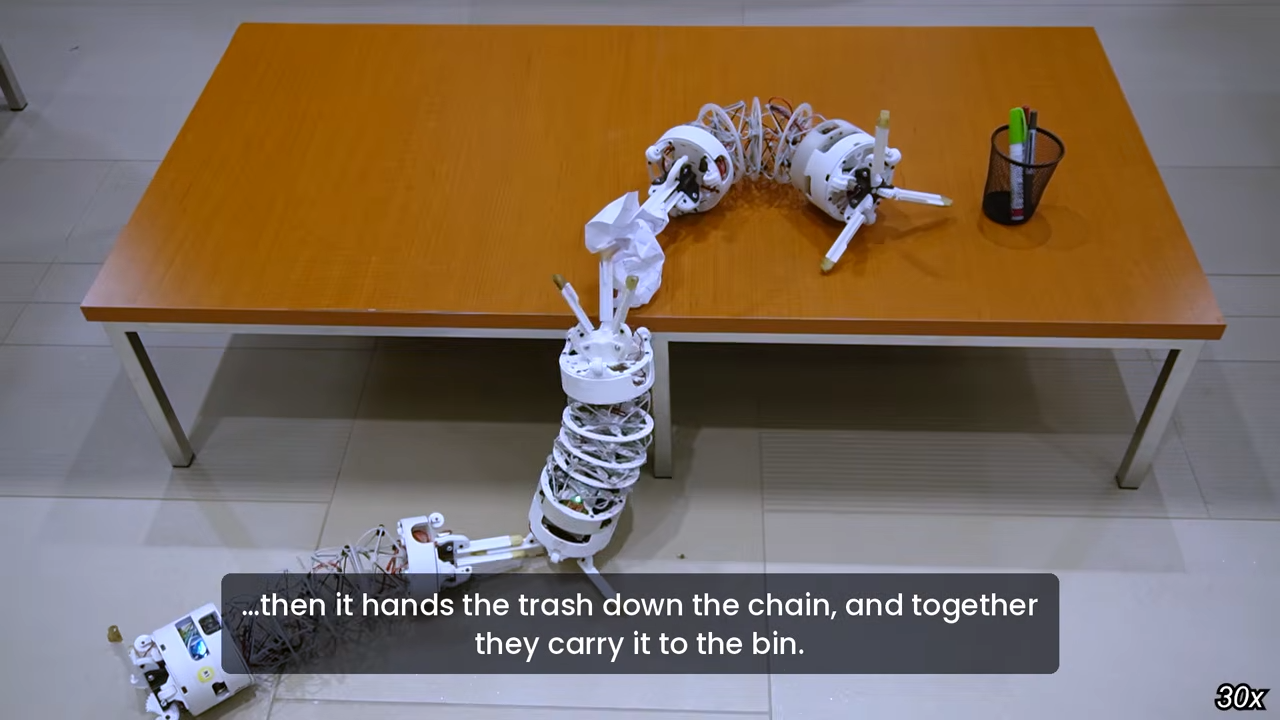
Robots have been a mainstay of our early space exploration efforts. But they normally have wheels. Or in some cases, rotors. While those solutions are great on flat ground, they struggle with jagged boulders or tight crevices. So engineers have been working on alternative robotic form factors, and a recent paper in Nature Machine Intelligence from researchers at Colorado State University’s Adaptive Robotics Lab, describes a unique morphology using a design principle typically seen in…
U
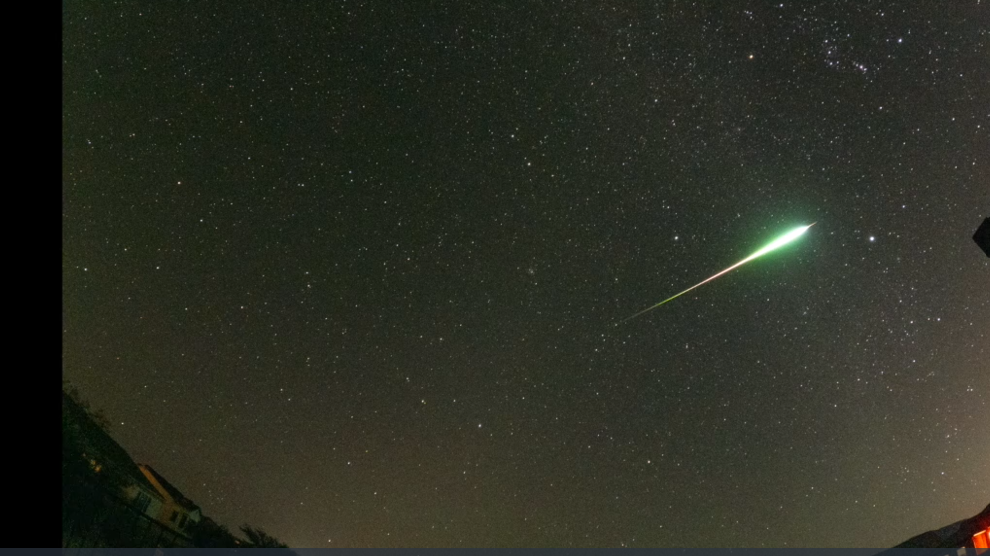
It’s always worth being vigilant when skywatching in mid- to late November. Every year, a few Leonid meteors punctuate the November sky morning sky around the 17th. These silent harbingers are only a hint at the shower’s true storm potential, which culminates once every three decades. The Leonid meteor shower can put on a true spectacle, and while 2026 isn’t expected to be a ‘storm year,’ we could be due for some enhanced activity in the late 2020s going into the early 2030s.
U
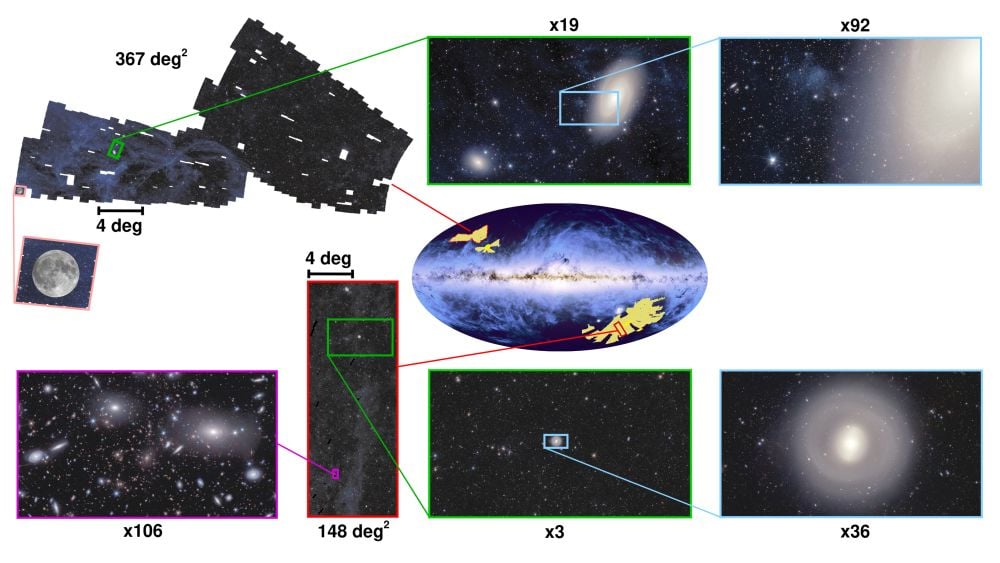
The ESA's Euclid Space Telescope has released its first huge batch of data. It's all part of the telescope's mission to study dark energy and dark matter. The telescope is busy creating the largest ever 3D map of the Universe with its huge 600 megapixel camera, and new images give us some highlights.
U
Carl Sagan and Frank Drake were pivotal to the development of the Search for Extraterrestrial Intelligence (SETI) and Messaging Extraterrestrial Intelligence (METI), as exemplified by the Pioneer Plaques and Voyager Golden Records.
U
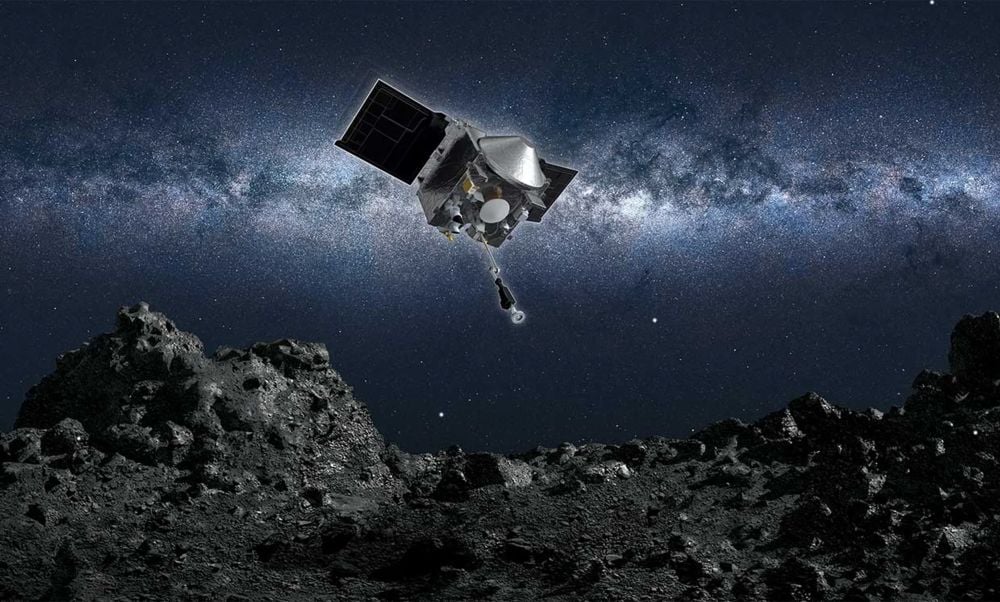
Researchers compared the samples from asteroid Bennu with the Murchison meteorite and measured the amino acid β-alanine in both. Using new techniques, they were able to measure not only their isotopic compositions, but isotopic differences between individual atoms in the same molecule. The results show that some of the same pre-cursors to life formed in different conditions and positions in the protoplanetary disk.
U
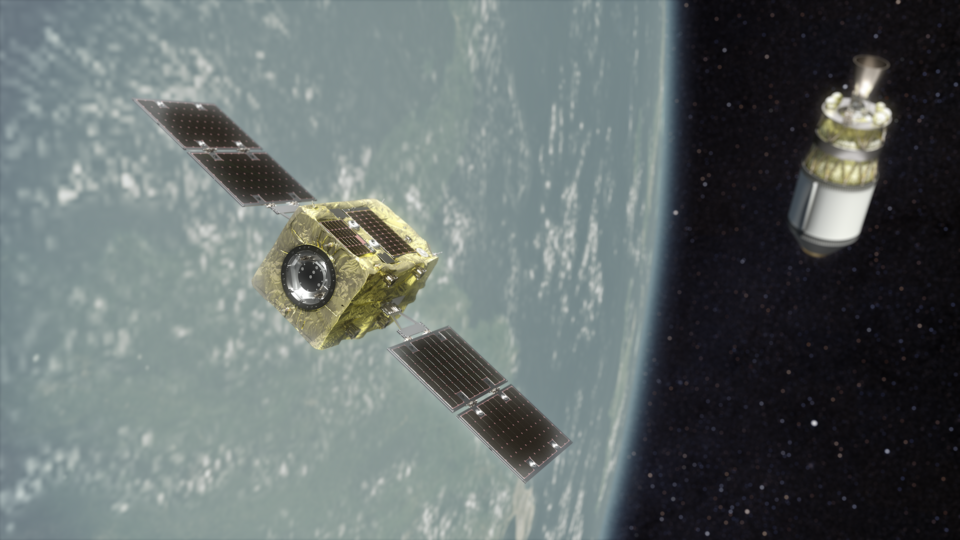
If people ever think about cleaning up space debris, they typically think of something equivalent to a giant garbage truck in the sky, collecting lost astronaut tools and dead satellites then hauling them back down to Earth to be deposited in a landfill. But dealing with space debris doesn’t work that way, and a new paper, available in pre-print on arXiv from Dr. Slava Turyshev of NASA’s Jet Propulsion Laboratory, who we typically cover for his work on the Solar Gravitational Lens idea, makes a…
U
Astrophysical jets are enormously powerful and energetic phenomena. Black holes launch them from their poles and they can extend enormous distances into space, disrupting star formation in adjacent regions. Astrophysicists want to be able to forecast when they're launched so they can understand theire extreme physics better. New research is making progress in understanding when they are triggered.
U
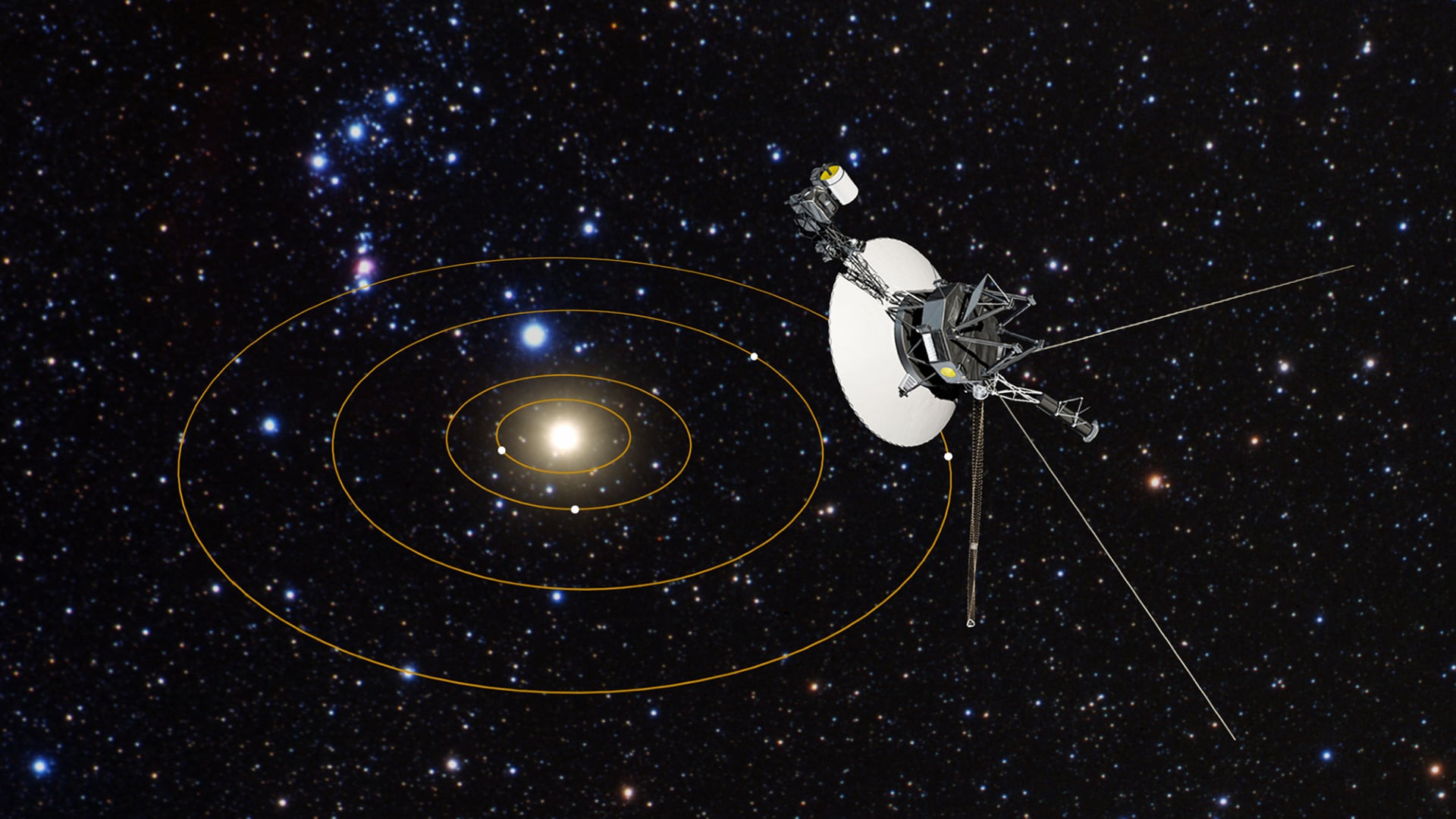
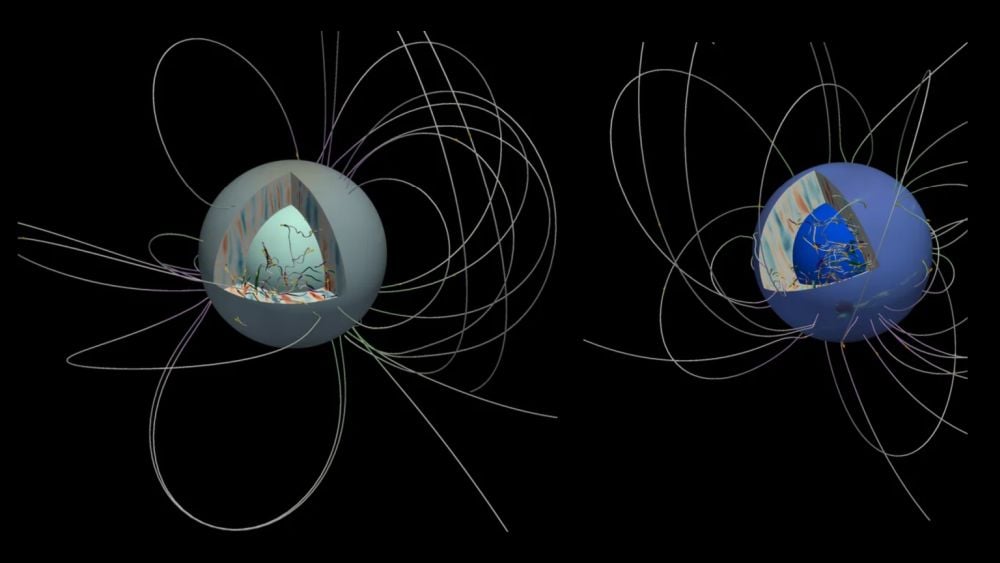
Uranus and Neptune, the Solar System's ice giants, have interiors unlike the other planets. As a result, they also have magnetic fields unlike the others. They're messy and tilted, and Voyager 2, the only spacecraft to even flyby them, showed us how messy they are. New research uses models to try to understand what's going on with the pair of planets and their weird fields, and found that it's likely they change on very short timescales. They could already be much different than when Voyager 2…
U
Science fiction authors have been dreaming of robotic spacecraft harvesting fortunes from asteroids for decades. Humanity is slowly getting closer to that reality. But if you ask asteroid mining skeptics, they will usually ask one specific question - what happens to the prices of all those rare materials once someone actually brings them back? A pair of system dynamicists from MIT directly tackled that question with a new paper titled Will AstroForge Collapse the PGM Market?
U
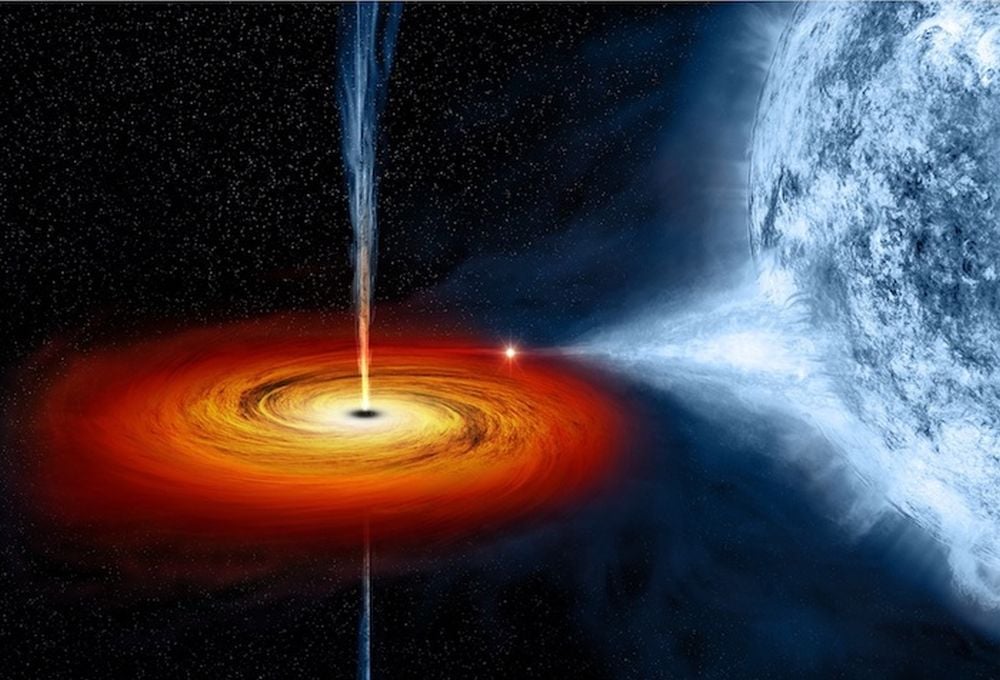
Some stars, called Luminous Blue Variables, can be confused with supernovae explosions. They exhibit similar outbursts, but unlike supernovae, which explode once and then are gone forever, these stars have periodic outbursts. New research found that one of these 'supernova impostors' is in a binary relationship with a black hole or a neutron star, and that explains its periodic outbursts.
U
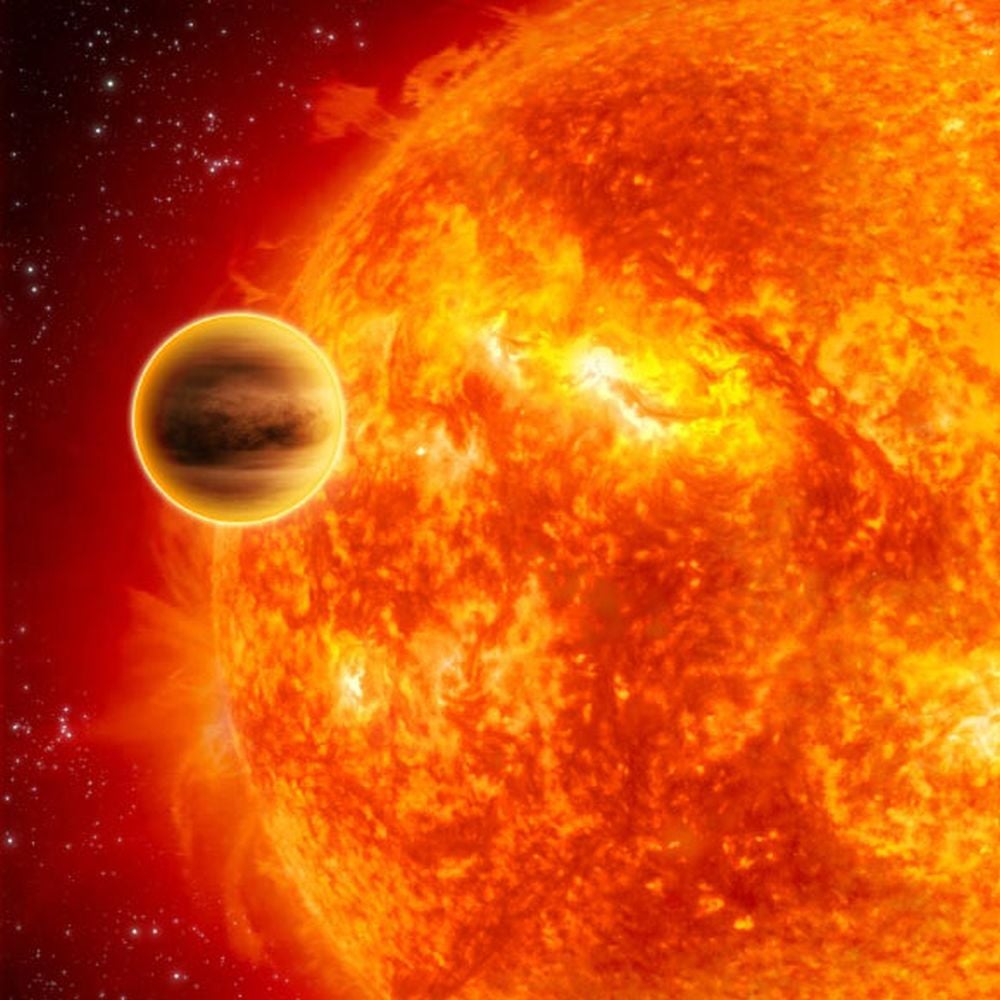
TESS watched an exoplanet about 1,000 light years away as it repeatedly transited in front of its star for seven years. But astronomers were surprised to find that the hot Jupiter disappeared. Of course, planets don't just disappear. Something interrupted its transits from our point of view, and astronomers think they've figured out what happened. An unseen, nearby giant planet companion tugged on it until TESS couldn't see it anymore.
U
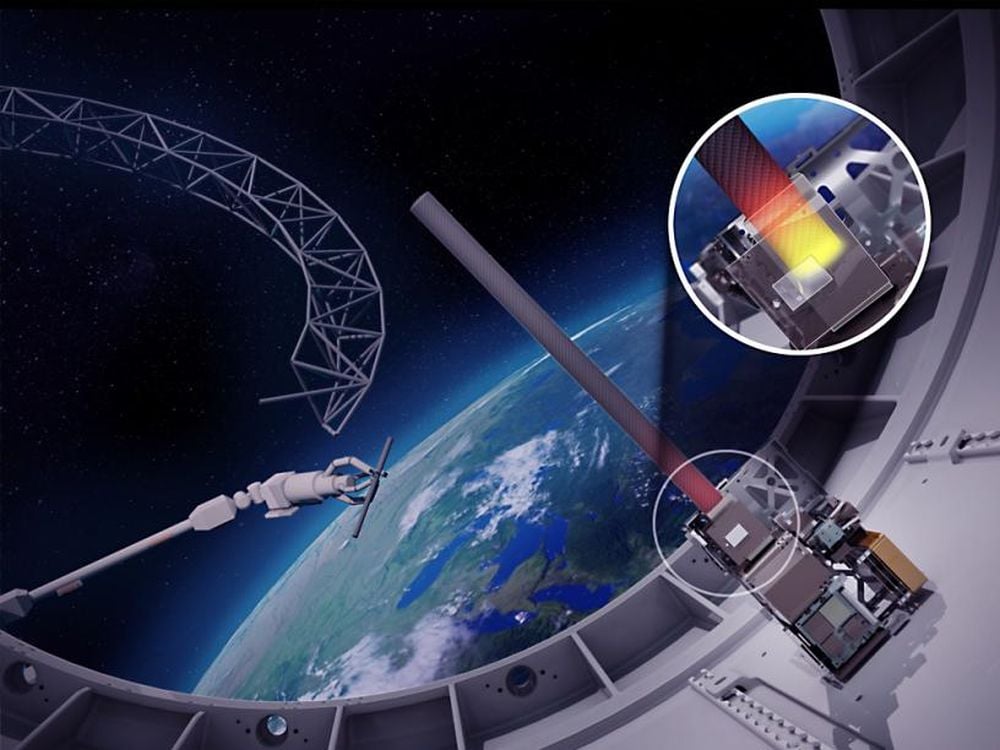
The ability to build large structures in space is maturing. The ISS, Mir, and Tiangong were built in space from pre-constructed modules, but a new program called NOM4D is taking space construction to the next level. It recently showed that a simple robot can create truss-like structures in space from premade components. Is the sky the limit for NOM4D?
U
The MeerKLASS international collaboration achieves the first direct measurement of the large-scale clustering of cosmic hydrogen in the Universe.