H
If you have recently upgraded from a SATA SSD to an NVMe SSD, you might have noticed something strange. Your new drive is several times faster on paper, and the benchmarks certainly confirm that. Yet, when you boot Windows, open your browser, or launch your favorite applications, everything feels almost exactly as it did before.
H
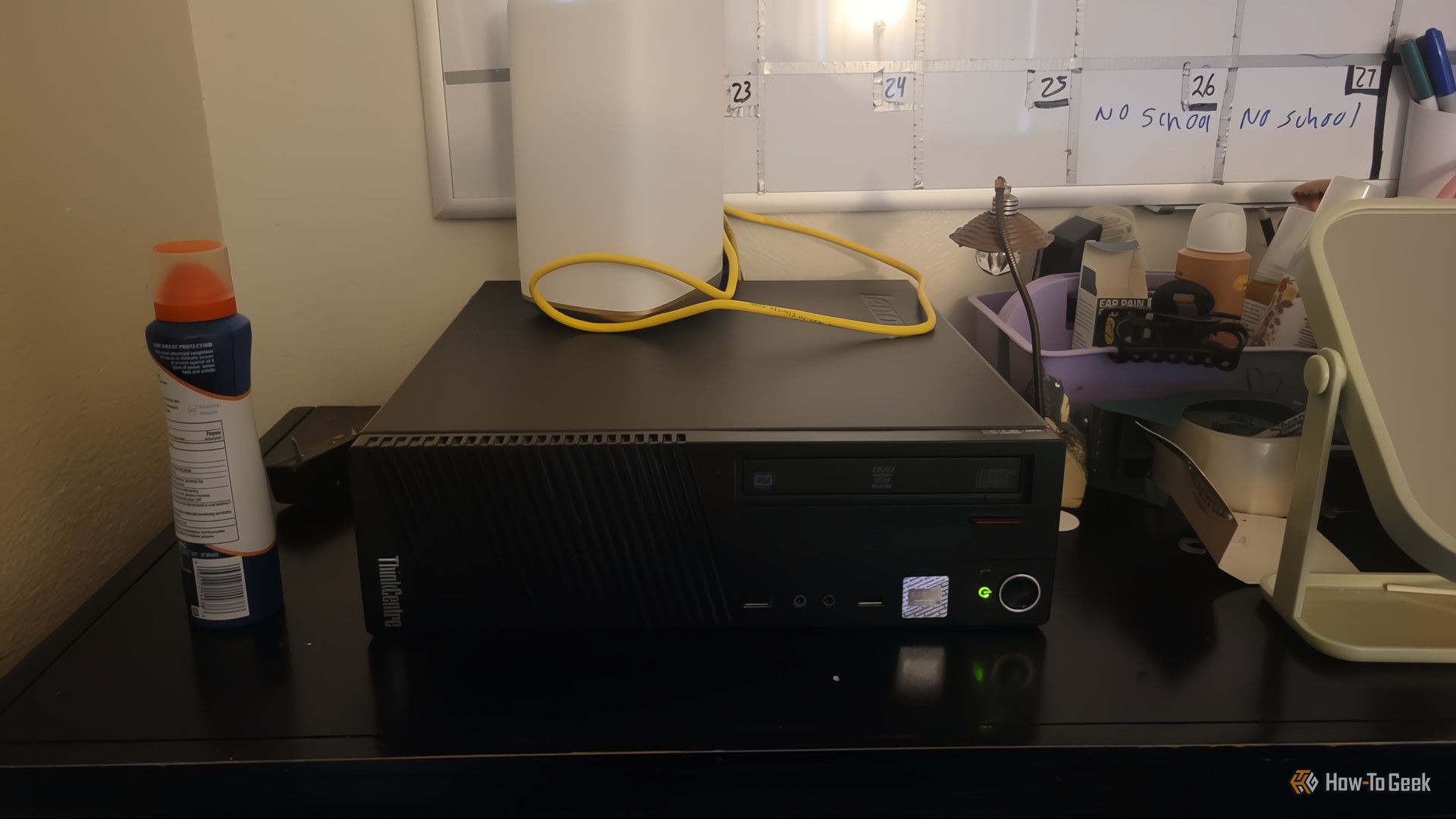
I had an old PC collecting dust and a pile of photos scattered across dead phones, random hard drives, and cloud accounts. Finally, I turned that PC into a server that cost me nothing, and it worked. Still, a few decisions I made early on caused problems later, and if I ever did this again, I'd skip a lot of mistakes.
H
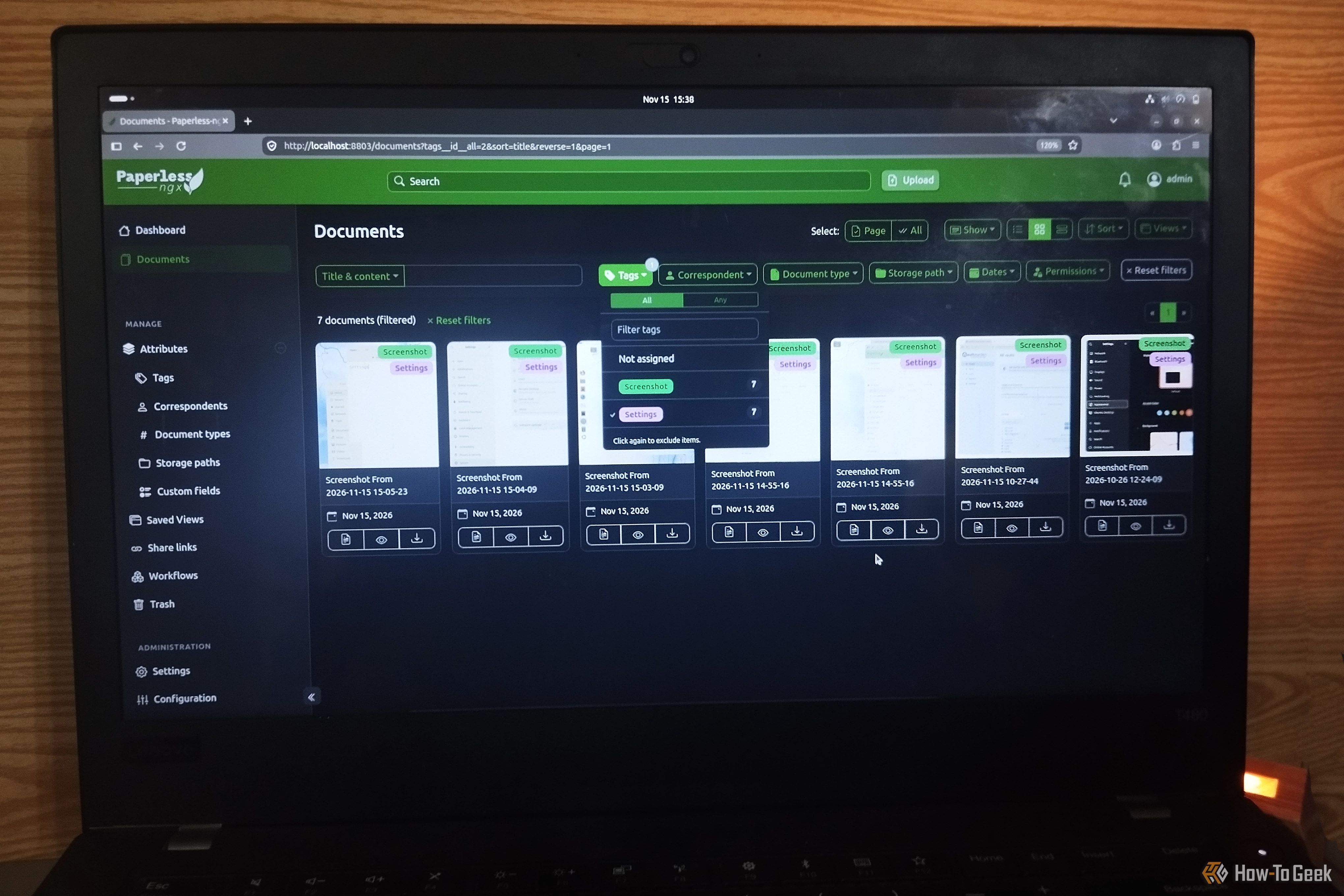
Let me be honest. My Downloads folder is a digital junk drawer, and my husband never lets me forget it. He's the kind of person who has folders within folders, separate SSDs, and even a cloud-based system to organize everything by date and category. Meanwhile, I've PDFs named final-first-draft-fedora-desktop-article (2).pdf and dozens of screenshots named after the exact second I took them.
H
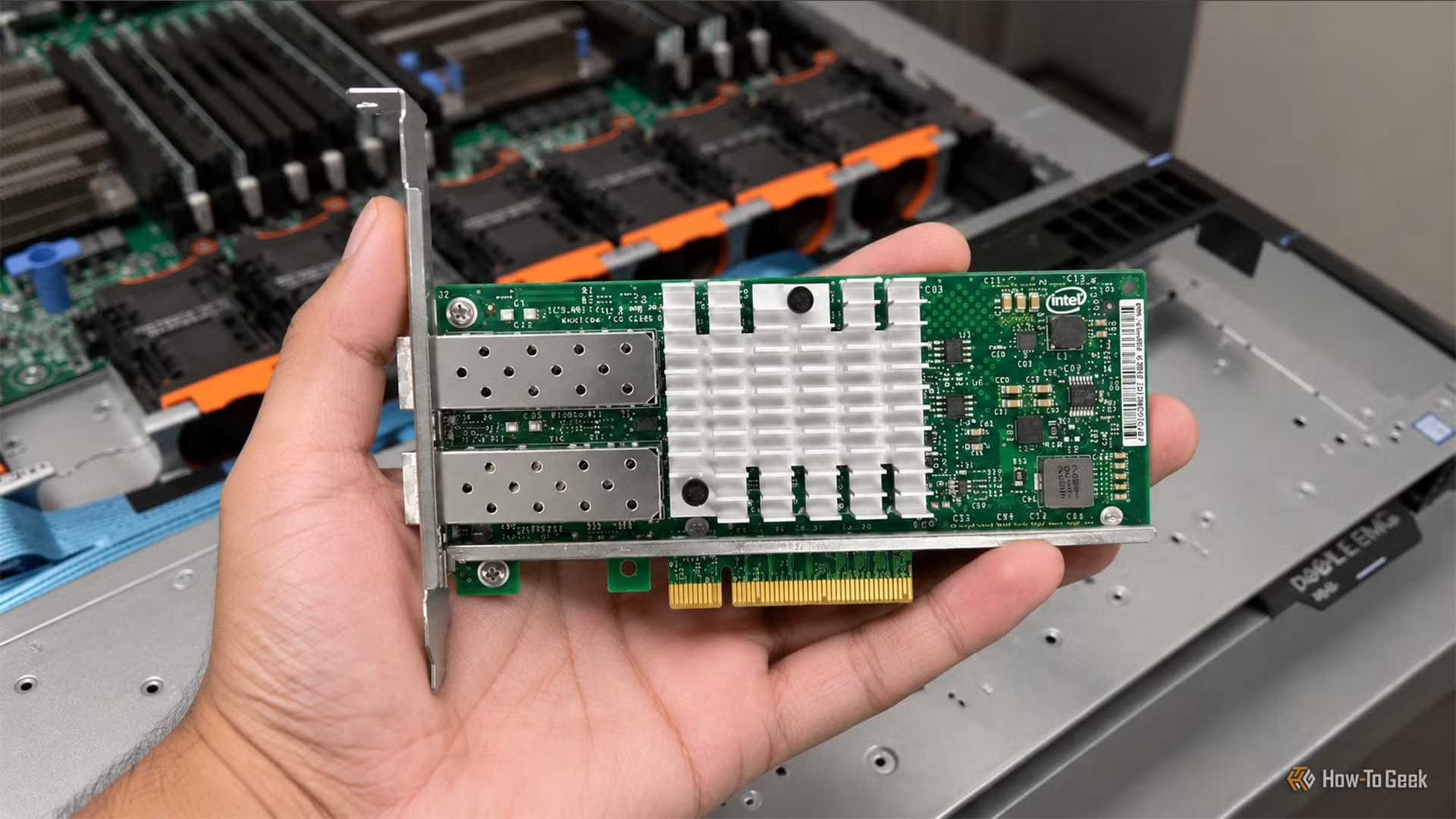
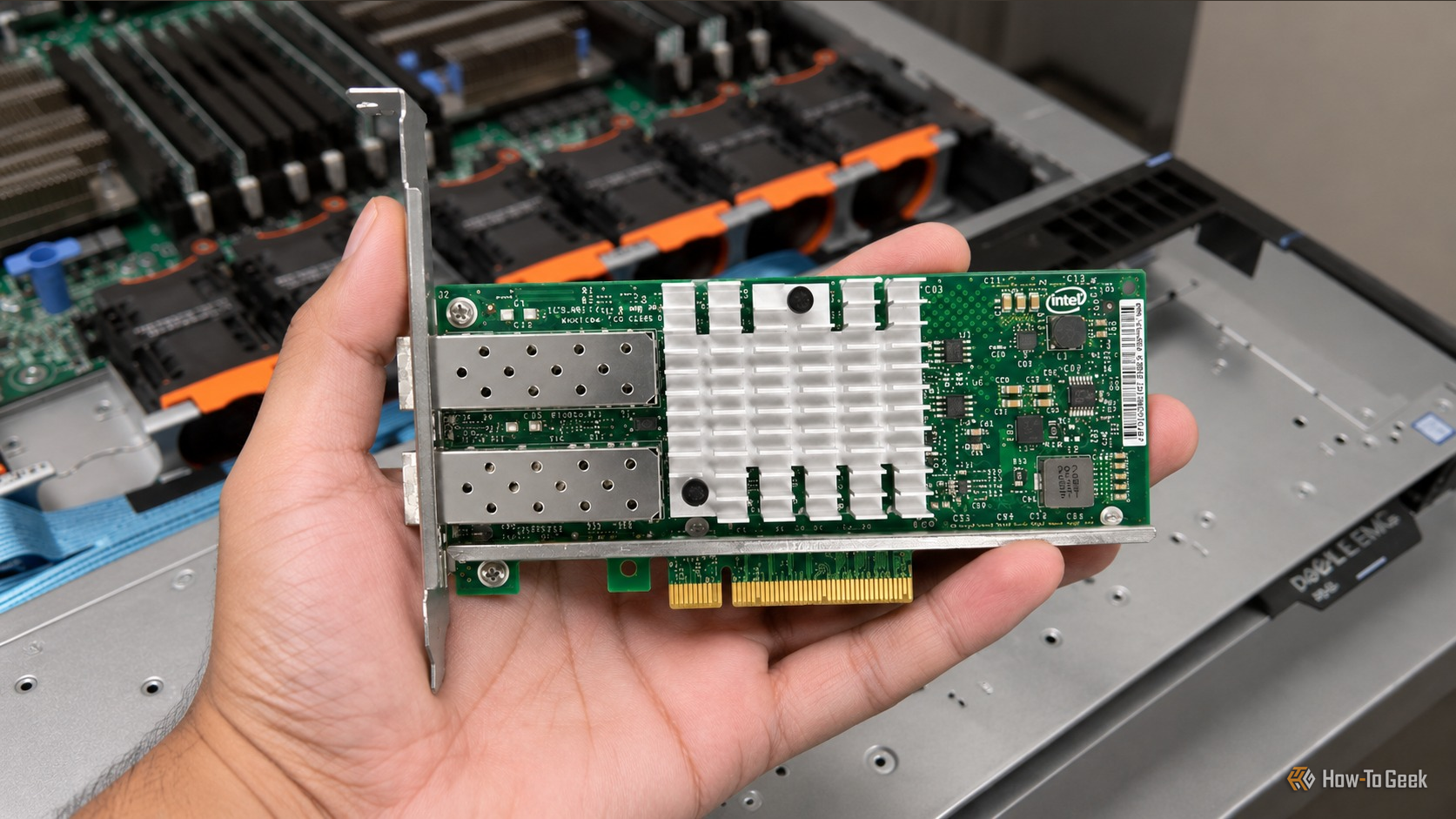
For most of us, Gigabit Ethernet is more than enough for our needs. Even if you have a NAS or a home server, you’ll likely max out gigabit bandwidth only when copying large files. Those of us who do need something faster can go up to 10G Ethernet via good old RJ45, which tops out at about 1.25GBps. That more or less covers every type of home setup.
H
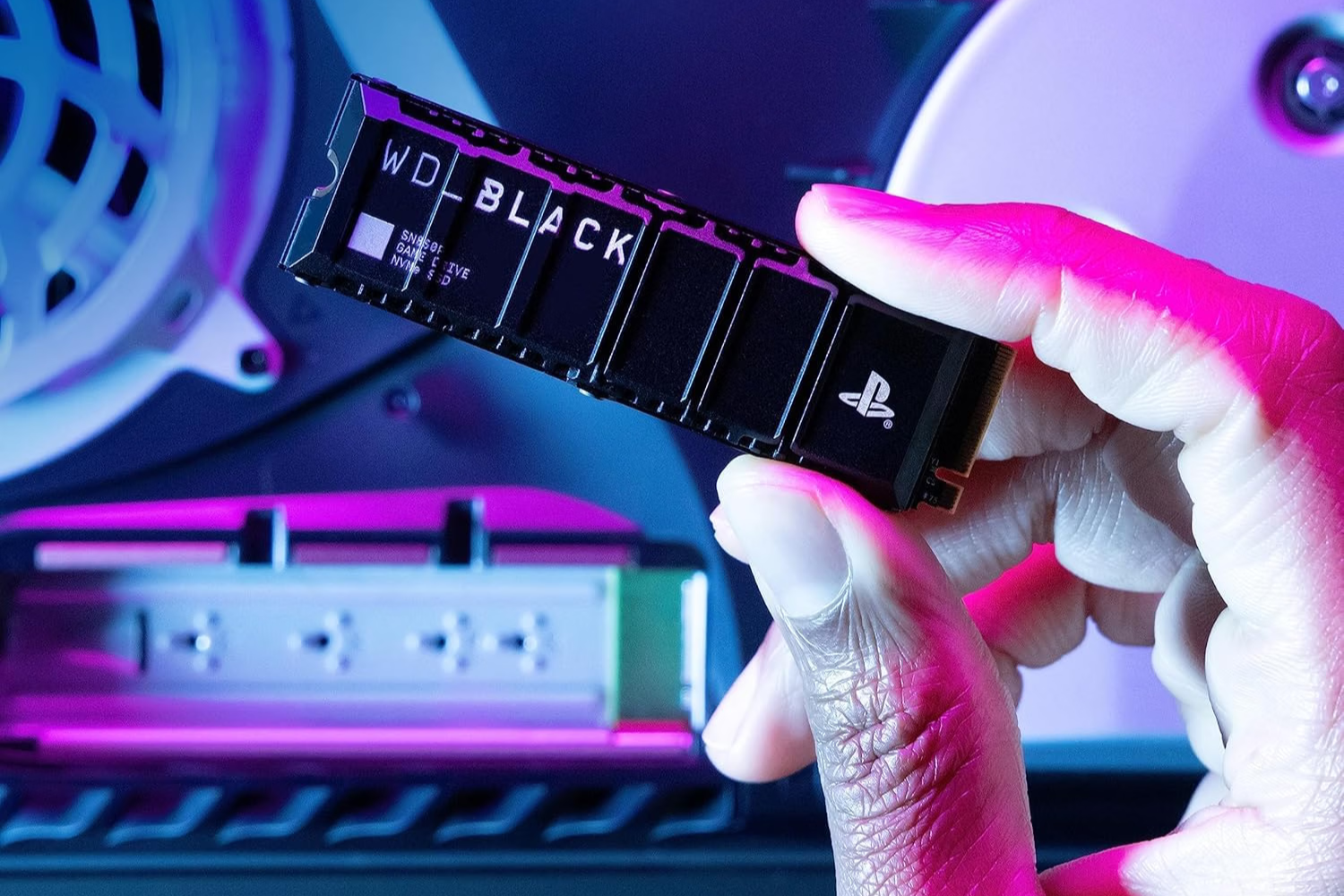
A bigger drive is one of the easiest ways to stop juggling which games and projects stay installed on your PC. The WD_BLACK SN850P 2TB Internal SSD is 50% off in a doorbuster deal at Best Buy, and it can give you the extra storage you need (whether on PS5 or PC) with a heatsink to spare.
H
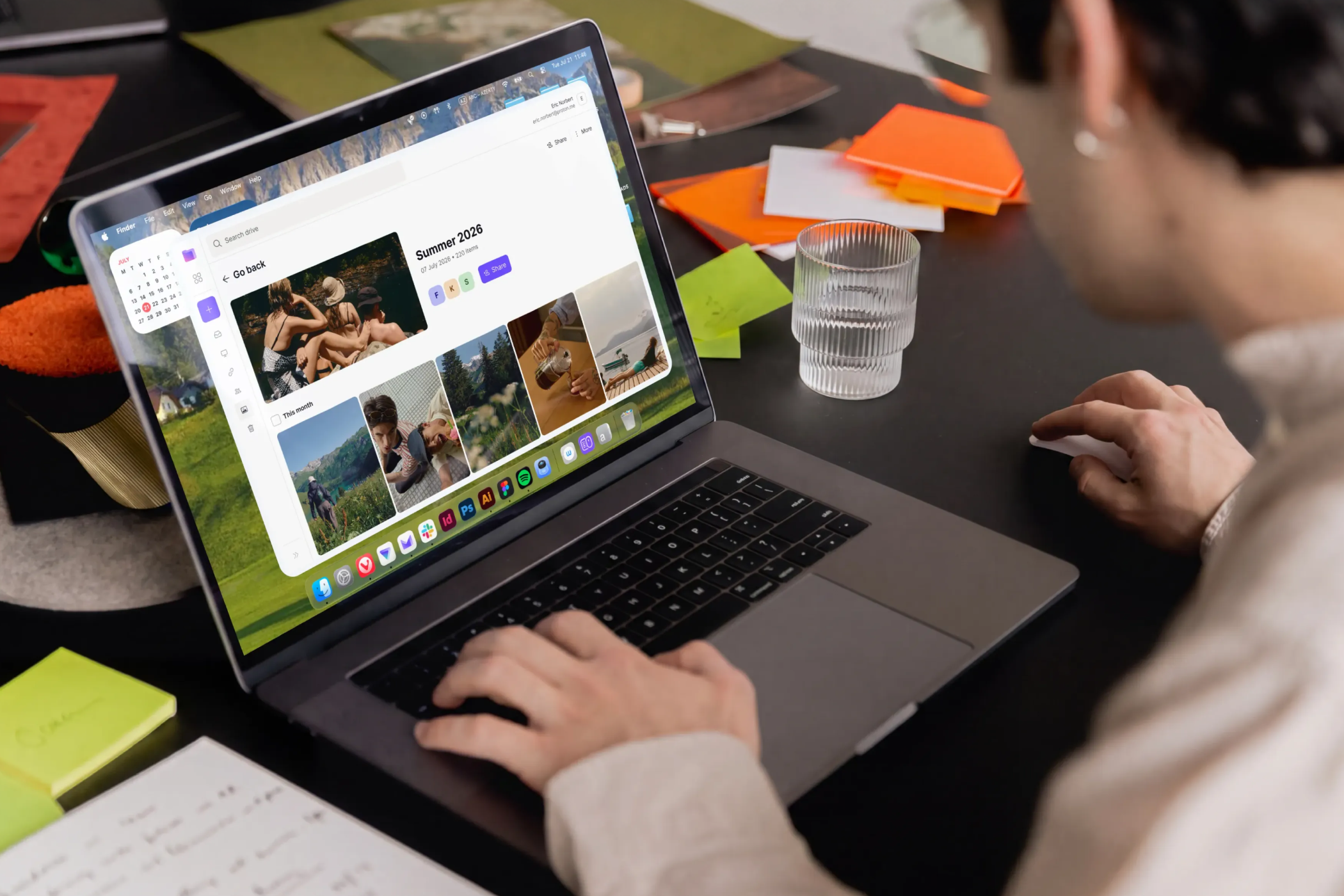
My phone kept nagging me about storage, and every warning came with a button to pay for more. I'd been renting space for my own images for years, and the price only ever moved in one direction. Then I looked at the old desktop gathering dust in my closet and wondered if it could do the job. It could, but I could have done it faster had I known what I know now. Just make sure you have an 8GB flash drive to start with.
H
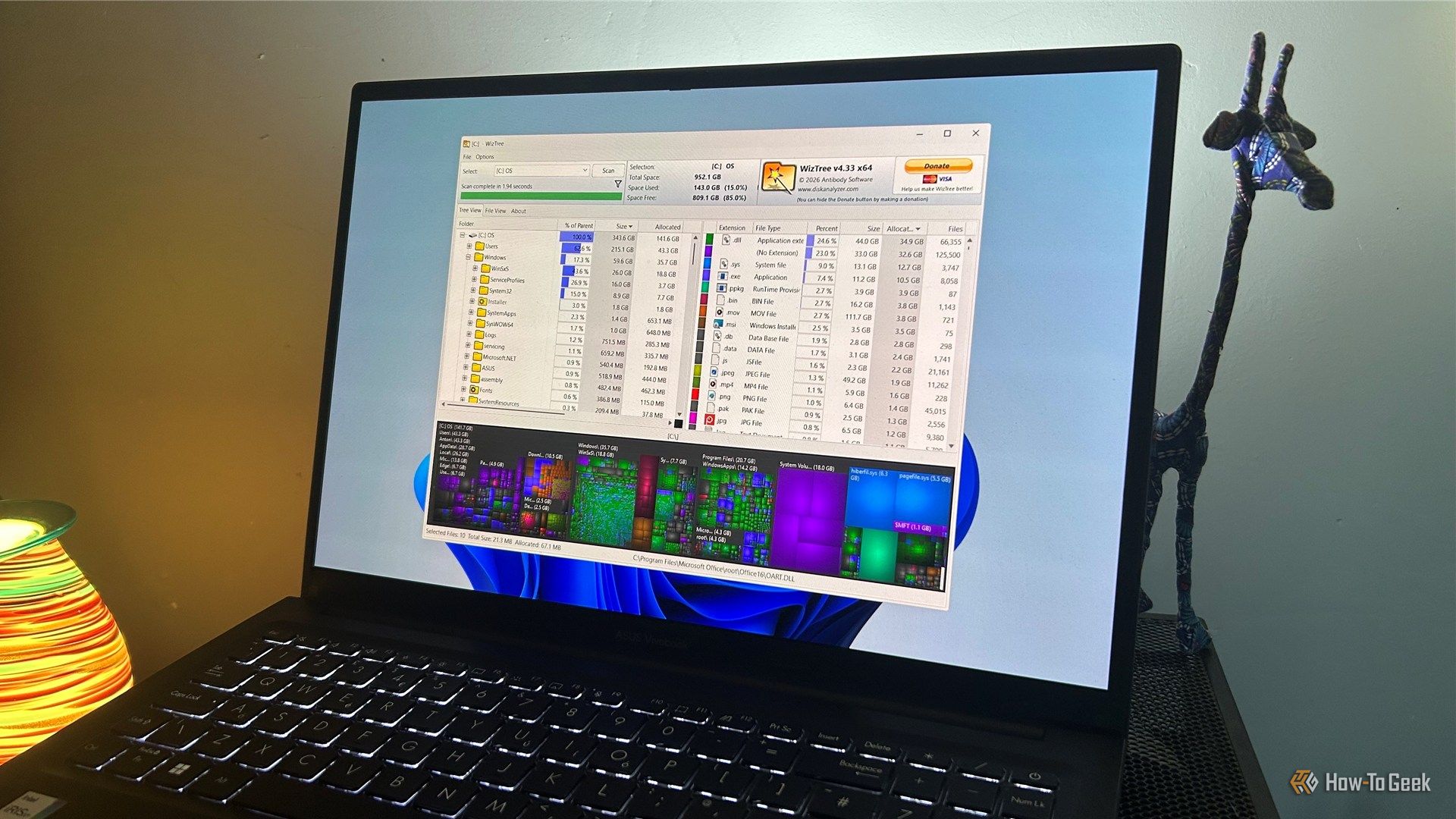
I've often found myself wondering where all the used space on my Windows 11 PC was actually going. Windows 11's built-in Storage page gives me plenty of useful data, but I had to jump between categories and wait for calculations to finish before I could piece together the full picture.
H
When it comes to cloud storage, the difference between ubiquity and security is that the most common software solutions usually don't have your best interests at heart. Microsoft OneDrive and Google Drive offer few protections for your data, which is a problem when you just want to make sure your family photos are safe and a downright liability if you're working with sensitive information.
H
I have seen plenty of people run into problems with refurbished laptops. Sometimes, reinstalling Windows reveals the machine is still enrolled in an organization’s management system, and it gets locked again. Other times, buyers discover that the laptop was stolen or has some kind of firmware or administrative lock. I have been fortunate enough to avoid these problems myself, but my experience with refurbished homelab hardware has been considerably more interesting.
H
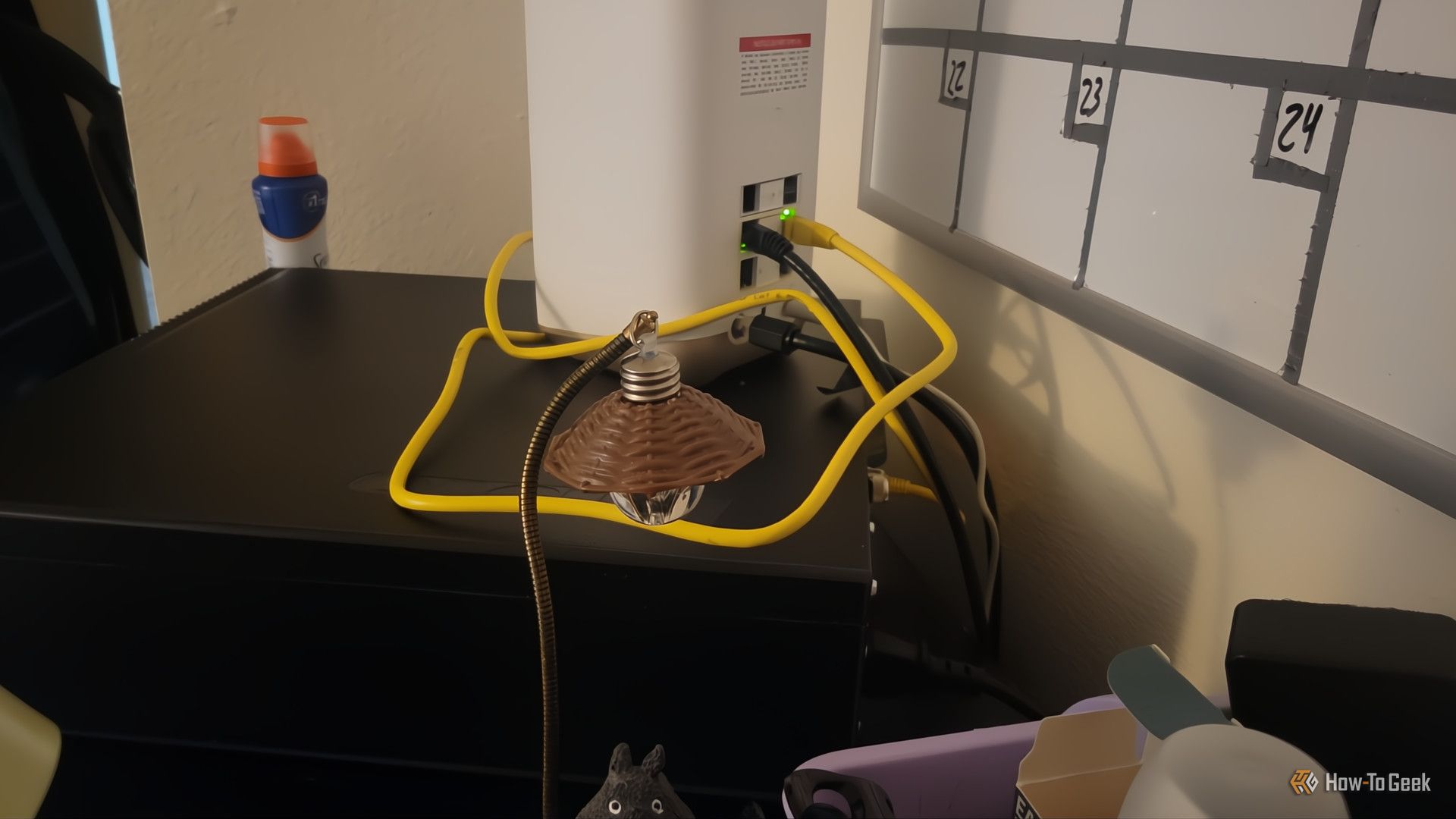
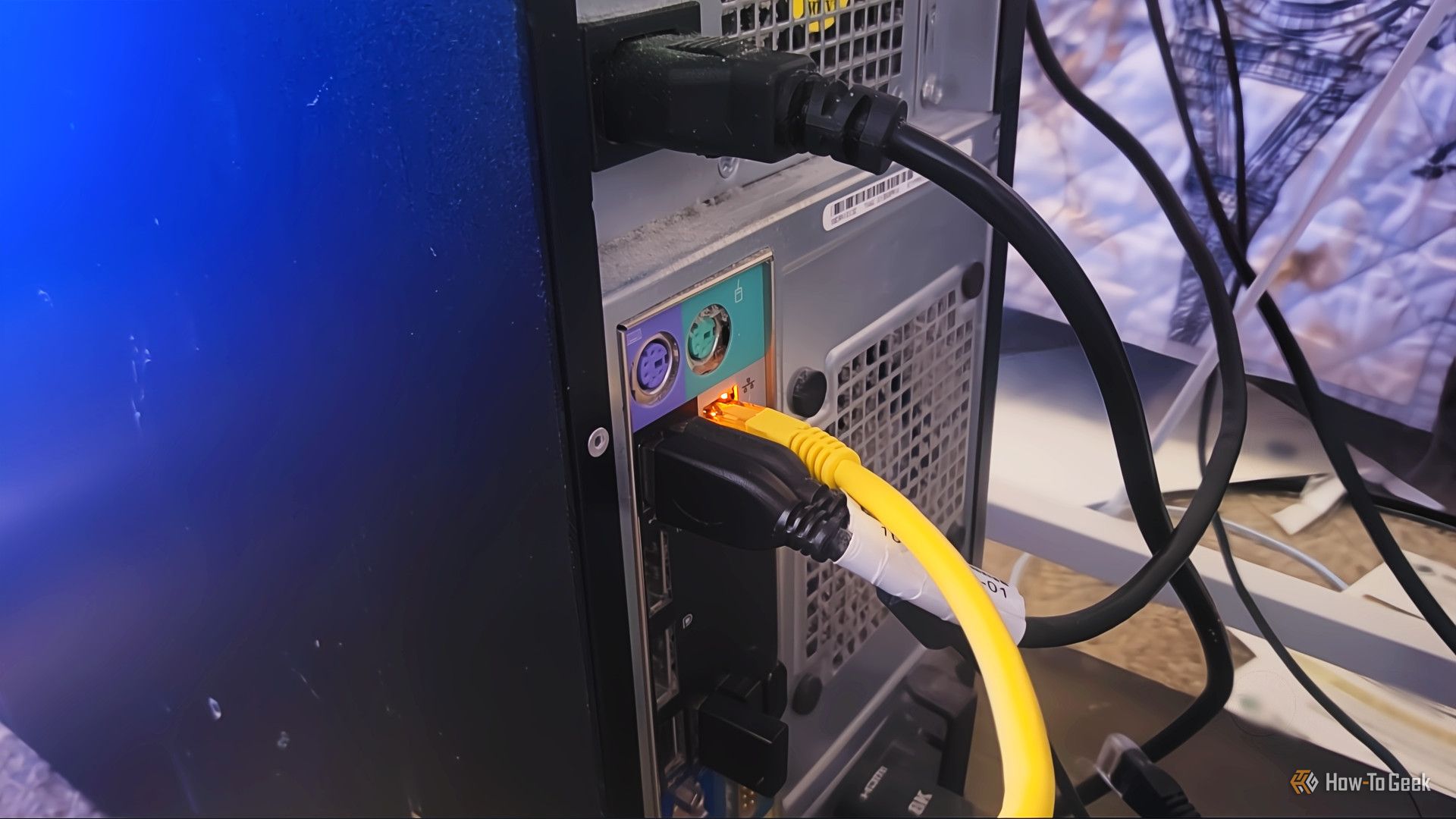
I plugged my NAS into the first open port on the back, watched the lights blink, and assumed the job was done. The shares mounted, nothing threw an error, and I moved on. However, I later found out the connection was crawling at a fraction of what the hardware could do, and nothing ever warned me. That's what makes this mistake so annoying. Any server or storage can look perfectly healthy while running slowly.
H
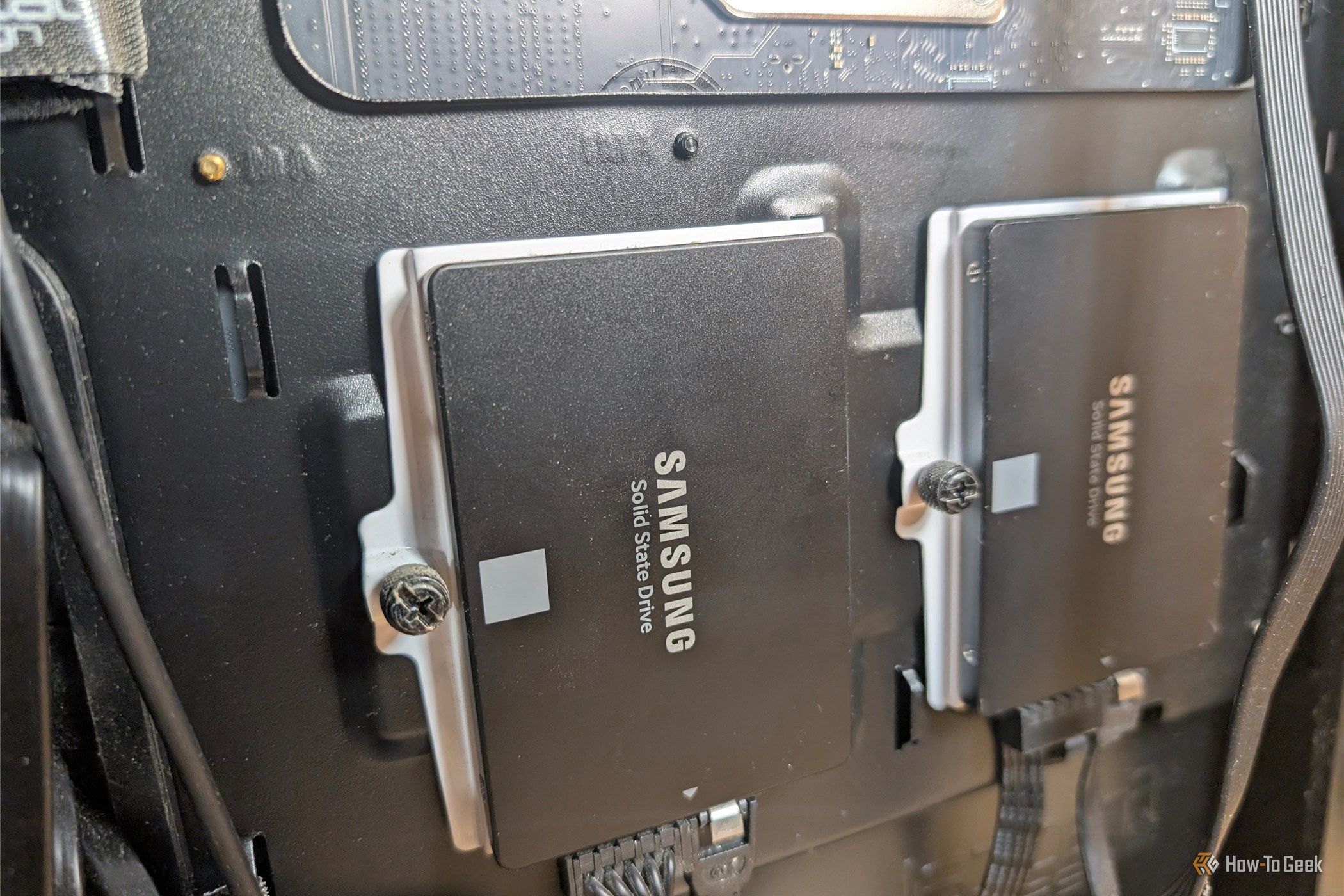
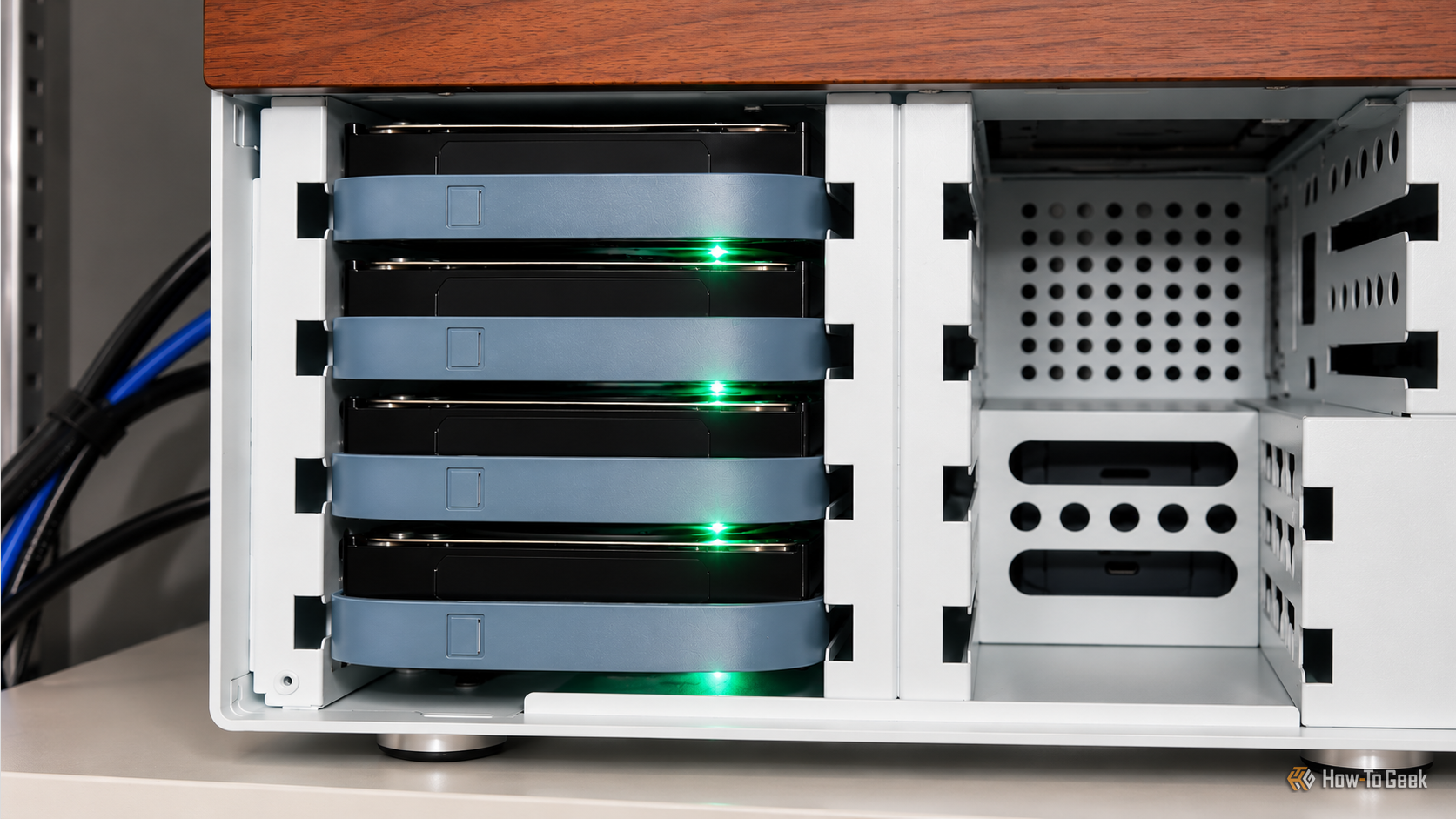
When I put together my new server, I pooled two old SSDs I'd had sitting around from an old PC into a single big drive. Superficially, combining the drives has worked perfectly so far, but I regularly regret one thing: "striping" them together.
H
I figured plugging my NAS straight into my PC would be the fastest way to move files. I did not think I really needed a router in the middle to act as an extra hop. I had thought just one cable meant full speed. The idea is common enough that plenty of people try it. I didn't expect the router to be doing so much in the background.
H
When you plug a USB drive into your Windows PC, it should automatically appear in File Explorer. If it does not, follow this exact troubleshooting hierarchy to diagnose the issue without risking your data.
H
A NAS runs around the clock, serving files, streaming media, and handling backups for every device in the house. Yet the drive I trust most spends nearly all its time disconnected. It sounds backwards, but keeping that copy offline solves problems no RAID array can. And here's why I think you should do that too.
H
Hard drives became expensive very quickly—over the last year or so, hard drive prices have jumped about 50%, and prices show no sign of coming back down.
H
That USB port on the back of your router looks like an easy way to share storage at home, maybe even set up a full-blown NAS. It does work, for what it's worth. But the router has a different main job, and using it as a file server comes with costs most people don’t expect until their network slows down. Here's why that's a bad idea.
H
Synology has been scrambling to fix the PHP2Shell vulnerabilities since the PHP developers released emergency security patches on October 21, and the company confirmed that a number of its NAS packages were affected. Now the story has taken a twist, as Synology reports that attackers are exploiting the flaws, and the US cybersecurity agency CISA has added them to its Known Exploited Vulnerabilities catalog. Synology is now extending security fixes to older DiskStation Manager (DSM) versions,…
H
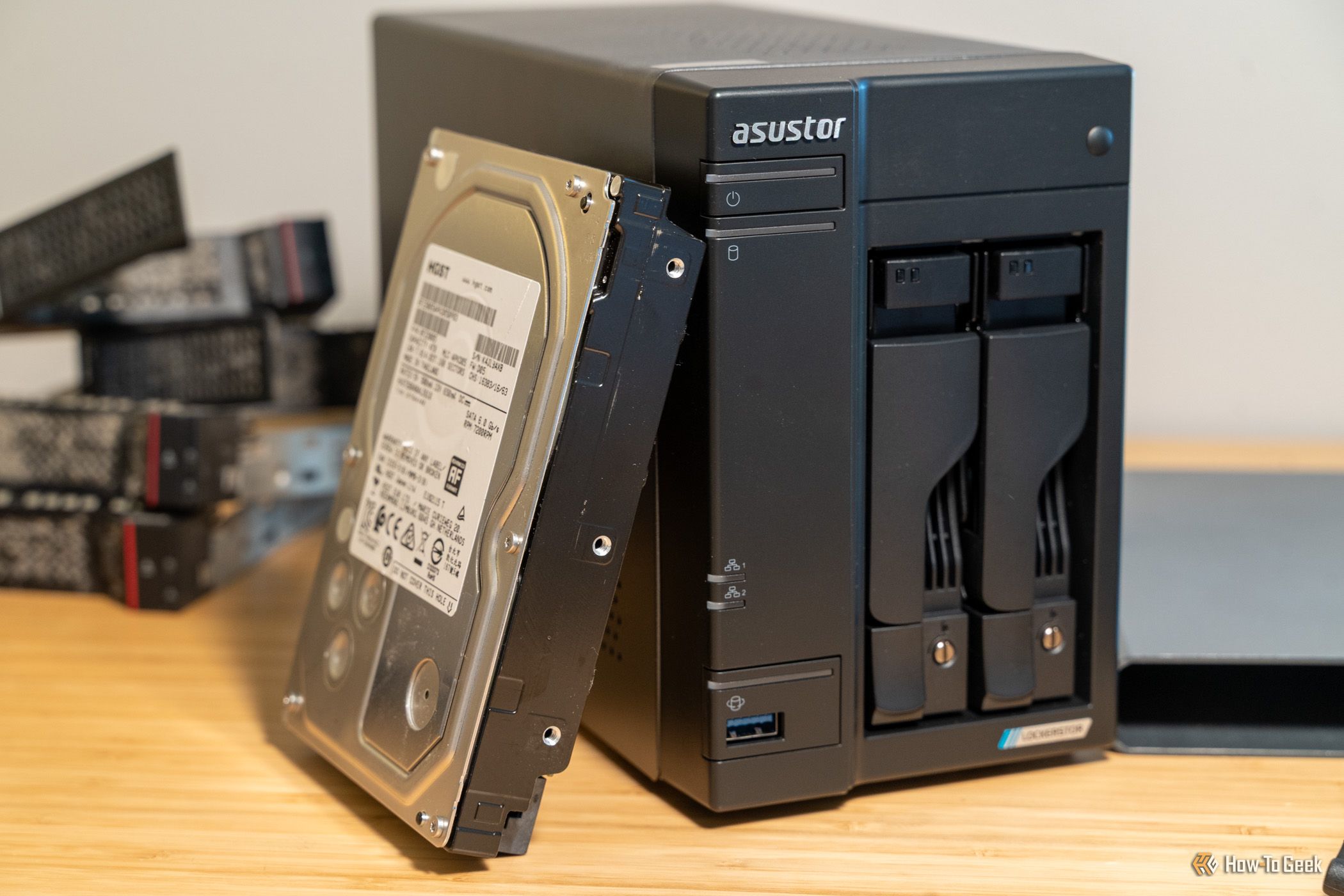
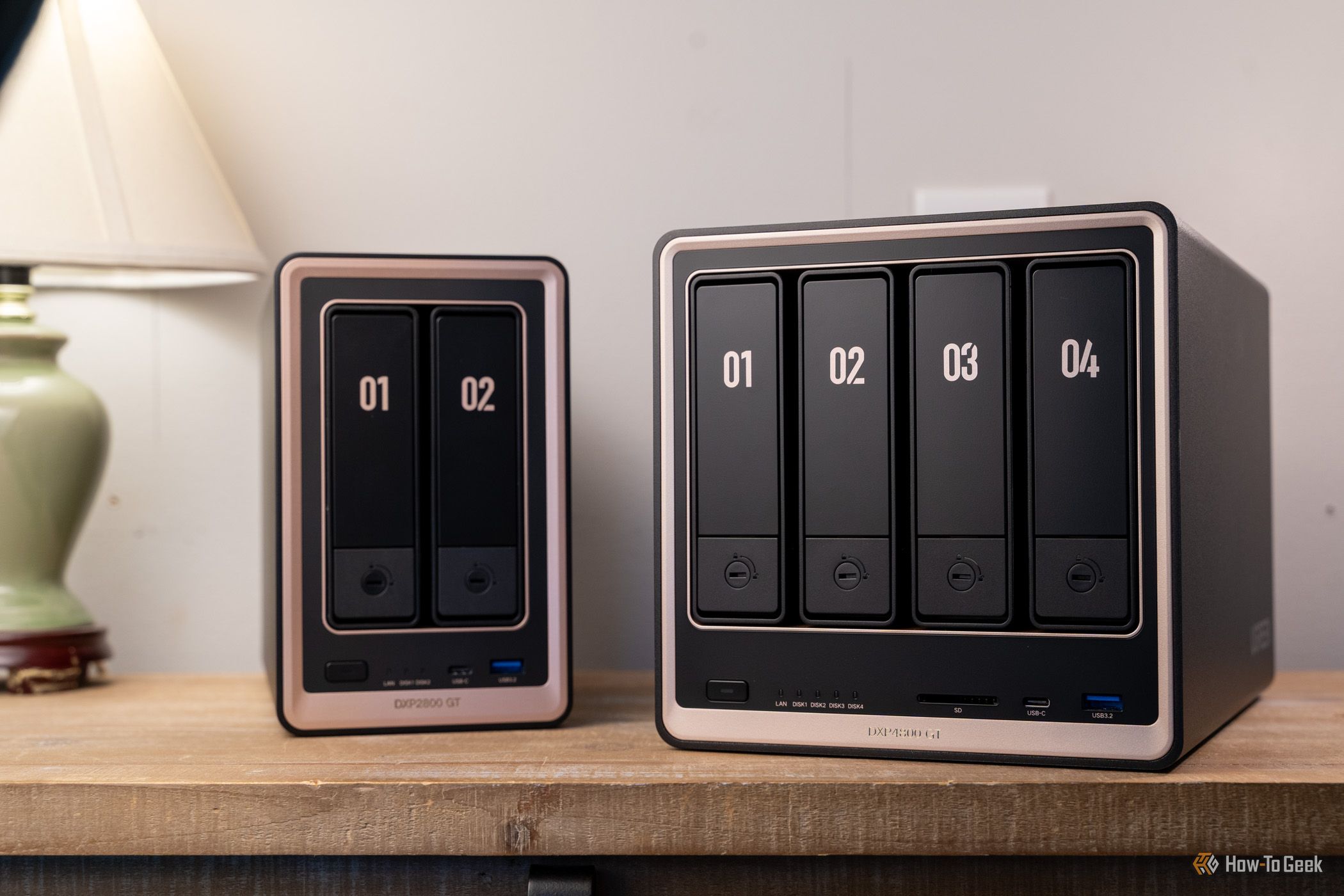
A 4-bay NAS isn't cheap—they'll often cost you around $500 before you start including hard drives, which are now quite pricy. Even budget 2-bay NASes come in at around $200.
H
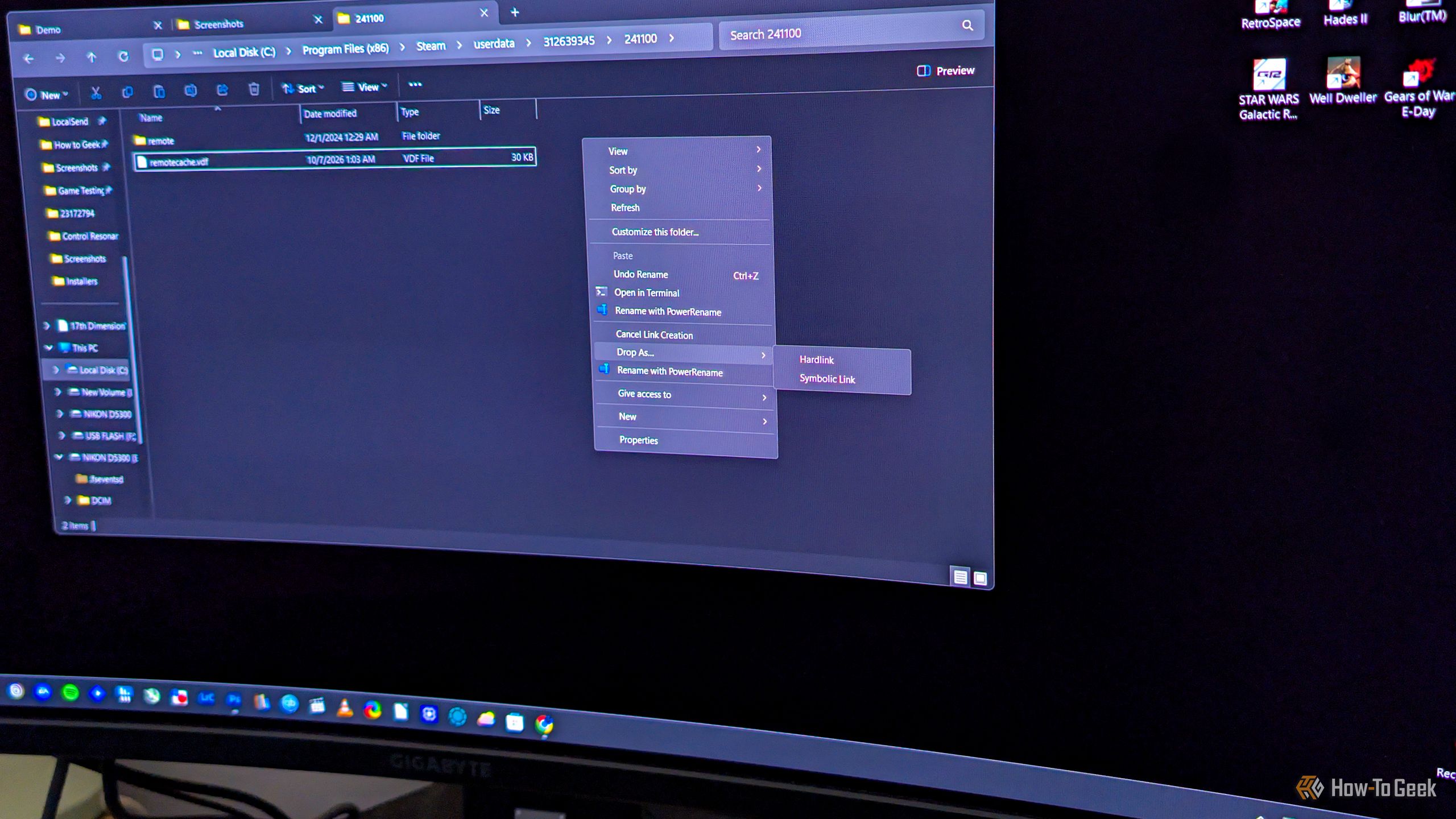
Say you want to copy a file to another folder on your Windows PC, but not for backup purposes. If you just want to have the same file appear in multiple folders, you don’t have to copy it the usual way, where each copy takes up the full amount of storage space. What you can do instead is hard link it, which makes the same file show up in another folder, indistinguishable from the original, with the benefit of this “copy” not using any extra storage.
H
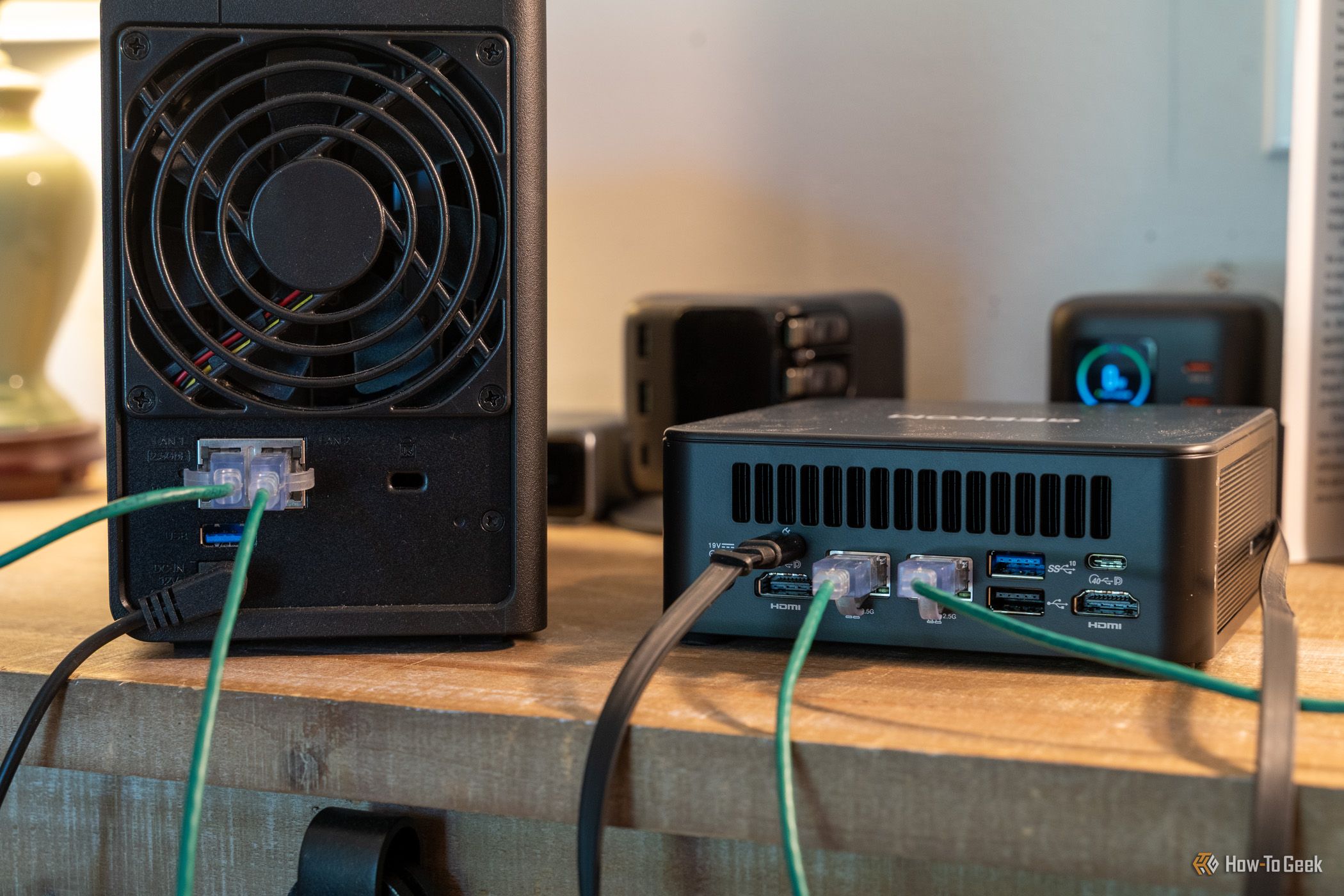
Are you wanting to start building out your homelab, but aren't sure where to start? The best approach that I've found is separating your services from the beginning with a two-system setup. Thin clients are cheap and readily available basically everywhere, and it's not hard to find a NAS, either. So, if you're wanting to kickstart your homelab setup, try the two-tier approach I lay out below.
H
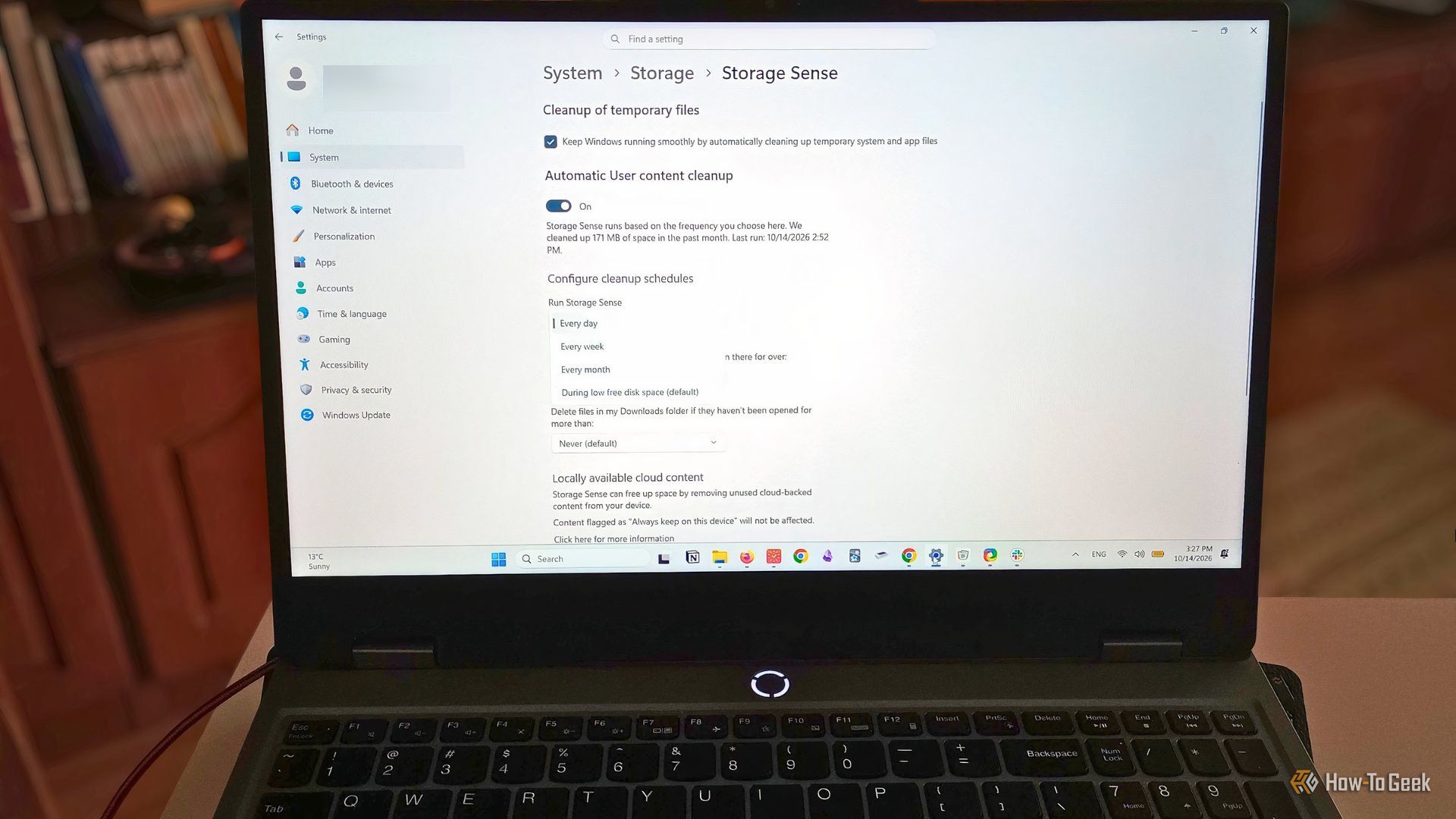
It's been a while since I had to deal with a serious storage-related problem in Windows, which is likely why I didn't pay much attention to Storage Sense. I've stumbled upon it many times in Settings, but I figured I was all good because I use Disk Cleanup and regularly check what's on my computer.
H
I recently rebuilt my NAS around an Intel N100 motherboard. I also have a DAS and another NAS for storing my files. Despite having several storage options, I found that accessing my most frequently used files over the network wasn’t as fast as I wanted. Instead of upgrading everything or replacing my existing storage hardware, I started looking at how I could organize my files differently.
H
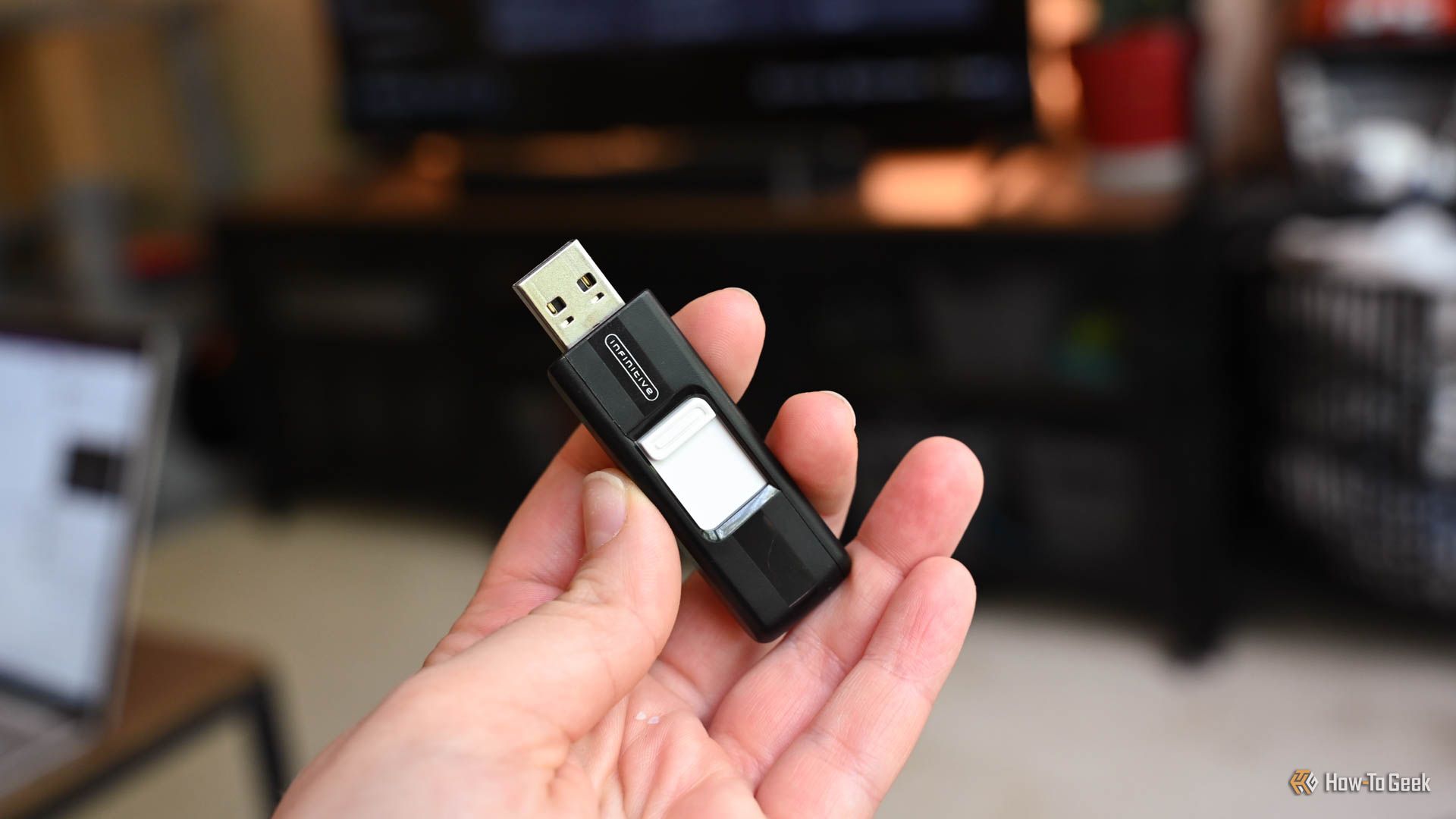
It is easy to look at a small plastic drive on a desk and assume someone sat down, drew a blueprint, and built it out of thin air. Plenty of devices were genius inventions that one person could lay claim to, sometimes building off the foundation of others. However, hardware history rarely works like that, and combining parts from separate inventions usually turns into a brawl over who crossed the finish line first. The USB flash drive is no different.
H
You just spend a few hundred dollars on a fancy 2TB NVMe SSD, but when you plug it in to your Windows PC, you notice that only about 1.8TB show up. Given the cost of storage, it is painful to "lose" 9% of the storage you intended to buy before you transferred a single file.
H
Solid-state drives last a long time, but not forever. Some familiar utilities, and stuff you do on the daily without giving much thought to it, quietly write far more data than most people realize, shortening the usable life of the drive. Here are three kinds of software that deserve a second look before they become a regular part of your routine, or if they already are.
H
There is a difference between two operating systems having their own ways of doing things, and making something needlessly complicated. It's easy to think of Linux as "harder" than Windows, simply because you're familiar with Windows. If you were a blank slate, most things would be equally new and "hard" for you.
H
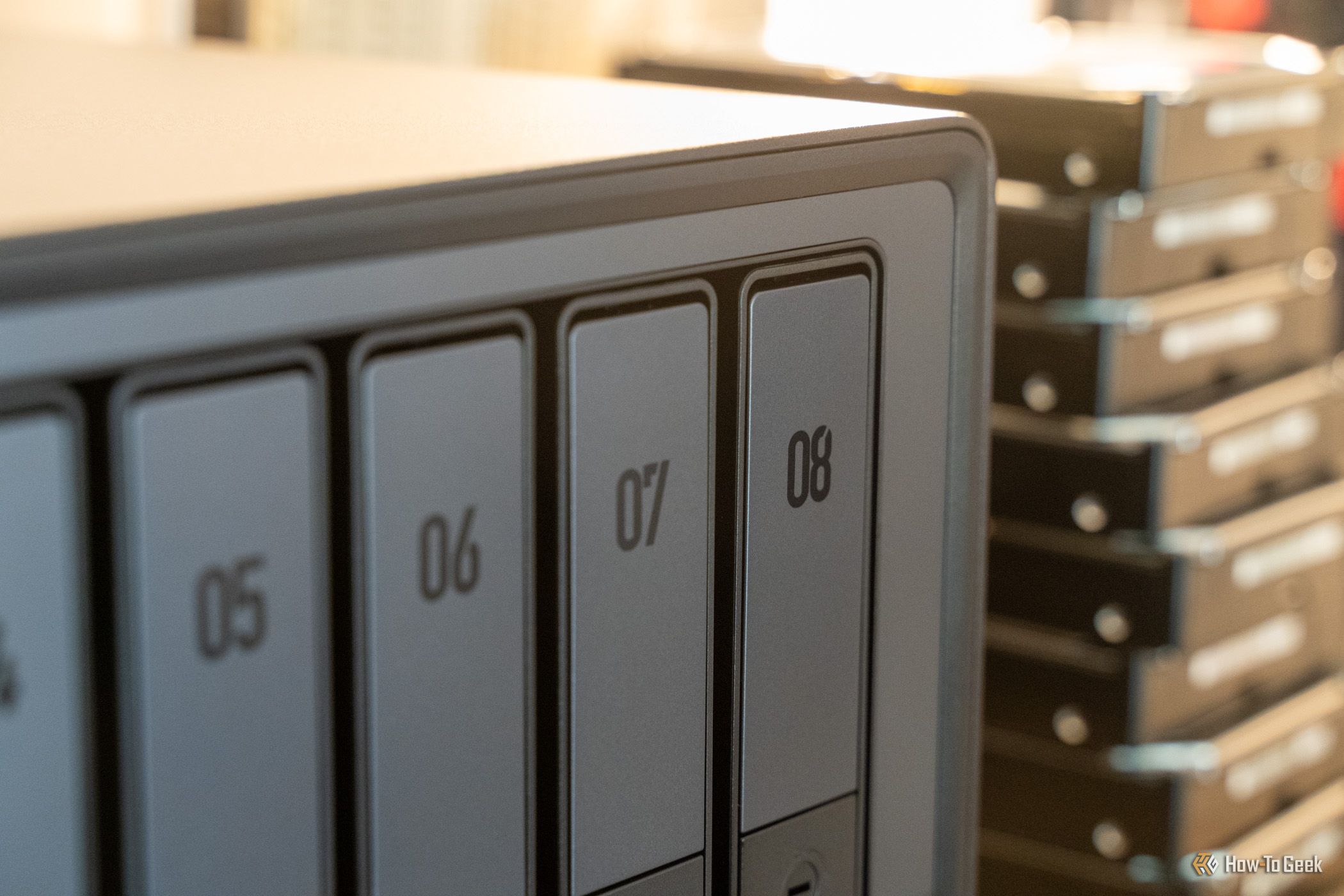
If you're looking for a large-capacity NAS for your home or small business, there aren't a ton of choices out there. Ugreen recently upgraded its DXP8800 series with an all-new Ultra model, featuring a new processor and a higher RAM capacity. Is it worth the upgrade? It might be difficult to tell.
H
I’ve been running a homelab for about eight years now, and during that time I’ve used both mini PCs and NAS systems for all kinds of workloads. I’ve also gone through several generations of Mini PCs and NAS. After all that experimentation, there is one I would recommend to most people starting their first homelab.
H
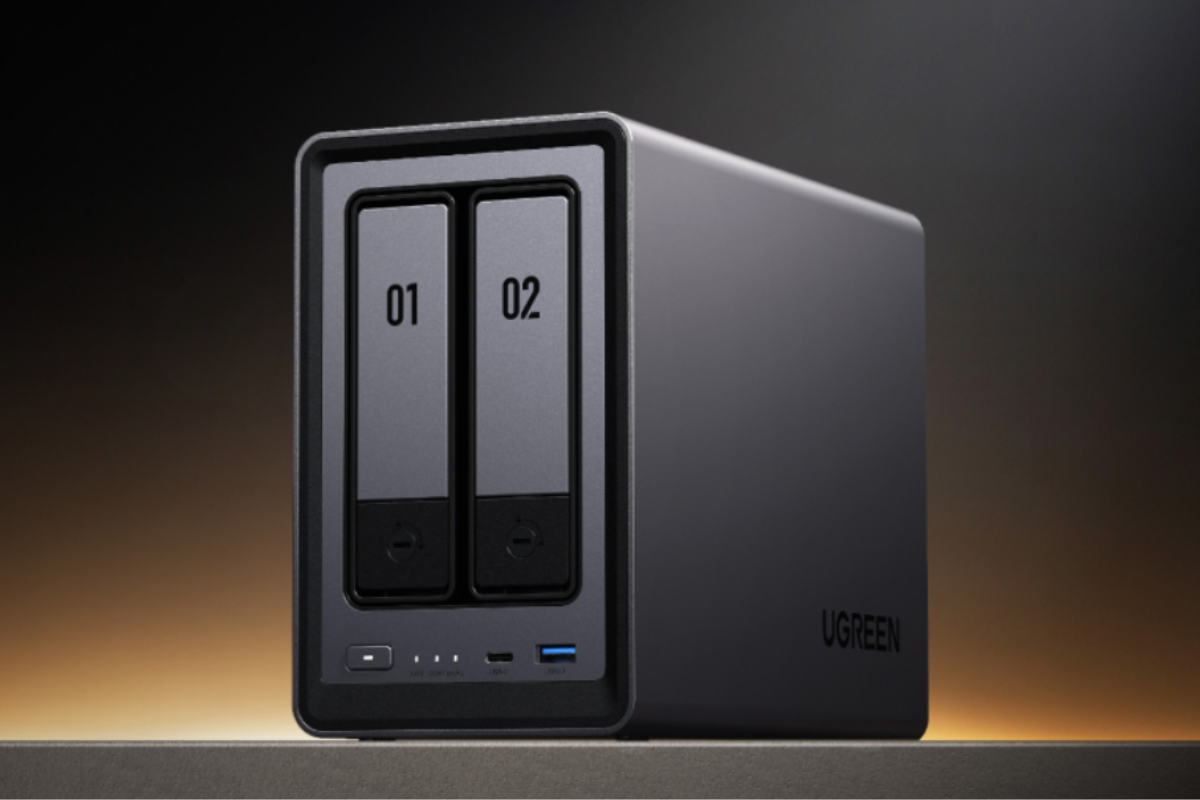
Your digital information can start to add up over the years, and next thing you know, you're running out of storage and cloud space. If you're trying to save family pics, work files, or videos, having a mega storage machine like a NAS device is the way to go, and thanks to Amazon's Prime Big Deal Days, you can score this UGREEN device for just $347.
H
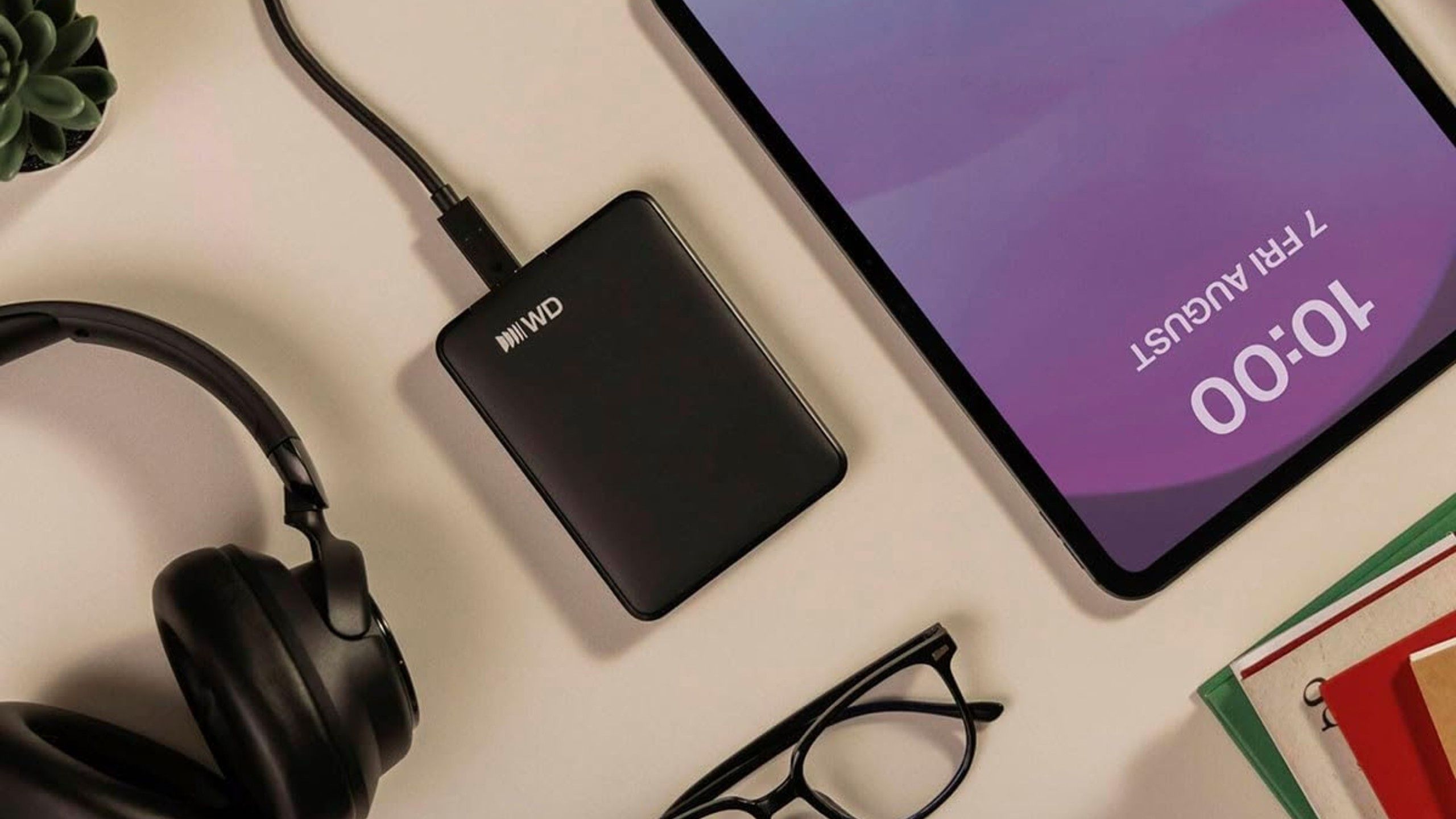
External drives, like the WD Elements, are essential storage devices everyone should have to protect valuable data from crashes or theft. They're also great for storing your movie and music collections because you can take them anywhere and access the offline files without a subscription.