C
Infrastructure-as-code (IaC) goes far beyond provisioning cloud resources. As Kubernetes environments evolve and AI agents take on more operational responsibilities, IaC provides a controlled, reviewable approach to managing infrastructure changes. From Kubernetes upgrades and hybrid cloud management to drift detection and human-approved AI automation, IaC helps DevOps teams balance speed, flexibility and security. The post Kubernetes and Infrastructure as Code in the Age of Agentic Development…
C
Sai Joshitha Kathari joins Alan Shimel to explain how embedding pod-readiness and workload-health checks in Jenkins reduced her Kubernetes deployment validation time from 45 minutes to two. The post Kubernetes Deployment Validation in Two Minutes appeared first on Cloud Native Now.
C
Independent deployment changes what service virtualization tools must handle. Understand how the top service virtualization tools compare for cloud native teams. The post What Service Virtualization Tools Need to Handle in a Cloud Native Architecture appeared first on Cloud Native Now.
C
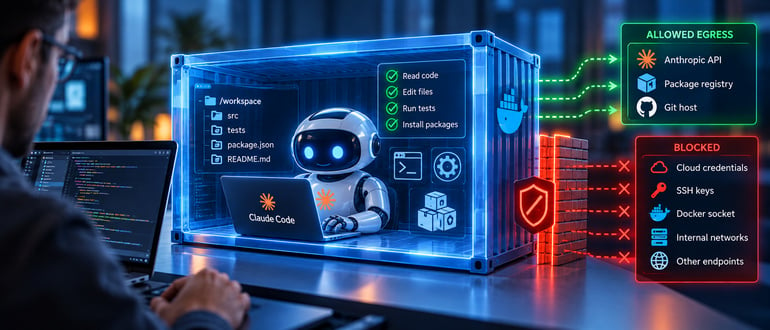
AI coding agents run commands with your privileges. A container lets you decide, once and in a reviewable file, what they can see and reach. The post Put the Agent in a Box: Running Claude Code in a Container appeared first on Cloud Native Now.
C
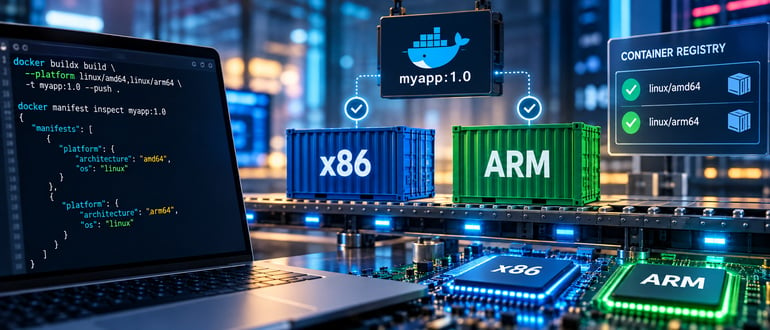
Migrating Docker containers from x86 to ARM? Discover hidden dependency issues, native library failures and essential tests for reliable ARM deployments. The post One Dockerfile, Two Architectures: What Actually Breaks When You Move Containers to ARM appeared first on Cloud Native Now.
C
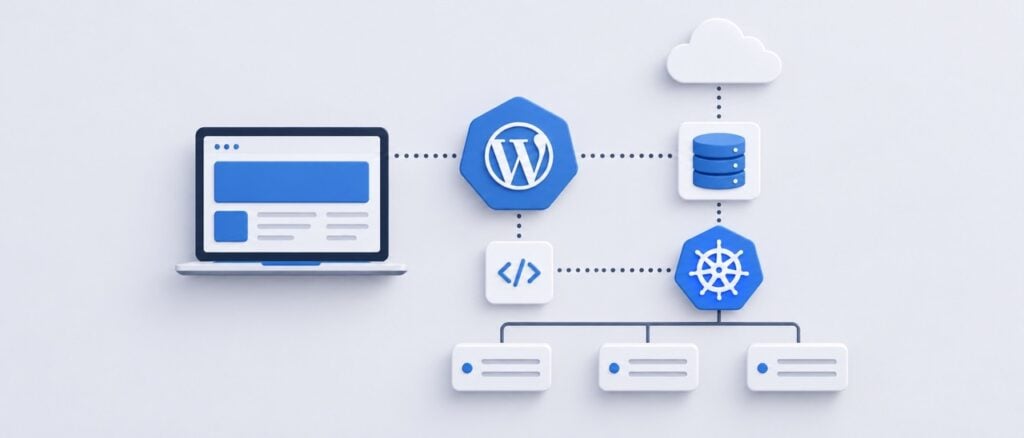
WordPress and Kubernetes don’t immediately sound like natural partners. WordPress grew up in the world of fairly traditional web servers, while Kubernetes was designed around containers, distributed workloads, and infrastructure that can be replaced rather than carefully maintained by hand. Headless architecture changes the equation. Once WordPress is responsible mainly The post Headless WordPress on Kubernetes: A Cloud-Native Setup appeared first on Cloud Native Now.
C
Zero is a powerful number in container security. Run a container image through a tool such as Trivy or Docker Scout and imagine the result comes back with no known vulnerabilities. It is tempting to treat that number as if the image is clean and safe to deploy, but what The post A Container Image Can Be Vulnerability-Free and Still Not Be Trustworthy appeared first on Cloud Native Now.
C
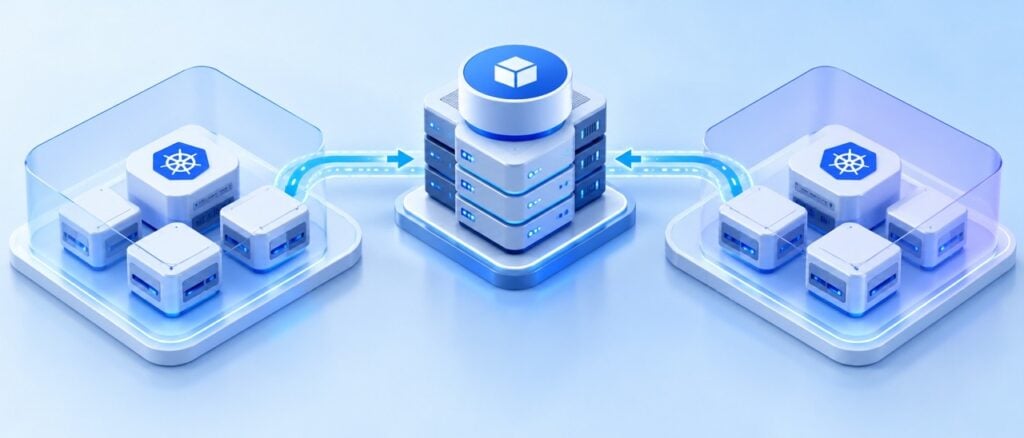
A reproducible lab with Dragonfly and vCluster shows how a platform-owned model distribution layer can reuse a public model payload across tenants without adding node-level privileges to tenant workloads. Multi-tenant Kubernetes platforms often give each internal team its own API boundary. That separation helps teams move independently, but it does The post One Model, Many Tenants: Testing a Shared P2P Cache Across Virtual Kubernetes Clusters appeared first on Cloud Native Now.
C
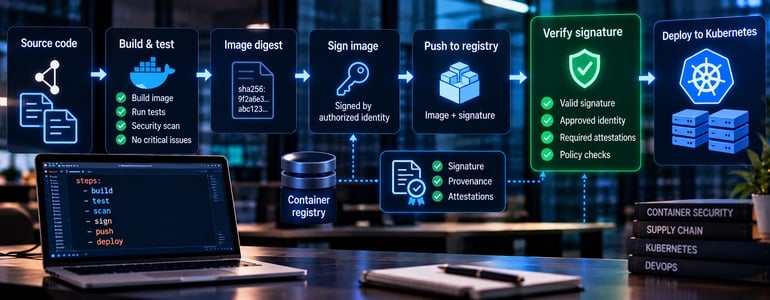
Container image signing helps DevOps teams verify artifact identity and integrity before deployment, strengthening software supply chain security with signatures, provenance and Kubernetes admission controls. The post How Container Image Signing Works From Build to Kubernetes Deployment appeared first on Cloud Native Now.
C
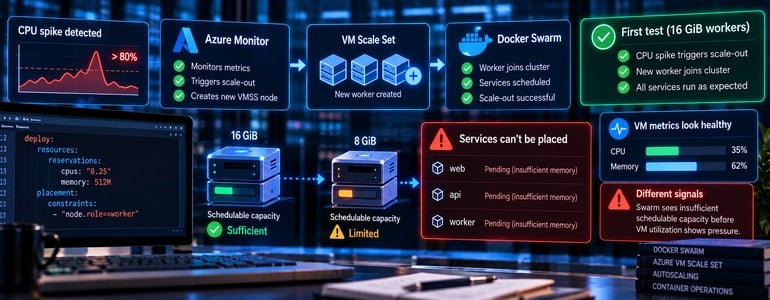
Docker Swarm autoscaling can look healthy at the VM layer while services remain unschedulable. Effective scaling needs scheduler capacity signals as well as host utilization. The post When the Scheduler is Full but the Autoscaler Is Not appeared first on Cloud Native Now.
C
AKS has become a major platform for enterprise Kubernetes workloads, and those workloads are getting more expensive. Organizations are running more compute, adding GPU infrastructure for AI, and expanding Kubernetes into more parts of their production environments. The problem is that the infrastructure underneath all of this is being used The post AKS Is Growing – Along With Its Kubernetes Utilization Problem appeared first on Cloud Native Now.
C
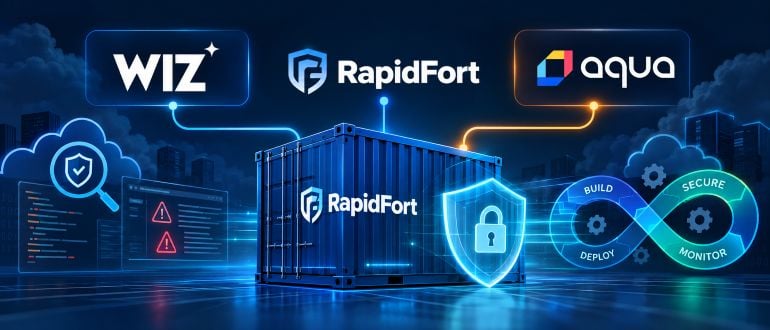
RapidFort, a provider of curated open source container images, has allied with both Wiz and Aqua Security to streamline DevSecOps workflows for organizations building and deploying cloud-native applications. Additionally, RapidFort has inked a cooperative research and development agreement with SpaceWERX, an arm of the United States Space Force (USSF) and The post RapidFort Creates Multiple Alliances to Better Secure Cloud-Native Applications appeared first on Cloud Native Now.
C
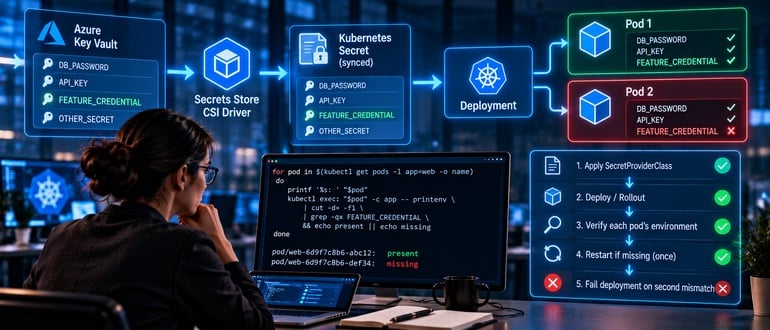
A Kubernetes Secret can look correct while running pods still hold different environments. This case shows why CSI sync timing and per-pod verification matter. The post Why One of Two Kubernetes Pods Missed a Secret That Already Existed appeared first on Cloud Native Now.
C
Kubernetes is a strong runtime foundation, but production AI also needs controls for slow startup, uneven demand, streaming connections, credentials, telemetry and rollback. A prototype can look healthy with one developer, one prompt and one model endpoint. Production adds variable latency, costly external calls, long-running streams and model or prompt The post Six Production Guardrails for Enterprise AI Applications on Kubernetes appeared first on Cloud Native Now.
C
Linux developers relegated to working on corporate Windows machines no longer have to wrangle with Docker Desktop, file system translations or container lifecycle incompatibilities. This week, Microsoft has released into general availability WSL containers, a Windows Subsystem for Linux (WSL) runtime for building and running containers based on the Open The post Microsoft Bakes Linux Container Support Directly into Windows appeared first on Cloud Native Now.