M
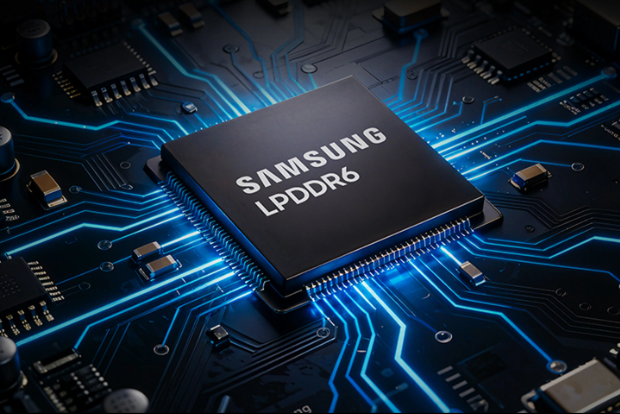
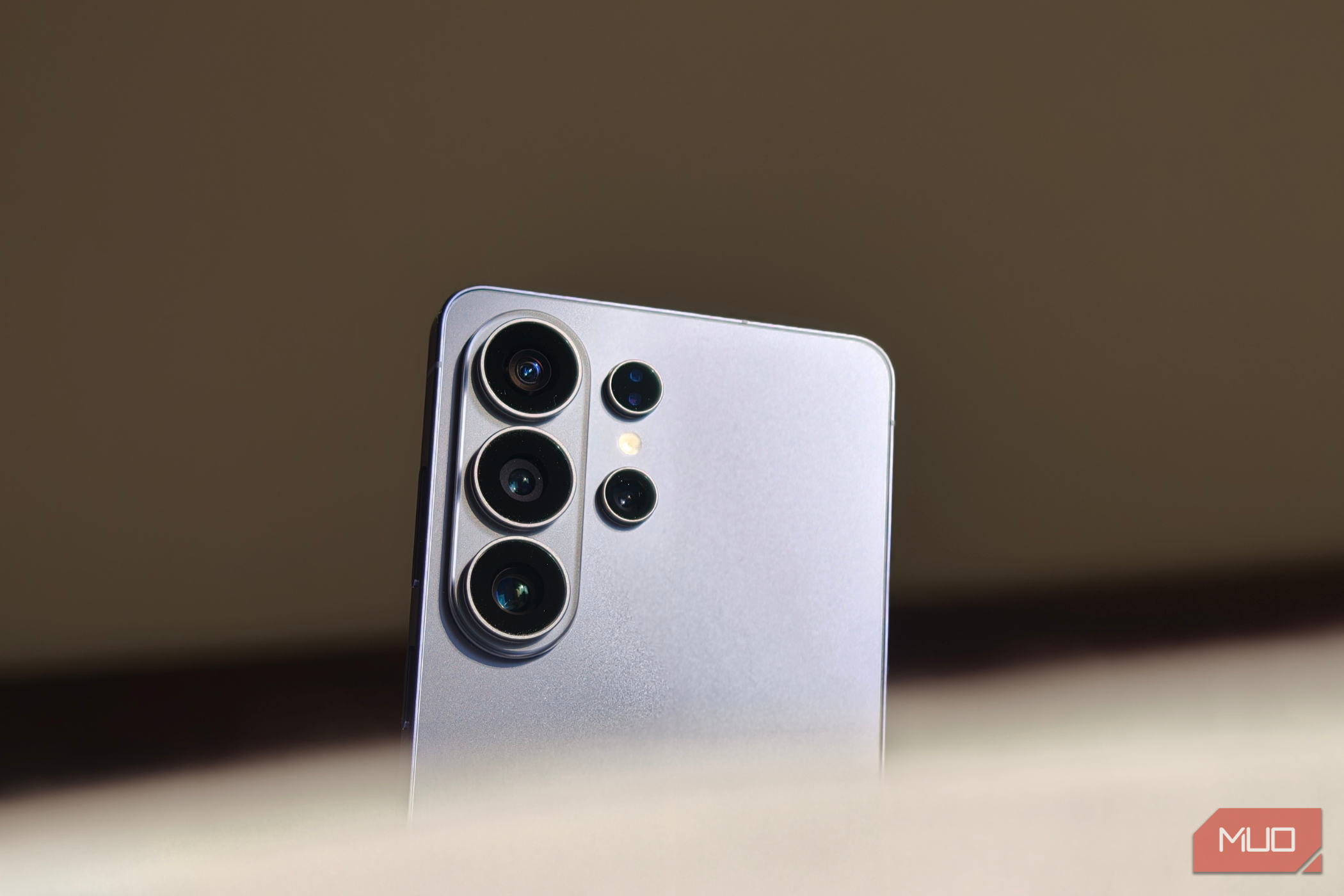
When LPDDR RAM was announced, I expected it to be a story about speed. Every new RAM standard is pitched with bigger and bigger numbers. Then the first phone shipped with it, and the speed didn't bump up very much at all. What did change is how much power the memory burns doing the same jobs as before, and that matters more for the phones we carry around all day.
M
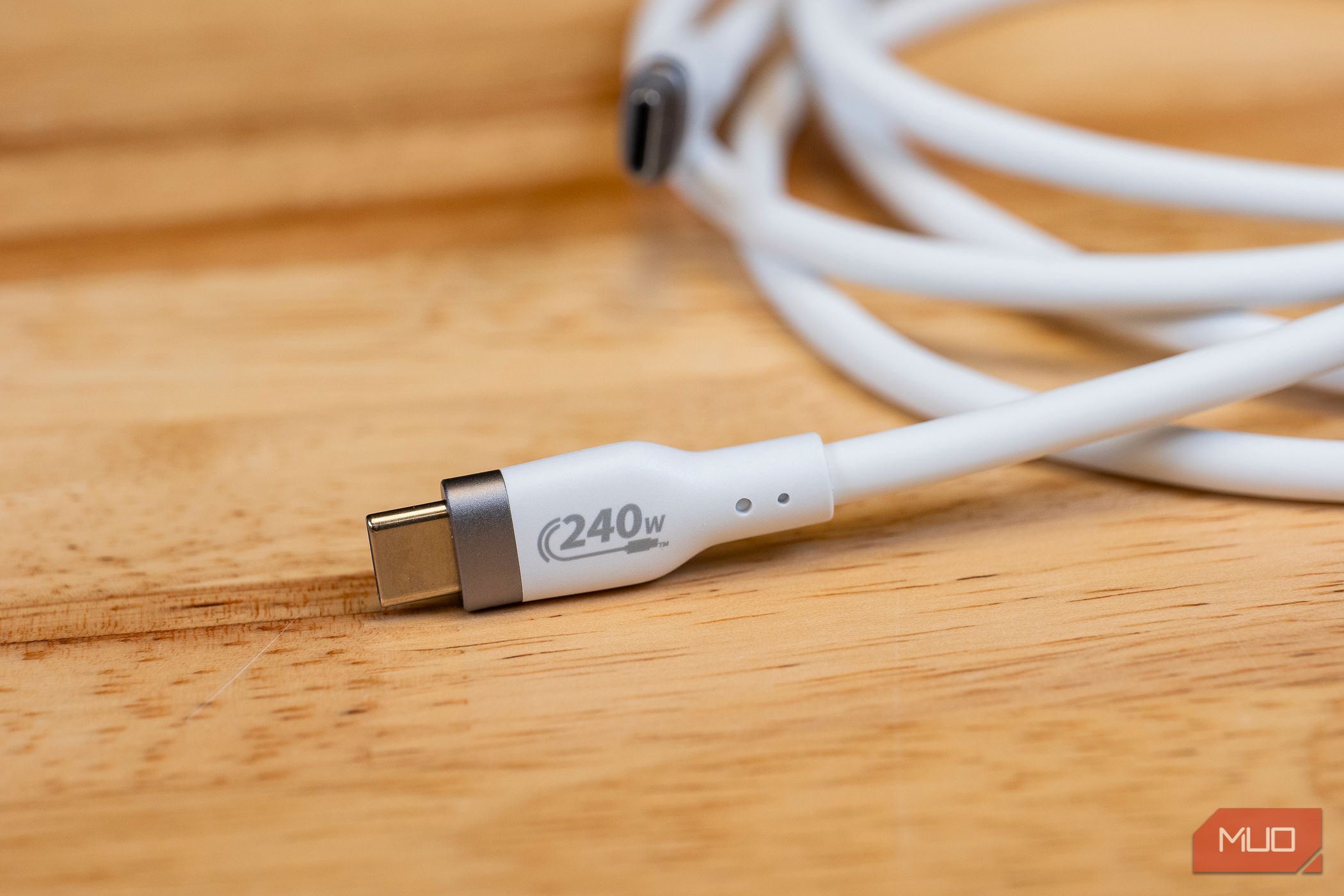
When USB-C was first unveiled, it came with some lofty expectations. People hoped it would finally be the universal cable we were always promised. Truly reversible and able to handle high-speed data and power at various lengths. But what we got was quite different. Now, all USB-C cables looking the same means we're left with mismatched standards and hidden specs, and it's impossible to tell one cable from another.
M
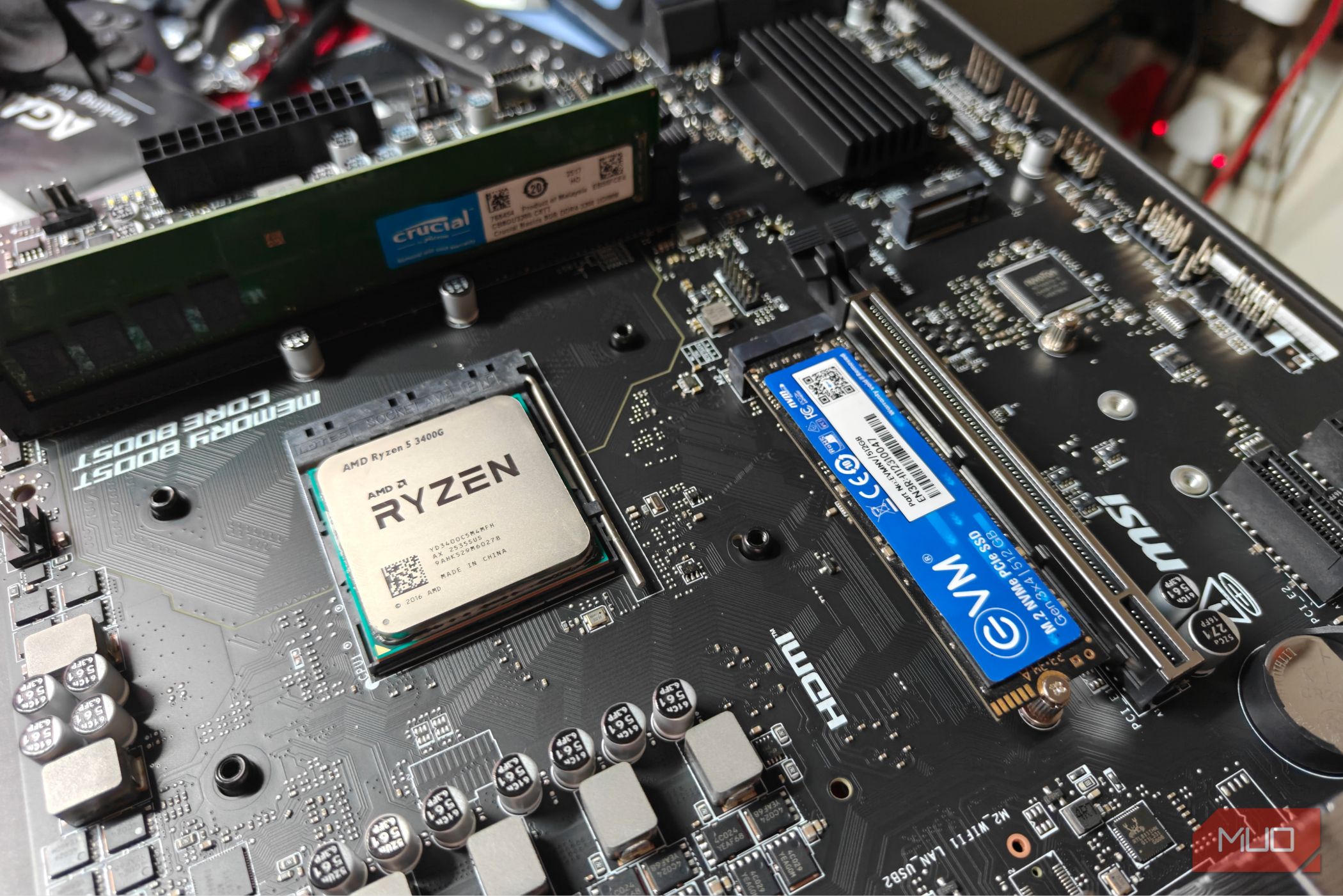
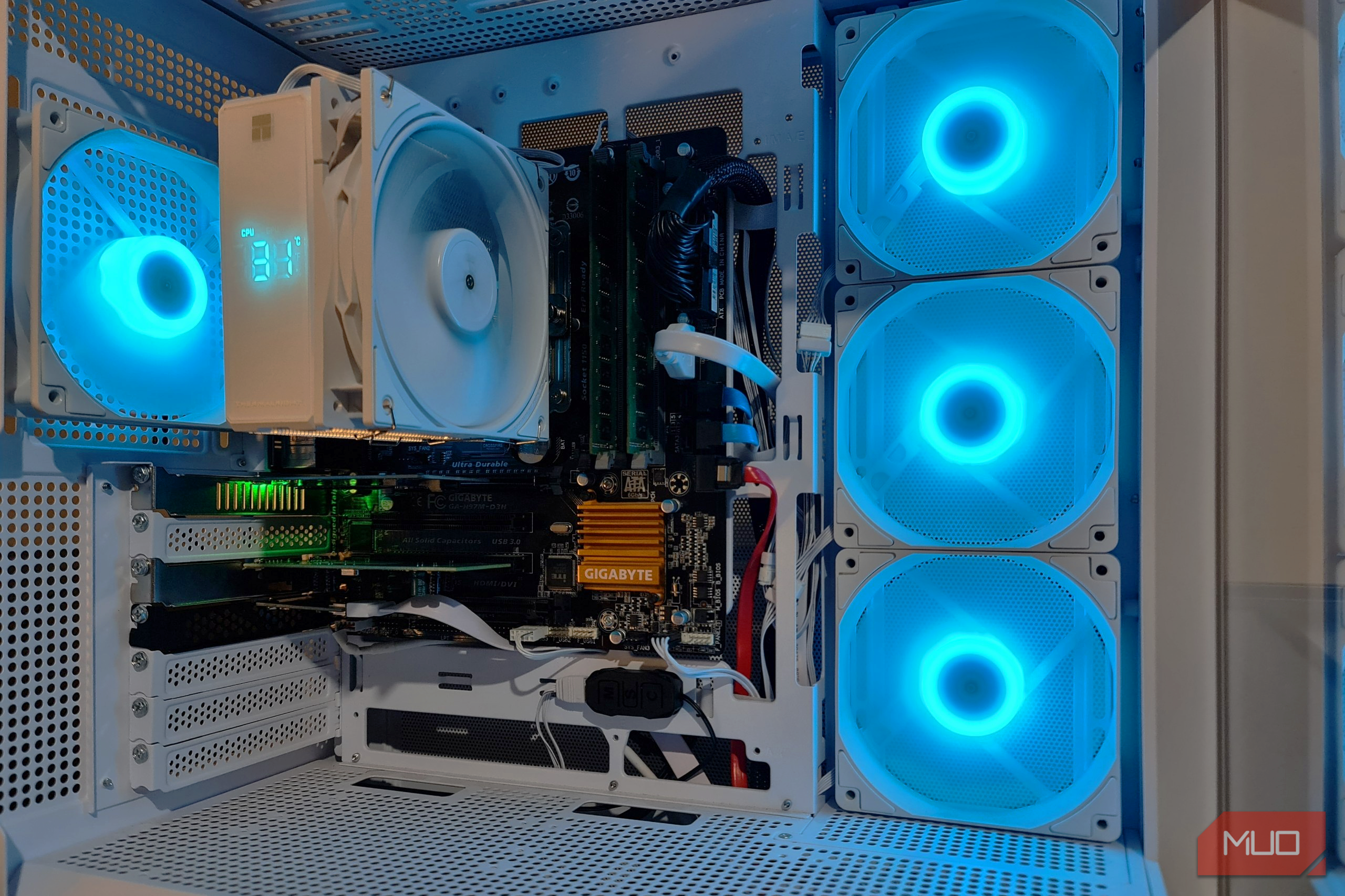
Building a home server is easy, and often a lot less expensive than you’d think. If you’ve been building PCs for a while, you’re bound to end up with spare parts sooner or later, be it some extra RAM or a spare, if not partially functional, motherboard, along with the right OS to go with it.
M
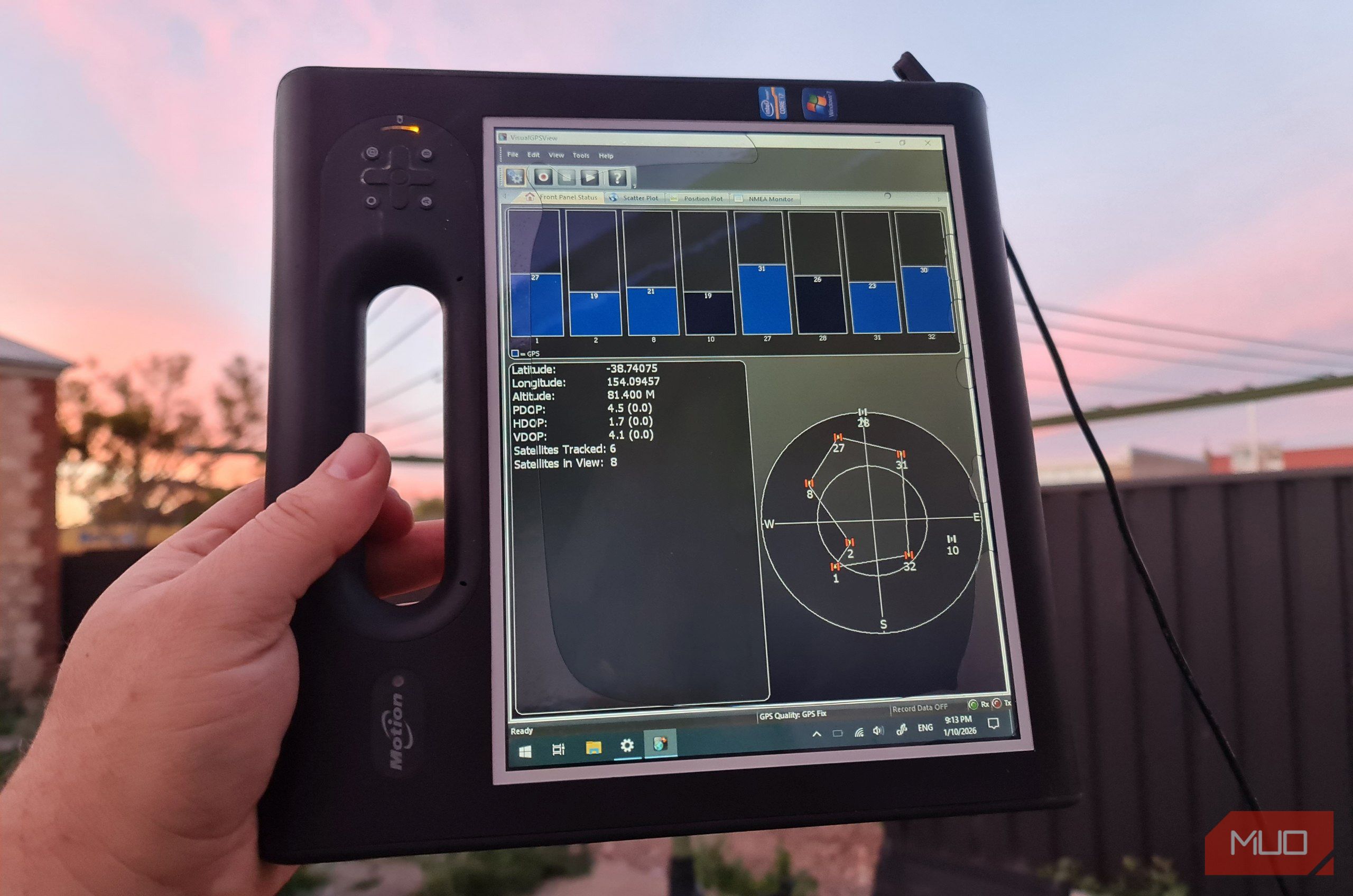
Last week, while visiting my favorite e-waste store, I found an old Motion Computing F5t tablet. A long time ago, I used to work with these chunky tablets, and I remembered a few models had the legendary u-blox 6 GPS receiver built in.
M
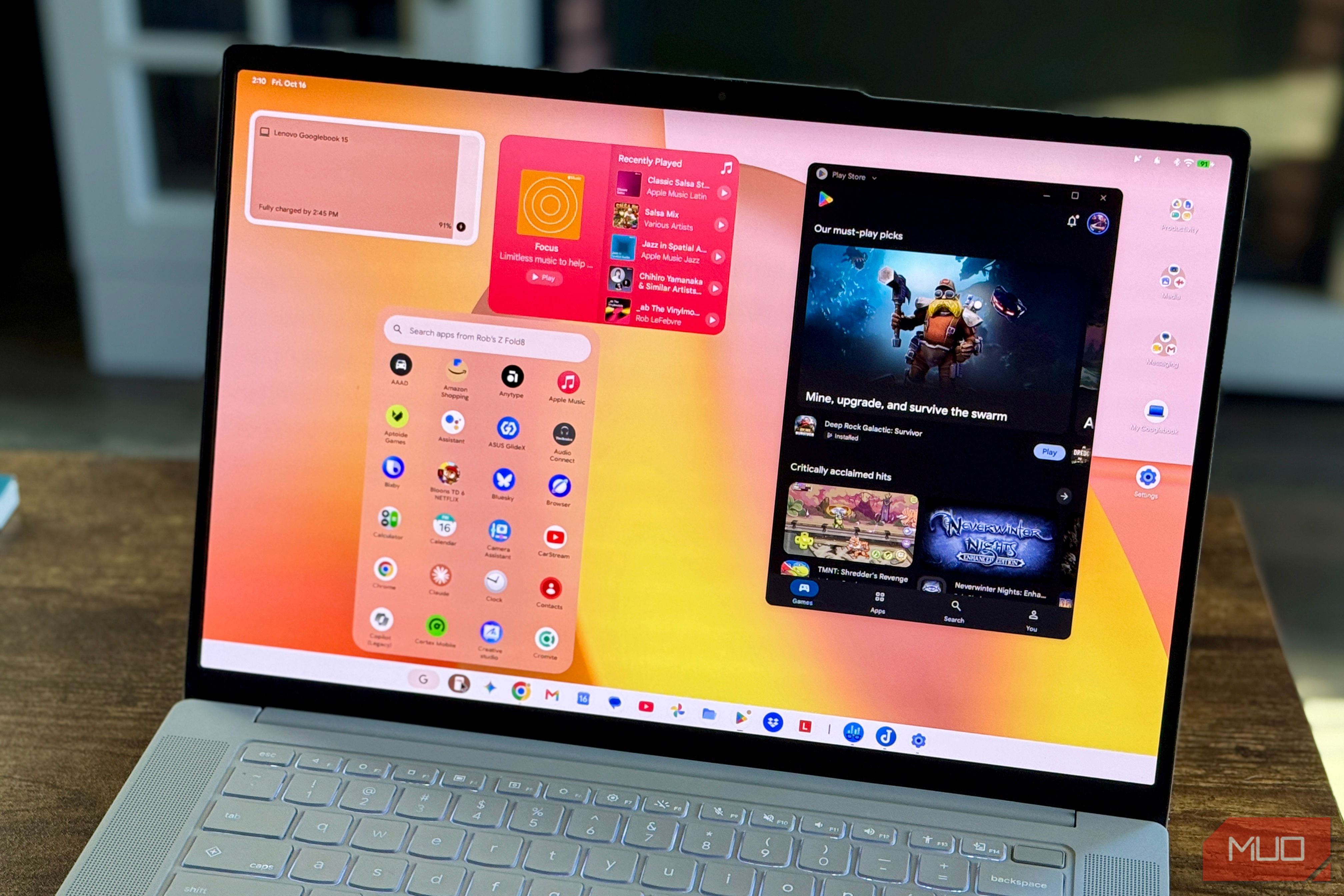
The first time I opened the Lenovo Googlebook 15 at home, people in my house said "ooh" before I'd even signed in. After working with it for a while, I get the reaction: it's light, sharp, and easy to like.
M
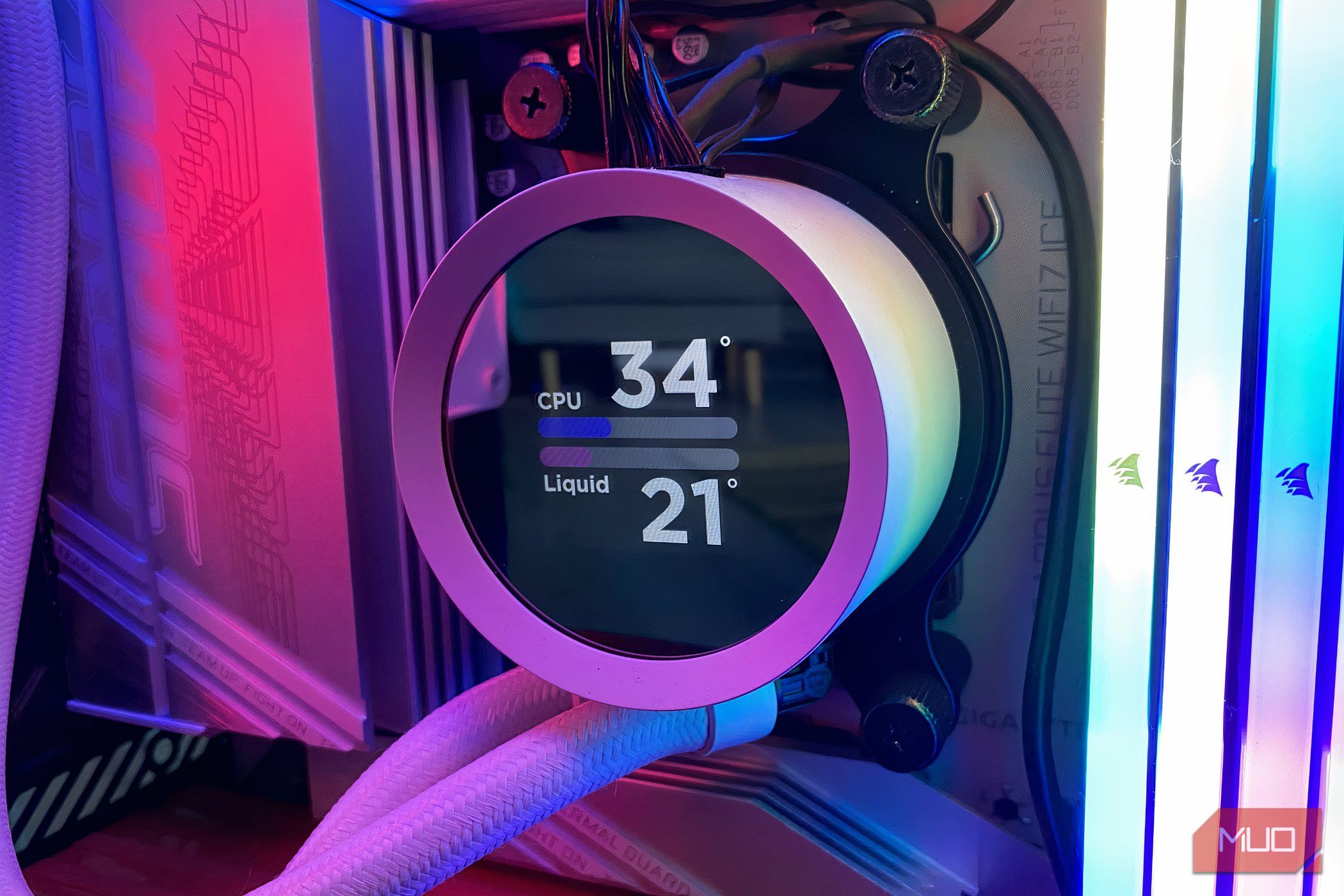
Like many others, I used to think TDP (Thermal Design Power) referred to a component's peak power draw until I unwittingly chose a PSU for my PC that later proved insufficient.
M
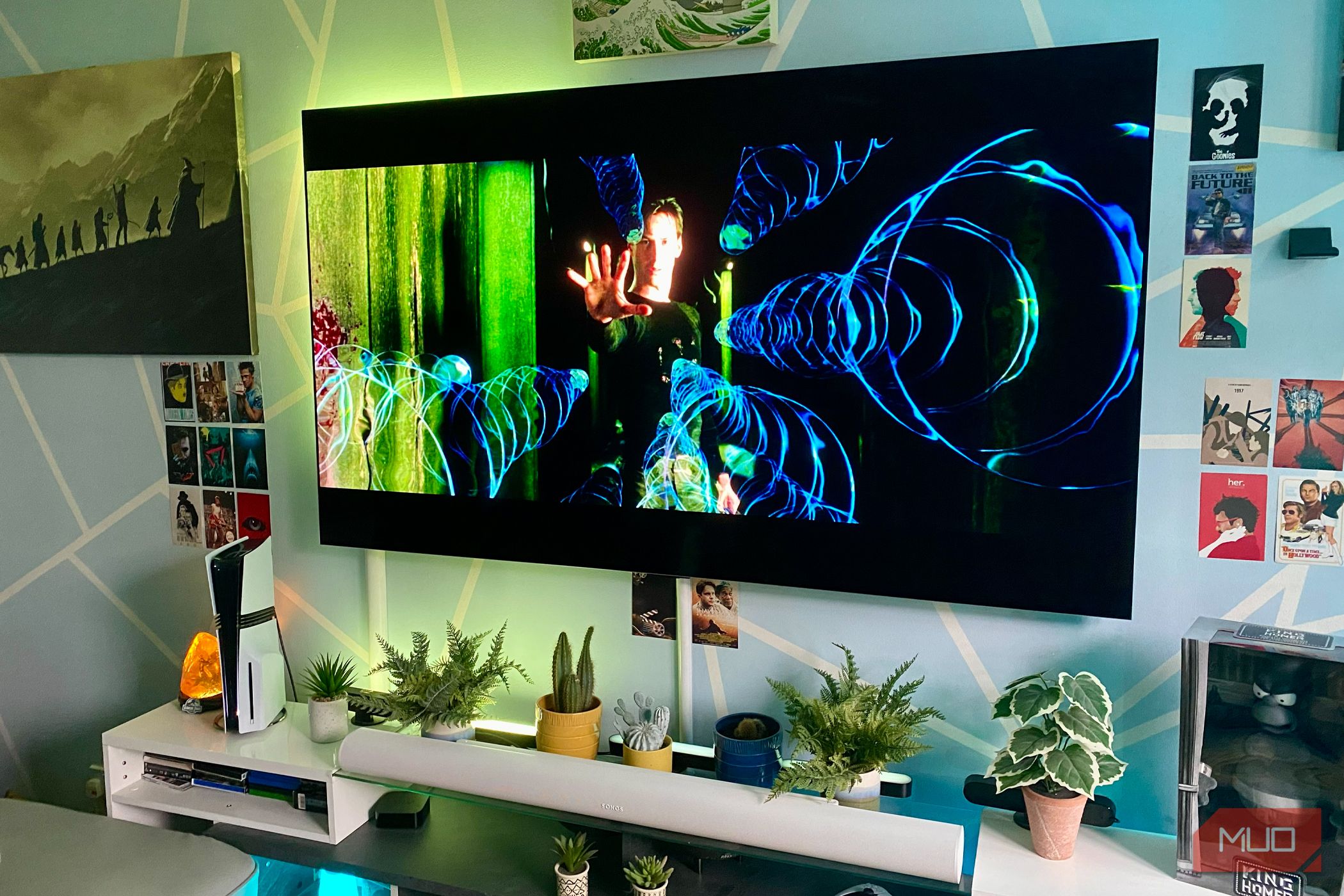
A lot of us spend hundreds or even thousands of dollars every now and then to upgrade our setups. I did that a few months ago when I spent a couple hundred dollars upgrading to a 200Hz monitor. But when we spend money on an upgrade, we usually expect it to perform exactly as advertised the moment we plug it in.
M
If you've ever dealt with images on your computer, you've likely come across both JPG and JPEG files. They look the same, behave the same in software, and for all intents and purposes, are exactly the same. So if you've wondered why we still have them both, the answer lies in the limitations of early computers, not in terms of image quality, compatibility, or file size.
M
Consumer hardware has come a long way, to the point where some data-center workloads are now being replicated at desktop scale. To play with local AI, desktop GPUs are ideal companions for complex parallel processing, especially RTX cards with dedicated AI hardware.
M
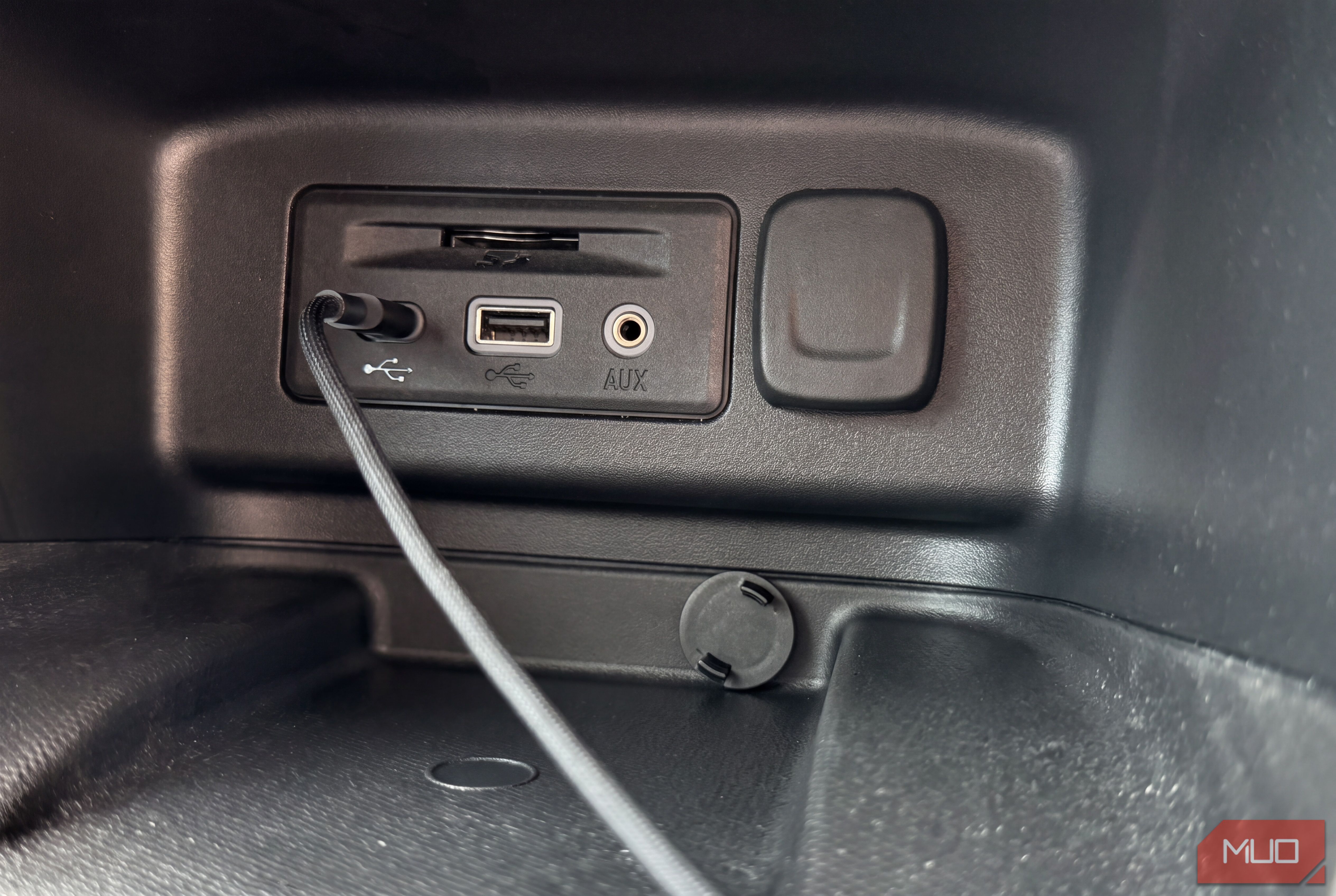
USB ports have been a norm in cars for years now, but most people still use them for one of two things — charging their phone and using wired Android Auto or Apple CarPlay. But those USB ports can do a lot more than that, and all you need is the right gadget to plug into. These can make your car rides safer, cleaner, and a lot more fun. Most importantly, none of them will break your bank.
M
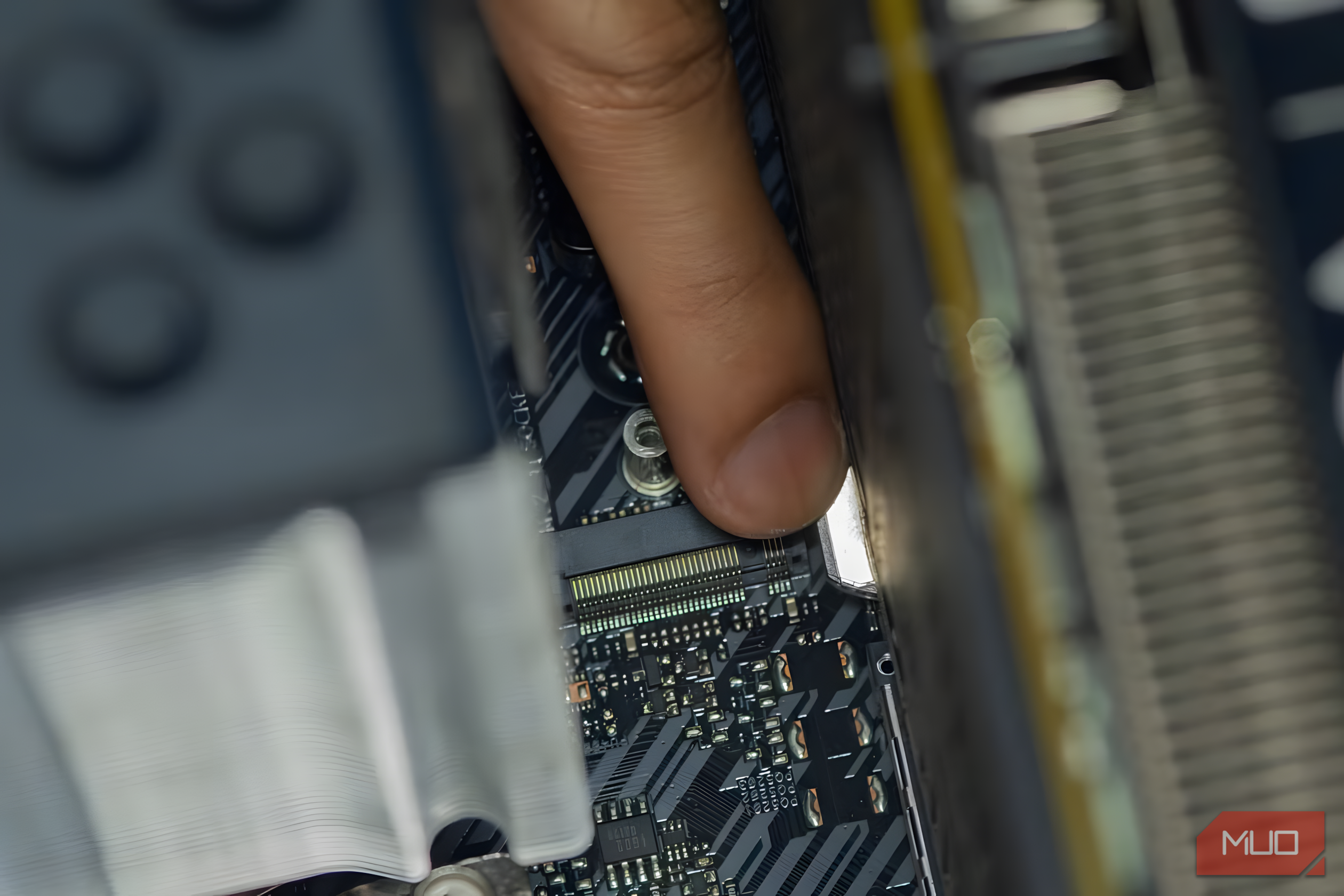
A little while ago, I bought a Gigabyte 512 GB NVMe SSD to use in a USB-C enclosure as a portable hard drive. The enclosure project never came to fruition, so the SSD sat in my drawer for months.
M
SSD prices are bad right now. Storage drive prices rose alongside memory and other hardware during the AI boom, and they show no sign of coming down anytime soon. If 2026 is anything to go by, anyone requiring new storage is going to be forking out some serious cash in 2027 and beyond.
M
My Samsung Galaxy was running out of storage, and I was tired of constantly deleting photos, videos, and important documents just to make room. This time, though, I decided I wouldn't delete any of them. Instead, I wanted to figure out what was really eating up all that space on my phone and whether I could get rid of it without losing anything important.
M
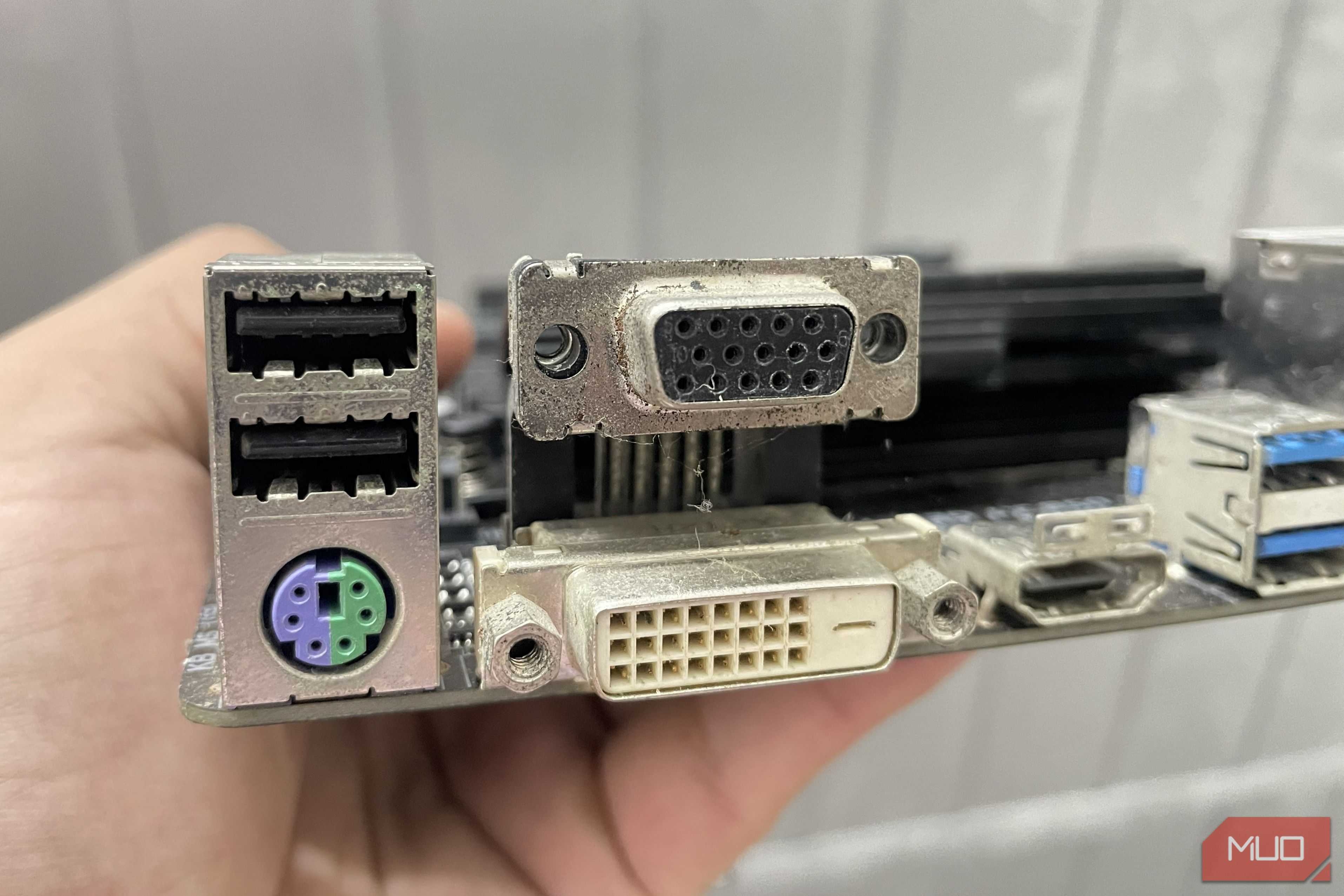
For all the modern tech we know and love, old tech still keeps everything running.
M
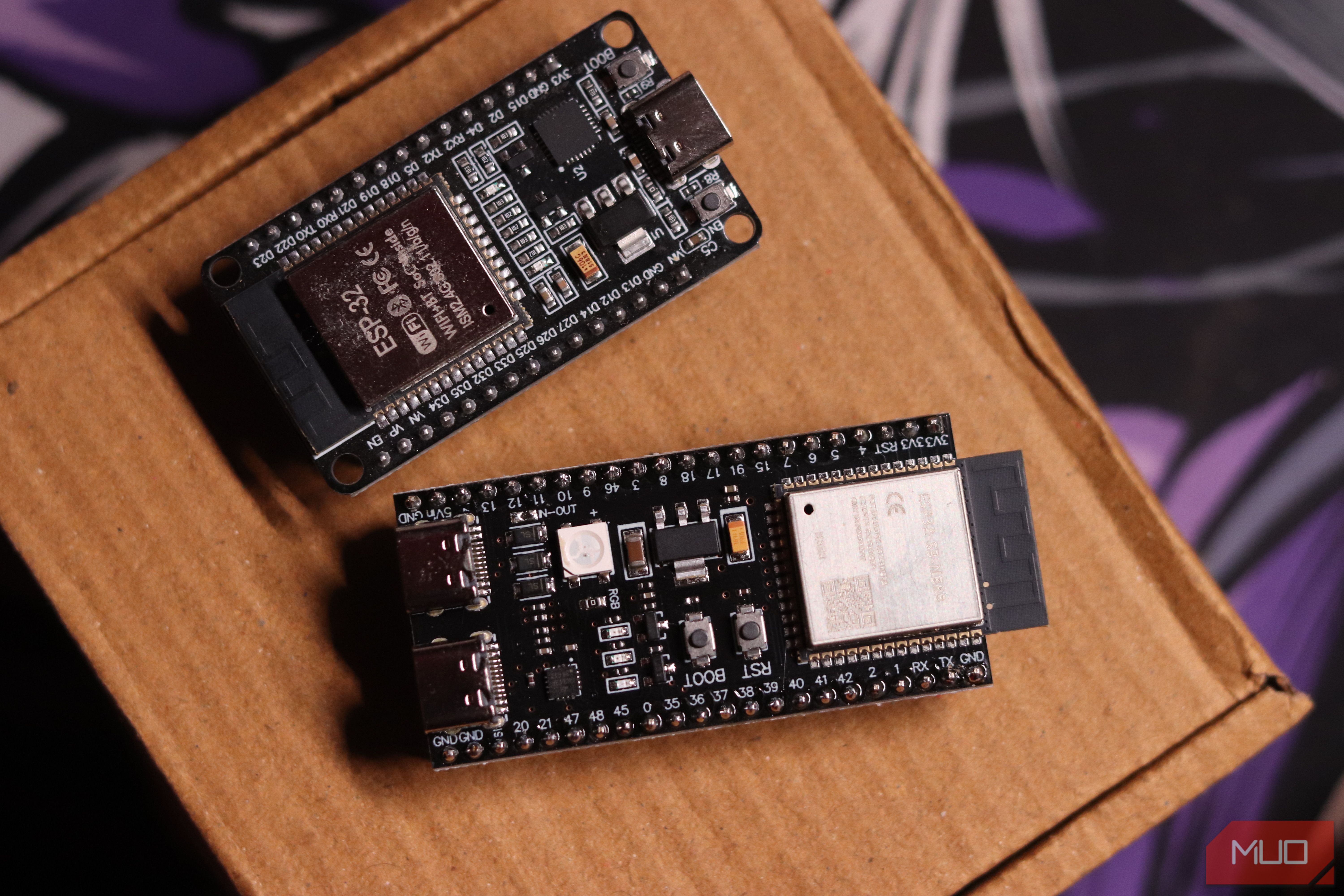
The ESP32 is by far one of my favorite pieces of DIY tech. It's the board I reach for whenever a project needs to read a sensor, drive a relay, blink LEDs, or even detect presence with Wi-Fi, all without costing much. Its beginner-friendly demeanor is what's primarily responsible for its popularity, but that's also what limits its capabilities.
M
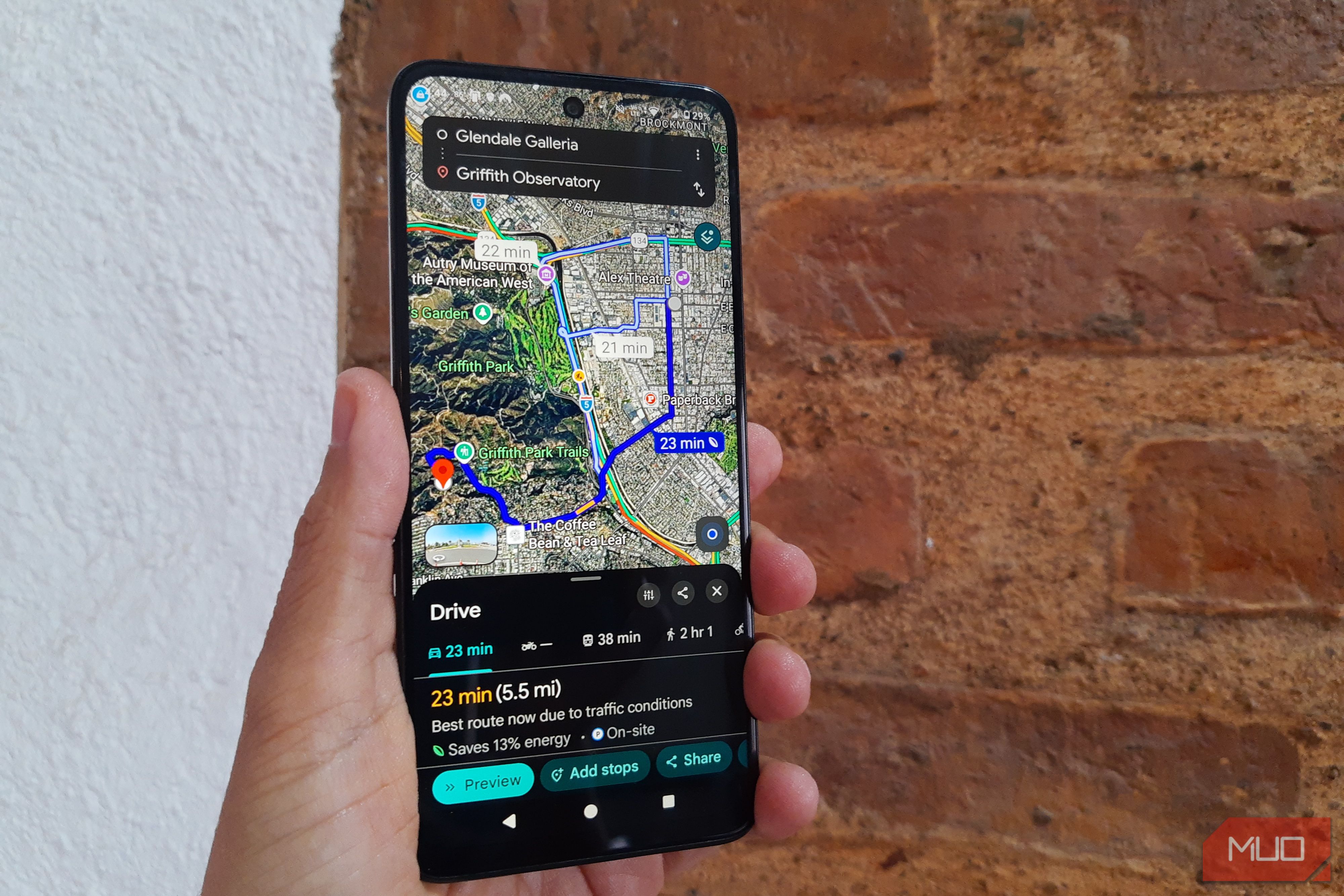
Most of us stop thinking about Google Maps the moment we arrive. Depending on your settings, the app keeps paying attention, logging where your phone sat all afternoon and saving every search you typed. A newer feature can even read place names off your screenshots. Nearly all of that history stays private between you and Google, but your reviews land on a profile anyone can scroll.
M
Think about a PC that's not broken enough to do an RMA, but you know something is off. The computer works, but the GPU benchmarks don't match the reviews, or your Ethernet drops once a day for no reason, or your high refresh rate gaming monitor feels a little sluggish.
M
My favorite Windows features aren't the grandiose ones that let you do a bunch of stuff in one sweep. What impresses me are the ones that do one particular thing, no matter how minuscule, well. Often, these are things that you didn't know you needed, but living without them becomes impossible. One such feature is Dynamic Lock. I went years without knowing it existed, despite it serving a genuinely useful purpose for my use case: it automatically locks my computer when I'm away from it.
M
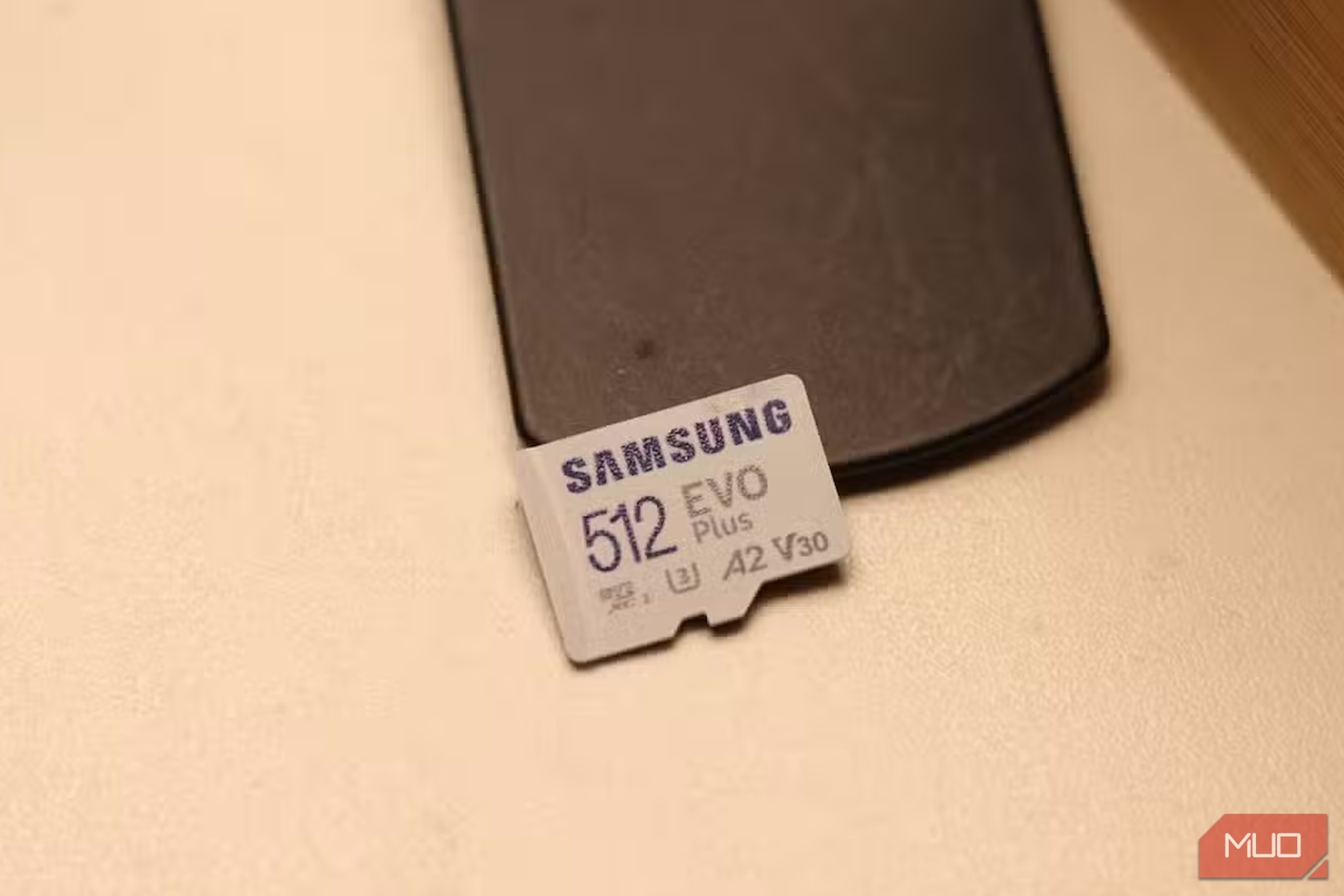
Buying a microSD card should be one of the easiest tech purchases. Pick the storage size you need, grab one from a brand you trust, and get on with your day. Then you actually look at the card and find C10, U3, V30, A2, a Roman numeral, and some heroic read-speed number all fighting for attention on a piece of plastic smaller than your thumbnail.
M
My first-ever laptop ended up in a drawer for years, collecting dust. That was until I realized I could repurpose it and give it a new life.