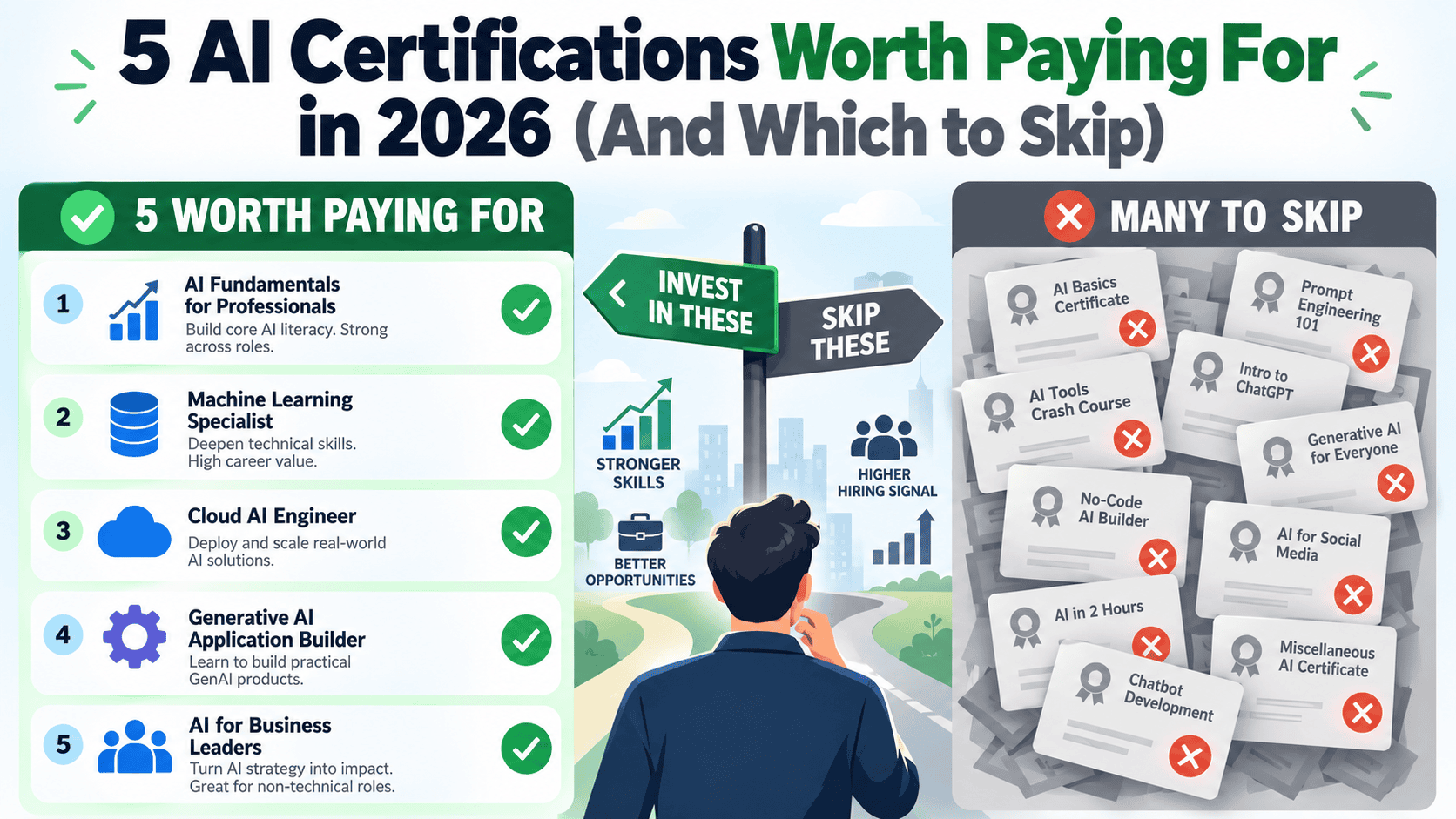
5 AI Certifications Worth Paying For in 2026 (And Which to Skip)
A data-backed guide to the credentials that actually move the needle for data scientists and machine learning practitioners.
Posts from every feed QUEST has found across the web — blogs, news, podcasts, channels and more.
A data-backed guide to the credentials that actually move the needle for data scientists and machine learning practitioners.
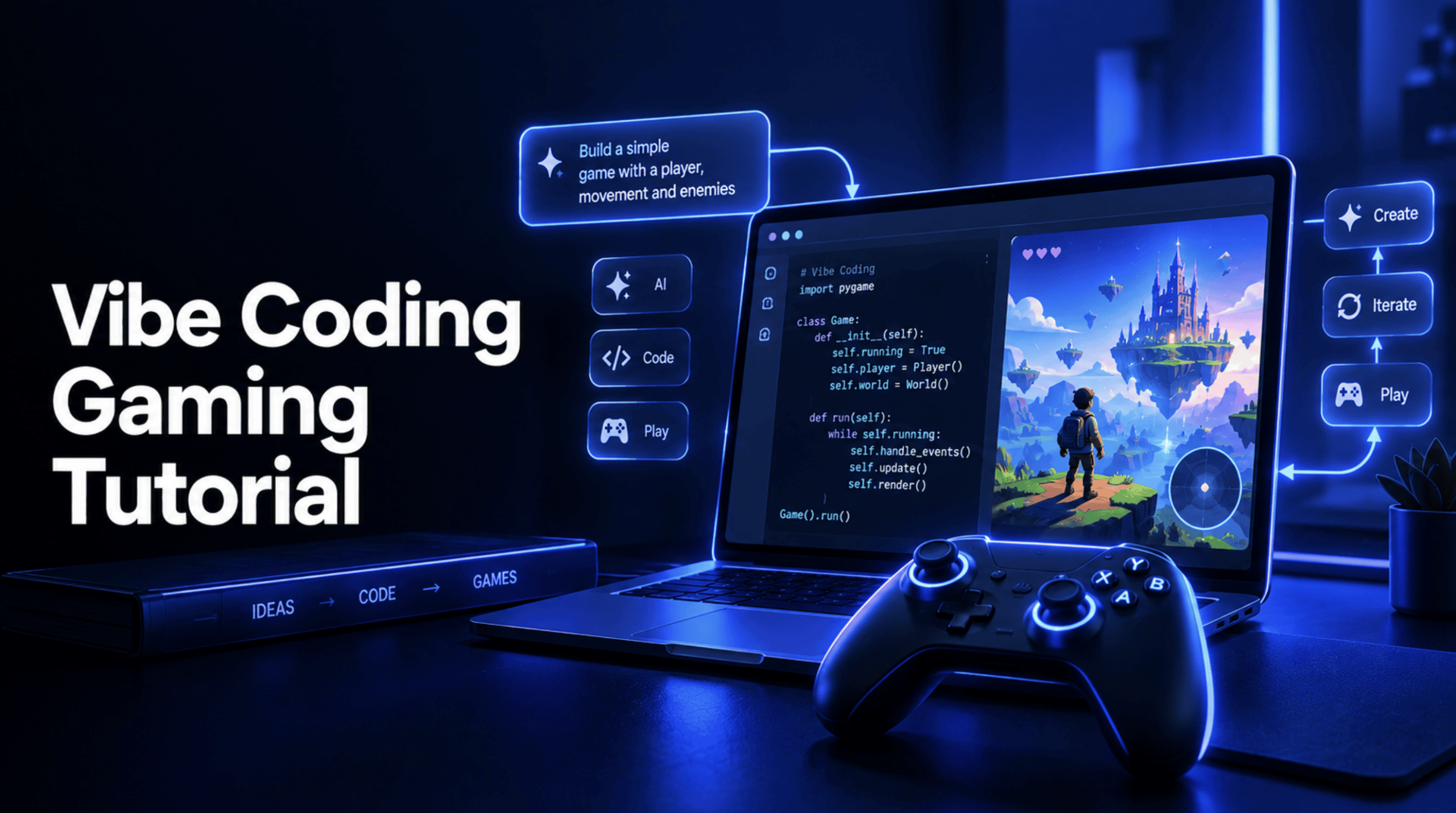
Vibe coding is a workflow where you describe what you want in natural language and let an AI agent handle code generation, execution, and iteration rather than typing every line yourself.
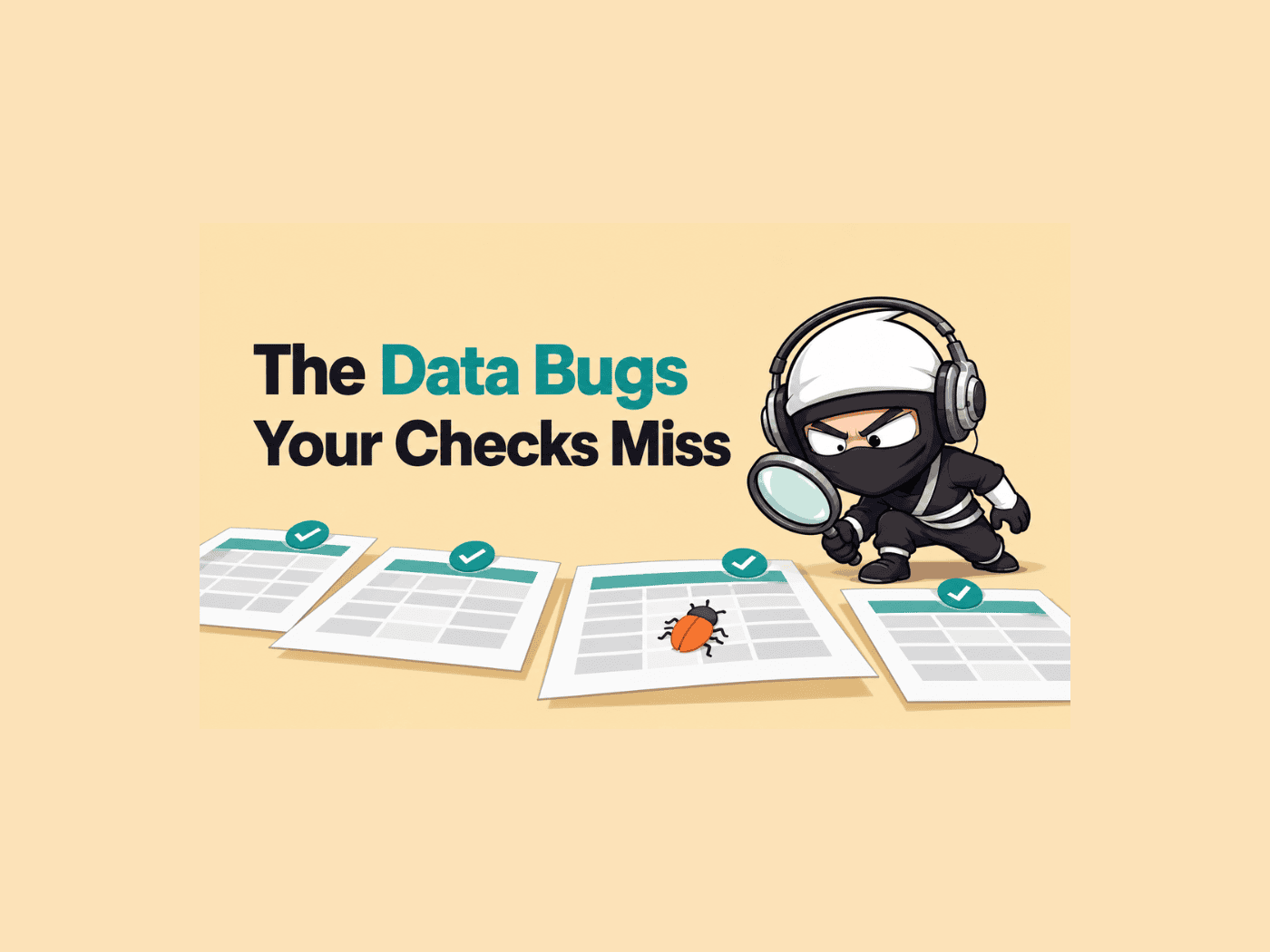
4 bugs that pass every null check, duplicate check, and schema test.
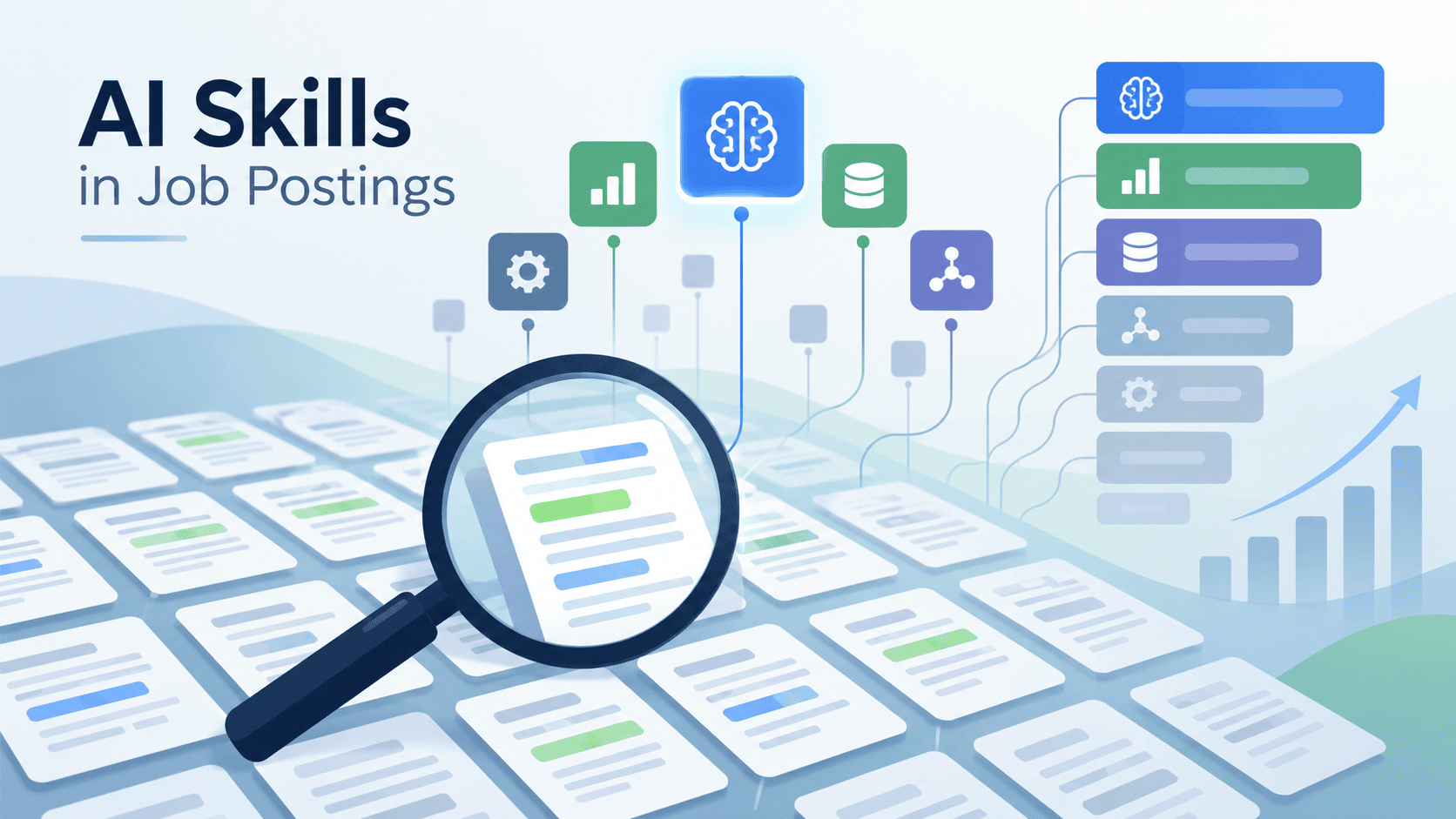
Which AI skills appear most often in job postings right now, and what do they mean for your career?
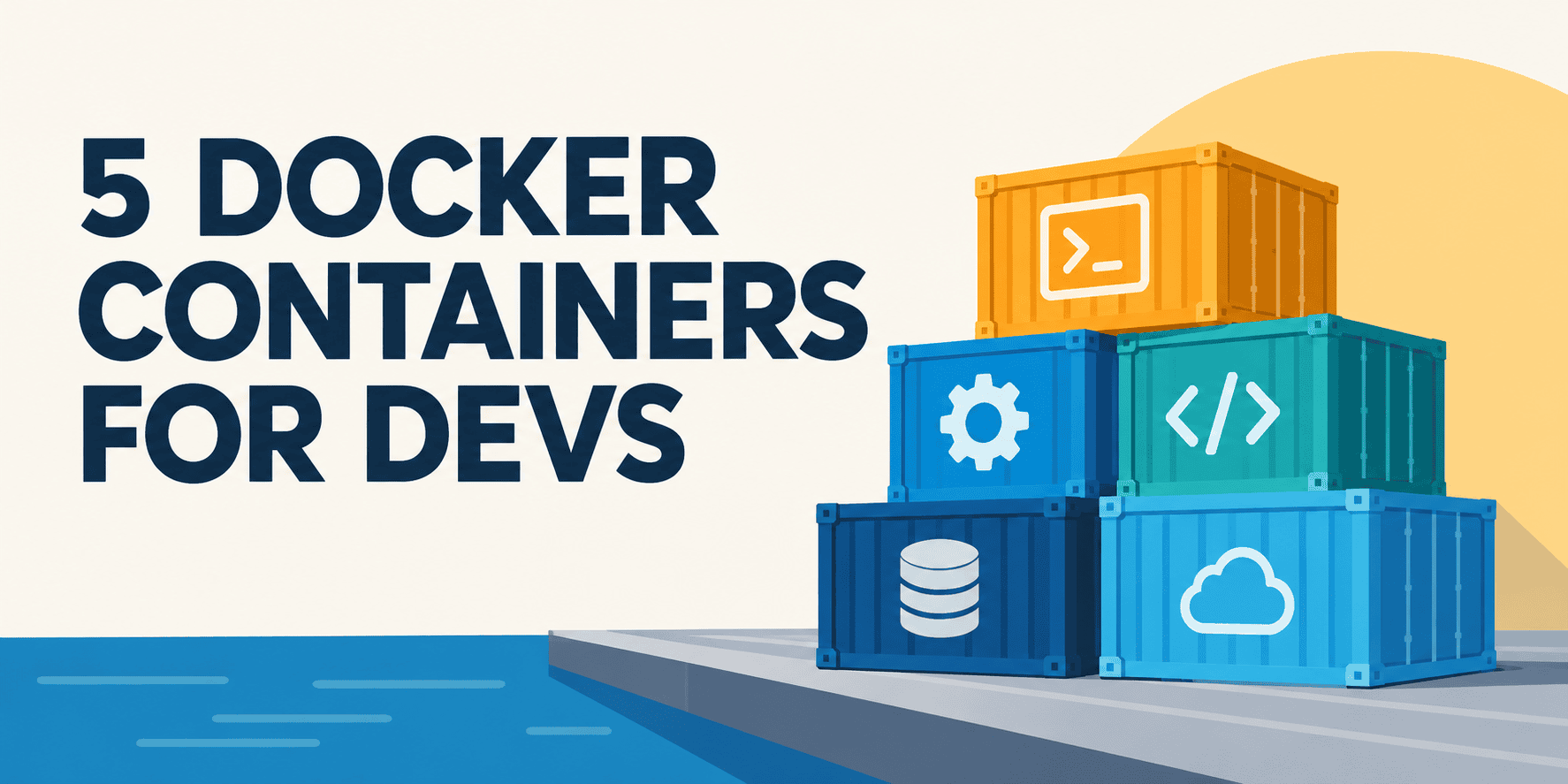
Learn which five Docker containers make a reliable home AI lab, from Ollama and Open WebUI to Qdrant, n8n and Portainer CE, what job each one does, and the first mistake to avoid with each.
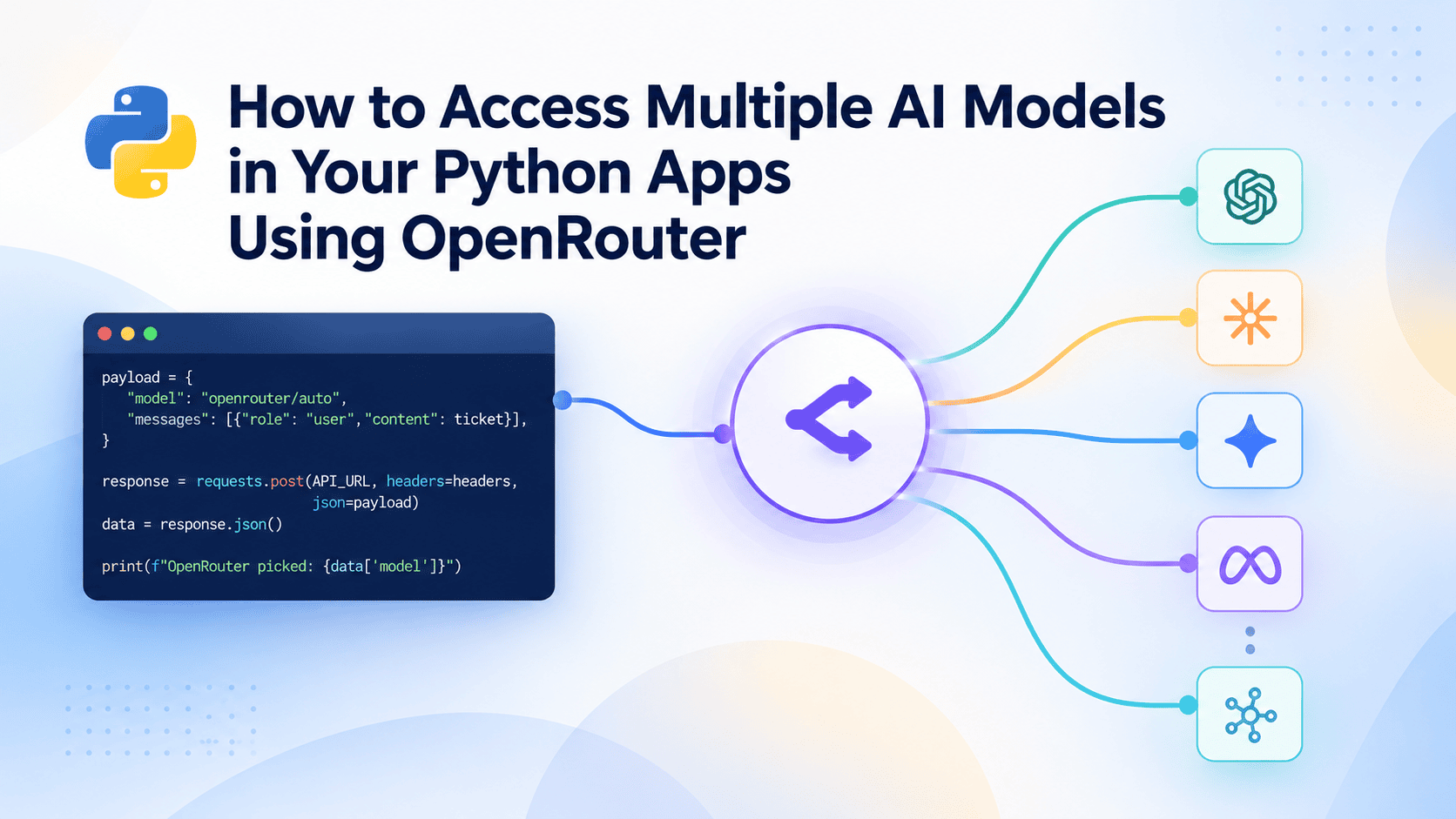
Learn how to get started with the OpenRouter API to call multiple AI models through one API, compare responses, switch models, and set up automatic fallbacks.
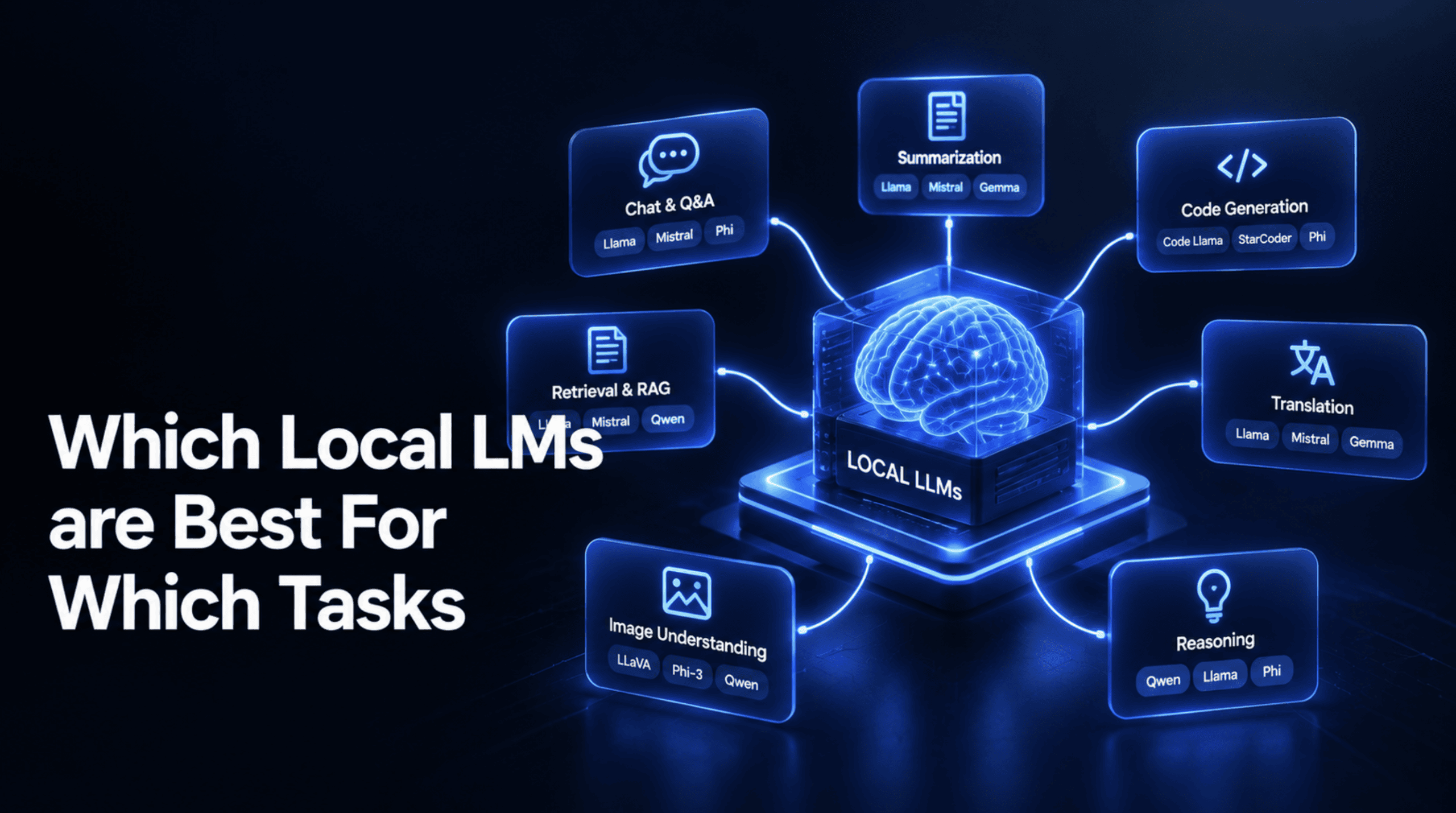
A local language model is one whose actual weights, the enormous file of learned numbers that constitutes the trained model, you download and run entirely on your own hardware.
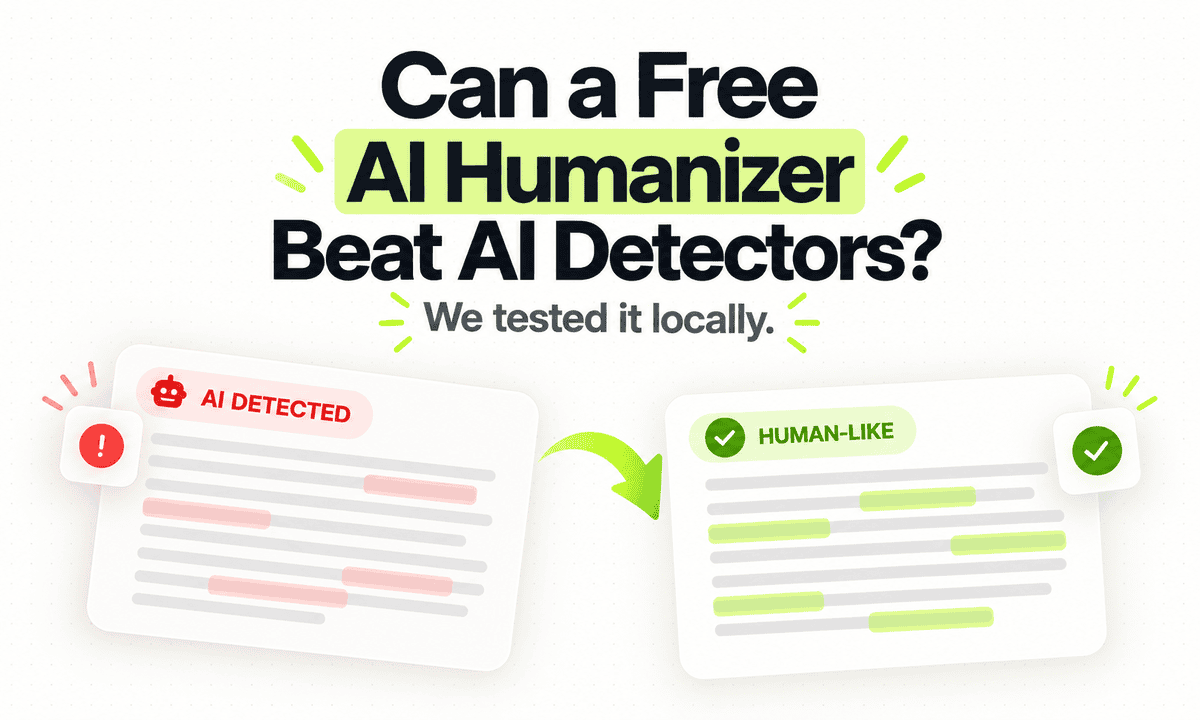
Can a free, open-source AI humanizer beat paid tools? We tested a 12B model locally and compared the results against AI detectors to see if the hype is real.
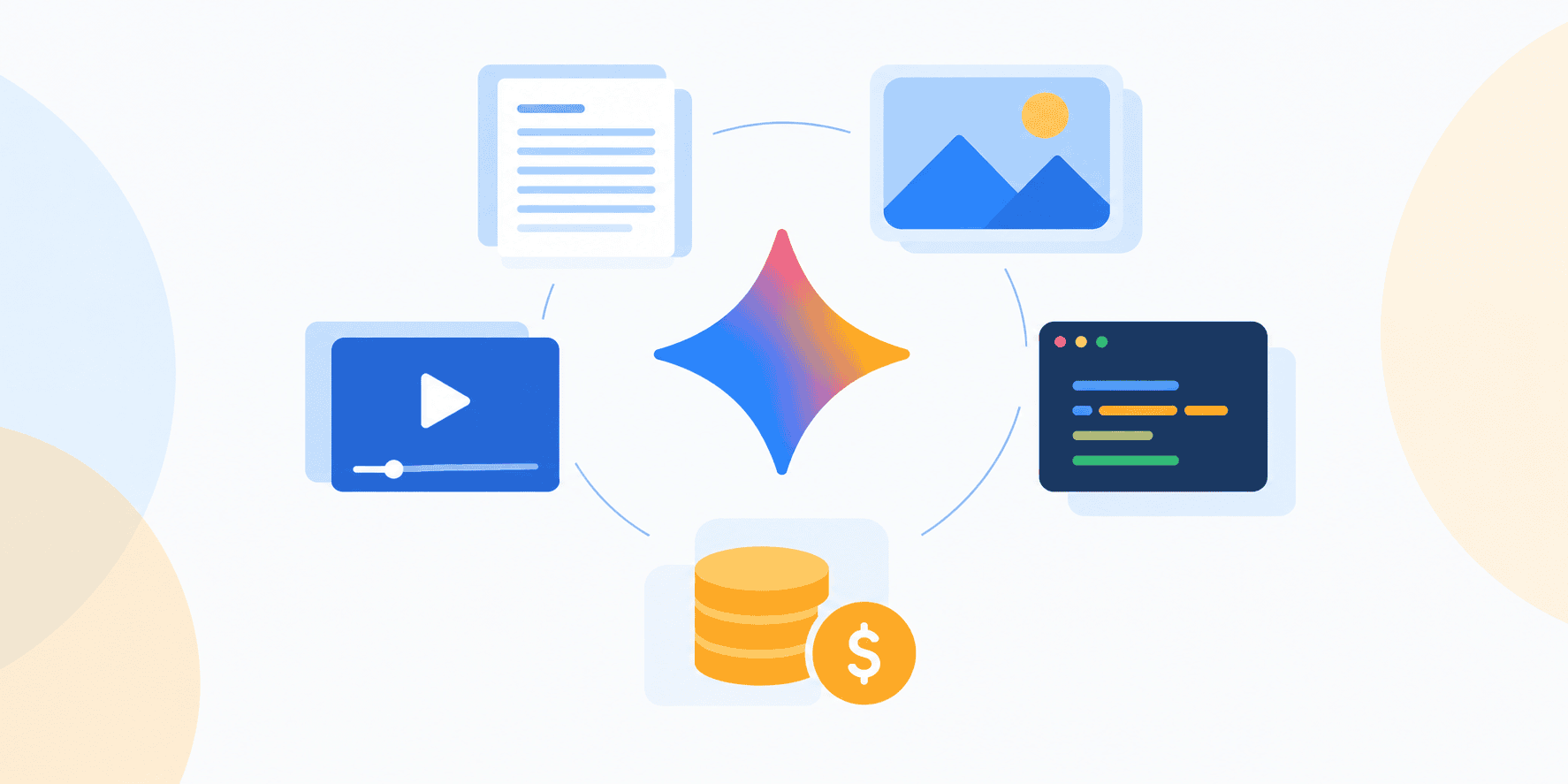
Gemini Omni is a member of Google's Gemini generative model family, built specifically to create output from any combination of input types, starting with video.
Build your first AI agent in Python with the OpenAI Agents SDK, adding web search, Python tools, conversation memory, and tracing in a simple end-to-end workflow.
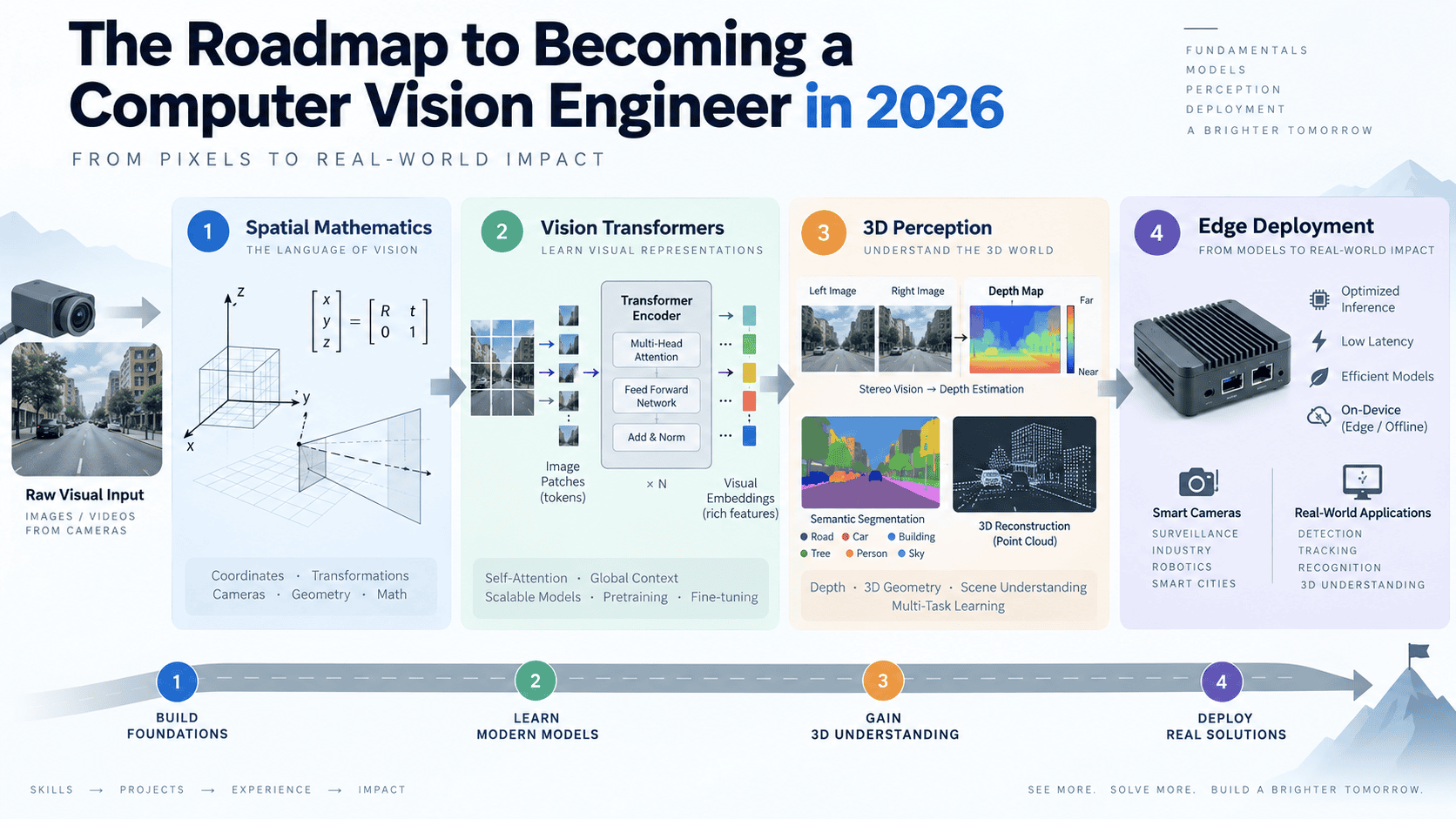
A four-stage technical roadmap for becoming a computer vision engineer, from spatial mathematics and ViTs through 3D neural rendering and edge deployment optimization.
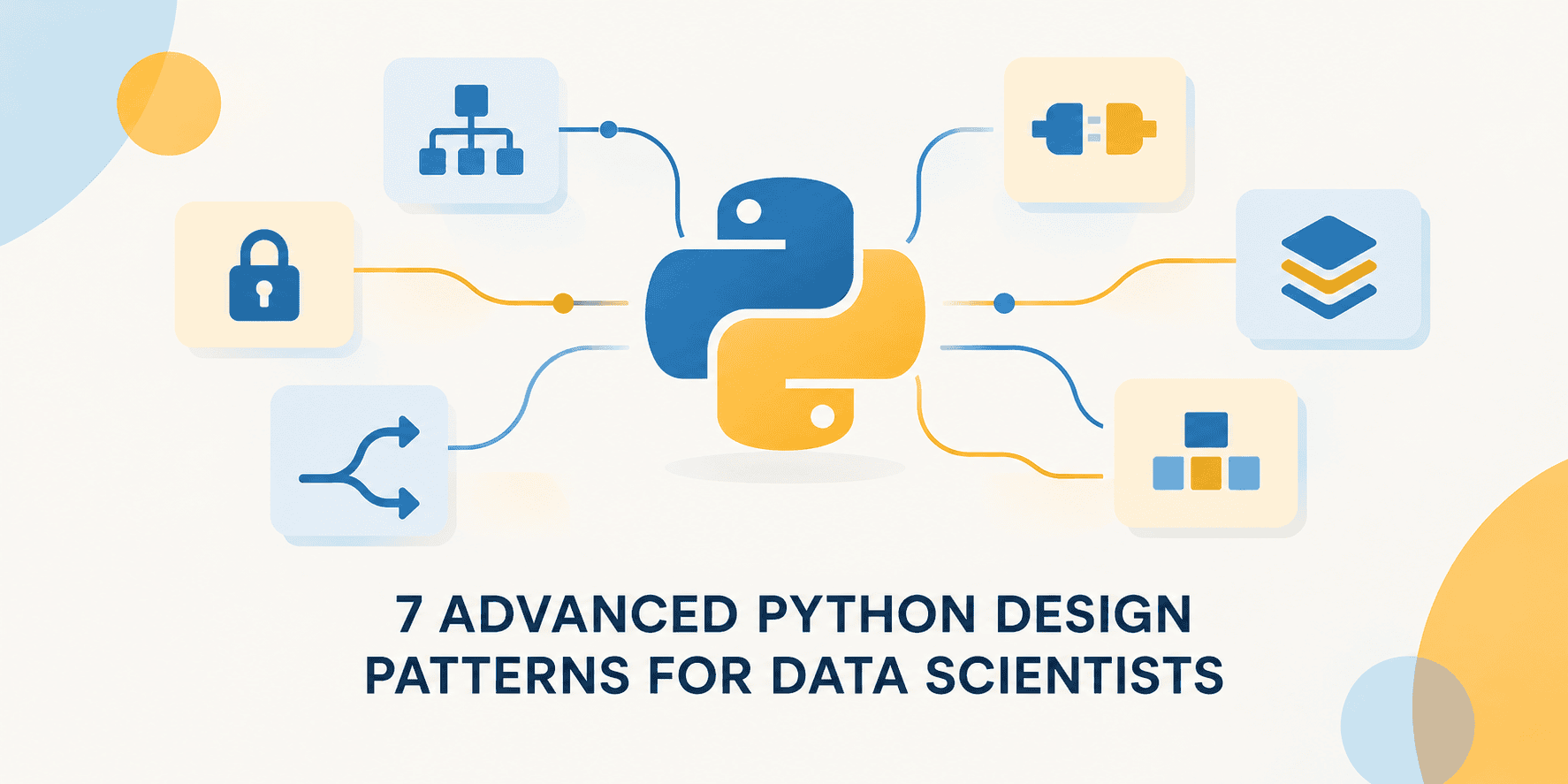
Learn seven design patterns for data science code, from Strategy and Adapter to Command and Proxy, each matched to the pressure it solves, with the Python shape it takes and the caveat that keeps it honest.
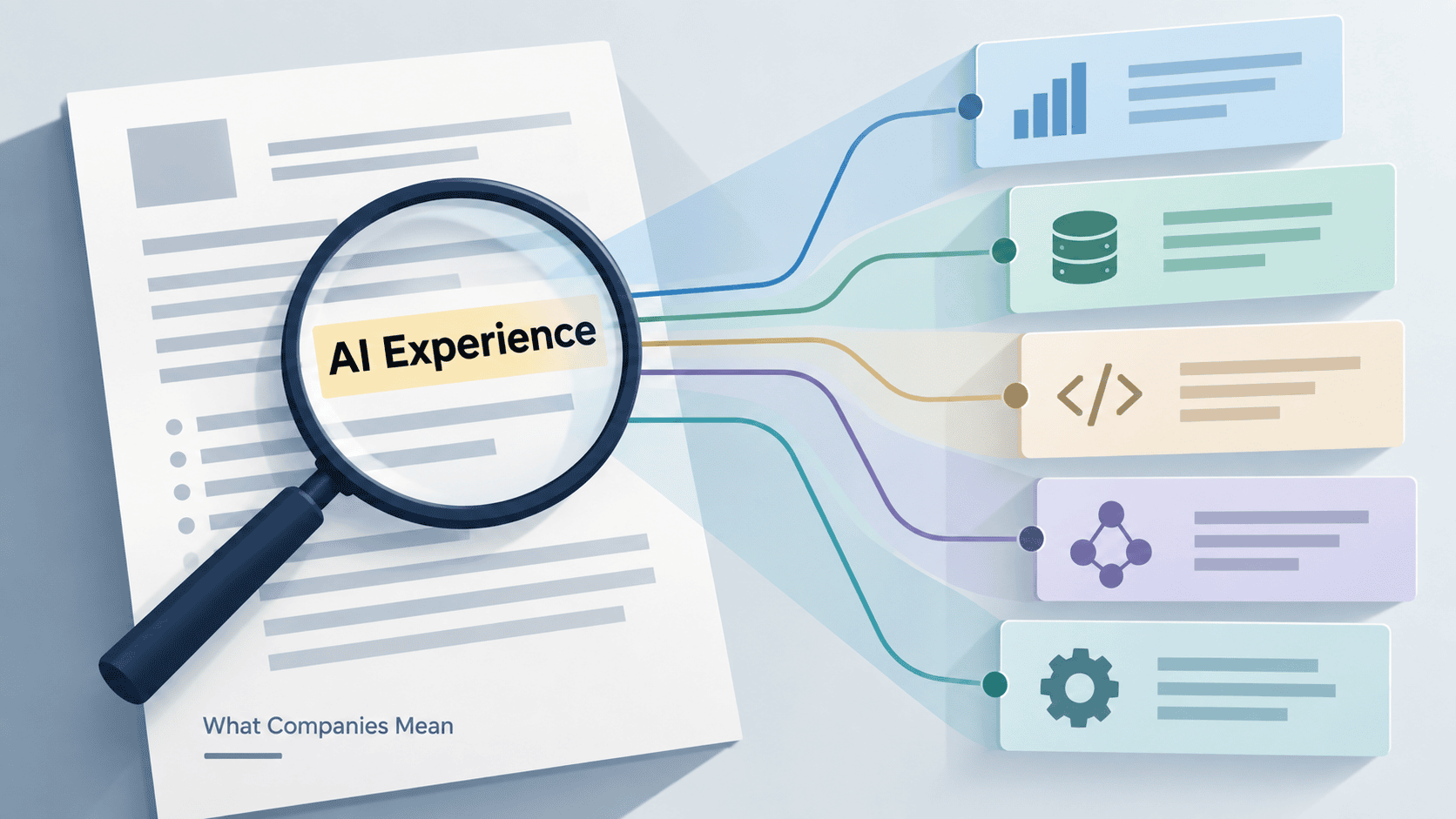
What employers actually mean when job postings list "AI experience" as a requirement.
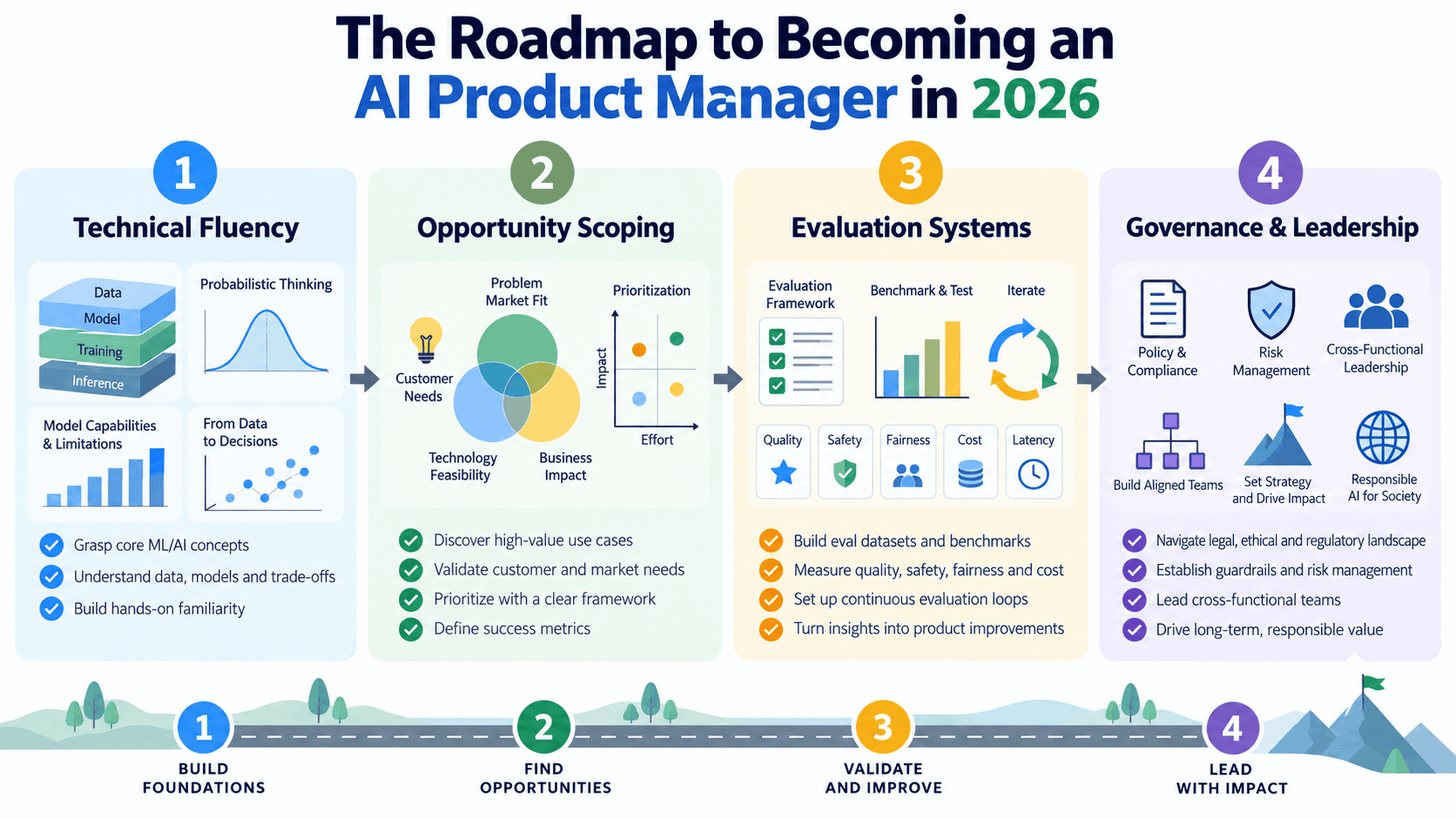
A structured four-phase roadmap for building the technical fluency, evaluation skills, and governance literacy needed to succeed as an AI product manager in 2026.
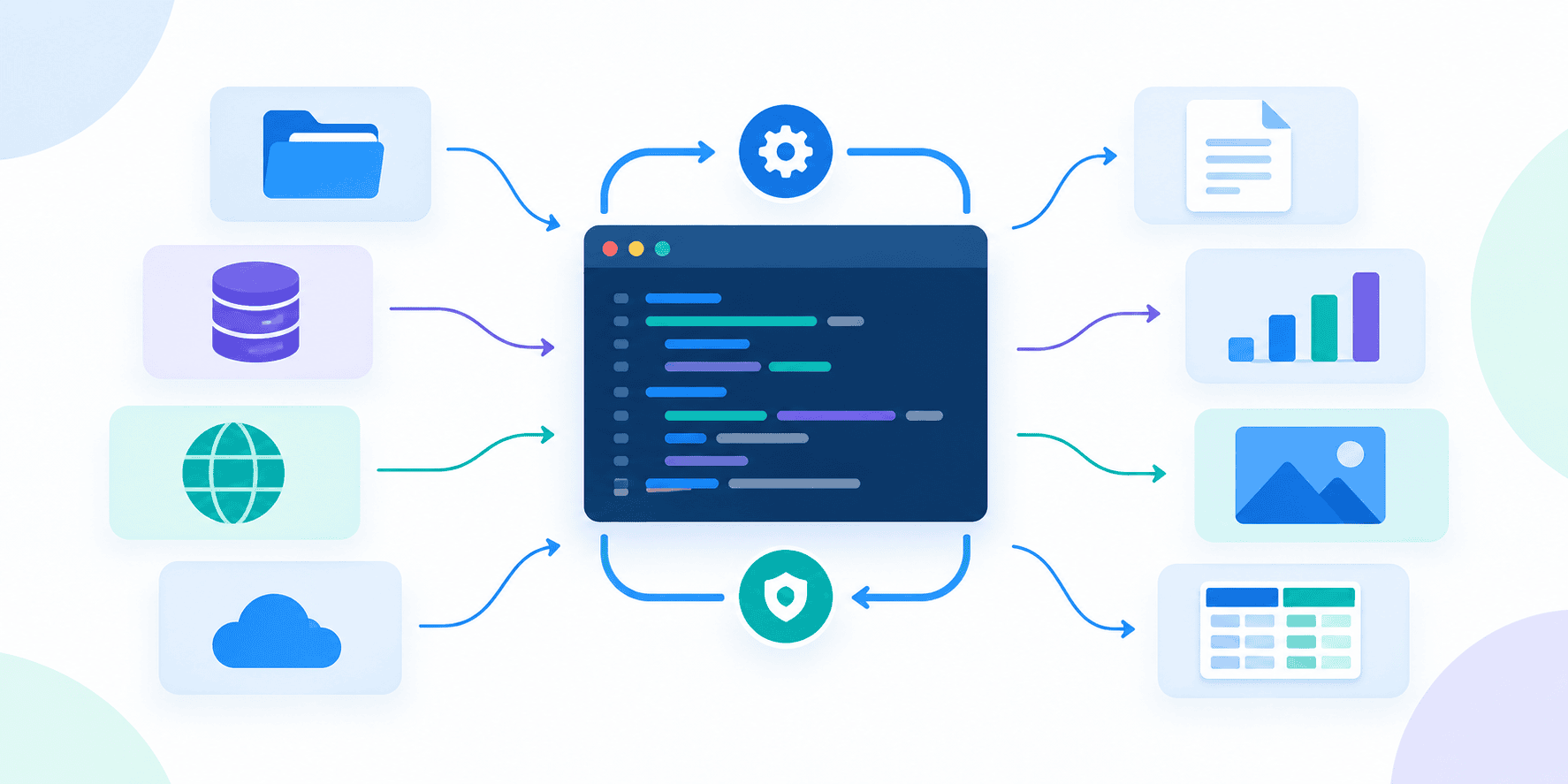
Five self-hosted Docker containers replace the public utility sites where developer data quietly leaks. Learn which ones handle JWT decoding, data transformation, file conversion, API testing, and diagram rendering locally.
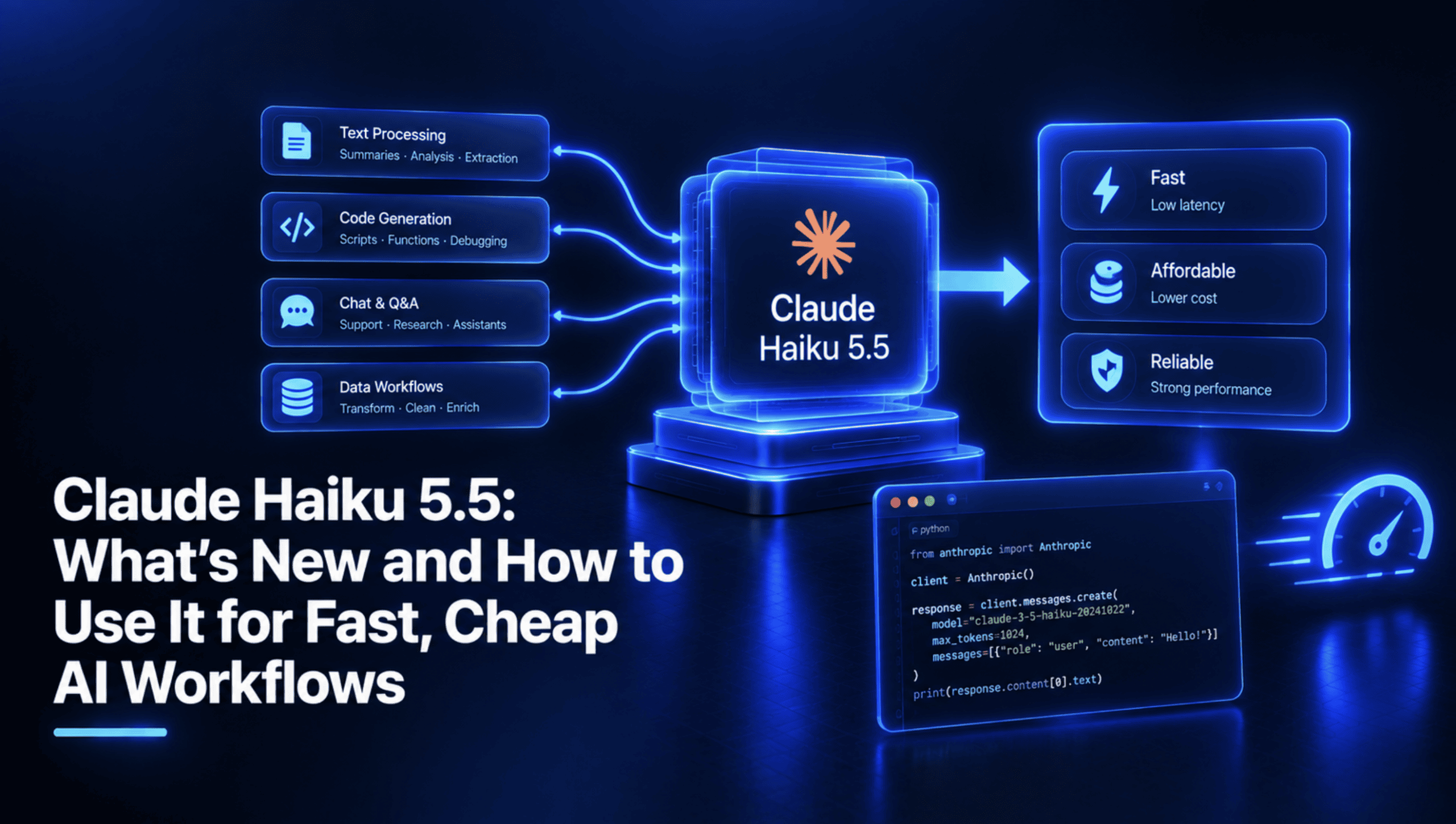
Claude Haiku 5.5 cuts list prices by 90% and adds adaptive thinking and a 1M token context window. Learn what broke from Haiku 4.5, and build classification, extraction, and sub-agent workflows in Python using the new API.
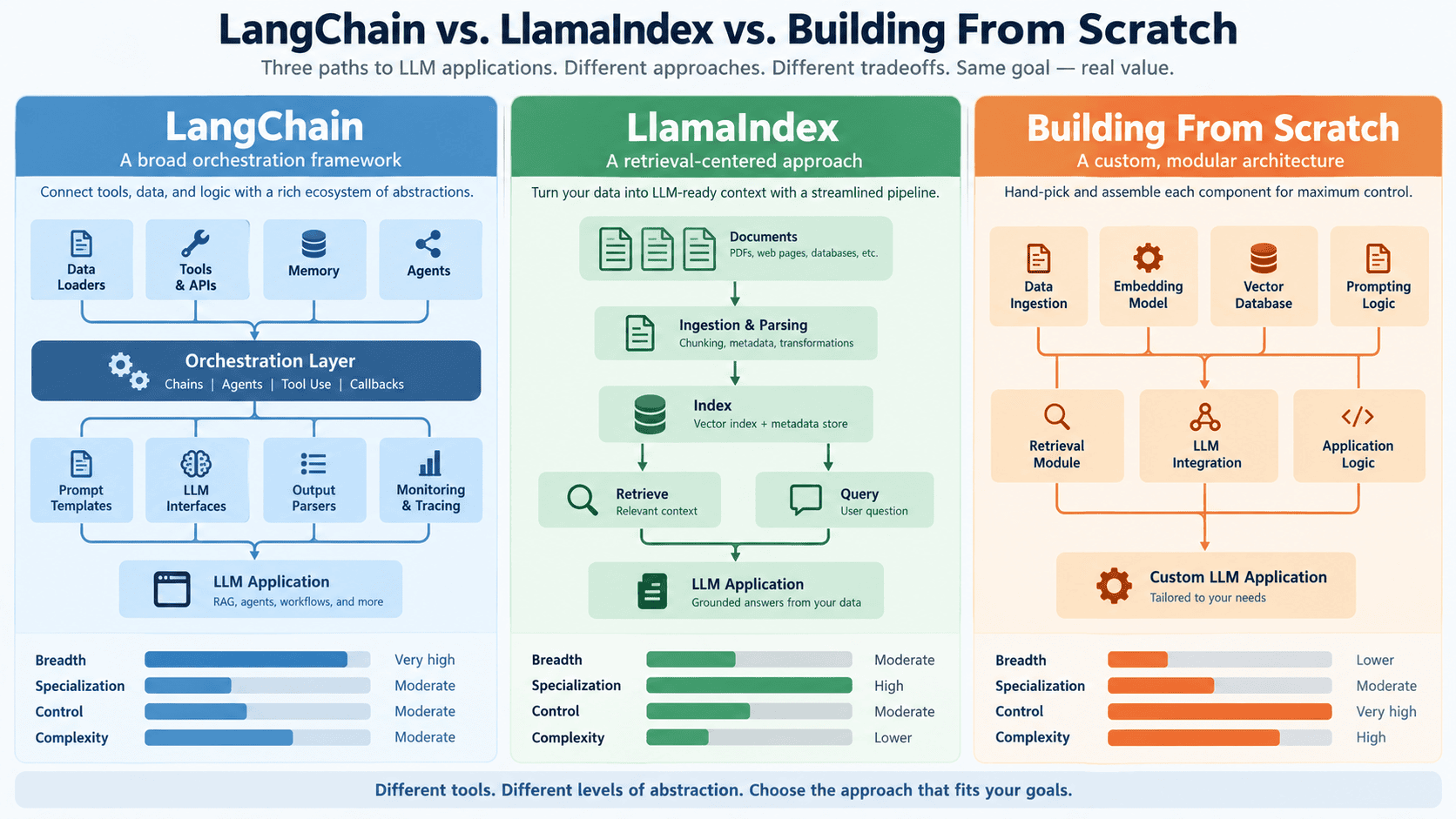
Choosing the right framework for your large language model application comes down to one question: what are you actually optimizing for?
AI makes writing code cheap. Verifying it is still your job.
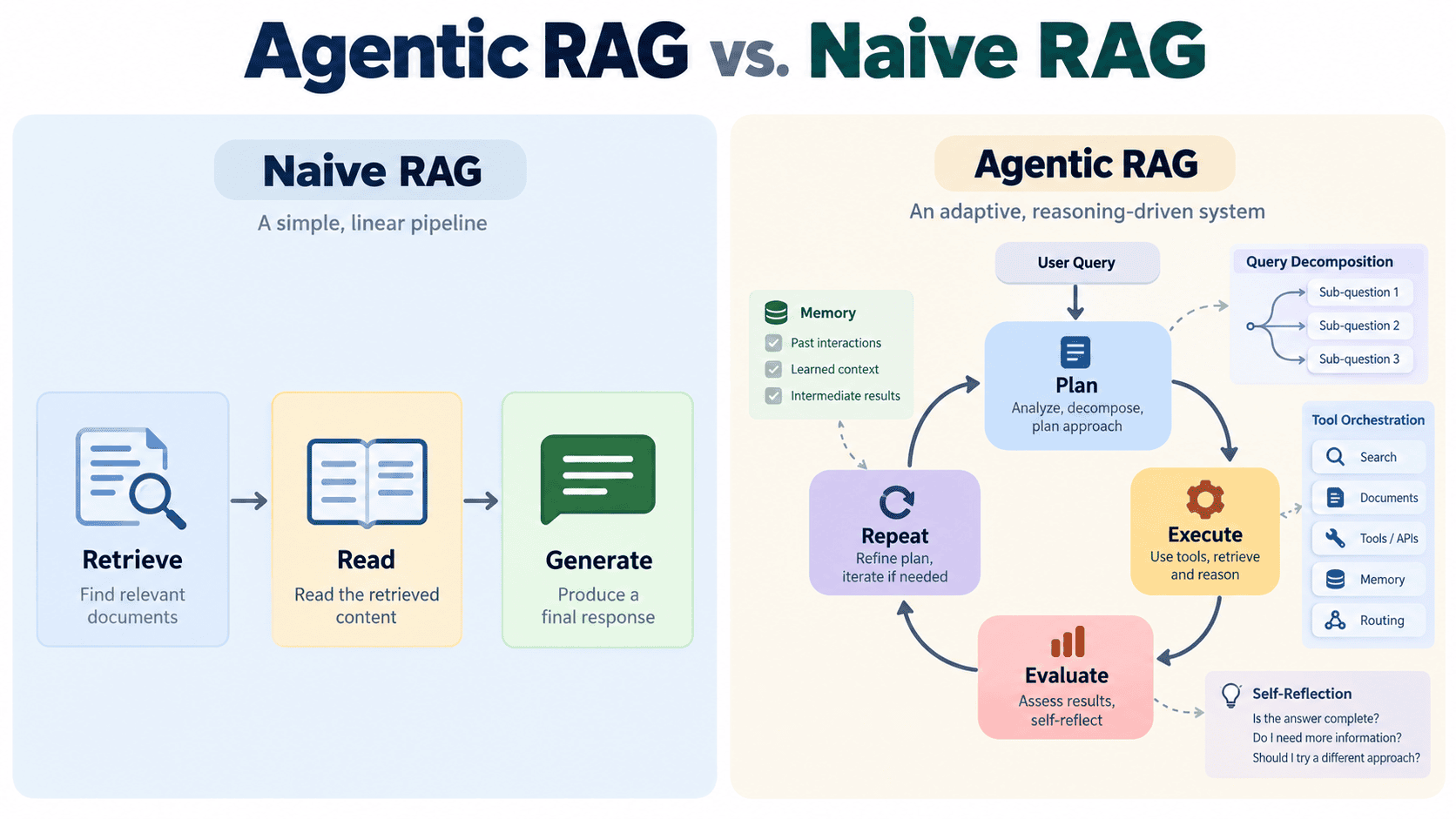
From static retrieval pipelines to autonomous reasoning engines: a complete breakdown of how these two architectures work, where each falls short, and how to choose the right one for your use case.
World models could be the next big shift in AI. Learn more right now.
This review highlights the main critiques of Abacus AI, its price, user reviews, reliability of workflows, and real-life use cases to assist you in evaluating its advantages and disadvantages.
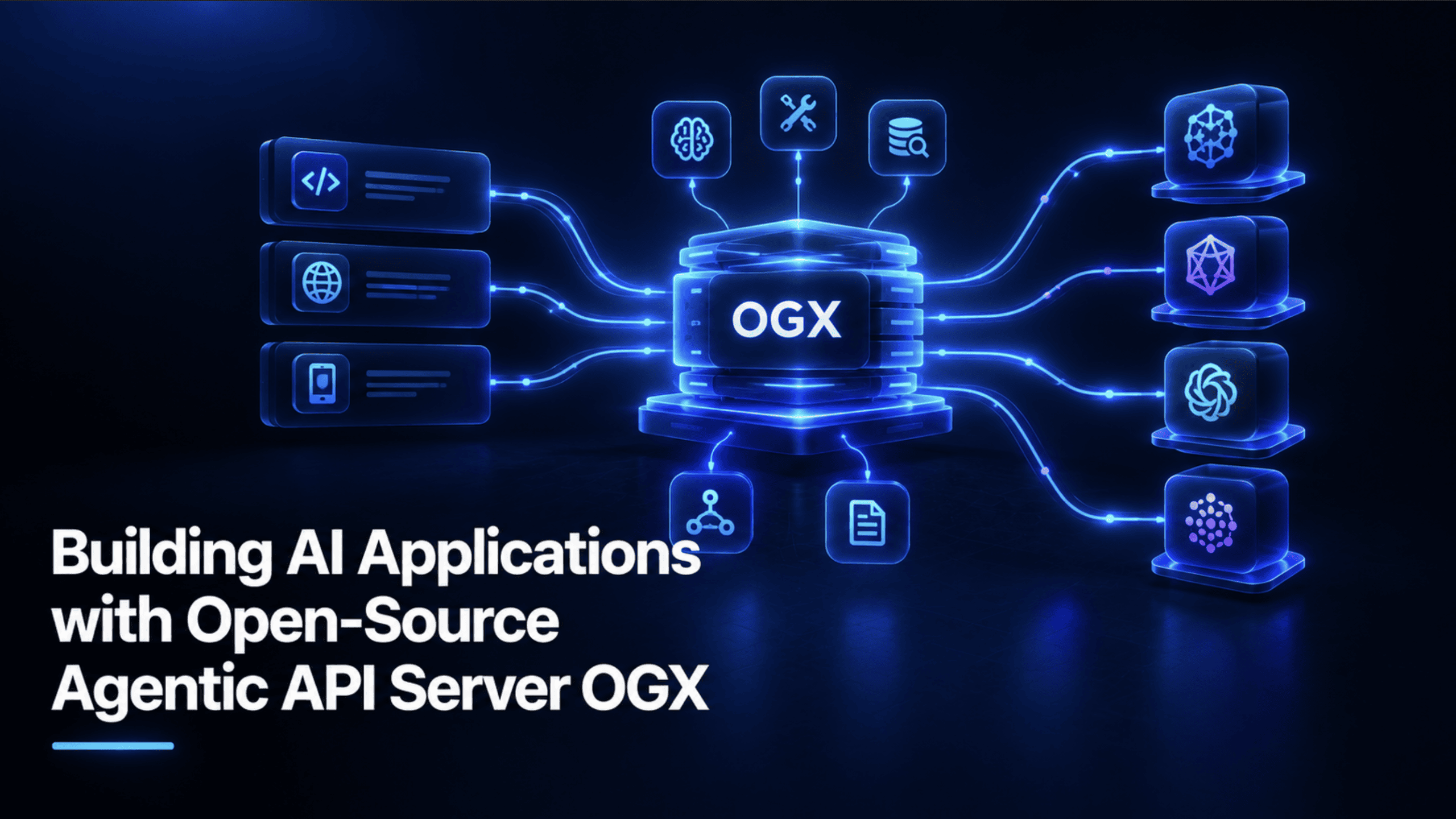
OGX is an open-source agentic API server for building OpenAI-compatible AI applications, using any model and any infrastructure.
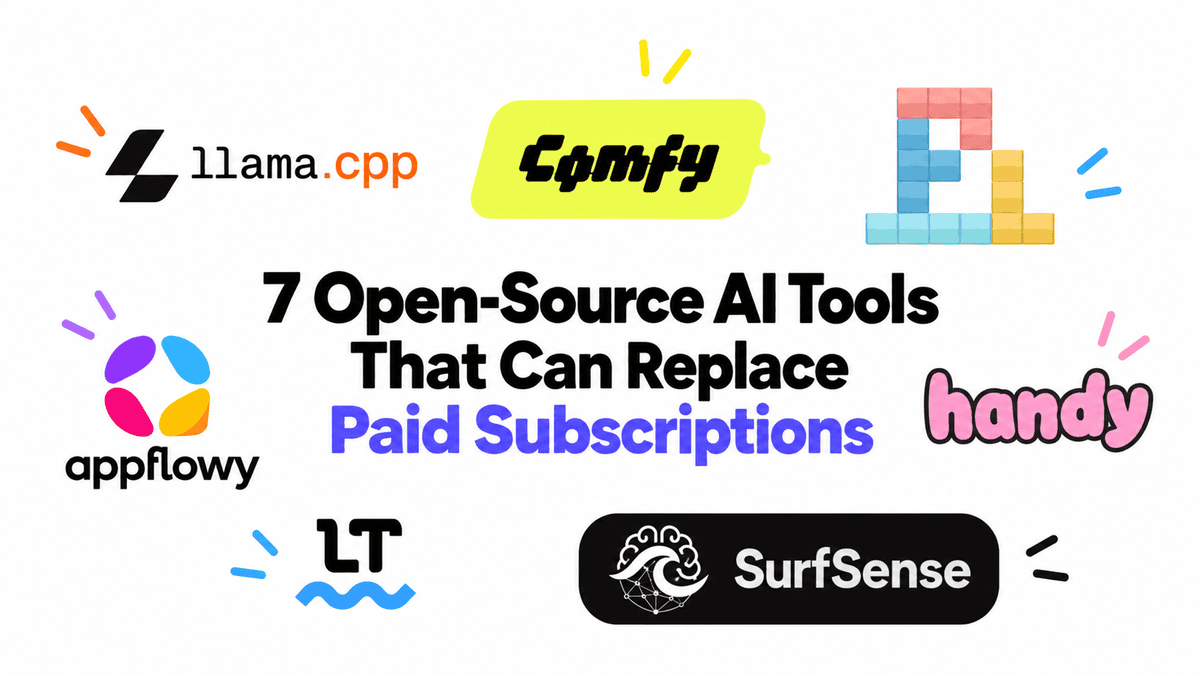
Find open-source alternatives to OpenAI API, Midjourney, Claude Code, Notion, Wispr Flow, Grammarly, and NotebookLM that you can run locally or self-host for more privacy, control, and lower cost.
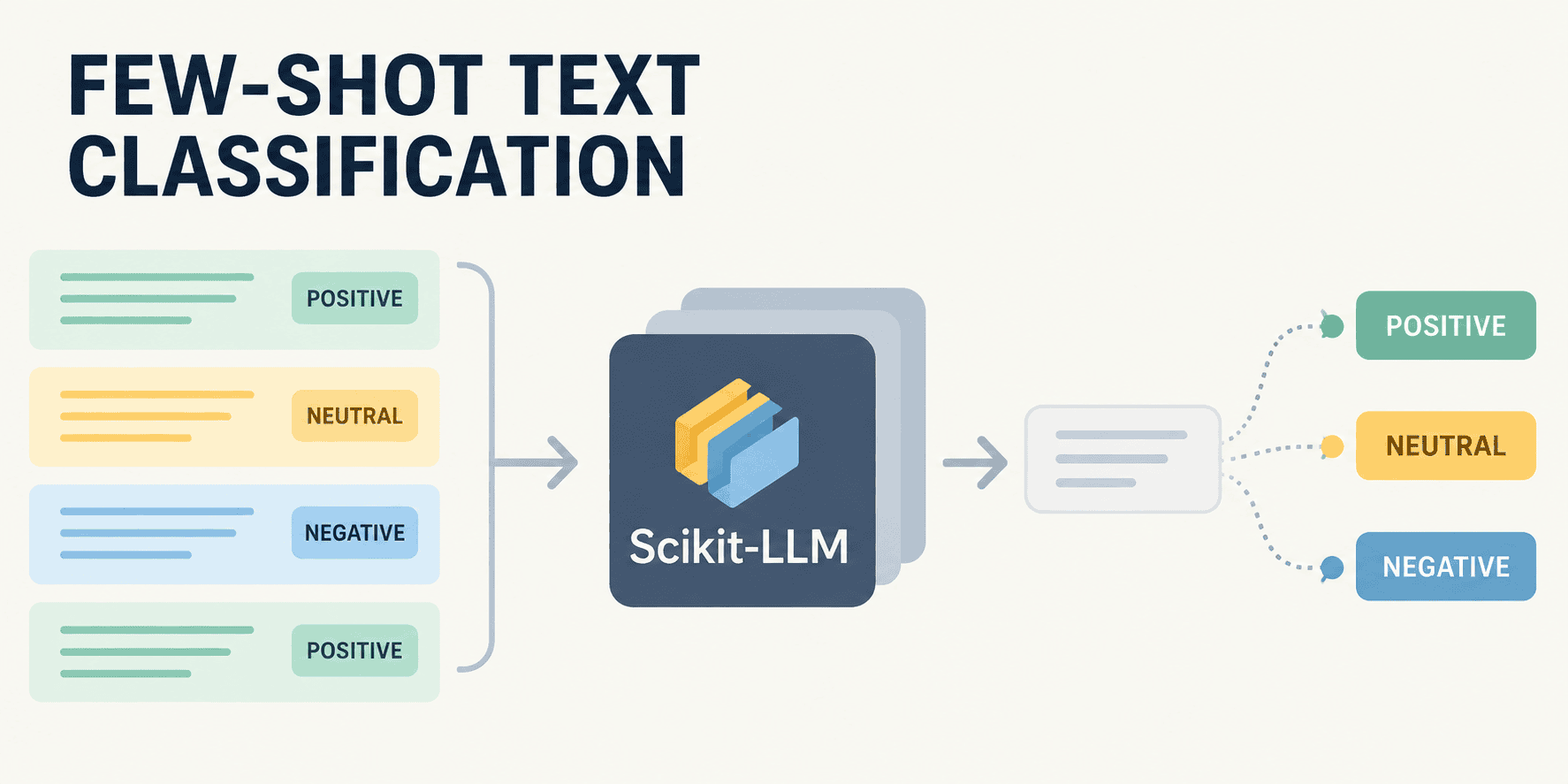
Leveraging Scikit-LLM for one of the simplest yet most practical text classification tasks utilized in the modern AI landscape: few-shot classification.
Want to understand what makes LLMs fast? Build the systems yourself.
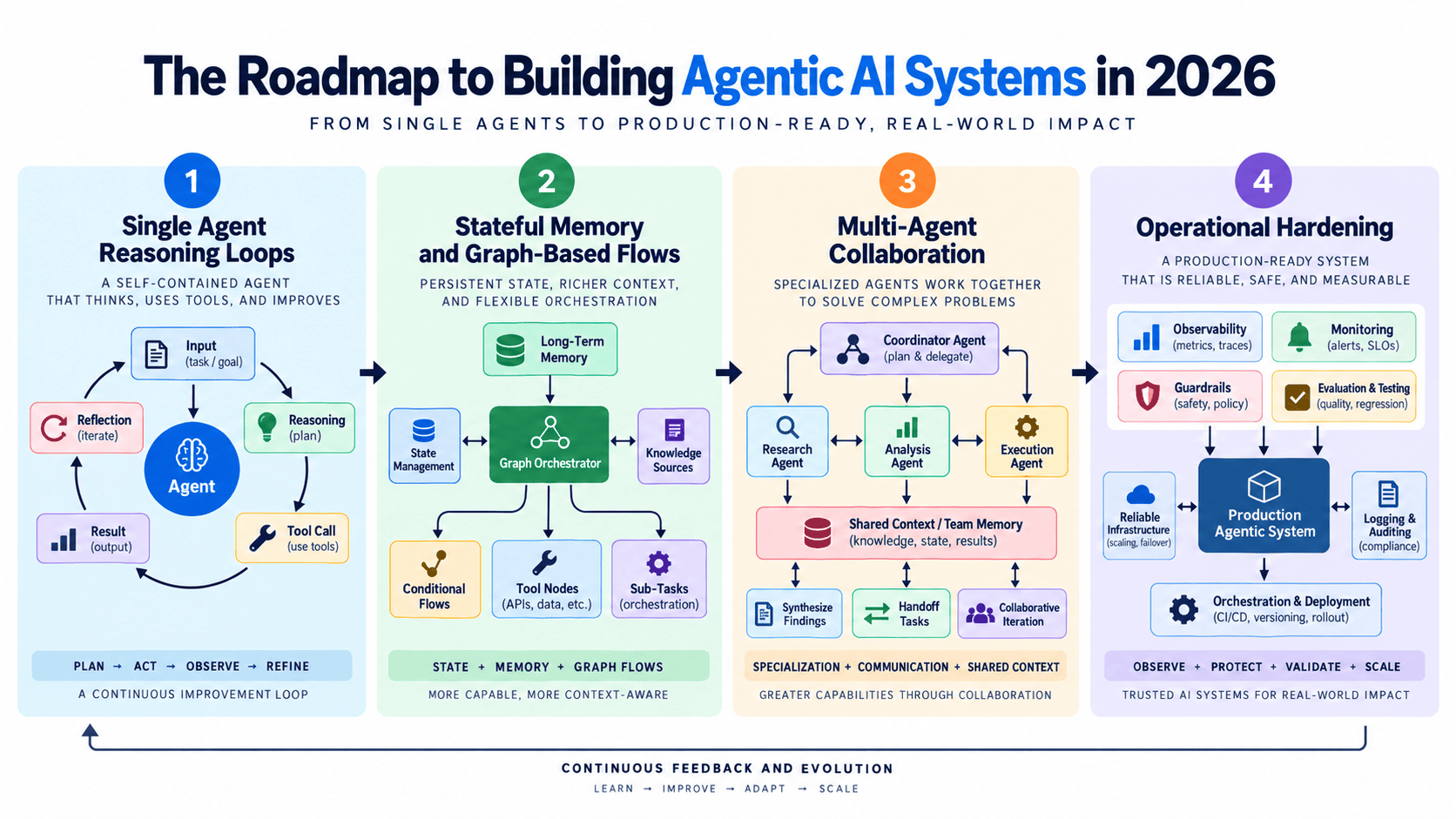
A four-level technical roadmap for building agentic AI systems, from single cognitive loops and stateful memory through multi-agent swarms and production observability.
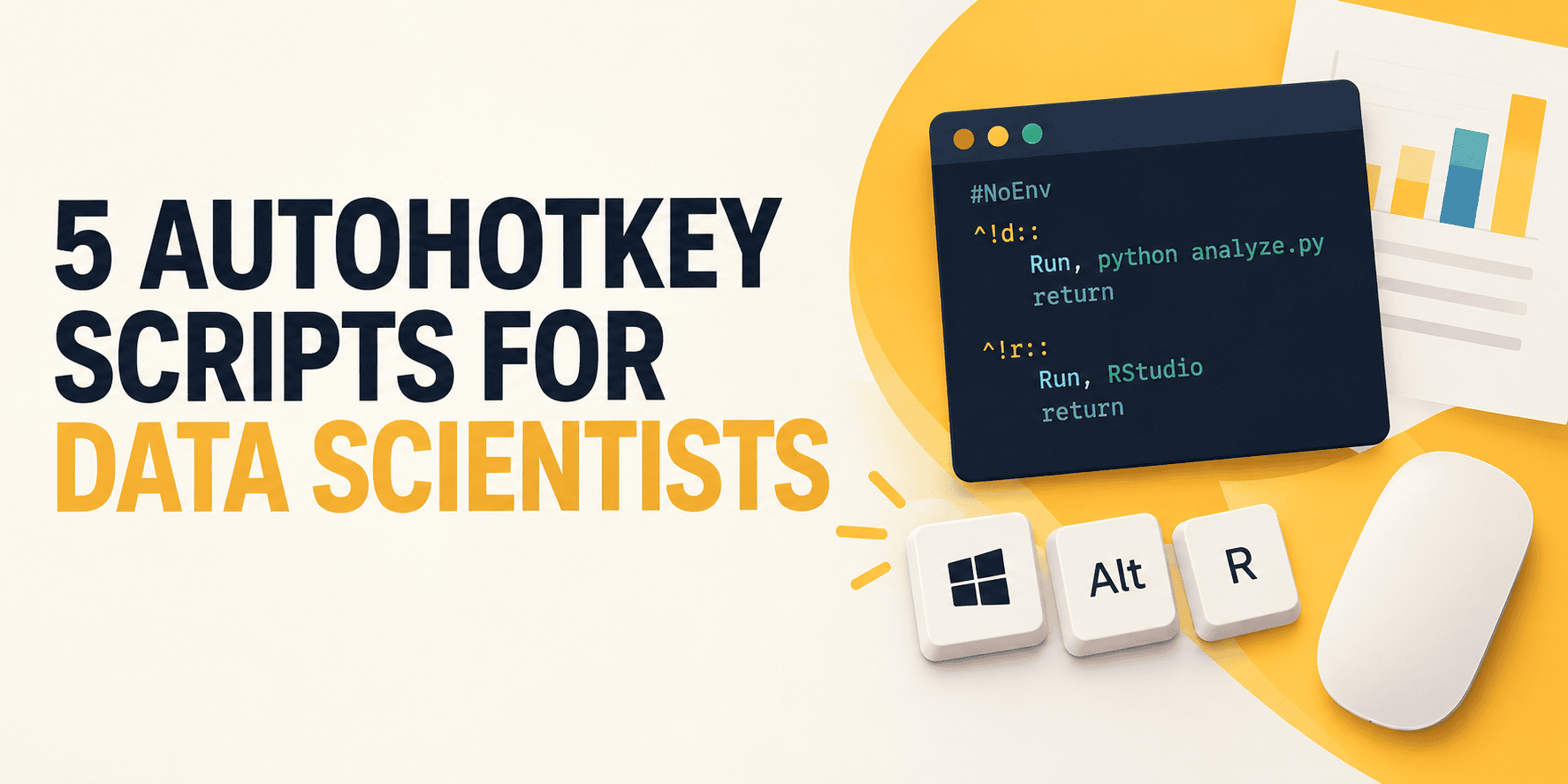
Five AutoHotkey v2 scripts that handle repetitive Windows desktop work around data analysis: launching a project workspace, converting clipboard IDs to Python or SQL lists, fixing file paths, and snapping windows into place.
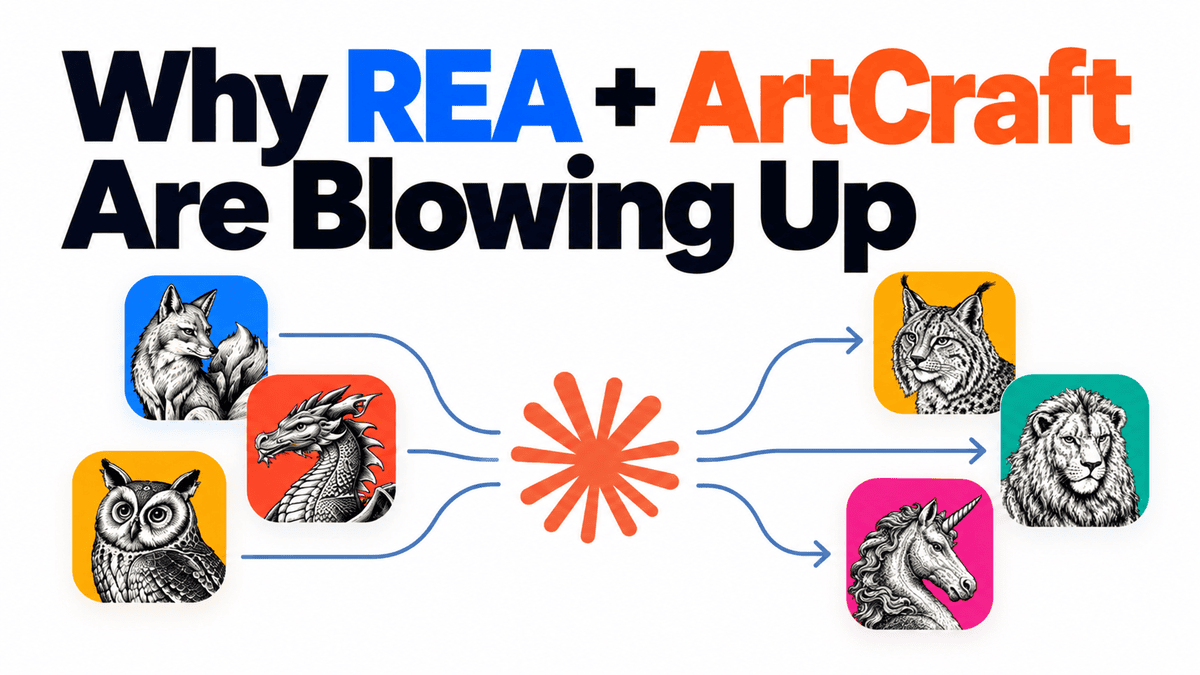
REA and ArtCraft are two projects driving a wave of AI-built clones that attempt to recreate Adobe and Microsoft software, letting developers reverse-engineer and rebuild commercial tools without access to the original source code.