X
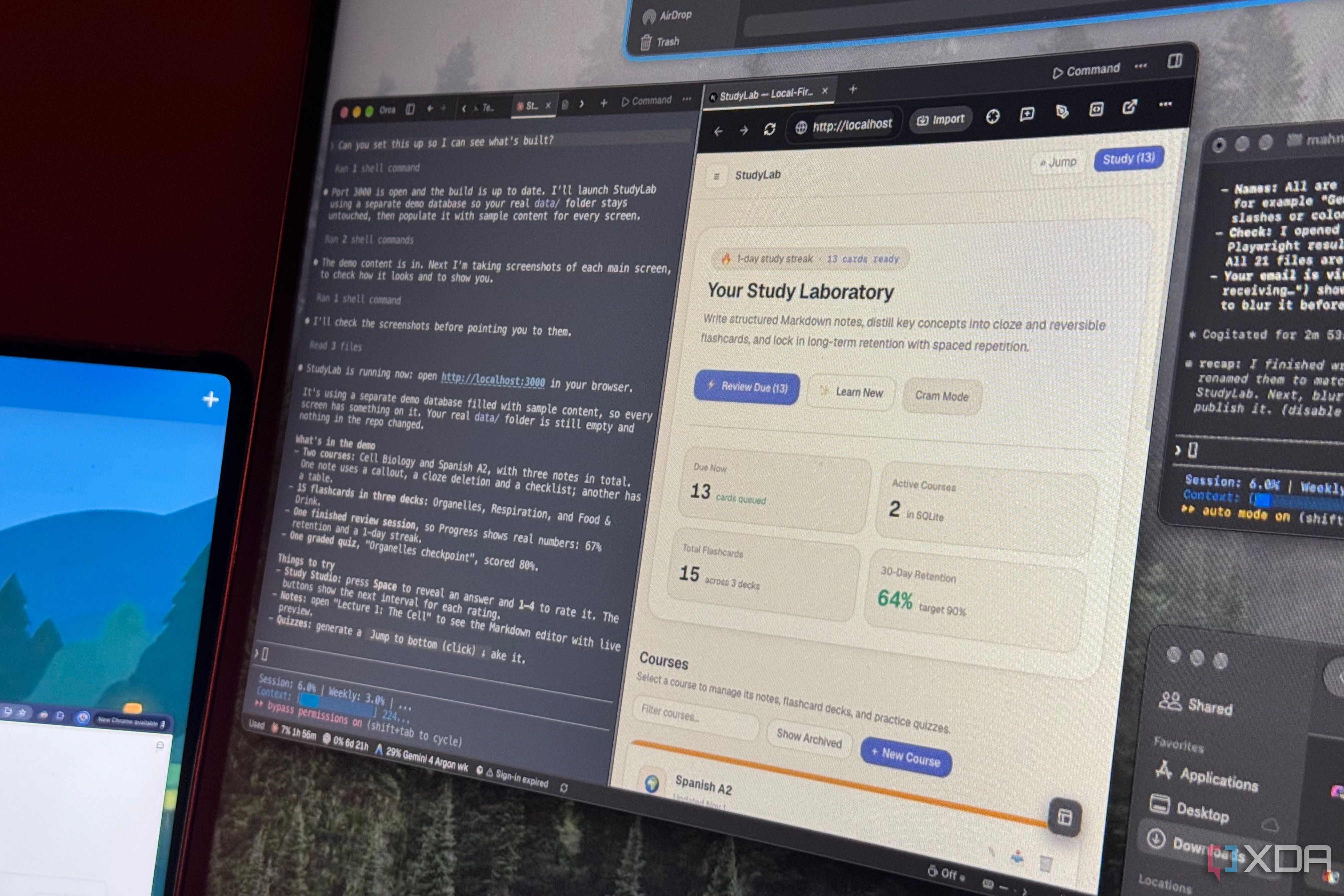
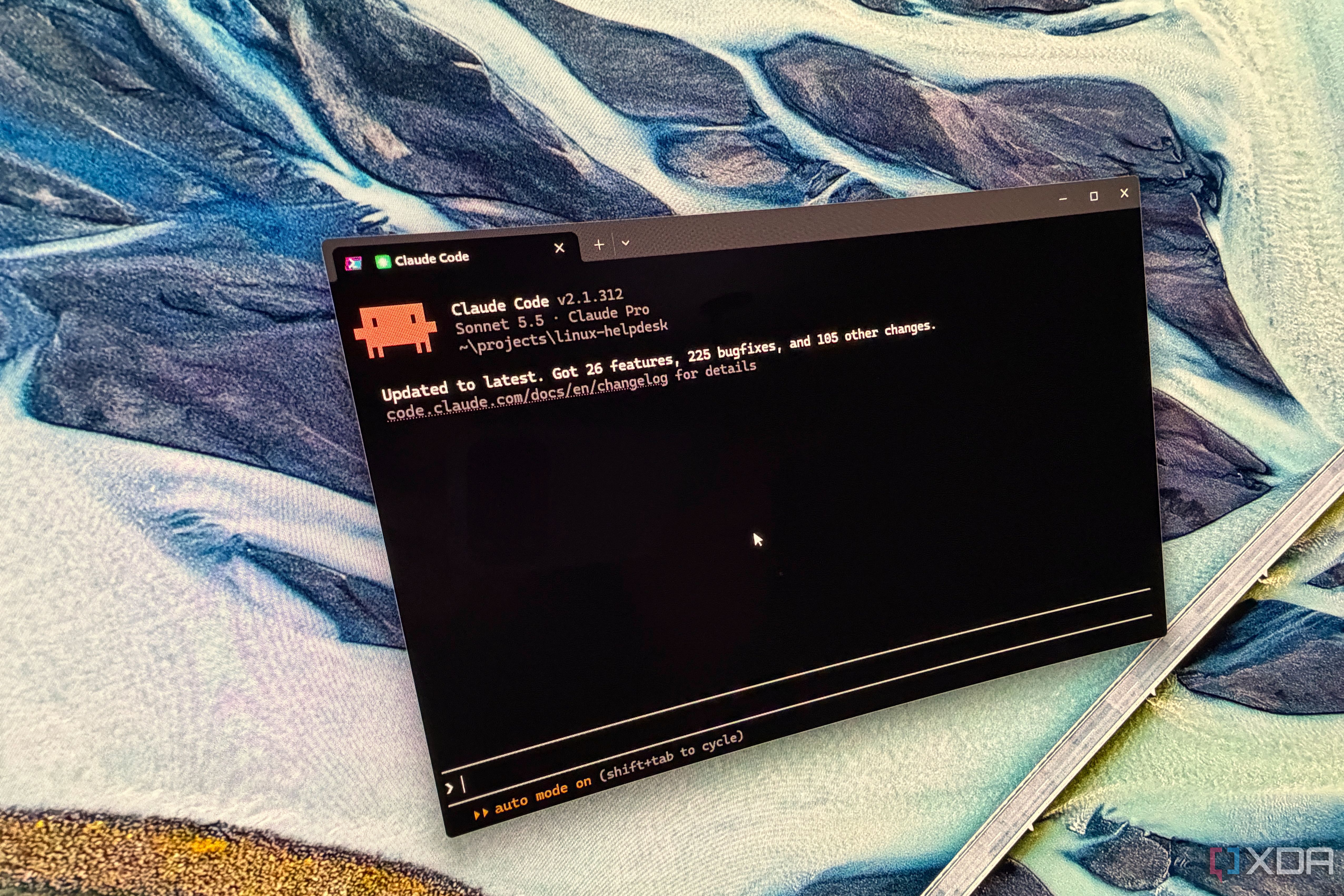
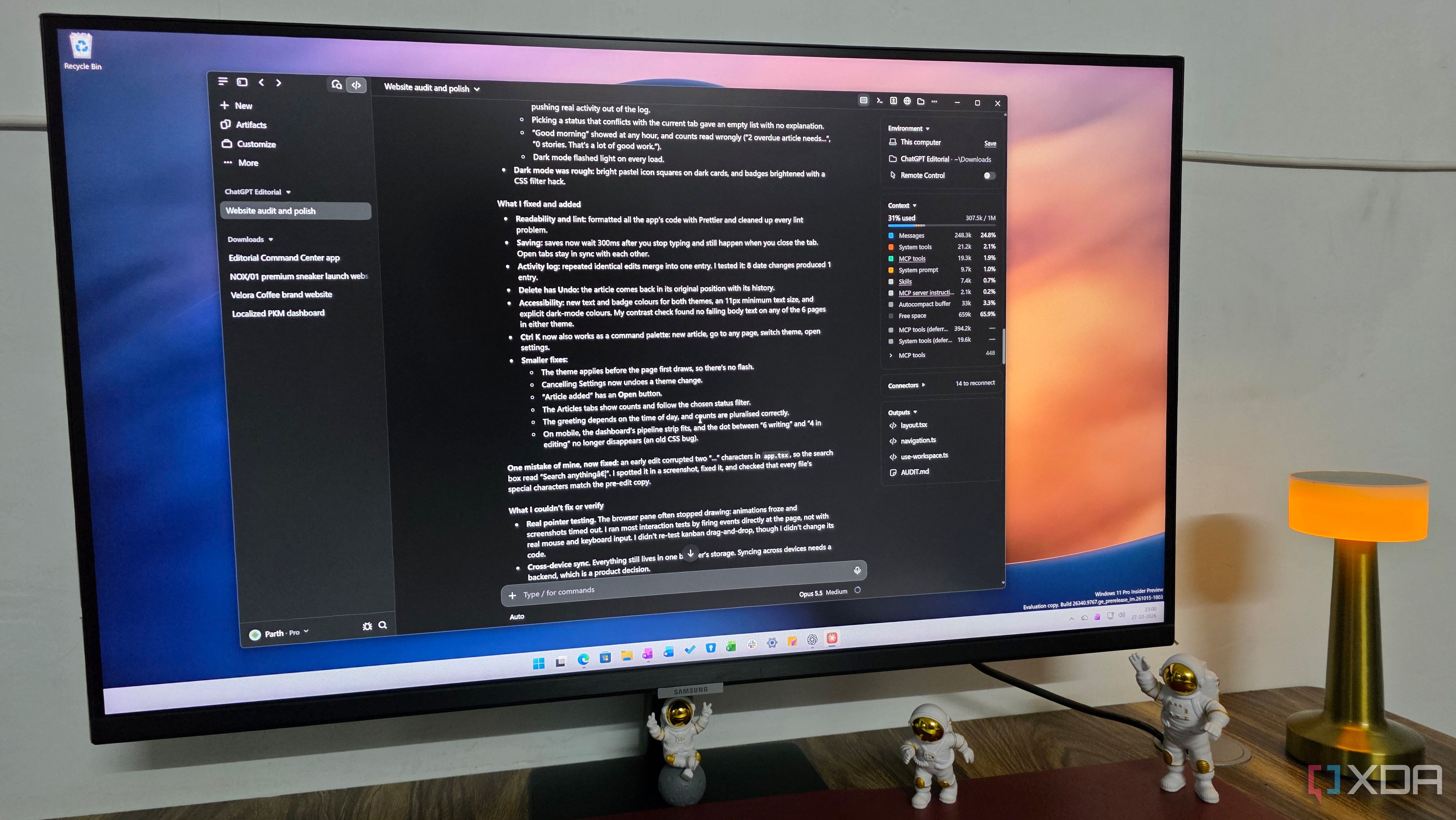
I love unhinged 3 AM ideas. I love the adrenaline rush that comes with convincing myself that a ridiculous idea might actually work, and then immediately putting it to the test instead of, you know, going to sleep. One of those ideas just so happened to be asking Claude Code to build its own replacement.
X
Bootable Linux USB drives are useful for getting into a PC when Windows refuses to start. You can inspect the internal drive, copy your files, and use recovery tools without loading the broken installation. I wanted to add something else to that setup – a chatbot that could help me understand what those tools were telling me, even without an internet connection.
X
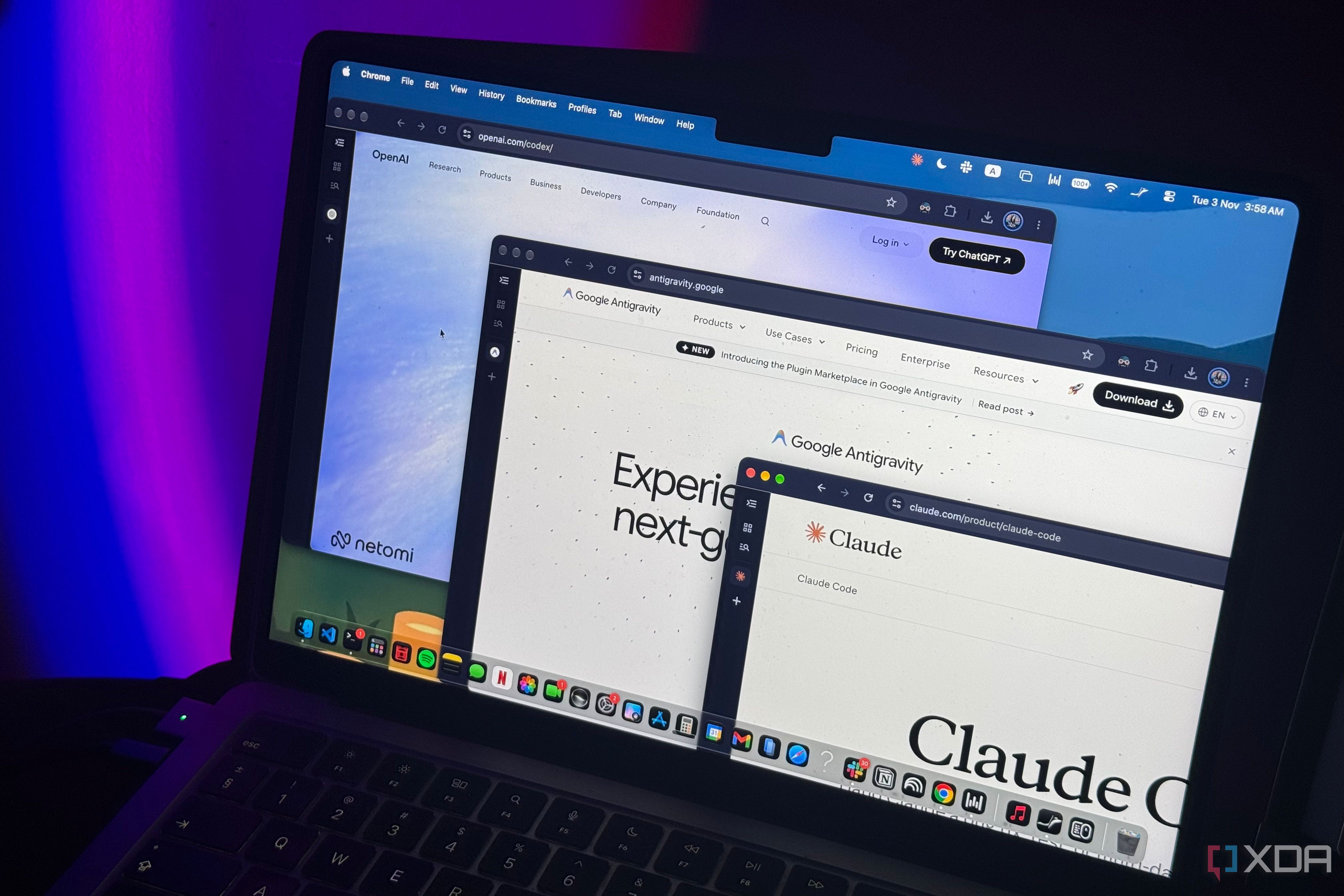
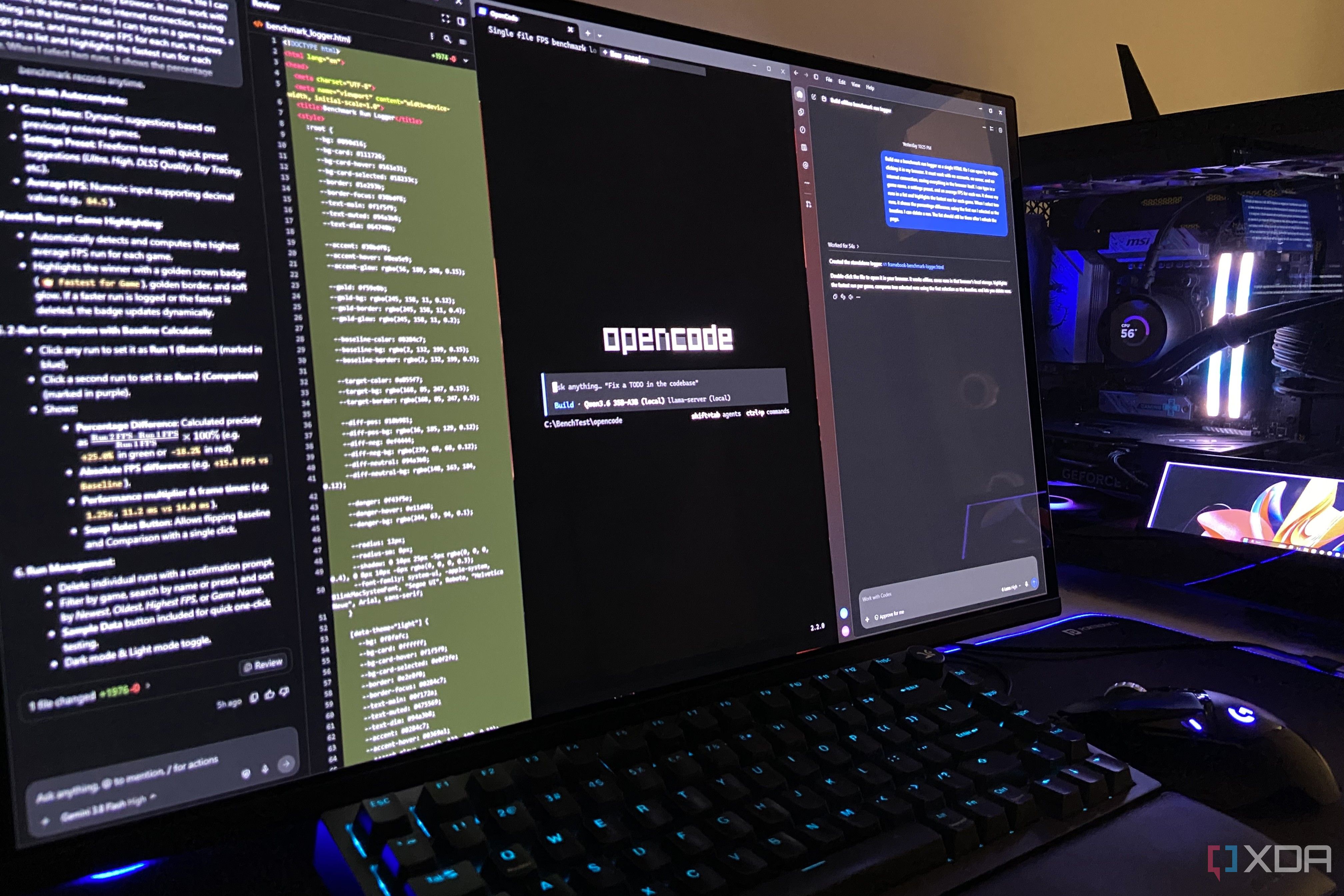
I've spent the better part of the last few months jumping from one AI coding tool to another. The big three are undoubtedly the ones I reach for most: Anthropic's Claude Code, OpenAI's Codex, and Google's Antigravity. One of my favorite things to do has been pitting them against each other to see which one comes out on top.
X
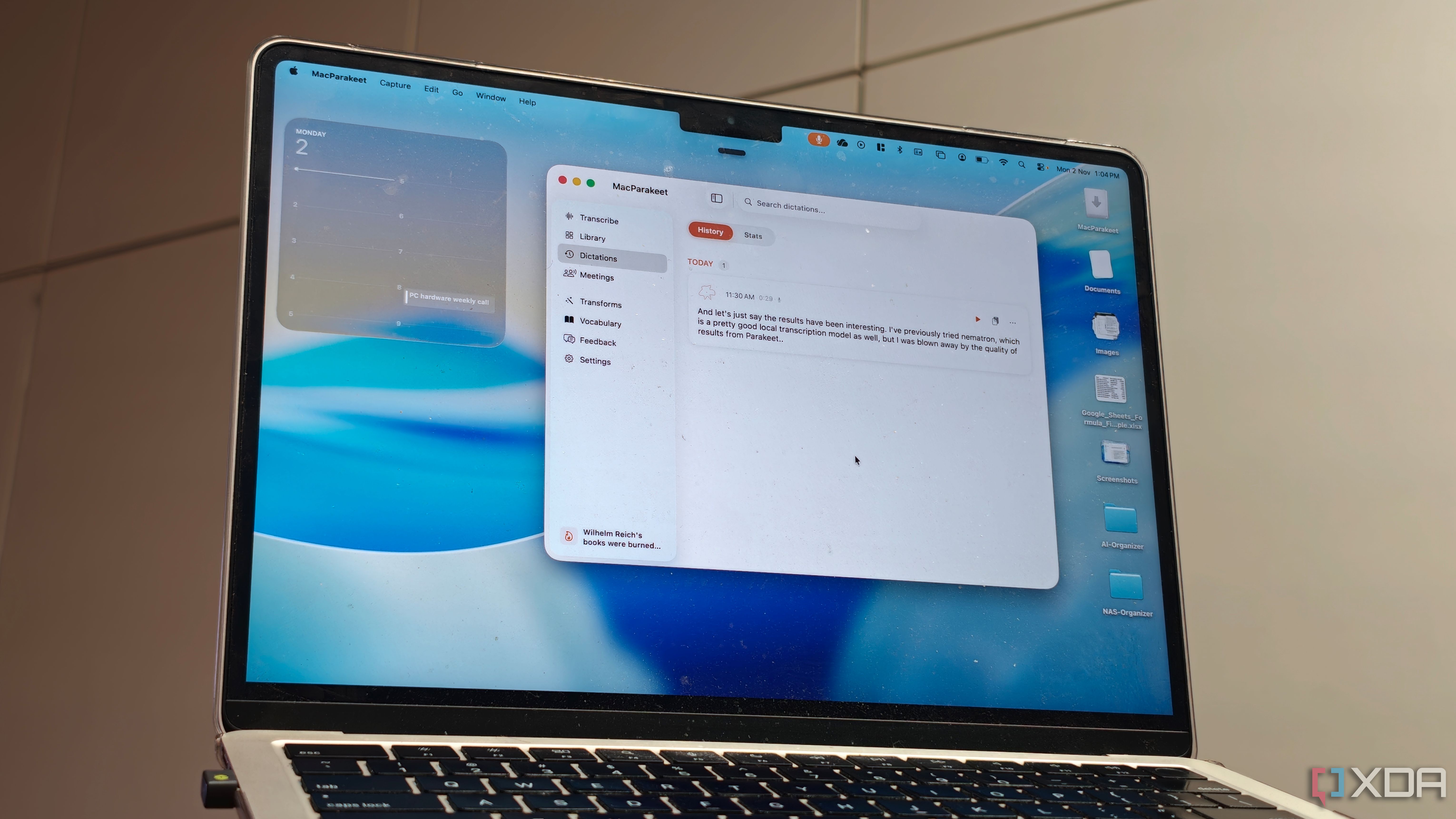
AI-based transcription is one of the most popular use cases of LLMs, but most tools tend to rely on offering a subscription and cloud-based transcriptions. I'm talking about tools like Whisper. Now, I've used Whisper enough for turning long interviews, voice memos and recordings into text, and it works well.
X
Free AI plans got quite complicated in October. OpenAI and Google both reworked what non-paying accounts get within days of each other, with OpenAI moving free users onto its newer GPT-6 model while Google cut free Gemini back to its smallest one. Since they're sitting on such different parts of the free AI spectrum now, it makes it a little harder to answer the question of whether a subscription is worth it, or even to compare their free tiers.
X
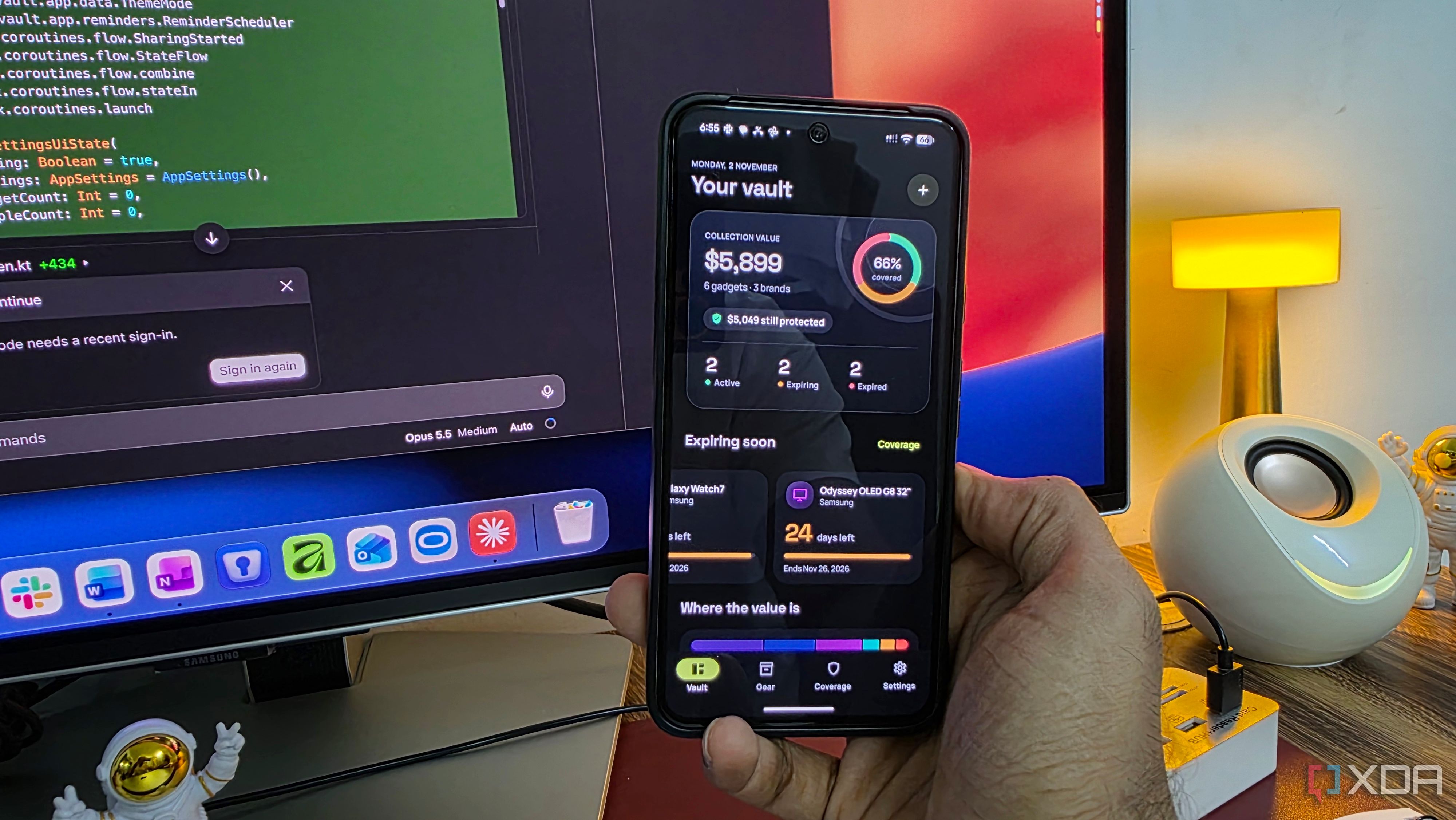
AI coding tools are getting quite good at turning simple prompts into fully functional apps, but I have always wondered how well they handle Android development. To put their capabilities to the test, I challenged Claude Code, OpenAI Codex, and Google Antigravity to build the exact same Android app from scratch.
X
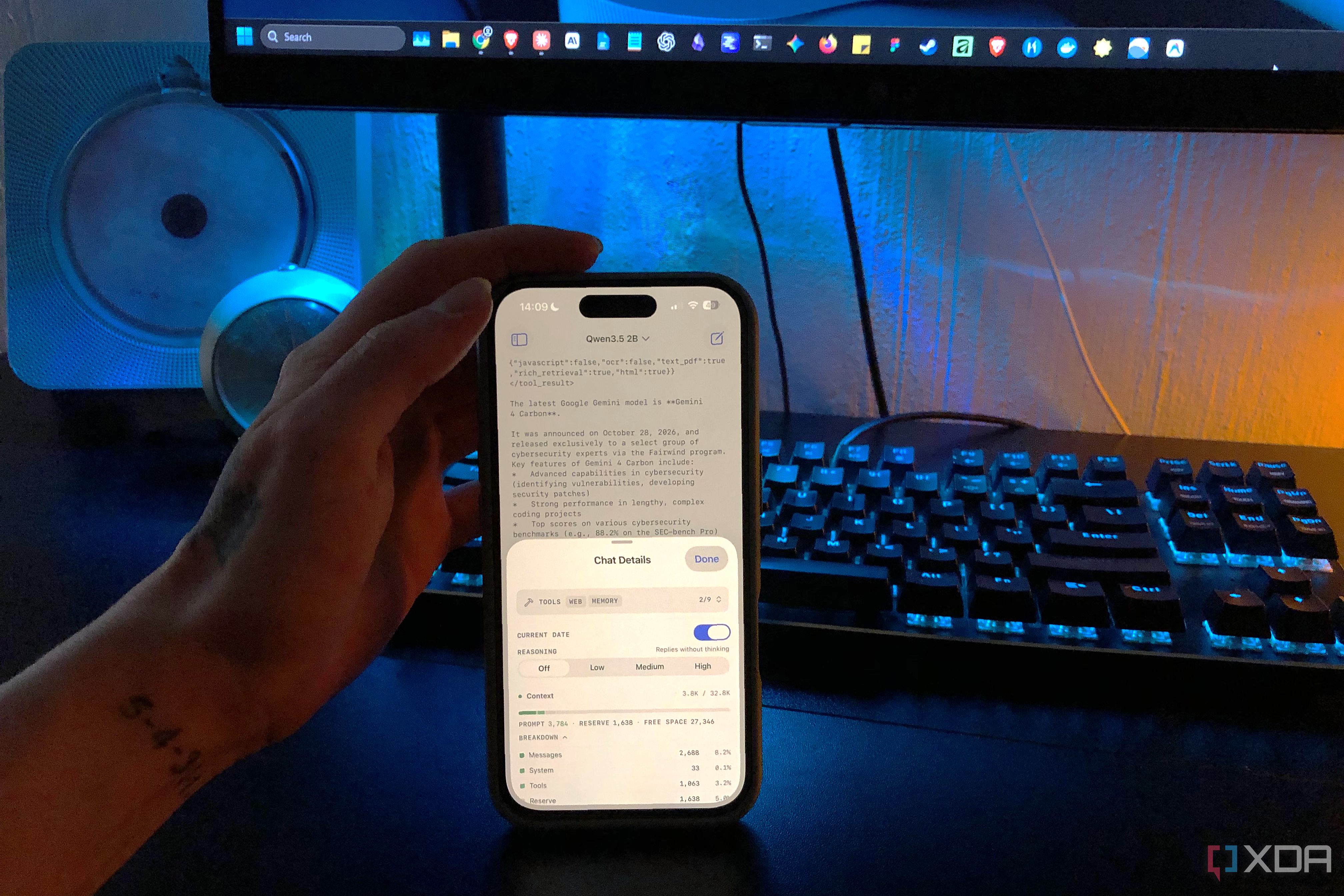
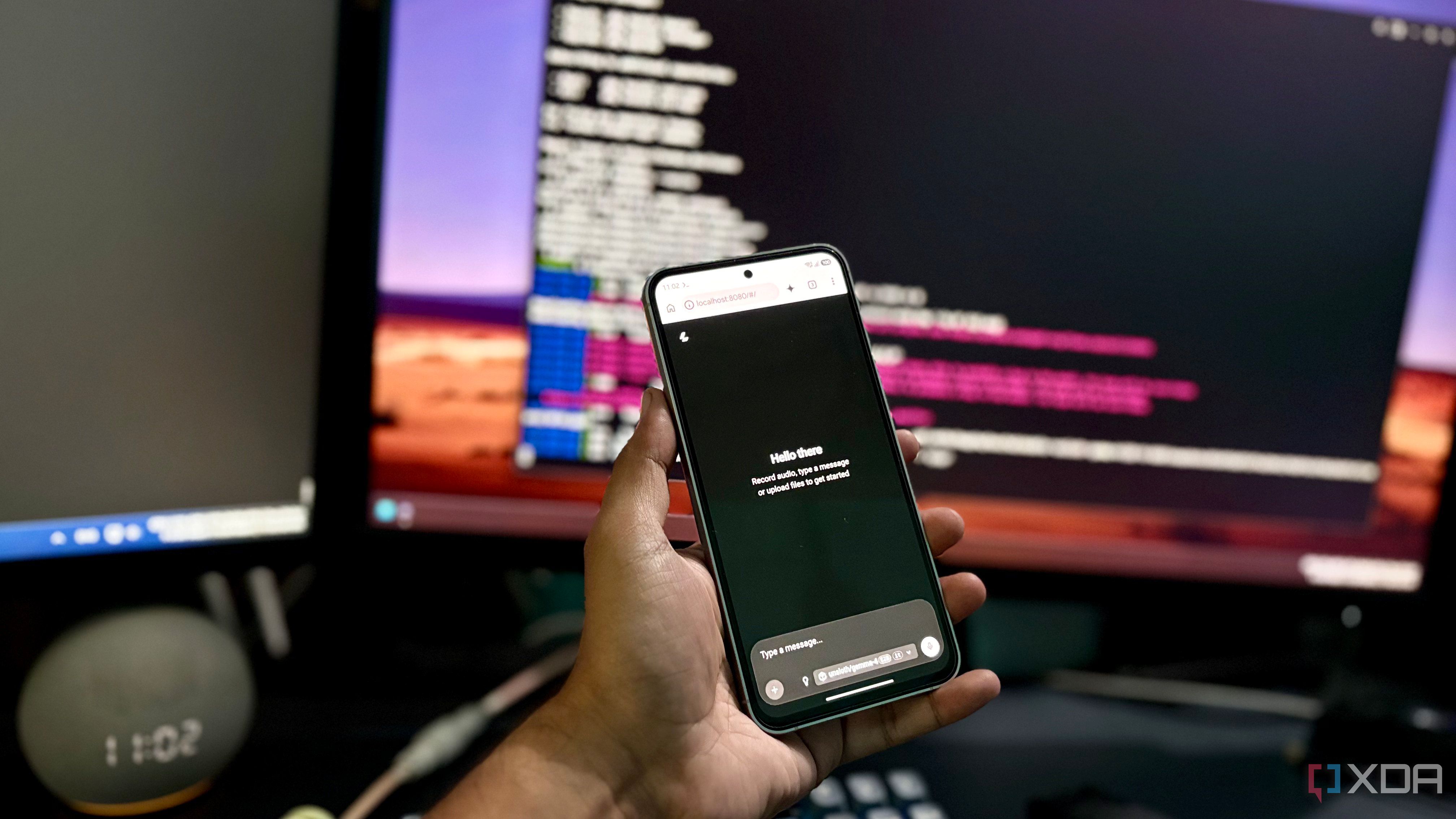
Phones have been able to run AI models locally for a couple of years now, but most people still reach for cloud AI tools on their phones because it's usually the only way to get something that's actually powerful on mobile, since the models sit on cloud servers. But you don't actually need a super powerful model on mobile to get good results, you just need one that can use the web.
X
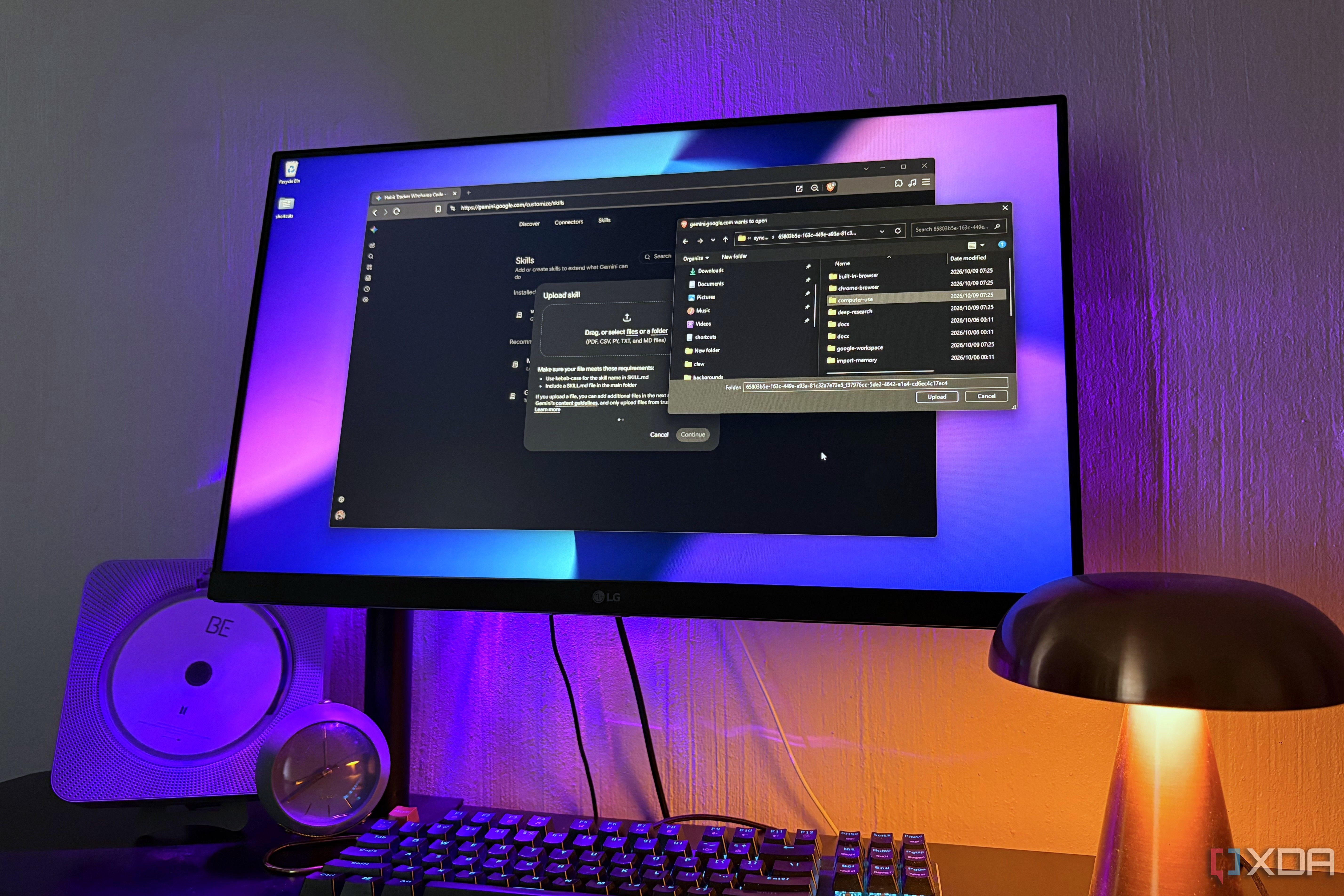
Custom instructions in your AI tools are really just a double-edged sword. Yes, they help you fine-tune the model in a way, or guide it in the right direction, but the part nobody writes about is when you switch to a different AI provider or simply juggle a bunch of tools at the same time. Then you're either right back where you started and need to create instructions from scratch, or get used to juggling between different stacks of skills with different AI tools.
X
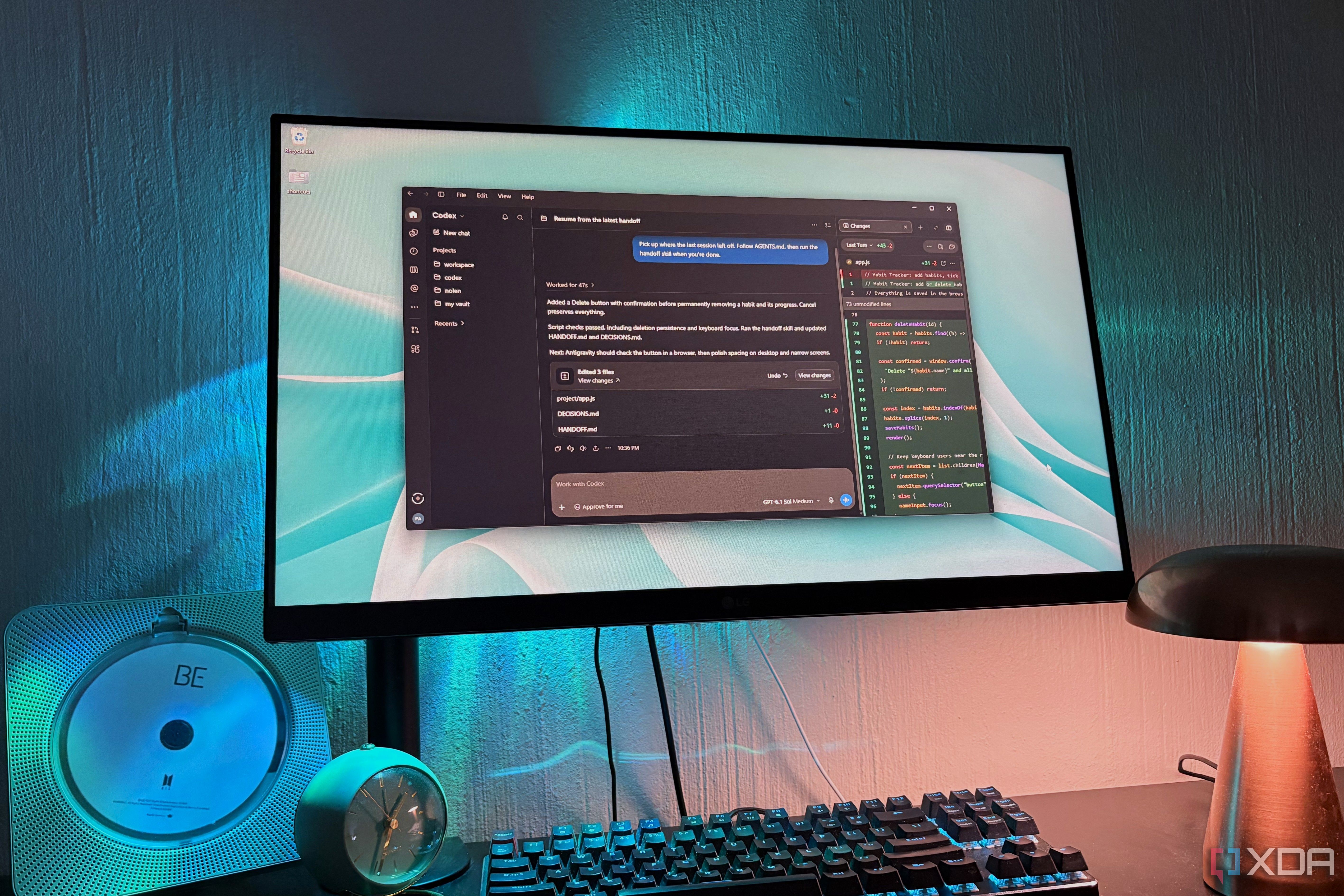
Anthropic, OpenAI, and Google are the three big players when it comes to coding agents, and anyone who's paid for two or more of them has probably tried to work out which agent gets to be "the main one". I certainly have, because I've juggled all three subscriptions at this point. Claude Code, Codex, and Antigravity can all open a folder on your computer and build things inside it, so they look like they're up for the same job. Most comparisons, including a few I've written, set them against…
X
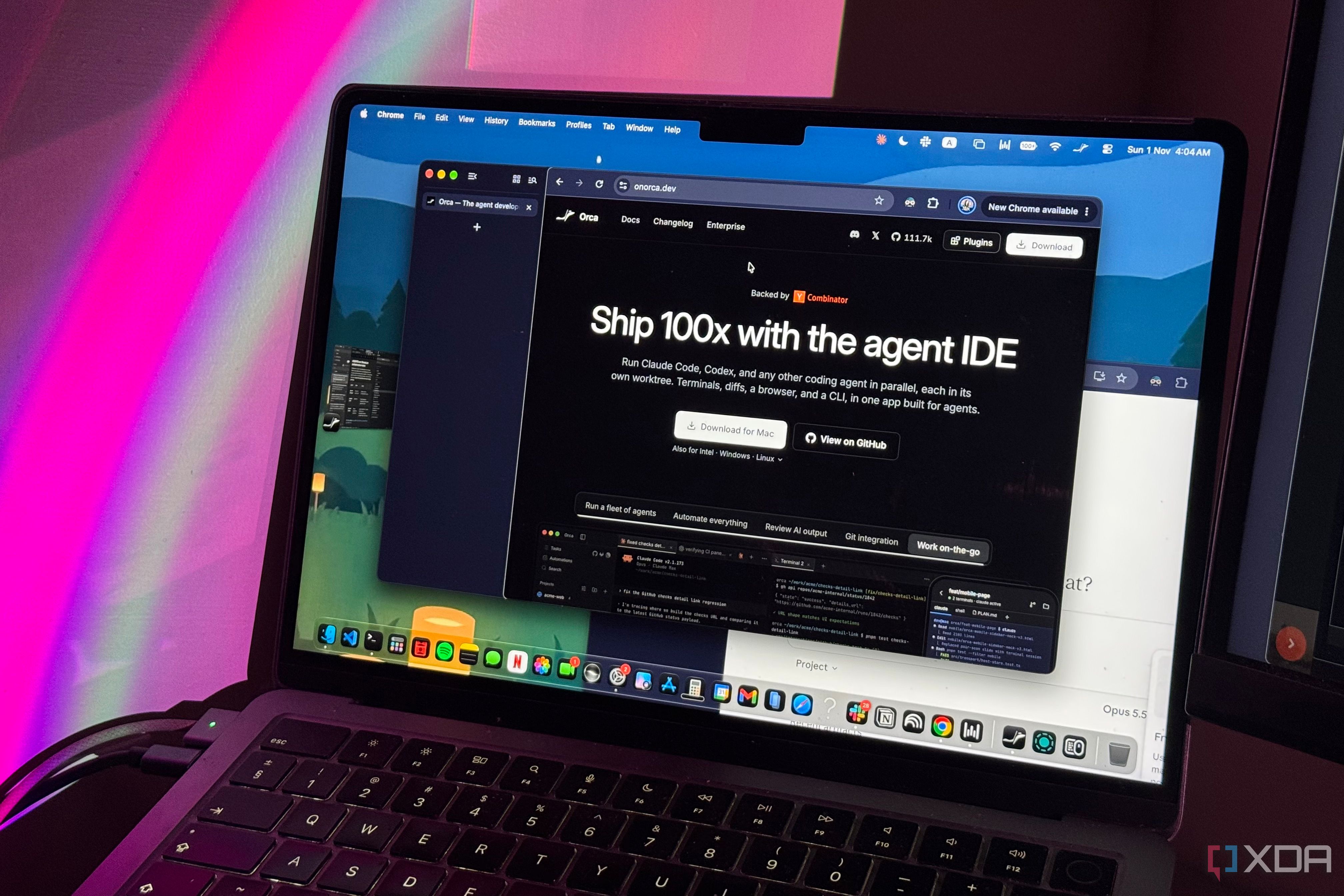
While increasingly capable AI coding agents have taken a lot of the grunt work out of coding, they've also introduced a bunch of new problems. Beyond increasing the amount of vibe-coded slop you'll see everywhere and fueling fears that AI is going to replace developers, there's another problem that doesn't get talked about nearly enough: managing the very tools doing the coding for you.
X
One piece of prompting advice you've likely heard at least a few times before is to give AI chatbots as much context as possible. Don't leave much room for assumptions or interpretation, and be as clear about your requirements as you can to ensure the final result is exactly what you're looking for. It's advice I've followed myself, and when you think about it, it makes complete sense. How can you reasonably expect an AI chatbot to give you exactly what you want if you don't tell it what that…
X
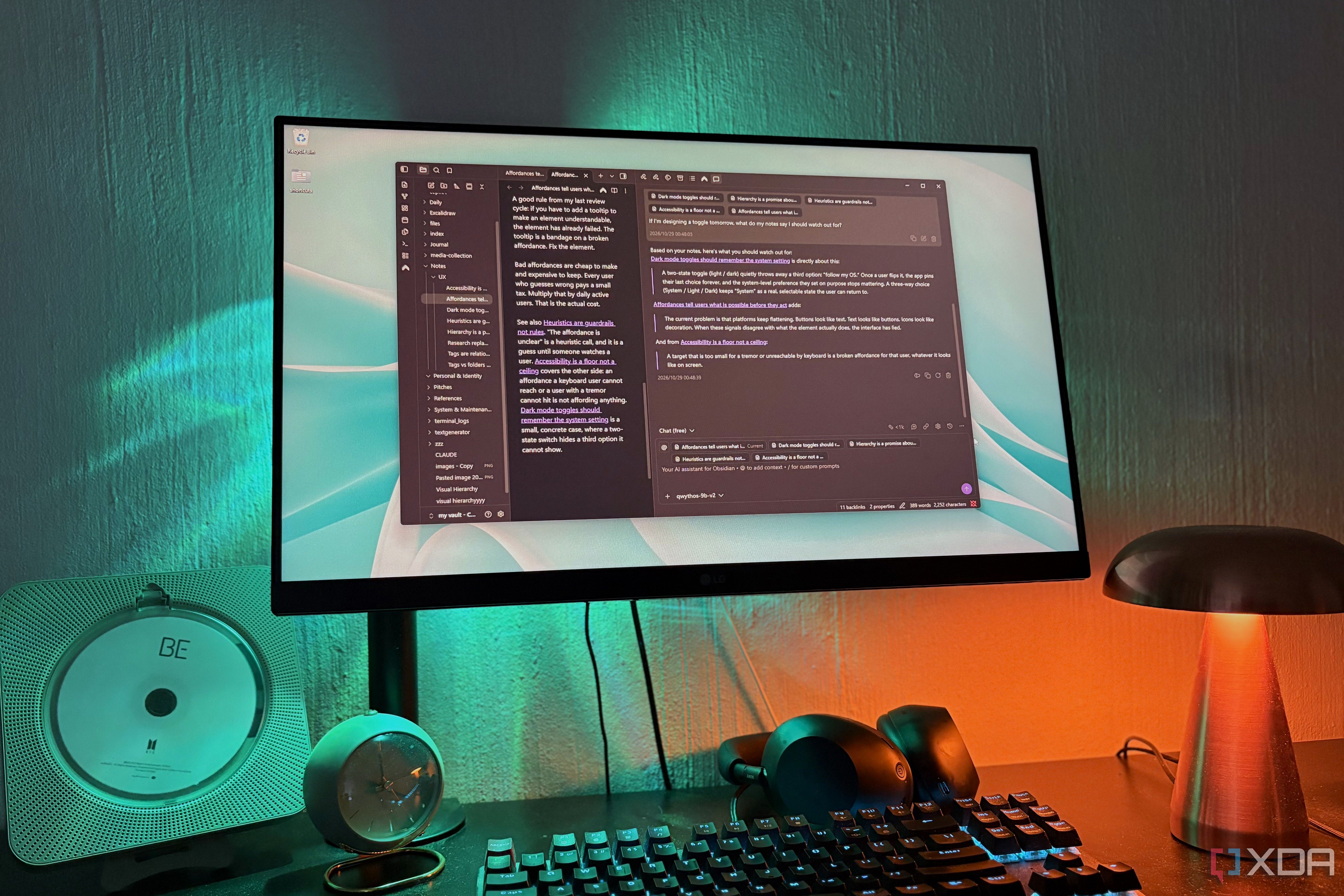
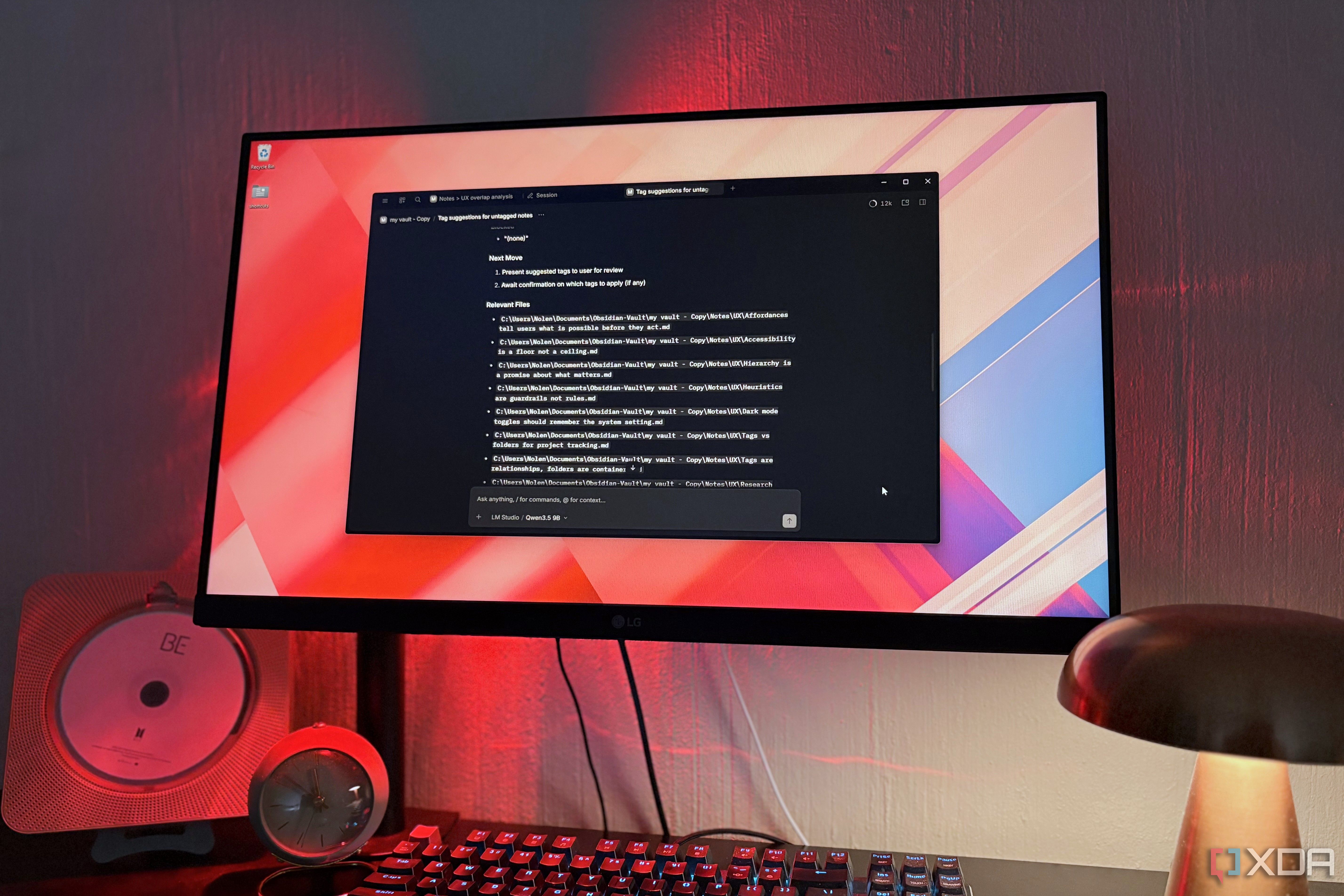
Most note-taking setups are great at holding onto things, which is kind of the whole point, but they're perhaps not the best at handing them back to you. What I mean by this is that you write your note, maybe tag it or link it to a couple of other notes, and then it just gathers dust until you remember the right word to search for. Obsidian's Graph view is good at making your note stack look alive, but let's be real, we all have a couple of notes somewhere in that soup of nodes without a clue…
X
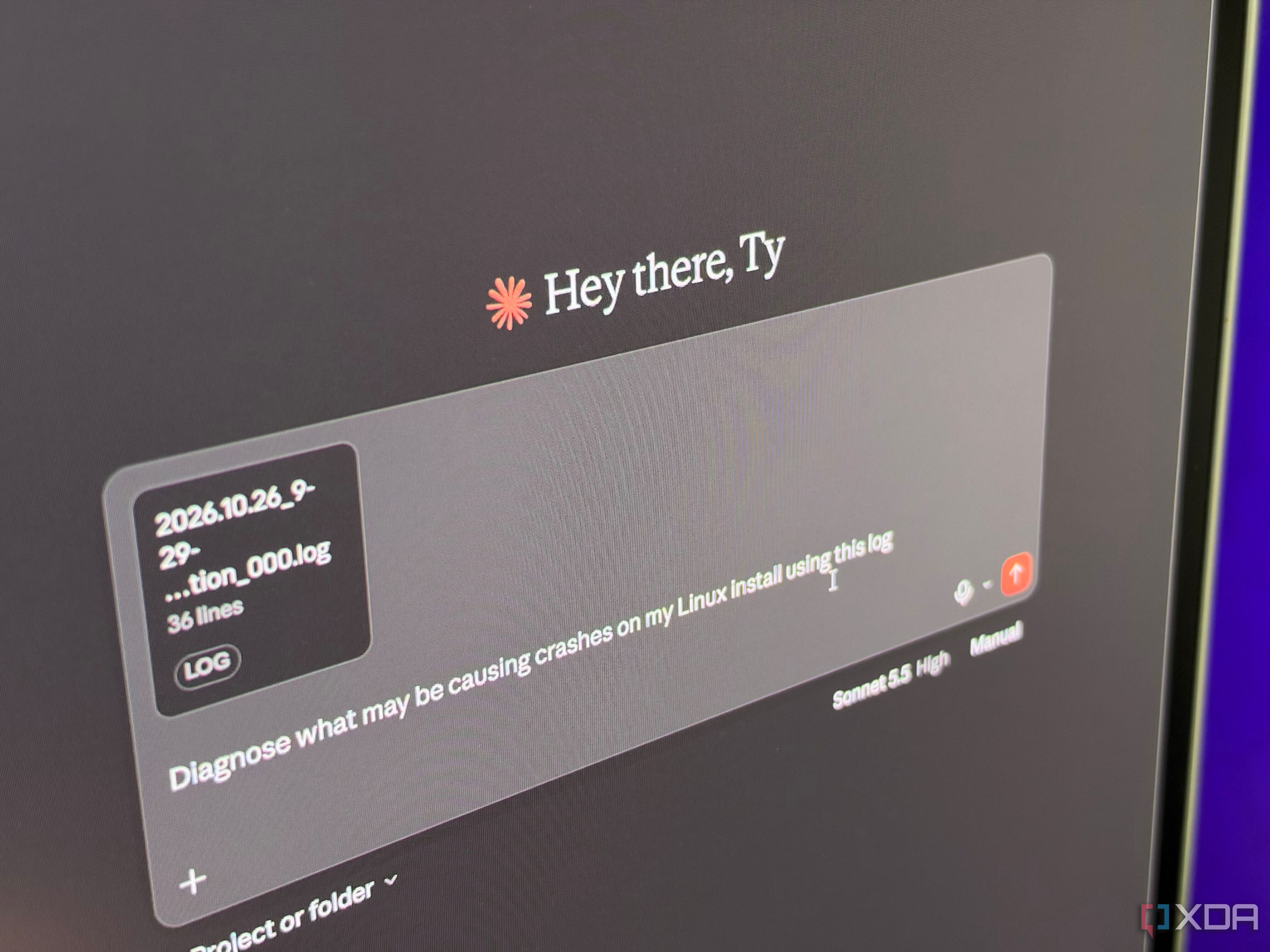
When one of my Linux boxes broke, I used to paste the error into a search engine and land on a forum thread where a stranger had the same problem. Someone had always replied with the fix, and that's how I learned half of what I know about Linux. Now that search hands me an AI summary, a pile of SEO filler, and the odd thread ending in "nvm, solved it."
X
Even though Claude's made a lot of improvements with their rate limits this year, they still have a habit of showing up at the most inconvenient times. And it's not even because of anything complex, it's usually that the session got used up on chores, like checking what's in a large folder of files before tidying them up. Tasks like these honestly don't need Claude's best models though.
X
I use Claude all the time for troubleshooting my self-hosting setup. It's been an incredible tool for everything from reviewing Docker logs to building small apps and dashboards, but letting it loose on a project can just as easily burn through my tokens and usage allowance. It turns out the complexity of the task isn't always what burns through AI tokens. The way the LLM works, exploring files or loading instructions can also dictate your token burn rate.
X
It seems as though every week, a new thread on Reddit or a YouTube short on my feed tells me that I'm overpaying for Claude Code, and that it's finally time to move on from weekly and 5-hour usage limits. Every time, it's purported that either a rival or a free coding agent can do a better job, and Codex, Antigravity, and OpenCode come up in nearly all of those conversations.
X
I've ignored the NPU in my Asus ROG Flow Z13 since the day I unboxed it, and I doubt I'm alone. Task Manager shows it flatlined at 0%, because the Radeon 8060S next to it runs the same LLMs as my PC, and the latest Copilot+ features never gave me a reason to care.
X
When it comes to building a complex website or app, tools like OpenAI’s Codex and Anthropic’s Claude Code promise to handle most of the heavy lifting with a few simple prompts. However, neither is perfect, and even the most impressive result can hide mistakes.
X
Alibaba's Qwen 3.8 Flash Next model arrived at the end of August, promising a preview of a new architecture that would officially debut with the Qwen 4 family. It's a powerful 125B Mixture of Experts model, with 6B active parameters and an additional 51B N-gram embedding table. Earlier this week, though, a report published by Cohere described how Alibaba's Qwen 3.8 Flash Next model inventoried the machine and tried to upload a file to an Alibaba Cloud Storage bucket in Beijing when it was asked…
X
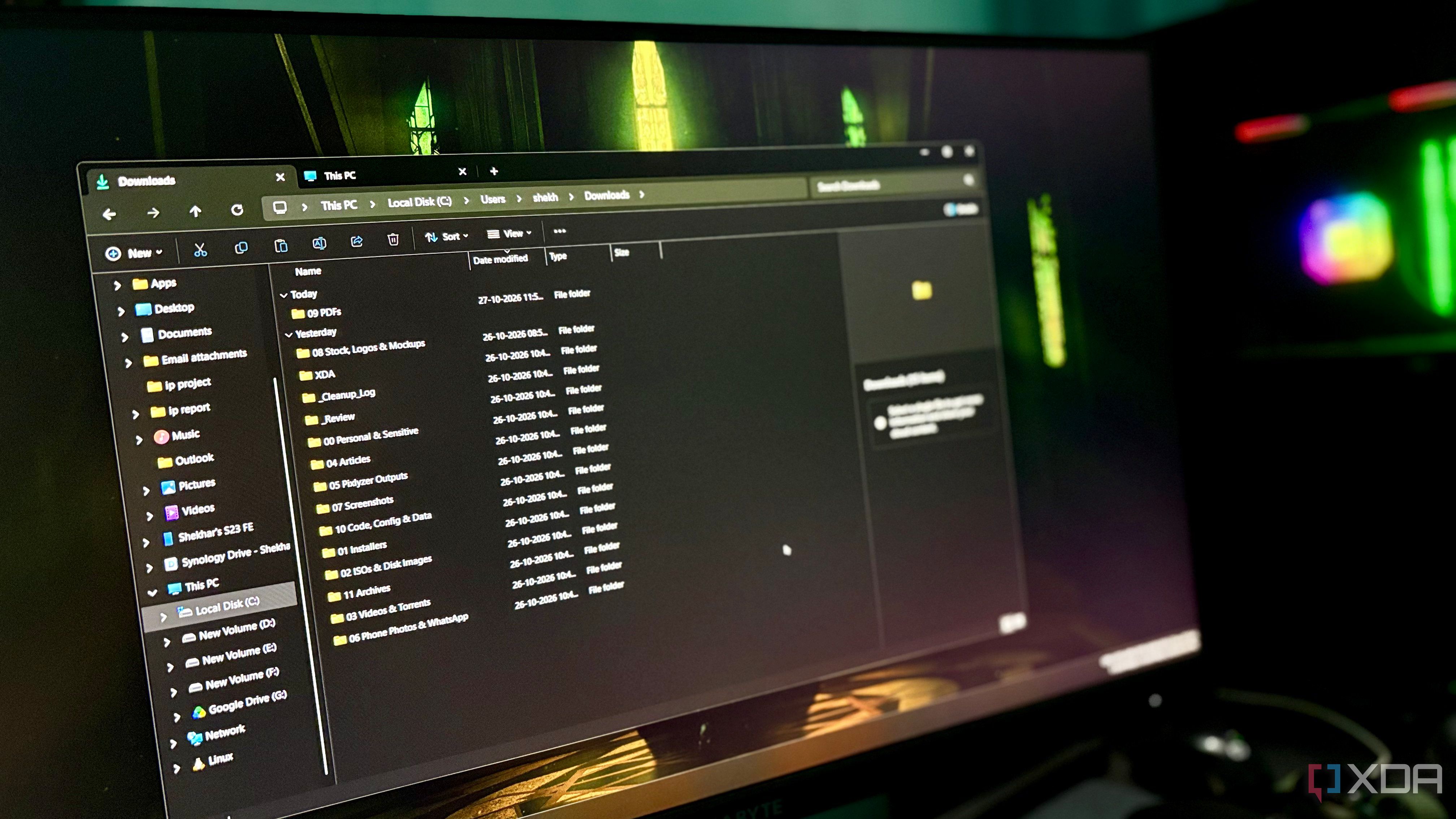
The Downloads folder is the universal dumping ground for anything that comes from the internet. App installers, archives, PDFs, and screenshots — most of these end up there and are rarely reused. Not because they are useless, but because searching for a file downloaded a month ago is nearly impossible.
X
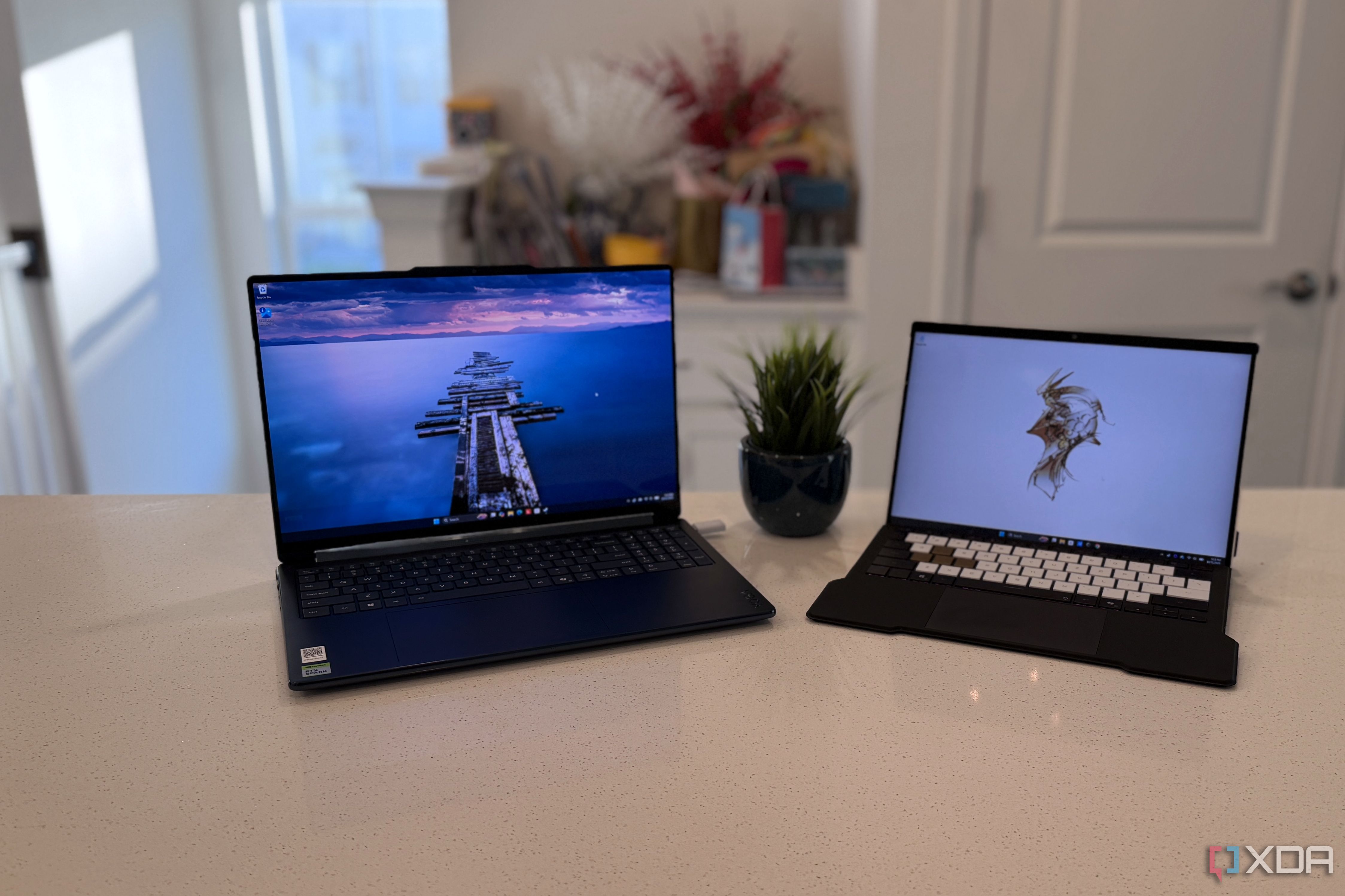
Strix Halo has spent nearly two years answering a question Nvidia wasn't: how do you run big local AI models on a Windows laptop without a desktop GPU? AMD's Ryzen AI Max+ 395 pairs a strong integrated GPU with up to 128GB of unified memory, enough for a Strix Halo mini PC to generate things locally, and the Asus ROG Flow Z13 has been my portable local AI machine. Then Nvidia launched RTX Spark, with plenty of Blackwell GPU cores and a surprise; Windows on Arm for the OS.
X
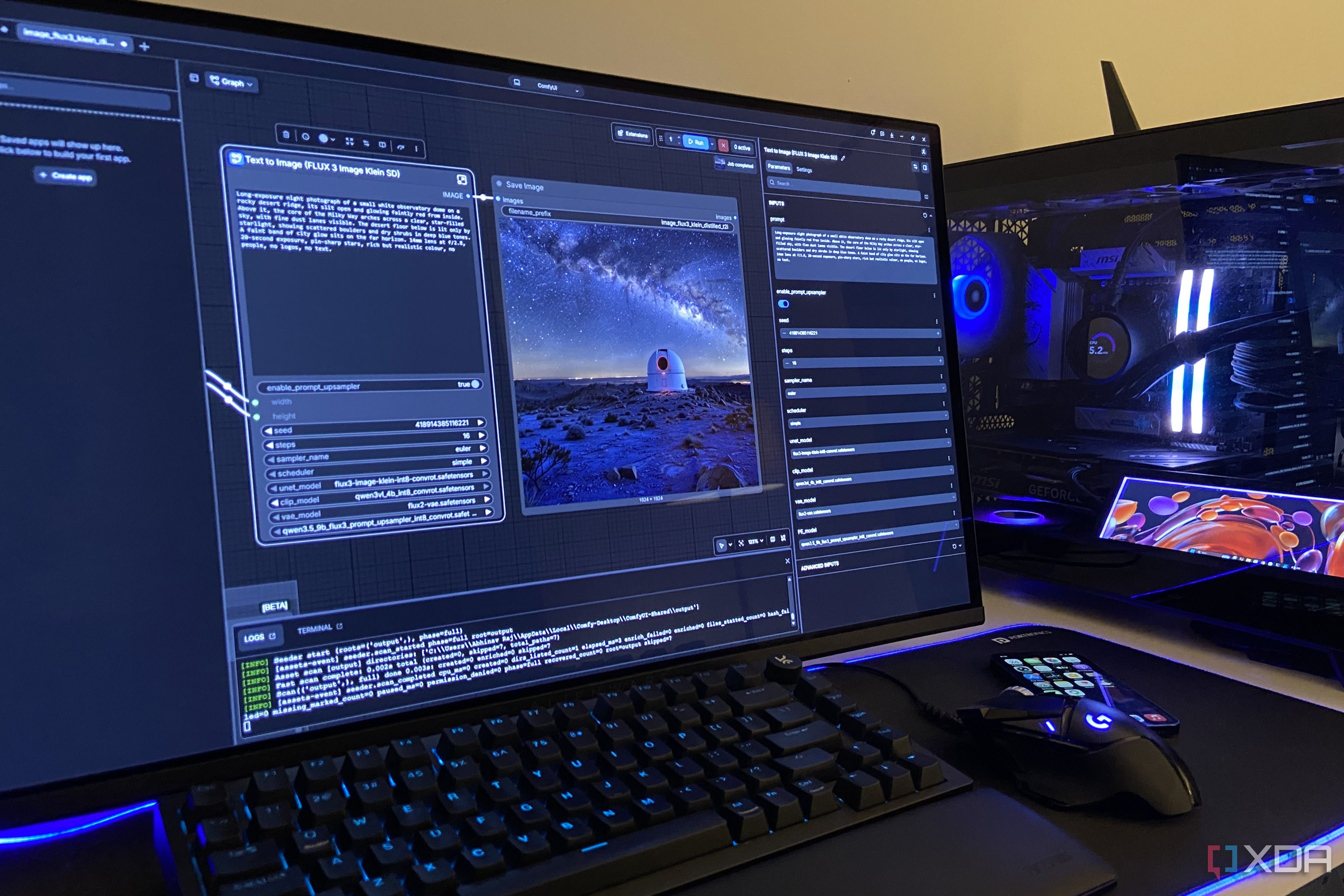
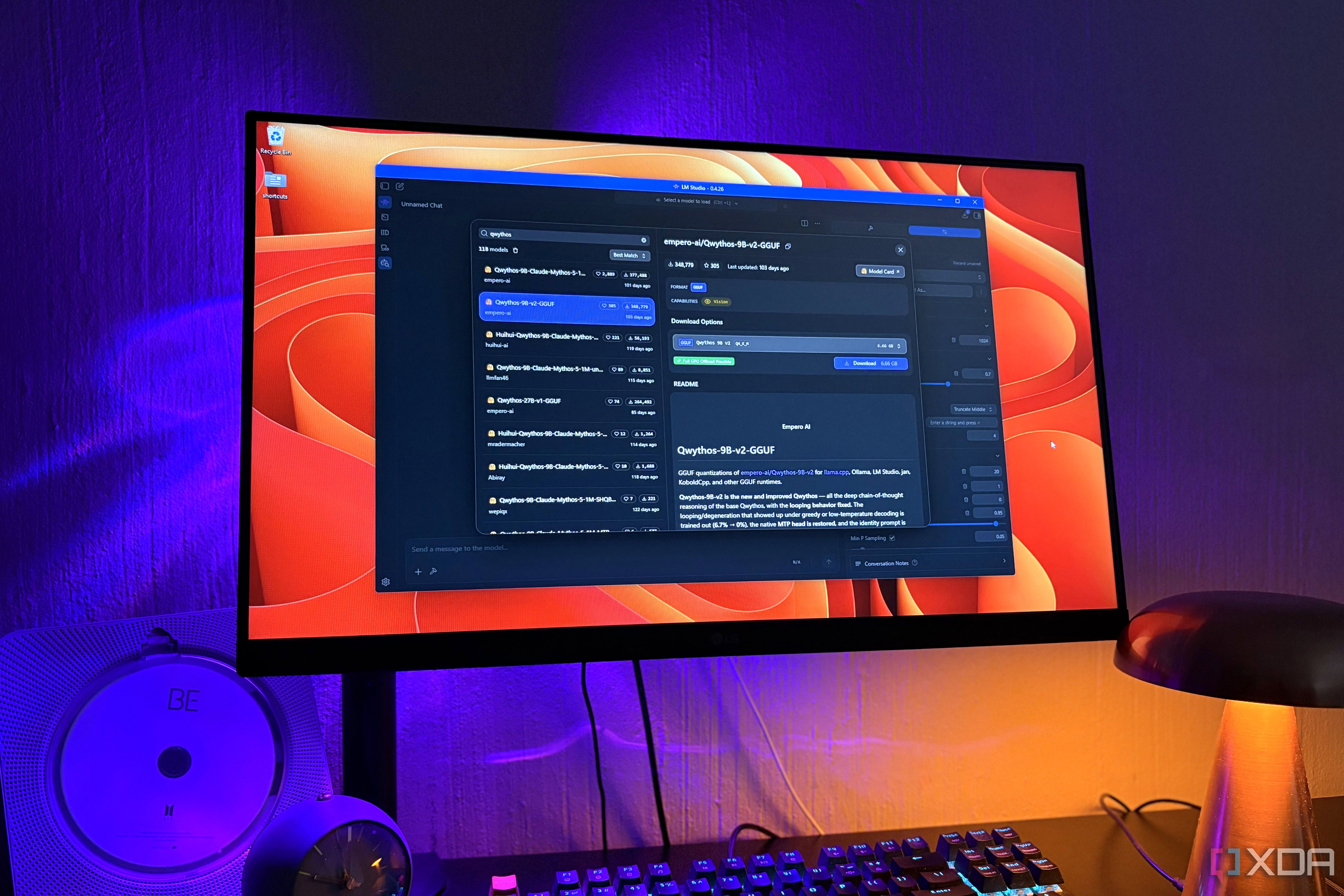
For almost the entirety of 2026, I've run countless experiments with several dozen local LLMs week after week, and yet it feels as though I've barely scratched the surface of how capable local AI has become in such little time.
X
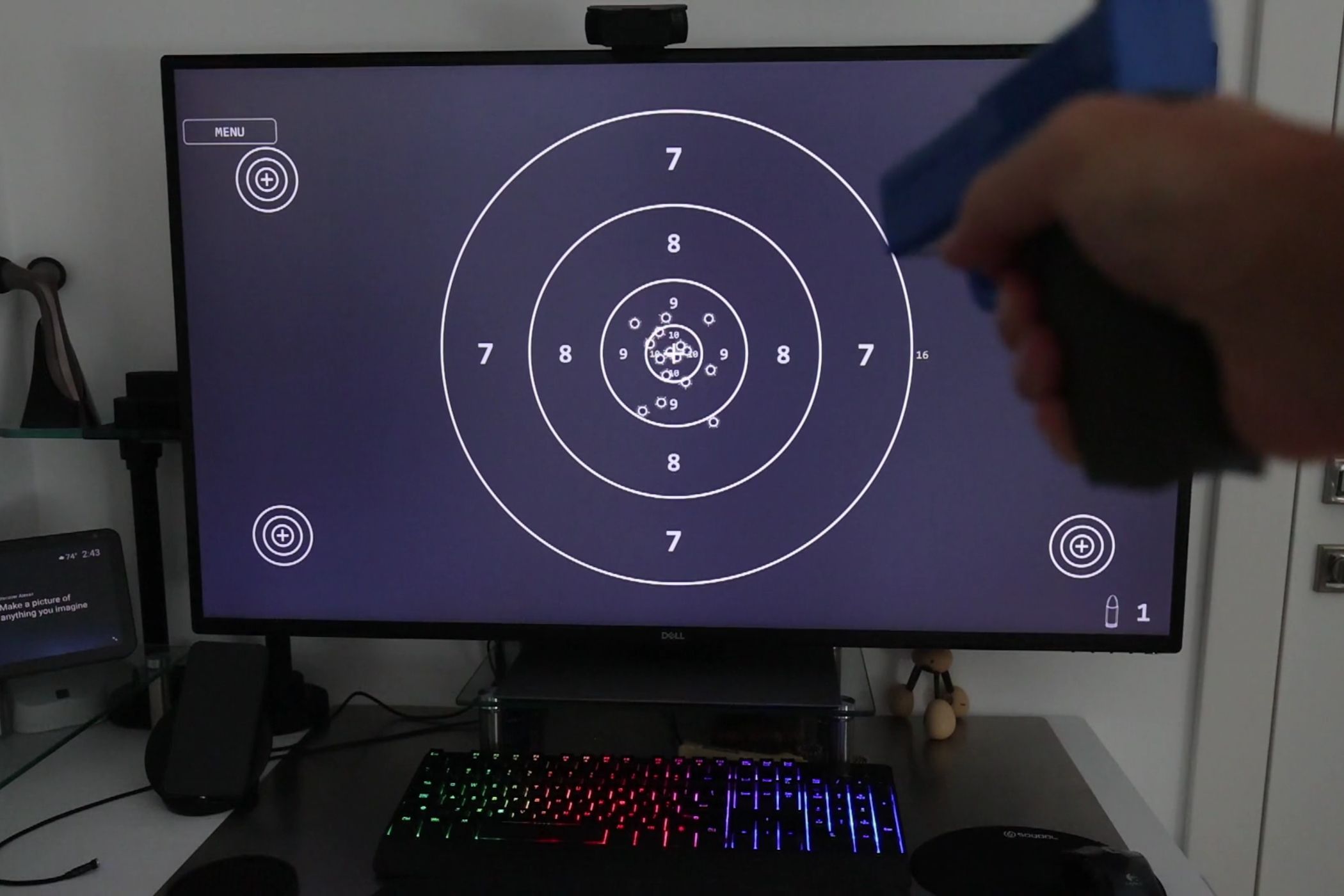
People have been doing some really cool things lately by pointing their webcams at their screens. Just a few days ago, we saw someone breach their Samsung TV by letting Claude take photos of the screen while it was working. Now, someone has used Claude to create a light gun-esque digital shooting range that uses a red laser instead.
X
Claude Pro proves its worth most of the time. Anthropic's models are accessible pretty much anywhere through API, but the Claude workspace has become almost necessary in my workflow, especially Projects and Artifacts - and more recently, Claude Docs too. But when I scroll back through weeks of chats, I realize the sessions themselves are pretty basic, they mostly revolve around helping me understand things. So ultimately, I'm paying for the desktop app features, but these can be replaced by…
X
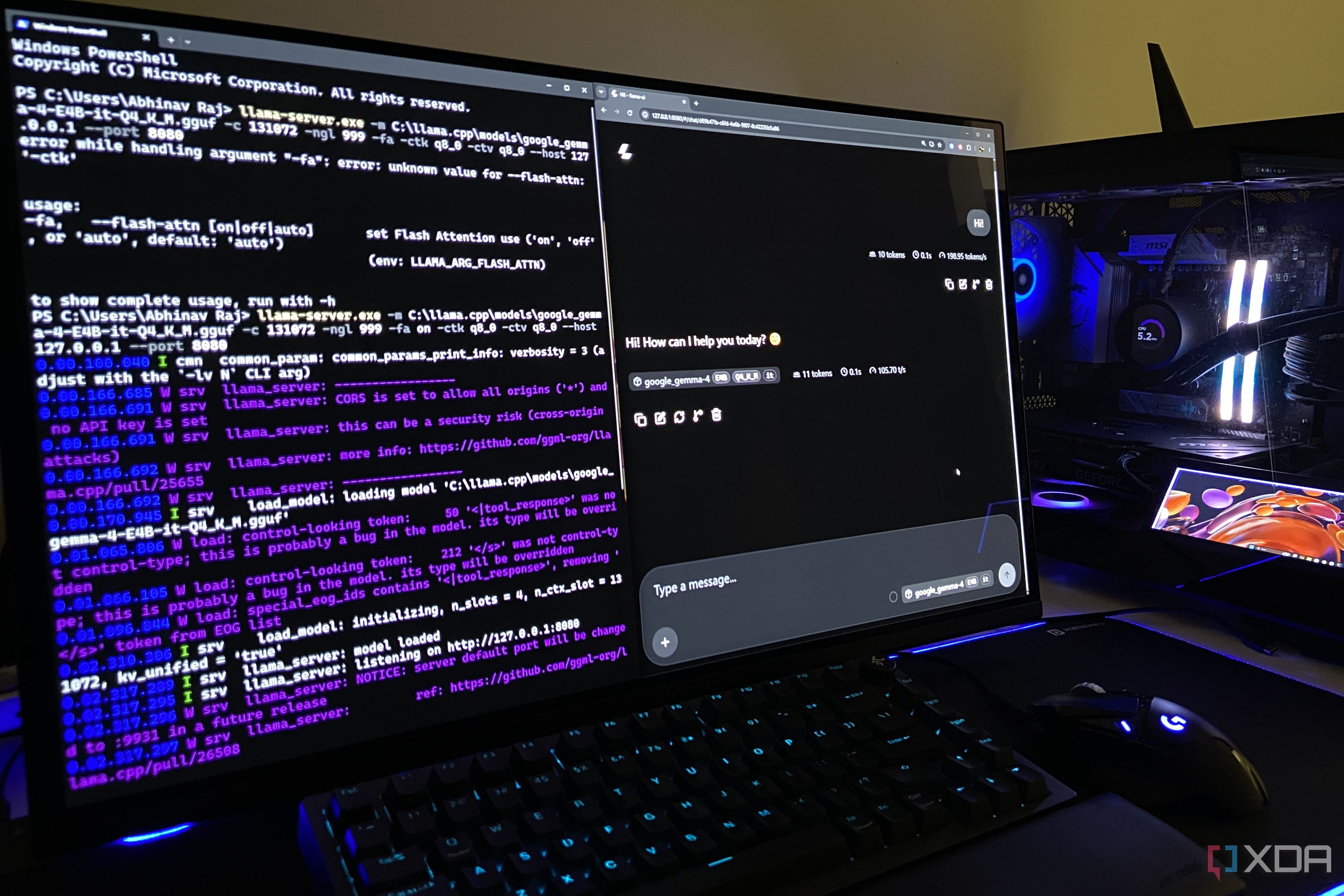
I have become so dependent on AI that even for small tasks like summarizing or replying to emails, I always turn to cloud AIs like ChatGPT or Claude. Since I can’t stop going to AI, I have been trying to cut down on cloud AI and use self-hosted local LLMs whenever I can.
X
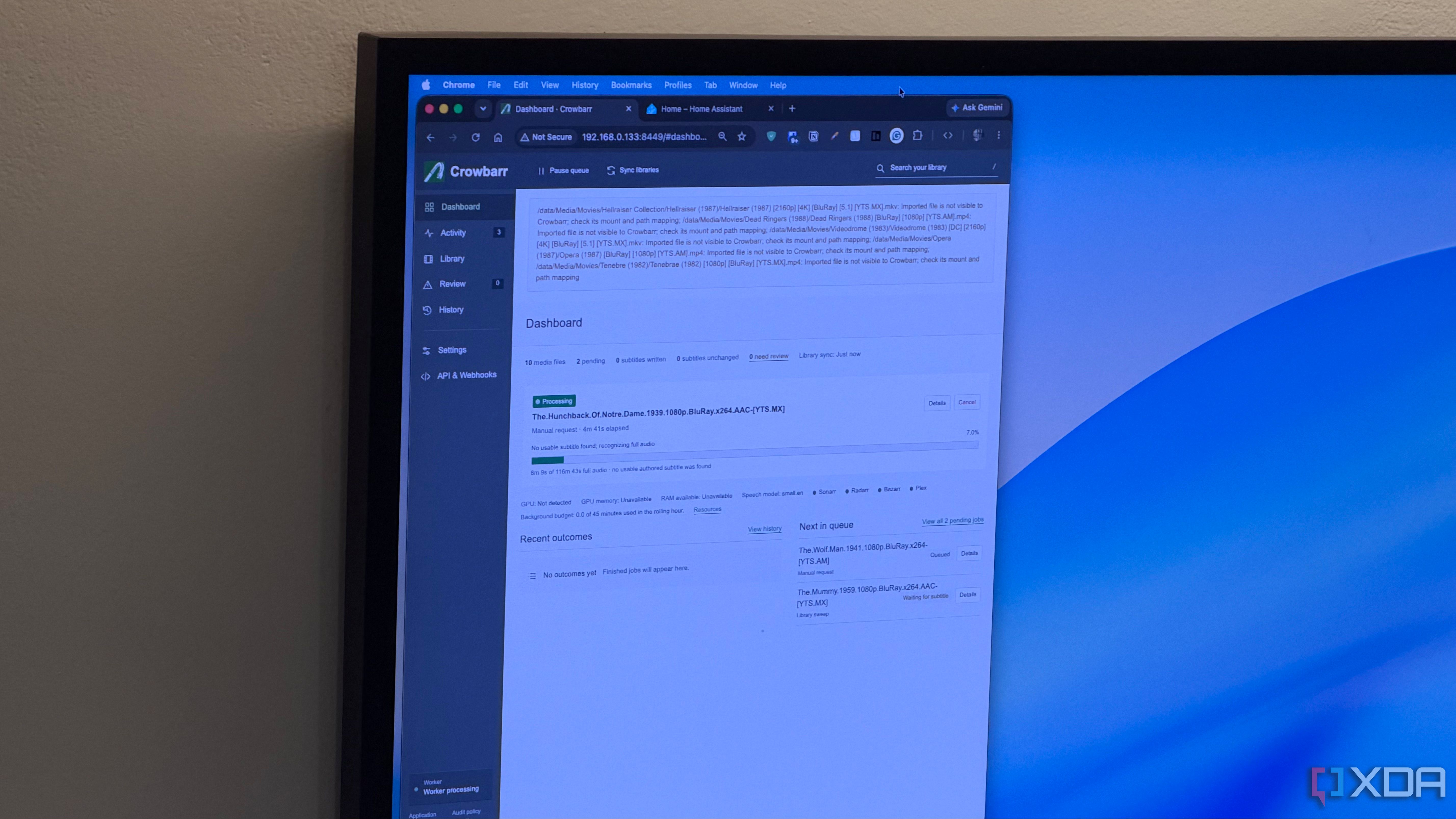
I watch a lot of old-school movies while I'm working, and not a lot of them have subtitles. I've built the collection over the years from an assortment of sources, and even when subtitles are available, the quality can be all over the place. I've tried using tools like Bazarr to solve the problem with limited success. But lately, as I've been reorganizing my media library, I've been looking for a better solution.
X
It's not lost on me that any one of Anthropic's models can outperform the models I run on my 16GB Nvidia GPU. I'd wager even Sonnet 5.5 can write much better code, keep track of conversations that just go on and on, and catch mistakes that both my Qwen3.6 and Gemma 4 would walk right past. If you put them side by side on any benchmark, Claude will take the win in literally any workflow, and it won't be close.
X
You might not want to admit this, but you've likely caught yourself giving someone prompting advice at least once. Though there's nothing wrong with sharing what works for you, think about what happens when practically everyone is doing the same thing. One person swears by a particular prompting technique, another insists on doing the exact opposite, and before you know it, you're surrounded by a sea of conflicting advice.
X
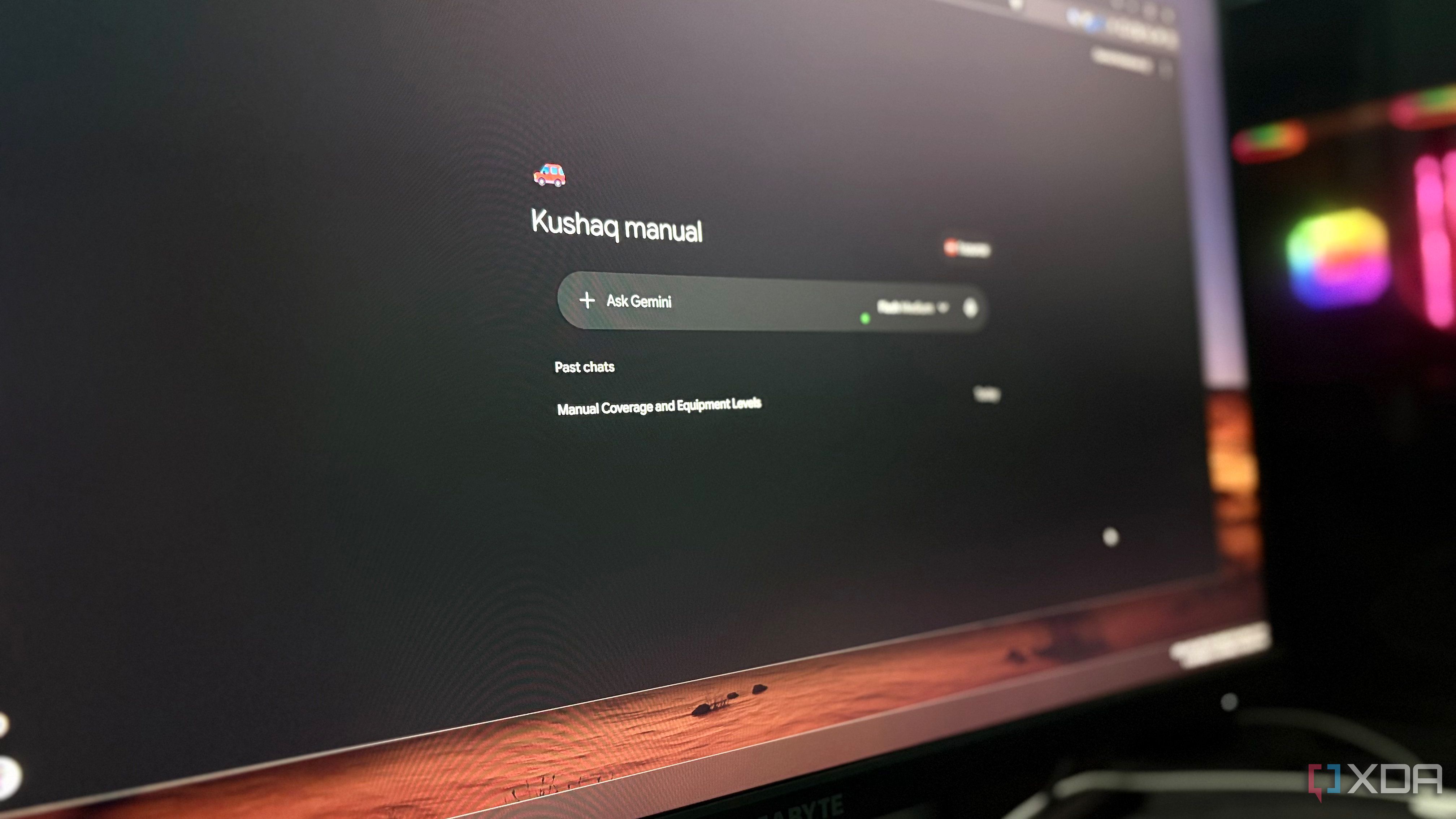
When you buy a car, you pay for its features, but they're all locked behind a thick manual that hardly anyone reads. I got my first car last year, and I thought I had tried everything it offered, but I was wrong. When I actually got around to the manual, I had Gemini Notebook read it. Then I asked it simple questions, like, “What can my car do that I might not know about?”
X
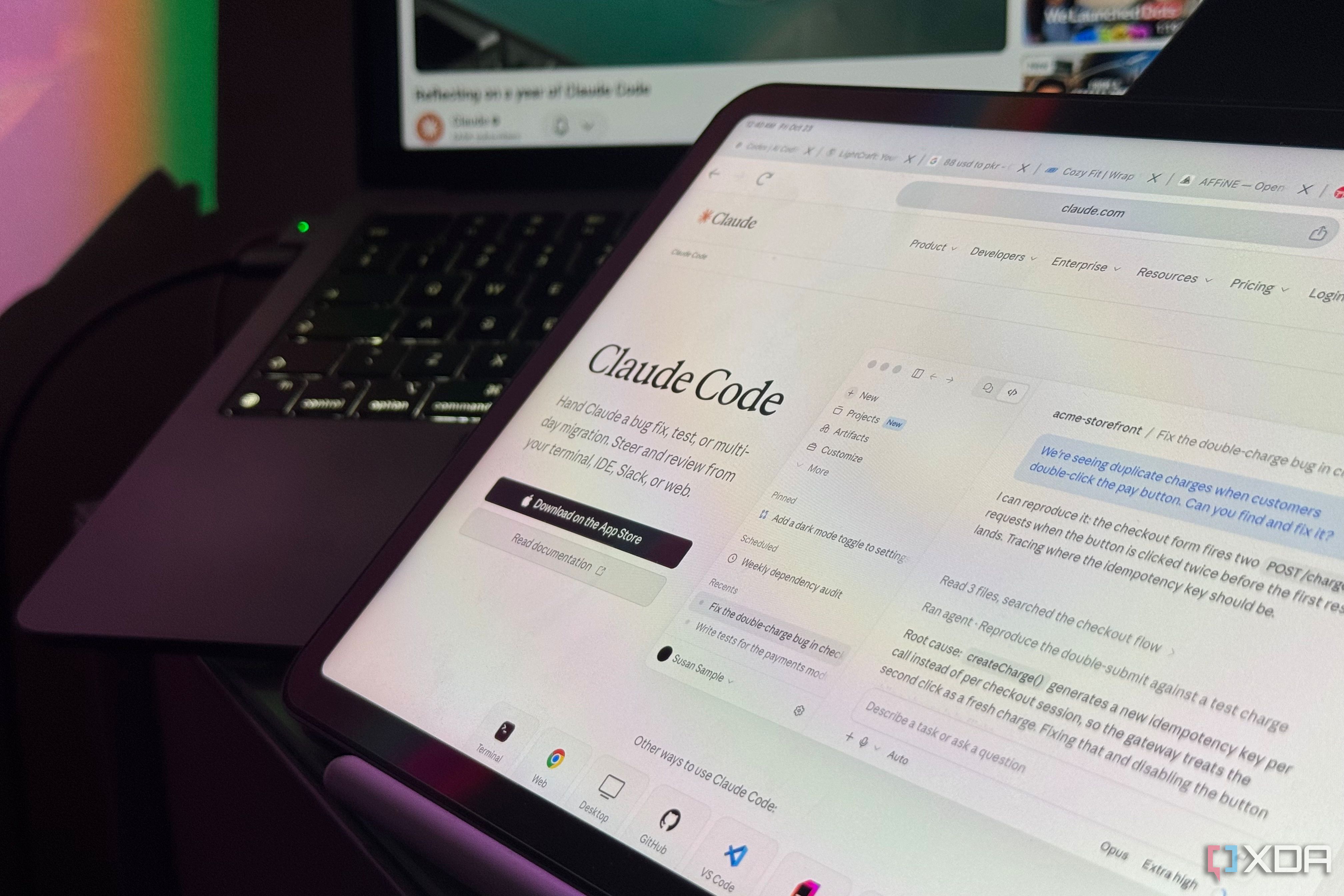
I write about AI coding agents a lot, and somewhere along the way I'd decided the model was doing all the heavy lifting. Swap Claude Code for Codex or Cursor, keep the same brain underneath, and you should get the same work back. So I put that to the test.