X
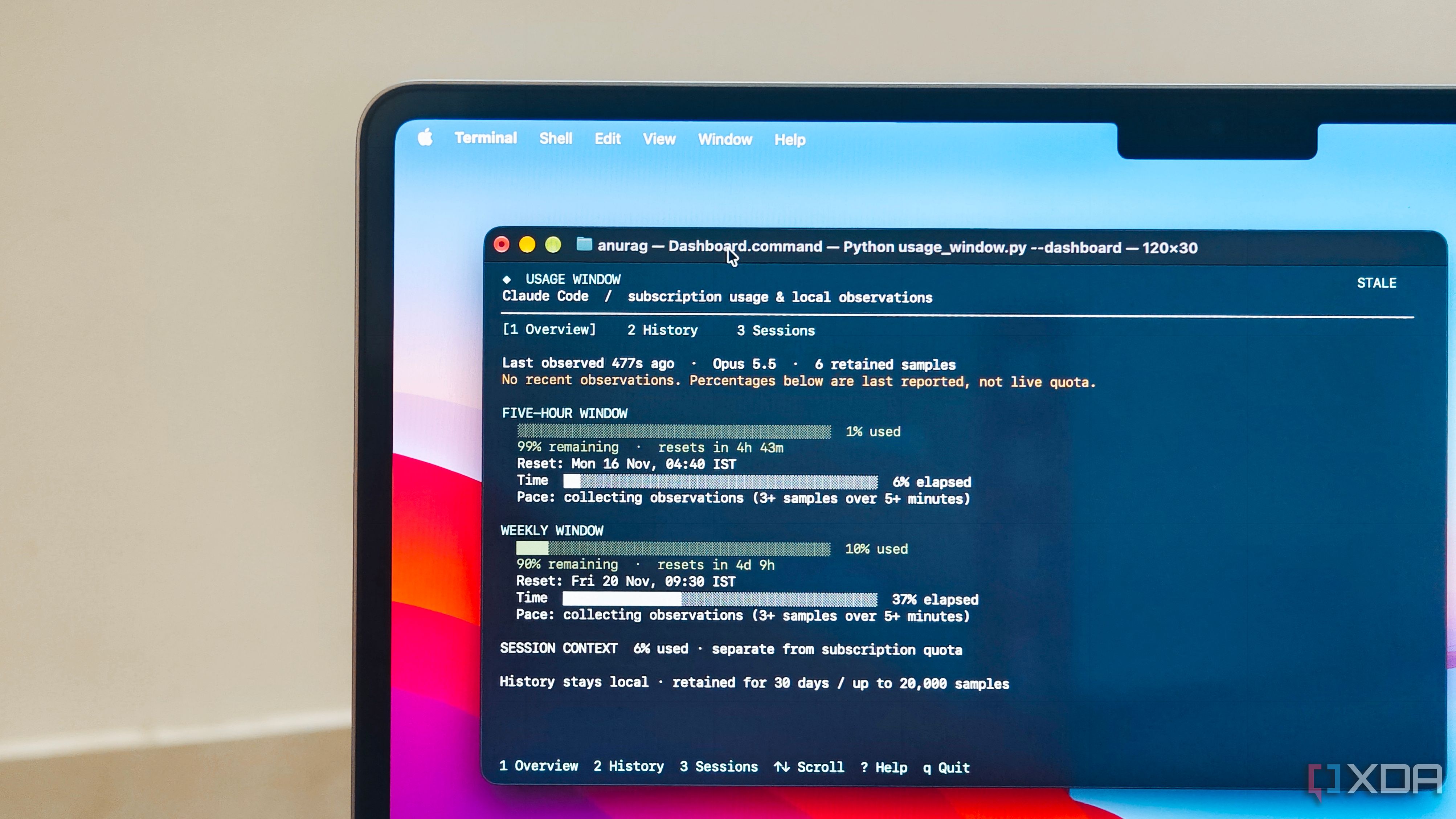
Claude Code is great, but you know what's not? The usage restrictions. There have been times when I've been working on a new feature, only to exhaust my allowance before I could finish. Claude Code does have a built-in /usage command that shows how much of your allowance you've consumed, but I wanted something that would keep track of it continuously and, more importantly, tell me how much longer I could keep working at my current pace. So I built a small tool that sits alongside Claude Code,…
X
My vision board for the last few years has consistently had one goal that I've not quite been able to tick off: become a more organized person. I've tried just about everything to make it happen, from downloading countless productivity apps to creating elaborate systems that I inevitably abandon a few days later. Yet, somehow, I always find myself right back where I started.
X
Every few weeks a new open-weight model drops, and the version that all the reviews are about isn't usually one I can run on 8GB. The comments under those releases barely change either; someone always says to save up for a 16GB or 24GB card. But honestly, I'd rather invest that in something like a tablet because the rest of what I do on my PC truly doesn't need more than 8GB, at least not right now.
X
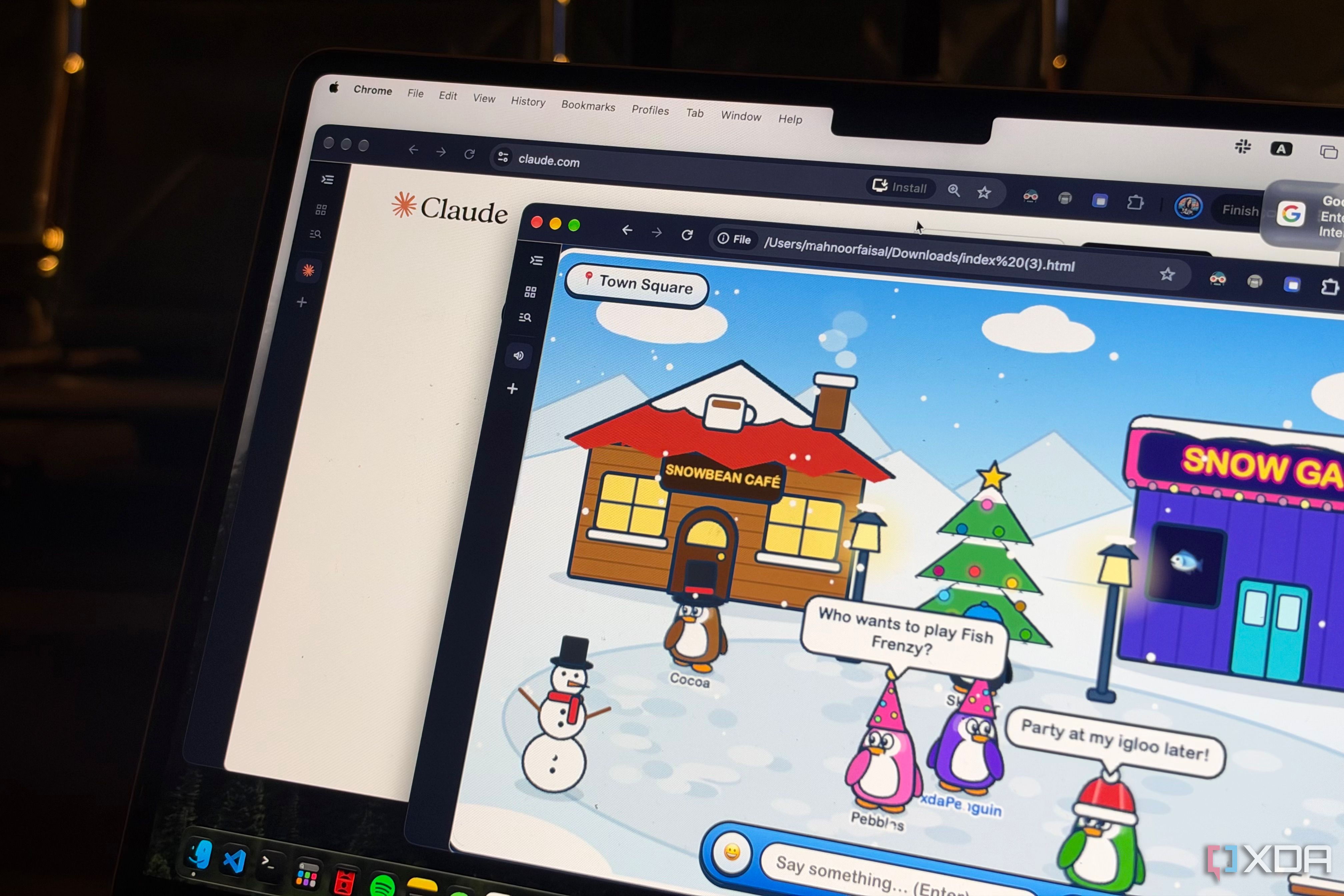
A little while ago, people were using Claude Code to create decompilations and ports of games for consoles and PCs. It created a huge gold rush where it felt like a new big-hitting decompilation was being released every day.
X
Screenshots have become one of the main ways people use AI. Ever since the big players, Gemini in particular, introduced the ability to upload images and analyze them, it's become a staple in the workflow. I know it is for me, at least. There's nothing more convenient than snapping something and just showing it to an AI, as opposed to taking notes and describing what you saw to your chatbot. And that extends to mobile.
X
There is no shortage of AI coding tools out there. I have experimented with everything from Claude Code and Codex to Google Antigravity, and while each has its strengths, there is one thing they have in common: getting the most out of them can become expensive. I was considering adding yet another AI coding subscription to my monthly expenses when I came across OpenCode.
X
“Hey, can you write me an 800-page essay on the Declaration of Independence?” “Hey, please solve all 80 math questions in the PDF my professor just gave me.” “Hi, can you brainstorm 10 ideas for my final-term project and randomly pick one for me? (Easiest preferred, obviously.)”
X
Anyone who's used Claude has probably encountered its drift problem from time to time. You set a rule in the first message, even something simple like how a reply should be formatted, it holds up for about a dozen turns then starts slipping. Further in, Claude seems to start answering a different question than the one you asked, or suddenly agrees with something it pushed back on earlier.
X
If nothing else kills me, nostalgia will. That's a saying I've always, always resonated with. I'm the kind of person who holds on to handwritten notes and letters people give me, keeps random little things purely because they remind me of a particular moment, and gets extremely sentimental over things most people wouldn't think twice about.
X
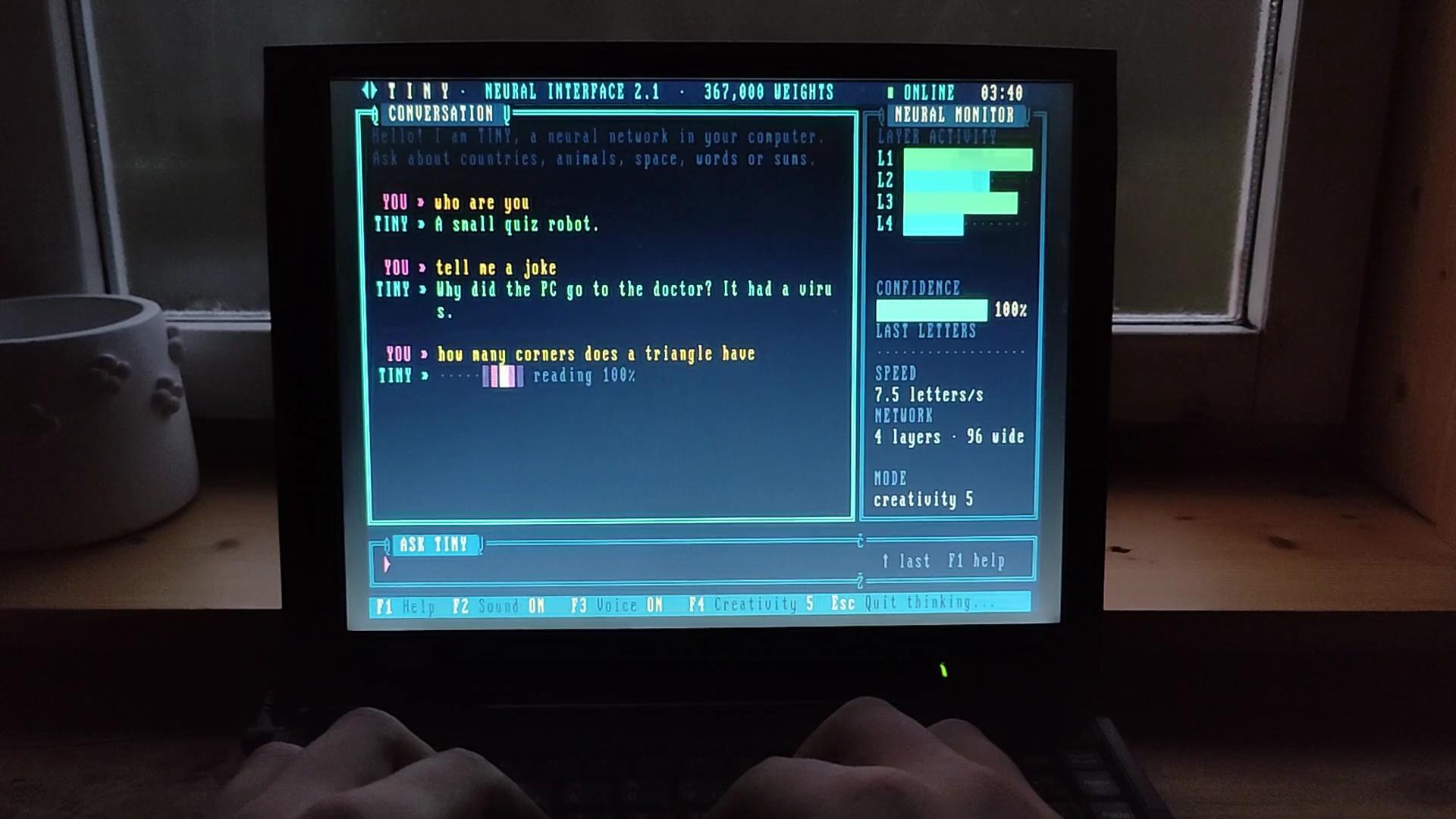
A little while ago, I mused that people have been getting excellent at using AI to make chatbots that run on restrictive hardware never intended for them. I mentioned it when showing off someone running a language model on a 2015 Kindle.
X
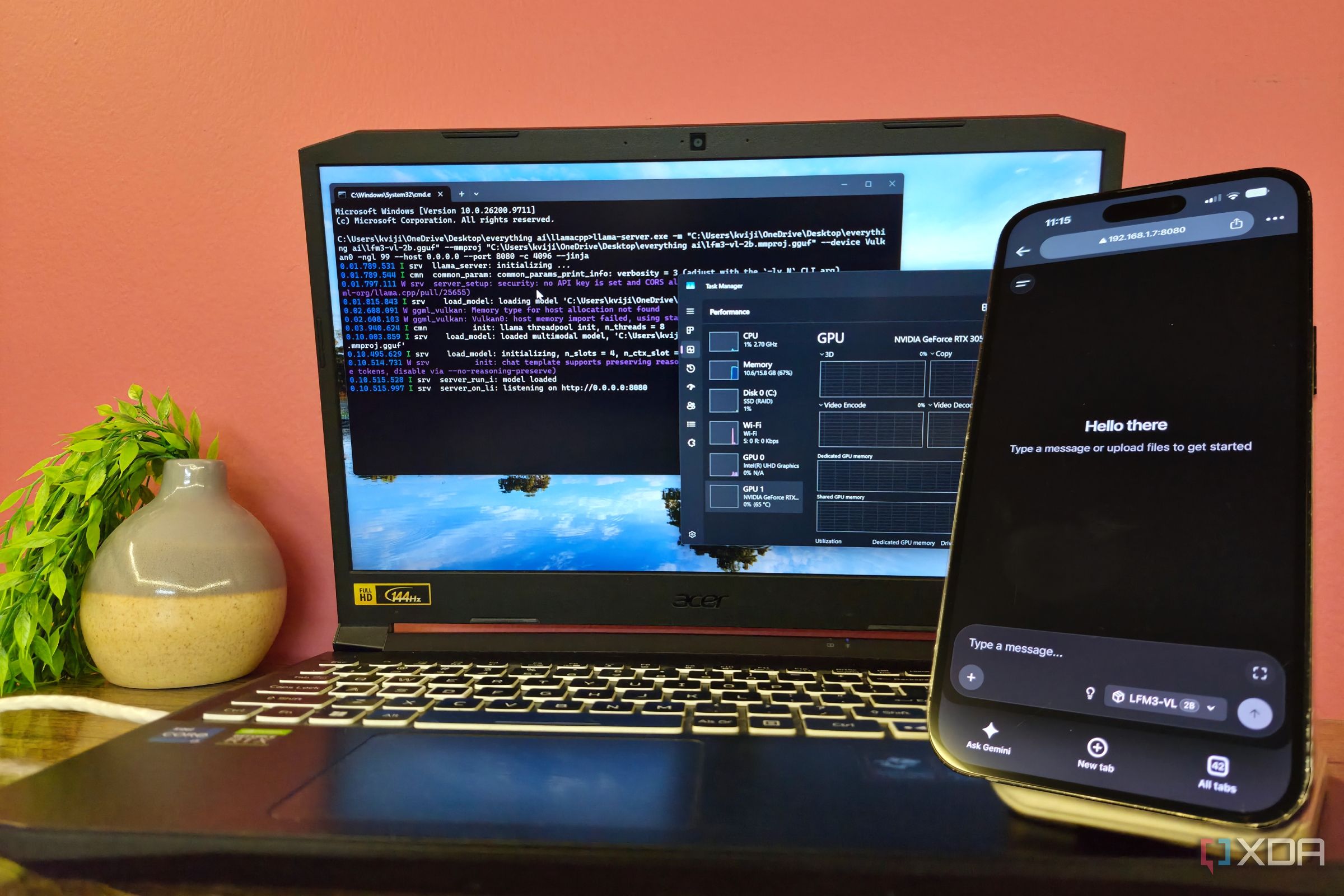
There's no better retirement plan for an old laptop than an always-on home server that makes life easier for everyone on the local Wi-Fi network. Ever since I replaced my five-year-old Acer Nitro 5, I looked forward to repurposing it and giving it new duties.
X
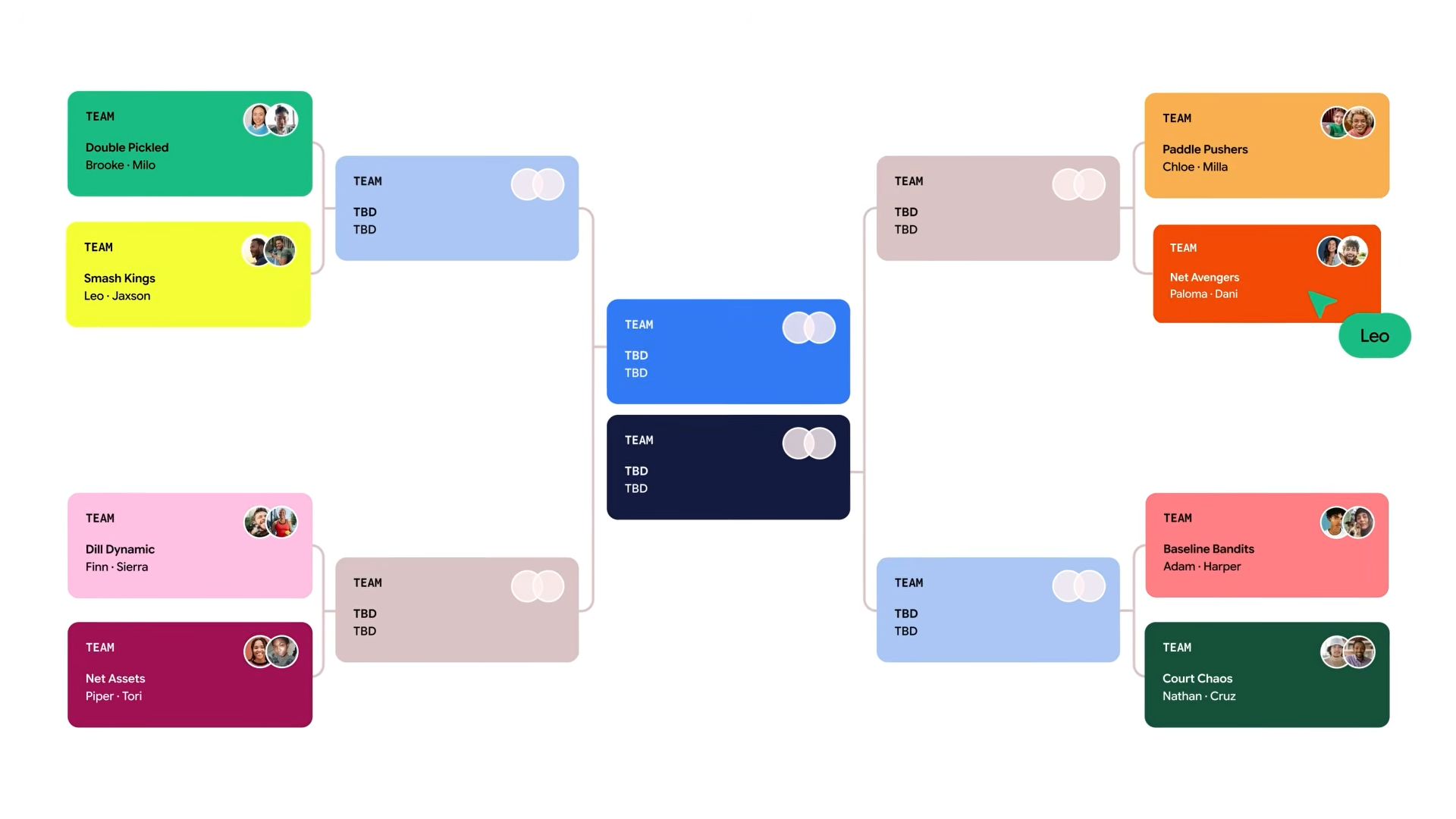
AI assistants are really helpful for creating tools for personal use, but what if you want something that your friends and family can interact with? Well, it seems Google is working on something to do just that.
X
Every new flagship model launches with a chart full of coding benchmarks, and most of them test things like fixing bugs in existing code or working through tasks in a terminal. But those numbers aren't always relevant because many people use these models for something else entirely, like getting a project started from a prompt instead of giving it a whole codebase. I fall into the latter category and like to build little utilities that I've always wanted to see come to life, and finally can…
X
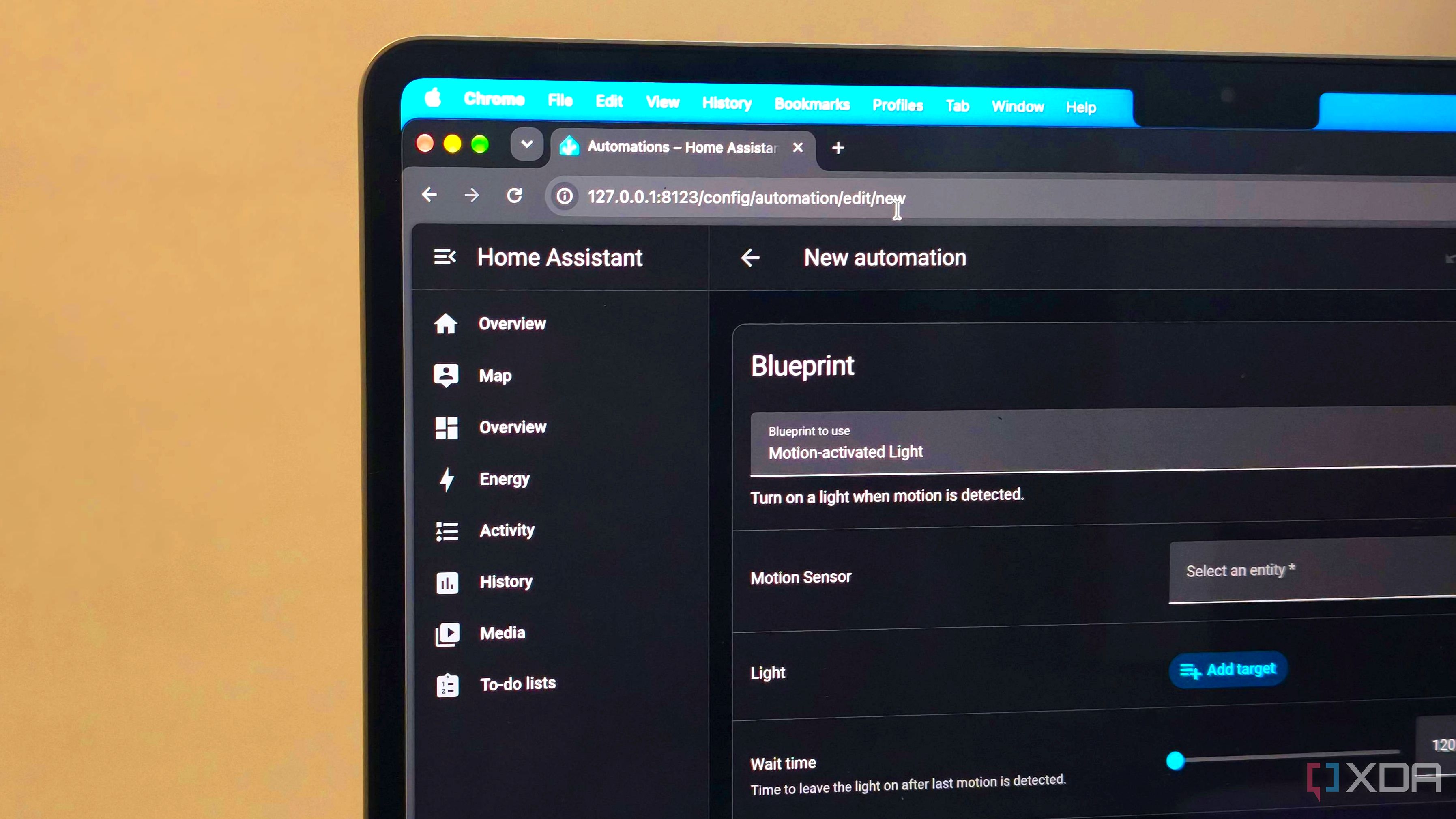
My Home Assistant setup powers my entire home, and it has grown considerably over the years. I've got literal dozens of lights, sensors, media players, and automations spread across my home. Unfortunately, my dashboard experiments haven't quite kept up. It looks fine, but there are plenty of imperfections. Between misaligned heights and a lack of specific controls, I just haven't had the time or the will to dive into the YAML to fix these.
X
My M2 MacBook Air has 8GB of system memory, which is something that usually disqualifies it from running any particularly exciting local large language models. A local model that can see an image usually responds through text alone, and giving it the ability to hear, and a voice, usually means running separate models for each capability. Stacking three or four of them on an 8GB system is, understandably, a non-starter.
X
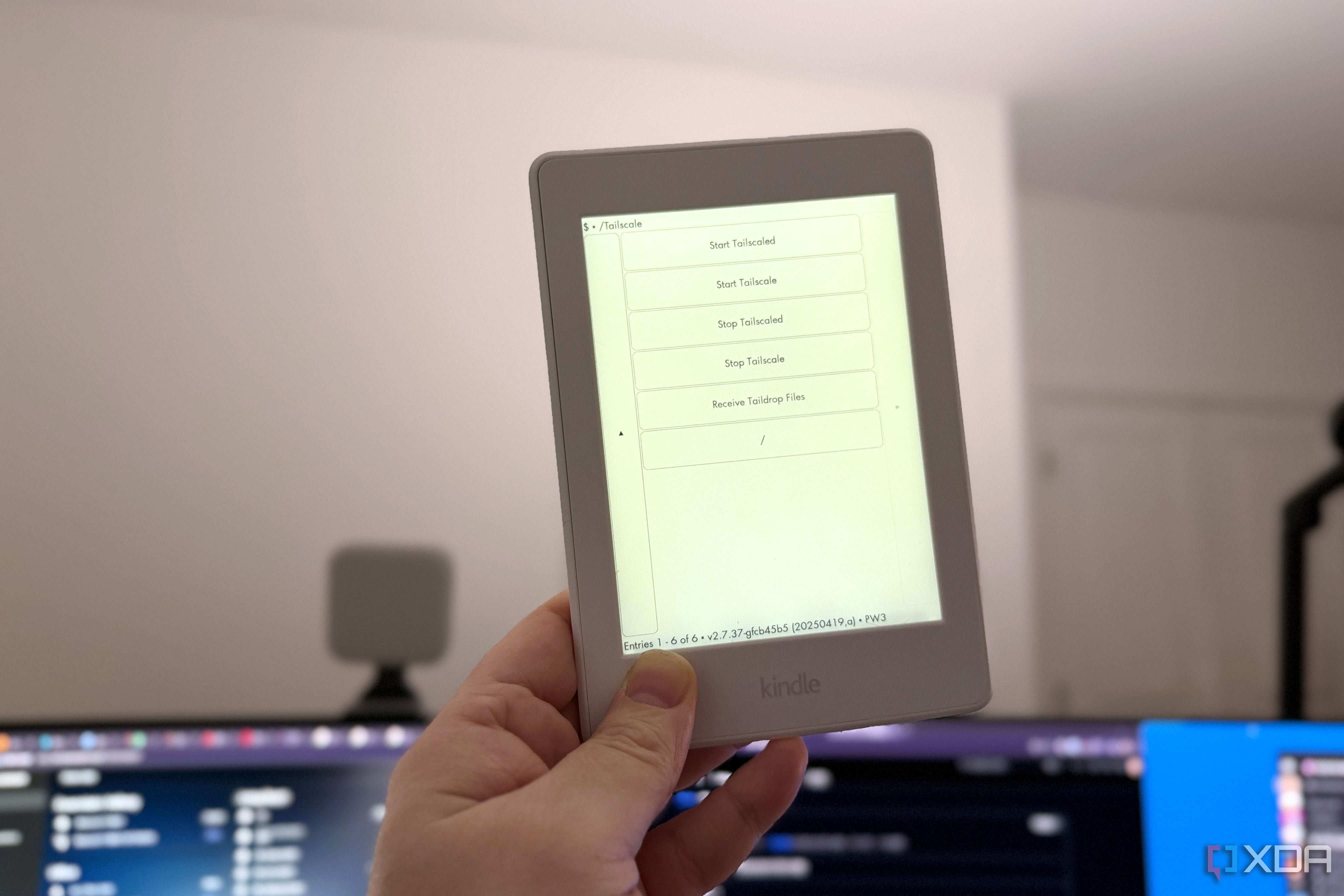
Over the past year, we've seen people do cool things with their old Kindles and customize device software using Claude. However, until now, I hadn't seen someone do both at the same time.
X
Ever since chatbots came onto the map, they've gotten really efficient at working with documents. This is great for heavy workloads, but not so much for the documents you'd rather keep private, because now they end up on Google, Anthropic, or OpenAI servers. A health insurance policy nobody can make sense of, or a few months of bank statements, is where an AI could save real time, but it's also something you want to keep local.
X
I've been using AI coding agents for quite some time now, and they've made it much easier to build and experiment with projects that I wouldn't have attempted otherwise. But Home Assistant has always been a little different. Working on automations often requires you to copy YAML files, explain how different devices and entities are connected, and go back and forth between the agent and Home Assistant to test changes.
X
Just a few weeks ago, a developer decided he'd had enough of Adobe's subscription practices and took matters into his own hands. He used his 15 years of software engineering experience and a Claude Code subscription to recreate seven of Adobe's most popular Creative Cloud applications, including Photoshop, Premiere Pro, and Lightroom. He made all of these apps completely free and open-source.
X
Anyone running local models on a regular gaming GPU ends up making the same trade-off. An 8GB card has room for one decent model at a time, so whichever one is loaded handles every request that comes in that day, whether it suits the job or not. Smaller models tend to work faster but they can really struggle with heavy workloads or multi-step tasks. The obvious fix is loading something a little bigger, but then every quick question gets slower as the session grows.
X
Local LLMs have pretty much one selling point that's hard to argue with: you own the entire workflow pipeline and get to keep everything private. But often, using one can still feel like a knockoff, because they need to run on your own machine instead of a data center. And if you have a regular mid-tier computer like most people, then you will probably get frustrated with local AI more often than not.
X
Lately, I've found myself ruminating about the privacy concerns surrounding sharing every bit of data with cloud AI service providers. I've previously talked about how AI chatbots, due to the nature of their platform, have access to far more user data than search engines ever did, and that makes them uniquely vulnerable. Frontier models are multimodal and take in text, images, documents, and even video, while a search engine only kept track of what a user was looking for.
X
If you gave Claude Opus 5.5, GPT-6 Astra, and Gemini 4 Argon a yacht each, then told them to sail across a body of water and back with weather conditions, who do you think will win?
X
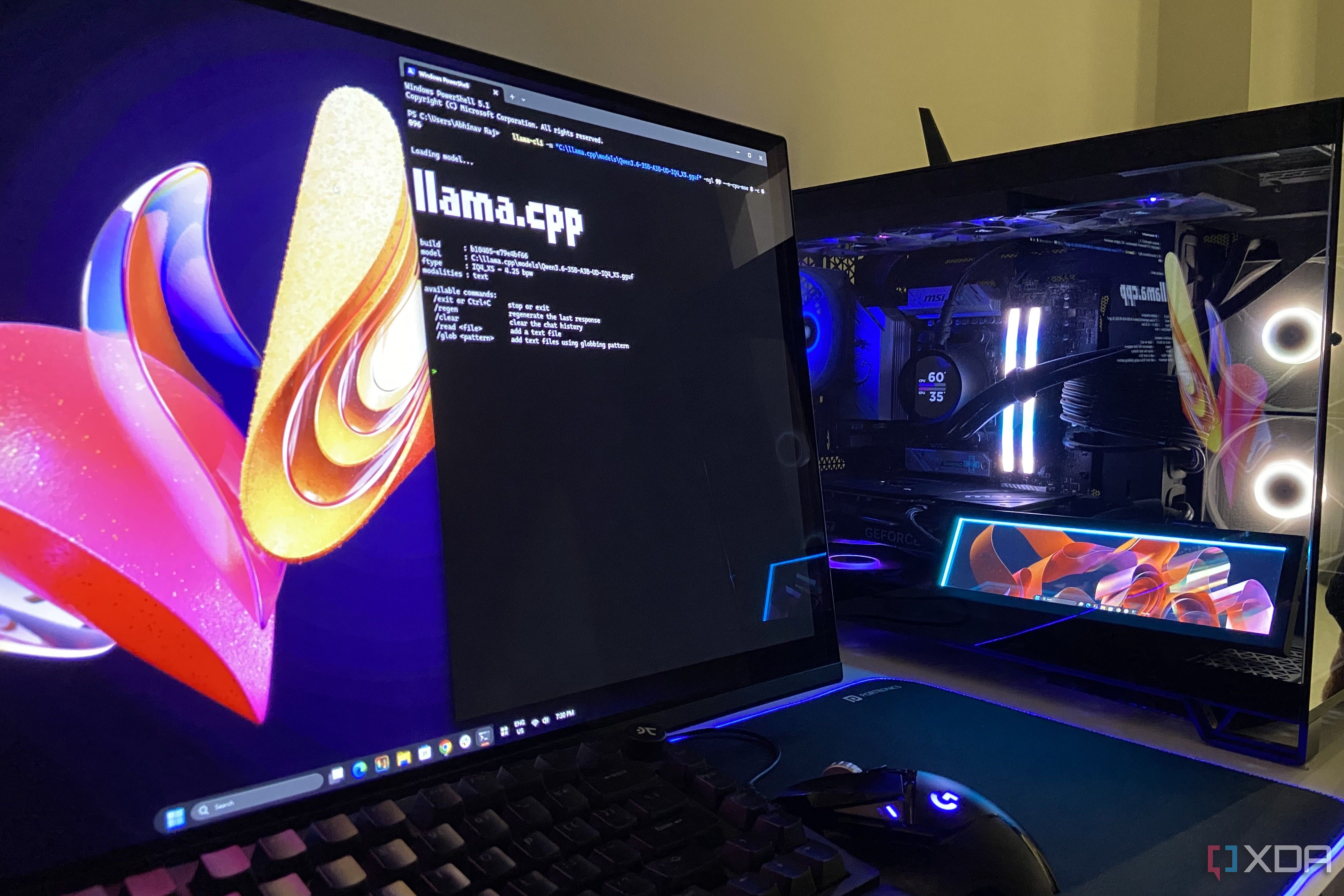
While we love our frontier LLMs here at XDA, we also have a soft spot for running local ones. As LLM tech advances, we're seeing models get more powerful, but we're also seeing people squeeze less powerful models onto older hardware.
X
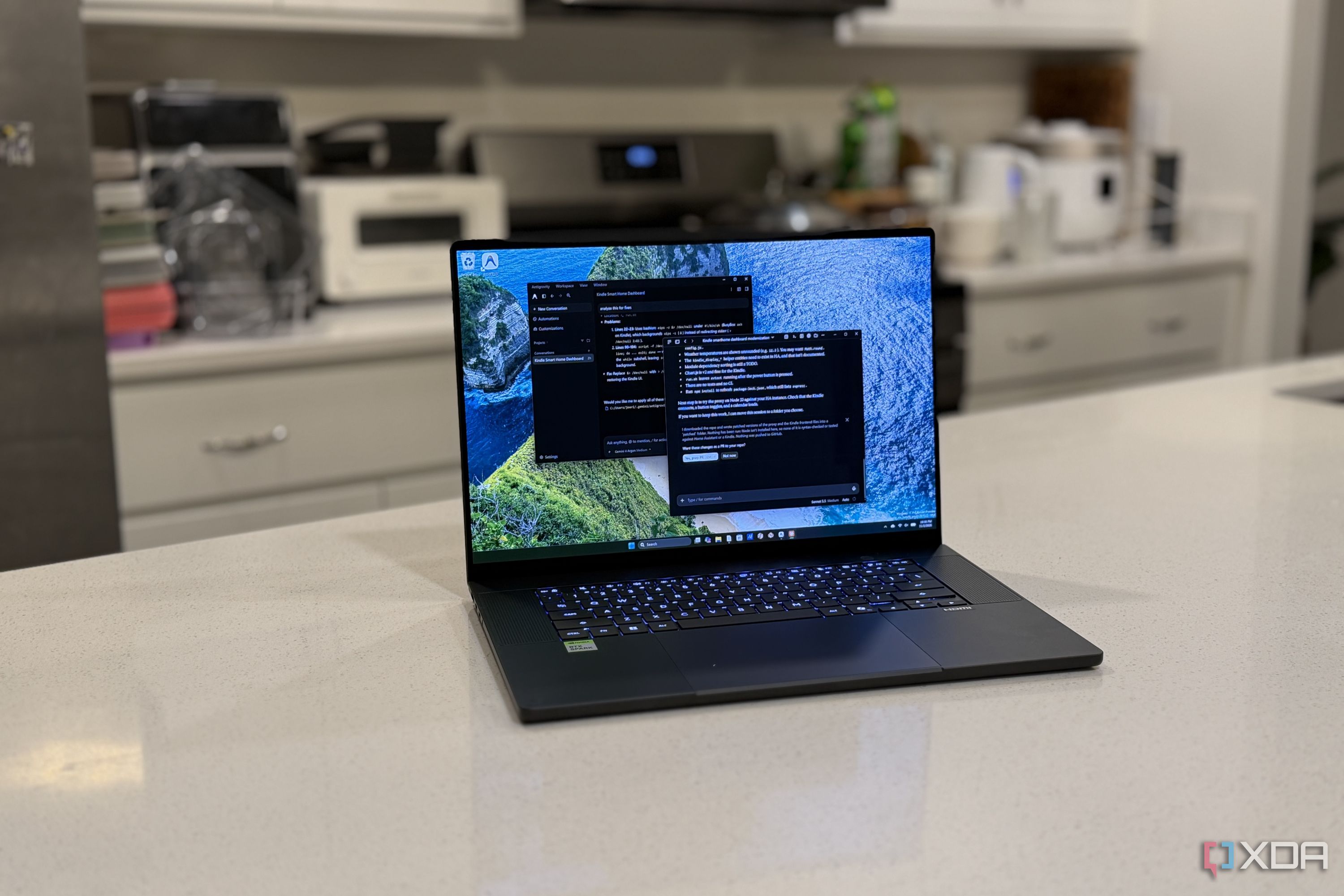
My favorite smart home gadget is a 2015 Amazon Kindle Paperwhite that is more useful than when it was new, thanks to a jailbreak and a Home Assistant dashboard. Its code was written for someone else's house, which makes it a perfect test for an AI coding agent. Google launched Gemini 4 Argon in Antigravity last month, and we've already argued that Antigravity 2.0 beats Claude Code and Codex at their own game. So I gave Argon and Claude Code the same repo, the same one-line brief, and an hour…
X
Month after month, it feels like we're getting close to what I'd call a subscription pandemic. Every other service demands a premium for a "Pro" or a "Premium" tier that drags down your balance on the first of every month and tries to get you hooked on its ecosystem. Over time, you're made to believe that the service you're paying for is an essential expense, and it earns a rather stubborn spot on your bank statement.
X
My PC is usually a mess of windows, apps, browser tabs, and half-finished things I'm supposed to remember. In fact, if I had a dollar for every time a thought appeared while I was working only to disappear the next minute, I could probably hire an assistant to stay on top of every task for me. I'll think of something I need to do, tell myself I’ll get to it in a minute, and then spend the next hour wondering what it was.
X
We've reached a pretty dystopian point where people will casually say they asked "Chat" a question, and everyone around them knows exactly who they're talking about. Not a friend, not a colleague, but an AI chatbot. Somehow, we've gone from Googling everything to treating ChatGPT like that one friend who knows a little bit about everything.
X
I have tried several AI coding tools over the past few months, but I still haven’t found one that ticks every box. Some offer impressive AI models but come with expensive subscriptions, while others have excellent development environments but lack flexibility.
X
Getting Linux to play nicely with Apple hardware has been notoriously difficult, but the open-source community hasn't given up. In fact, the community is actively developing ways to get Linux to work on MacBooks.