M
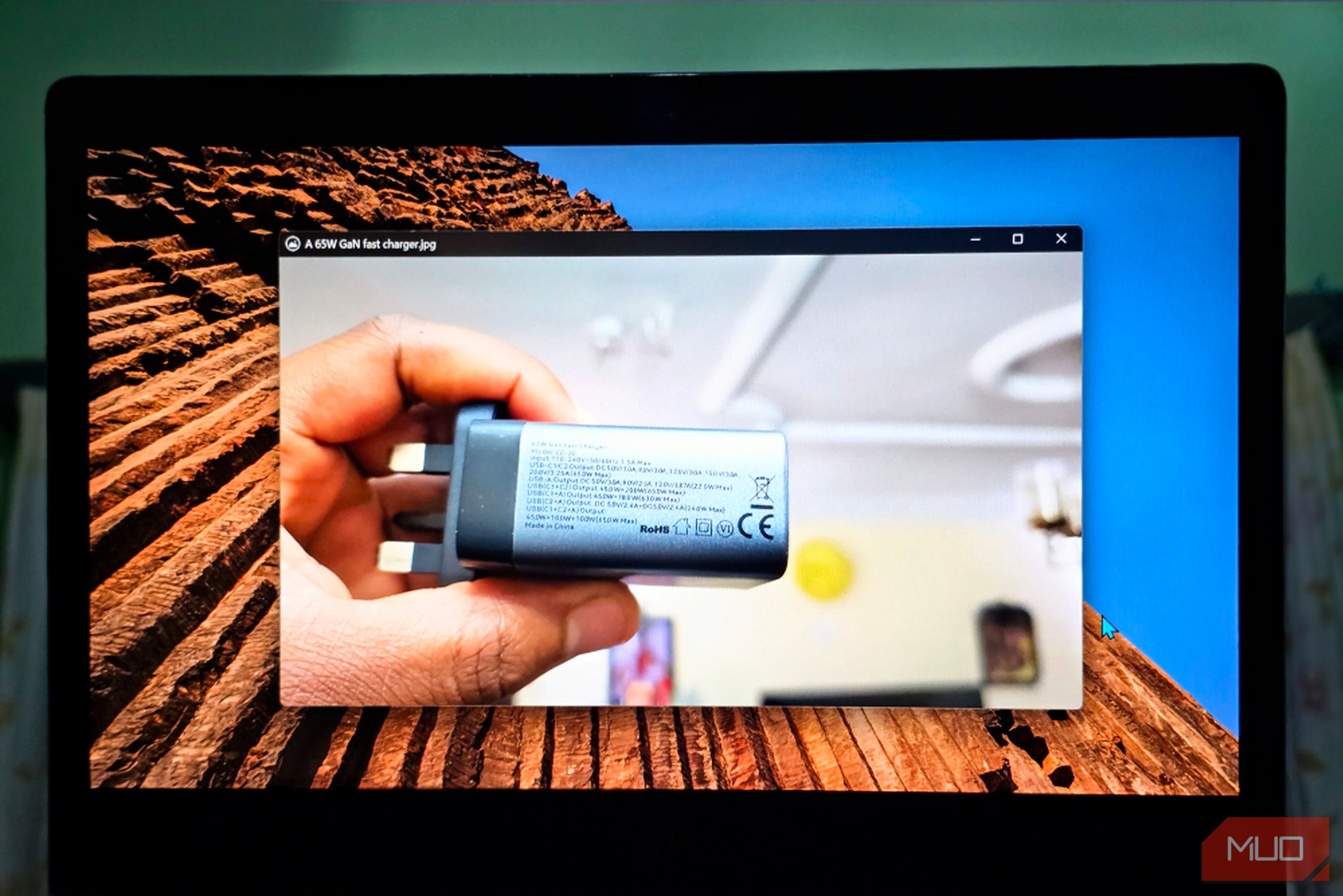
I look at screenshots all day long while writing, and I really don't need my image app to be fancy. I just want to open the PNG, double-check a small setting, and close the window right away. Windows Photos has gradually picked up editing tools, gallery features, and hooks into photos stored across your PC, OneDrive, and iCloud, which is all perfectly respectable if that’s what you’re after.
M
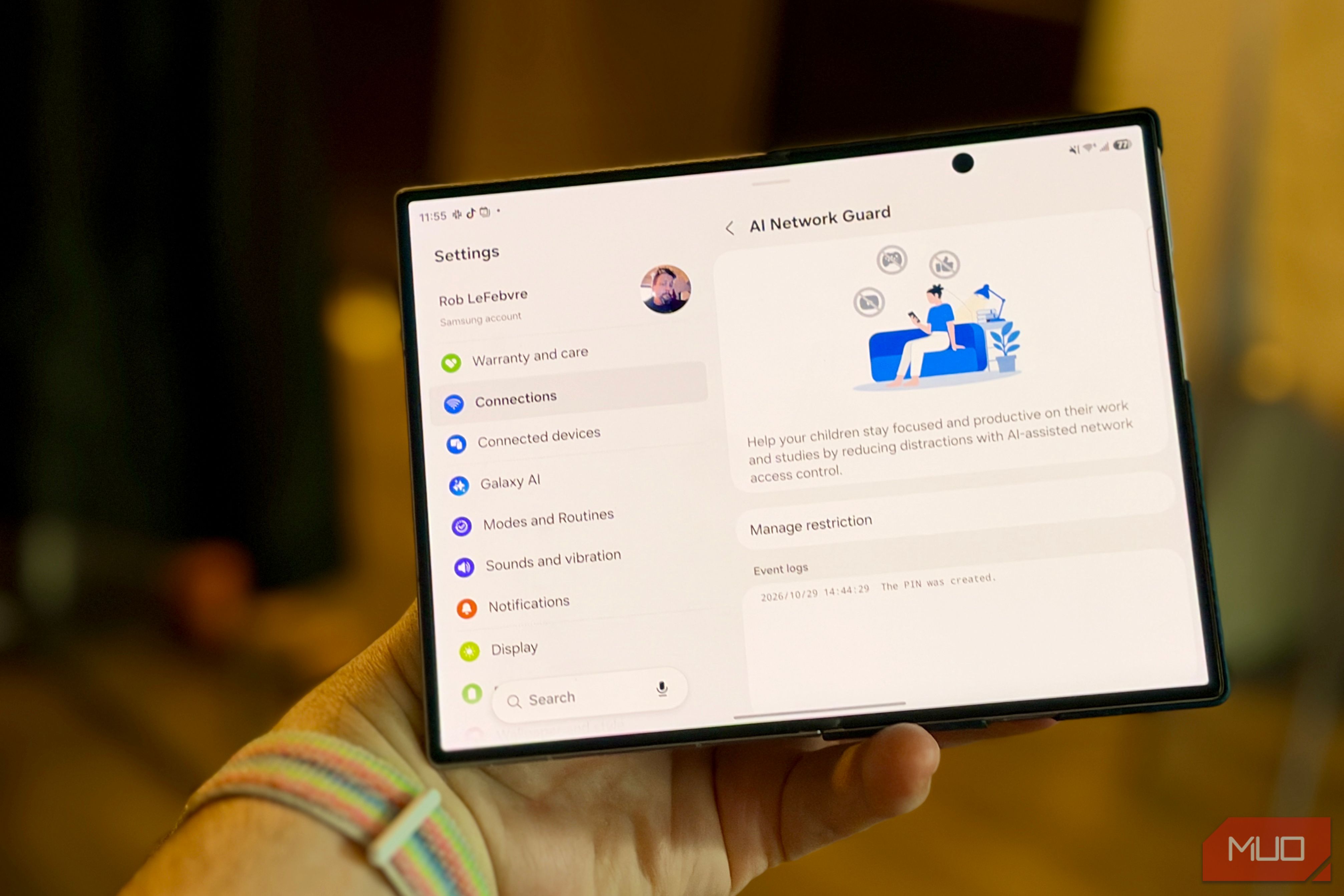
When my son was young, we used to take his phone from him at night so he wouldn't stay up and watch YouTube.
M
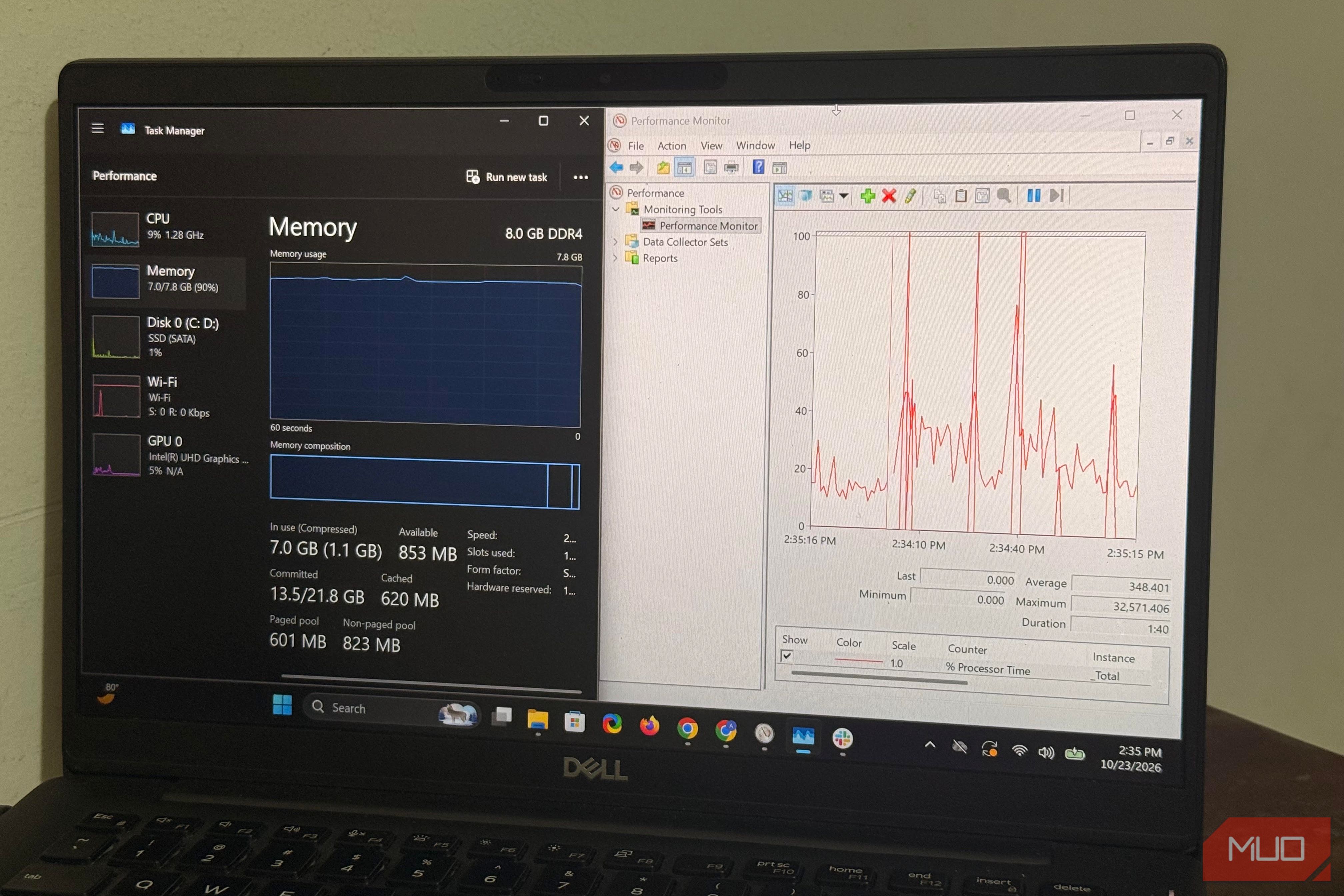
As RAM prices keep going up, I'm biased toward fixes for slow, stuttering devices that help me avoid buying more memory. This has led me to valuable discoveries on how Windows settings can reclaim memory I already have.
M
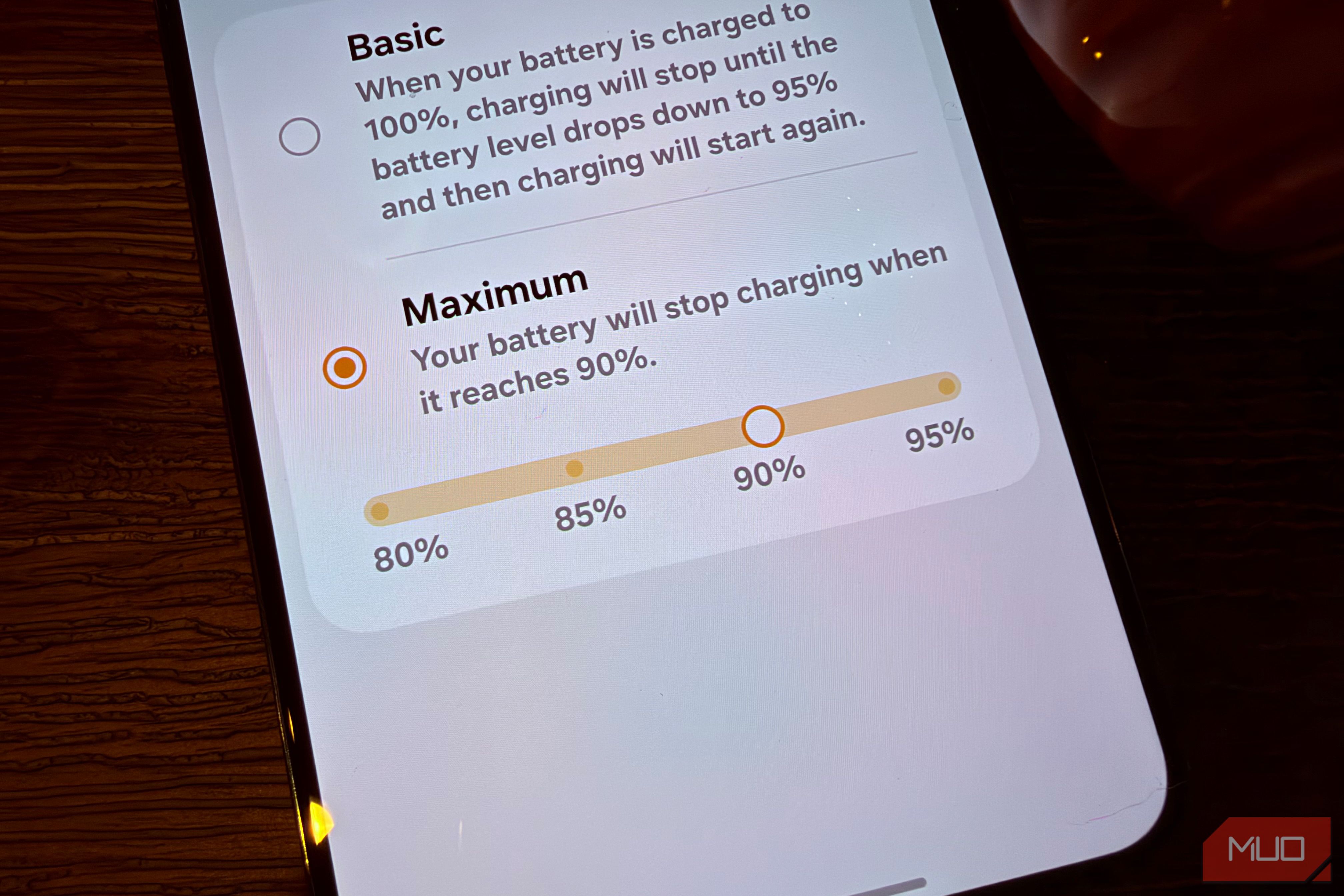
I thought I was smart to keep Battery Protection enabled on my Samsung Galaxy. It offered to extend the life of my battery by limiting charging to various levels — even to as low as 80%. But when I did the math on battery longevity and considered the downsides of not starting my day with a full battery (which is a likely side effect of using Battery Protection), I concluded that there was a much better option.
M
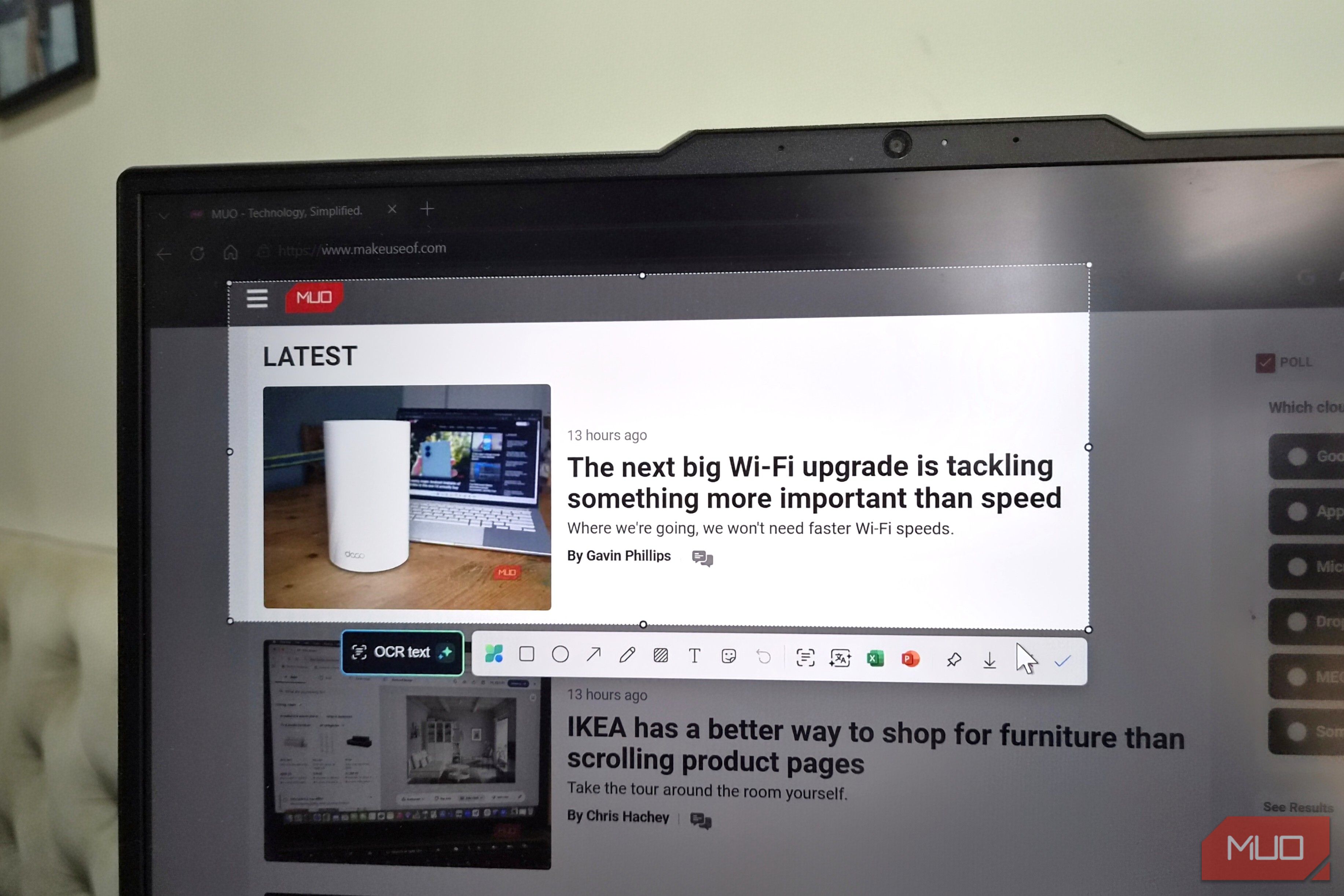
I’ve been using Circle to Search on my Android phone ever since it launched, and its biggest appeal is how easy it is to use. What I didn’t realize, though, was that Microsoft also had a similar tool called Circle to Act buried inside its PC Manager app. I came across it by accident, and having used it for a couple of weeks now, I’m genuinely wondering why Microsoft isn’t talking about it more.
M
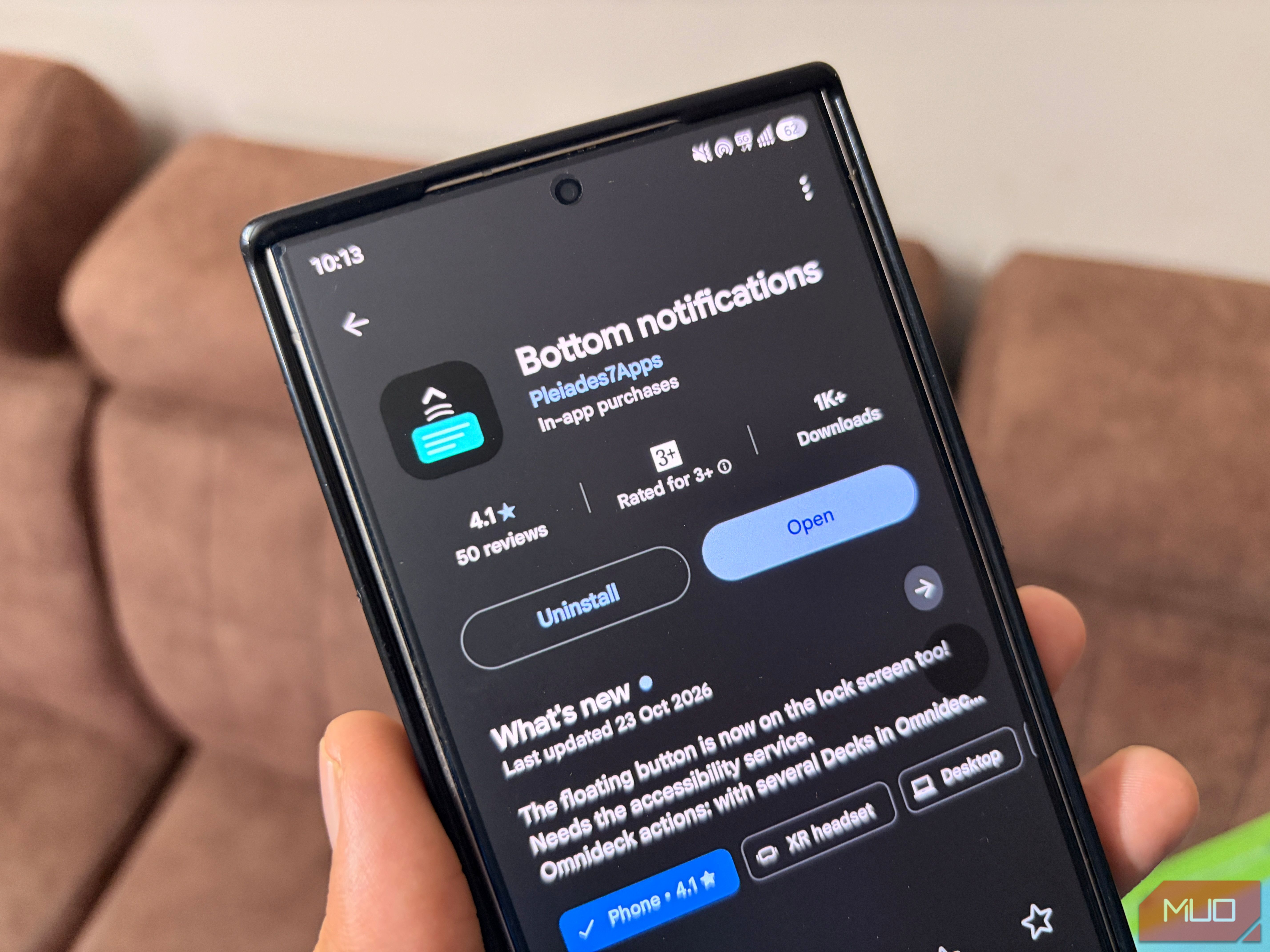
Phone screens keep getting bigger, and there's no stopping it. This also means Android’s notification shade is at the very top, which is the hardest spot to reach one-handed. You have to adjust your grip or sometimes use both hands just to pull down the notification shade to know who messaged you. This can be annoying, but there is a free app that fixes it. Bottom Notifications moves it down to where your thumb already is. If you’ve already been taming your Android notifications, this is the…
M
One can create bootable media using Rufus to clean-install Windows or even perform an upgrade. But reinstalling Windows is not always the answer because that involves formatting your primary drive, which deletes all of your data. Sometimes, I need to boot into a working environment so I can safely copy important data before the drive is formatted. Other times, I want to fix a damaged partition to recover the data when the usual recovery tools can't even read the drive.
M
Microsoft has removed Windows 11's PC-to-PC Migration feature, the built-in protocol for transferring files directly from an old computer to a new one over Wi-Fi or Ethernet. The company's official support page now says the feature is "no longer available" and directs users to Windows Backup instead.
M
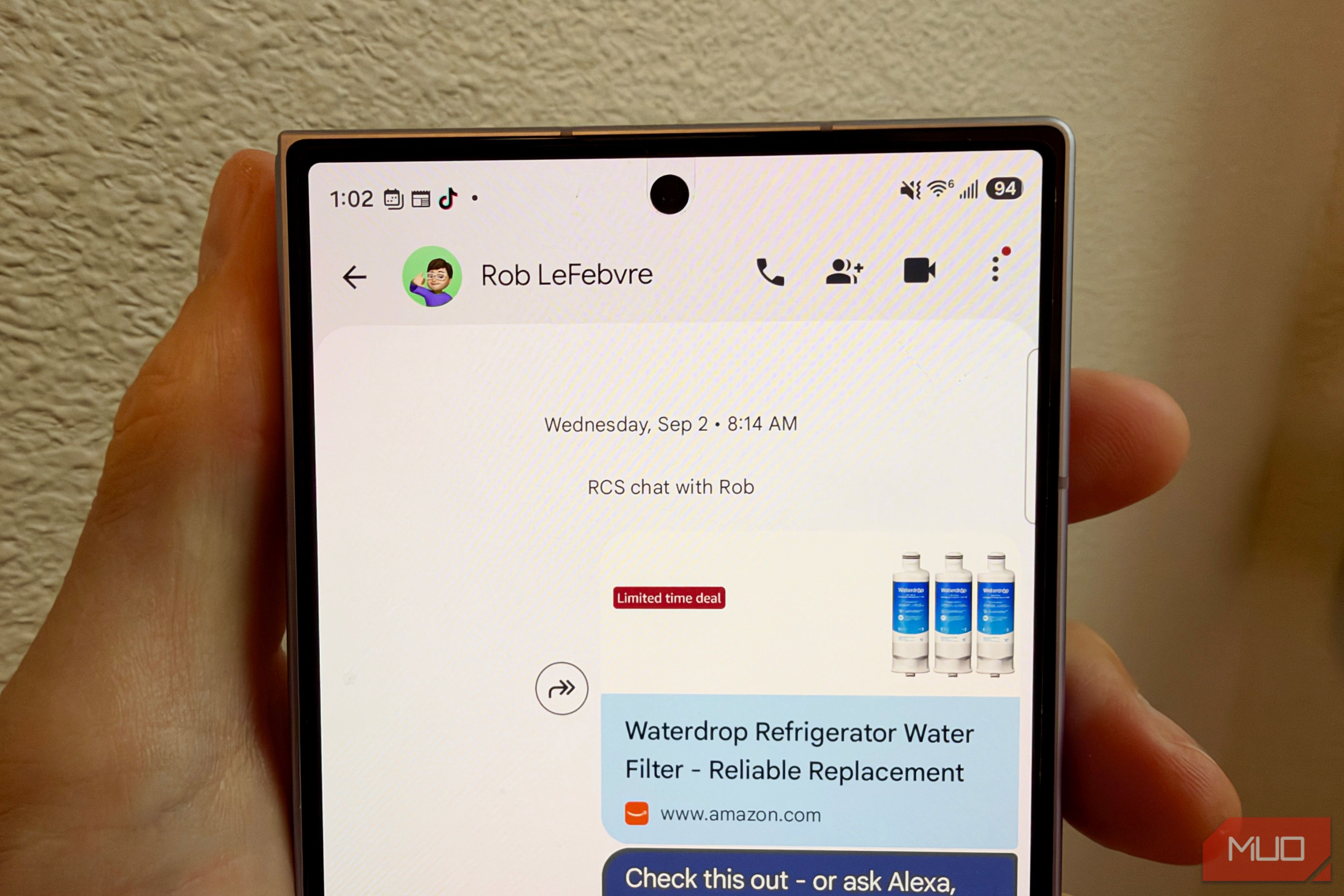
RCS (Rich Communication Services) was supposed to make Android texting feel modern, so much so that Google dragged Apple into supporting it, even without blue bubbles. Then Samsung Messages shut down and left Android users with nowhere else to go.
M
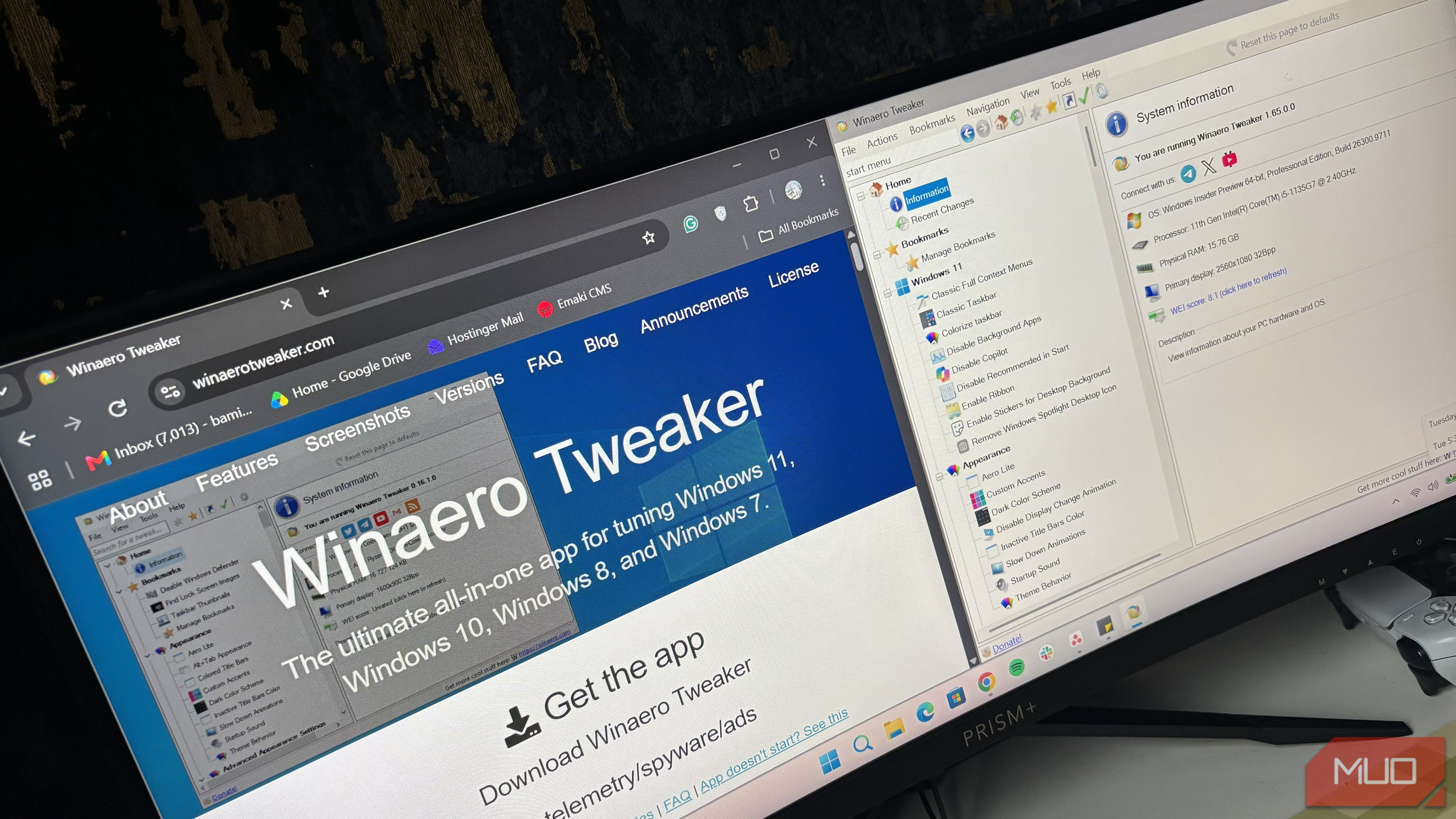
Search "Windows hidden settings" right now on MUO, and you'll find more than a couple of results. Yeah, Windows hides a lot of its settings for reasons I myself haven't been able to figure out. You might want to make a minuscule change, only to find yourself going down a rabbit hole in Control Panel. Sometimes, you even have to dig through the Registry Editor to make certain changes to your PC.
M
Last month, I switched from Samsung to an iPhone thinking I’d adjust within a week. Instead, I kept reaching for controls that weren’t there. Every time I tried to do something the way I’d been doing it for years, the phone pushed back. The gap wasn’t in specs or app quality. It was in how the phone responded to my hands, or more accurately, how it refused to. After two weeks, my SIM was back in my Galaxy, and the hardware had nothing to do with it.
M
Replacing a laptop with a phone is all fun and games until there's actual work to finish. Answering emails is one thing, but editing documents, preparing images, and moving between applications without having to fight the interface is what really matters.
M
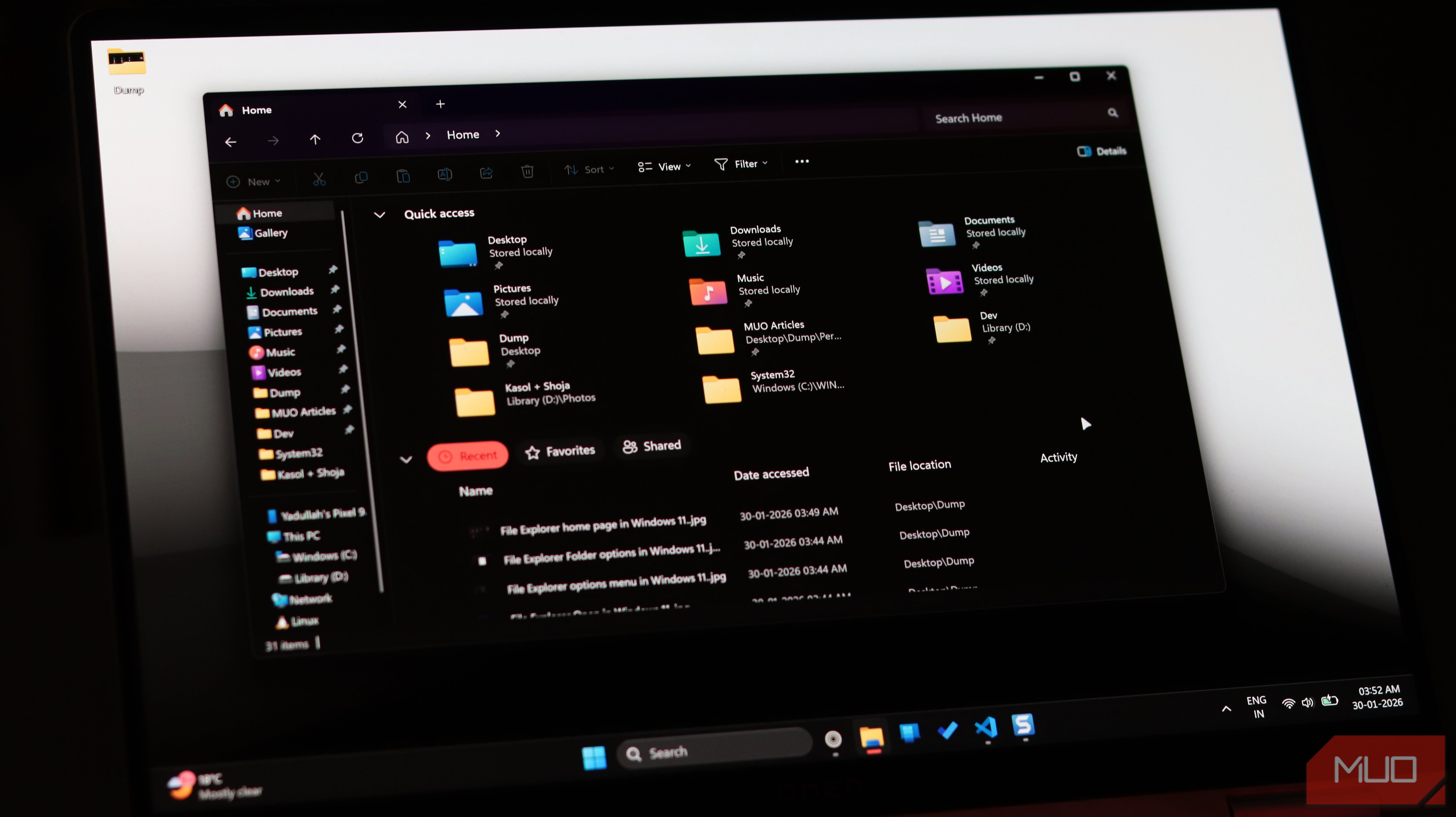
File Explorer is a staple of the Windows operating system and has been around for decades. It was initially introduced as Windows Explorer in Windows 95 and serves as the graphical interface for managing files and folders on a PC. However, over the past few years, the experience has been in decline. Searching for files can take forever, and some of the new features feel more gimmicky than useful. The tabs feature is cool, though.
M
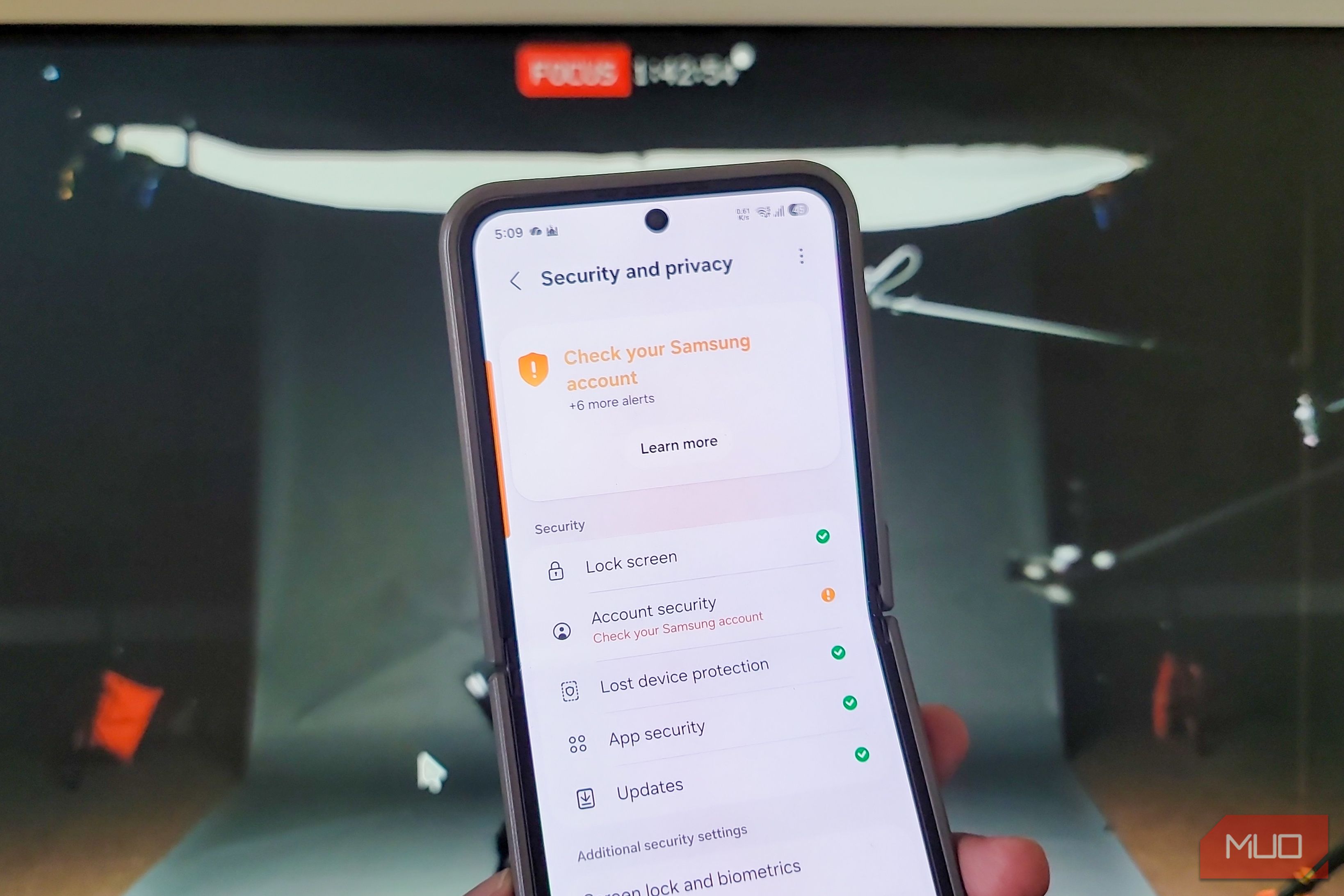
Android now comes with some solid built-in security features. However, not all of them are enabled by default, and some even feel like they are only for advanced users. Over the years, I've found and ignored these privacy features because they looked a bit too technical for my taste.
M
Android Auto lets me make the most of my phone while driving without being distracted. There is a vast library of great Android Auto apps that make the driving experience fun and keep me entertained. While that is amazing, there are also some utility apps that I absolutely love.
M
I’ve got an unlimited home Wi-Fi plan, so I never really cared about how Windows was using data in the background. But that was a mistake, because all that background activity made my 300mbps plan look a whole lot slower than it actually was. Instead of restricting what Windows does in the background one by one, I simply set my home Wi-Fi as metered. That simple change was enough to make everything better.
M
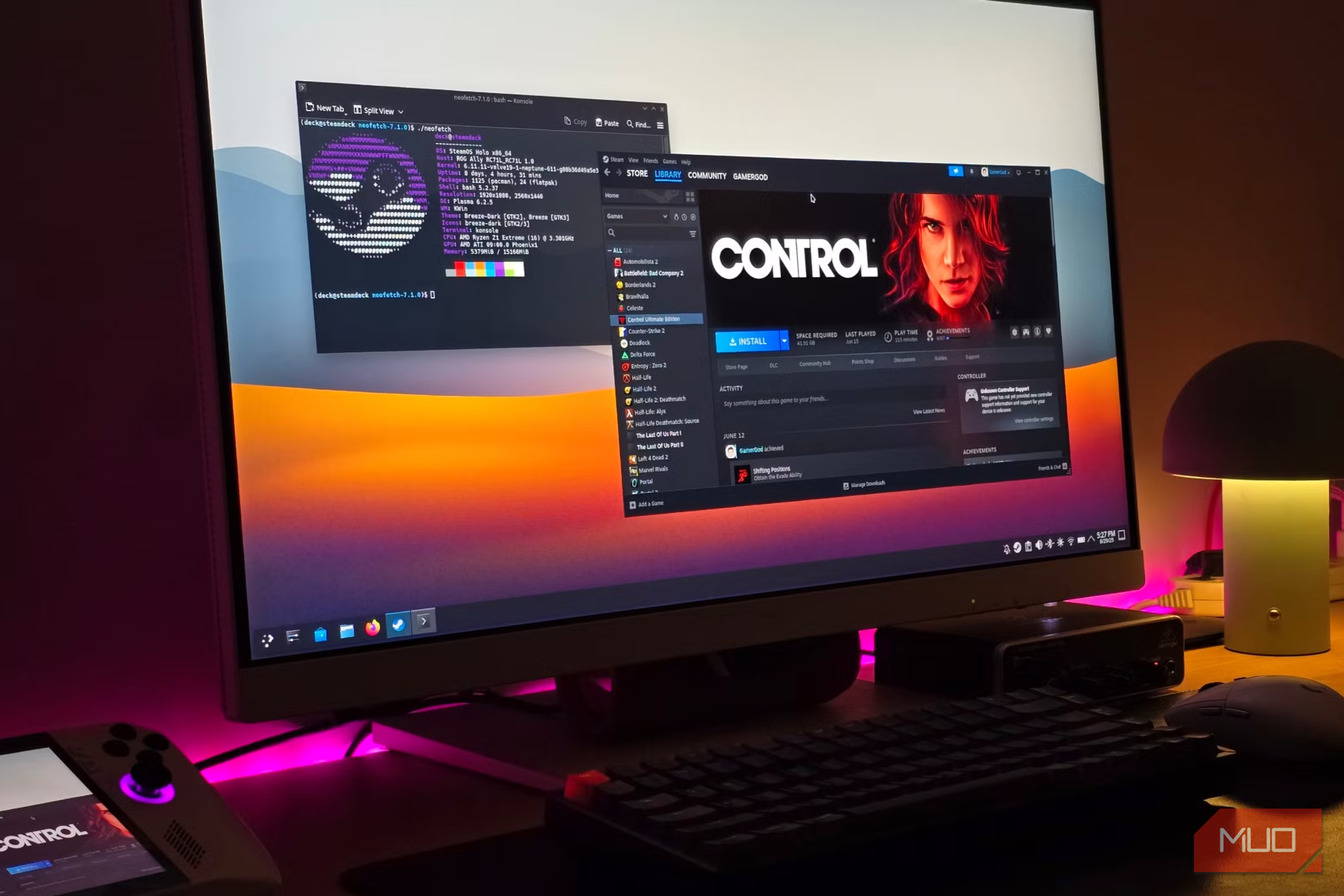
Gaming on Linux has come a long way since I last used it as my daily driver for everything. Although I do firmly believe you still need Windows in some capacity, especially if you're a PC gamer, distros like CachyOS certainly make me rethink my stance. In fact, I recently came upon a rather curious finding where one of Microsoft and Xbox Game Studios' own games was running ever so slightly better on Linux, compared to vanilla Windows 11.
M
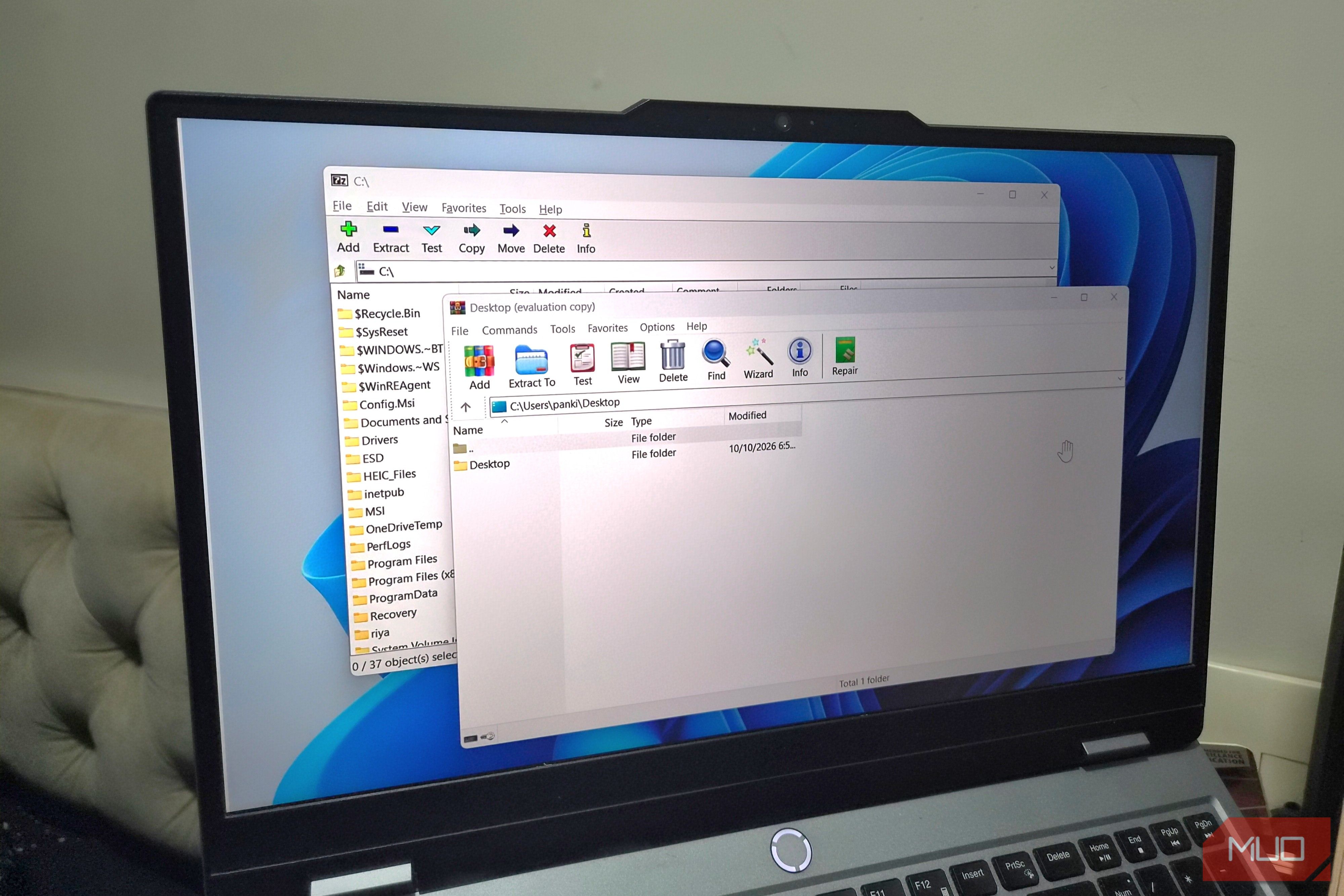
7-Zip and WinRAR have a reputation for being irreplaceable. And feature-wise, they both are. Anyone using a Windows PC probably has one of the two installed, if not both. I’ve kept them around for work for years, but I stopped using them some time ago when I realized they could be a security liability. I’ve switched to NanaZip, which is just as good, and more importantly, doesn’t have the same problem.
M
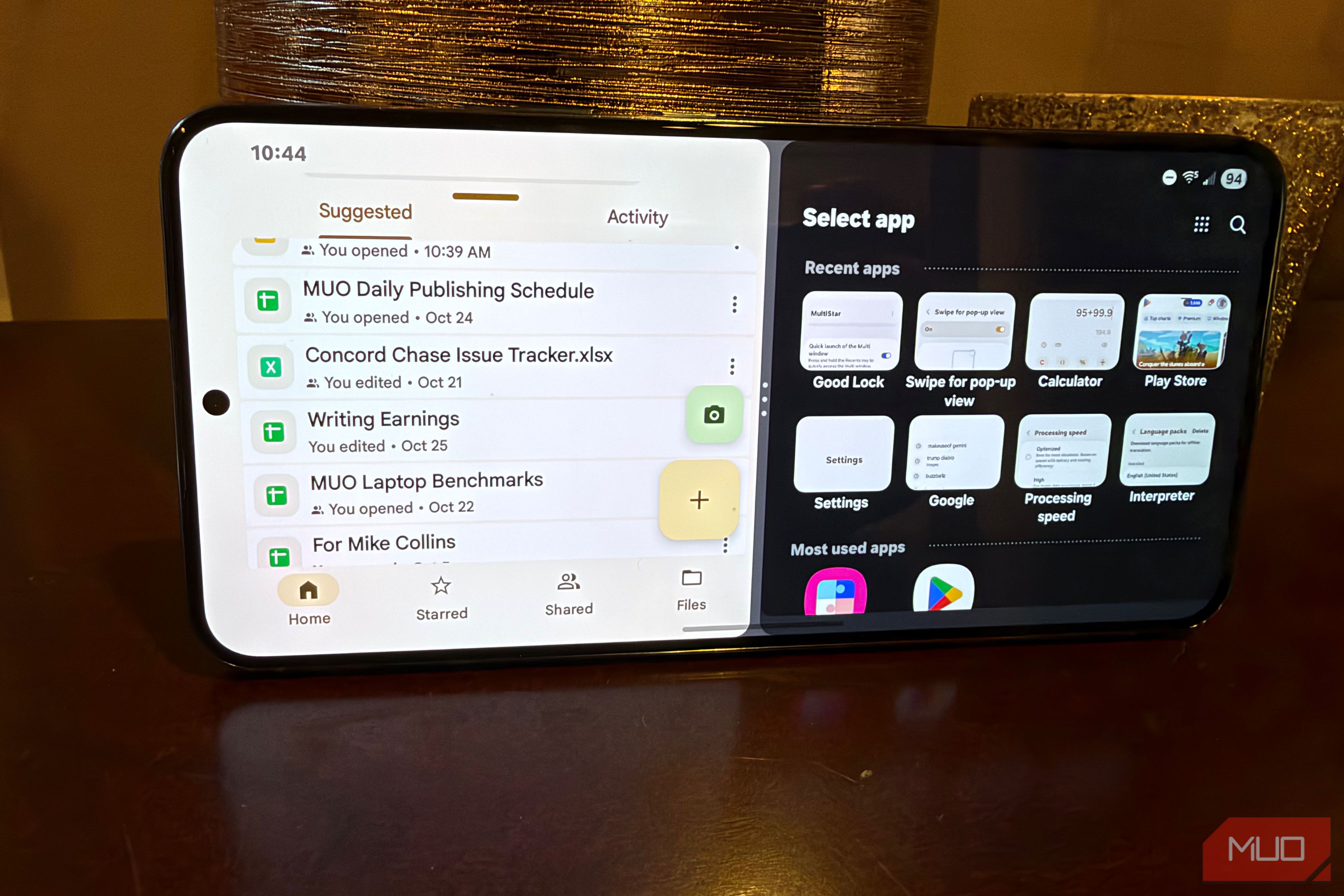
I wanted to find a way to make my Samsung Galaxy better at multitasking. It's already great at running apps in split-screen, or even pop-up view, and despite my Galaxy S22 Plus being four years old, it can still keep up even under the most demanding multitask scenarios.
M
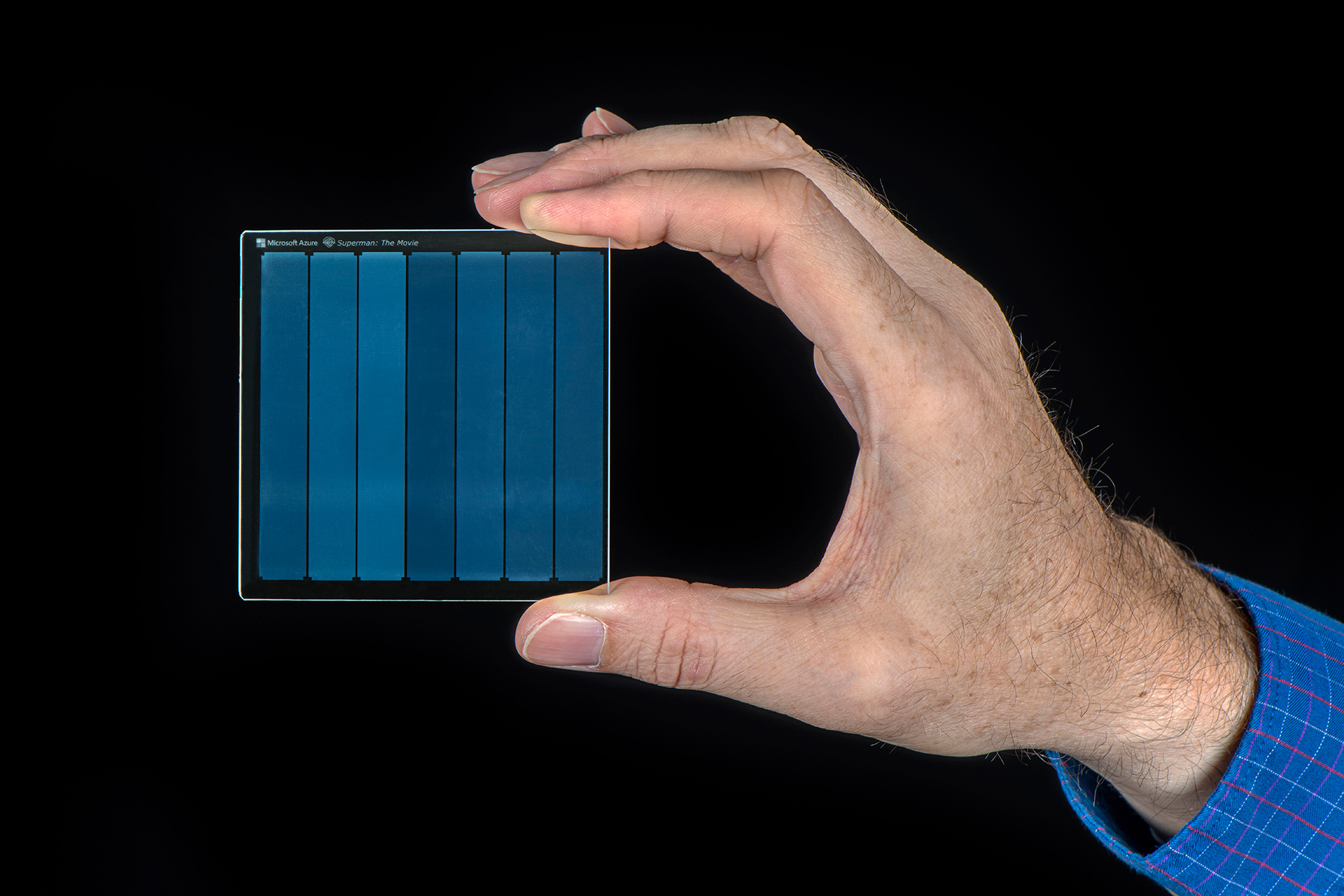
Your storage is guaranteed to die at some point, no matter what protections and precautions you take. That is, unless you switch to Microsoft's Project Silica, a frankly outlandish storage system that writes your data to an ultra-thin sheet of glass, written to by a laser.
M
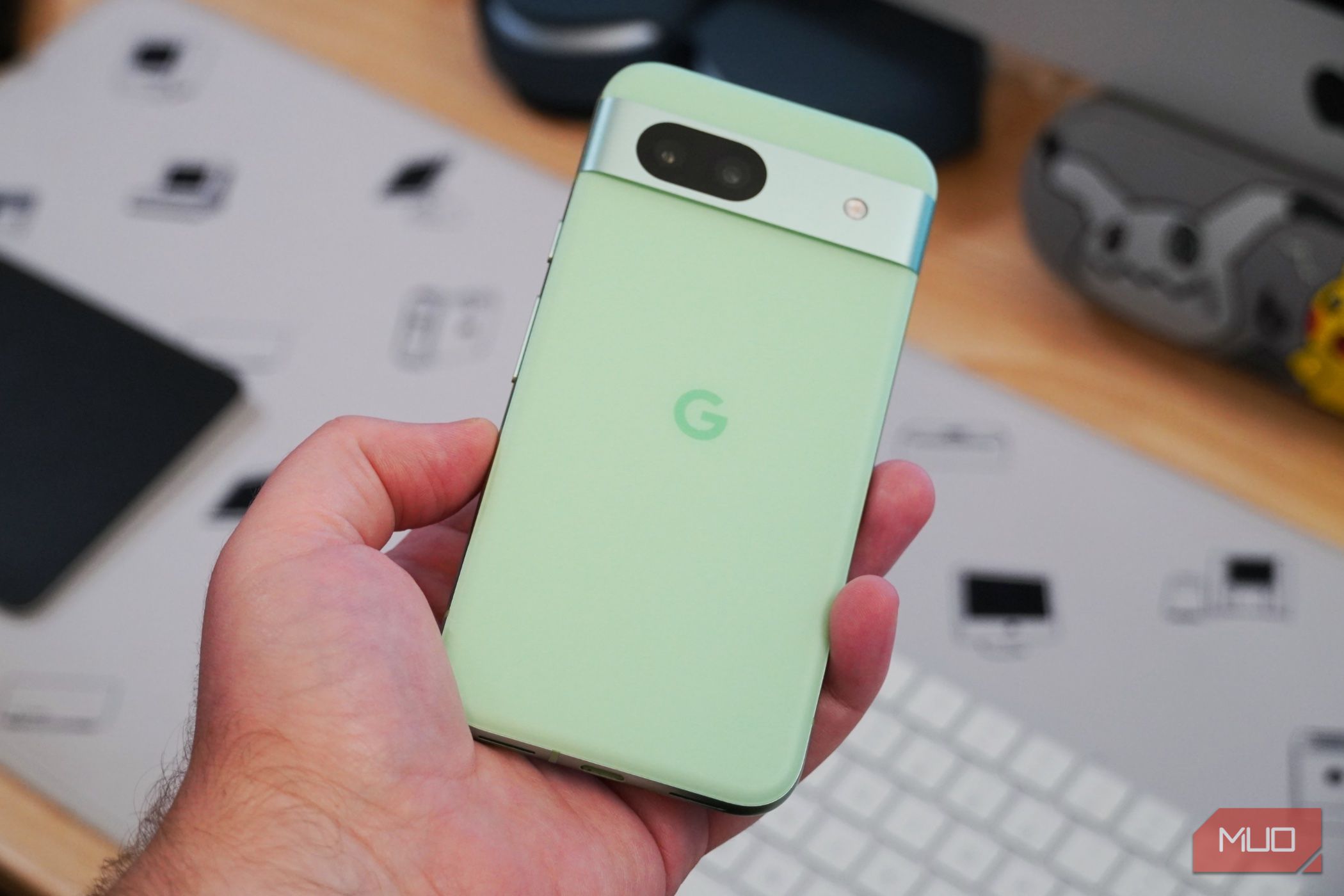
Android is all about choice and customization, but to some, that identity is fading away. Every version of Android that ships with a commercial phone is a far cry from the basic Android Open Source Project release, complete with custom manufacturer tweaks — and restrictions. Pixel phones arrive with Google's vision for Android, sometimes mistakenly referred to as "stock Android." In many ways, it's more limited than the Android skins you get from Samsung or Motorola.
M
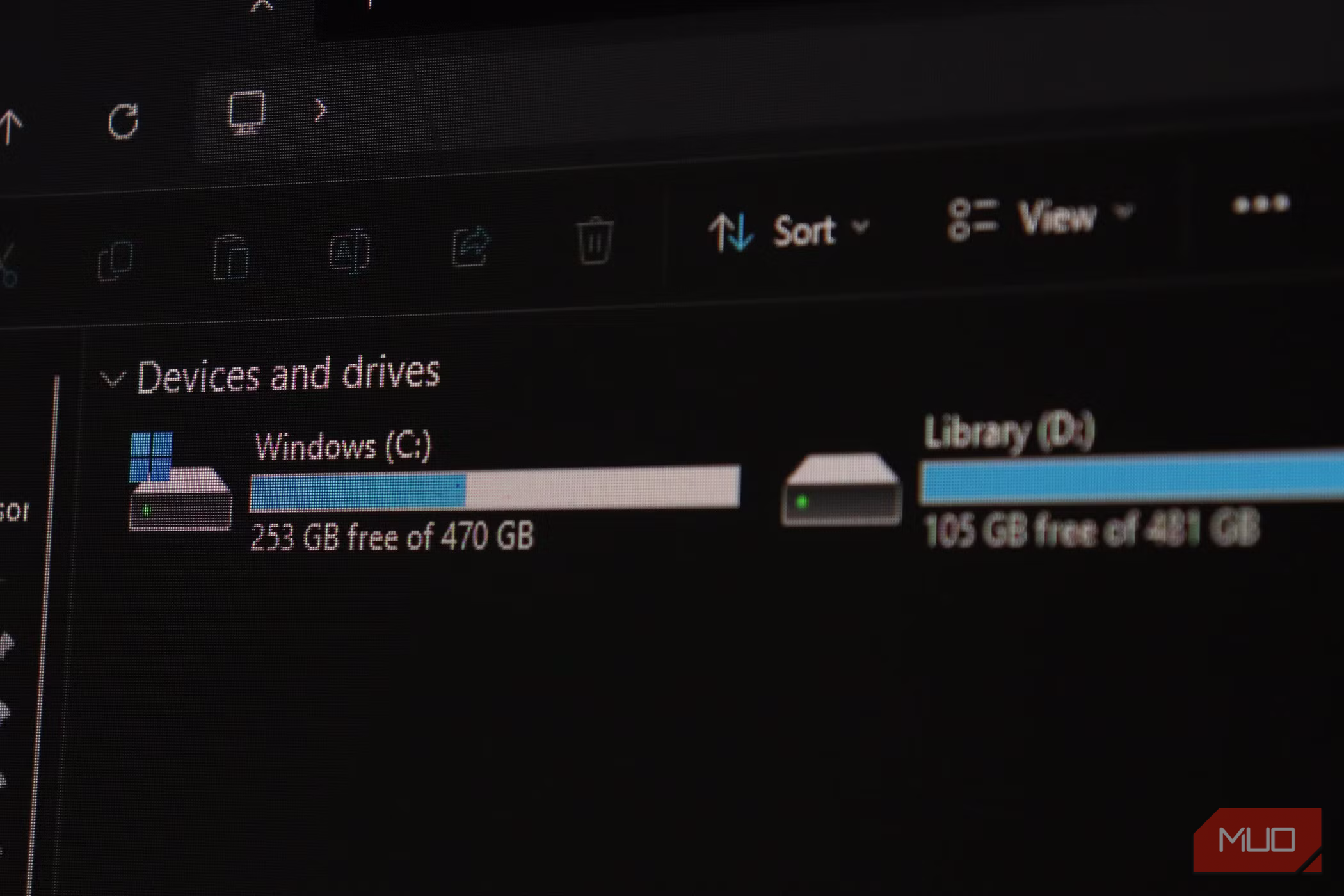
Windows is notorious for eating away space on your SSD that you could use for more useful things like your photo backups or your favorite game. A lot of that space holds Windows itself, but a surprisingly big amount belongs to recovery and reliability features designed to save your PC when something goes wrong.
M
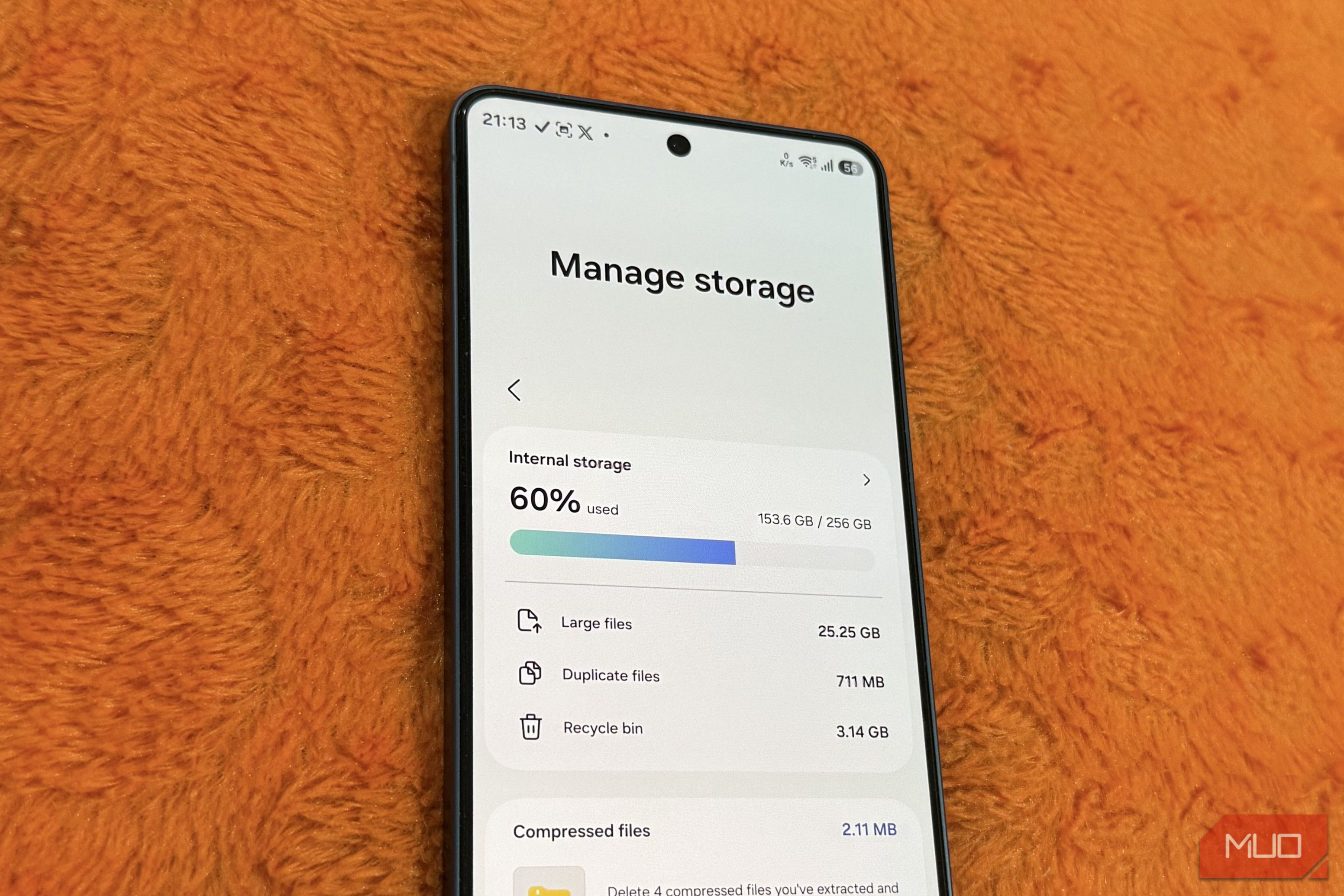
Fixed internal storage with no SD card slot is a recipe for disaster. Sadly, though, that’s the reality on most phones now, including my Galaxy S26. But all hope is not lost. Galaxy phones do come with useful tools for freeing up storage space, so you don’t need third-party apps to help you with the storage situation.
M
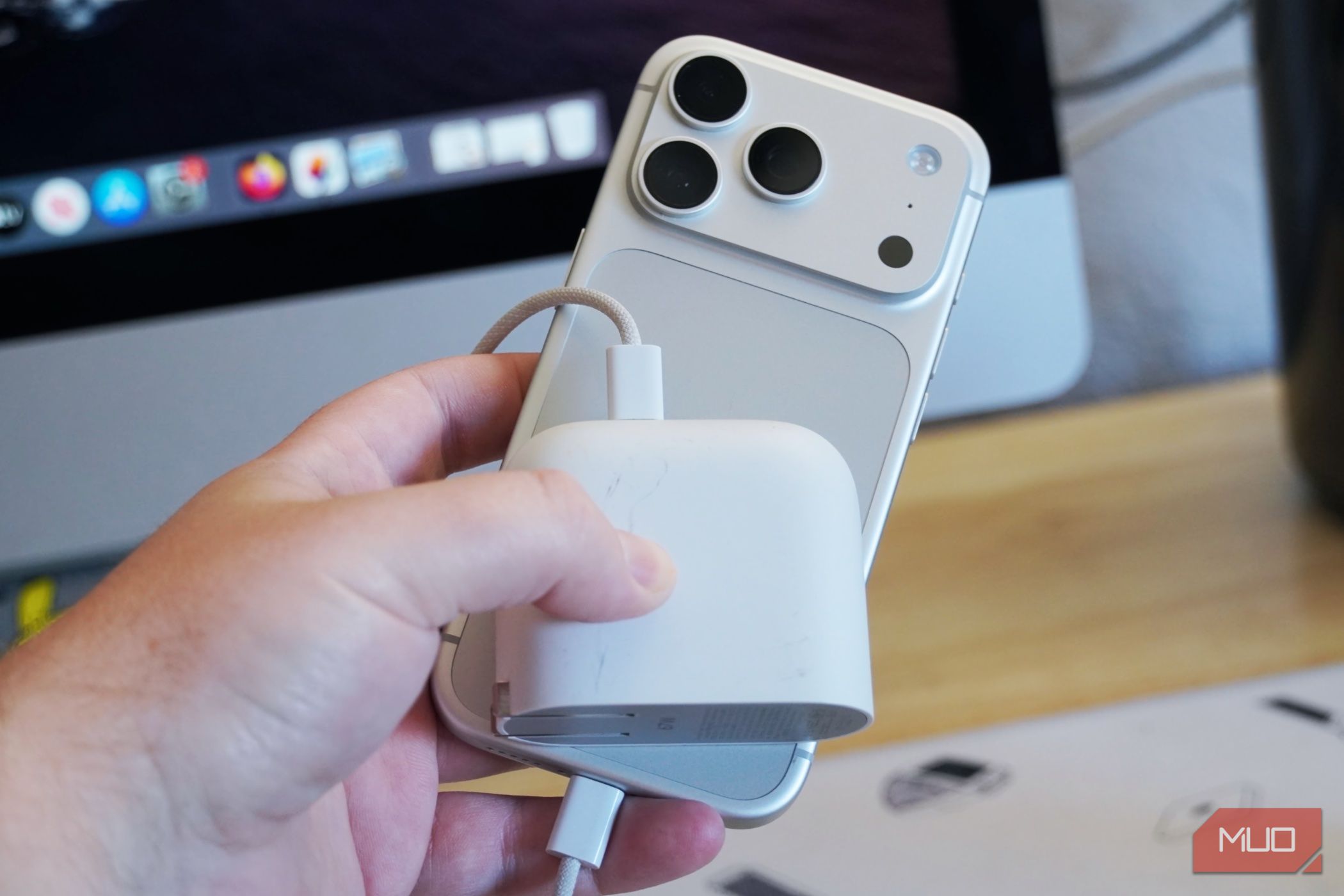
I used to religiously charge my phone overnight, and occasionally required midday top-ups to keep my phone's battery going. Now, I don't have to plan daily charges, because flagship phone batteries finally support fast charging across the iPhone, Pixel, and Galaxy lineups.
M
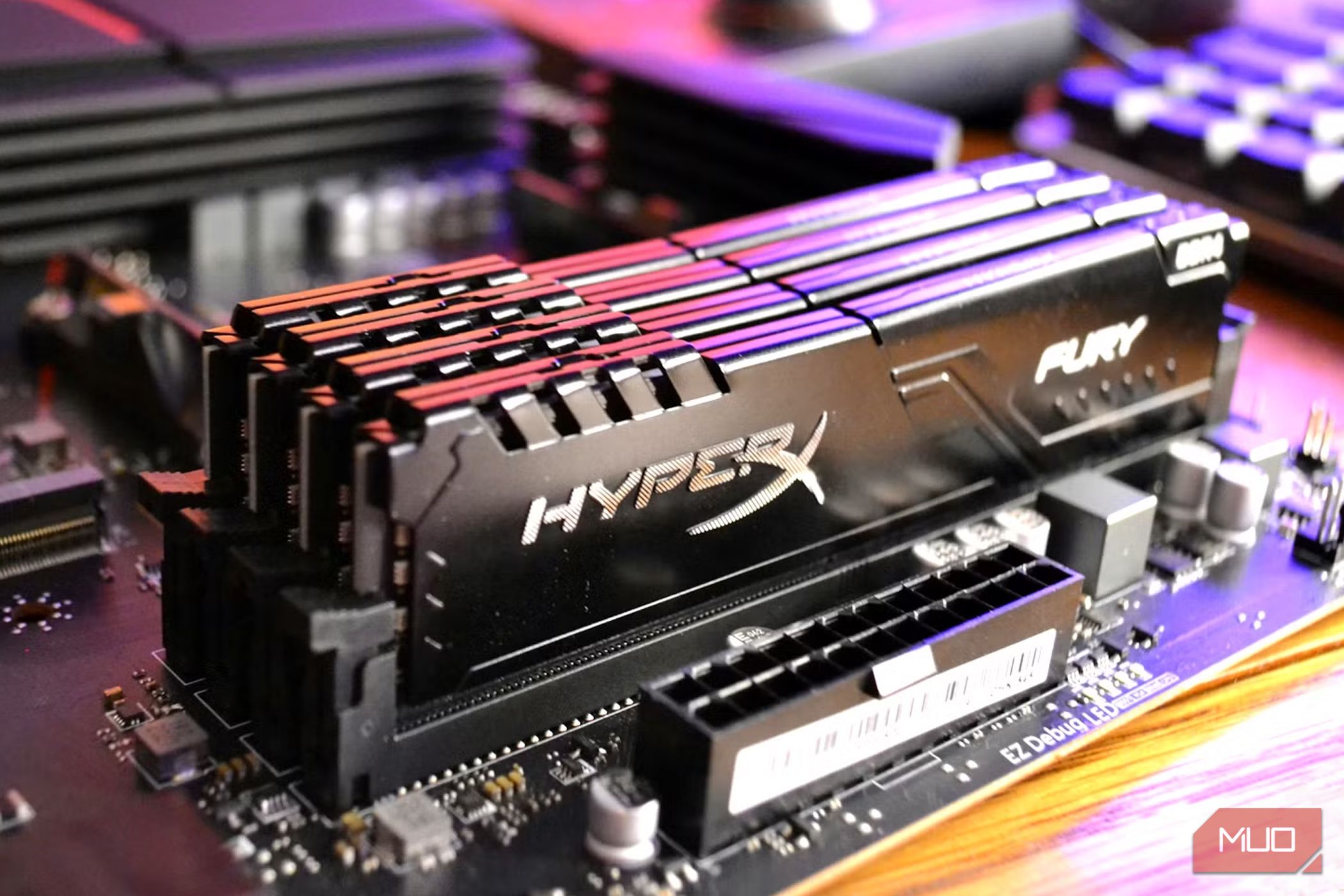
"This is the year when I finally upgrade my puny 8GB of DDR4 RAM to a higher capacity DDR5 unit," is what I thought at the start of 2025. Boy, was I naive. Thanks to the data center boom, there's a global RAM shortage, or to use the parlance of our times, a 'RAMpocalypse', that has driven up RAM prices to unprecedented levels. There are no good RAM deals in this economy.
M
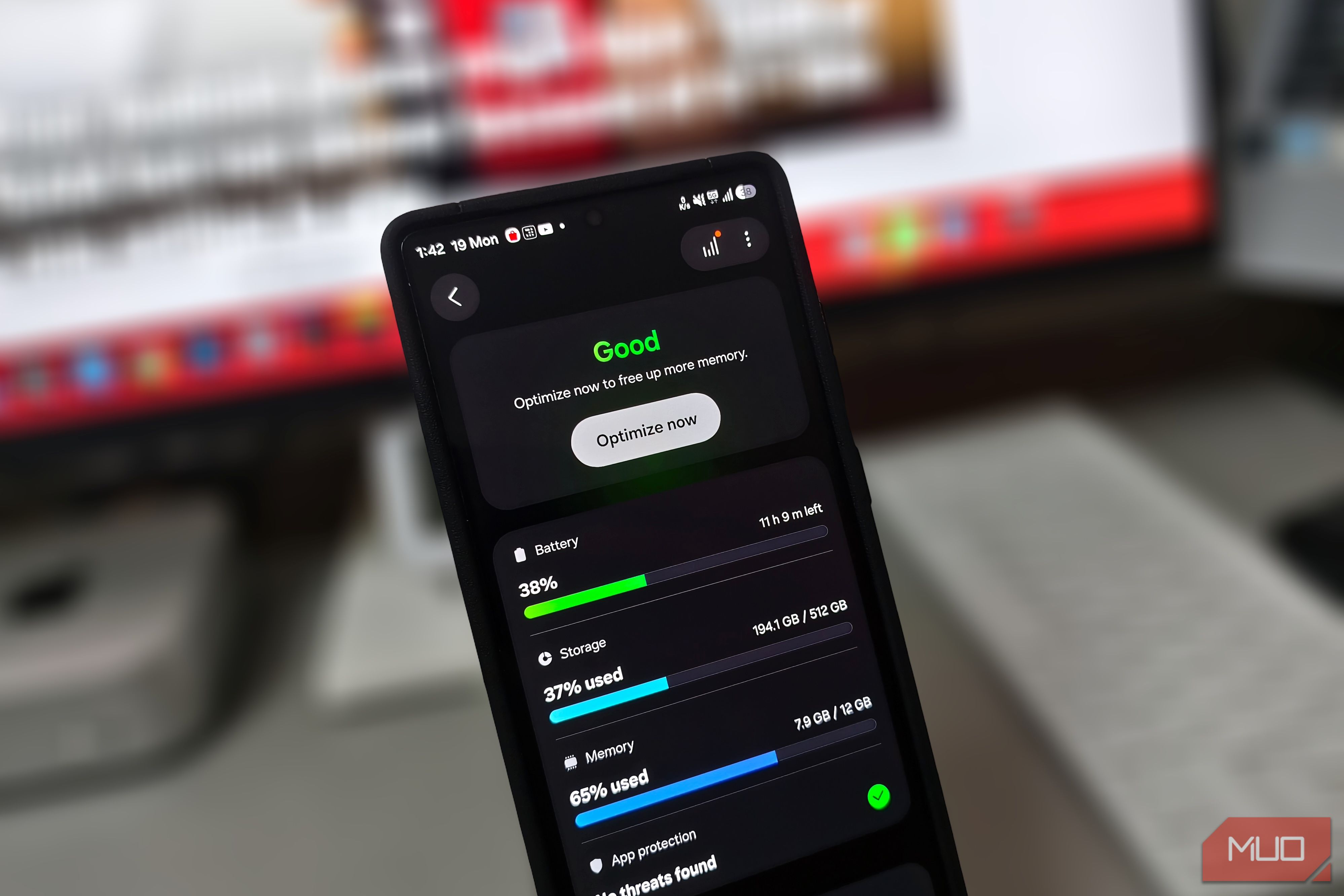
Watching a flagship Galaxy phone stutter on basic tasks feels absurd, especially when the same device handles Genshin Impact at max settings. At this price point, it shouldn’t drop frames just switching between messages and a browser.
M
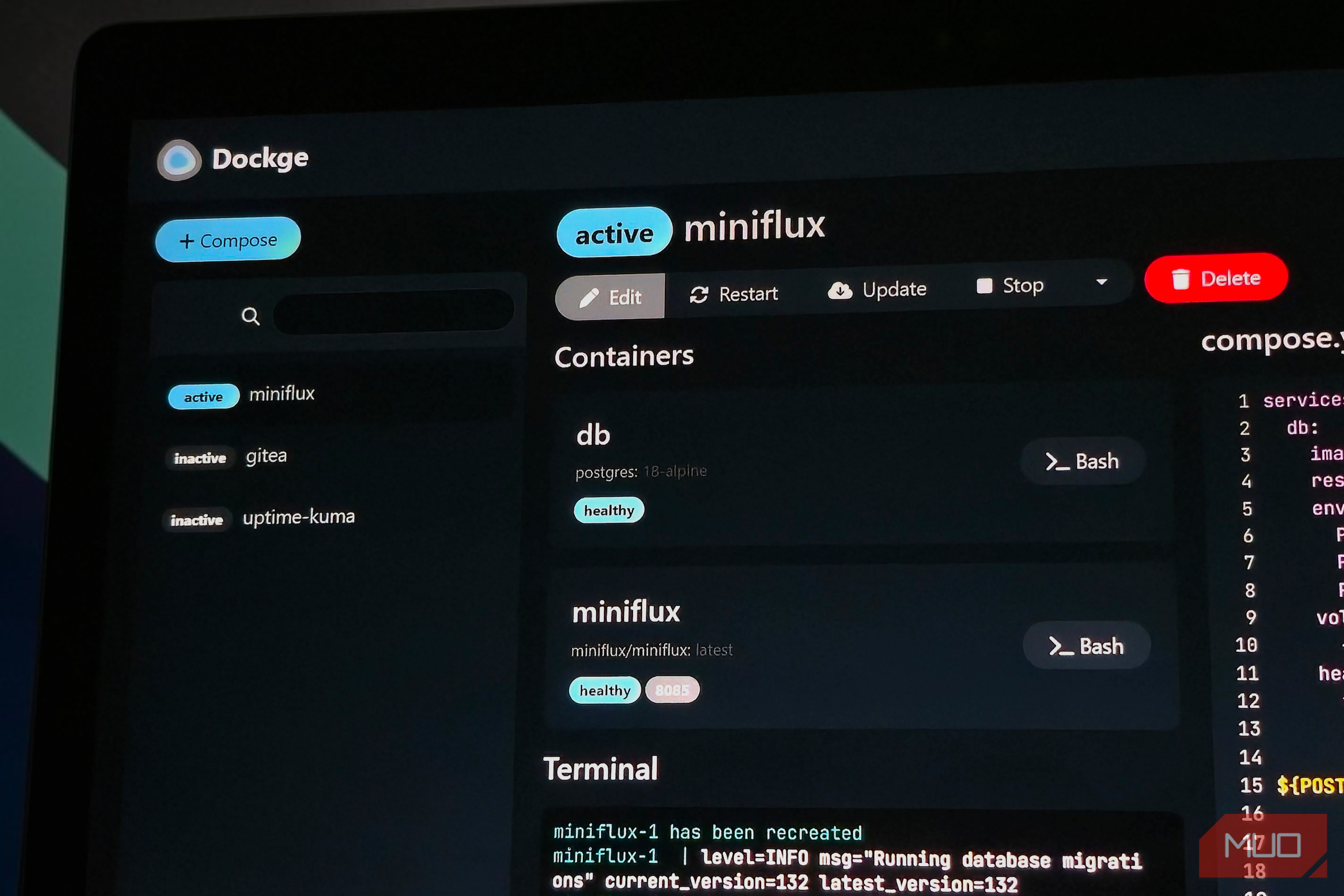
I’ve opened PowerShell, SSH’d into a Linux box, changed one line in a Compose file, and wondered why such a tiny job needed this much ceremony more times than I can count. The terminal is still where I want to be when a server misbehaves, but changing a port or restarting a healthy container hardly qualifies as an emergency.
M
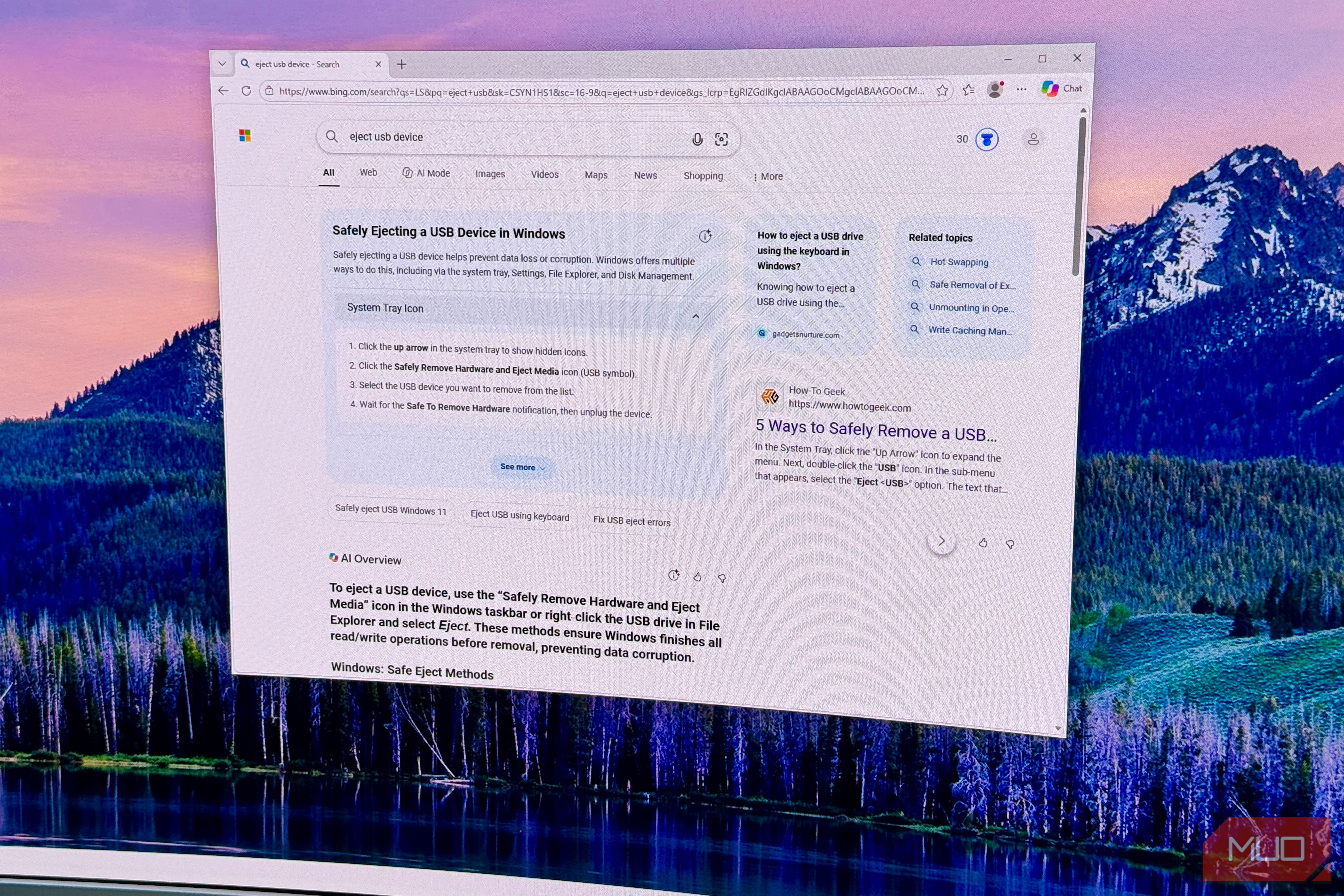
I've right-clicked that little USB icon before unplugging a flash drive for most of my computing life. It turns out that Windows stopped requiring it years ago, though, and Microsoft even says so in writing.
M
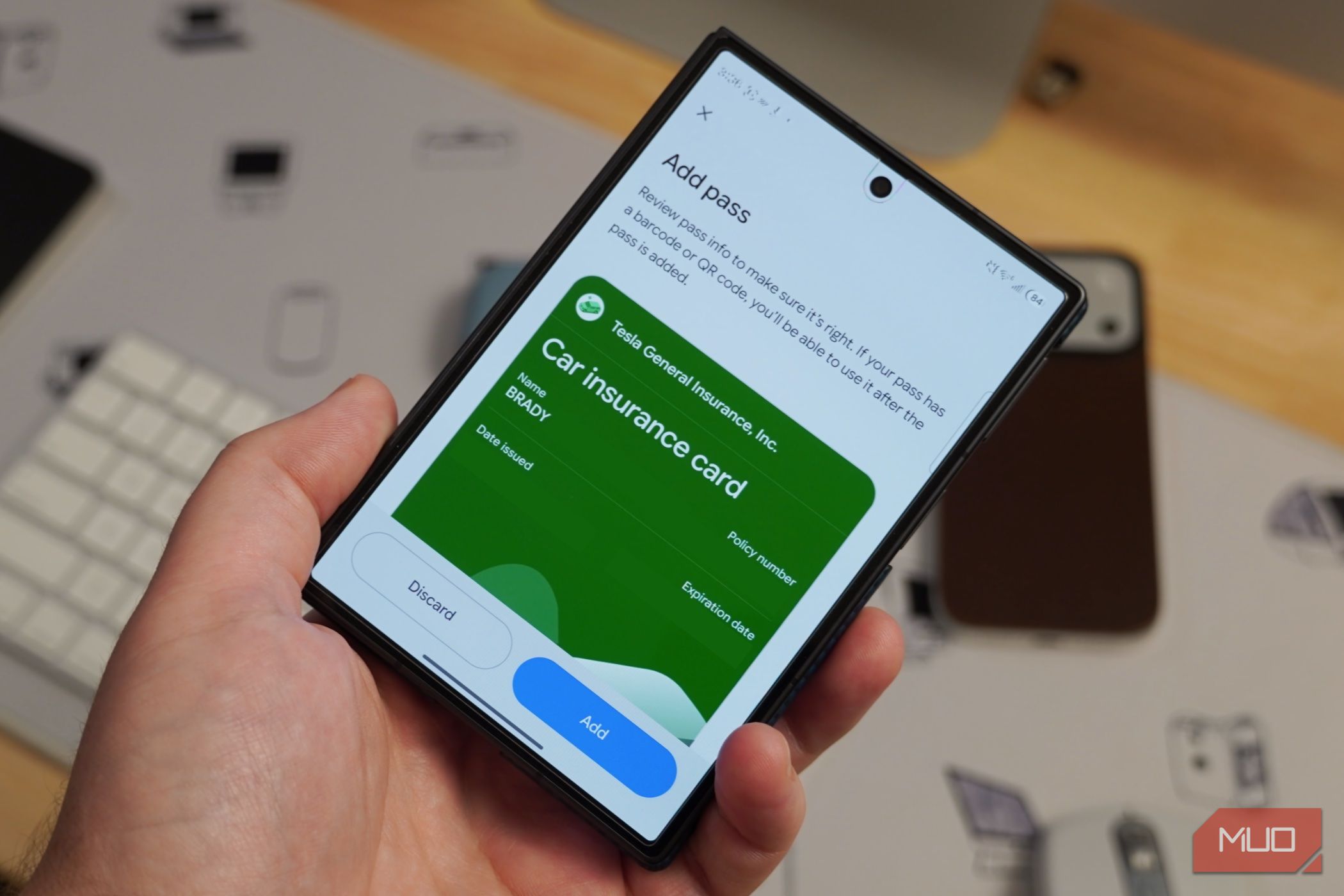
I've used digital wallets for over a decade. Contactless payments are all but ubiquitous now, and I rarely use physical cards to buy things in the real world — Apple Pay and Google Pay make nearly all my purchases. All my event tickets go into my Apple Wallet and Google Wallet apps. But I've never been able to completely replace my physical wallet.
M
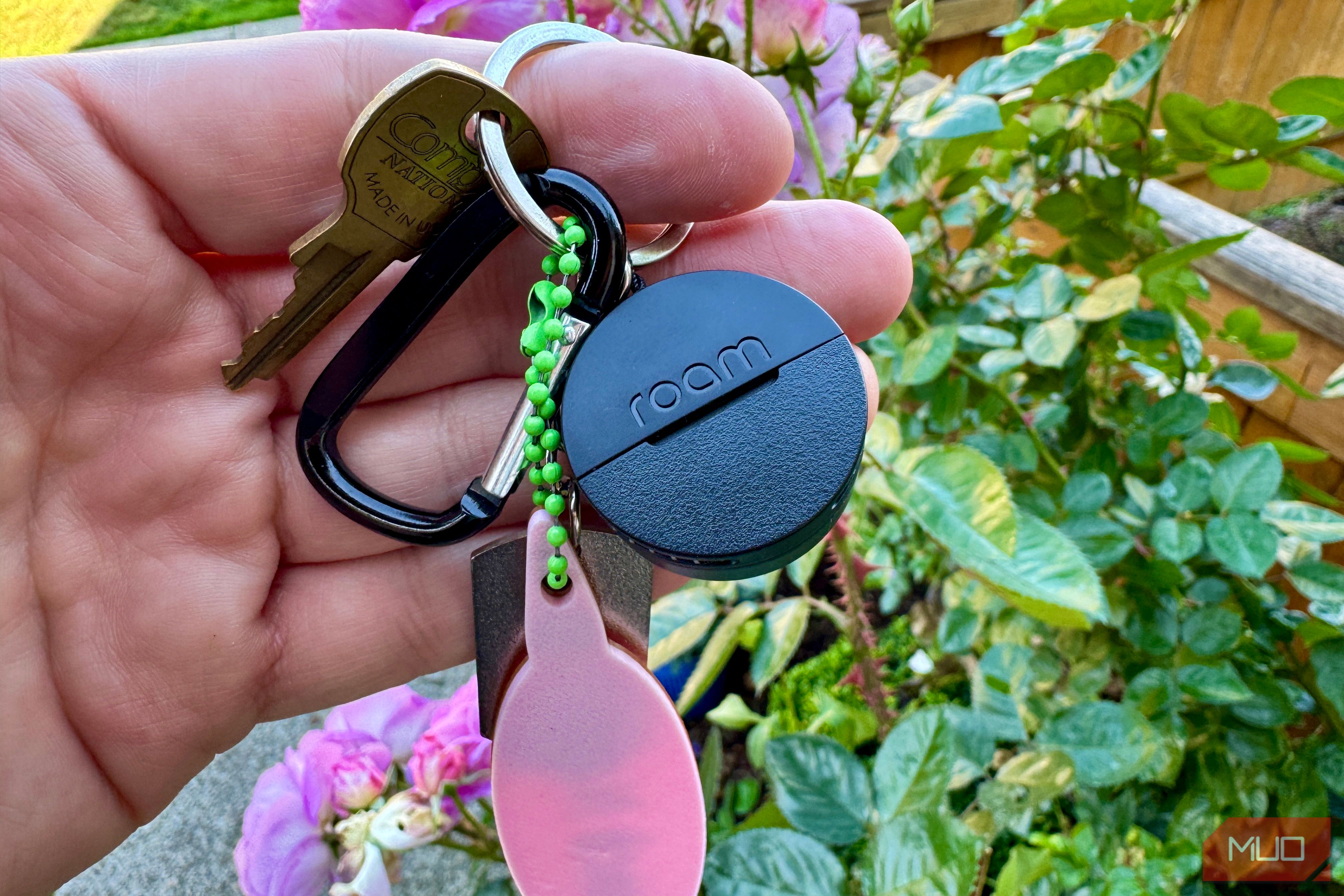
Roam sent me their AirTag competitor a while back, and I've got to admit, I'm impressed. At $20 (when purchased in a 4-pack, you can get 8 of them for $120), the Roam tracker has a ton of advantages over Apple's little white button AirTags.