S
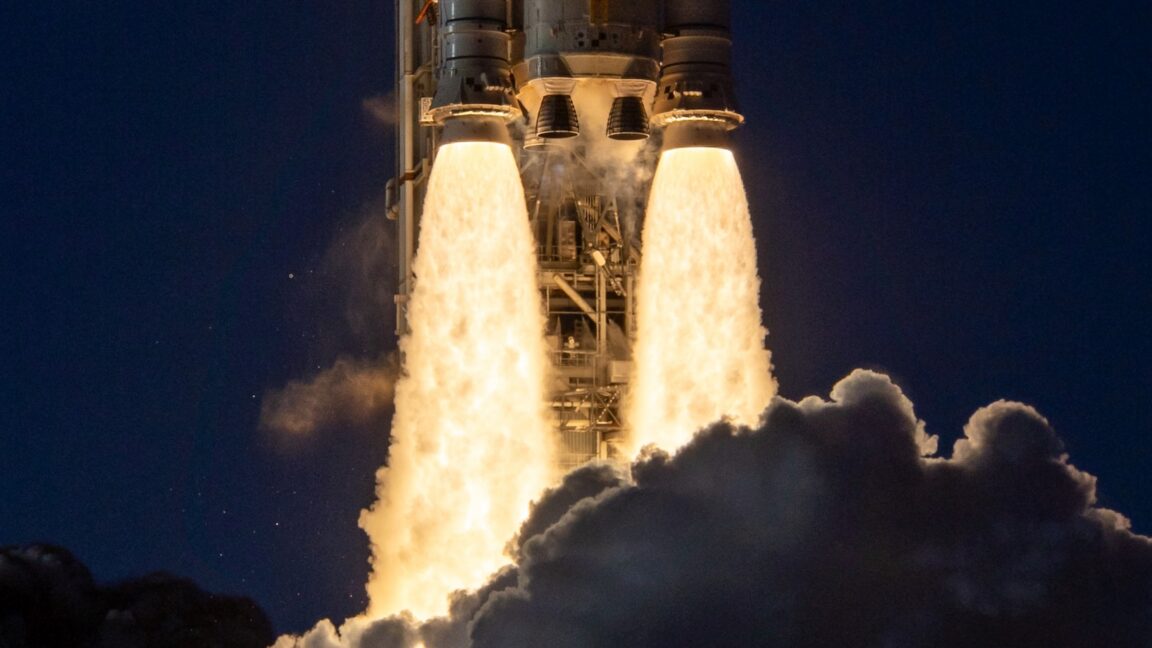
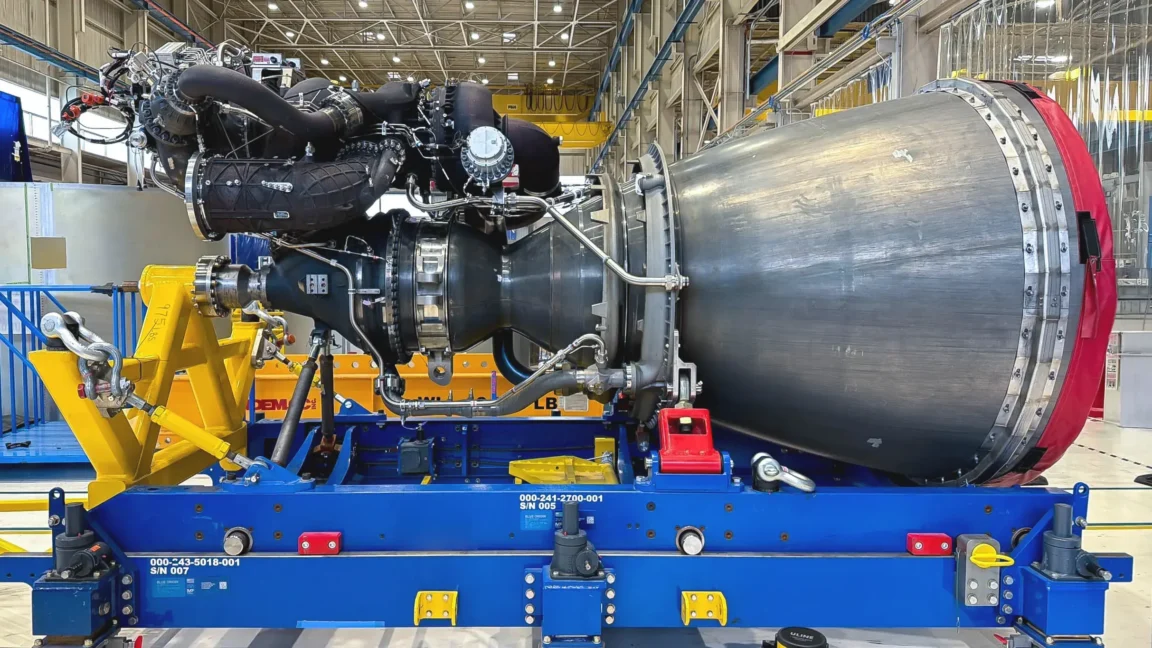
Welcome to Edition 9.18 of the Rocket Report! Blue Origin packed a lot of news into one afternoon Thursday with the reveal of a new kick stage for the New Glenn rocket, a new rocket engine design, and the minor and widely expected delay for New Glenn's return-to-flight mission from December until January. The reconstruction of Blue Origin's wrecked launch pad at Cape Canaveral, Florida, continues apace after a catastrophic explosion nearly six months ago. There's a lot of pent-up demand from…
S
KENNEDY SPACE CENTER, Florida—Blue Origin announced two significant upgrades to its New Glenn rocket on Thursday, reducing the cost of manufacturing the vehicle and expanding its capacity for payload delivery to geostationary orbit and the Moon. With these upgrades, the company aims to eventually position New Glenn to launch more than 1,000 times a year. "There has never been higher demand for launch, ever," Dave Limp, chief executive officer of Blue Origin, said during the UP.Summit conference…
S
Following his public disputes with California authorities during the COVID-19 pandemic, Elon Musk personally moved to Texas, outside of Austin, in 2020. Over the next six years, he doubled down on the Lone Star State. In 2021, Musk increasingly focused the Starship program in South Texas, urging SpaceX employees to move there and work on the company's future. In March of that year, he began using the name Starbase to describe the production and launch facilities near the Rio Grande River. In…
S
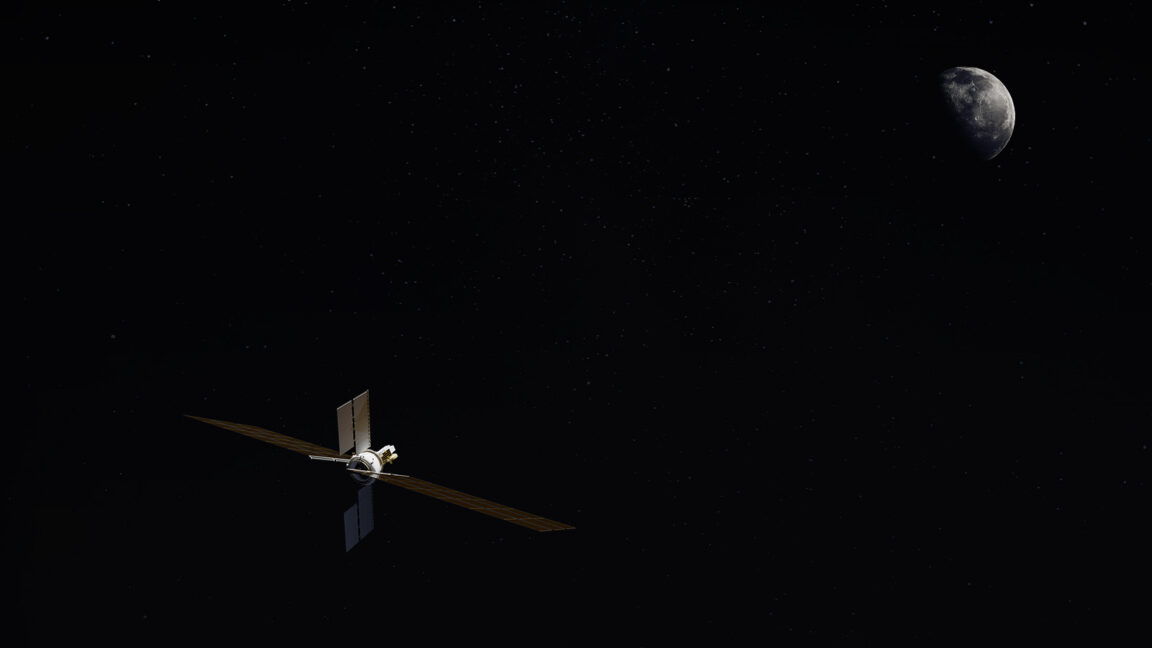
Robert, Ryan, and Kirby Carlisle are three engineers who worked at SpaceX during the Falcon 9 era, seeing the revolution in the global launch industry from the inside. The brothers launched rockets, refurbished rockets, and sold rockets. But when it came time for them to leave SpaceX and start their own space company—a lifetime dream for the Carlisle brothers—they chose not to build rockets. Rather, they focused on spacecraft. In late 2022, the three Carlisles founded Argo Space to build…
S
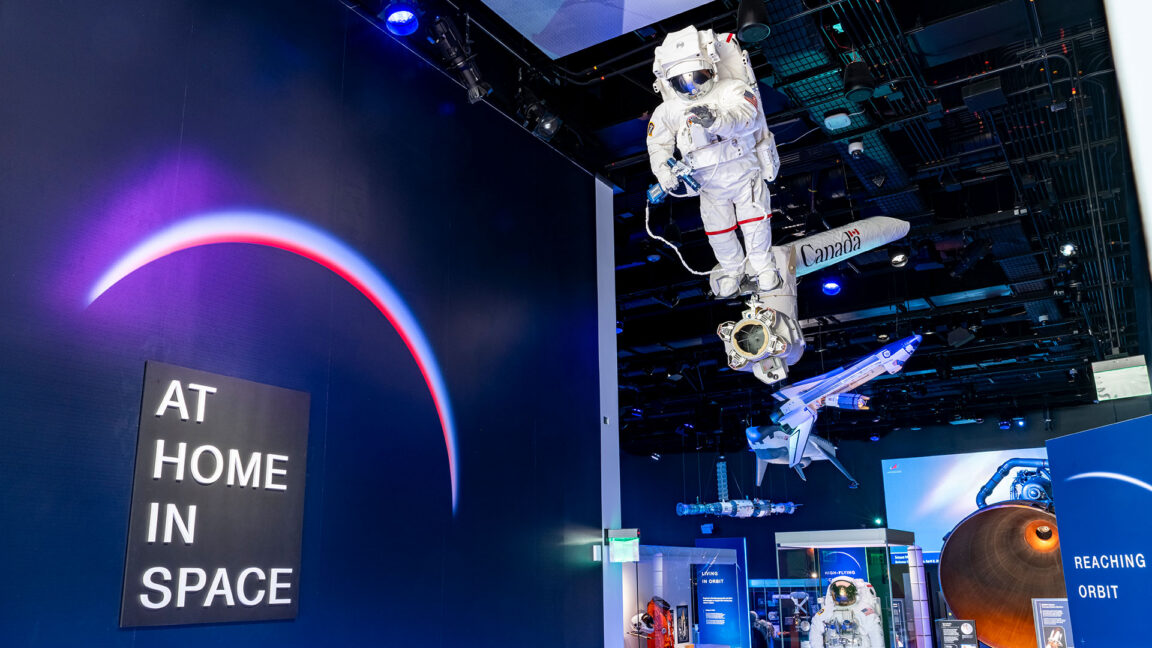
After seven years of work and nearly $1 billion, the Smithsonian has completed the renovation of the National Air and Space Museum's flagship building in Washington, DC. On October 30, the museum debuted its last-to-open spaceflight exhibition, returning "home" with a gallery devoted to establishing a spacefaring civilization. "Welcome to 'At Home in Space'!" said curator Jennifer Levasseur, who guided us through a virtual tour of the gallery. "This is the story of long-duration spaceflight in…
S
Chinese space officials confirmed this weekend that the Asian nation plans to land its astronauts on the Moon within three years. At the Seventh Manned Spaceflight Conference in Beijing, officials, including Wang Xiang, chief designer for the lunar exploration program, laid out the country's most publicly detailed plans yet for a series of missions leading up to a crewed lunar landing "before 2030." China's lunar landings will involve a lunar-orbit rendezvous similar to what NASA did in the…
S
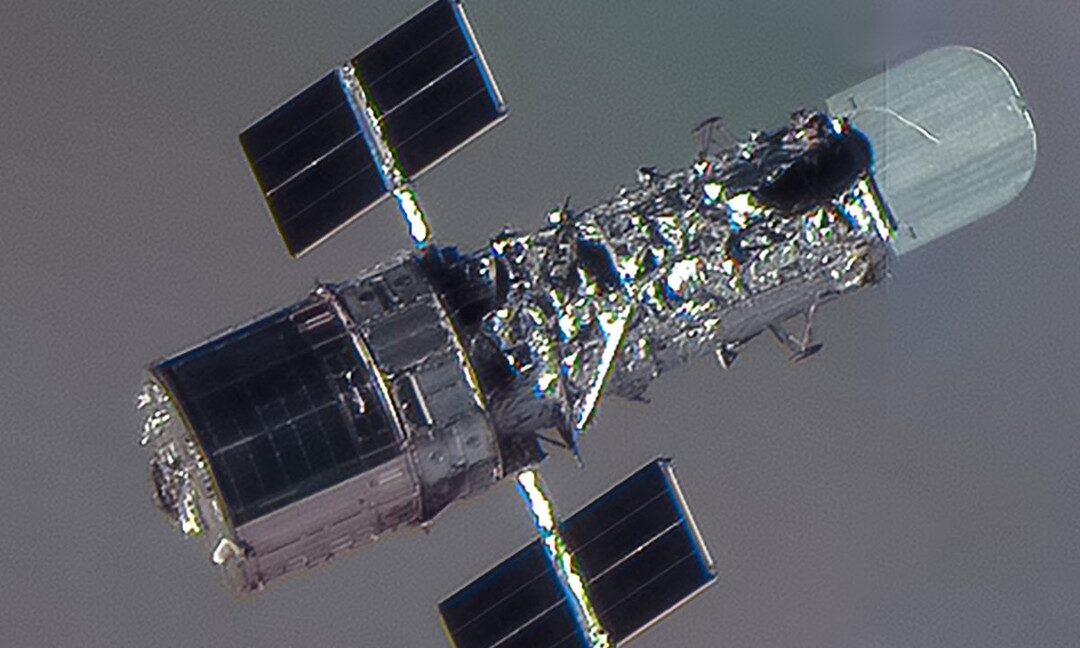
The Hubble Space Telescope still shines in the eyes of astronomers after 36 years in orbit, but it is not as nimble as it once was. Left alone, the observatory will plunge back into the atmosphere in the early-to-mid-2030s, closing the book on one of the most famous scientific instruments of the century. NASA last raised the orbit of Hubble in 2002, when the Space Shuttle Columbia visited the observatory for a servicing mission. The final shuttle servicing flight in 2009 did not reboost the…
S
A new report from the analytics firm Quilty Space confirms that, outside of China, the world faces a significant shortage of rockets over the next five years. The firm estimates that between now and 2030, there will be a shortfall of about 150 launches compared to demand from satellite operators and civil space agencies. If demand from the US military is added in—and SpaceX does not extend the Falcon 9 and Falcon Heavy program to accommodate increased national security needs—the shortage could…
S
Welcome to Edition 9.17 of the Rocket Report! It's been a while since an American company announced plans for a medium-lift new launch vehicle, but that's what happened this week when a startup named Cowboy Space revealed specs for its Big Iron rocket, named for the classic country-western song by Marty Robbins. I'm a huge fan of the name. Maybe Cowboy Space is striking while the iron is hot as the space industry frets over demand for launch outpacing supply. However, Cowboy Space lags far…
S
For nearly a quarter of a century, Elon Musk and his essential partner at SpaceX, Gwynne Shotwell, viewed the United States government as El Dorado, the mythical city of gold. Like machete-wielding treasure hunters, Musk and Shotwell hacked through a tangled jungle filled with lurking carnivores such as Boeing and Lockheed Martin, as well as bean counters and regulators. Over time, against long odds, the pair cleared a path for SpaceX to contracts at NASA and the US military. They sued when…
S
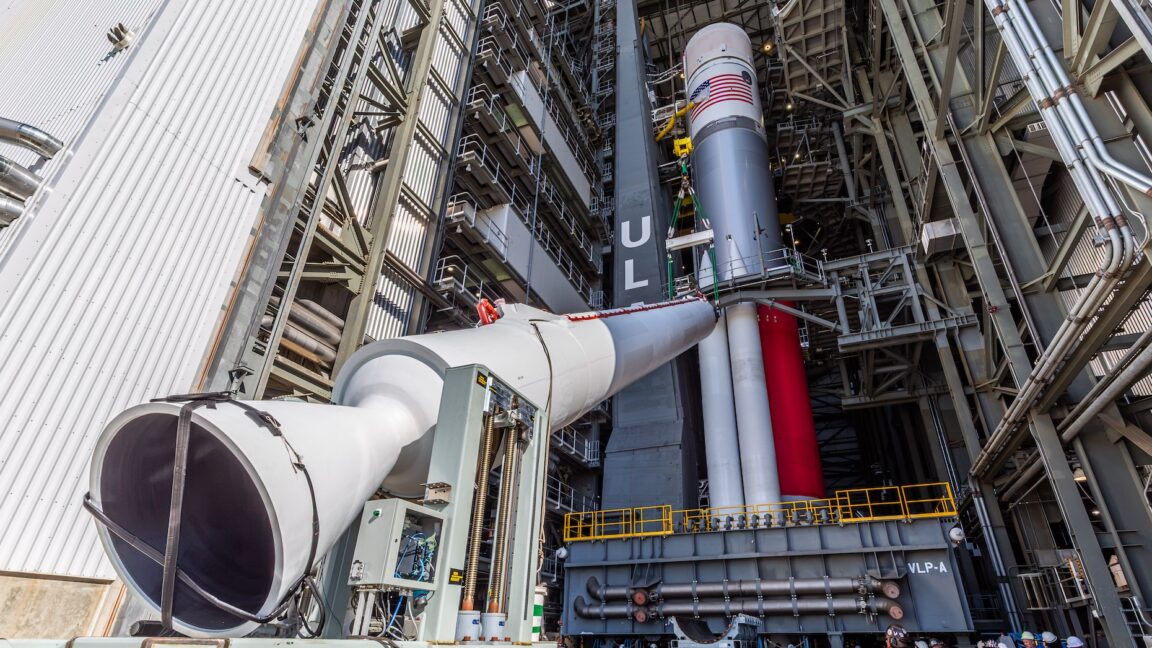
United Launch Alliance announced Wednesday it plans to return its Vulcan rocket to service on November 13, nine months after a solid rocket booster anomaly threw the company's 2026 launch schedule into oblivion. The return-to-flight mission will launch 40 satellites for the Amazon Leo broadband constellation, the first of 38 Vulcan flights Amazon has booked to deploy the bulk of its network. The mission will lift off from Cape Canaveral Space Force Station, Florida, and ULA said the launch date…
S
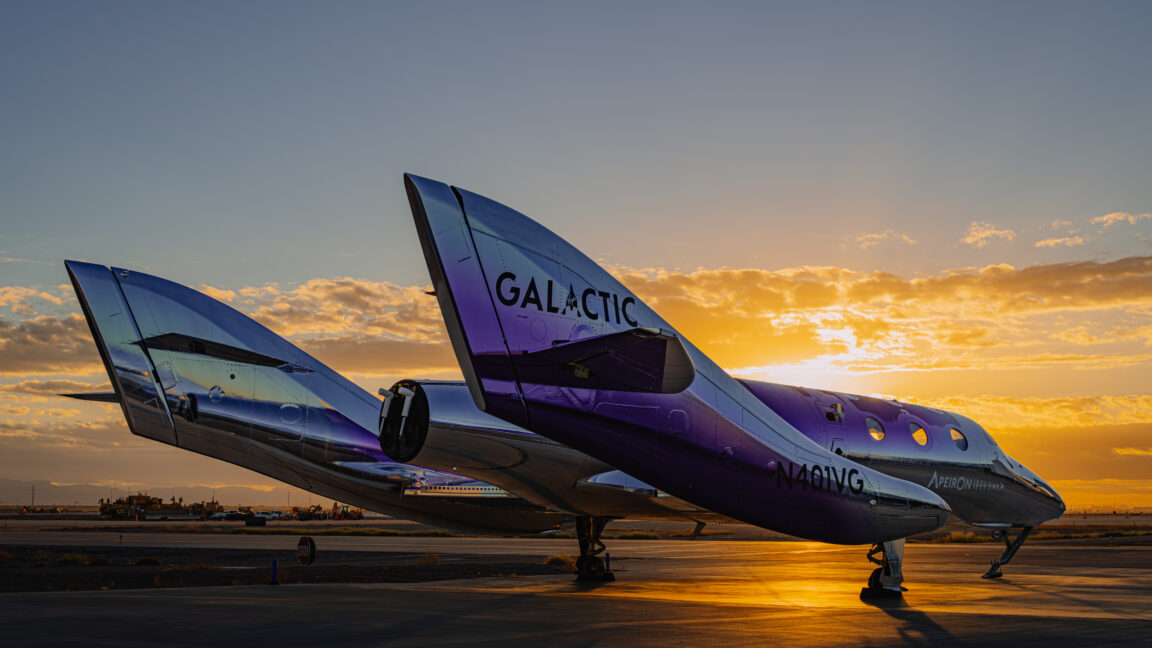
The private space tourism era looked so very promising five years ago. Blue Origin and Virgin Galactic had begun flying customers—real people with zero space experience—on suborbital missions. And at about the same time, private citizens were going to orbit for days at a time aboard SpaceX's Crew Dragon. But that was then. Consider the state of play today: It has been 10 months since Blue Origin's New Shepard spacecraft flew its last mission in January. The program was subsequently "paused,"…
S
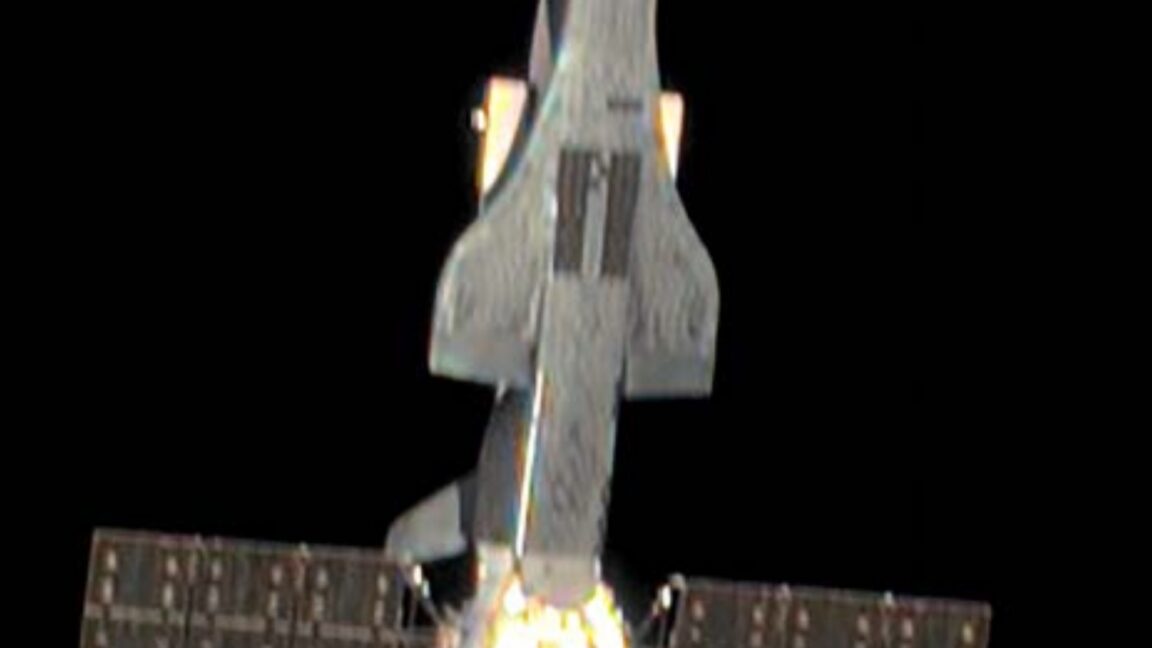
A winged Chinese spacecraft bearing a strong resemblance to the US military's X-37B spaceplane was photographed in orbit by a passing US-owned commercial satellite in 2024, and we finally have the image. The Chinese spaceplane has delta wings, payload bay doors, a dark heat shield, and a rear-mounted service module with power-generating solar arrays. In other words, the design of the winged ship is, to a great degree, a copy of the X-37B spaceplane flown by the US Space Force. The photo was…
S
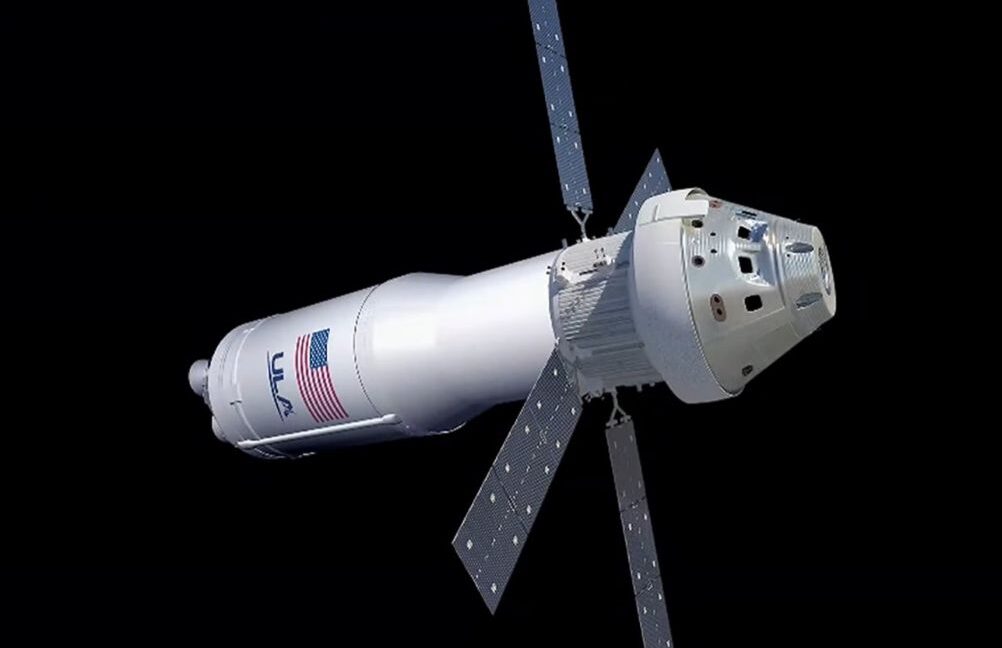
During a lengthy news conference on Friday, NASA provided a detailed overview of how it plans to return astronauts to the lunar surface as soon as 2028 as part of its Artemis Program. Although much of the information behind these plans has been previously reported at Ars Technica and elsewhere, this marked the first time NASA has laid them out in detail and acknowledged some substantial changes in the architecture. Most notably, for SpaceX's Starship vehicle, the revised plan calls for the…
S
Leaders in the US Space Force would like to have a new spaceport up and running in four years, adding a third heavy-lift launch site to relieve pressure from bases in Florida and California that have shot rockets into orbit for nearly 70 years. The obvious problem with that ambition is 2030 is four years away, and Pentagon officials have not determined where the new spaceport should go or how to acquire land for it. Air Force Secretary Troy Meink first mentioned the service's search for a third…
S
Welcome to Edition 9.16 of the Rocket Report! Lots of SpaceX-related news this week including a couple of Thursday shockers. In one story, the company told the US Space Force thanks, but no thanks after being offered three military launch contracts. Then, on the civil space side of things, SpaceX's Starship may required up to 22 refuelings to support a lunar landing, a NASA safety panel said. As always, we welcome reader submissions, and if you don't want to miss an issue, please subscribe…
S
NASA does not have, nor want, nuclear weapons. But when it comes to a particular metric that is part of the Artemis Program to land people on the Moon, NASA guards a particular number like it is trying to prevent outsiders from cracking nuclear codes. I am speaking of the number of Starship launches required to fuel a Starship-based lunar lander in low-Earth orbit such that it can fly out to the Moon, land there, and return to lunar orbit. This number has been a moving target over the years.…
S
Four years ago, a senior official in Russia's foreign ministry painted a bullseye on commercial satellite networks that assist Ukraine in its fight against invading Russian military forces. On Wednesday, several days after a Russian military spacecraft moved within striking distance of one of those commercial satellites, the same Russian diplomat assured the world there's no reason to worry. There's a sharp incongruity in those statements from Konstantin Vorontsov, deputy head of Russia's…
S
In its current iteration, SpaceX is largely a data company seeking to provide enormous amounts of compute for artificial intelligence. During an earnings call on Tuesday afternoon, company officials spent much of their time discussing ambitious plans to roll out up to 10 GW of compute in 2027—on the ground. Gone are the days of aspirational talk about sending humans to Mars and settling the red planet. Now it is almost all about artificial intelligence and the data needed to support its…
S
Elon Musk said Tuesday that he would like to see the consolidation of his business empire by formally merging his two largest companies, SpaceX and Tesla. "Do I think it would be a good idea? Yes," Musk said of a potential merger. He was speaking during a question-and-answer period as part of SpaceX's third-quarter earnings call. Musk said, ultimately, it not his decision. "But at the end of the day the shareholders have to be supportive of this." Musk's talk of a merger comes after a busy year…
S
It has been 13 years since the debut of a new medium-lift rocket in the United States, the Antares vehicle developed by Orbital Sciences Corporation. The initial 100-series variant of the Antares rocket was kind of a hot mess. The rocket used old Soviet engines built during the era when Apollo astronauts were landing on the Moon. Decades later, in the 1990s, Aerojet acquired the engines and refurbished them for a rocket that would launch in the 2010s. Predictably, on the fifth launch of an…
S
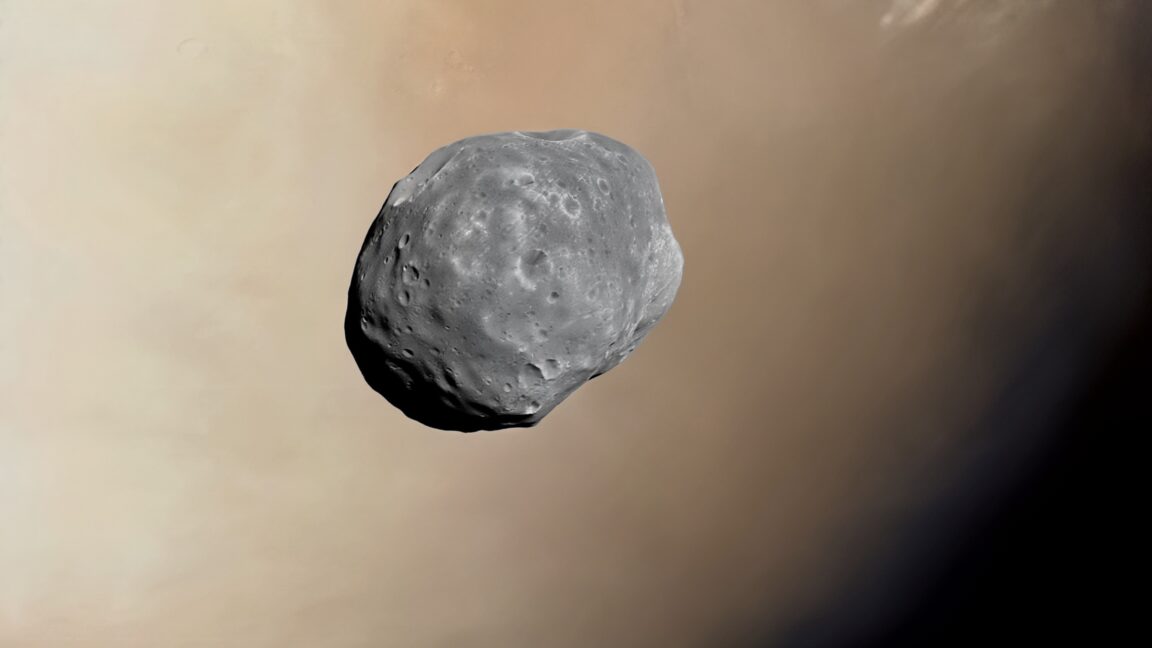
Japan launched a $578 million mission Monday on a five-year expedition to land on the largest moon of Mars and retrieve samples for return to Earth, a daring international project that could yield new insights into the formation of the Solar System. The robotic Martian Moons eXploration mission, known as MMX, lifted off at 3:41 pm EDT Monday (4:41 am Japan Standard Time Tuesday) from Tanegashima Space Center in southern Japan. The MMX spacecraft rode into orbit atop a 207-foot-tall (63-meter)…
S
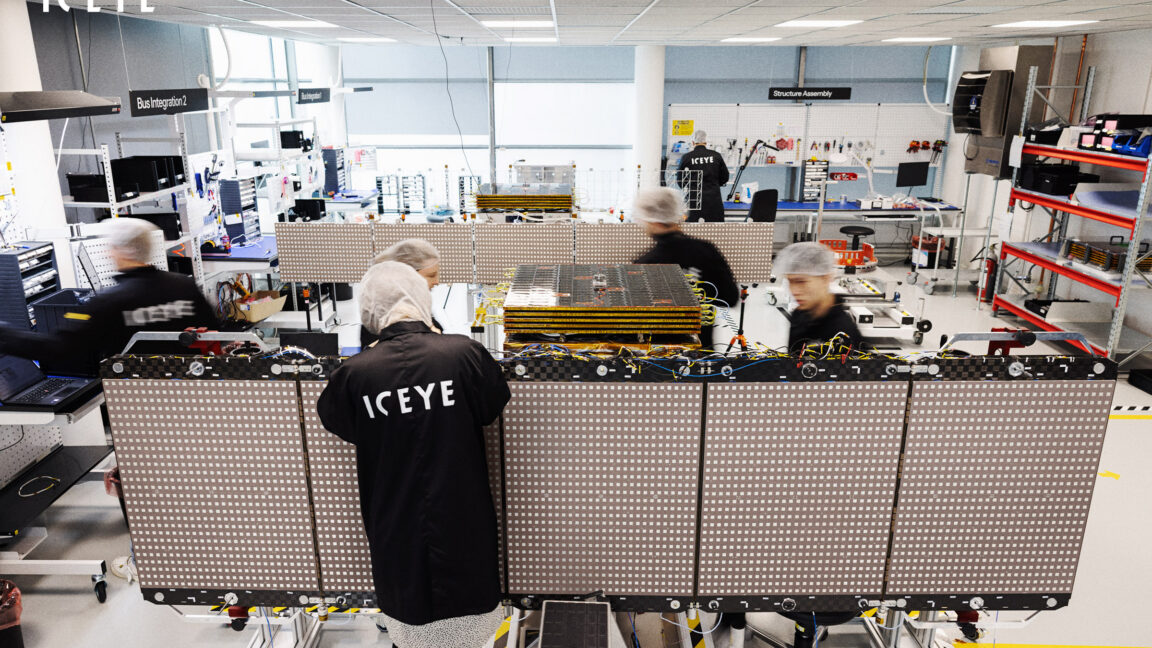
A Russian military satellite maneuvered in "extreme proximity" of a commercial Earth-imaging satellite in recent days in the first known example an unsanctioned rendezvous in low-Earth orbit, according to orbital intelligence company LeoLabs. The Russian spacecraft, Kosmos 2612, "conducted a deliberate series of maneuvers toward ICEYE-X36, a US-operated commercial imaging satellite," LeoLabs said. "Kosmos 2612 closed from hundreds of kilometers away to extreme proximity to ICEYE-X36. It then…
S
About a month ago, a Chinese rocket took off from a remote spaceport in the Gobi Desert, released 10 satellites into orbit, then reignited its engine and put itself on a trajectory to rain down debris over the American Midwest. The rocket's flight on September 15 lasted between 75 and 80 minutes, and it came down without completing a full orbit of the Earth. Social media posts at the time showed streaks of fiery debris falling from the sky, heading north over Kansas toward Minnesota. The…
S
Welcome to Edition 9.15 of the Rocket Report! The launch I'm most looking forward to in the next few weeks is that of Japan's Martian Moons Exploration (MMX) mission. MMX is one of the marquee space science missions launching this year, and it's set to leave Earth as soon as Monday (US time) aboard a Japanese H3 rocket. The spacecraft will visit Phobos and Deimos, the two asteroid-like moons of Mars, deploying a rover and collecting specimens for return to Earth in 2031. Exploration at its…
S
Blue Origin announced a major expansion of its already considerable Florida launch facilities on Friday morning with the intent of eventually flying more than 100 rockets a year from there. The company said it would add two launch pads for the New Glenn rocket, in addition to two already under construction at Cape Canaveral. The company is also investing heavily in a new manufacturing facility that will produce up to 150 upper stages for a larger variant of the New Glenn rocket. The company…
S
Rocket Lab announced Wednesday that its Neutron launch vehicle won't fly until 2027, citing an issue discovered during manufacturing of the rocket's carbon composite structures. The announcement was public confirmation of what nearly everyone inside Rocket Lab and the wider space industry already knew. The most recent official update from Rocket Lab in August suggested the company still held hope of delivering the first Neutron rocket to its launch pad at Wallops Island, Virginia, before the…
S
Most planetary scientists will tell you the heyday of Venus exploration was more than a generation ago. That is about to change. Two NASA missions are on track to launch to Venus in the early 2030s. The first, known as the Deep Atmosphere Venus Investigation of Noble gases, Chemistry, and Imaging (DAVINCI), is now scheduled for launch in December 2030, a year earlier than previously planned. DAVINCI will send a parachute-assisted descent probe through the atmosphere of Venus, returning the…
S
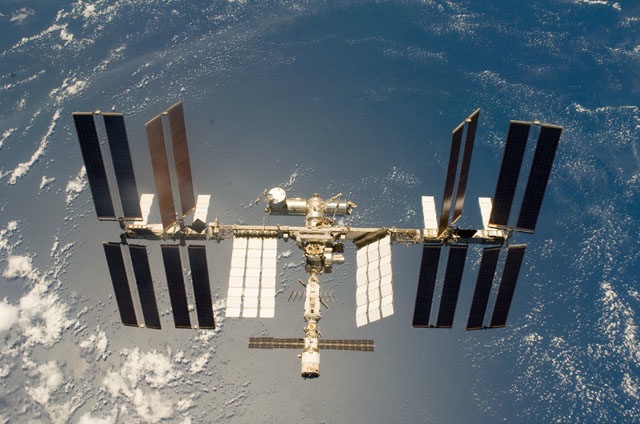
NASA on Friday released a much-anticipated "request" to the US commercial space industry to develop private space stations that, as early as 2030, will succeed the International Space Station as a place for astronauts to live in low-Earth orbit. In a cover letter accompanying the 360-page "request for proposals," NASA stated its plan: "This will ensure NASA has a sustained human presence in LEO for crew members to perform science and exploration." Several private companies that have worked for…
S
Welcome to Edition 9.14 of the Rocket Report! The big news this week, from our perspective, is that United Launch Alliance's Vulcan rocket appears to be close to launching. We've seen a no-earlier-than launch date for the return to flight mission of October 29 (an Amazon Leo flight), and the next rocket up after that, also an Amazon Leo mission, is also planned for this year. Assuming the solid rocket boosters work, Vulcan could be poised for a major breakthrough next year in cadence. As…