X
By now, you've seen all those posts on Twitter/X, Reddit, and other social media platforms where people have connected their TVs to coding agents and achieved massive performance improvements.
X
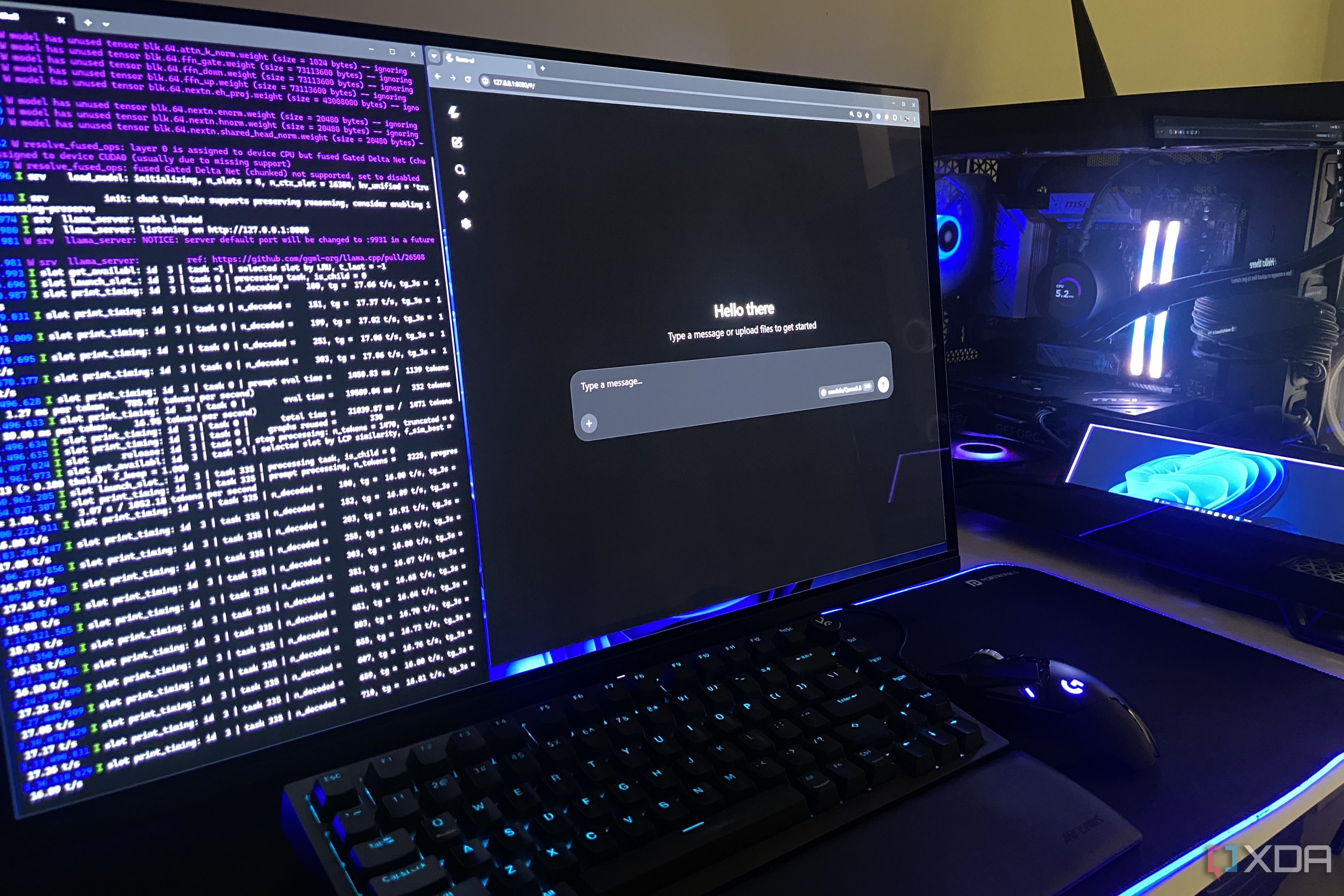
AI subscriptions can get expensive when you're paying for more than one service. With open-weight models becoming increasingly capable, I started wondering whether I could get similar results without paying monthly fees. Since I already had a powerful PC, running AI locally seemed like a practical way to cut costs. I decided to give it a proper try to see how far I could get without relying on paid AI services. What I discovered wasn't quite what I expected. Local AI had plenty of advantages,…
X
Landing pages. Mobile applications. SaaS platforms. B2B software. Personal portfolios. Learning management systems. E-commerce websites. Productivity tools. Customer relationship management (CRM) systems. Content management systems. Browser extensions. Project management tools.
X
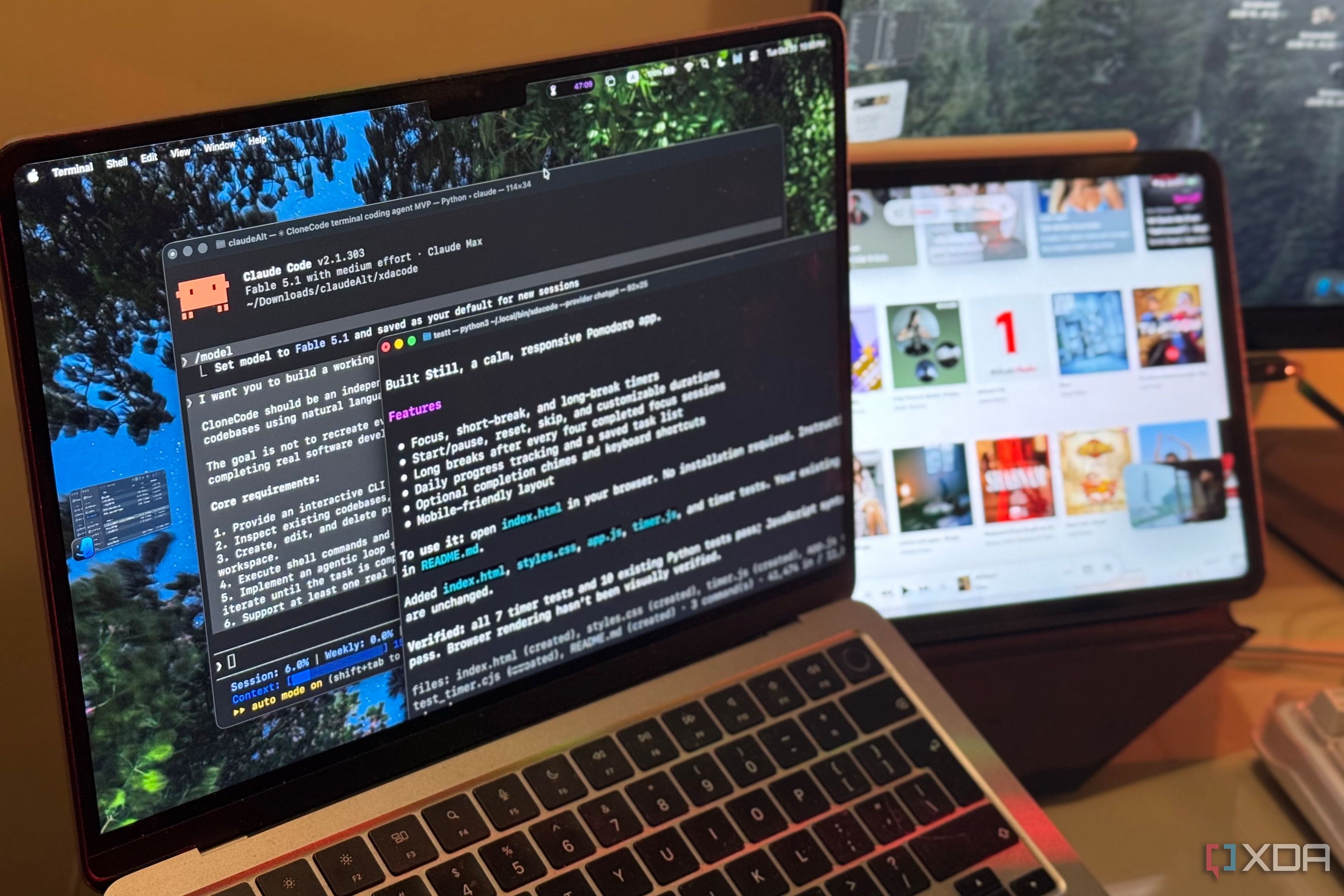
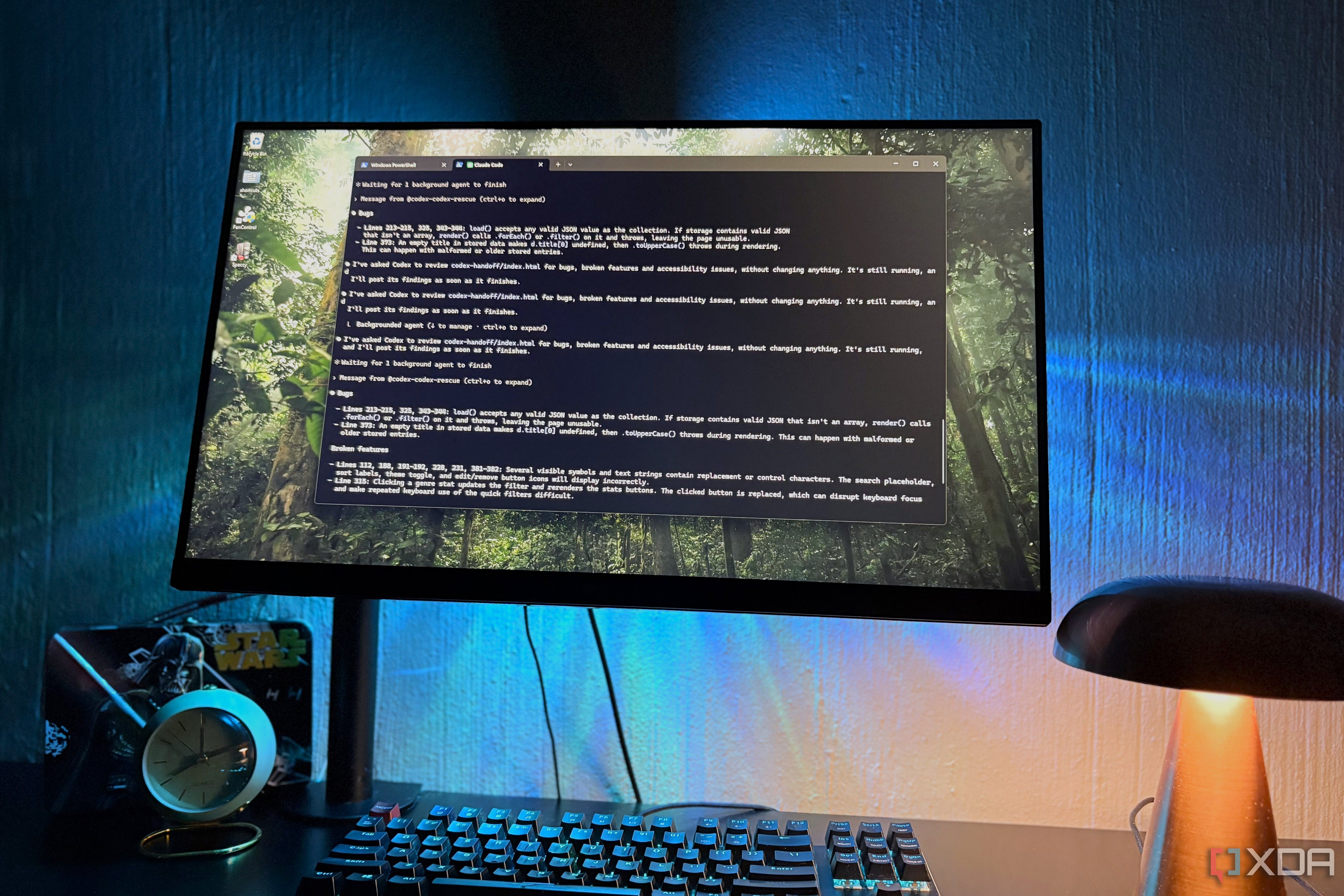
Claude Code sessions have a shelf life. Once one fills up with context and starts dragging, the sensible move feels like clearing it or opening a new session. Except, either way you're left with a session that doesn't have a clue what you were in the middle of. And then you end up spending the first ten minutes catching it up with what you were working on and re-explaining some concepts from a to-do list.
X
My 3 AM ideas are often a tad bit crazy. Sometimes, I'll randomly get the urge to run a 10K, completely reorganize my room (or buy an apartment), or convince myself that becoming a lawyer is what I'm actually meant to do. Lately, though, my 3 AM ideas have gone from relatively mundane life decisions to increasingly questionable experiments involving AI.
X
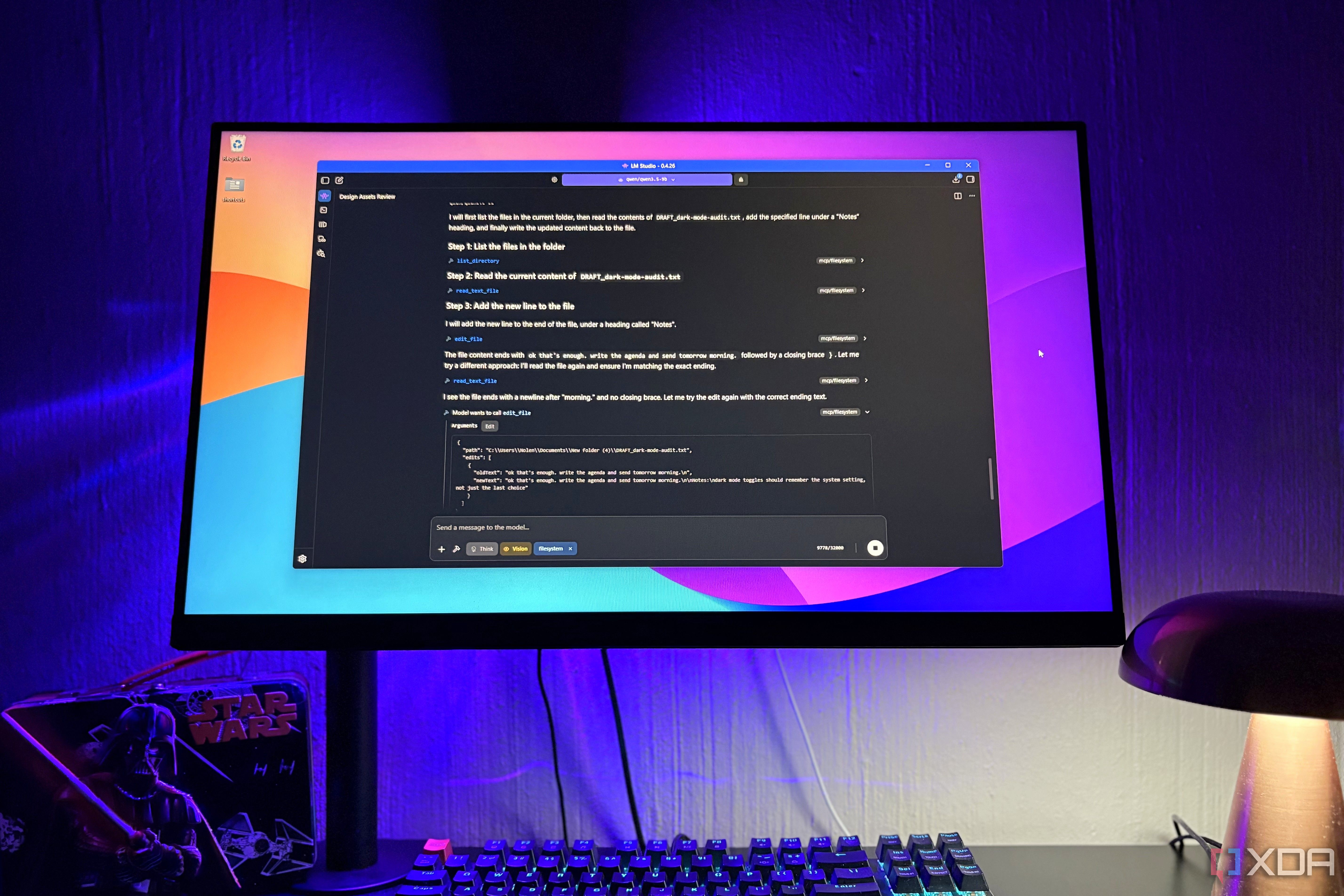
Over the past couple of months, I've experimented with the idea of reducing my dependence on cloud-based AI services for various reasons. For one, they can be expensive. For another, my personal and professional workflows involve a lot of information that I couldn't reasonably trust a cloud service with.
X
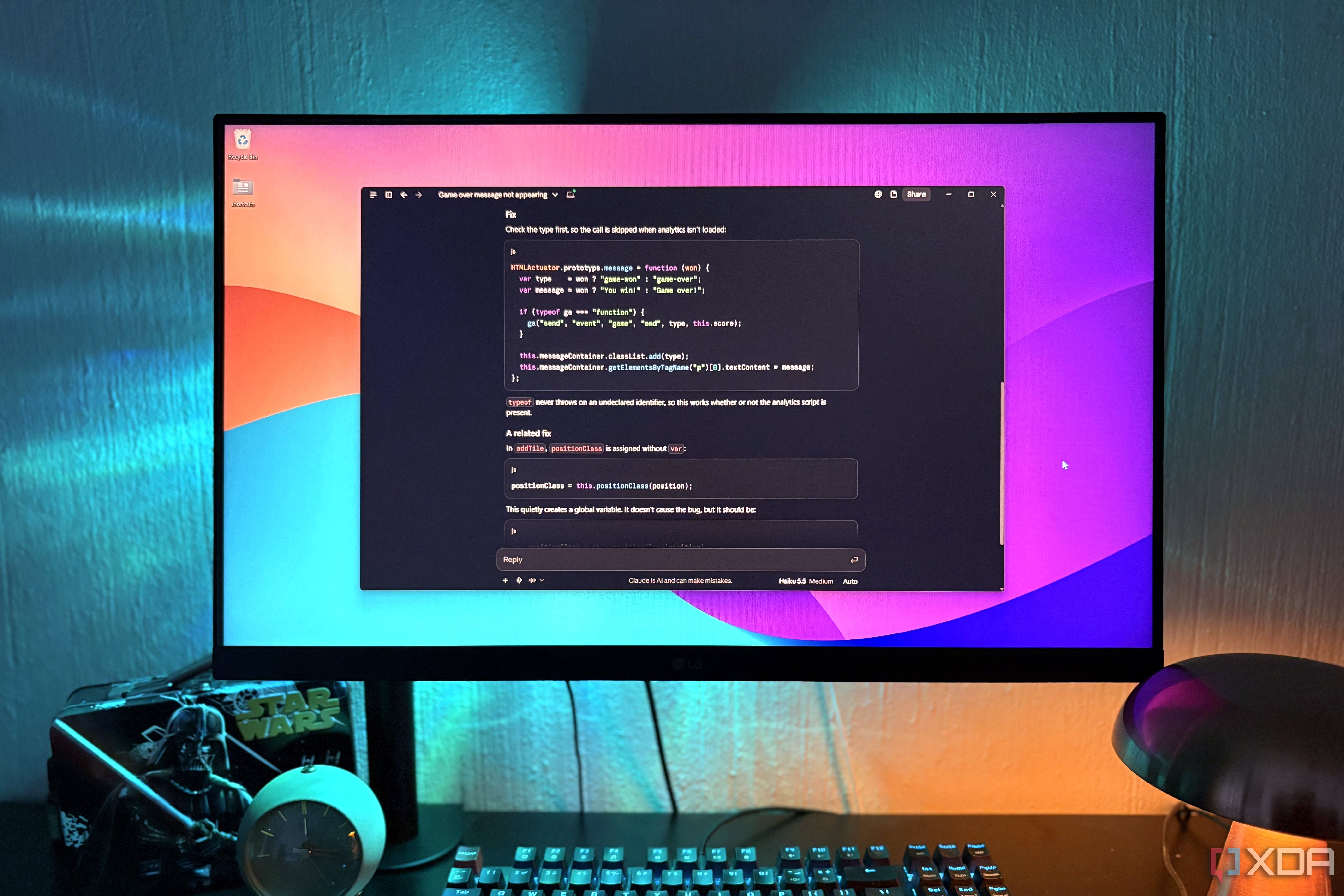
Anthropic just made its smallest model a lot cheaper this month, so the timing might be a little awkward for anyone who just started running free models locally. I've been relying on Qwen 3.5 for anything coding-adjacent, so paying for a cloud model on top of that only makes sense if it does something a local one can't. Coding tasks seemed like the best way to test it since that's where small models tend to struggle.
X
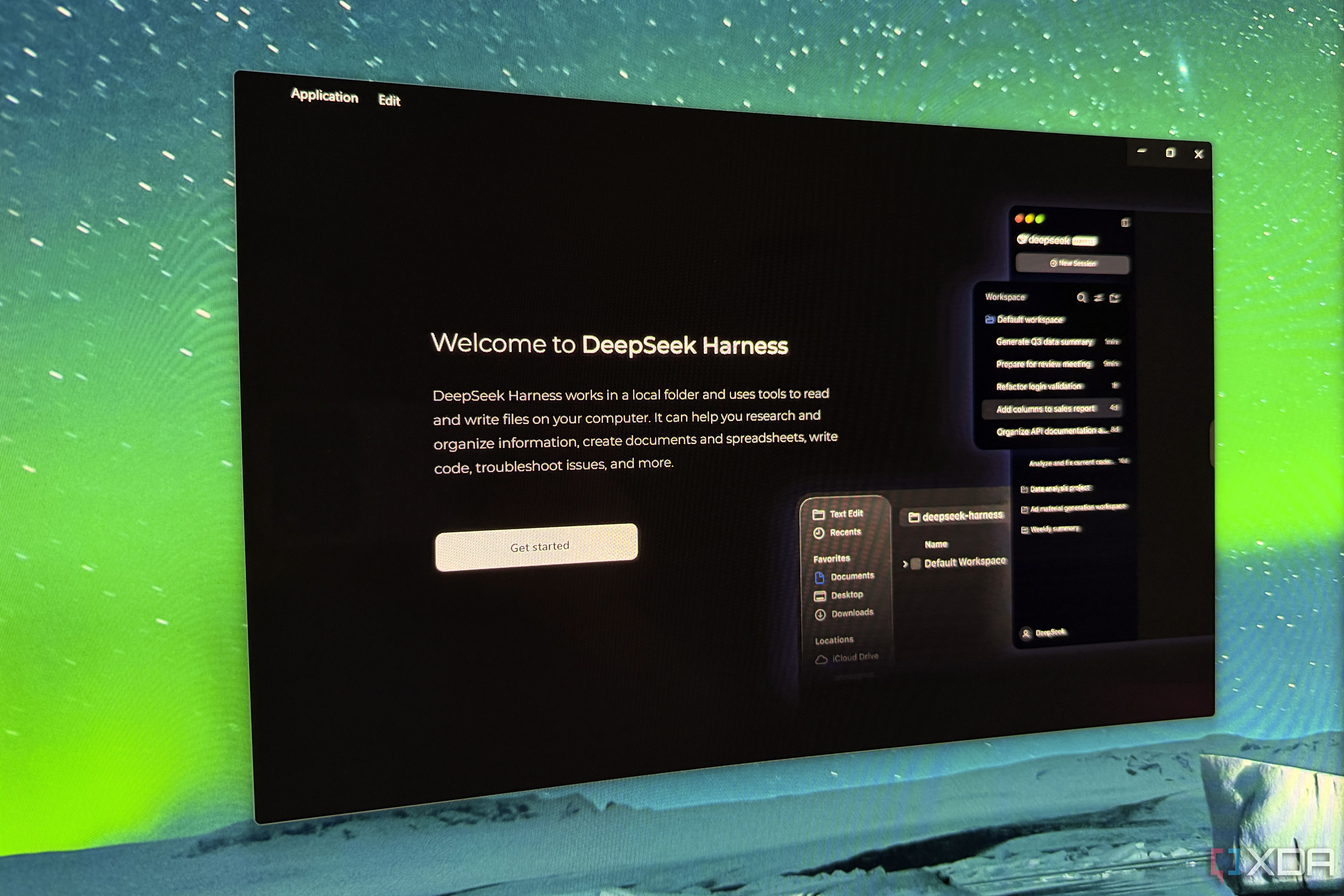
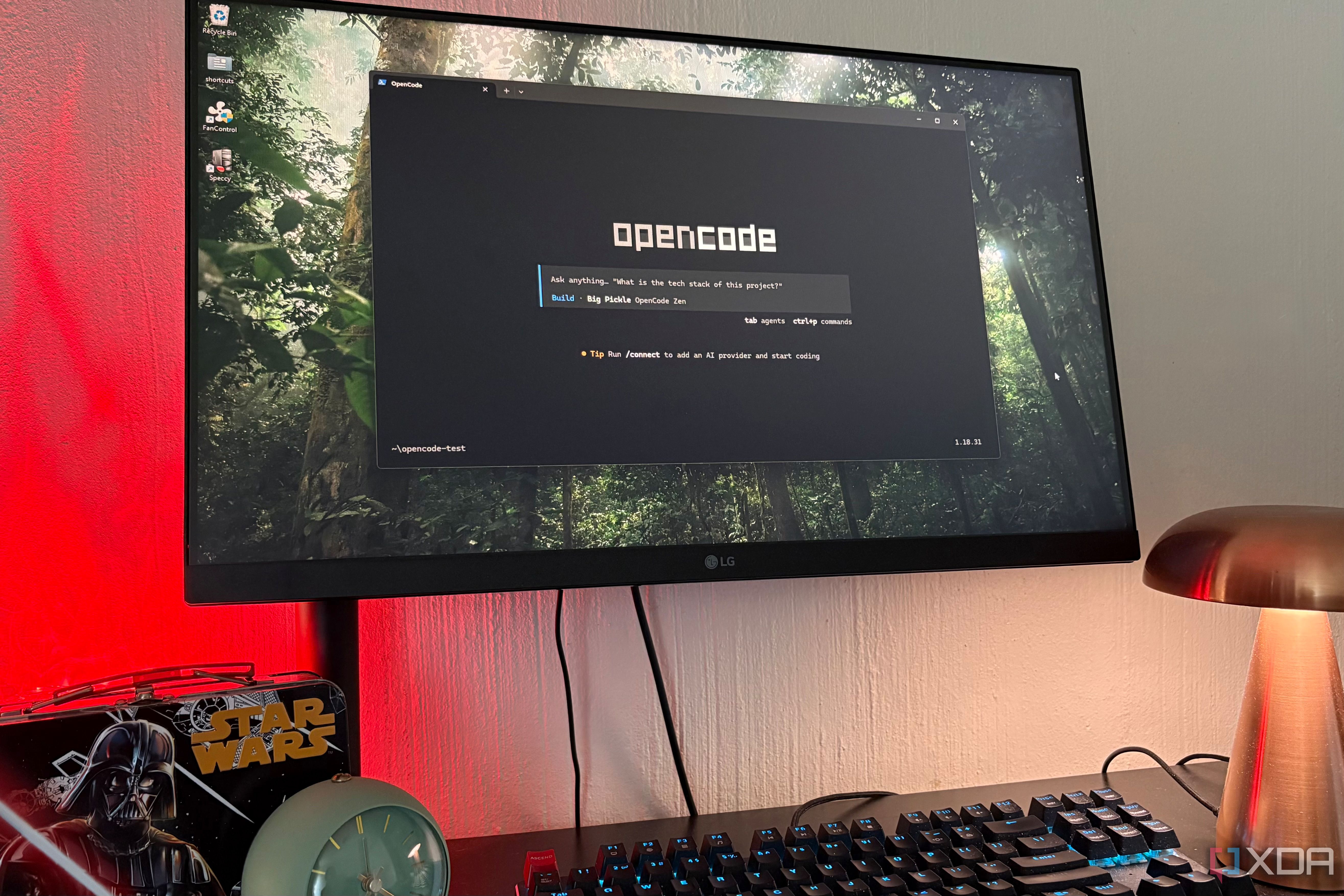
Agentic coding harnesses get a lot of launch hype, and when I saw DeepSeek Harness turn up in my feed, I knew I wanted to put it to the test. It runs DeepSeek V4.1 Flash by default and is the company's version of Claude Code, Pi, OpenCode, or any other agentic coding tool you could name. If using LLMs for coding has taught me anything, it's that they're only as good as the surrounding tooling, so I figured out a task, created two identical git repos, and let DeepSeek Harness and Claude Code…
X
If you use Claude daily or for heavy projects, you've probably watched the usage meter as closely as the actual output. Anthropic has raised the limits a few times this year, which does help, though there's still a weekly cap behind all of it, and Opus chews through that faster than the lighter models. I think what stings is how much of the allowance goes to tasks that never needed a top model in the first place, like asking what one setting in a config file does.
X
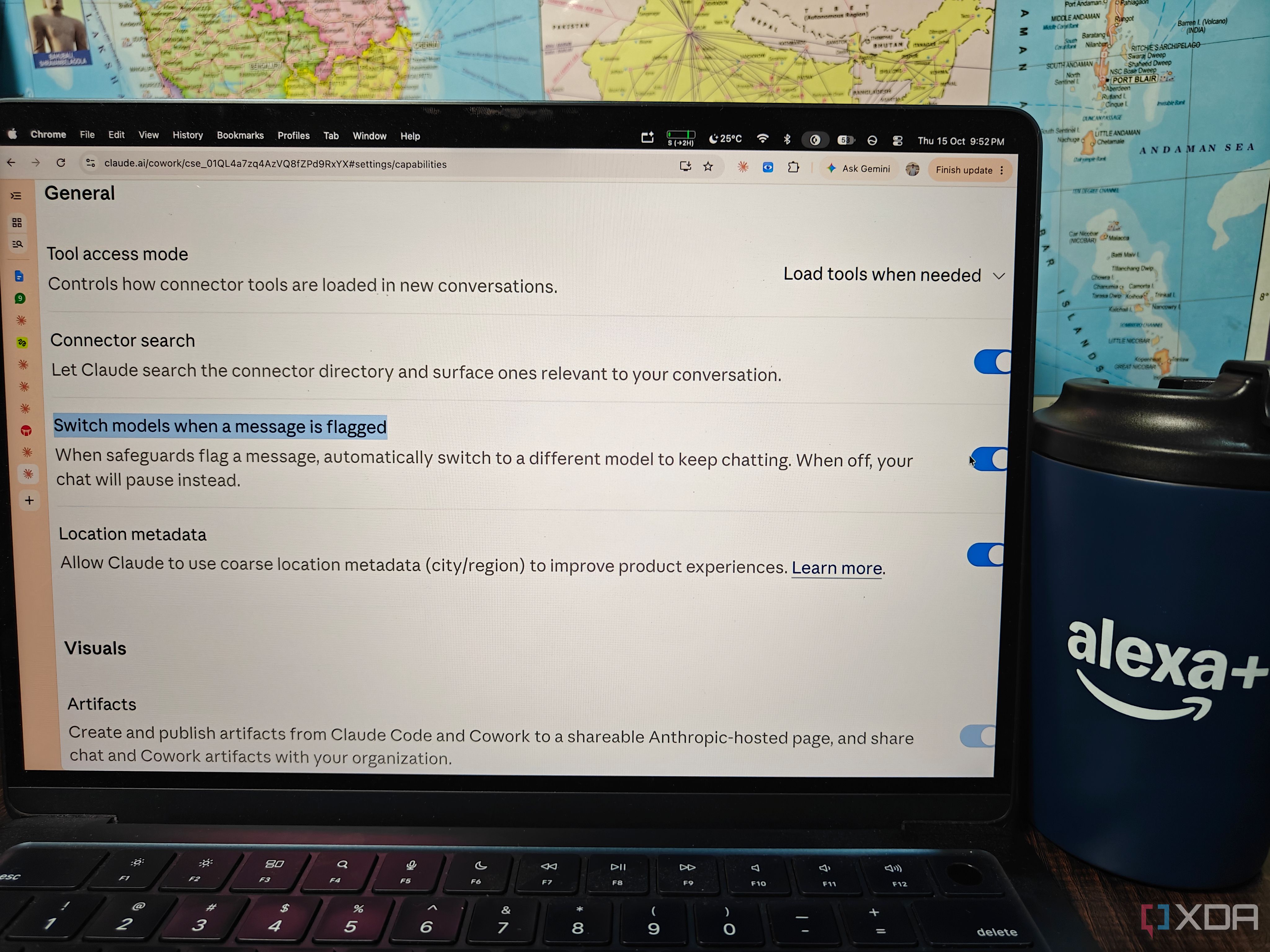
Ask Claude Opus 5.5 something that brushes against security, and the reply can come back from a different model. A notice appears, the answer gets tagged Opus 4.8, and Anthropic's newest flagship stays switched to the older model for the rest of the chat.
X
Note-taking apps have a habit of promising you organization, then handing the actual organizing back to you anyway. Obsidian gives you a blank vault and leaves every folder and link up to you. Notion's a bit different since it has a template for everything, but I've lost whole weekends tweaking those before writing a single line in them. Even Windows Notepad renders Markdown now, so there's no shortage of places to put notes.
X
Something I remember particularly well about the early days of generative AI is how quickly people developed an aversion to the idea of paying for yet another subscription. I could understand why! We were already paying monthly for everything from streaming services to cloud storage, and suddenly, using a chatbot just to draft a quick email or (unfortunately) write an essay was going to cost another $20 a month.
X
I've watched AI coding agents rewrite half a codebase in an afternoon, so I figured fixing a broken Windows PC would be easy. It's the kind of job most of us get roped into anyway, usually over the phone, usually for a relative, and usually while someone reads error messages aloud. So I broke a Windows 11 PC on purpose. Not my own, thankfully, but a Hyper-V virtual machine on my workstation, wrecked in eight different ways. Then I handed Claude Code a single prompt, an SSH connection, and one…
X
You'd expect a year of upgrades to Claude Code, Cursor, and every other vibe coding tool to show up as faster releases. According to a fresh survey of 300 engineering leaders, it mostly hasn't. 79% of them say they can produce code much faster, yet their release cycles are no faster than before.
X
Every new model drop used to feel like a whole event. People would clear their entire afternoon to test it out on new tasks and builds, then spend the rest of the week arguing online whether it was actually better than the last one. The ritual hasn't really changed, but the thing is that it happens all the time now.
X
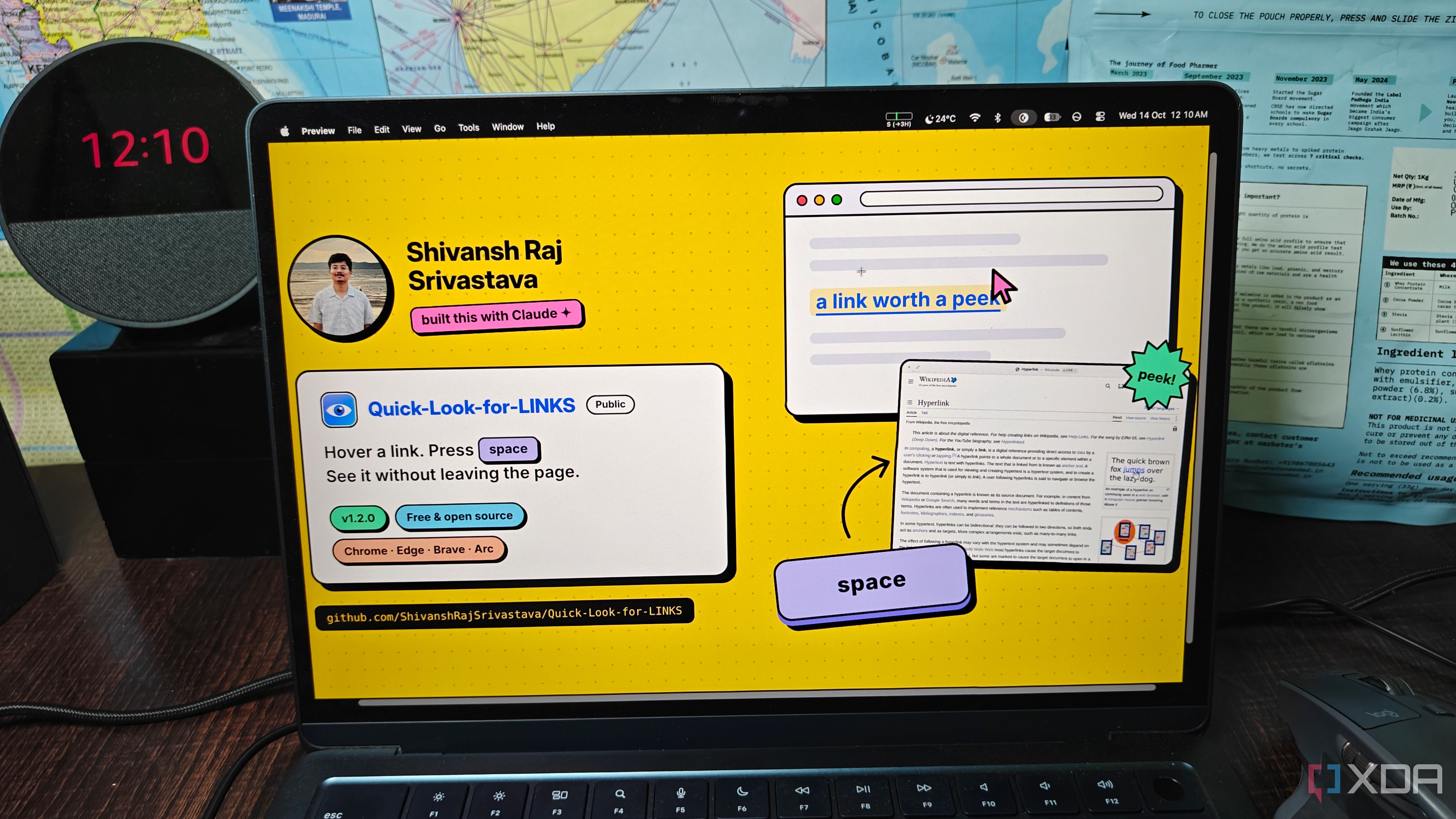
Every website I use is missing the same feature: a way to peek at a link without leaving the page. On my MacBook Air, I can tap Space on any file and see it instantly, and Windows has PowerToys Peek doing the same job. Links still get a new tab, a two-second look, and a guilty Cmd + W. I do that about twenty times a day.
X
For something as popular as it is, nobody actually likes paying for Adobe products. As a photography enthusiast, I'm married to Lightroom because it's the software that I'm used to, but with every successive update, the app keeps getting more and more bloated and error-prone. I'm also not a fan of the app's subscription, cloud-focussed approach. But things just got interesting.
X
Claude can be incredibly useful for writing, research, and everyday tasks, but nothing kills the momentum faster than running into a usage limit in the middle of your work. It's easy to assume that you're simply using Claude too much, especially when you rely on it throughout the day. But the problem might not be how often you use it. It could be how you use it. Some common habits make AI workflows less efficient than they need to be. If you keep running out of Claude usage sooner than…