X
I’ll never side with AI giants coming for the parts of our work that make it feel like ours. Be it writing (cough, cough), drawing, framing a shot, or composing music, there’s a little bit of us in everything we create. The things we’ve lived through, the people we’ve loved, the little details only we would think to notice. I’d rather not see all of that reduced to something a better prompt could replace.
X
If the recent rise in AI-powered videogame decompilation and porting has taught me anything, it's that people can now bring back the glory days of when the online mode for their favorite game worked. For example, one person holds Need for Speed: Underground 2 so close to their heart that they took someone's port of the game and made it work in a browser using Claude, complete with online multiplayer.
X
As we head into 2027, Anthropic’s Claude and OpenAI’s ChatGPT both make a convincing case for a subscription. I personally use ChatGPT more because I can get more done within its usage limits than I can with Claude. But if you’re a tinkerer like me with a local model running on your computer, you also have to ask whether you need to pay for either.
X
I feel that my Claude Pro subscription has been money well spent, given all the projects it has developed for me. There's only one recurring problem: the limited weekly usage sometimes isn't enough to finish a sizable codebase. Claude can certainly handle the complex projects. It's just a question of whether the usage capacity will let it.
X
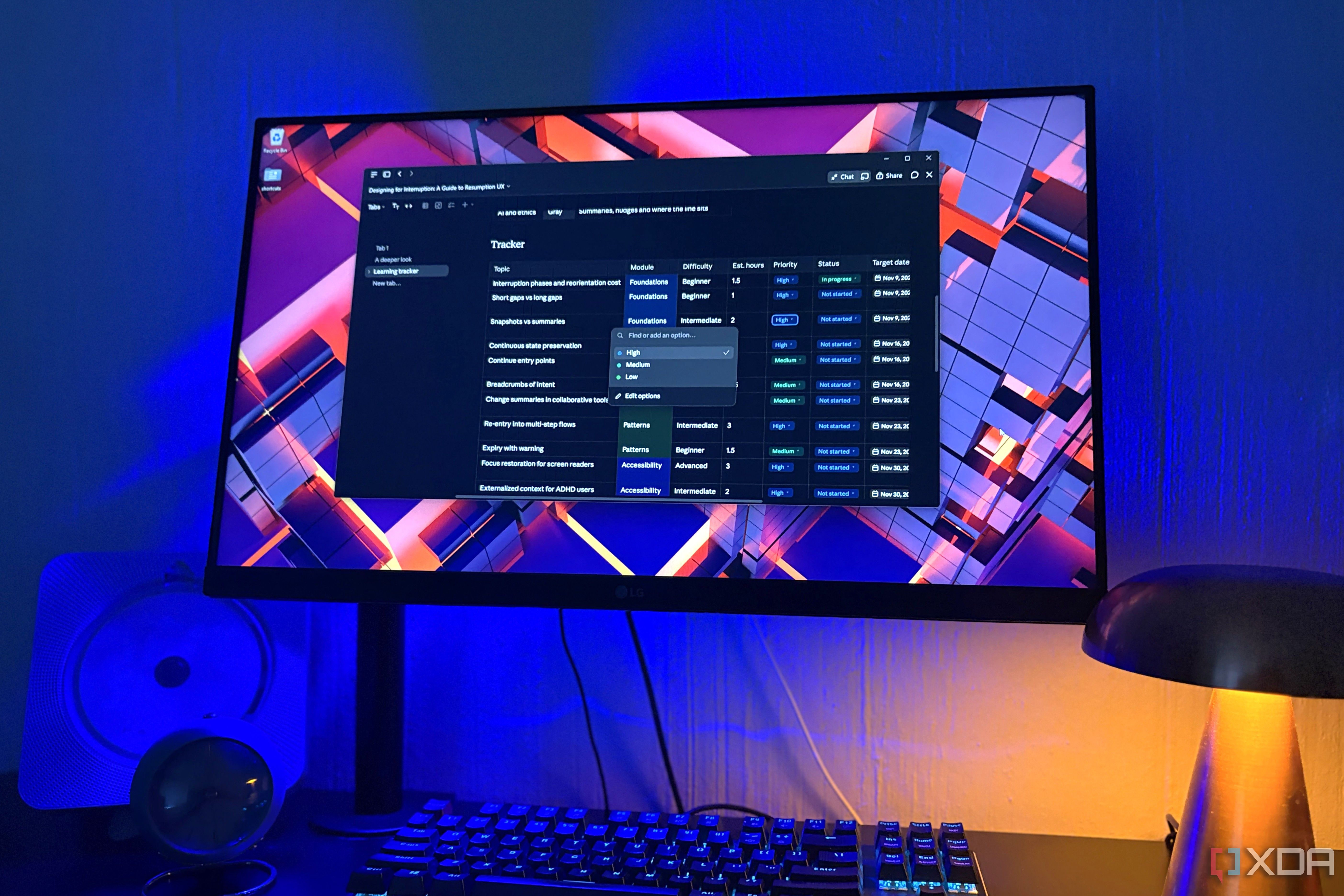
Notion has always been a bit needy about being online. Your pages load from its servers and offline access depends on which pages downloaded to your device ahead of time. Just the other day, when I opened the desktop app to dig up some old pages, none of them were clickable, even my settings weren't clickable, I was completely shut out. A force reload explained it eventually - the app was out of date, and Notion wasn't going to show anything until the client got upgraded.
X
I love unhinged 3 AM ideas. I love the adrenaline rush that comes with convincing myself that a ridiculous idea might actually work, and then immediately putting it to the test instead of, you know, going to sleep. One of those ideas just so happened to be asking Claude Code to build its own replacement.
X
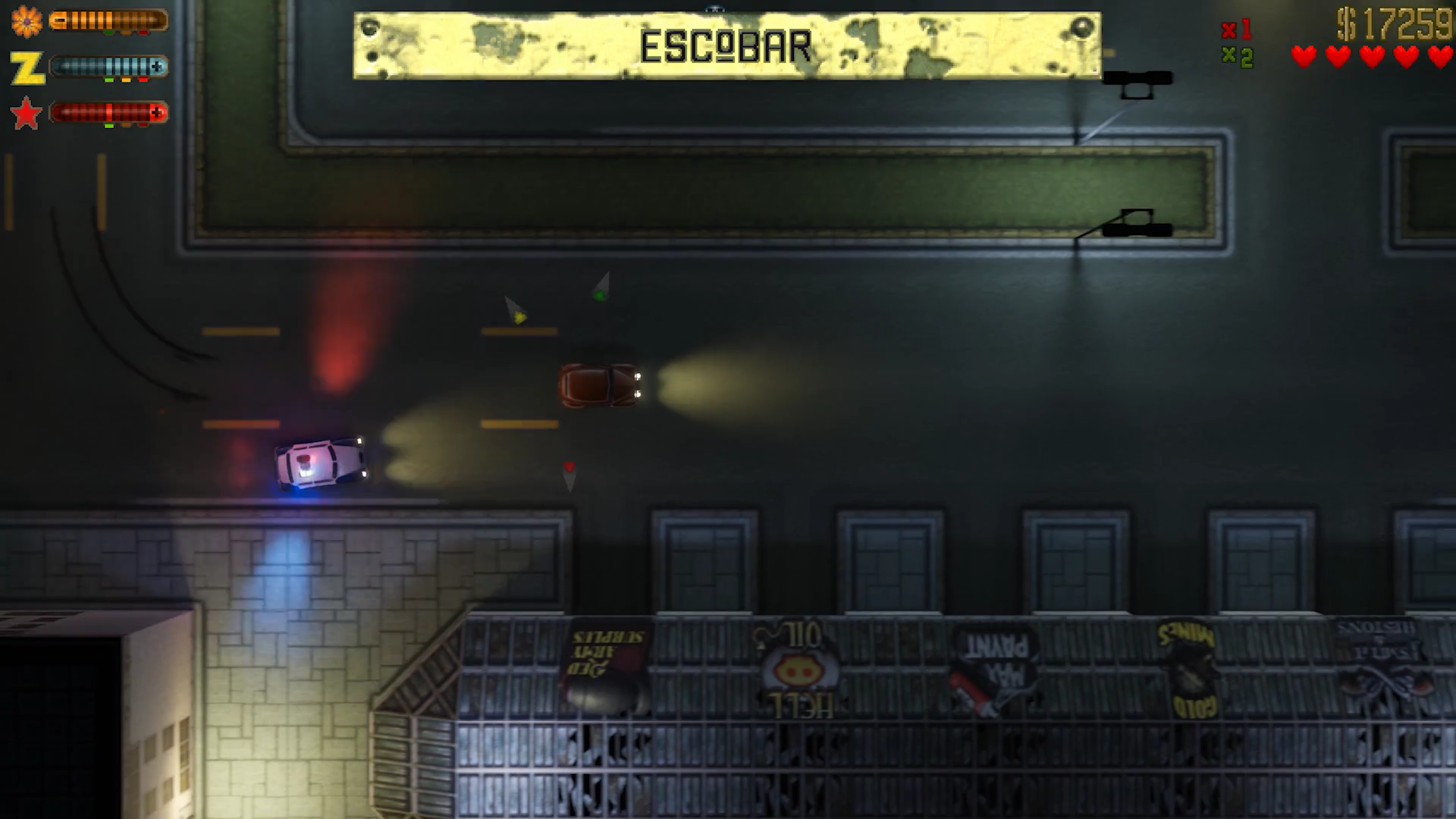
Well, it's just over two weeks until GTA 6 hits the gaming scene. Still, when you're waiting for something exciting, two weeks feels like an eternity. So, why not tide yourself over with an older GTA game? Someone has taken an RTX Remix mod for GTA 2, added a bit of Claude to it, and made something that looks stunning for a 1999 game.
X
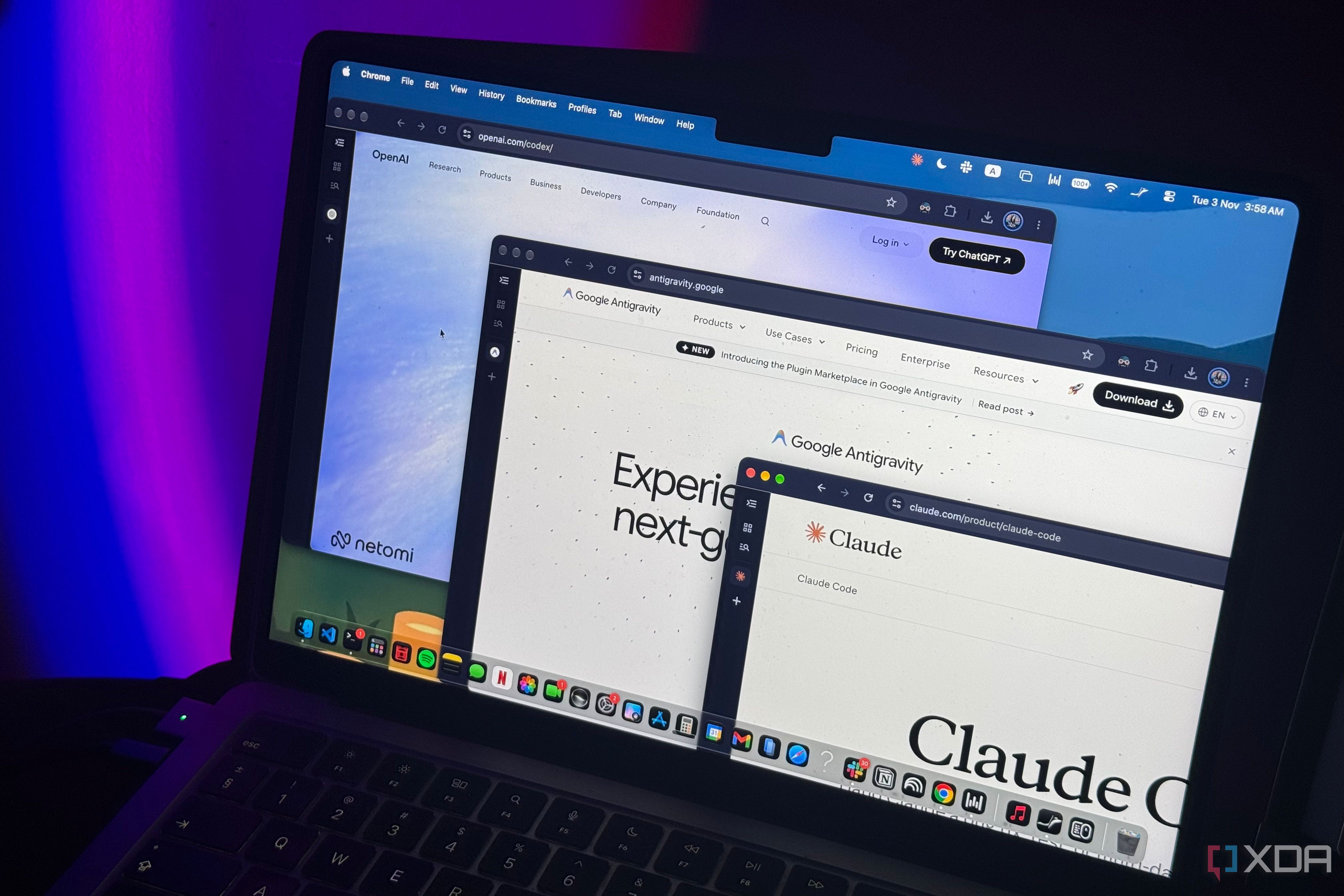
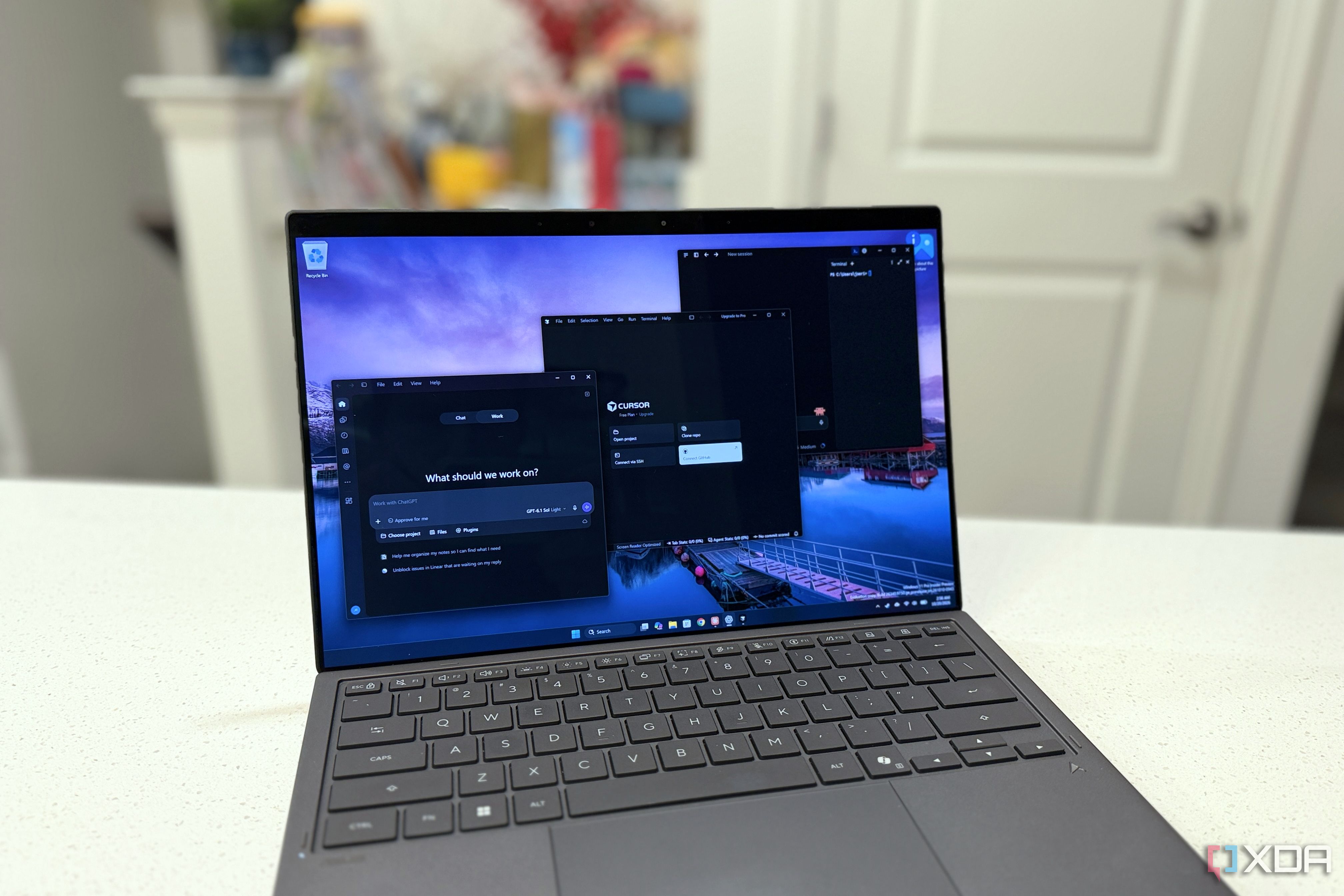
I've spent the better part of the last few months jumping from one AI coding tool to another. The big three are undoubtedly the ones I reach for most: Anthropic's Claude Code, OpenAI's Codex, and Google's Antigravity. One of my favorite things to do has been pitting them against each other to see which one comes out on top.
X
AI coding tools are getting quite good at turning simple prompts into fully functional apps, but I have always wondered how well they handle Android development. To put their capabilities to the test, I challenged Claude Code, OpenAI Codex, and Google Antigravity to build the exact same Android app from scratch.
X
Custom instructions in your AI tools are really just a double-edged sword. Yes, they help you fine-tune the model in a way, or guide it in the right direction, but the part nobody writes about is when you switch to a different AI provider or simply juggle a bunch of tools at the same time. Then you're either right back where you started and need to create instructions from scratch, or get used to juggling between different stacks of skills with different AI tools.
X
The fast-growing scene of AI-assisted retro and modern game ports may have just hit a new roadblock. Anthropic appears to be introducing a restriction in Claude Code that tells its AI models not to recreate specific existing video games, potentially preventing developers from using the tool to port or rebuild older titles.
X
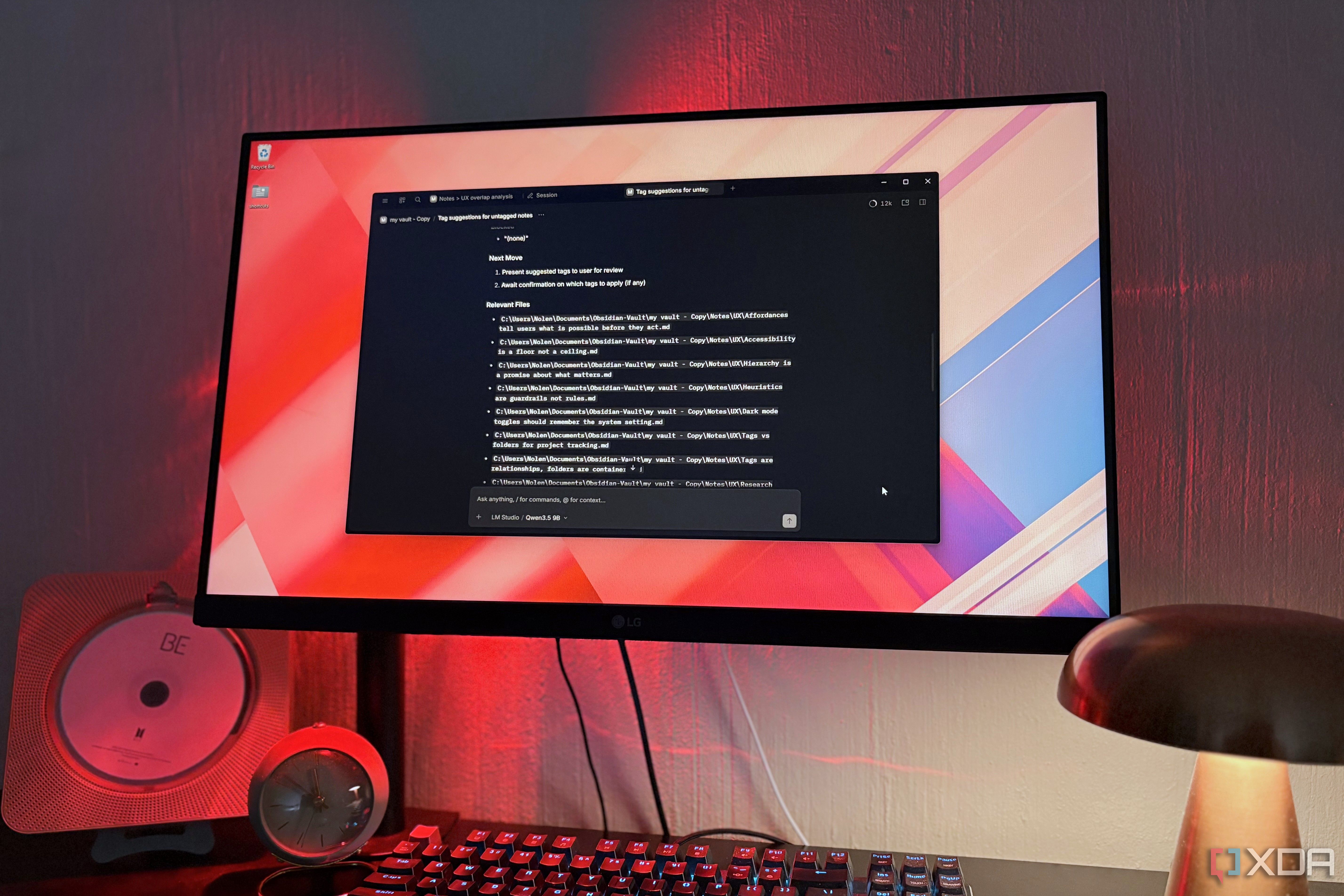
A lot of the advice for getting better results from AI models comes from the companies running those models in data centers. Their documentation is pretty detailed and actually sensible for the most part, the issue is that a lot of local LLM guides end up repeating that same advice. But local AI on an 8GB GPU can't be tuned or used the same as a hefty Claude model on Anthropic's servers. After having run local LLMs for real work for the better part of this year, I realized the tweaks and tricks…
X
Unlike subscriptions like Netflix, Spotify, or Apple Music, where paying a monthly fee generally means you can use the service as much as you want, AI subscriptions don't quite work that way. You could be paying $20, or even $100, a month and still find yourself staring at a polite little message telling you that you've hit your usage limit and should come back later.
X
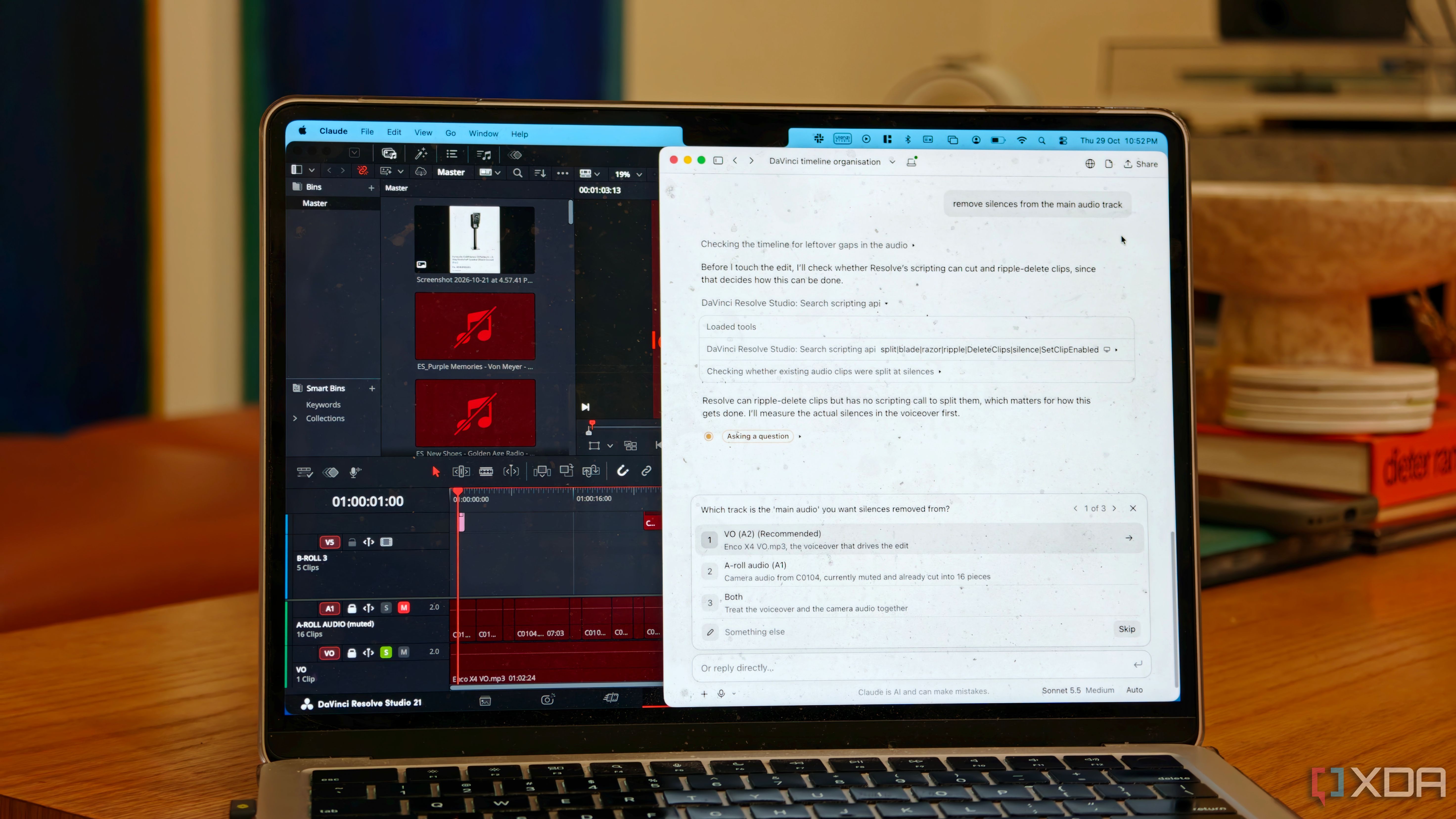
I dabble in video from time to time, and the one thing that slows me down is that video editing takes much longer than it should. Things like trimming footage, removing pauses, and adding captions are slow and tedious processes if you are not a professional editor. I wanted to spend less time on these repetitive tasks without sacrificing how the final edit looks.
X
One piece of prompting advice you've likely heard at least a few times before is to give AI chatbots as much context as possible. Don't leave much room for assumptions or interpretation, and be as clear about your requirements as you can to ensure the final result is exactly what you're looking for. It's advice I've followed myself, and when you think about it, it makes complete sense. How can you reasonably expect an AI chatbot to give you exactly what you want if you don't tell it what that…
X
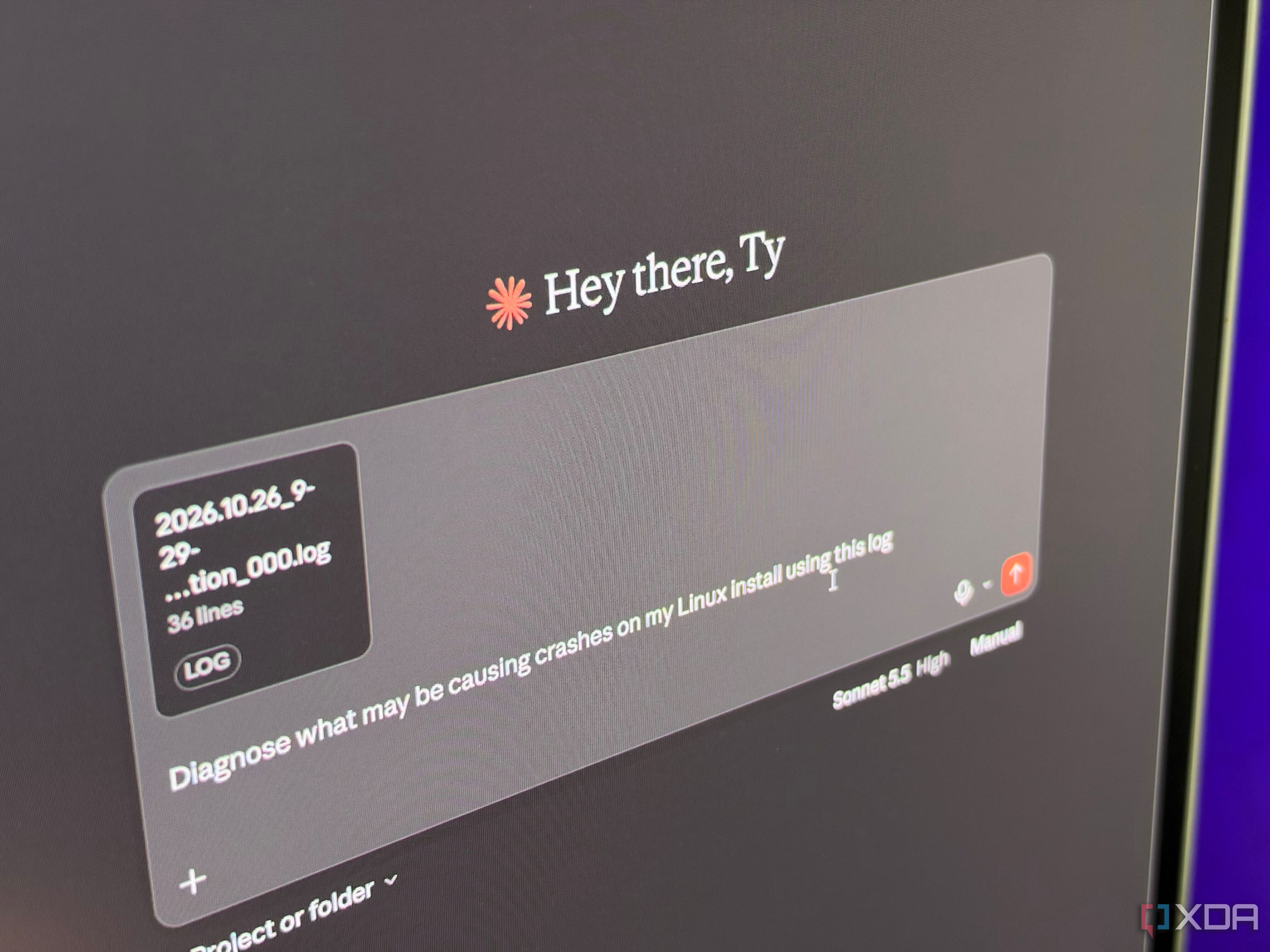
When one of my Linux boxes broke, I used to paste the error into a search engine and land on a forum thread where a stranger had the same problem. Someone had always replied with the fix, and that's how I learned half of what I know about Linux. Now that search hands me an AI summary, a pile of SEO filler, and the odd thread ending in "nvm, solved it."
X
Even though Claude's made a lot of improvements with their rate limits this year, they still have a habit of showing up at the most inconvenient times. And it's not even because of anything complex, it's usually that the session got used up on chores, like checking what's in a large folder of files before tidying them up. Tasks like these honestly don't need Claude's best models though.
X
I use Claude all the time for troubleshooting my self-hosting setup. It's been an incredible tool for everything from reviewing Docker logs to building small apps and dashboards, but letting it loose on a project can just as easily burn through my tokens and usage allowance. It turns out the complexity of the task isn't always what burns through AI tokens. The way the LLM works, exploring files or loading instructions can also dictate your token burn rate.
X
It seems as though every week, a new thread on Reddit or a YouTube short on my feed tells me that I'm overpaying for Claude Code, and that it's finally time to move on from weekly and 5-hour usage limits. Every time, it's purported that either a rival or a free coding agent can do a better job, and Codex, Antigravity, and OpenCode come up in nearly all of those conversations.
X
When it comes to building a complex website or app, tools like OpenAI’s Codex and Anthropic’s Claude Code promise to handle most of the heavy lifting with a few simple prompts. However, neither is perfect, and even the most impressive result can hide mistakes.
X
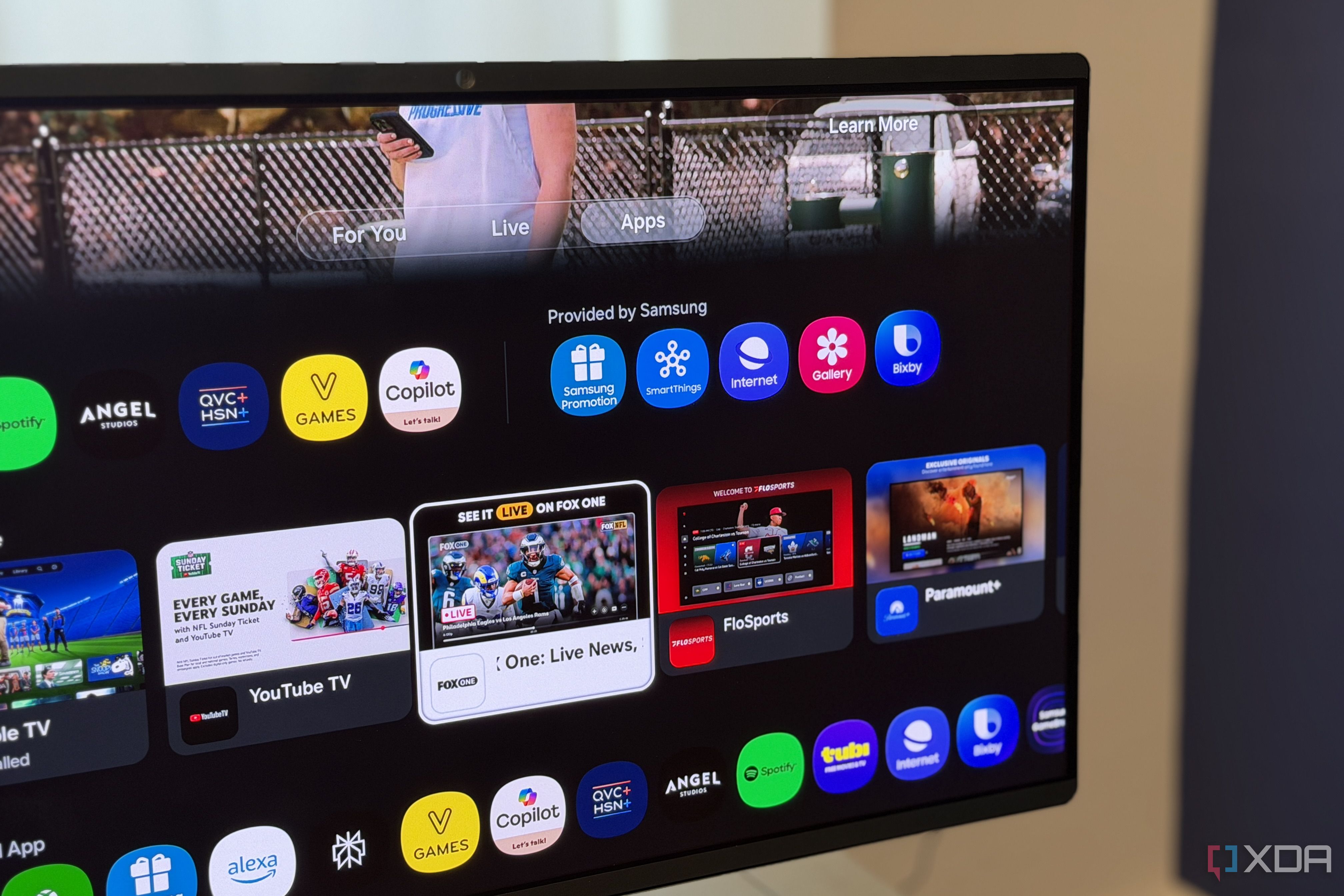
Last week, we saw a very interesting trend in AI pop up: reverse-engineering smart TVs. The idea was that you sicced Claude Code on your TV, and it would dig its way in, remove bloatware, strip out the ads, and even replace the UI with one you prefer. Things came to a head when someone managed to breach Samsung's Tizen OS with Claude Code, which is no easy feat.
X
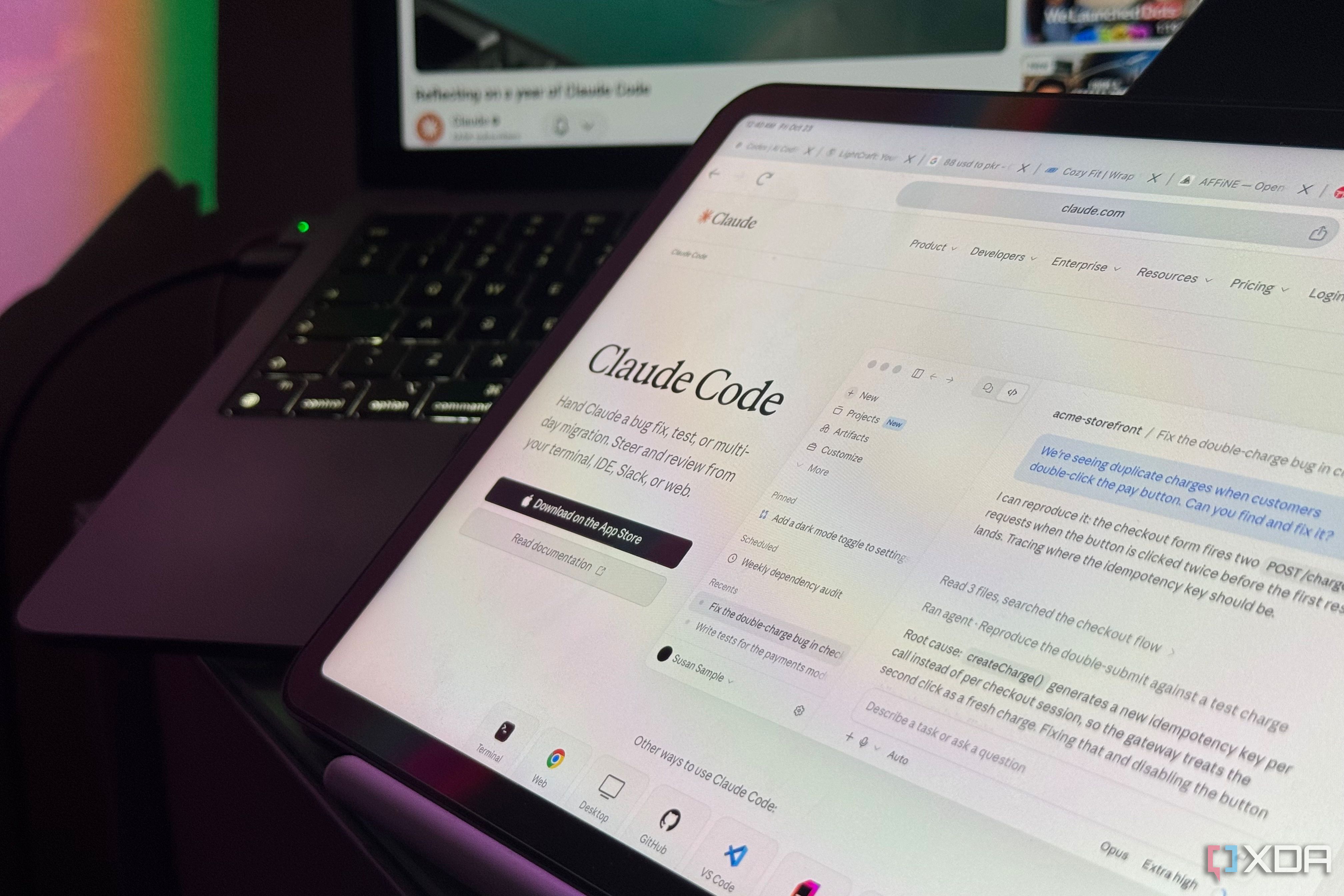
I’ve been a long-term VS Code user, and after years of writing code by hand, getting AI assistance through tools like GitHub Copilot was almost revolutionary. I could get suggestions and help fixing my code while I was writing it. I’ve been using that setup for a few years, but more recently, I started moving some of my development work to Claude Code because it was so effective.
X
AI coding tools have reached a point where building a functional web application no longer requires weeks of development or years of programming experience. However, to find out which AI coding tool could handle a real challenge, I put Claude Code, OpenAI Codex, and Google Antigravity through the same demanding test.
X
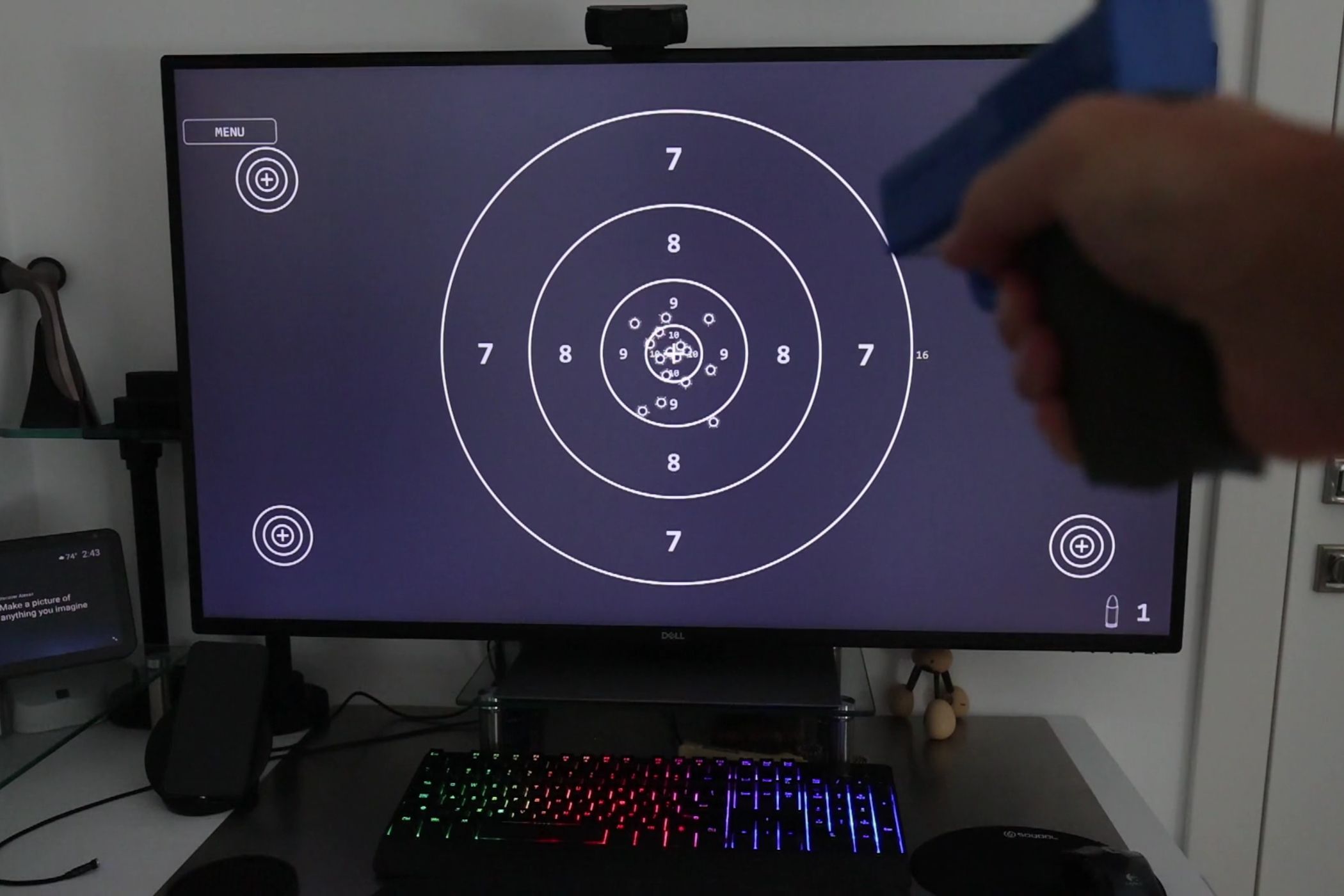
People have been doing some really cool things lately by pointing their webcams at their screens. Just a few days ago, we saw someone breach their Samsung TV by letting Claude take photos of the screen while it was working. Now, someone has used Claude to create a light gun-esque digital shooting range that uses a red laser instead.
X
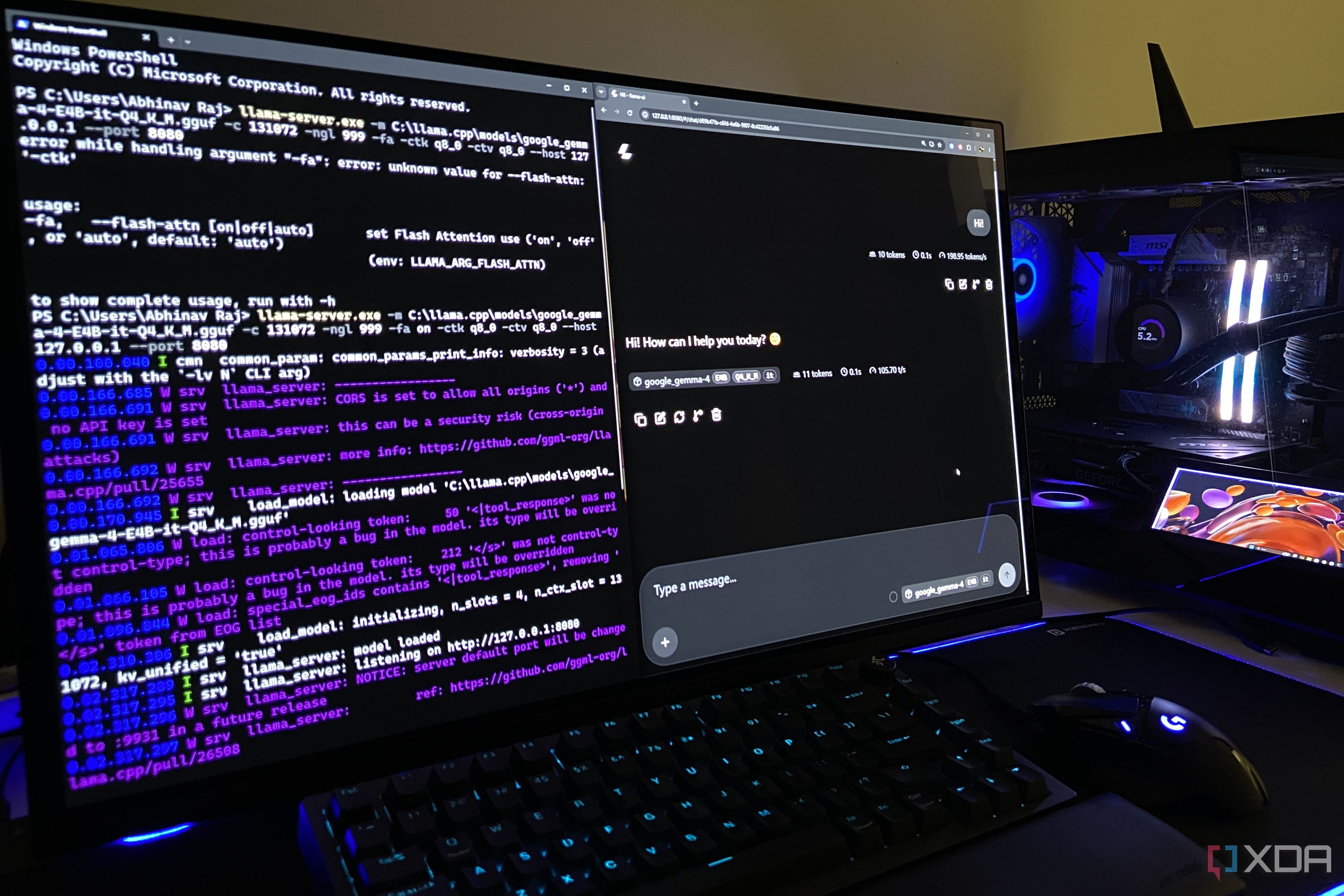
It's not lost on me that any one of Anthropic's models can outperform the models I run on my 16GB Nvidia GPU. I'd wager even Sonnet 5.5 can write much better code, keep track of conversations that just go on and on, and catch mistakes that both my Qwen3.6 and Gemma 4 would walk right past. If you put them side by side on any benchmark, Claude will take the win in literally any workflow, and it won't be close.
X
You might not want to admit this, but you've likely caught yourself giving someone prompting advice at least once. Though there's nothing wrong with sharing what works for you, think about what happens when practically everyone is doing the same thing. One person swears by a particular prompting technique, another insists on doing the exact opposite, and before you know it, you're surrounded by a sea of conflicting advice.
X
I write about AI coding agents a lot, and somewhere along the way I'd decided the model was doing all the heavy lifting. Swap Claude Code for Codex or Cursor, keep the same brain underneath, and you should get the same work back. So I put that to the test.
X
We've successfully reached the stage where every other person has an opinion on how you should be prompting AI. In the same week, you'll hear one person tell you to feed as much context as you possibly can into a prompt, be vague, and let the LLM figure out the details on its own. Then, you'll come across someone else telling you to do the exact opposite: keep your prompts short, be ridiculously specific about what you want, and leave absolutely nothing up to the AI's interpretation.
X
With the newest AI trend of people vibe-coding ways to debloat their smart TV, one person was inspired and decided to try it on their own device. Unfortunately, what they thought was an Android TV ended up not being Android at all, but after almost half a day of work, Claude managed to install a new Apple TV-like home screen, and it needed the user's phone to get the job done.
X
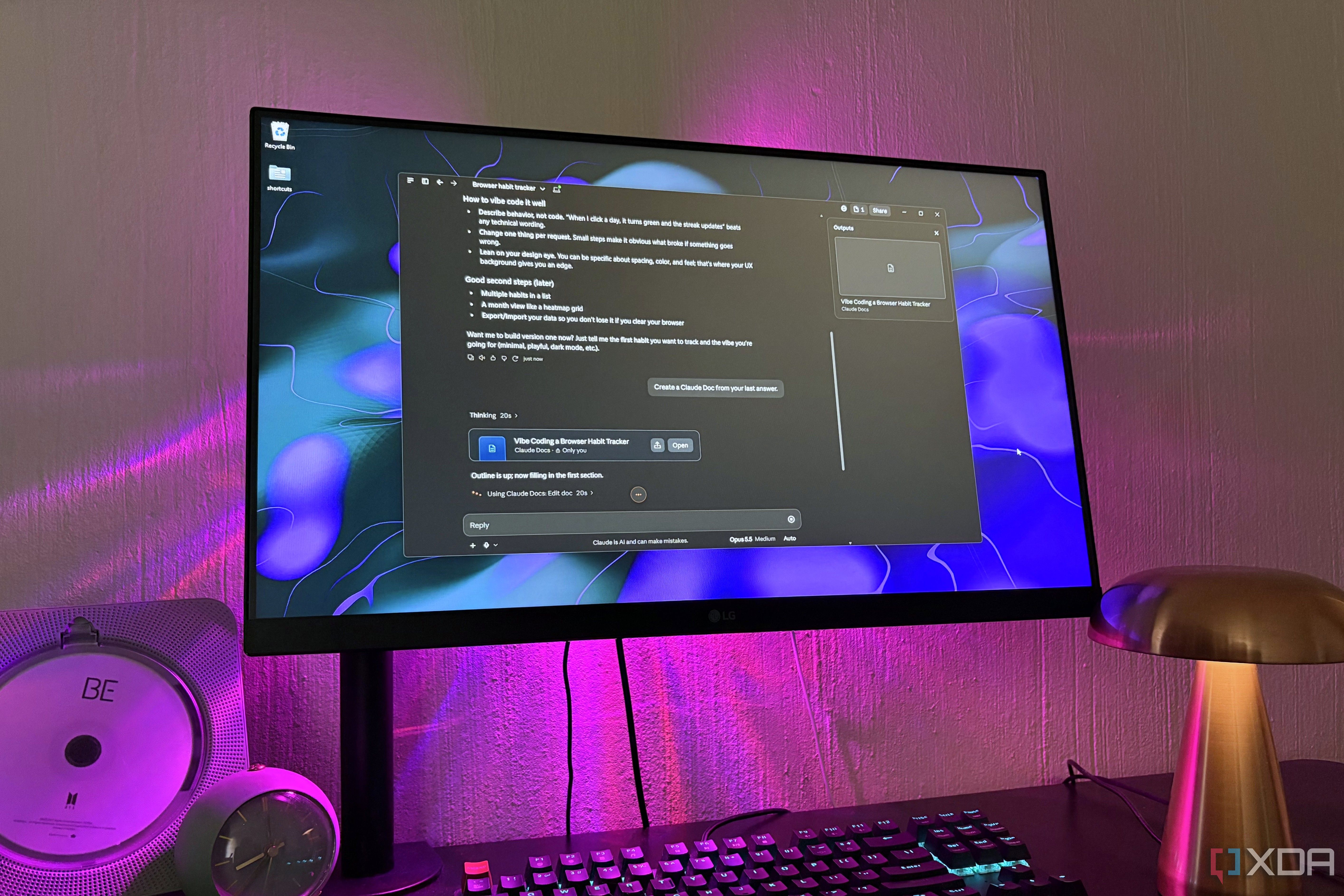
Most AI-generated files end up living somewhere completely different from where they were created. A chatbot can draft your task list or spec sheet, then you put it in a Google Doc, owned by a completely different company. Wherever you put the notes, that doc ends up with no idea about the conversation behind it. Then Anthropic launched its own editor inside Claude in September, which completely cuts out the middleman between AI synthesis and note-taking. I've been using it in regular chats and…