A
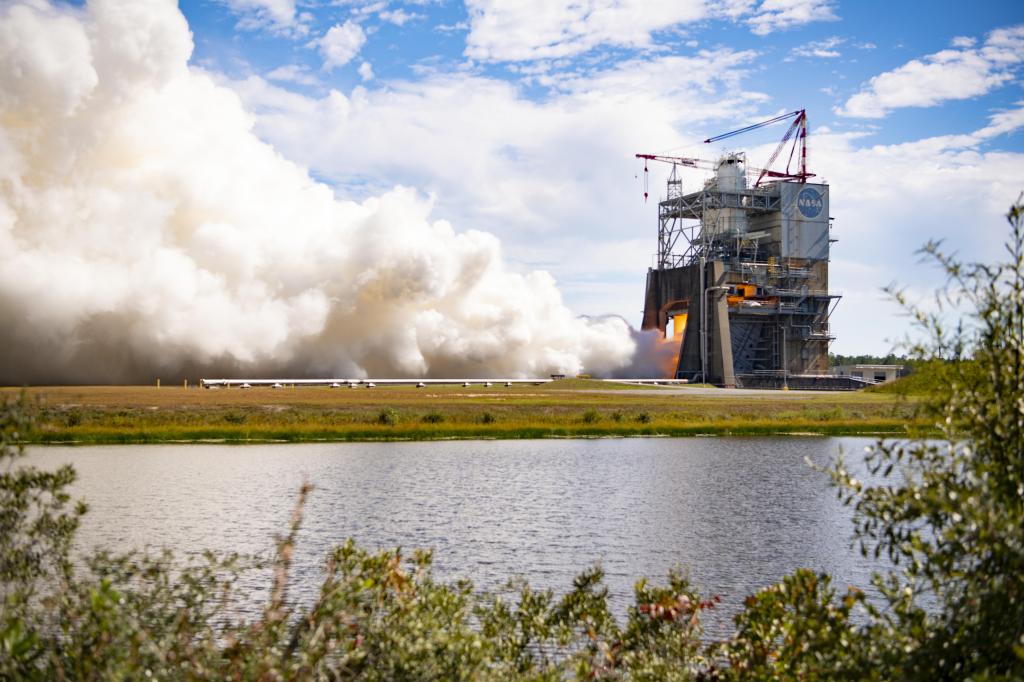
2 min readNASA Conducts RS-25 Engine Test in Support of Future Artemis Missions NASA conducts a hot fire of RS-25 engine No. 10001 on the Fred Haise Test Stand at NASA’s Stennis Space Center near Bay St. Louis, Mississippi, on Oct. 21, 2026. NASA/Danny Nowlin NASA conducts a hot fire of RS-25 engine No. 10001 on the Fred Haise Test Stand at NASA’s Stennis Space Center near Bay St. Louis, Mississippi, on Oct. 21, 2026. NASA/Danny Nowlin NASA conducts a hot fire of RS-25 engine No. 10001 on the…
A
NASA in the 21st Century Symposium NASA in the 21st Century History, Change, and Institutional Adaptation NASA History Office SymposiumNovember 16–17, 2027James Webb Auditorium, NASA Headquarters, Washington, D.C. Call for Papers Overview The first quarter of the 21st century has brought profound change to NASA. Since 2000, the agency has navigated the final years of the Space Shuttle Program and the development of the International Space Station; the Columbia accident and its aftermath; the…
A
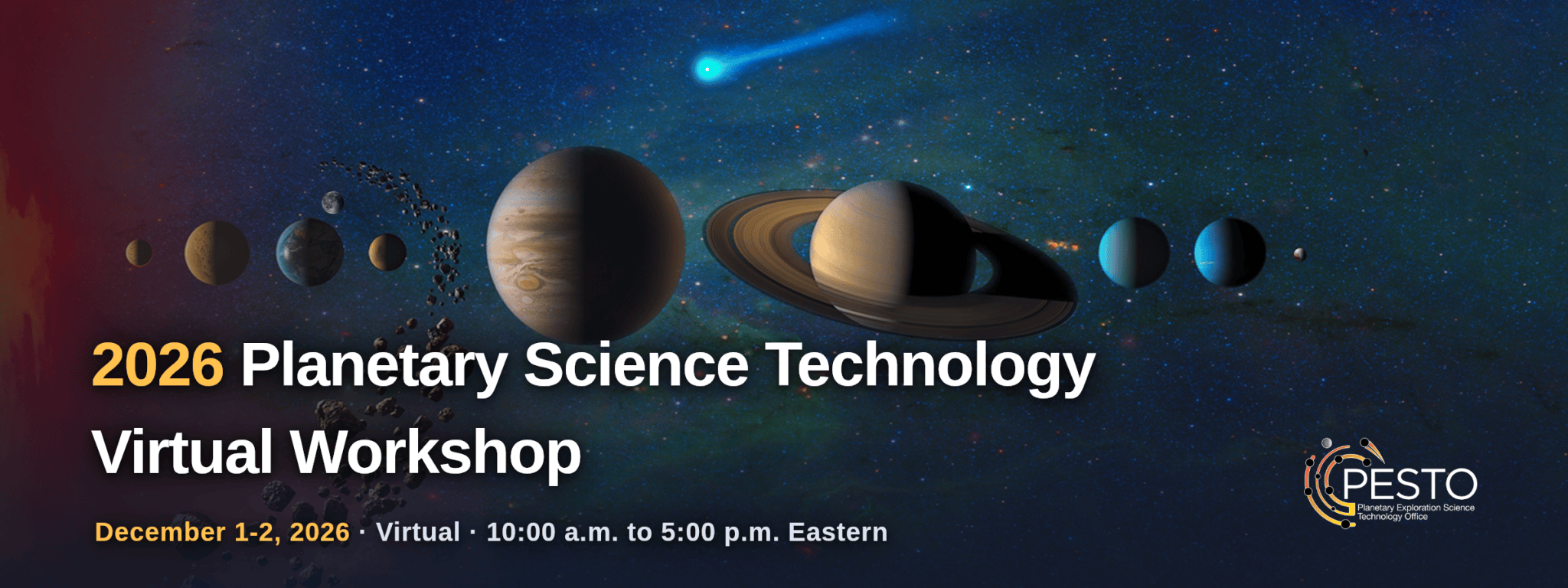
PESTO NavigationHomePortfolioPICASSOMatISSEDALIHOTTechProject PortfolioResourcesTechnology Development PlanFunded StudiesDirected FundingLinksNews & EventsNewsEventsAboutPESTOCharter & PurposePESTO TeamPESTO OfficeFAQPESTO Contacts Tuesday, December 1 and Wednesday, December 2, 2026 · 10:00 a.m. – 5:00 p.m. EST Virtual · No registration fee About the workshop NASA’s Planetary Exploration Science Technology Office (PESTO) is hosting a virtual workshop for the planetary science technology…
A
5 min readNASA JPL Looks to Next 90 Years of Innovation, Exploration Clockwise from top: Caltech graduate students and friends carry out their first rocket firing on Halloween, 1936, in a dry riverbed along which JPL would rise. Their work helped make possible missions such as Perseverance and Europa Clipper as well as the future SkyFall and MoonFall missions. NASA/JPL-Caltech Interstellar probes. Lunar drones. Helicopters on Mars. When a group of Caltech graduate students and enthusiasts began…
A
Physics of the Cosmos…Physics of the Cosmos CommunityCurrent ROSES Remains Open,…AboutCommunityProgram Analysis Group (PhysPAG)Science GroupsMeetingsCosmic PathfindersScience GapsEarly Career WorkshopsOpportunitiesMissionsStudiesNews & EventsResources Current ROSES Remains Open, Next ROSES to be Released in Late 2026 21 October 2026 NASA’s Science Mission Directorate (SMD) traditionally releases Research Opportunities in Space and Earth Sciences (ROSES), its umbrella Notice of Funding…
A
Physics of the Cosmos…Physics of the Cosmos CommunityROSES-25 D.3 AGIGO: Swift,…AboutCommunityProgram Analysis Group (PhysPAG)Science GroupsMeetingsCosmic PathfindersScience GapsEarly Career WorkshopsOpportunitiesMissionsStudiesNews & EventsResources ROSES-25 D.3 AGIGO: Swift, Fermi, and TESS Observatories Second Opportunities; Phase-1 Proposals Due 28 January 2027 21 October 2026 The Neil Gehrels Observatory, Fermi Gamma-ray Space Observatory, and the Transiting Exoplanet Survey Satellite…
A
Physics of the Cosmos…Physics of the Cosmos CommunityCall for Nominations to the…AboutCommunityProgram Analysis Group (PhysPAG)Science GroupsMeetingsCosmic PathfindersScience GapsEarly Career WorkshopsOpportunitiesMissionsStudiesNews & EventsResources Call for Nominations to the PhysPAG Executive Committee 21 October 2026 The Astrophysics Division of NASA’s Science Mission Directorate is pleased to issue this open call for nominations, including self-nominations, to serve on the Executive…
A
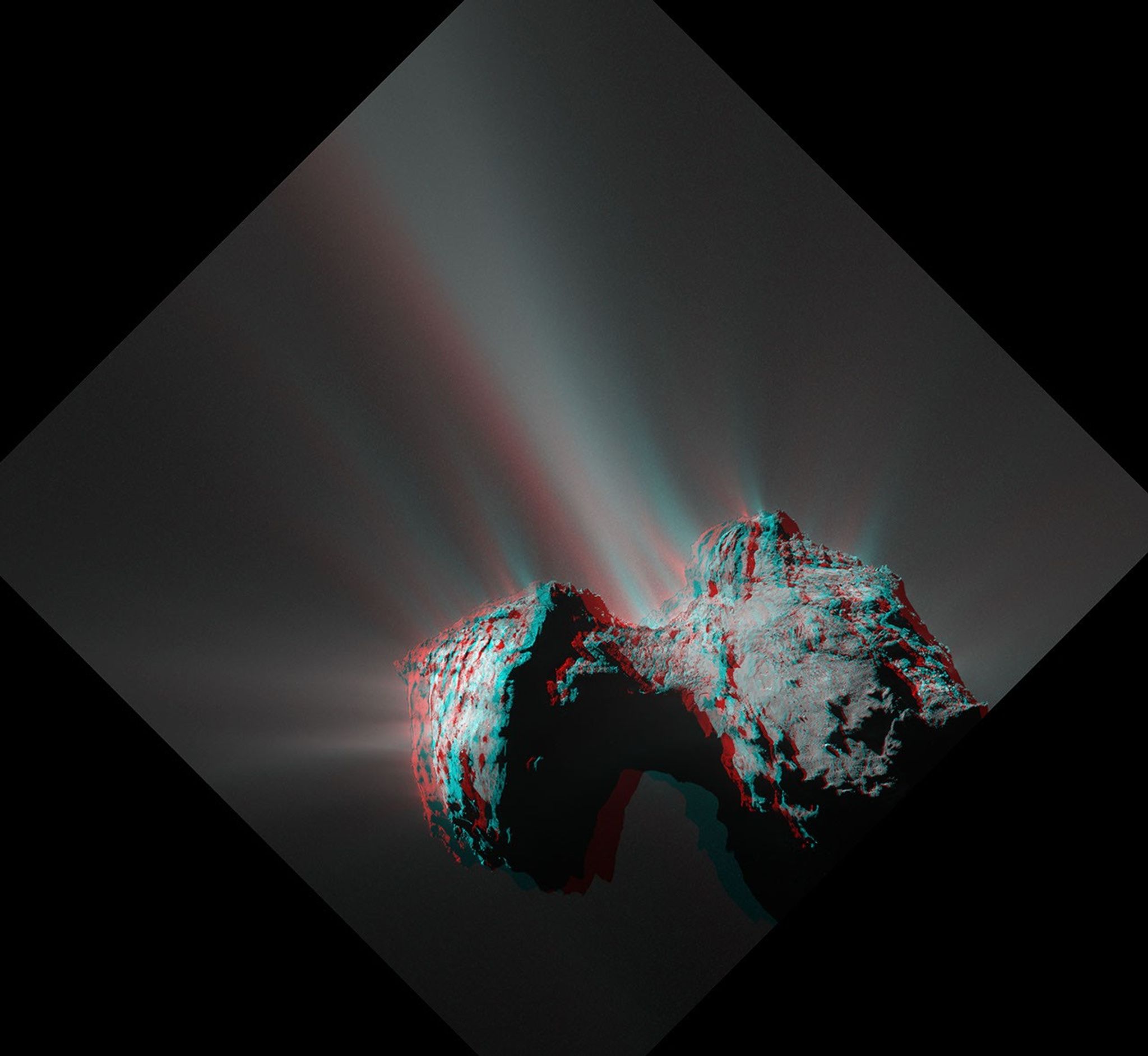
APODScienceAPODAPOD: 2026 October 17…Today’s APODArchiveSubmissionsIndexSearchCalendarRSSEducationAboutDiscuss APOD Astronomy Picture of the Day Discover the cosmos! Each day a different image or photograph of our fascinating universe is featured, along with a brief explanation written by a professional astronomer. 3D 67P Explanation: Put on your red/blue glasses and float next to the jagged and double-lobed nucleus of Churyumov-Gerasimenko, also known as Comet 67P . The stereo anaglyph was…
A
Photo of Stephen Cash NASA Administrator Jared Isaacman has named Stephen Cash director of the agency’s Marshall Space Flight Center in Huntsville, Alabama, effective Monday, Oct. 19. Cash, a veteran NASA engineer and aerospace executive, returns to lead the center where he began his career more than four decades ago. “Marshall contributions to NASA’s missions are historic and it’s no question why it’s the Center of Excellence for propulsion,” said Isaacman. “Steve Cash is a Marshall legend,…
A
ExEP…ExoPAG 35…ExoPAG 35 – Policies…ExEP HomeOverviewTeamMissionsScienceOverviewDecadal SurveysExoExplorersTechnologyTechnology OverviewNeeds and Gap ListsStrategic Astrophysics Technology (SAT) Awards ExEP Technology Colloquium SeriesIn-Space Servicing and Assembly (iSSA)Segmented Coronagraph Design and Analysis (SCDA)Starshade Technology DevelopmentStarshade Exoplanet Data ChallengeNN-ExploreOverviewWIYN/NEID Observing OpportunitiesSouthern RV Observing OpportunitiesEPRVHigh Resolution…
A
ExEP…ExoPAG 35…ExoPAG 35…ExEP HomeOverviewTeamMissionsScienceOverviewDecadal SurveysExoExplorersTechnologyTechnology OverviewNeeds and Gap ListsStrategic Astrophysics Technology (SAT) Awards ExEP Technology Colloquium SeriesIn-Space Servicing and Assembly (iSSA)Segmented Coronagraph Design and Analysis (SCDA)Starshade Technology DevelopmentStarshade Exoplanet Data ChallengeNN-ExploreOverviewWIYN/NEID Observing OpportunitiesSouthern RV Observing OpportunitiesEPRVHigh Resolution…
A
ExEP…ExoPAG 35…ExoPAG 35 – Early…ExEP HomeOverviewTeamMissionsScienceOverviewDecadal SurveysExoExplorersTechnologyTechnology OverviewNeeds and Gap ListsStrategic Astrophysics Technology (SAT) Awards ExEP Technology Colloquium SeriesIn-Space Servicing and Assembly (iSSA)Segmented Coronagraph Design and Analysis (SCDA)Starshade Technology DevelopmentStarshade Exoplanet Data ChallengeNN-ExploreOverviewWIYN/NEID Observing OpportunitiesSouthern RV Observing OpportunitiesEPRVHigh Resolution…
A
Explore This SectionHomeOverviewNEO Observations ProgramMissionsNEO SurveyorDARTNewsTeamSupporting DocumentsMoreMedia Resources Brent Barbee Planetary Defense Officer Brent Barbee is the Planetary Defense Officer for NASA’s Planetary Defense Coordination Office. He previously served as the NASA Goddard Space Flight Center’s Lead Planetary Defense Application Scientist and Community Liaison. He was also an adjunct faculty member in the University of Maryland’s Department of Aerospace…
A
ExEP…ExoPAG MeetingsExoPAG 35…ExEP HomeOverviewTeamMissionsScienceOverviewDecadal SurveysExoExplorersTechnologyTechnology OverviewNeeds and Gap ListsStrategic Astrophysics Technology (SAT) Awards ExEP Technology Colloquium SeriesIn-Space Servicing and Assembly (iSSA)Segmented Coronagraph Design and Analysis (SCDA)Starshade Technology DevelopmentStarshade Exoplanet Data ChallengeNN-ExploreOverviewWIYN/NEID Observing OpportunitiesSouthern RV Observing OpportunitiesEPRVHigh Resolution…
A
Explore This Section…ROSES-25 BlogA.15 Biosphere: New…OverviewROSESFAQBlogROSES Budget RedactionGrant StatsNo Due Date ProgramsOSDMP FAQSuborbital ProgramProgram Officer ListVolunteer to Review ProposalsDual-Anonymous Peer ReviewPRC FAQSolicitationsSolicitationsHelp & SupportAnnouncement of OpportunitySOMACommunity & CareerAdvisory CommitteesPublic MeetingsWork-Life BalanceNASA Postdoc ProgramNASA Workforce StudyPI ResourcesUseful InformationLibrary and Useful LinksScientific Information Policy…
A
Explore This SectionScienceExoplanetsTOI-5699 bExoplanets HomeOverviewExoplanet FactsTypes of ExoplanetsStarsWhat is the UniverseSearch for LifeThe Big QuestionsAre We Alone?Can We Find Life?The Habitable ZoneWhy We SearchTarget Star CatalogDiscoveriesDiscoveries DashboardHow We Find and CharacterizeMissionsPeopleExoplanet CatalogImmersiveThe ExoplaneteersExoplanet Travel Bureau5 Ways to Find a PlanetStrange New WorldsUniverse of MonstersGalaxy of Horrors‘The Lost Universe’…
A
Explore This SectionScienceExoplanetsTOI-5120 bExoplanets HomeOverviewExoplanet FactsTypes of ExoplanetsStarsWhat is the UniverseSearch for LifeThe Big QuestionsAre We Alone?Can We Find Life?The Habitable ZoneWhy We SearchTarget Star CatalogDiscoveriesDiscoveries DashboardHow We Find and CharacterizeMissionsPeopleExoplanet CatalogImmersiveThe ExoplaneteersExoplanet Travel Bureau5 Ways to Find a PlanetStrange New WorldsUniverse of MonstersGalaxy of Horrors‘The Lost Universe’…
A
Explore This SectionScienceExoplanetsTIC 237254473…Exoplanets HomeOverviewExoplanet FactsTypes of ExoplanetsStarsWhat is the UniverseSearch for LifeThe Big QuestionsAre We Alone?Can We Find Life?The Habitable ZoneWhy We SearchTarget Star CatalogDiscoveriesDiscoveries DashboardHow We Find and CharacterizeMissionsPeopleExoplanet CatalogImmersiveThe ExoplaneteersExoplanet Travel Bureau5 Ways to Find a PlanetStrange New WorldsUniverse of MonstersGalaxy of Horrors‘The Lost Universe’…
A
Explore This SectionScienceExoplanetsTIC 219893931…Exoplanets HomeOverviewExoplanet FactsTypes of ExoplanetsStarsWhat is the UniverseSearch for LifeThe Big QuestionsAre We Alone?Can We Find Life?The Habitable ZoneWhy We SearchTarget Star CatalogDiscoveriesDiscoveries DashboardHow We Find and CharacterizeMissionsPeopleExoplanet CatalogImmersiveThe ExoplaneteersExoplanet Travel Bureau5 Ways to Find a PlanetStrange New WorldsUniverse of MonstersGalaxy of Horrors‘The Lost Universe’…
A
Explore This SectionScienceExoplanetsElias 2-24 bExoplanets HomeOverviewExoplanet FactsTypes of ExoplanetsStarsWhat is the UniverseSearch for LifeThe Big QuestionsAre We Alone?Can We Find Life?The Habitable ZoneWhy We SearchTarget Star CatalogDiscoveriesDiscoveries DashboardHow We Find and CharacterizeMissionsPeopleExoplanet CatalogImmersiveThe ExoplaneteersExoplanet Travel Bureau5 Ways to Find a PlanetStrange New WorldsUniverse of MonstersGalaxy of Horrors‘The Lost Universe’…
A
Explore This SectionScienceExoplanetsTOI-2158 cExoplanets HomeOverviewExoplanet FactsTypes of ExoplanetsStarsWhat is the UniverseSearch for LifeThe Big QuestionsAre We Alone?Can We Find Life?The Habitable ZoneWhy We SearchTarget Star CatalogDiscoveriesDiscoveries DashboardHow We Find and CharacterizeMissionsPeopleExoplanet CatalogImmersiveThe ExoplaneteersExoplanet Travel Bureau5 Ways to Find a PlanetStrange New WorldsUniverse of MonstersGalaxy of Horrors‘The Lost Universe’…
A
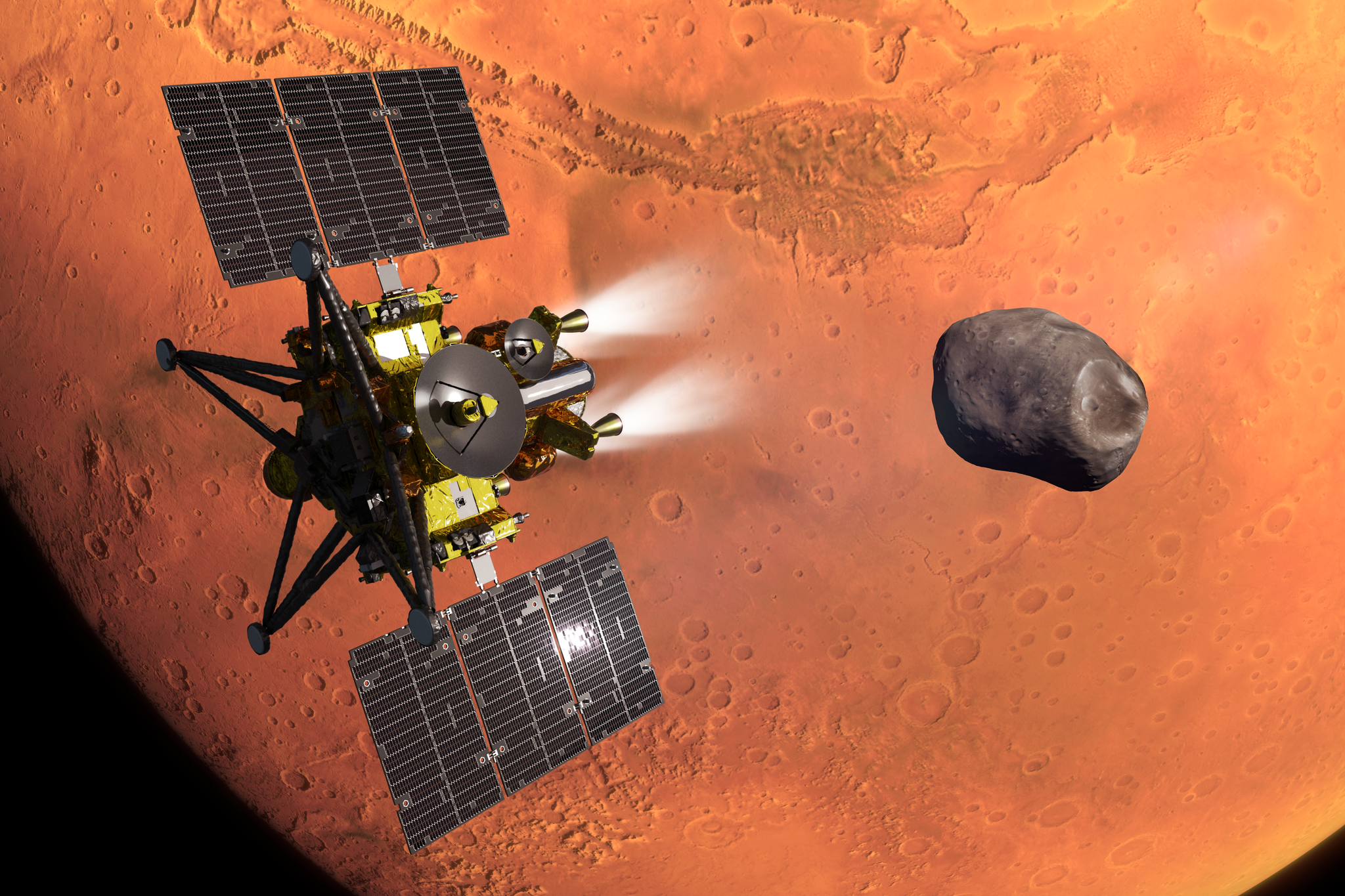
NASA is playing an important role in JAXA’s (Japan Aerospace Exploration Agency) MMX (Martian Moons eXploration) mission, to advance our understanding of Mars’ moons and build on the agency’s long history of exploring the Red Planet. The mission aims to characterize and determine the origin of Mars’ moons Phobos and Deimos and deliver a sample of Phobos to Earth. The MMX spacecraft is targeting launch from JAXA’s Tanegashima Space Center in Japan at 3:41 p.m. EDT on Monday, Oct. 19 (4:41 a.m.…
A
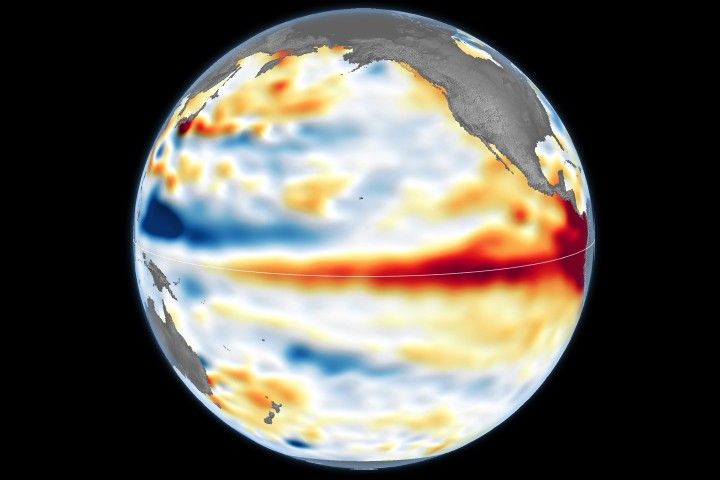
6 Min Read NASA Satellites Observe Historic 2026 El Niño This visualization compares three ocean data products, sea surface temperature anomaly, apparent visible wavelength, and sea surface height anomaly, over the same months in 2025 and 2026. Signals of El Niño in each map are highlighted with pop-up labels. Credits: NASA’s Scientific Visualization Studio A phenomenon rarer than a solar eclipse and more powerful than any single storm system is unfolding this fall, and NASA is tracking it…
A
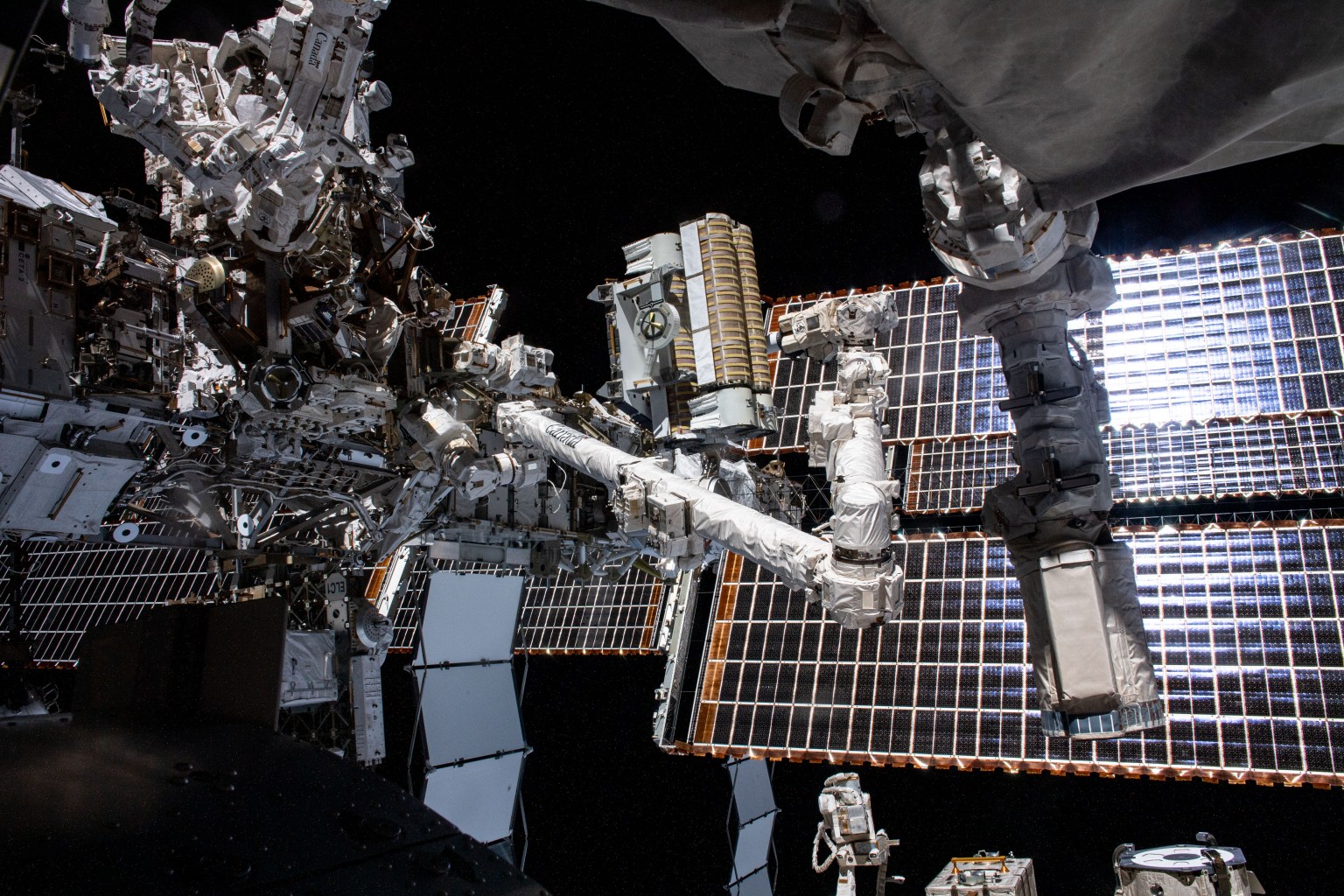
2 Min Read Power Up: Roll Out Solar Arrays Boost Space Station Power Supply From the International Space Station’s unique position 250 miles above Earth, the Sun is a vital source of energy. Solar power supports the station’s life support systems, daily activities, and hundreds of research investigations that improve life on Earth and prepare humans for deep space exploration. Over the past five years, NASA augmented the station’s power generation and distribution capability with…
A
A NASA Dynamic Aviation A200 aircraft will conduct low-flying research flights over farmland near Transit, Texas, from Thursday, Oct. 22, through Monday, Nov. 9. These flights will measure gaseous and particulate emissions from animal feeding operations. A photo of the Dynamic Aviation A200 aircraft, which will conduct low-flying research flights over farmland near Transit, Texas, to measure emissions in October and November 2026.Dynamic Aviation Agricultural emissions represent an important…
A
Registration is open for the 2026 NASA Space Apps Challenge, a two-day global event on Saturday, Nov. 14 and Sunday, Nov. 15, where teams work to create solutions inspired by NASA’s most ambitious exploration goals and making use of the agency’s free and open data. The annual challenge, often called a hackathon, is an intensive, collaborative problem-solving experience where participants tackle real-world challenges created by NASA subject matter experts.This year’s Space Apps Challenge…
A
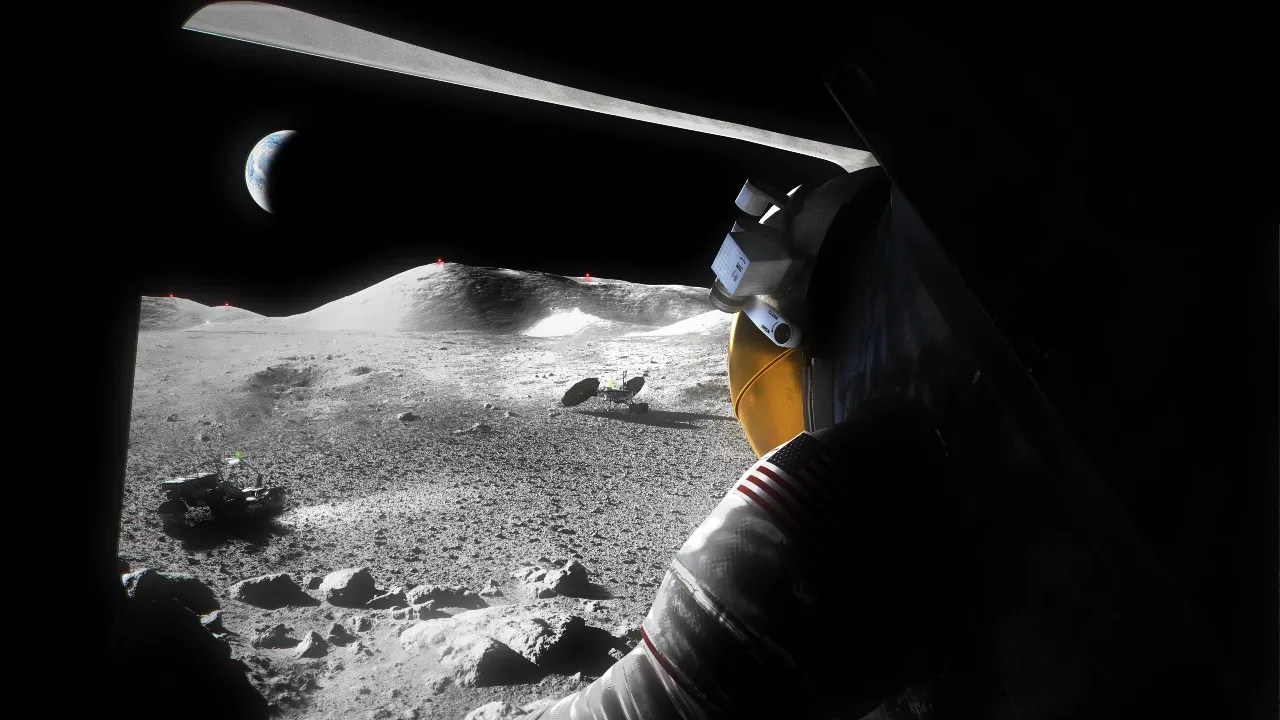
3 Min Read NASA Awards Enable Research, Technology to Build Future Workforce An illustration of a suited Artemis astronaut looking out of a Moon lander hatch across the lunar surface, a Lunar Terrain Vehicle and other surface elements. Credits: NASA NASA has selected 12 U.S. institutions to receive $12 million to accelerate academic research and technology development in support of the agency’s priorities for exploring the Moon, Mars, and deep space. Through NASA’s Minority University Research…